
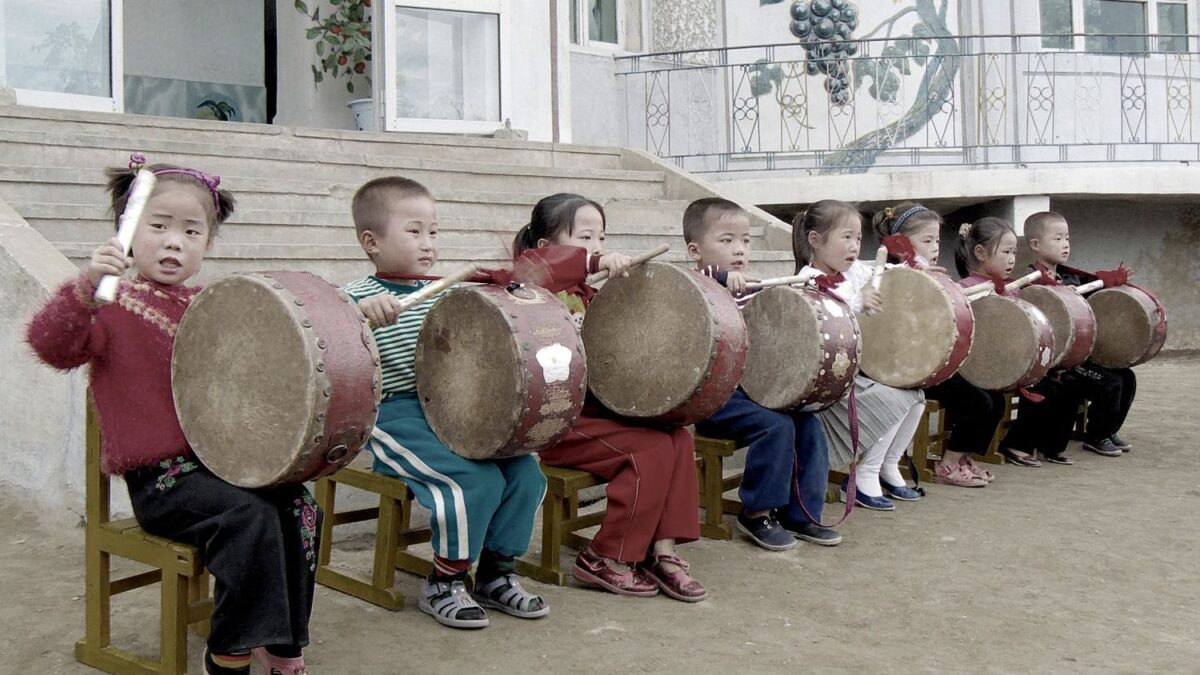
The Mystery of Music Appearing Everywhere
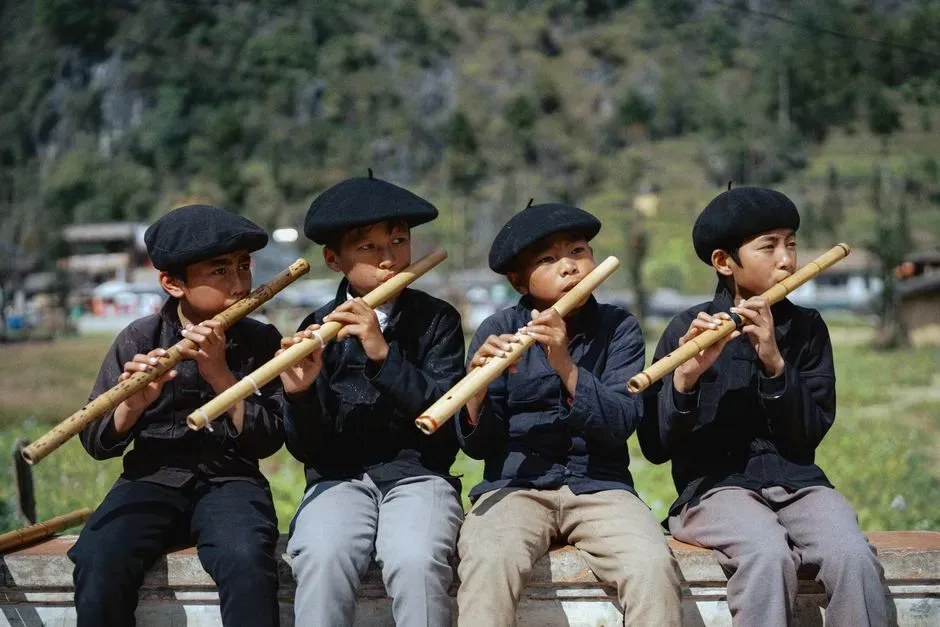
Archaeologists keep finding flutes carved from bone and drums made from stretched hides in sites separated by oceans and continents. These instruments date back tens of thousands of years, yet the societies that made them had no contact with one another. The repetition of similar tools points to something deeper than coincidence.
Researchers note that even isolated groups developed vocal rhythms and simple percussion long before complex instruments. The pattern holds across deserts, rainforests, and arctic regions alike. Something about the human body seems to favor creating organized sound.
Rhythm Reaching Into the Brain
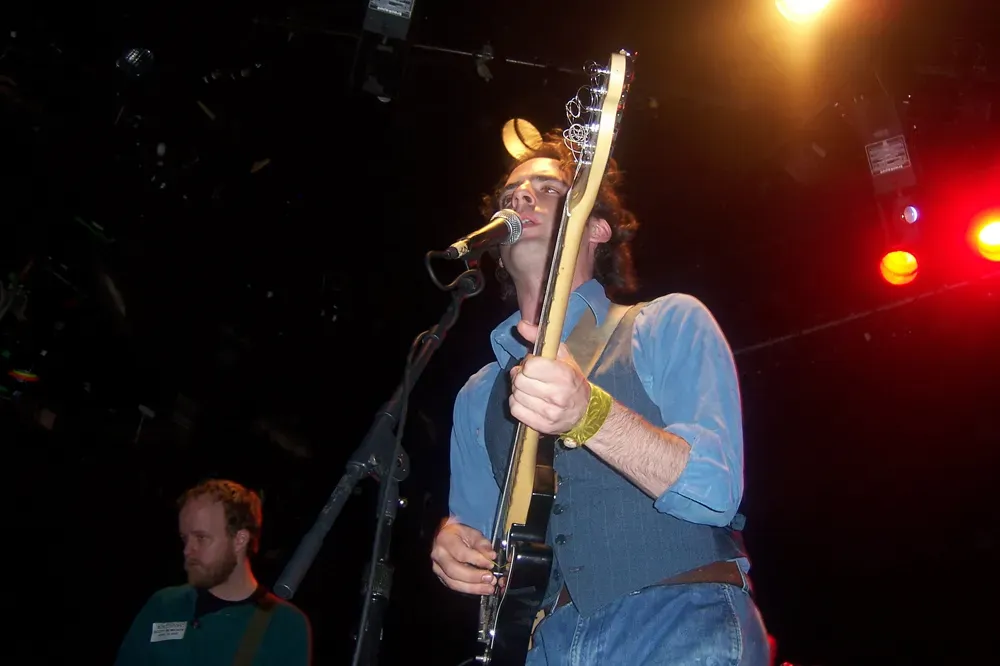
Studies of brain activity show that steady beats cause neurons in different people to fire in matching patterns. This alignment happens quickly, often within seconds of hearing the same pulse. The effect appears strongest when the rhythm stays regular and predictable.
Neuroscientists describe this as entrainment, where one person’s timing influences another without words. The process involves areas linked to movement and attention working together across individuals. It creates a shared internal clock that feels almost automatic once it starts.
Early Groups Finding Connection Through Sound
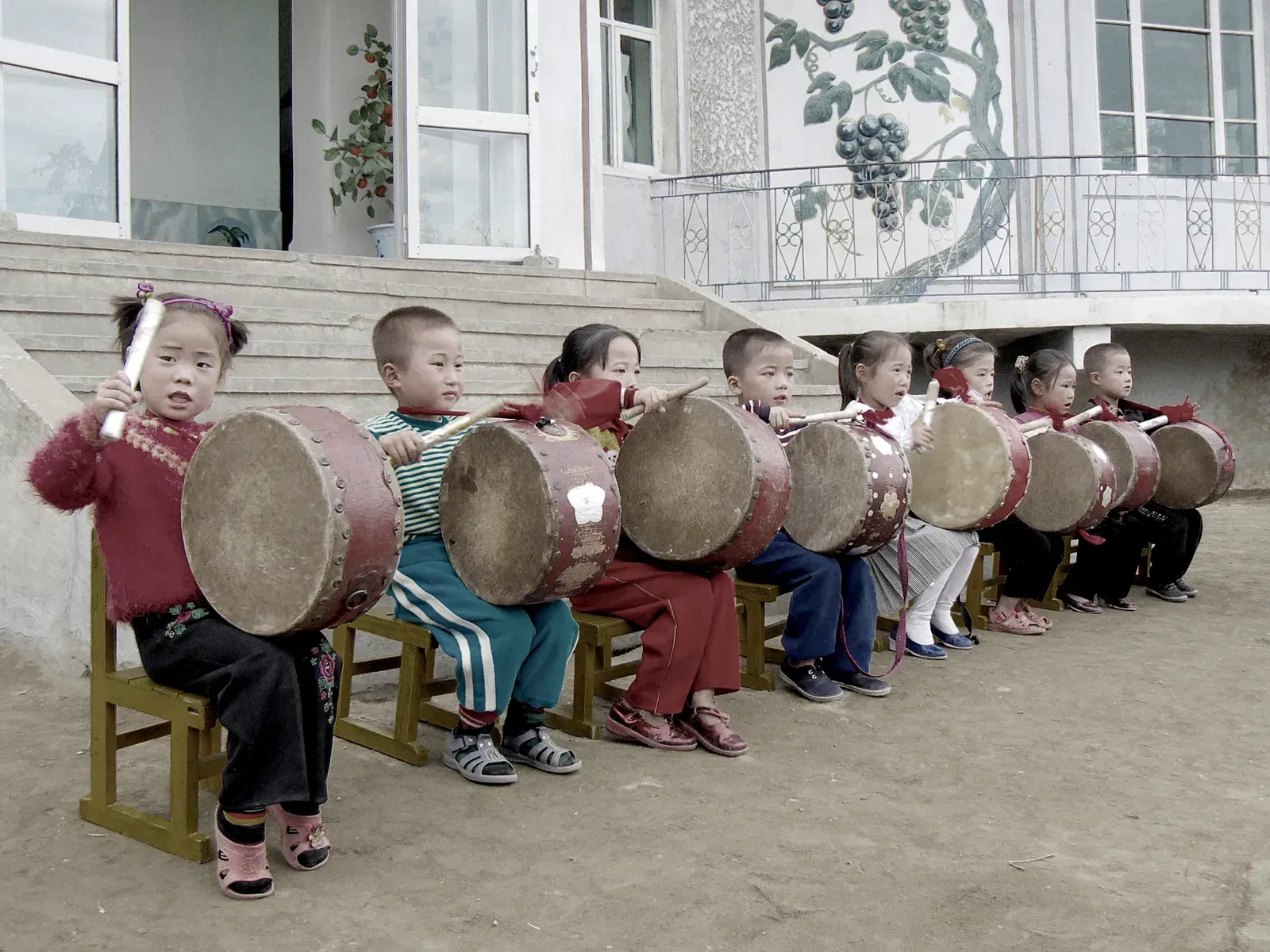
Before spoken language reached its full form, small bands of early humans likely used rhythmic sounds to stay coordinated during hunts or gatherings. A steady beat could signal when to move together or when to pause. That coordination would have helped survival in ways scattered individuals could not manage alone.
Anthropologists point to how rhythm reduces the mental effort needed to predict what others will do next. Bodies fall into step more easily when a common pulse guides them. Over time, those shared moments may have strengthened trust within the group.
Evidence From Cultures With No Contact
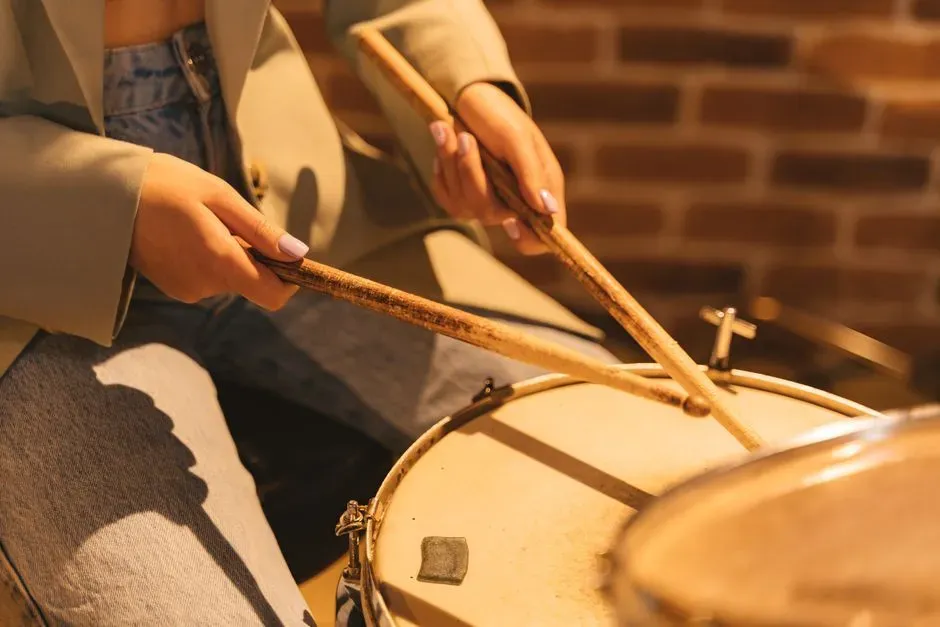
Recordings from remote Amazonian tribes and Australian Aboriginal communities show similar uses of call and response patterns. These groups developed their practices independently yet arrived at comparable ways of using rhythm to mark events. The overlap suggests a common biological starting point rather than cultural borrowing.
Ethnomusicologists have documented how lullabies and work songs follow nearly identical structures in places thousands of miles apart. The simplicity of the rhythms makes them easy to learn and repeat across generations. That ease supports the idea that rhythm taps into basic human wiring.
Why Beats Create a Sense of We

When people move or sing in time, their heart rates and breathing often begin to match as well. This physical alignment lowers stress responses and increases feelings of closeness. The change happens even when participants do not know one another beforehand.
Experiments with groups tapping together show higher cooperation afterward compared with groups that tap at their own pace. The difference appears in both behavior and self reports of connection. Rhythm seems to act as a quick route to feeling part of something larger.
Modern Echoes of Ancient Patterns
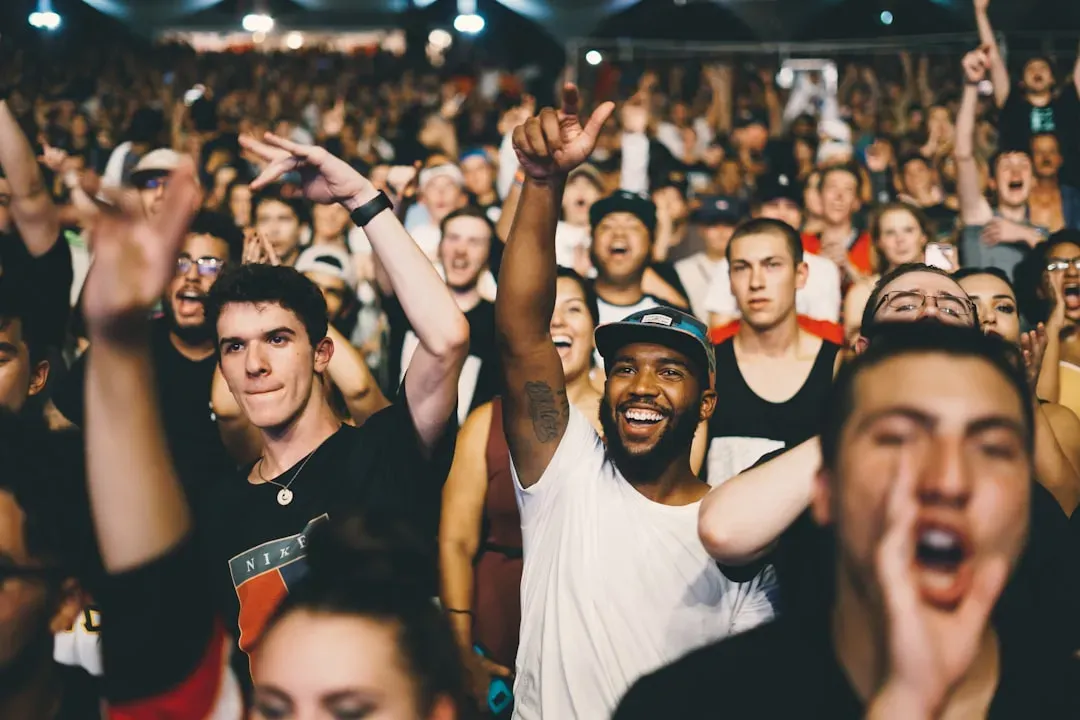
Today’s concerts, sports chants, and even online music streams recreate the same synchronization effect on a larger scale. Crowds move as one without planning, drawn by the shared beat. The experience feels familiar because it taps into mechanisms that predate recorded history.
Therapists now use rhythmic activities to help people rebuild social skills after isolation or trauma. The approach works because the brain responds to steady pulses in much the same way it always has. These applications show the old mechanism still operating in new settings.
What This Suggests About Human Origins
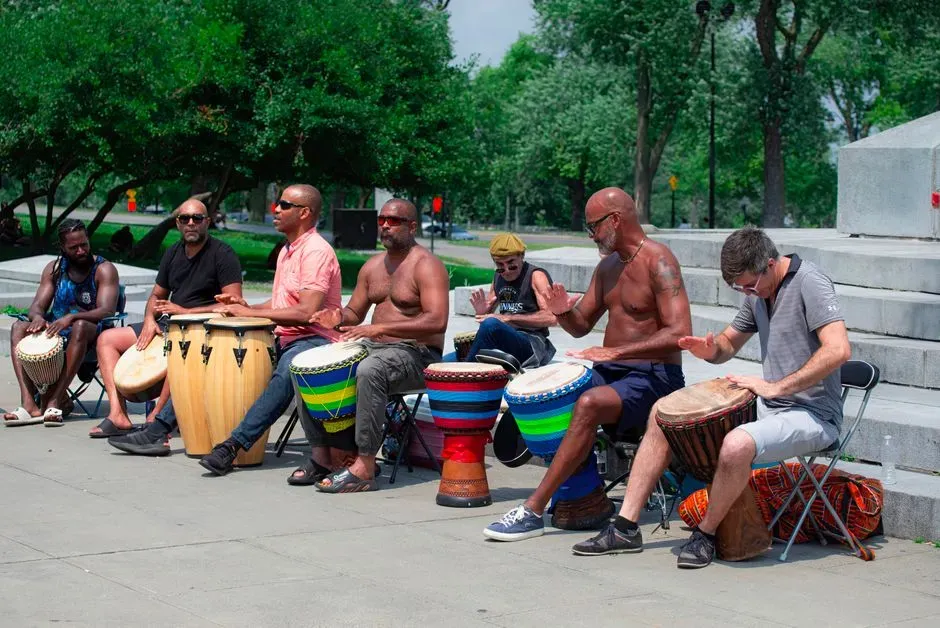
The independent rise of music across the globe fits with the view that rhythm served as an early bridge between minds. It offered a way to bond without needing complex words or shared stories first. That advantage would have spread wherever humans lived in groups.
Over time, rhythm likely laid groundwork for other forms of cooperation that later became language and ritual. The beat came first because it required only bodies and attention. Everything else built on that foundation.
The idea that music began as a tool for connection rather than entertainment alone changes how we hear a simple drum circle or a shared song. It reminds us that the urge to move together runs deeper than any single culture or era. In that light, every new rhythm we join continues an ancient habit of finding one another through sound.
- The Dog Breed That Understands Your Zodiac Sign Better Than Anyone - July 23, 2026
- 10 Things Your Cat Does That Show They Truly Love You - July 23, 2026
- 15 Gentle Signs an Old Dog Feels Deeply Cherished in Its Final Season - July 23, 2026