
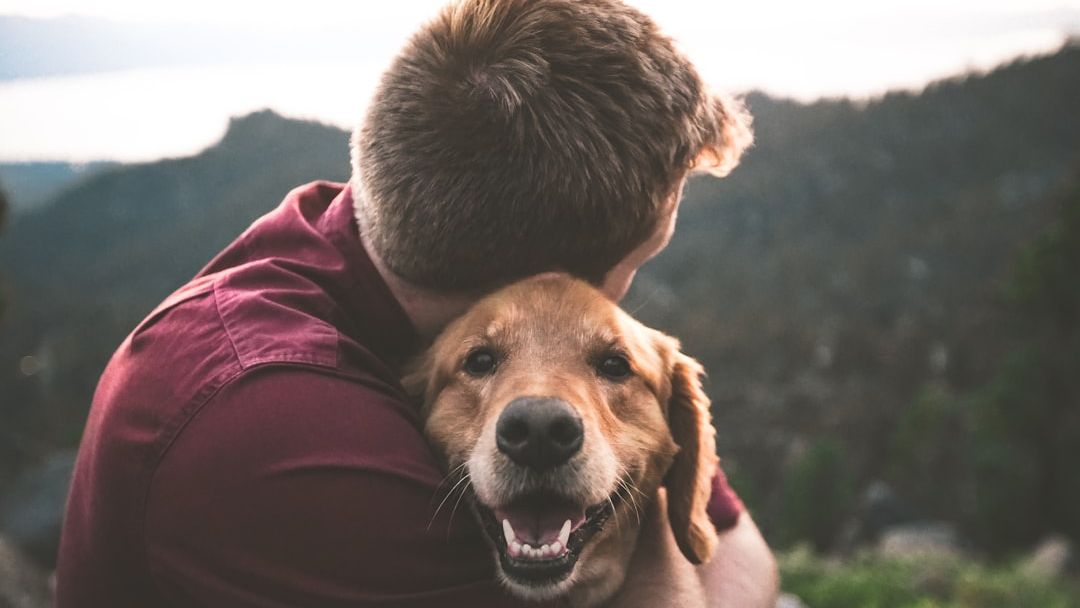
Picture a quiet evening where a dog rests its head on your knee after a long day. That simple moment carries echoes of something far older than any modern friendship. It hints at a connection shaped over thousands of years, one that still shapes how both species move through the world today.
Researchers in psychology keep uncovering layers to this relationship that go beyond companionship. The evidence points to mutual advantages that helped both humans and dogs survive and thrive. What began as a practical arrangement may have grown into one of the most enduring partnerships in evolutionary history.
The Deep Roots Of Domestication
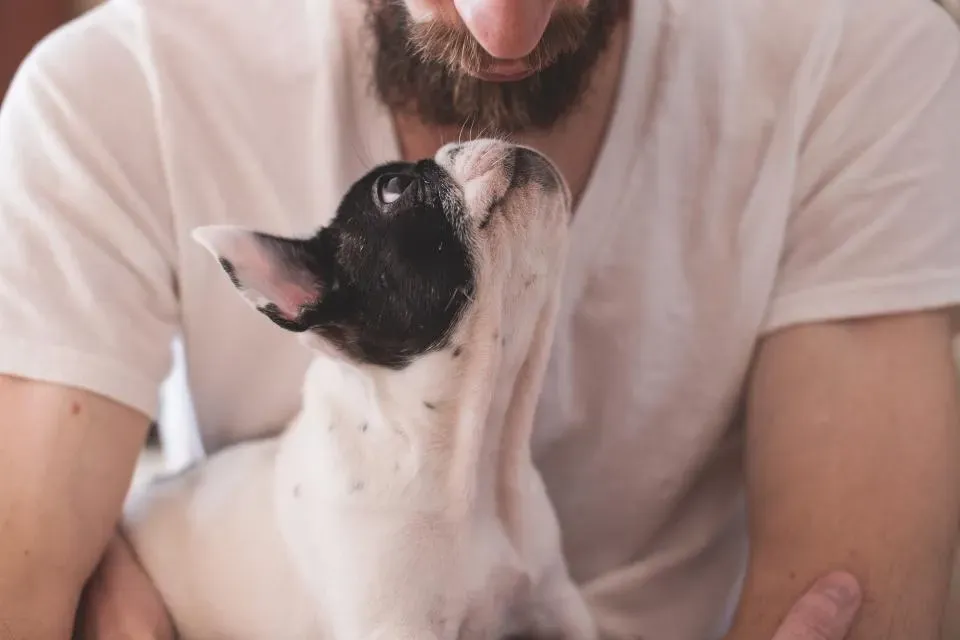
Archaeological finds show dogs living alongside humans as far back as thirty thousand years ago. Early wolves likely approached human camps for scraps, and those less fearful individuals gained steady food while people gained early warning of danger. Over generations this proximity changed both sides in subtle ways.
Selection favored wolves that could read human gestures and moods. Humans in turn kept the animals that proved most useful for hunting and guarding. The result was a gradual shift from wary coexistence to something closer to partnership.
Shared Survival Advantages

Dogs helped early groups track game across vast landscapes and protect settlements from intruders. In return they received consistent meals and shelter during harsh seasons. This exchange reduced the risks each faced alone in unpredictable environments.
Groups with dogs often held edges in resource gathering and safety. Those advantages likely translated into higher survival rates for both the people and the animals that stayed close. The pattern repeated across continents as humans spread and dogs followed.
The Chemistry Behind The Connection

Studies show that when a person and dog lock eyes or simply sit together, both experience a rise in oxytocin. This hormone strengthens feelings of trust and calm in many social species. The effect appears mutual rather than one sided.
Heart rate measurements during these interactions often drop for both parties. The physiological response suggests the bond carries real biological weight. It is not merely sentiment but a measurable shift in stress and attachment systems.
Psychological Benefits That Endure
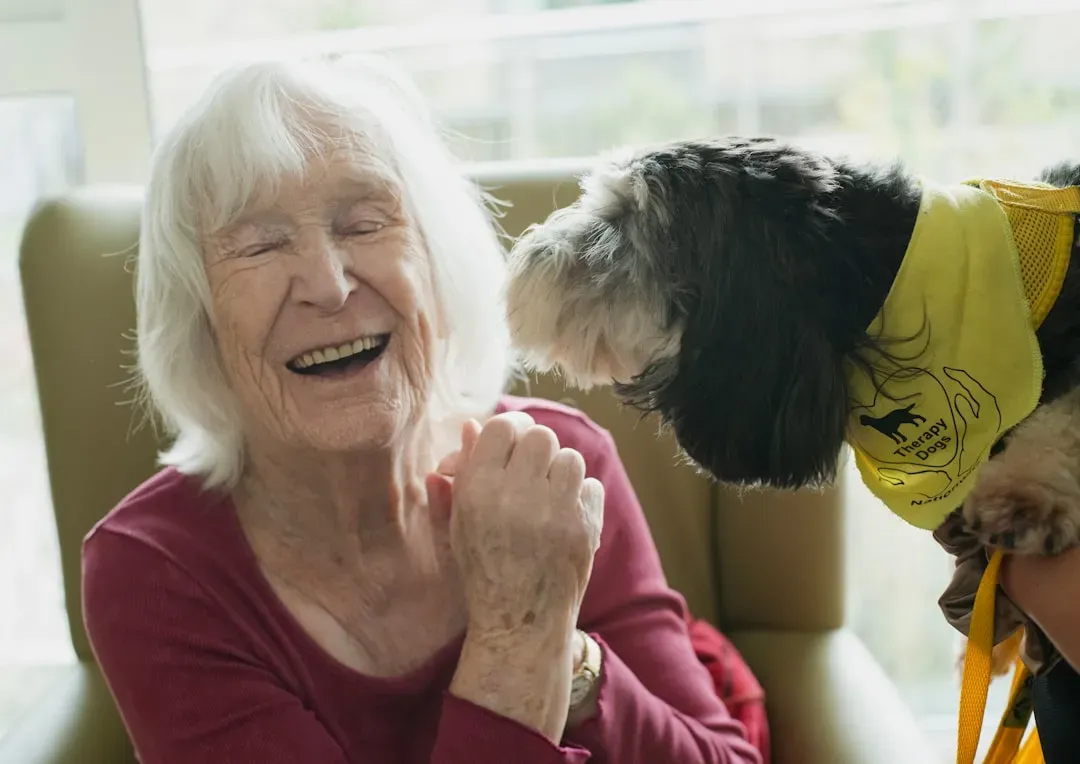
People who live with dogs frequently report lower levels of daily anxiety and improved mood stability. Regular walks and play provide structure that supports mental routines. The presence of a responsive animal offers a form of social support that does not require words.
Longer term observations link dog ownership with steadier emotional regulation in children and adults alike. The animal becomes a reliable source of positive feedback through simple behaviors like tail wags or leaning in close. These small exchanges accumulate into noticeable differences in outlook.
Reciprocal Gains For Dogs
Dogs receive protection, reliable nutrition, and medical care that wild canids rarely access. In exchange they gain a social structure that matches their pack instincts. Many thrive on the predictable rhythms of human households.
Behavioral research indicates dogs have developed specialized skills for reading human cues that their wild relatives lack. These abilities help them navigate complex living situations with ease. The partnership supplies security that supports longer, healthier lives for the animals as well.
Why This Bond Feels Unique

Unlike other domesticated species, dogs integrated into human social circles rather than remaining at a distance. They participate in daily activities and respond to individual personalities within a household. This level of integration sets the relationship apart from most animal human pairings.
Psychological experiments reveal dogs can distinguish between familiar and unfamiliar people with remarkable accuracy. They adjust their behavior accordingly, offering comfort or play when it fits the moment. Such flexibility likely reinforced the closeness over time.
A Partnership Worth Protecting

The evidence from psychology and evolutionary biology suggests this connection delivered advantages that still matter. Modern life brings new stresses, yet the same biological responses continue to ease them. Preserving space for these relationships supports well being on both sides.
Future generations will likely keep discovering fresh details about how the bond formed and why it persists. The core remains a practical alliance that grew into something deeper. It stands as a reminder that some of the strongest ties arise from simple, repeated acts of mutual benefit rather than grand design.

- 15 Gentle Signs an Old Dog Feels Deeply Cherished in Its Final Season - July 23, 2026
- 14 Signs Your Aging Cat Is Growing Older With Grace and Comfort - July 23, 2026
- 10 Terrific Facts About Tarsiers - July 23, 2026