
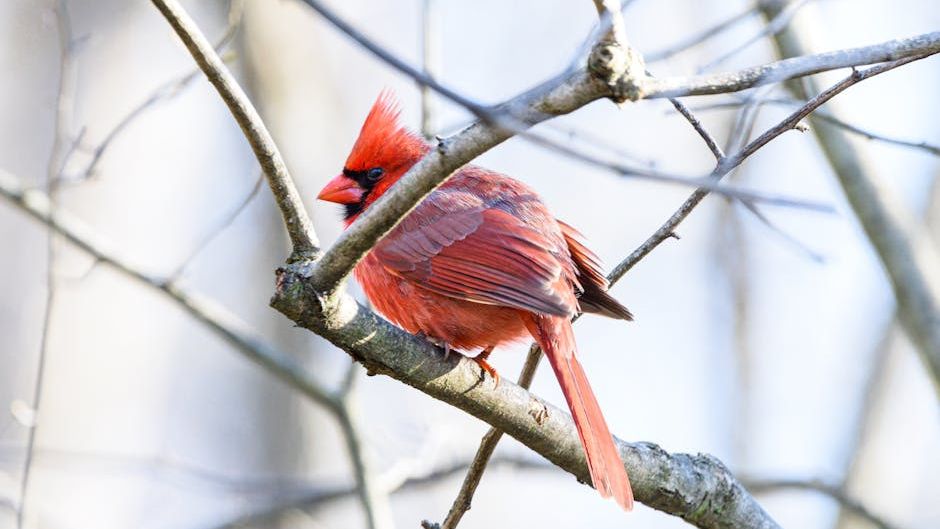
The Mirror Image Rivalry
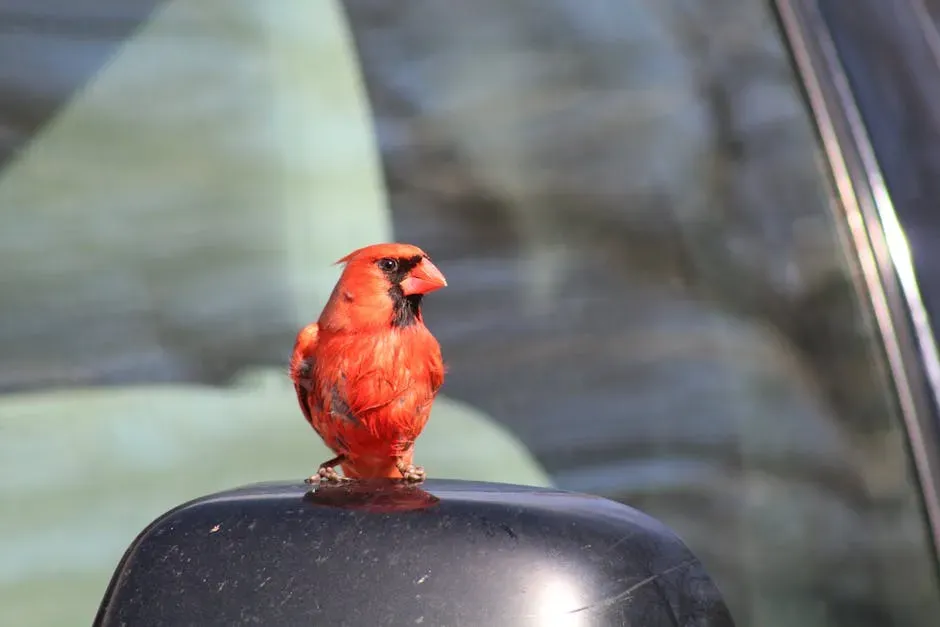
Cardinals often treat their own reflection as an unwelcome intruder. The bright male sees another bird with the same vivid plumage and crest, and his instincts kick in right away. He spends energy trying to drive the rival off, which explains the repeated visits to that exact spot.
Glass creates a perfect illusion on sunny mornings when light hits just right. The cardinal cannot tell the difference between the reflection and a real competitor, so the window becomes the battlefield. This behavior shows up most often during breeding season when territories matter most.
Territorial Drives in Action
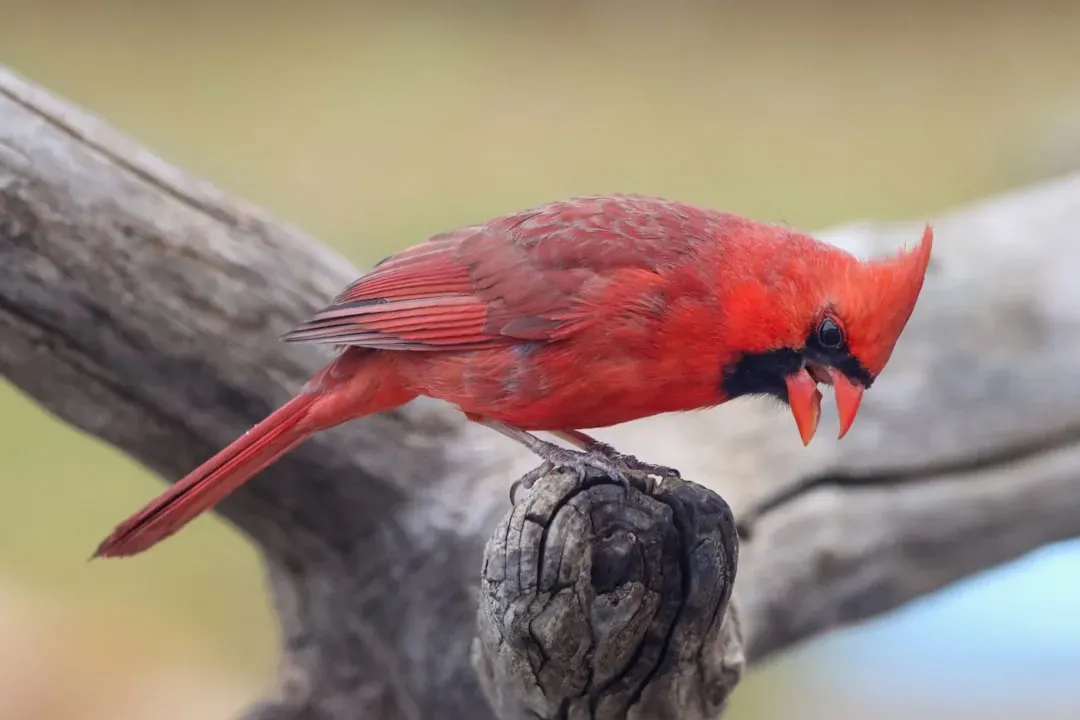
Male cardinals defend their space fiercely once nesting begins. They patrol the same boundaries every day and respond quickly to any perceived threat. A window reflection triggers the same response as another male crossing into the yard.
The bird returns because the rival never leaves. Each attack fails to remove the image, so the cardinal keeps coming back to finish the job. This cycle can last for weeks until the season changes or the light shifts.
Light and Glass as Triggers
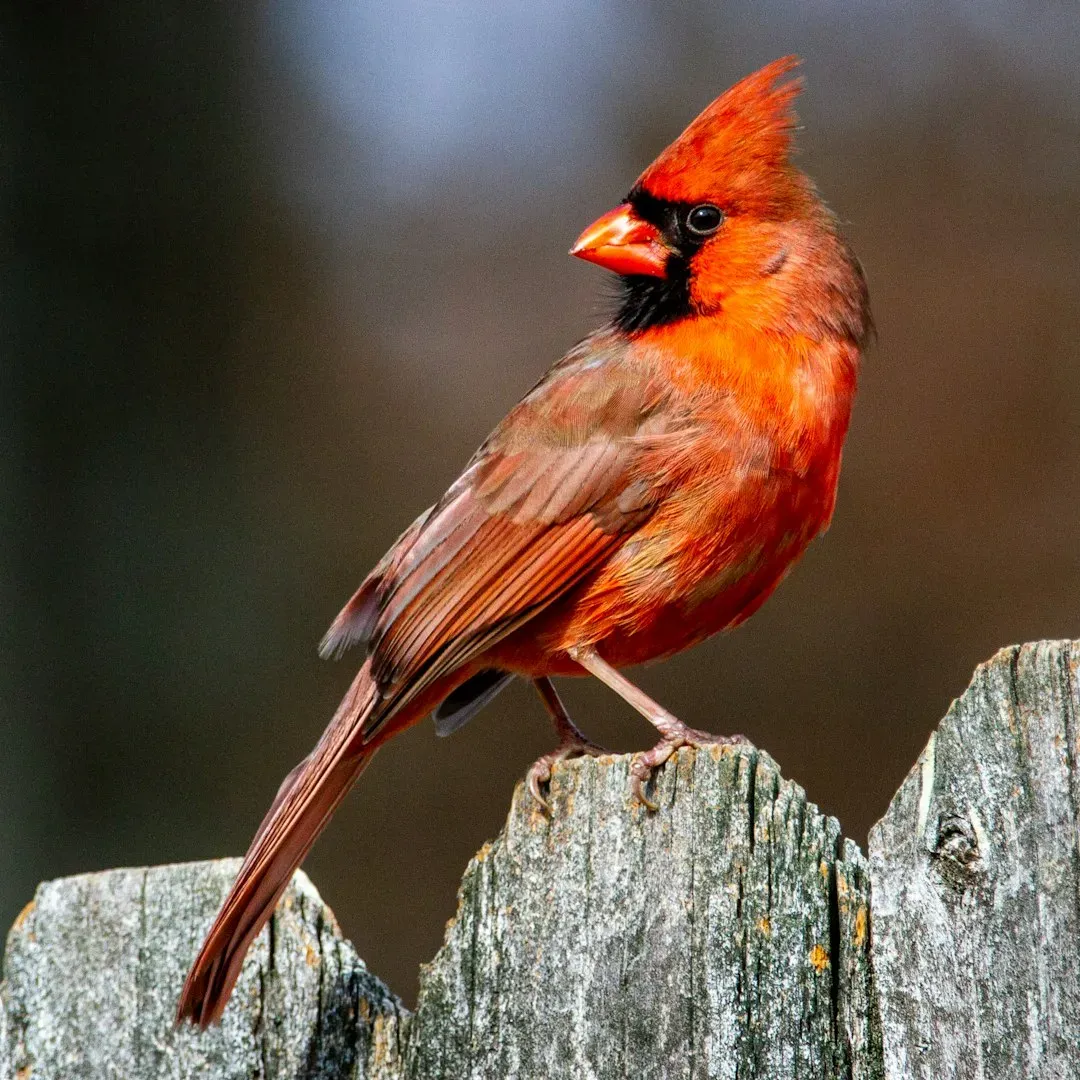
Morning sunlight often turns windows into mirrors from the outside. The angle of the light makes the reflection sharp and lifelike, pulling the cardinal in before he even realizes what he sees. Overcast days tend to reduce the activity because the illusion fades.
Clear glass also lets the bird see through to the room inside. Sometimes the combination of reflection and interior movement adds to the confusion. Homeowners notice the pattern strongest on east facing windows where the sun rises directly behind the bird.
Seasonal Patterns at Work
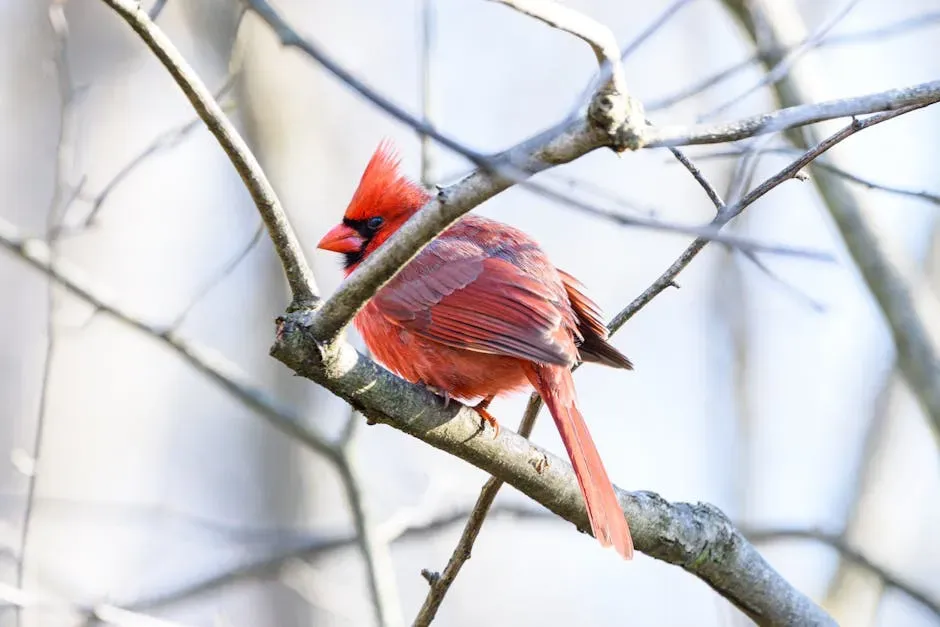
Cardinals show this window habit most during spring and early summer. Breeding hormones heighten their protective instincts, and longer daylight hours give them more time to patrol. The behavior often eases once young birds fledge and territories settle down.
Fall and winter bring fewer reports because cardinals focus more on finding food than defending space. Still, a particularly bold individual might continue the routine if the reflection stays strong. Weather and food availability play a quiet role in how long the visits last.
Simple Ways to Break the Cycle
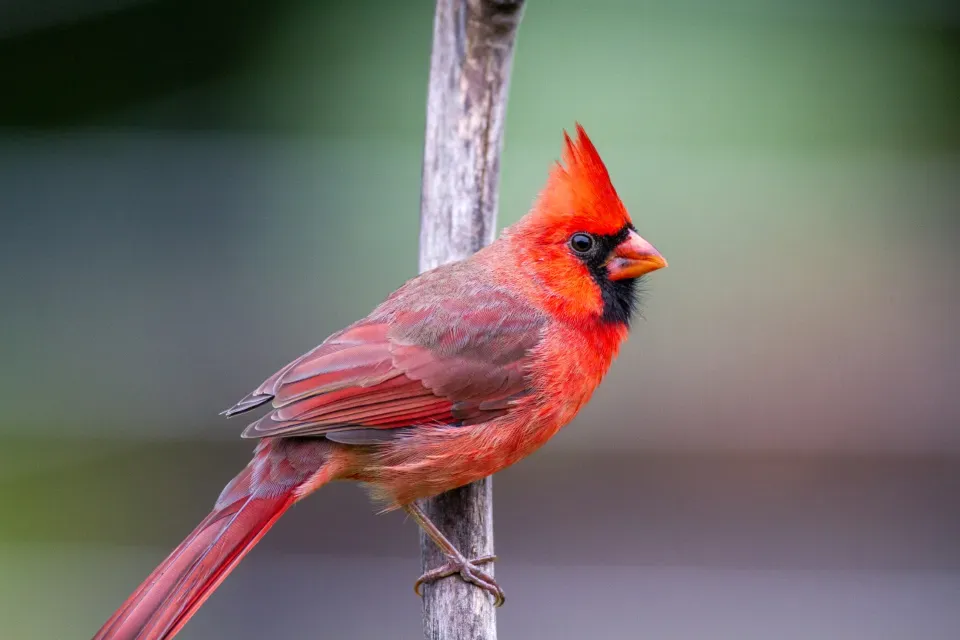
Many people reduce the problem by adding decals or tape to the outside of the glass. These markings break up the reflection so the cardinal no longer sees a perfect rival. Moving a feeder or hanging a sheer curtain inside can also help shift the light.
Some homeowners close the blinds during peak morning hours. Others place potted plants on the sill to create a physical barrier. None of these steps harm the bird, and most see results within a few days.
Broader Lessons from Window Visitors
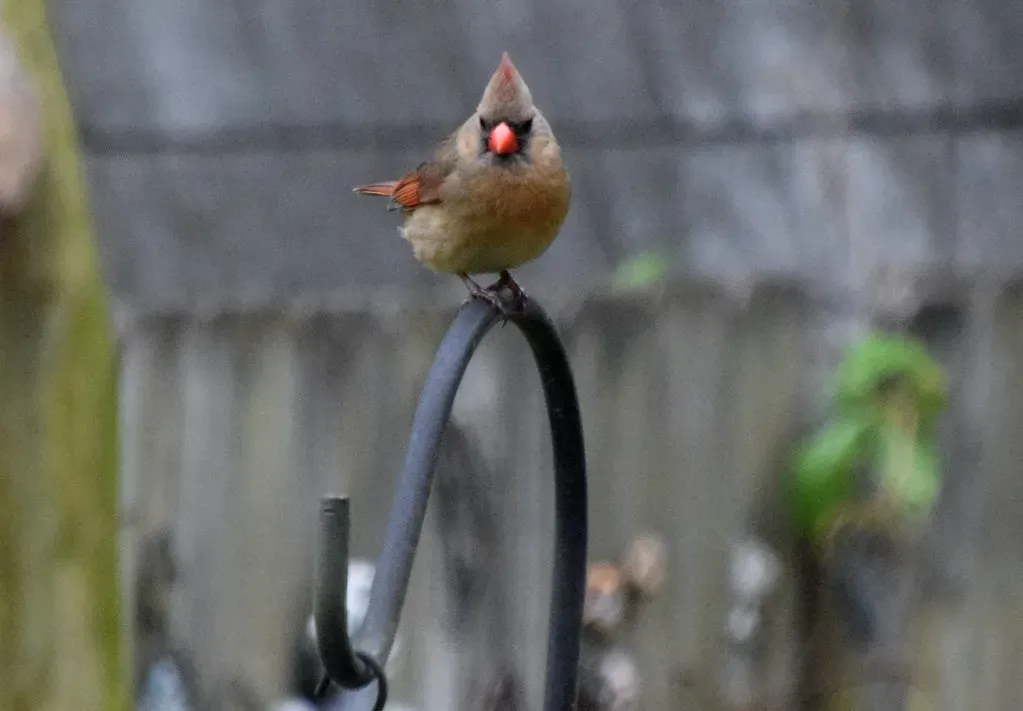
Cardinals are not the only species that attack reflections, yet their bright color makes them easy to spot. The same instinct appears in robins, bluebirds, and even hummingbirds when conditions line up. Understanding the cause helps people respond with patience rather than frustration.
Repeated visits rarely indicate illness or injury. The bird is simply following deep seated survival behaviors that served it well long before houses existed. Watching the pattern can actually reveal how alert and determined these small creatures remain.
A Final Thought on Coexisting
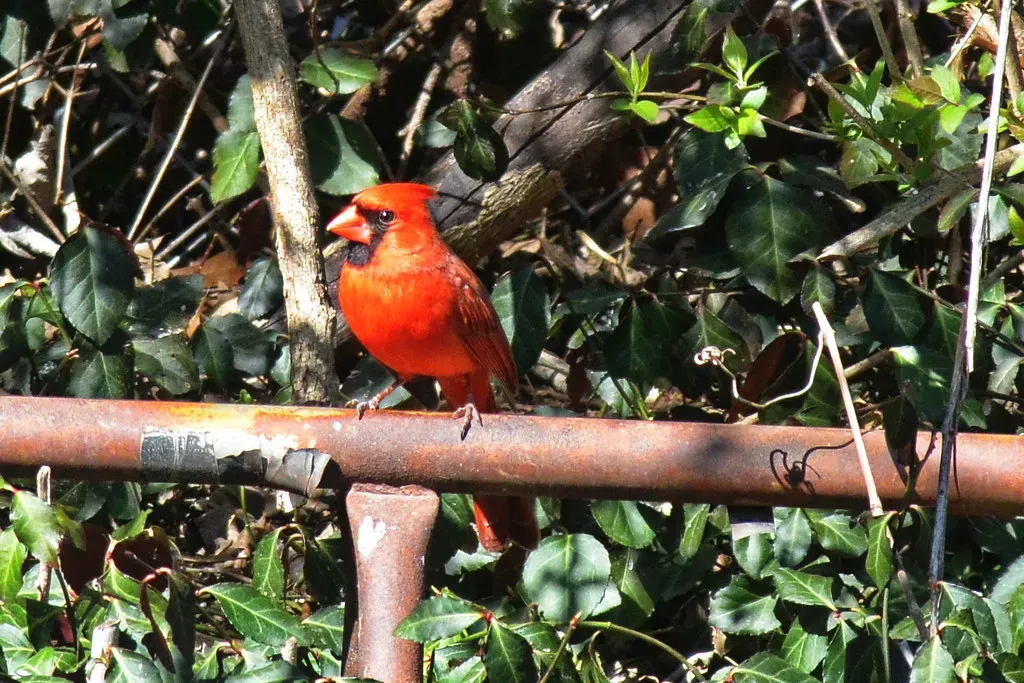
Cardinals bring color and life to any yard, even when their morning routine feels disruptive. Their persistence reminds us that wild instincts do not pause for human convenience. Small adjustments around the house usually restore peace without removing the bird from the scene.
Over time the visits may stop on their own as seasons shift. In the meantime the red flash at the window offers a daily glimpse into the quiet battles that shape backyard wildlife. Paying attention turns an annoyance into a small window on the natural world right outside.

- Birds Navigate Vast Distances Using Earth’s Magnetic Field: A Feat of Nature - July 25, 2026
- 10 Signs of a Fraud Animal Shelter - July 25, 2026
- 8 Animal Sounds You Might Be Misinterpreting From Your Backyard - July 25, 2026