
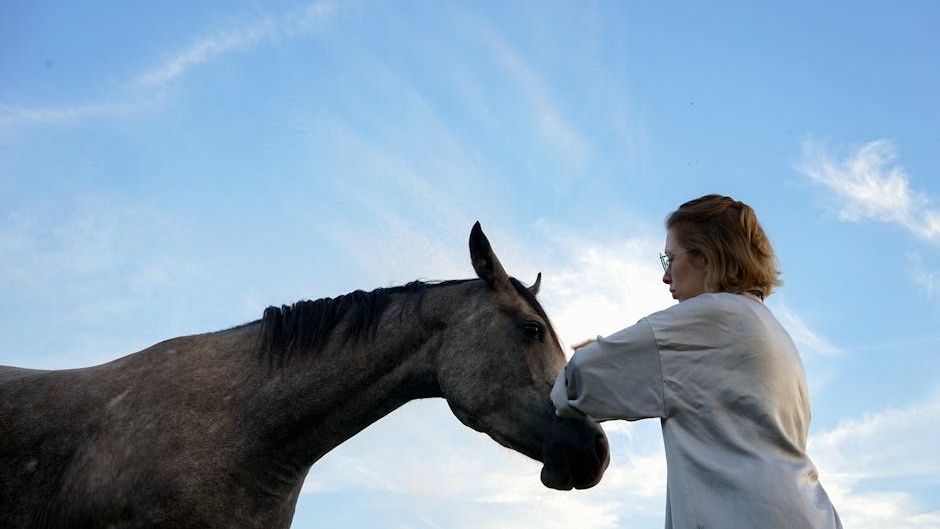
The horse is home. The trailer pulls away. And standing there in the paddock, everything feels like a fresh start. Most new owners walk into that first year believing that if the horse looks healthy and the seller seemed honest, the hard part is over. Vets will tell you, quietly and without judgment, that this is exactly when the trouble usually begins.
What follows isn’t a list of obvious blunders. It’s the pattern equine vets see play out over and over – small decisions in those first twelve months that feel completely reasonable in the moment, then resurface two or three years later as chronic lameness, recurring colic, behavioral nightmares, or bills that make owners go pale. Some of these will surprise you. A few might sting. All of them are worth knowing before year one is already behind you.
#15 – Skipping a Proper Pre-Purchase Exam
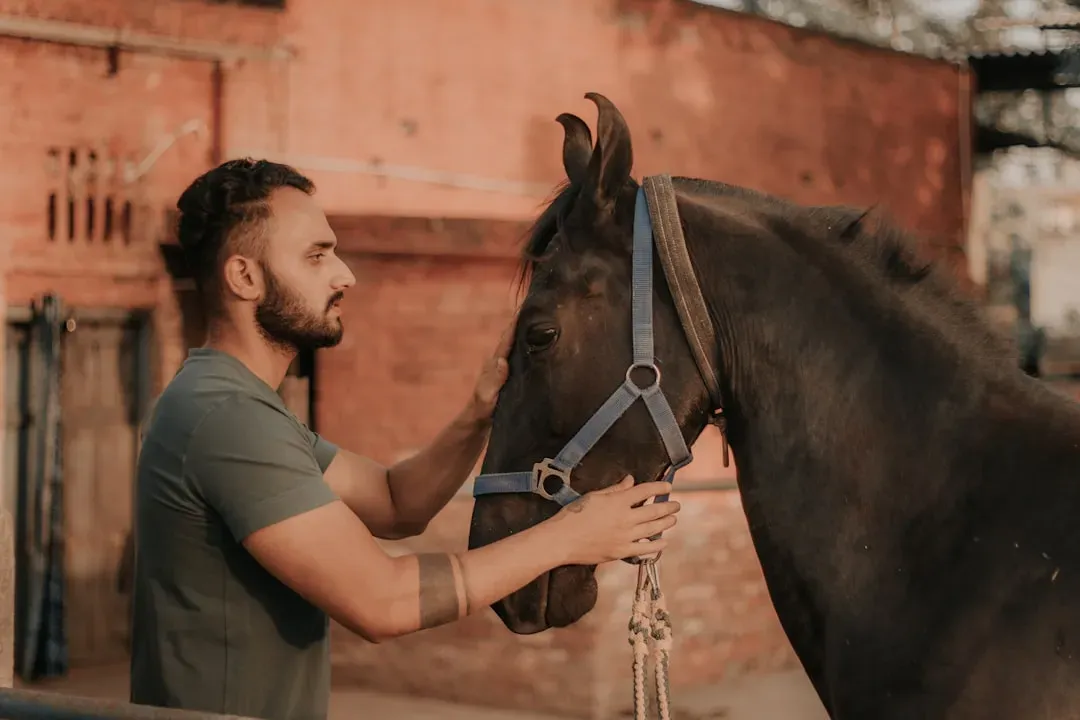
It happens constantly: the horse looks good on a test ride, the seller has been around horses for decades, and the full veterinary exam feels like an awkward formality. So buyers skip it, or settle for a quick trot-up instead of radiographs and bloodwork. Then three months in, the horse starts coming up short on one front leg – and suddenly the “minor investment” of a PPE looks like the best money never spent.
Vets report that subtle lameness is one of the most common findings that only surfaces under real work or after a few weeks of new routine. Navicular changes, low-grade joint inflammation, early kissing spines – none of these announce themselves during a casual showing. Without that baseline exam, the new owner has no leverage, no documentation, and no road map. What should have been a one-time cost becomes a lifetime management case.
At a Glance
- What a full PPE includes: Physical exam, lameness assessment, ophthalmic and neurological checks, and often radiographs
- The vet’s role: Not to “pass” or “fail” a horse, but to evaluate risk for the intended use
- The upside beyond purchase day: A PPE creates a documented baseline for every future lameness or health comparison
- The real cost of skipping it: A serious lameness workup with imaging can run $1,000–$3,000 – multiples of what a PPE costs
#14 – Delaying the First Farrier Visit
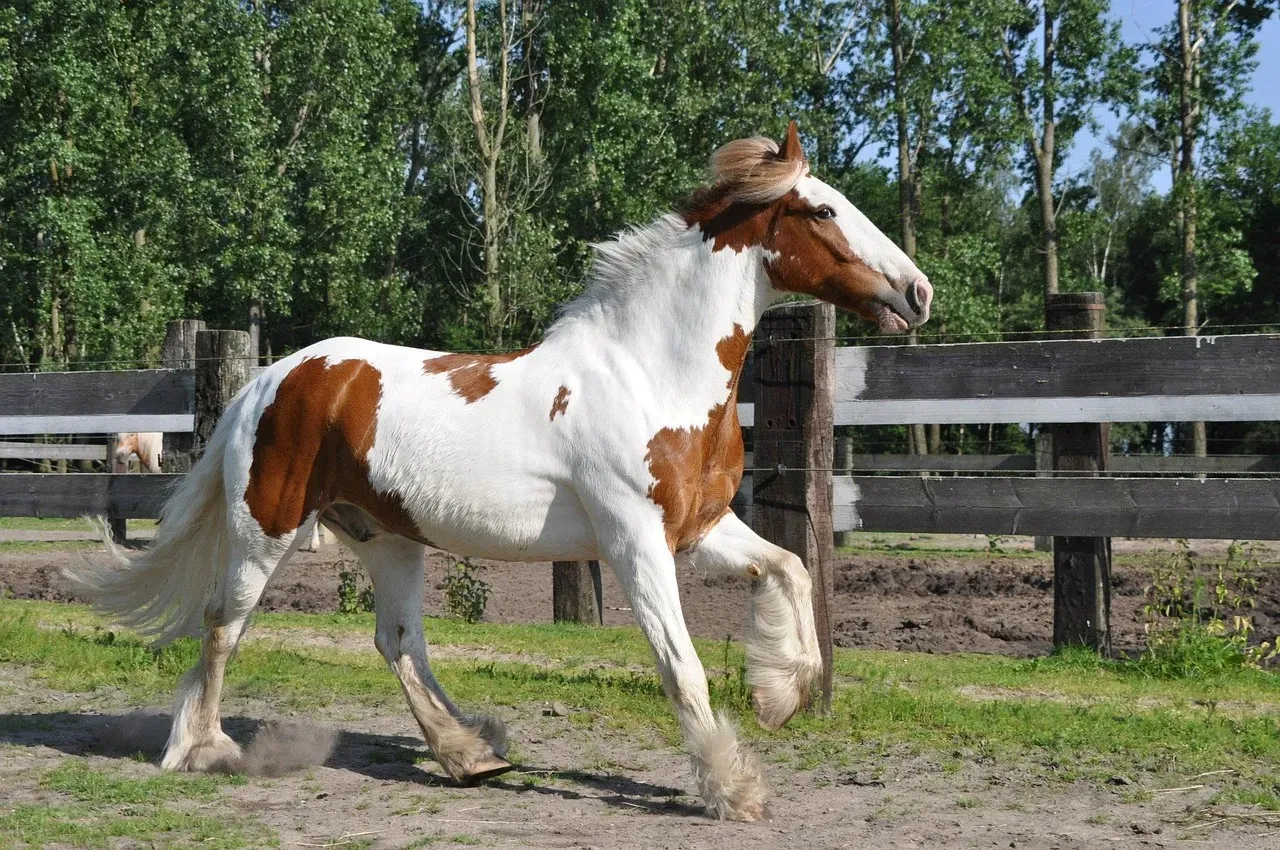
New owners tend to wait until the hooves “look long” before picking up the phone. It feels sensible – why fix what doesn’t look broken? But hooves don’t show imbalance the way a cracked wall or chipped toe does. The damage is structural, invisible to an untrained eye, and it builds quietly with every week that passes without a trim.
Horses need consistent farrier attention every four to six weeks from day one of ownership, regardless of how the feet appear. Vets trace a significant number of first-year laminitis cases back to uneven hoof growth that started in those early neglected months. Once the coffin bone begins to rotate – even slightly – you’re no longer managing a maintenance issue. You’re managing a condition that will require corrective shoeing, pain intervention, and careful monitoring for the rest of that horse’s life.
#13 – Feeding Too Much Grain Too Soon
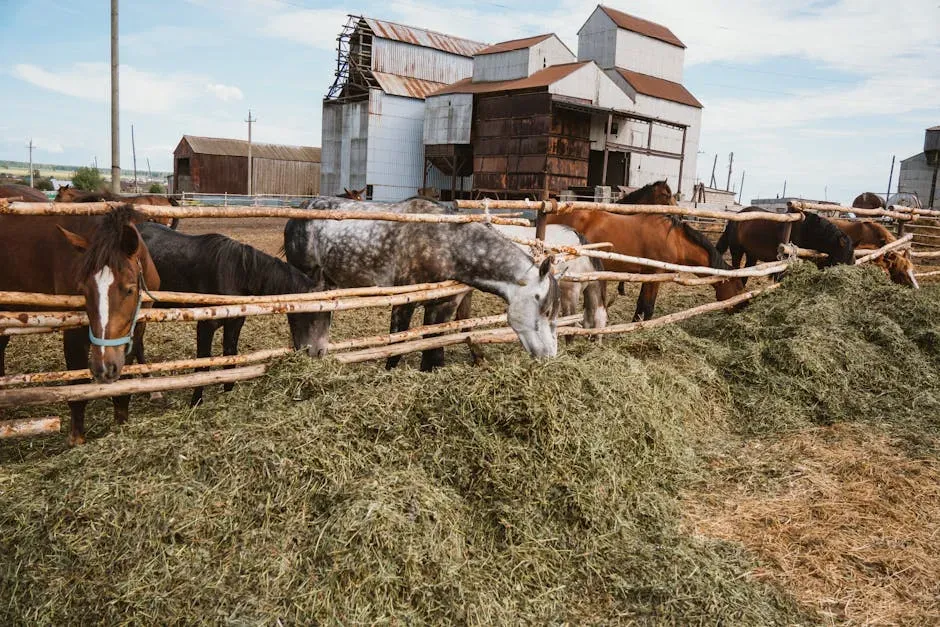
Grain feels like generosity. The horse is working hard, or maybe just looks a little lean, and topping off the bucket with extra concentrate seems like the kind thing to do. Vets see the outcome of that kindness more than they’d like to. The equine hindgut is extraordinarily sensitive to concentrate loads, and a horse whose forage-to-grain ratio gets flipped in the first months of ownership is a horse quietly heading toward trouble.
The number of first-year colic surgeries that trace directly back to abrupt or excessive grain increases is genuinely alarming to practitioners who deal with it regularly. No gradual transition, no hay analysis, no awareness that the horse’s microbiome needed time to adjust – just a full scoop because it seemed fine. The damage doesn’t always show up immediately, which is part of what makes it so dangerous. Owners normalize the occasional digestive upset, never connecting it to those early feeding decisions, until the horse is on the surgical table.
#12 – Skipping a Targeted Deworming Plan
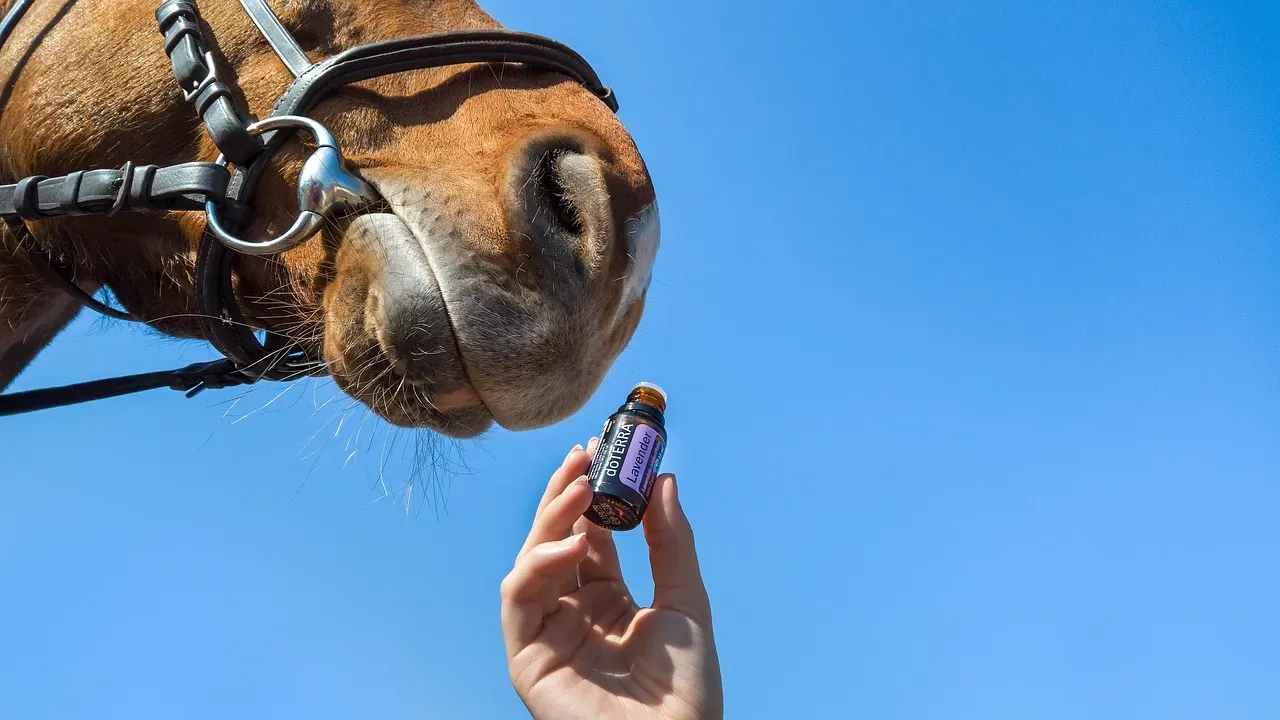
The old rotational paste approach – grab something off the tack store shelf, use it every few months, consider it handled – has been standard practice for so long that questioning it feels unnecessary. But resistance patterns have shifted dramatically, and what worked reliably a generation ago now leaves real gaps in protection. Vets who run fecal egg counts on new horses frequently find that the “routine” paste the previous owner used did very little.
Without a fecal egg count in the first months of ownership, you’re essentially guessing. Over-treating builds resistance in your pasture. Under-treating allows strongyles to cause arterial damage that doesn’t announce itself until the horse drops weight for no obvious reason or starts underperforming with no clear lameness explanation. By then, the damage is done and the repair work is expensive, lengthy, and never fully complete. A simple fecal test costs less than a single tube of paste. The math isn’t complicated.
#11 – Ignoring Routine Dental Floating
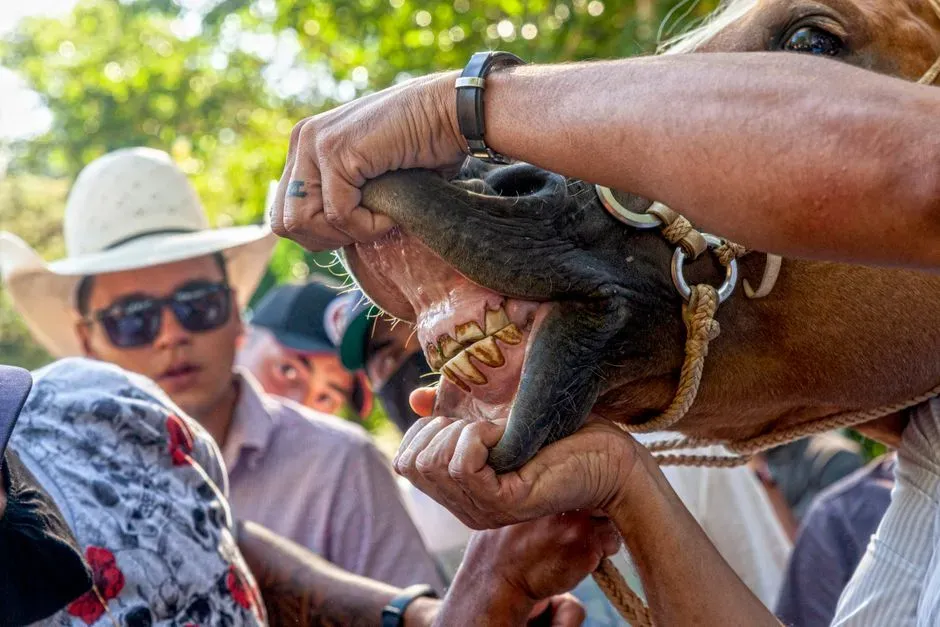
A horse that’s eating and not visibly dropping feed from its mouth looks fine to a new owner. Teeth issues rarely announce themselves with dramatic symptoms until they’ve been developing for a while. Sharp points on the cheek teeth form quickly, especially in young horses or horses whose mouths haven’t been maintained consistently. By the time an owner notices a problem, the mouth has usually been uncomfortable for months.
What vets see most often isn’t the obvious quidding or head-tossing. It’s the horse that starts dropping body condition despite what looks like a solid feeding program. Undressed molars lead to ulcers along the cheek lining and poor chewing efficiency, which means nutrients pass through without being absorbed properly. The owner increases feed, puzzled. The horse keeps losing weight. Early floating in year one costs a fraction of what it takes to reverse the nutritional deficit and rehabilitate the mouth later.
Worth Knowing
- Dental issues often hide behind weight loss, resistance to the bit, or unexplained behavioral changes – not just obvious feed dropping
- Young horses and senior horses both need more frequent dental checks than horses in their prime working years
- Annual dental exams are typically included in routine vet visits and cost far less than extended nutritional rehabilitation
- A horse with a painful mouth will often compensate by shortening its stride or resisting collection – easily mistaken for a training problem
#10 – Making Abrupt Feed or Routine Changes
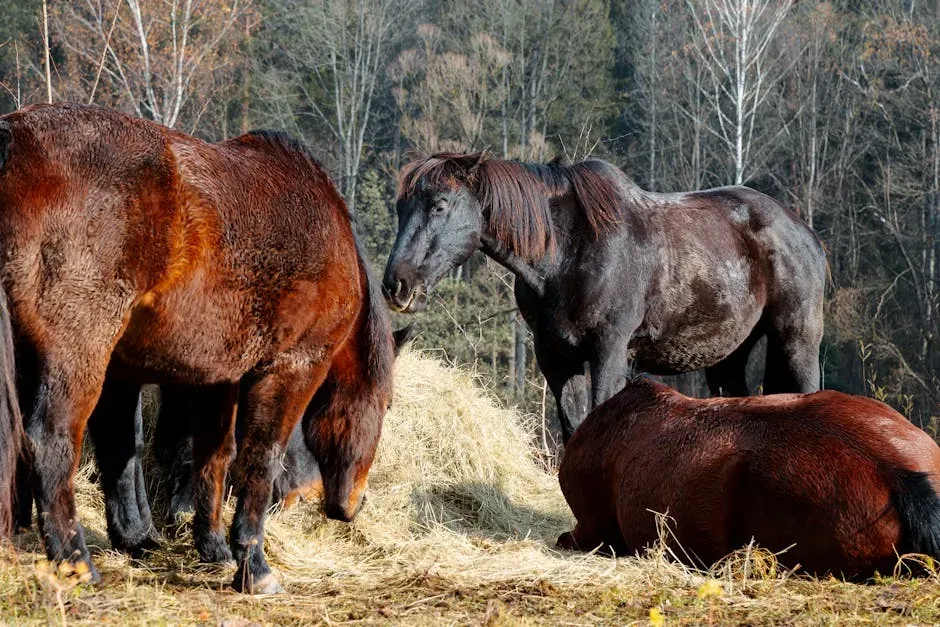
New owners are experimenters by nature. They want to find the right hay, the right turnout schedule, the right feeding time. That curiosity isn’t a flaw – it’s just badly timed. The first ninety days are precisely when the horse’s gut microbiome is most fragile, adjusting to a new environment, new forage, new water source, and new stress levels. Introducing variables on top of that transition is asking for digestive chaos.
Even small shifts in forage type or feeding schedule can tip a vulnerable horse into loose manure that lingers for weeks or a low-grade colic that owners chalk up to adjustment. Vets emphasize that many of the chronic digestive cases they manage in years two and three have a clear origin story: a first-year owner who switched hay brands twice, changed feeding times to suit their schedule, and introduced a new supplement mid-transition. Consistency isn’t boring. In the first year, it’s the most protective thing you can offer.
#9 – Limiting Turnout in the First Months
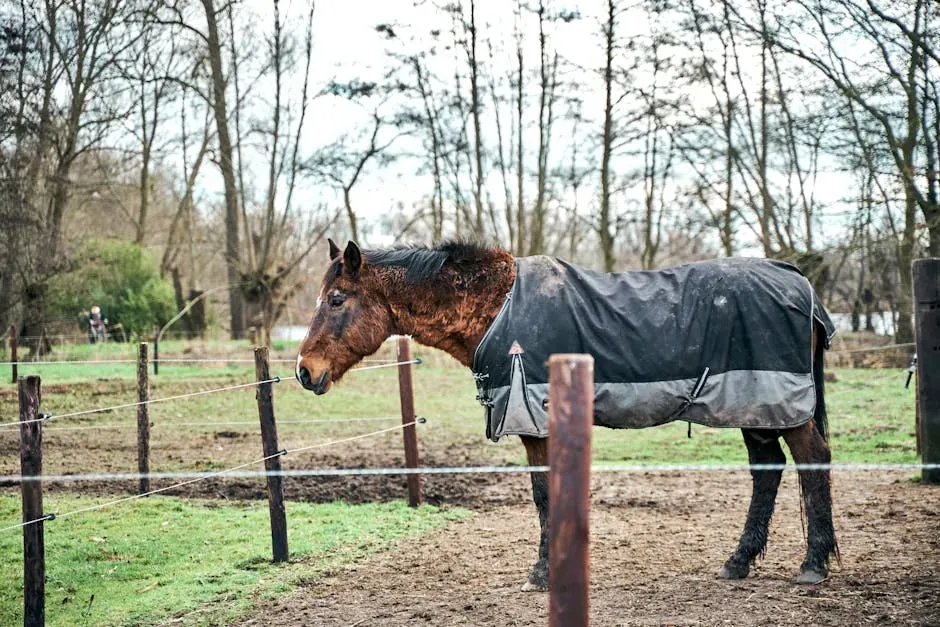
Stalling a new horse while it “settles in” feels responsible. You don’t want it running the fence, getting hurt in an unfamiliar paddock, or mixing with horses it hasn’t been properly introduced to. Those concerns are legitimate. But the solution most new owners land on – keeping the horse in for long stretches, letting it out only briefly – creates a different set of problems that are slower to surface and harder to trace back to their source.
Horses need hours of free movement daily, not as a luxury but as a physiological requirement. Restricted movement in year one contributes to stocking up in the lower legs, progressive joint stiffness, and a behavioral restlessness that owners eventually start describing as “just the way this horse is.” The horse isn’t difficult by nature. It’s a movement-dependent animal that spent its first months in a space too small for its biology. That label – “difficult” – has a habit of sticking long after the turnout situation improves.
#8 – Not Tracking Daily Water Intake
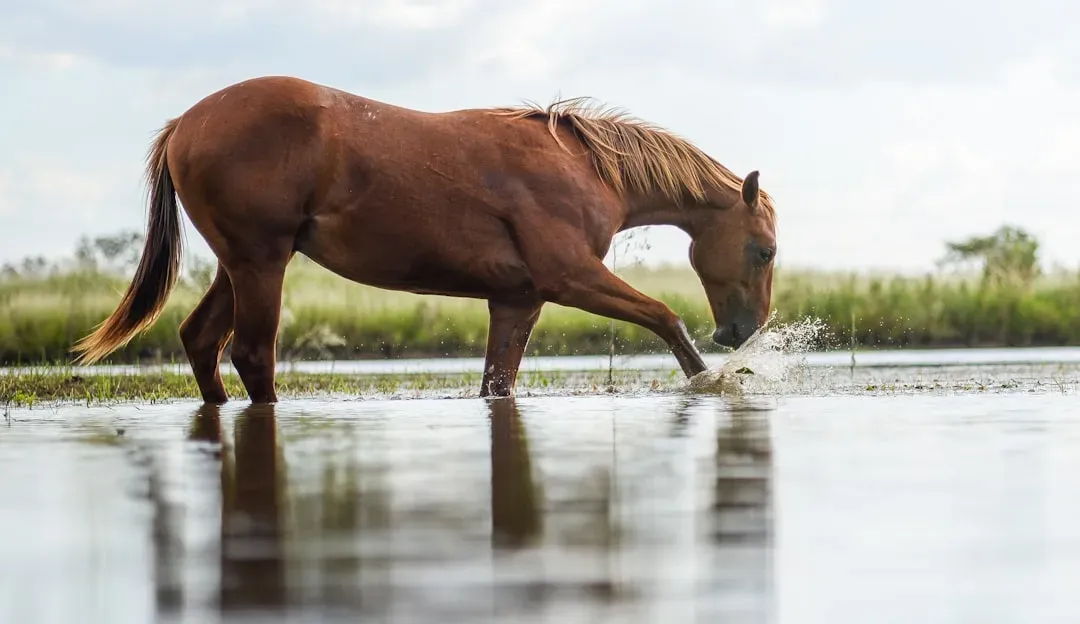
Water is always there, so owners assume it’s always being consumed. Most of the time that assumption is safe. But horses go off water during seasonal temperature shifts, after feed changes, when a new water source smells different, or when stress suppresses thirst. A horse quietly drinking 30 percent less than it needs looks completely normal right up until it doesn’t.
Vets see a pattern in impaction colics during the cooler months of a horse’s first year: the owner didn’t realize water intake had dropped, the gut slowed, and what could have been caught with attention became an emergency. A horse needs between 8 and 12 gallons daily under normal conditions, more in heat or hard work – and that number rises sharply when hay replaces fresh pasture. Watching the bucket, knowing the baseline, and responding to any meaningful drop isn’t obsessive caretaking. It’s the kind of monitoring that keeps a horse out of surgery.
Fast Facts
- A typical 1,000 lb horse needs 8–12 gallons of water daily – more in heat, hard work, or when eating mostly hay
- Horses often drink less in cold weather, which is precisely when hay intake rises and impaction risk climbs
- A horse deprived of water for just 48 hours may refuse feed and show early signs of colic
- Horses prefer water around 68°F – very cold water can significantly reduce voluntary intake
- Fresh pasture is up to 85% water; switching to dry hay dramatically increases the need for direct drinking
#7 – Building the Care Team Too Late
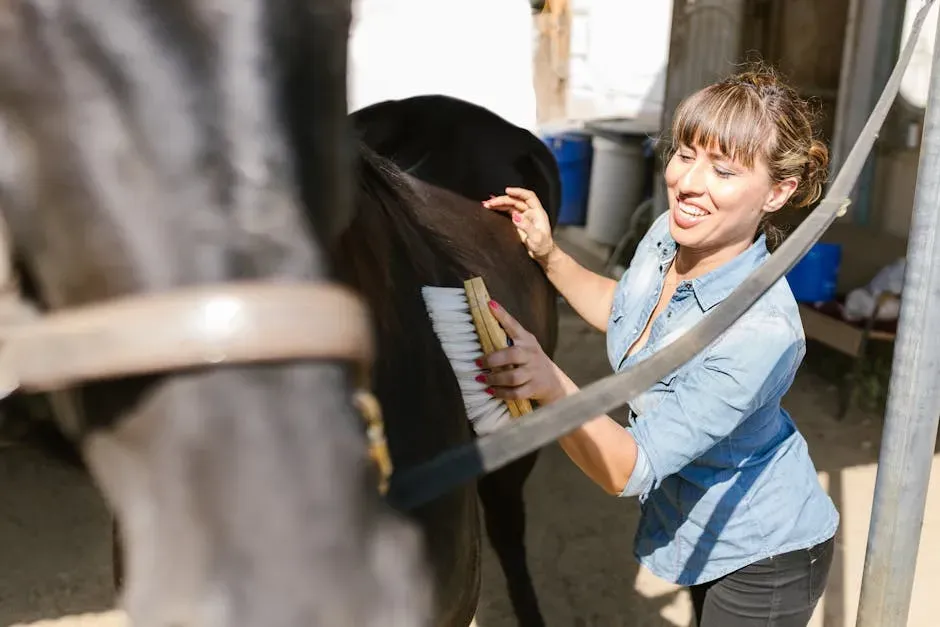
The plan is usually to get the horse settled first, then find a vet, then sort out the farrier, then maybe look into a trainer. By the time the horse arrives, the owner is exhausted from the purchase process and the last thing they want to do is make more phone calls. But those calls represent the entire safety net for what happens next, and a horse doesn’t wait for you to be ready before it needs attention.
The regret vets hear most often from first-year owners isn’t about money or knowledge – it’s about timing. The farrier they eventually found wasn’t the right fit, but by then the horse had gone three months without a proper trim. The vet they called in an emergency had never seen the horse before and had no baseline to work from. The trainer they liked had a six-month waitlist. Having those relationships established before the horse steps off the trailer means the support system is already in place when the inevitable questions and surprises arrive.
#6 – Skipping Core Vaccinations
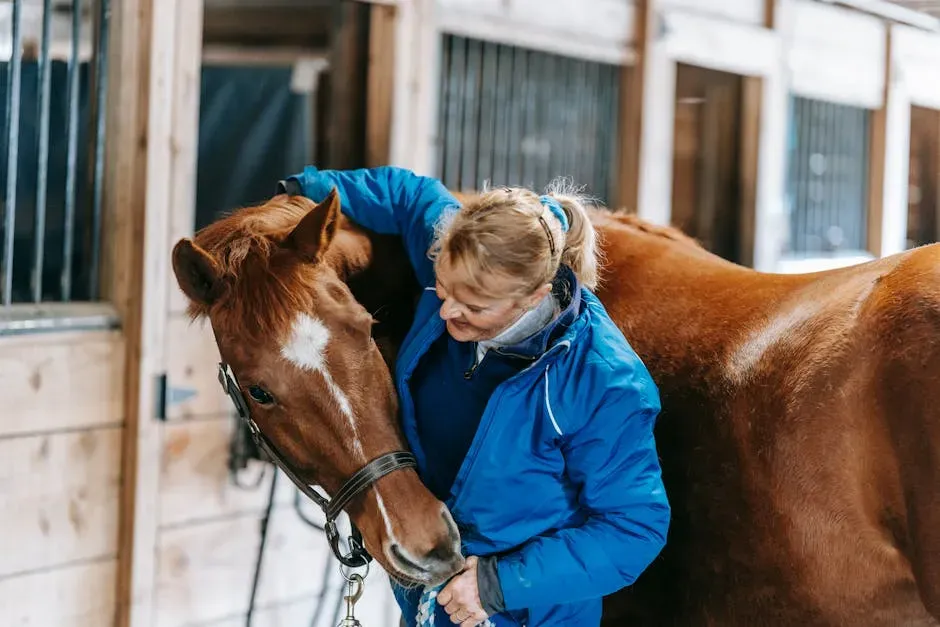
Some new owners look at their horse’s lifestyle – private property, limited contact with outside horses, rarely travels – and decide the vaccination protocol feels like overkill. The logic seems sound until it isn’t. Disease doesn’t require a busy show schedule to find its way to a horse. Tetanus lives in soil. Rabies doesn’t check fencing. Equine influenza travels on clothing, hands, and equipment before it ever travels horse-to-horse.
Vets who deal with preventable outbreaks in first-year horses describe the experience the same way every time: entirely avoidable, financially brutal, and emotionally crushing for the owner. The initial vaccination series isn’t just about protecting the individual horse – it establishes the schedule and baseline that every future booster depends on. Skipping it in year one means playing catch-up with a compromised timeline, and some windows for protection simply can’t be fully recreated once they’ve passed.
Quick Compare: Core vs. Risk-Based Equine Vaccines
- Core (every horse, every year): Tetanus, Rabies, Eastern & Western Equine Encephalomyelitis (EEE/WEE), West Nile Virus
- Risk-based (discuss with your vet): Equine Influenza, Equine Herpesvirus (EHV-1/4), Strangles, Potomac Horse Fever, Botulism
- Why “low contact” isn’t low risk: Tetanus spores live in soil; rabies arrives via wildlife; WNV travels by mosquito – none require horse-to-horse contact
- What skipping year one really costs: A disrupted schedule that can permanently close certain protective windows
#5 – Underestimating Emergency Costs
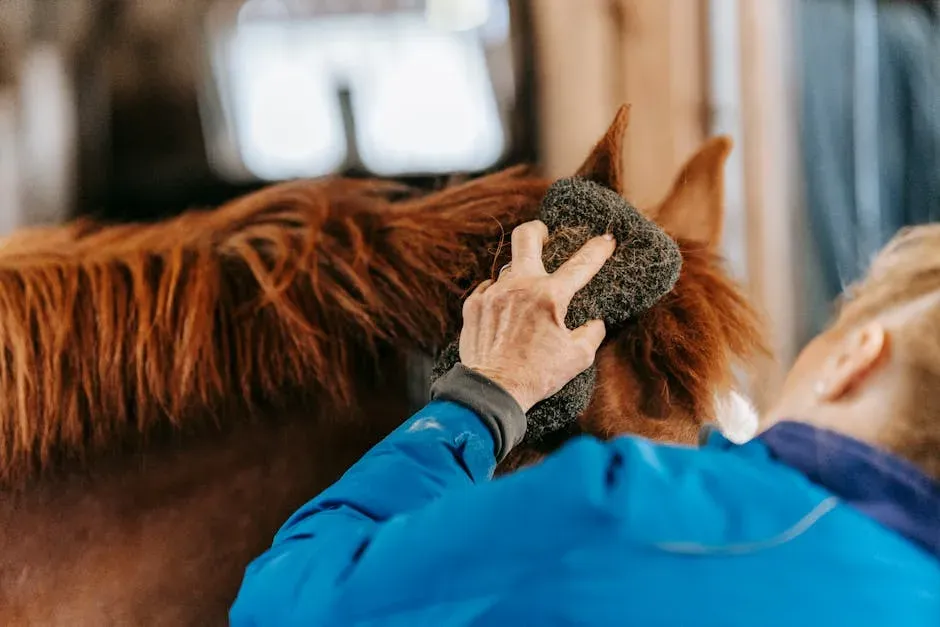
The budget gets built around feed, board, farrier, and the annual vet visit. It’s a reasonable starting point and it’s almost always wrong within the first twelve months. Horses are large, complex animals with a digestive system designed to produce emergencies and a talent for self-injury that regularly defeats even the most carefully managed environments. The first unexpected call to the vet doesn’t ask whether you planned for it.
Colic surgery starts around $7,000 and routinely climbs to $15,000 depending on the procedure. A deep laceration requiring sedation, cleaning, and suturing can clear $2,000 before you’ve had time to process what happened. Diagnostic imaging, hospitalization, repeat farm calls for a horse that just won’t stay well – the costs compound in ways that a first-year owner rarely anticipates. A University of Kentucky study found that more than 60% of horse owners said they would pay $5,000 or less for colic surgery – a figure that falls well short of the actual bill. Insurance, a dedicated savings buffer, or both: decide before you need it.
#4 – Missing Early Signs of Discomfort
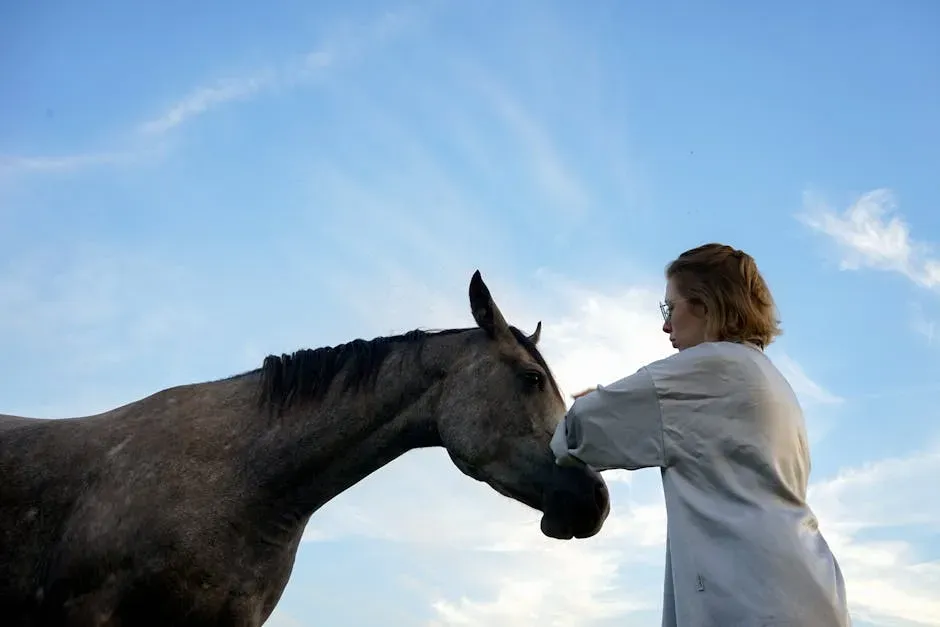
New owners don’t yet know what their horse’s normal looks like, which means they can’t reliably identify when something has shifted. A horse that’s slightly off its feed, moving a little stiffly in the morning, or spending more time near the back of the stall gets logged as “maybe adjusting” or “just having an off day.” That charitable interpretation is often correct. Sometimes, though, it’s the early signature of something that’s about to escalate.
The vets who catch problems early are the ones whose clients have learned to call for things that seem minor. Not every call turns into a farm visit, but the ones that do – the horse that turned out to have a brewing abscess, the early-stage choke, the first real sign of a gastric ulcer – those are the cases where a quick response changed the outcome entirely. Learning your horse’s baseline in the first year, obsessively if necessary, is the single skill that pays the highest dividend across everything else on this list.
#3 – Over-Rugging or Blanketing Incorrectly
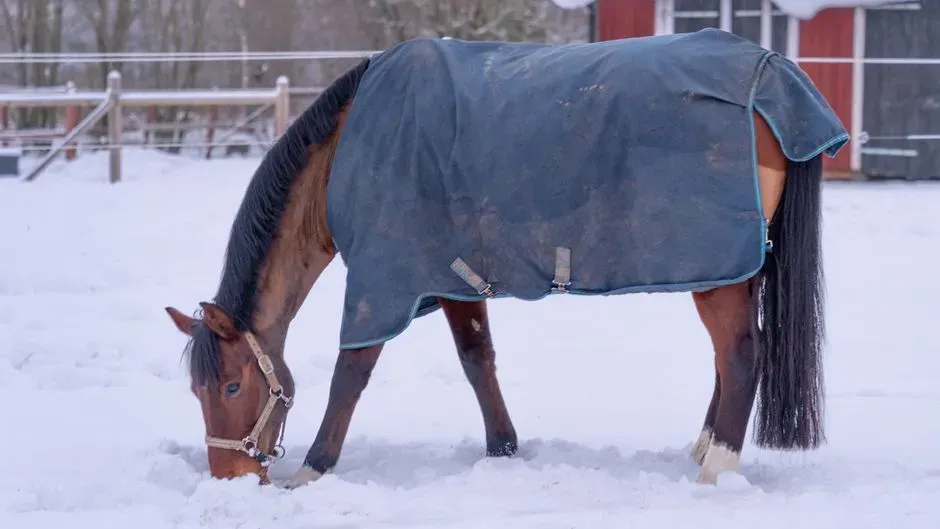
Blankets feel like care made visible. It’s cold, the horse might be cold, the blanket goes on – and stays on, because taking it off requires going back out, and it’s raining, and the horse seemed fine last time. Horses are far better at thermoregulating than most first-year owners realize. A healthy horse with adequate forage and shelter handles cold that would genuinely shock a new owner who sees a thin blanket as barely adequate protection.
Constant blanketing without monitoring – particularly in fluctuating weather – traps heat and moisture against the skin. Rain scald develops under a rug that looked fine from the outside. The horse’s natural coat, which is a sophisticated insulation system, stops developing properly when it’s been compressed and held in place through the season it’s designed to grow. Owners who over-rug in year one often find they’ve created a horse that seems cold-sensitive for years afterward, when what they actually created was a horse whose coat adaptation was disrupted at exactly the wrong time.
#2 – Neglecting Hoof Care During Seasonal Transitions
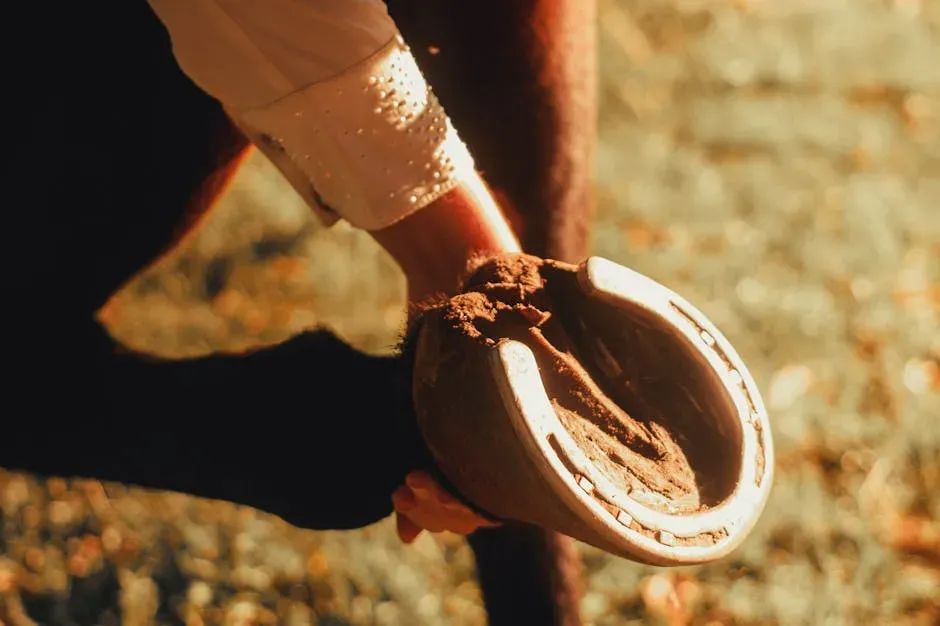
The farrier visits in spring and summer. Then the schedule gets harder to maintain when autumn arrives, the ground softens, and life gets busy. One missed appointment becomes two, and the owner tells themselves the hooves are holding up fine because the horse isn’t limping. Hooves don’t wait for a convenient window. Wet-dry cycles crack walls. Soft ground shifts angles. What looked stable in summer quietly destabilizes through winter.
The long-term soundness problems that vets trace back to year-one hoof neglect share a common origin: a gap in care that the owner thought was temporary. A six-week trim cycle that stretched to fourteen weeks during a busy season. A missed visit because the farrier got sick and the owner didn’t reschedule. These aren’t dramatic failures. They’re quiet ones, and quiet failures in the hoof are the kind that show up as chronic lameness three years later with no obvious single cause – just a foundation that was never quite right from the start.
Why It Stands Out
- Hoof-related lameness is the most economically costly equine health condition in the U.S. – outpacing colic and EPM combined
- A trim cycle that slips from 6 weeks to 14 weeks doesn’t just mean longer hooves – it means altered breakover, changed loading angles, and compounding joint stress
- Wet-dry seasonal cycling is one of the leading causes of hoof wall cracks and white line separation in horses with inconsistent farrier care
- Corrective shoeing after neglect can cost $100+ per reset, adding up to $800–$900 annually – far more than prevention
#1 – Buying the Wrong Horse for the Owner’s Skill Level
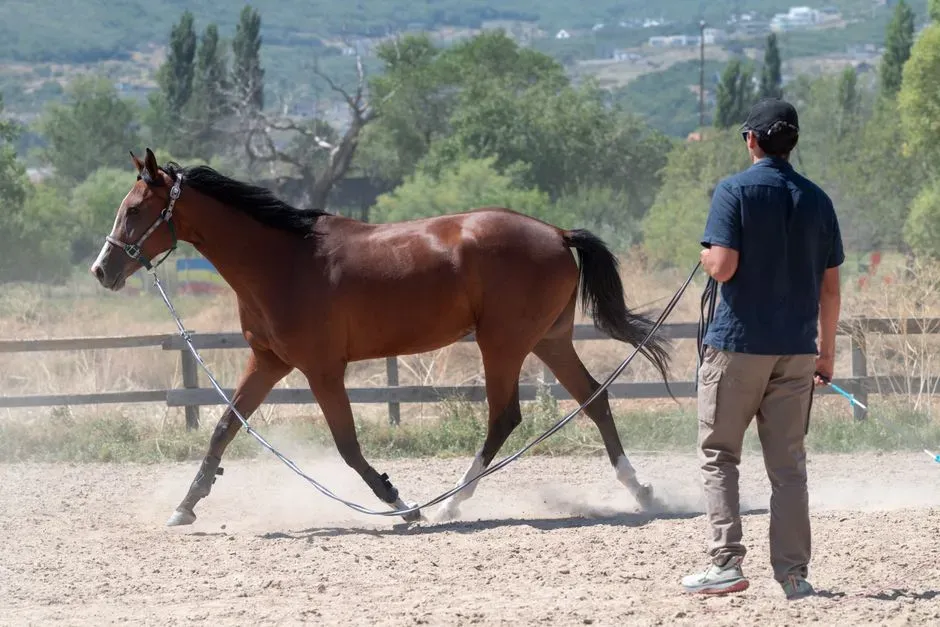
This is the one that vets, trainers, and experienced horse people see most often and talk about most quietly, because pointing it out after the fact feels cruel. The horse was beautiful. The price was right. There was a feeling – that particular feeling that bypasses every rational thought – and the decision was made. Six months in, the owner is scared to ride. A year in, they’ve hired two trainers and the horse is still unpredictable. Two years in, they’re asking what a fair rehoming price might be.
A horse that genuinely matches its owner’s experience level isn’t a compromise – it’s the foundation that makes everything else on this list manageable. A green horse in the hands of a green owner means every mistake in feeding, handling, and training is compounded by a horse that has no stable patterns to fall back on. The haunting outcome vets describe isn’t the cost or the inconvenience. It’s the owner who spent three years not enjoying horses, not building skills, and not forming the bond they imagined – because the first horse was too much horse, chosen in a moment when hope felt more real than experience.
The Uncomfortable Truth About Year One
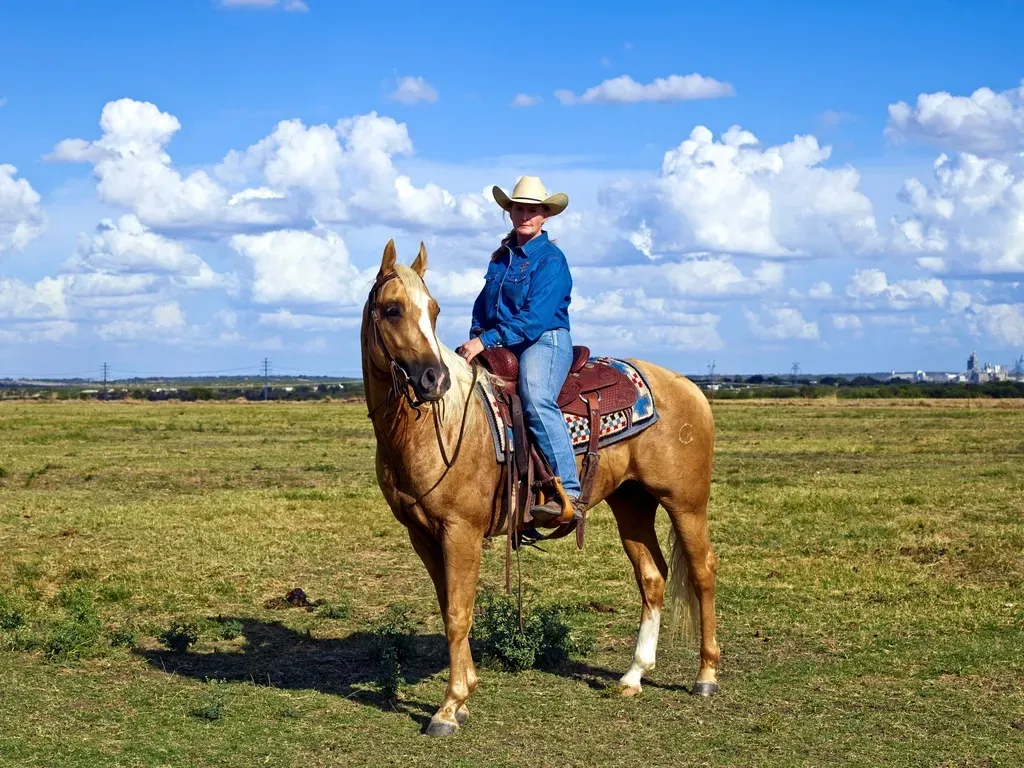
Every vet who works with horses long enough develops a kind of quiet recognition when they meet a first-year owner. Not judgment – recognition. Because the decisions that create the most expensive, most heartbreaking long-term problems aren’t made by careless people. They’re made by people who were genuinely trying, just without the right information at the right time.
And here’s the opinion that nobody in the barn aisle says out loud but every experienced equestrian quietly holds: the horse industry does a terrible job of preparing new owners for what year one actually looks like. The sales process is designed to create excitement, not caution. The online communities celebrate the purchase and gloss over the protocol. The result is a revolving door of first-time owners who arrive with enormous heart and leave with enormous bills – and sometimes, an animal whose long-term health was quietly compromised by a dozen small decisions made in complete good faith. That has to change. Not with more fear, but with better, earlier, more honest information – the kind that meets a new owner where they are before the trailer ever pulls away.
The owners who come out of year one in the best position aren’t the ones who spent the most money or read the most books. They’re the ones who treated that first year as a deliberate setup – building their team early, learning their horse’s baseline obsessively, and resisting the impulse to optimize everything at once. The horse doesn’t need perfection. It needs consistency, attention, and an owner who knows enough to make the call before the small thing becomes the expensive thing. Most of what’s on this list costs almost nothing to prevent. Almost all of it costs a great deal to fix.

- 14 Quiet Signs Your Dog Knows Its Time Is Near and Wants You Close - July 22, 2026
- 10 Falcon Facts That Will Blow Your Mind - July 22, 2026
- 5 Incredible Migratory Journeys Animals Make Every Year - July 22, 2026