
Most people picture a rescue dog as something that was abused, neglected, or aggressive. The uncomfortable truth is that the dogs coming back to shelters most often weren’t failed by bad owners in the dramatic sense – they were failed by good people who simply chose the wrong breed for their life. Shelter intake coordinators see it every week: a dog arrives clean, healthy, and confused, returned by a family that genuinely loved it but couldn’t handle it.
The trainers who study return patterns say the same breeds keep showing up, and the reasons are almost always identical. Not cruelty. Not bad luck. A mismatch between what the owner imagined and what the dog actually needed. Some of the entries on this list will surprise you – a few are America’s most beloved breeds, and one sits at the very top of nearly every major shelter’s intake list for reasons that go deeper than most people realize.
At a Glance: The Scale of the Problem
- Approximately 5.8 million dogs and cats entered U.S. shelters in 2024, according to the ASPCA.
- 29% of all shelter intakes in 2024 were owner surrenders – families who made the choice to give their dog up.
- Research published in Scientific Reports found that age and breed group both predict the likelihood of return after adoption.
- Behavioral issues and incompatibility with existing pets were the most common reasons for post-adoption returns.
- Herding breeds face the highest return odds of any group – toy and terrier breeds are 65% and 35% less likely to be returned than herding dogs.
#15 – Beagles: The Howling Houdinis
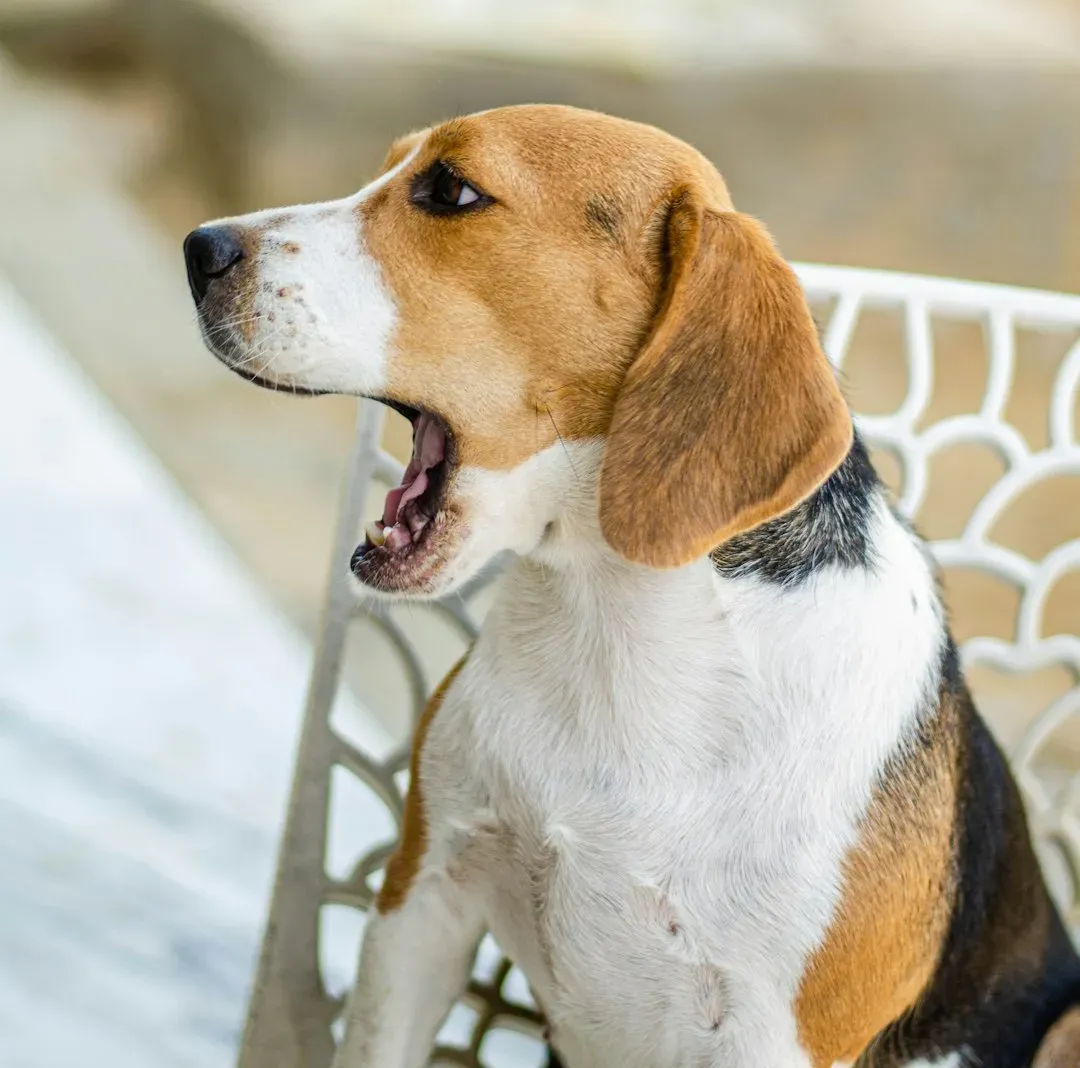
Beagles look like the perfect family dog – compact, sweet-faced, gentle with kids. What the photos don’t show is what happens at 2 a.m. when a scent drifts through a cracked window and that ancient hunting brain switches on. Beagles were bred to follow a trail for hours, baying loudly to guide hunters behind them. In a suburban backyard, that instinct doesn’t disappear. It just becomes your neighbor’s nightmare.
Trainers report Beagles consistently top return lists in many regions, and the story is almost always the same: the owner didn’t research the howling, didn’t know about the fence-digging, and assumed a small hound would settle into couch life. After the first noise complaint or the second escape from the yard, frustration sets in fast. Shelter workers describe hounds as one of the most frequently surrendered groups – not because they’re difficult dogs, but because their needs are wildly misunderstood from the very first day.
#14 – Dachshunds: The Stubborn Diggers

There is no dog on earth with a bigger attitude packed into a smaller body than a Dachshund. These dogs were literally bred to chase badgers into underground tunnels and fight them there – which tells you everything about their pain tolerance, stubbornness, and prey drive. That personality does not soften because someone lives in a two-bedroom apartment. It just redirects toward furniture, shoes, and anything that moves past the window.
House-training a Dachshund can take months longer than most breeds, and their independent streak means they will test every boundary repeatedly. Trainers note returns spike when owners skip consistent crate training early on, assuming the small size makes the stakes low. By the time the accidents and the willful ignoring of commands reach a breaking point, the family has already mentally checked out. Another adorable dog, another avoidable return.
#13 – Boxers: The Eternal Puppies
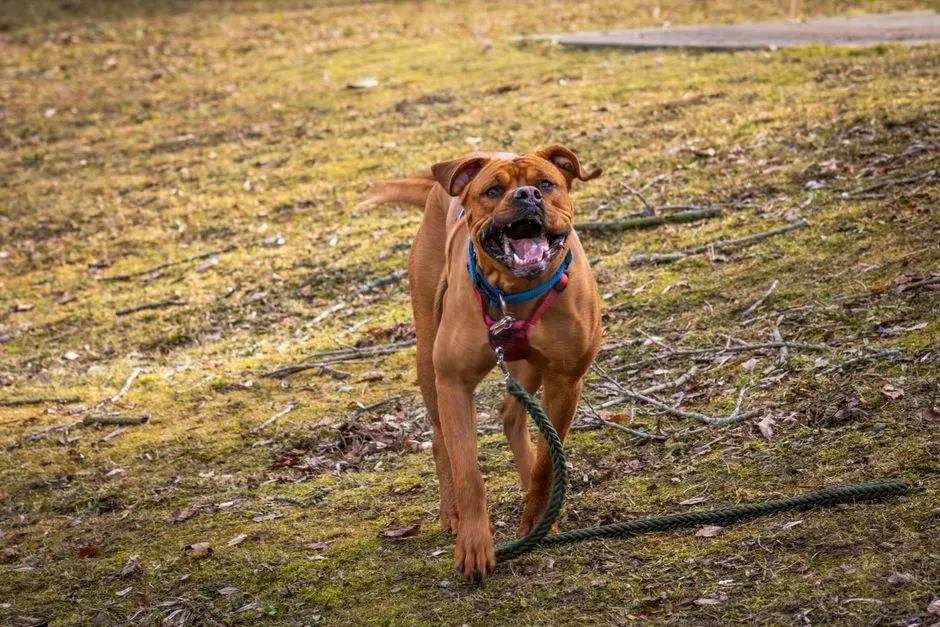
Boxers are essentially golden retrievers who never emotionally matured and were given a working dog’s body. They’re exuberant, clownish, and deeply loving – and they will absolutely body-slam your grandmother if you don’t give them an outlet for that energy. A bored Boxer doesn’t sit quietly and sulk. It chews through walls, launches itself at guests, and turns your living room into a demolition site.
Families are often drawn in by the Boxer’s playful face and assume a medium-sized dog will be manageable. Shelter workers say “too much energy” is one of the most common surrender reasons cited for the breed. Without structured daily exercise and a sense of purpose, the behavior escalates in ways that catch owners completely off guard. Trainers frame it simply: Boxers need a job, or they’ll invent one you won’t like.
#12 – Rottweilers: The Misunderstood Guardians
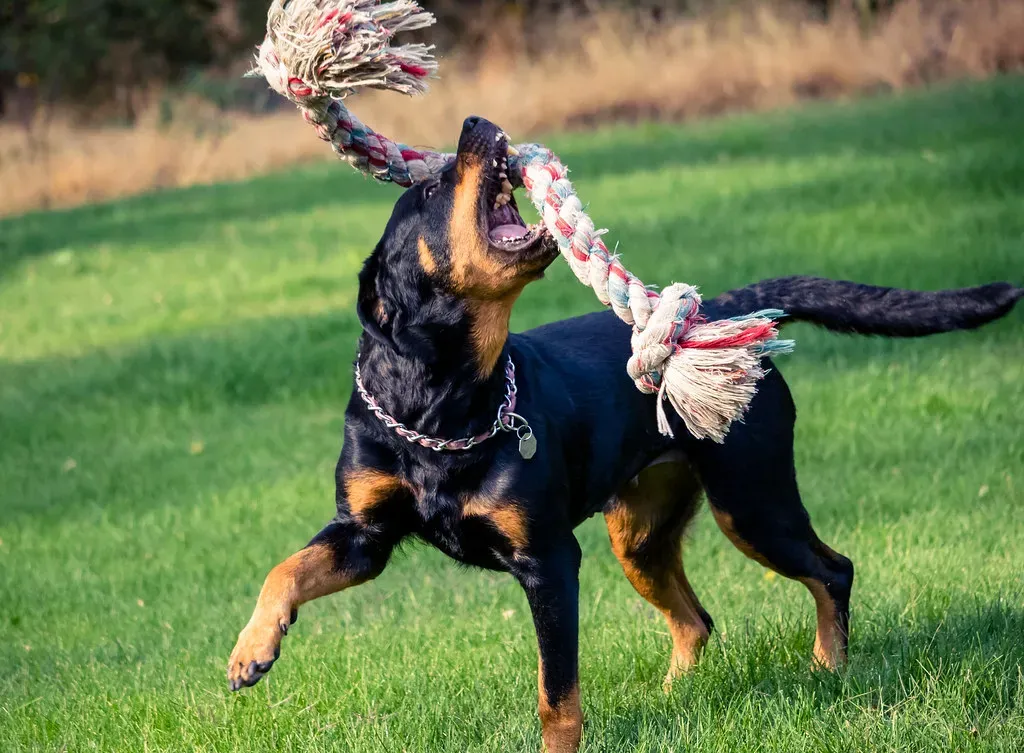
Rottweilers are deeply loyal dogs with a strong protective instinct – and that’s exactly where the trouble starts. In an experienced home with clear leadership and proper socialization, that instinct is an asset. In a home where the owner skipped training and assumed the dog would “just know” how to behave, that same instinct becomes a liability that frightens guests and triggers complaints from neighbors.
The return pattern for Rottweilers is grimly predictable. The dog guards the home too enthusiastically, an incident occurs or a landlord objects, and suddenly a perfectly trainable animal is back at the shelter carrying a reputation it didn’t deserve. Trainers are emphatic on this point: Rottweilers don’t fail families. Families fail Rottweilers by skipping the professional training that working breeds of this caliber genuinely require. The breed pays the price for a gap in owner education.
Fast Facts: Why Working Breeds Struggle in Average Homes
- Working and guarding breeds like Rottweilers were historically bred for all-day jobs – herding livestock, pulling carts, or protecting property.
- Without structured training, their natural guarding instincts can escalate into behaviors that alarm visitors and landlords.
- Studies show behavioral issues and incompatibility with existing pets are the top two reasons owners surrender dogs post-adoption.
- Dogs surrendered for behavioral problems face significantly worse post-return outcomes than those surrendered for owner circumstances.
- Professional training started early is the single most reliable prevention – yet most owners of working breeds skip it entirely.
#11 – Australian Shepherds: The Velcro Herders
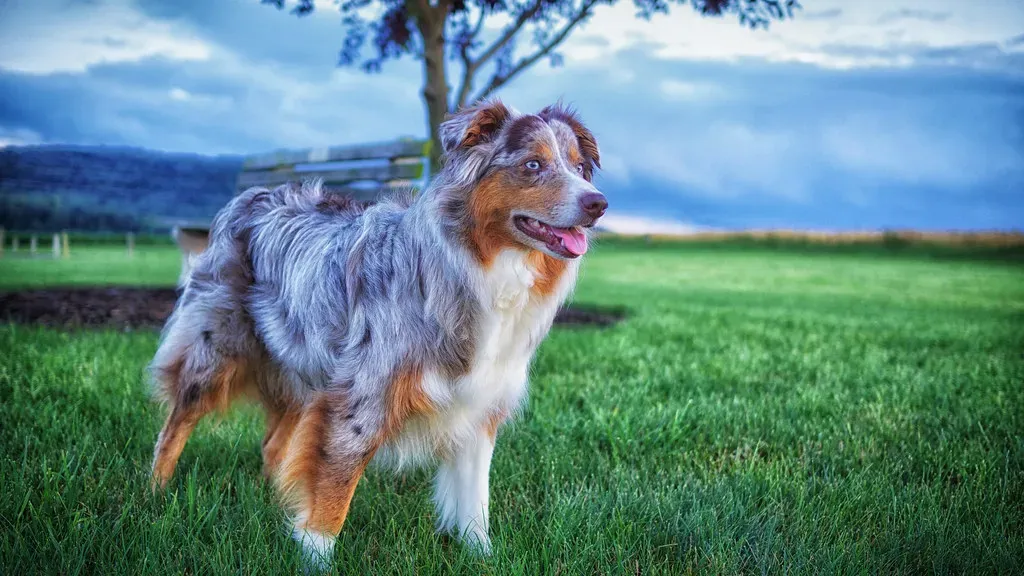
Australian Shepherds are one of the most strikingly beautiful dogs in existence – merle coat, ice-blue eyes, athletic build. They’re also relentlessly, exhaustingly intense. These dogs were developed to manage livestock across open terrain for an entire working day. That level of drive doesn’t have an off switch. When it doesn’t have sheep to manage, it finds the next available moving target: children, cats, cyclists, your feet.
Trainers repeatedly flag herding breeds as showing higher return rates than most other groups in adoption data, and Aussies sit near the top of that list. Owners fall hard for the intelligence and the looks, but within weeks they’re dealing with a dog that’s nipping at heels, destroying things from boredom, and showing anxiety symptoms from under-stimulation. The daily commitment required – real training, real exercise, real mental work – is more than most casual pet owners bargained for.
#10 – Chihuahuas: The Tiny Tyrants
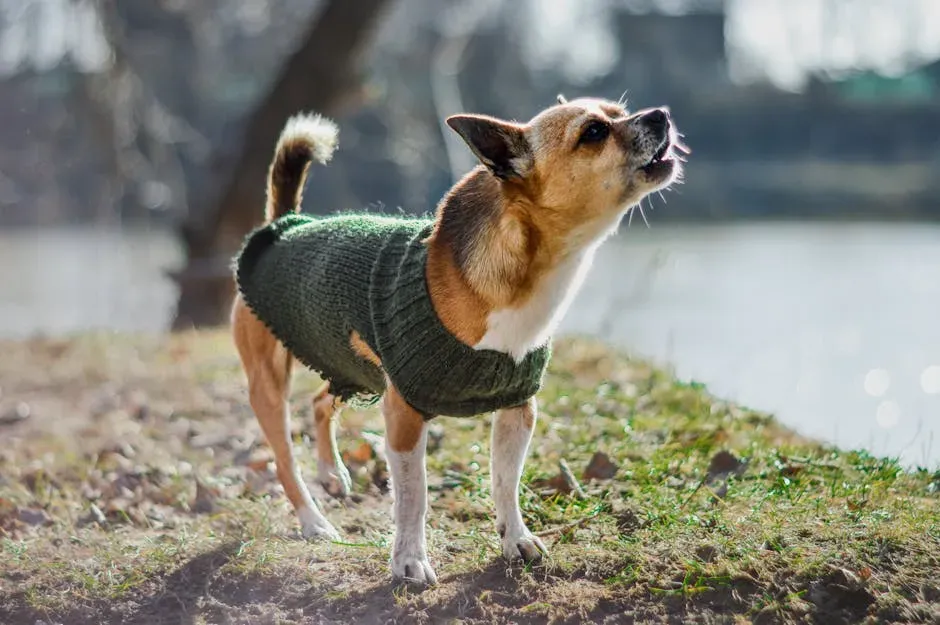
People adopt Chihuahuas thinking they’re getting a portable, low-maintenance companion. What they’re actually getting is a watchdog in a four-pound body – a dog hardwired to alert, guard, and challenge anything it perceives as a threat, which in a Chihuahua’s worldview can include strangers, large dogs, rustling plastic bags, and anyone who looks at their person for too long. Without early socialization, that instinct calcifies into snapping and nonstop barking.
Chihuahuas buck the general trend that toy breeds are returned less often than high-drive dogs, particularly in urban shelters where noise complaints are a fast track to eviction. The core problem is that owners skip training entirely, assuming a small dog’s bad behavior is harmless or cute. It isn’t harmless to the neighbors, and it isn’t cute after the third year of it. By the time the family reaches their limit, the dog has been practicing these behaviors long enough that rehabilitation takes real work. In California alone, Chihuahuas make up roughly 30% of the dog population in shelters – a staggering figure for the country’s smallest common breed.
Worth Knowing: The Surrender Numbers Behind the Stories
- Across 50 major U.S. cities, the top 5 shelter breeds by listing volume are Pit Bulls (21.8%), German Shepherds (11.4%), Labrador Retrievers (7.7%), Siberian Huskies (6.5%), and Chihuahuas (5.6%).
- Housing issues account for 14.1% of dog surrenders – the single top reason for canines nationally.
- Roughly 6% of owner surrenders cite nuisance behaviors as the primary cause – a figure that grows significantly when combined with housing complaints.
- About 20% of adopted dogs are returned to the original shelter; 60% are no longer in their adoptive home within six months.
- Behavioral problems and personality mismatches account for nearly 28% of all animal surrenders to shelters.
#9 – Golden Retrievers: The Overbred Family Favorites
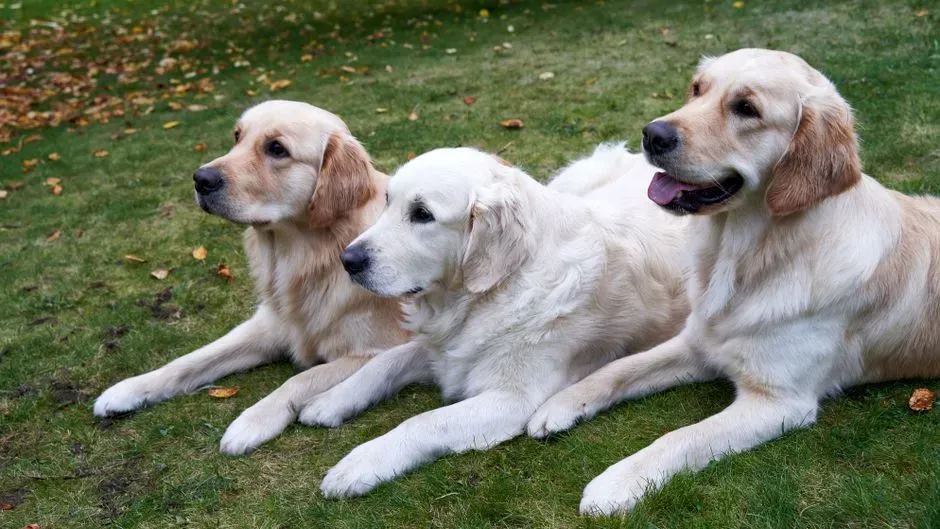
Goldens carry one of the most powerful breed reputations in the world – gentle, patient, universally friendly, practically synonymous with the word “family dog.” That reputation has also made them one of the most overbred dogs on the planet, with lines selected for color and appearance rather than the stable temperament the breed was originally known for. The result is that a surprising number of Goldens arriving in shelters show anxiety, hyperactivity, or reactivity that shocks families who expected a mellow companion.
Even the well-bred ones require more than most new owners anticipate: daily vigorous exercise, consistent training, and grooming that is genuinely time-consuming. Trainers see a specific pattern with Goldens – families adopt based on the image, discover the reality of the coat maintenance alone, and begin pulling back on engagement. A bored, under-exercised Golden becomes destructive quickly. The very popularity that made the breed beloved is the same force driving its shelter numbers up.
#8 – Siberian Huskies: The Escape Artists
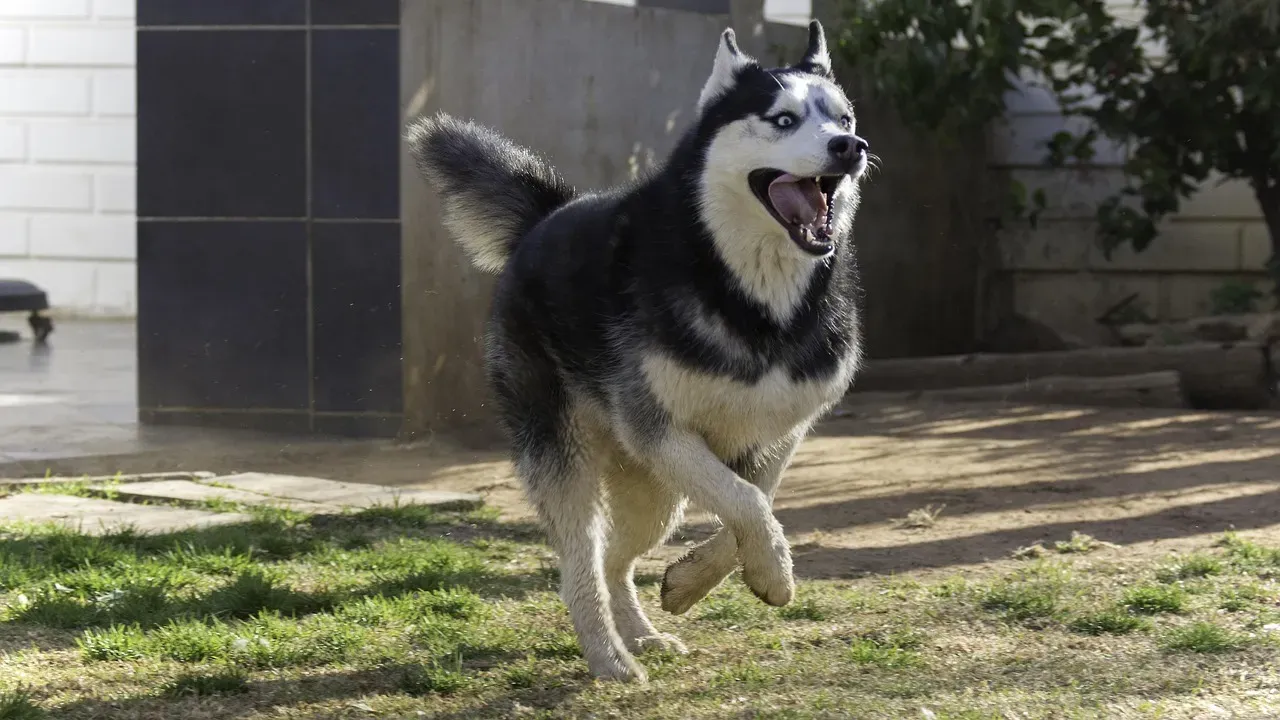
No breed on this list generates more dramatic shelter intake stories than the Husky. Twice-yearly shedding events that leave fur covering every surface in the home. Fence-jumping, fence-climbing, fence-digging – Huskies treat containment as a puzzle they are deeply motivated to solve. They’re loud in a way that’s different from most barking dogs; they howl, they “talk,” and they do it at volumes that carry for blocks. And they were bred to run fifty miles a day in Arctic conditions, which suburban backyards are not designed for.
The numbers tell the story plainly: the count of Siberian Huskies in shelters has doubled since 2020, with surrenders spiking in warmer months when heat intolerance becomes impossible to manage. The wolf-like beauty pulls people in hard, and social media has amplified that effect significantly. Trainers call the Husky mismatch one of the most predictable in rescue work – gorgeous dog, completely wrong environment, entirely foreseeable outcome. The breed isn’t difficult. It’s just built for a life most owners have no intention of actually providing.
The dog you fall in love with at the shelter and the dog you live with at home are the same animal – but only one of them came with a manual you actually read.
Common sentiment among professional dog trainers and shelter behaviorists
#7 – German Shepherds: The Loyal but Demanding Protectors
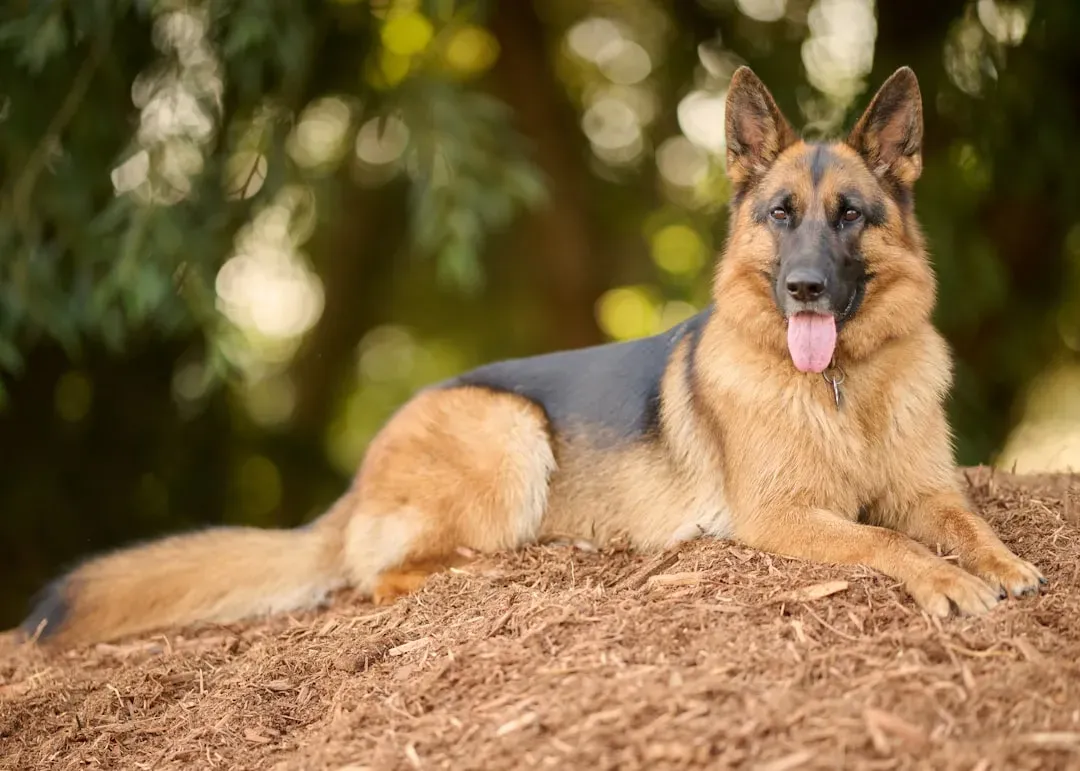
German Shepherds are one of the most capable dogs ever developed – used in police work, search and rescue, military service, and guide dog programs for good reason. That capability comes with a demand: they need to be engaged, challenged, and given a sense of purpose every single day. Without that structure, the intelligence turns inward. Anxiety develops. Guarding behaviors escalate beyond what owners can manage. The dog that was supposed to be loyal and protective becomes overwhelming.
First-time owners adopt German Shepherds at high rates because the breed feels like the ultimate dog – strong, smart, devoted. Trainers who track returns say the pattern is one of the most consistent they see: intense adoration in the first few weeks, followed by the slow realization that this dog needs more than walks and kibble. German Shepherds make up 11.4% of shelter listings nationally – the second-highest share of any breed – and are the most common shelter breed in cities including Los Angeles, Sacramento, San Diego, and Seattle. The breed doesn’t fail the owner. The owner’s preparation fails the breed.
#6 – Labrador Retrievers: The Popular Overachievers
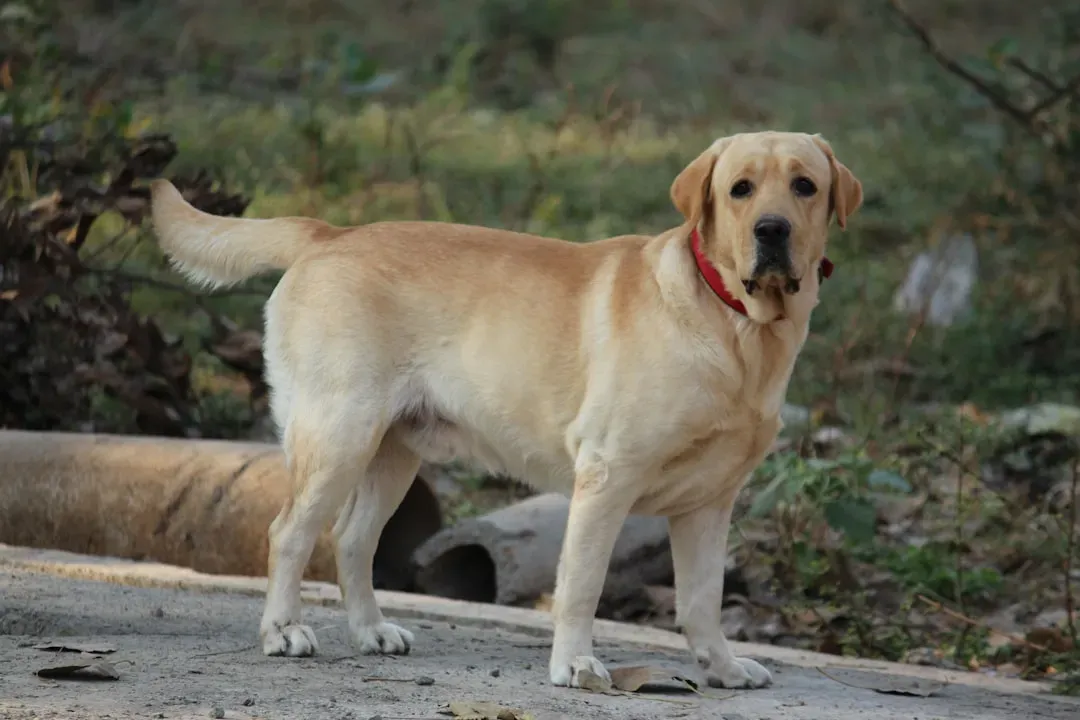
Labs are the most registered dog breed in America by a wide margin – which also means they’re among the most surrendered. Popularity creates a supply chain, and that chain produces dogs bred more for volume than for the calm, biddable temperament the breed is famous for. Many Labs entering shelters are high-energy, under-trained dogs from backyard breeders or pet stores, not the gentle family companions people see in every heartwarming commercial.
Shelter reports consistently place Labs among the most common returns, with “too active” and house-training setbacks cited repeatedly. The retrieving drive that makes them brilliant working dogs also means they need real outlets – fetch, swimming, structured play – every single day. A bouncy, untrained Lab puppy that reaches 80 pounds is more than most busy households bargained for. Labrador Retrievers account for 7.7% of all shelter dog listings nationally – the third-highest share of any breed – and are the most frequently found shelter breed in eight major cities including Boston, Denver, and Nashville. Classic love-at-first-sight, return-after-reality-sets-in story.
Quick Compare: Top 5 Most Common Shelter Breeds in the U.S.
| Breed | % of Shelter Listings | Primary Surrender Driver |
|---|---|---|
| Pit Bull-Type | 21.8% | BSL, housing restrictions, overbreeding |
| German Shepherd | 11.4% | High-drive needs, under-training |
| Labrador Retriever | 7.7% | Energy mismatch, popularity-driven overbreeding |
| Siberian Husky | 6.5% | Exercise demands, escape behavior, heat intolerance |
| Chihuahua | 5.6% | Noise complaints, skipped socialization |
#5 – Bulldogs: The Breathing-Challenged Couch Potatoes
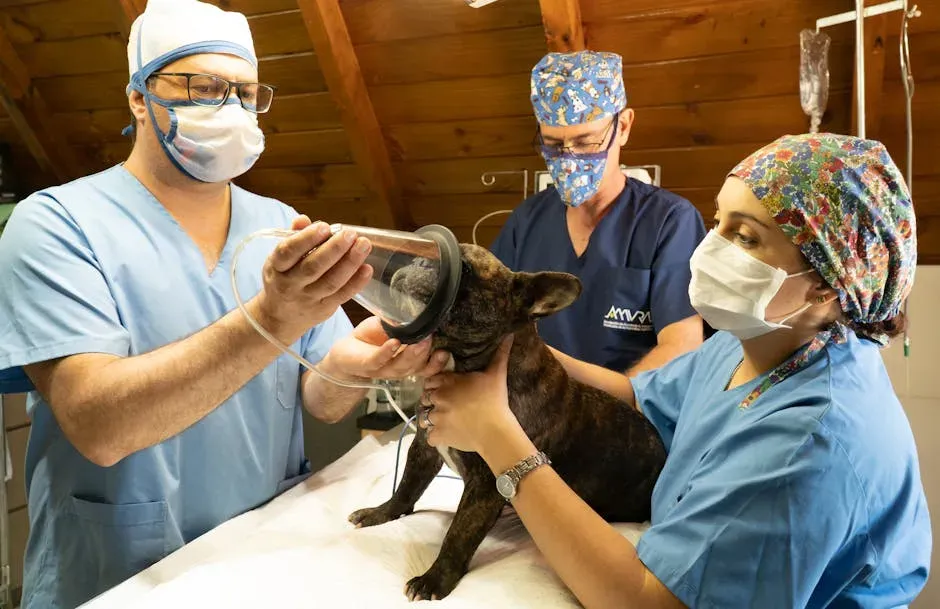
Bulldogs get adopted based on a very specific fantasy: low-energy, laid-back, happy to lounge on the couch all day. Parts of that are true. What the fantasy leaves out is the vet bills. Brachycephalic syndrome – the breathing issues caused by the breed’s flattened face – means many Bulldogs require surgery before middle age just to breathe comfortably. Hot days become emergencies. Exercise has to be carefully monitored. Skin fold infections are common. The costs stack up in ways that blindside owners who weren’t warned.
Trainers note that even setting aside the health issues, Bulldogs still need consistent short walks and careful weight management – skip those, and the health complications worsen faster. The return pattern here isn’t about behavior mismatch as much as it is about owners discovering that the “easy” dog comes with significant medical complexity and expenses they didn’t budget for. Popularity outpaced education on this breed a long time ago, and rescue centers are absorbing the consequences.
#4 – Jack Russell Terriers: The Relentless Hunters
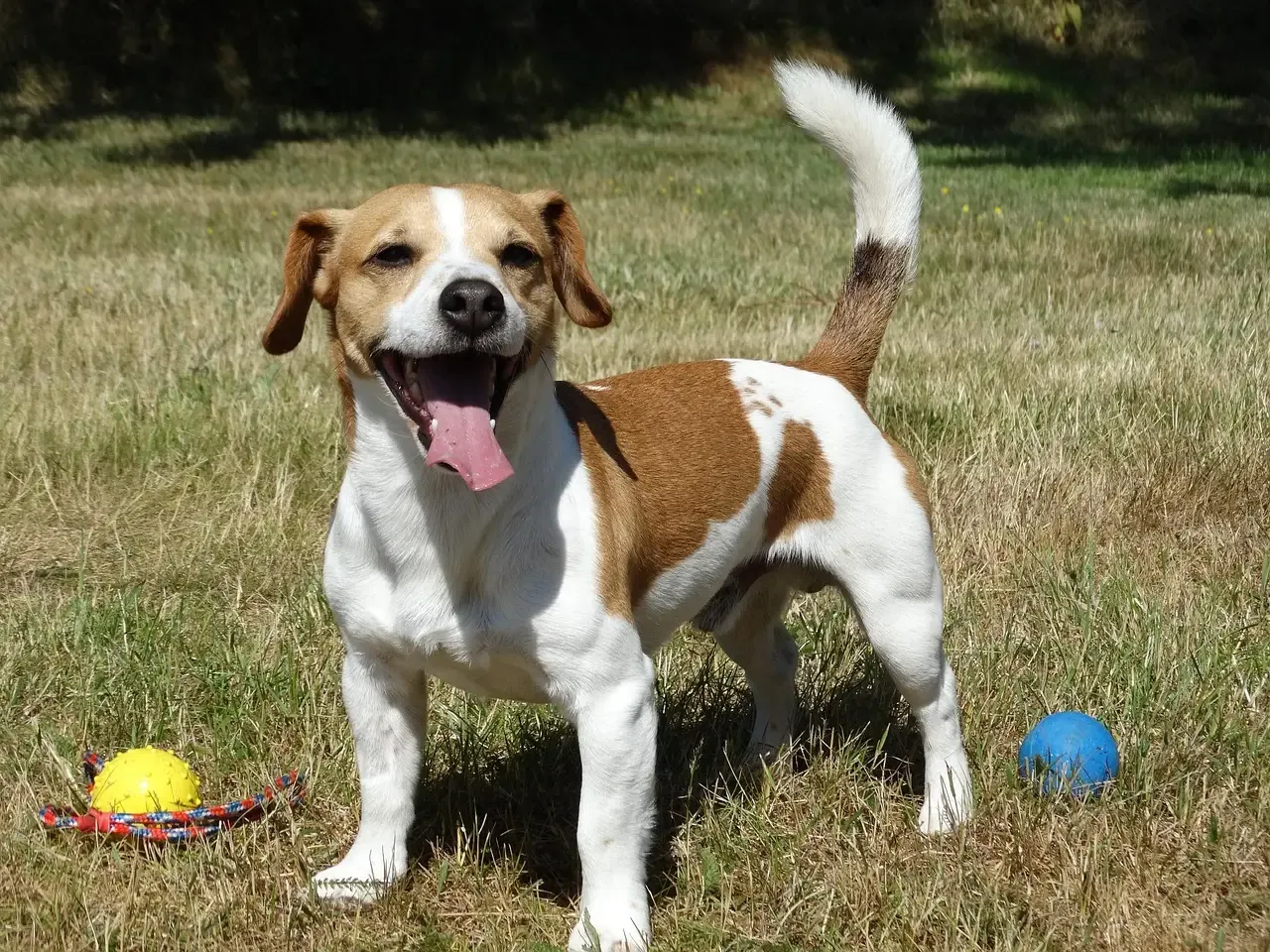
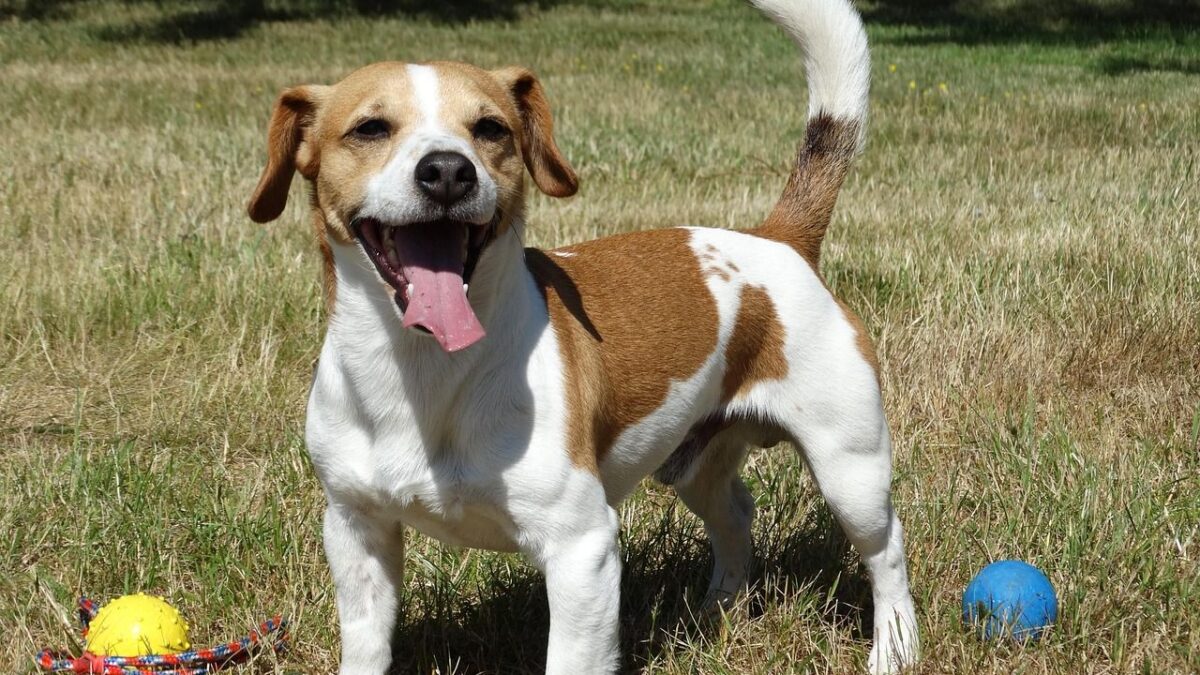
Jack Russells are proof that prey drive has absolutely nothing to do with body size. These dogs were bred to chase foxes into underground dens – small enough to follow but fierce enough to fight. That fearlessness and intensity lives in every Jack Russell regardless of how cute or compact it looks in the rescue photo. Squirrels, cats, small dogs, the neighbor’s rabbit – if it moves and it’s smaller than a Jack Russell, it is prey. Recall commands become theoretical when the hunting brain activates.
The yard destruction alone has ended more than a few adoptions. Trainers link terrier groups to specific return challenges when owners don’t provide structured physical and mental outlets from day one. Families adopt the big personality in the small body, genuinely charmed by the energy – and then watch their garden get dismantled hole by hole. It’s a classic breed mismatch, visible from a mile away to anyone who’s worked in rescue, but invisible to the new owner until the yard looks like a war zone.
#3 – American Staffordshire Terriers: The Loyal but Stigmatized
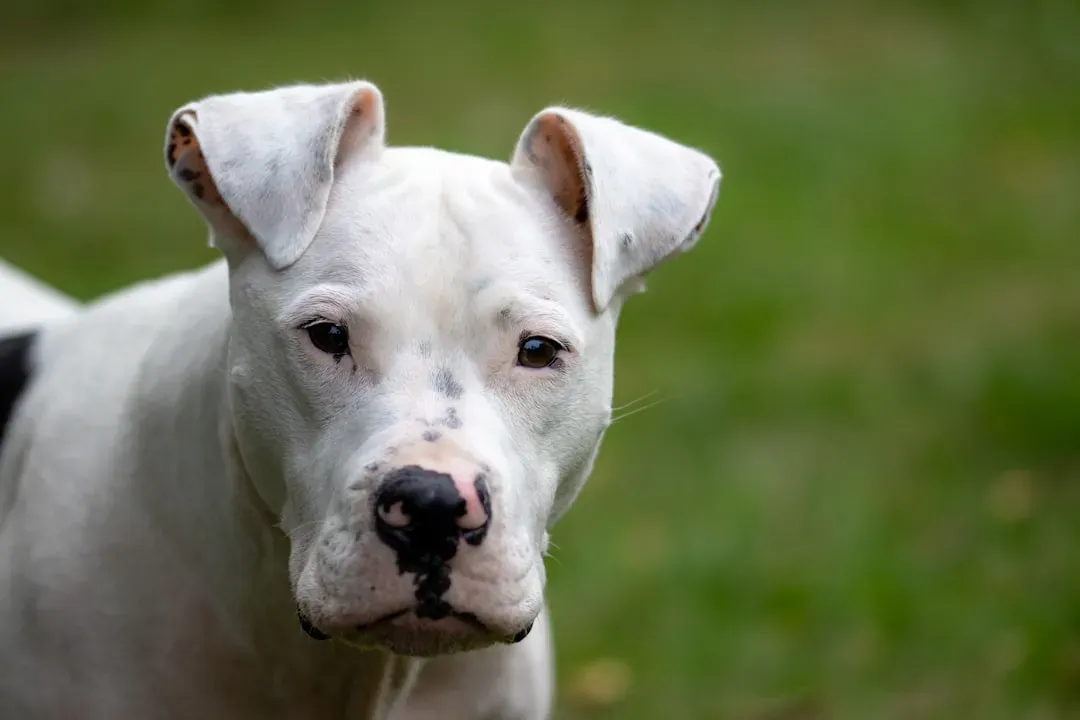
AmStaffs and the broader pit bull-type category face a return cycle that’s almost cruel in its repetitiveness. These dogs are, by nearly every behavioral measure, loving and trainable – but they’re also strong, energetic, and in many cities subject to breed-specific legislation that can make housing nearly impossible. An owner who falls for the loyalty and the affection can do everything right and still lose their rental apartment because the lease prohibited the breed. The dog comes back through no fault of anyone who loved it.
Where housing isn’t the issue, the return pattern shifts to socialization and management challenges. The strength and energy of these dogs require real commitment – structured exercise, consistent training, careful introductions to other animals. Shelter statistics show pit bull-type dogs comprise the largest share of intake in many major facilities, with higher rates of multiple returns than most other groups. Research confirms that pit bull-type breeds are more likely to be returned multiple times and face significantly worse outcomes after those returns than almost any other category of dog. Trainers are consistent in their assessment: the problem is almost never the dog. It’s the gap between what the owner expected and what responsible ownership of a powerful, high-drive breed actually looks like.
Why It Stands Out: The Compounding Challenges Facing Pit Bull-Type Dogs
- Overbreeding: Pit Bull litters can range from 6 to 12 puppies, and rampant casual breeding has flooded shelters with supply that far exceeds demand.
- Breed-specific legislation (BSL): Hundreds of cities and towns ban or restrict bully breeds, forcing owners to surrender dogs even when the relationship is working.
- Housing barriers: Landlord restrictions and HOA breed bans are among the top drivers of pit bull surrenders, regardless of the dog’s behavior.
- Longer shelter stays: Pit bull-type dogs stay longer before adoption than almost any other breed, compounding capacity pressure on already strained facilities.
- Worst post-return odds: Published research found pit bull-type breeds face 2.6x greater odds of euthanasia after a return than other breed groups.
#2 – Border Collies: The Genius Workaholics
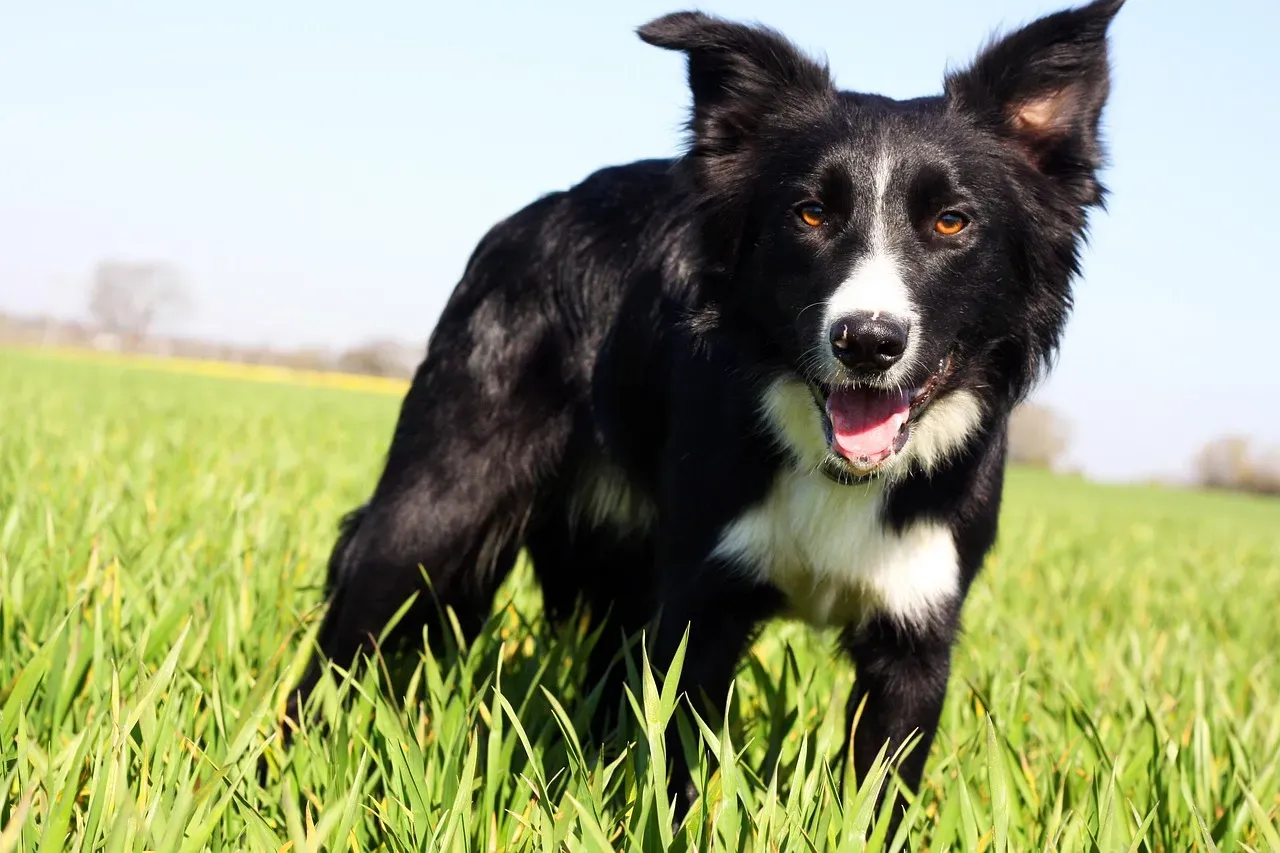
Border Collies are widely considered the most intelligent dog breed in the world. That sounds like an unambiguous compliment. Ask any shelter worker who has taken one in after a failed adoption, and they’ll tell you it’s also a warning. A Border Collie that isn’t mentally engaged doesn’t become withdrawn and quiet – it invents its own entertainment. Obsessive light-chasing. Shadow-staring. Nipping at anything that moves. Behaviors that start as quirks and harden into compulsions within months.
Herding breeds show higher return likelihood than almost any other group in adoption research, and Border Collies sit at the sharp end of that data. A peer-reviewed study found toy and terrier breeds are 65% less likely to be returned than herding breeds – a gap that speaks volumes about how badly the herding group is mismatched with average pet homes. The intelligence that makes them extraordinary working dogs is the same trait that makes them profoundly unsuitable for low-activity households. Owners see the videos of Border Collies doing breathtaking agility work and think they’ve found the perfect impressive pet. Trainers see it differently: they’ve found a dog that will demand professional-level engagement every single day of its life, or make everyone around it miserable.
#1 – Pit Bull-Type Dogs: The Ultimate Pattern Breakers

Every factor that drives shelter returns hits pit bull-type dogs simultaneously and harder than any other group. Overbreeding flooding the market. Breed-specific legislation eliminating housing options. Reputation-driven fear closing doors before a dog gets a fair chance. And underneath all of that, owners who adopted based on loyalty mythology without fully understanding the exercise requirements, the socialization demands, and the legal complications that follow these dogs from city to city. Studies confirm they face higher odds of multiple returns and, in some facilities, worse outcomes after those returns than other breeds.
Trainers who work with pit bull-type dogs are often the most frustrated by this pattern, because they know what these dogs look like in the right home – devoted, athletic, emotionally perceptive, genuinely wonderful. The tragedy isn’t the dog. It’s the systemic failure: irresponsible breeding that created oversupply, a culture of adopting on impulse, and policies that punish an entire population of animals for the actions of a small percentage. Every shelter statistic about this breed is a data point in a story that didn’t have to go this way.
The Real Pattern Nobody Wants to Admit
The trainers are right: the pattern is always the same. It isn’t about bad dogs or even bad owners in most cases. It’s about a culture of impulse adoption, where a breed’s appearance or reputation becomes the entire basis for a life-changing decision. Every breed on this list has ended up in the return cycle not because of what it is, but because of the gap between what people imagined it would be and what it actually needed to thrive.
The solution isn’t complicated, but it does require honesty. Match your lifestyle to the dog’s actual needs – not the Instagram version, not the movie version, not the version your neighbor has who somehow makes it look easy. The breeds that come back most often are also, in the right hands, some of the most extraordinary dogs alive. They don’t need different owners. They need informed ones. That distinction is the entire difference between a dog that gets returned three times and one that never has to leave home again.

- 14 Quiet Signs Your Dog Knows Its Time Is Near and Wants You Close - July 22, 2026
- 10 Falcon Facts That Will Blow Your Mind - July 22, 2026
- 5 Incredible Migratory Journeys Animals Make Every Year - July 22, 2026