

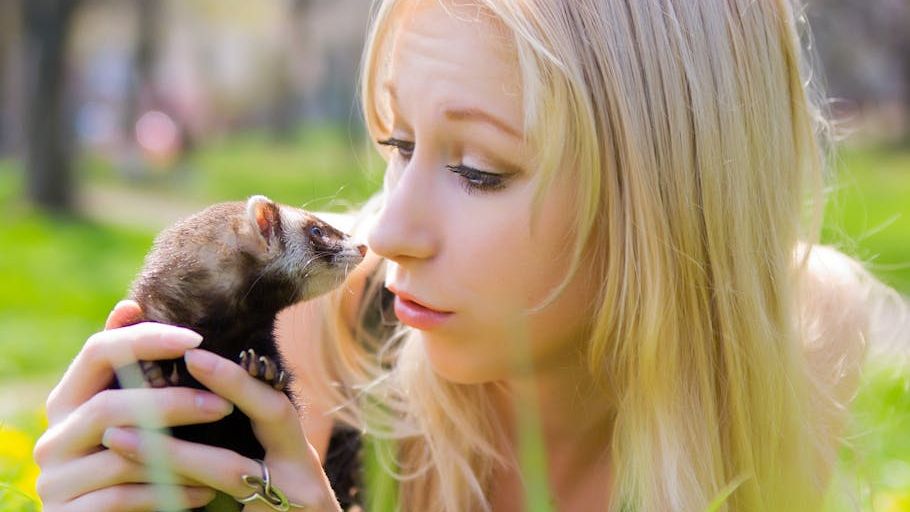
Dogs have owned the “loyal companion” story for so long that most families never stop to question it. But spend five minutes talking to a vet who works with exotic or small animals and the picture gets complicated fast – because some of the deepest, most exclusive one-person bonds they’ve ever witnessed didn’t involve a dog at all. They involved a rat. A parrot. A donkey. Animals most people would never even shortlist as a family pet.
What makes these bonds so striking isn’t just affection – it’s the selectivity. These animals don’t love everyone. They choose one person, and that choice can last a lifetime. If you’ve ever wanted a companion that truly picks you, the fifteen animals below might completely change what you think is possible. The one at the top of the list has left vets genuinely speechless.
#15 – The Quiet Loyalty of the Guinea Pig
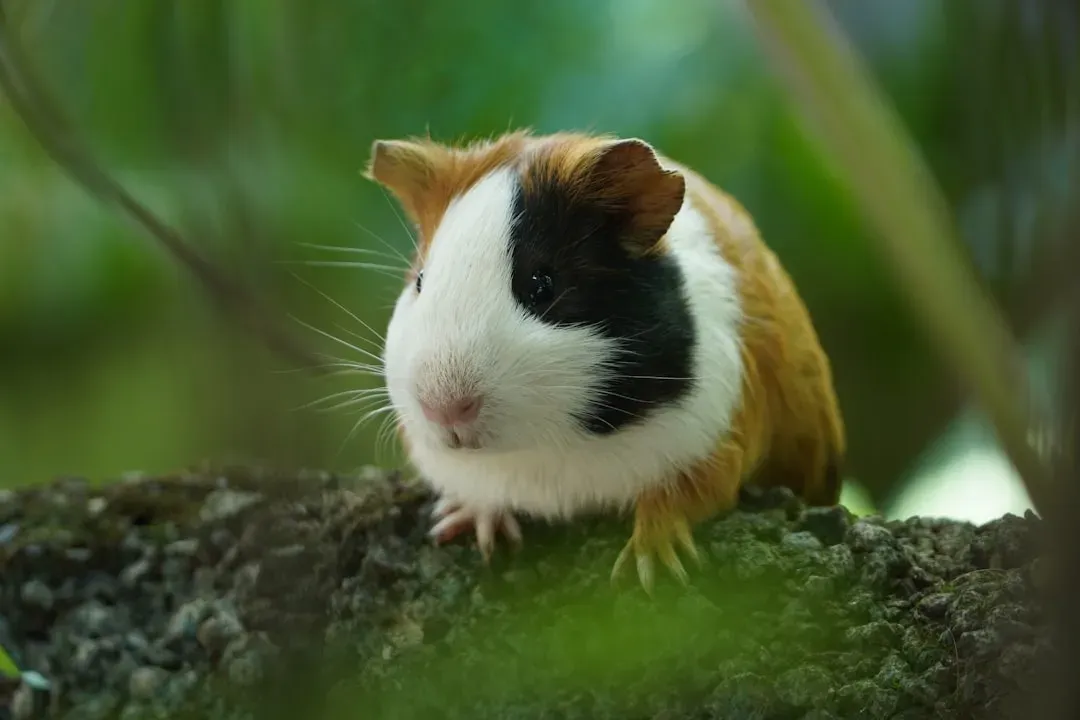
Guinea pigs get handed to kids as “starter pets” and promptly underestimated by everyone in the house. But vets who see them regularly tell a different story – one where a small, seemingly timid rodent becomes completely obsessed with a single caregiver, whistling in excitement the moment that person walks into the room and going eerily quiet around everyone else. The skittishness people mistake for aloofness is actually extreme selectivity. They’re not unfriendly. They’re just waiting for the right person.
Once that bond forms – usually through consistent daily handling, feeding, and calm talking – it becomes almost impossible to break. Some guinea pigs will flat-out refuse food offered by a stranger, even when hungry. They recognize one specific voice out of a houseful of people. They’ll follow their chosen human across a room with the quiet determination of an animal that has made up its mind. Most adults in the family write them off as the kid’s pet and never realize the depth of connection being formed right under their nose.
#14 – The Surprisingly Protective Rat
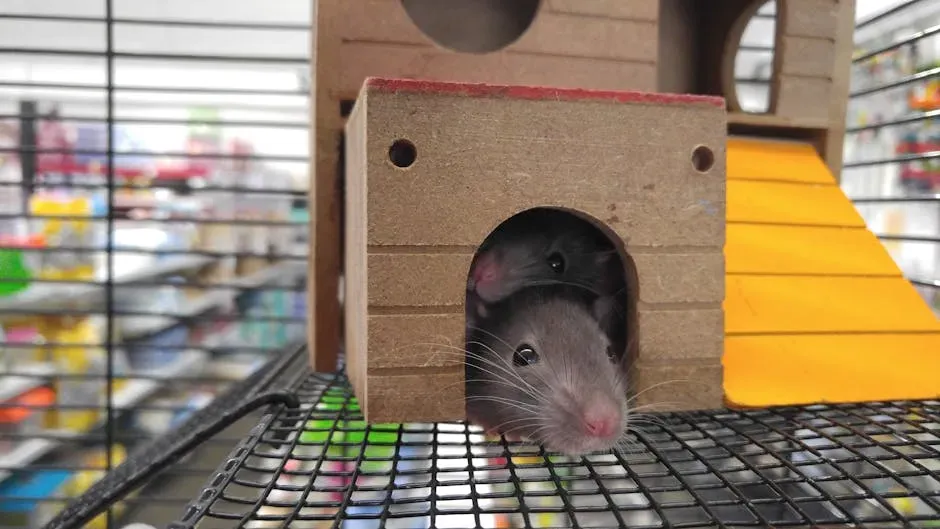
If the word “rat” just made you flinch, you’re not alone – and you’re also probably wrong about what they’re capable of. Pet rats are among the most intelligent small animals a vet will ever handle, and their emotional range genuinely surprises people who’ve only thought of them as pests. When a rat bonds with one person, it shows up in physical ways: grooming that person’s hands, seeking them out during stress, sleeping against them during quiet moments, and ignoring every other human in the room like they simply don’t exist.
The attachment builds fast and runs deep. These animals learn routines, remember individuals, and can be trained to perform tasks exclusively for their person through positive reinforcement. Vets describe rats that would only sleep tucked into their owner’s shirt pocket – and became genuinely agitated when anyone else tried to handle them. For an animal most families dismiss as temporary or unhygienic, the level of selective loyalty they’re capable of is almost embarrassing to ignore.
#13 – The Ferret’s One-Person Obsession
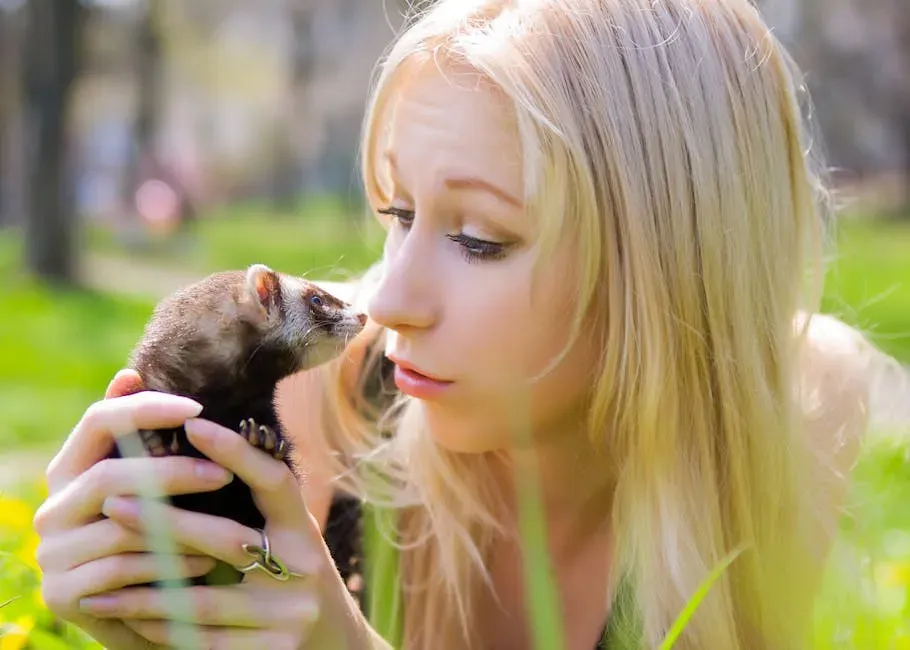
Ferrets have a reputation for chaos – the stolen socks, the inexplicable 3 a.m. energy, the general sense that they’re operating on a completely different agenda than everyone else in the house. But underneath all of that mischief is an animal with a fierce capacity for one-person loyalty that catches even experienced vets off guard. A ferret that has chosen its person will steal small objects and bring them over like offerings. It will sleep curled against that individual and become visibly distressed when they leave the room.
That same ferret may nip or dodge anyone else who tries to pick it up. Not out of aggression exactly – more like indignation that someone other than its chosen human is attempting contact. Owners who put in consistent daily playtime and let the ferret set the pace for closeness see the deepest bonds form. Families who avoid ferrets due to the reputation for mischief are, without knowing it, passing up one of the most entertaining and devotedly one-person animals on this entire list.
#12 – The Rabbit That Chooses You
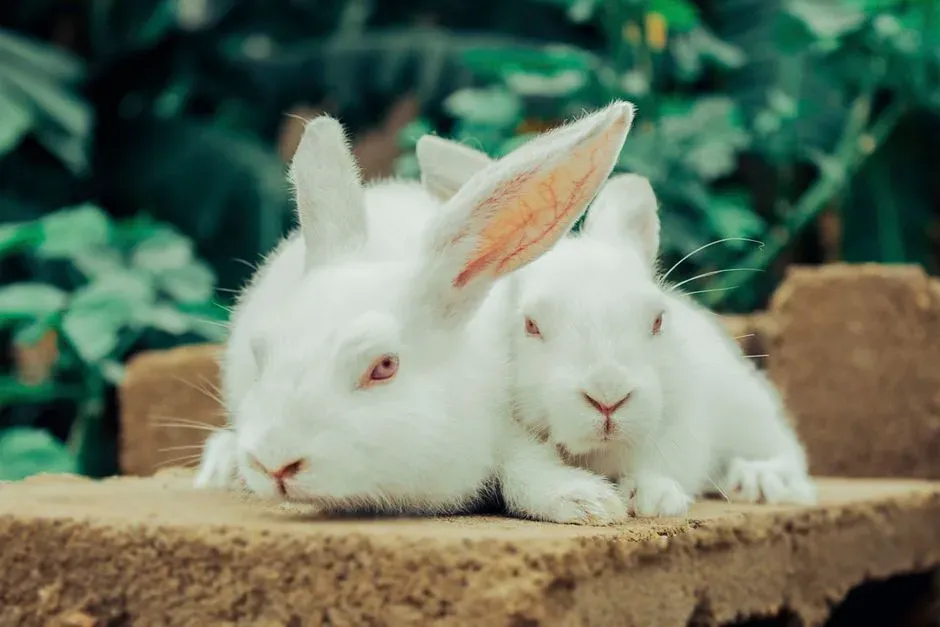
Rabbits have a marketing problem. The fluffy, passive, hutch-bound image they’ve been saddled with bears almost no resemblance to what an indoor rabbit with a real bond actually looks like. Vets are consistent on this point: rabbits are highly selective, and when they bond with one person, they communicate it through a vocabulary of body language that takes months to learn but becomes unmistakable once you know it. A full body flop near your feet – essentially a rabbit going limp with contentment – is reserved only for the person they trust completely.
The exclusivity can be startling. Bonded rabbits have been documented refusing food unless their person was present, thumping warnings at other family members who approach, and sitting in alert attention near the door waiting for one specific human to come home. None of this happens outdoors in a hutch. It develops through patient, gentle interaction on the rabbit’s terms – no forcing, no grabbing, just consistent presence. Families that keep rabbits outside as decorative lawn animals are missing a relationship that could genuinely rival a dog’s devotion.
#11 – The Goat’s Selective Affection
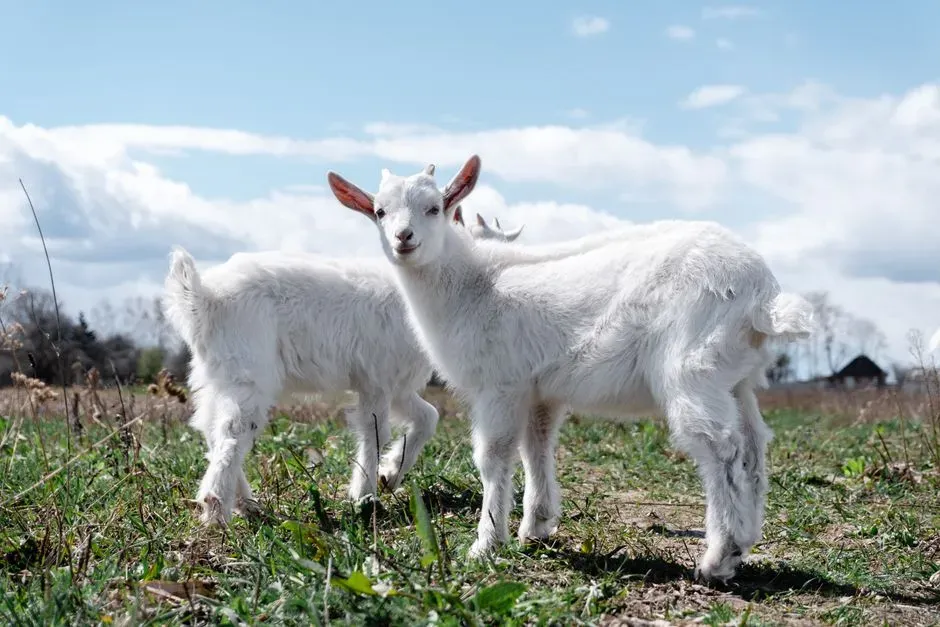
Mention goats as a household companion and most people will either laugh or picture a yard full of chewed laundry. But smaller breeds kept as pets – Nigerian Dwarf goats in particular – surprise the vets who work with them constantly. These animals are socially intelligent in a way that most people never expect, and their attachment to one specific person can look almost canine in practice. They trail that person through the yard, nudge them for attention, and push other animals or people aside during feeding time with zero apology.
What makes the bond so striking is the responsiveness to voice. Some goats learn to react exclusively to one person’s commands while tuning out the same words from everyone else. Daily brushing, treat routines, and calm one-on-one time build a partnership that feels more like training a loyal dog than managing livestock. Most households avoid them out of a vague fear of size or mess, never realizing that for the right family with the right space, a bonded pet goat offers a level of personality and devotion that’s genuinely hard to find anywhere else.
#10 – The Mini Pig’s Deep Attachment
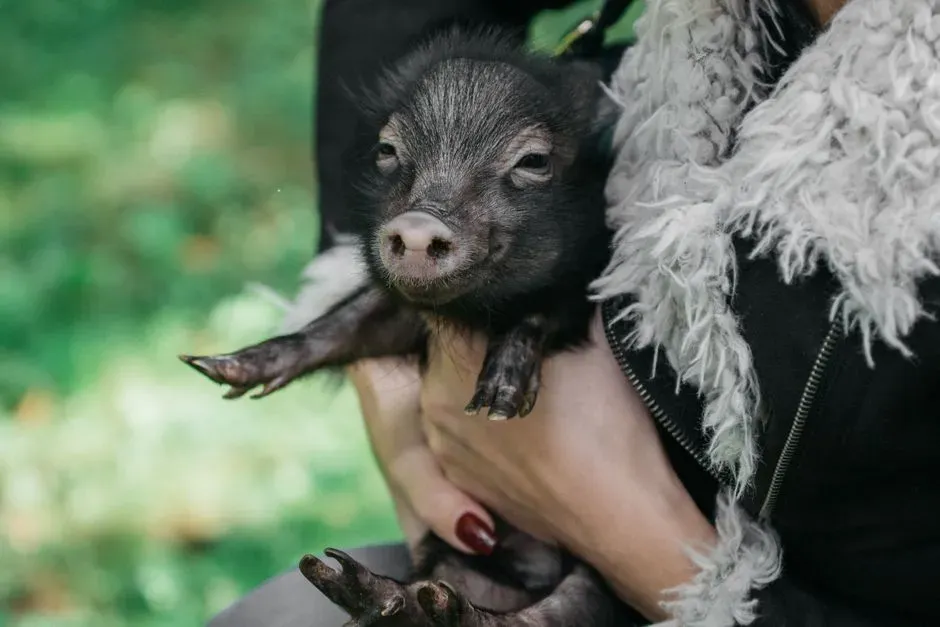
Mini pigs carry a reputation for being trendy, difficult, and ultimately rehomed – and that reputation exists because families get them without understanding what they actually are: highly intelligent, emotionally sensitive animals that form strong preferences and don’t hide them. When a mini pig bonds with one person, it’s not subtle. It learns that person’s schedule and waits at the door for them. It seeks them out for comfort. During vet visits, bonded pigs have been known to refuse to move for anyone except their primary person – a combination of stubbornness and attachment that vets find simultaneously frustrating and remarkable.
Positive reinforcement training deepens the connection quickly because pigs are motivated learners, and the bond that develops through that process starts to look a lot like what people love about dogs. The problem is the myths: too big, too messy, too complicated. In reality, house-trained mini pigs kept with one dedicated caregiver are among the most loyal animals in this entire list. The selectivity that makes them seem difficult is the same quality that makes their attachment so intense once it locks in.
#9 – The Horse That Bonds for Life
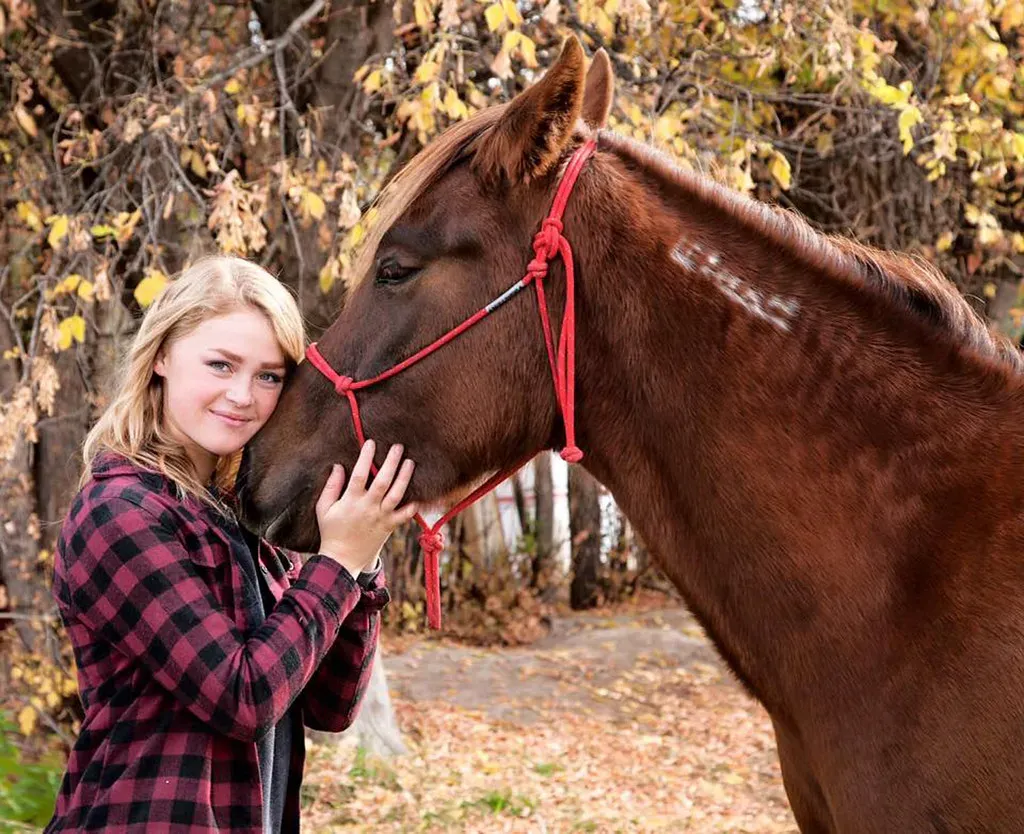
Horses are rarely thought of as one-person companions in the way a dog might be, partly because most people’s experience of them is recreational – a trail ride here, a lesson there. But vets and equine specialists who work with companion horses or retired animals tell a strikingly different story. A horse that has truly bonded with one person will nicker softly the moment that person appears on the property. It will stand quietly for grooming and saddling from them and become visibly resistant when someone unfamiliar attempts the same.
The trust required to reach that point takes years of consistent groundwork, quiet presence, and patient reading of the horse’s signals – but the result is something that experienced horse people describe as one of the most profound animal relationships possible. It’s less about commands than about a wordless fluency built over hundreds of hours together. Most families never consider horses outside of riding contexts, assuming they’re purely utilitarian. The ones who discover the depth of a companion bond often say nothing else compares.
#8 – The Parrot’s Exclusive Devotion
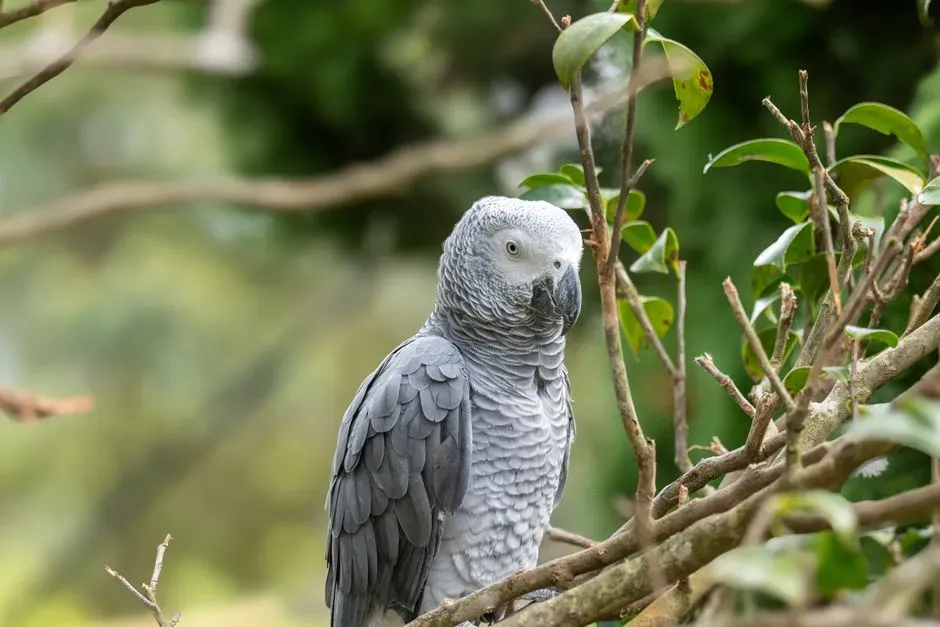
Parrots are often purchased for their spectacle – the talking, the color, the sheer personality of them. What families don’t always anticipate is that a parrot’s personality comes with strong opinions about people, and those opinions tend to narrow quickly toward one individual. Avian vets see this constantly: a parrot that mimics its chosen person’s specific vocal patterns, seeks out physical contact only from them, and makes life genuinely uncomfortable for anyone else who tries to enter that space uninvited. The screaming alone can be impressive.
The bond itself, once formed through daily one-on-one time and mental stimulation, is startlingly deep. Parrots are watching their person constantly – learning their moods, their routines, their voice inflections – in a way that most animals simply don’t. That level of attention creates a closeness that goes far beyond what most families expect from a bird. The challenge is the intensity. This is not a pet that will politely share its person. That exclusivity is exactly what makes it so remarkable – and what puts the African Grey, specifically, at the very top of this list.
#7 – The Bearded Dragon’s Quiet Trust
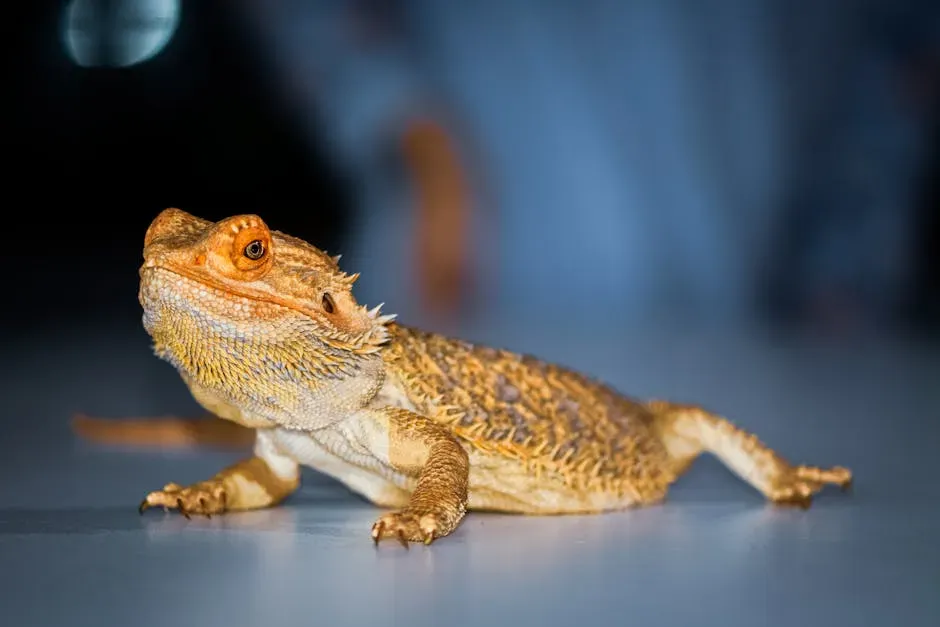
Cold-blooded animals don’t bond with people – that’s the assumption most families hold without ever questioning it. Reptile vets will tell you it’s not that simple. Bearded dragons in particular develop clear preferences for one handler, and the difference between their behavior with that person versus everyone else is visible enough that vets notice it during routine exams. With their person, a bearded dragon will climb up an arm and settle against a shoulder and stay there, completely relaxed, for long stretches. With a stranger, the posture changes entirely – stiffening, puffing, looking for an exit.
Some dragons stop eating when handled too frequently by unfamiliar people – a stress response that vets take seriously. The bond forms through routine: the same person feeding, the same person handling gently during the same daily window, the same calm environment. It doesn’t look like a dog bounding across the room, but the trust it represents is real and earned. Families who keep bearded dragons as living decorations never see this side of them. Families who actually engage with them one-on-one often end up describing the relationship in terms they never expected to use about a lizard.
#6 – The Sugar Glider’s Nighttime Loyalty
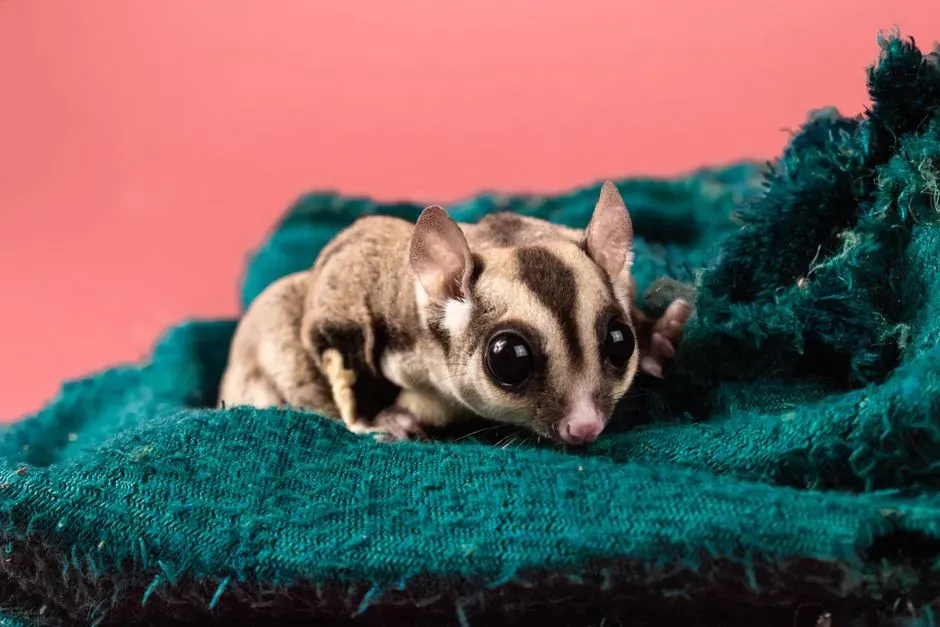
Sugar gliders live in a category most families don’t know exists: exotic small mammals with nocturnal rhythms and social needs that run surprisingly deep. When a sugar glider bonds with one person, the expression of that bond is physical in the most literal way – the animal wants to be on that person’s body. They sleep tucked inside their chosen human’s shirt or jacket pocket during the day, riding along through a normal day as though this is the most natural arrangement imaginable. For them, apparently, it is.
During active nighttime hours, they glide toward their person and ignore others in the room. Vets have observed gliders rejecting food pouches offered by anyone except their bonded human – a level of selectivity that speaks to how deeply they imprint. The nocturnal schedule is a genuine commitment, and the exotic classification adds layers of responsibility that not every family is ready for. But for someone whose lifestyle aligns with that schedule, the closeness a sugar glider offers – literally sleeping against your body – is unlike anything else on this list.
#5 – The Hedgehog’s Selective Snuggles
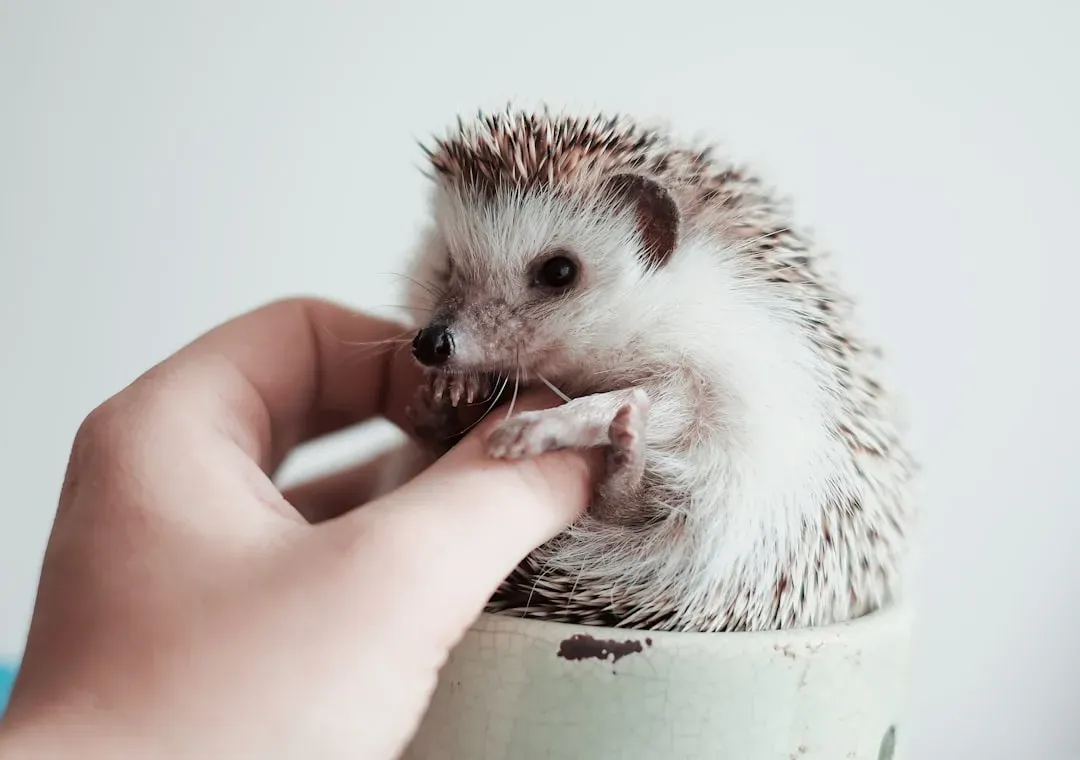
Hedgehogs seem designed by nature to keep people at a distance – the spines, the defensive curl, the hissing when startled. And that’s exactly why the attachment they form with one specific person is so striking when it finally develops. It doesn’t happen overnight. It takes patient, consistent evening handling, respecting the animal’s pace, letting it decide when to unroll and explore rather than forcing the interaction. But when a hedgehog finally relaxes completely in one person’s hands – fully uncurled, sniffing around with curiosity instead of tension – vets say it’s one of the clearest examples of earned animal trust they ever witness.
The selectivity is almost theatrical. Some hedgehogs will hiss and ball up the moment anyone else in the household approaches, then immediately relax the moment their chosen person picks them up. The contrast is sharp enough that families who witness it for the first time are often genuinely surprised. Evening treat routines and quiet, consistent one-on-one time build the foundation. The payoff is an animal that presents its softest, most relaxed self to exactly one human on earth – and defends that preference loudly against everyone else.
#4 – The Donkey’s Stubborn Devotion
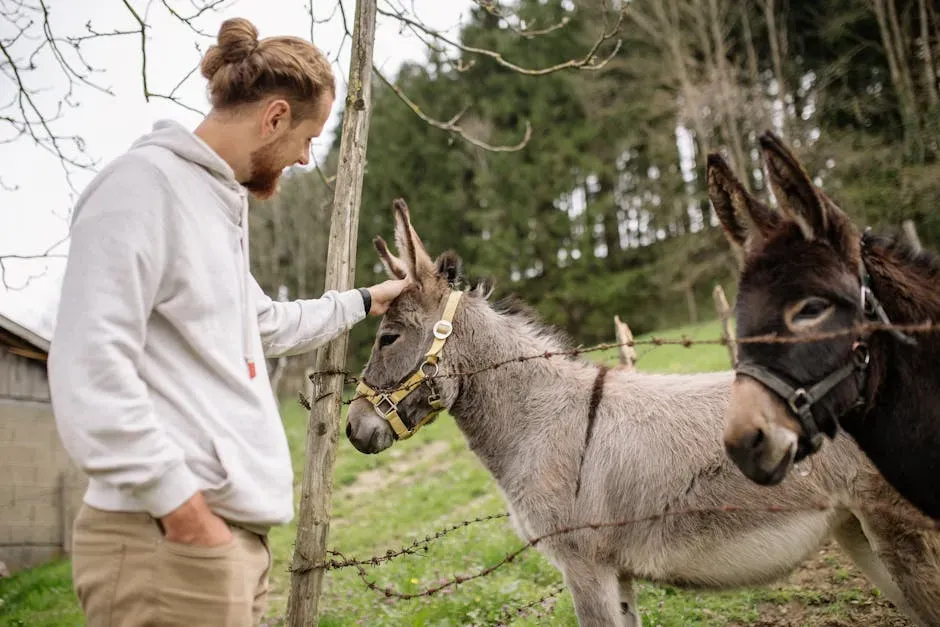
The donkey’s reputation for stubbornness is real – but it’s also deeply misunderstood. What people call stubbornness is actually a form of independence rooted in self-preservation, and that same quality, redirected through trust, becomes one of the most powerful loyalties in the animal world. Vets and sanctuary workers who spend time with donkeys describe bonds that form slowly and then hold for decades. A donkey that has chosen its person will bray in greeting specifically for them – a sound that carries across a property – and stand close by with a protectiveness that has been compared, seriously, to a guard dog.
That same donkey may refuse commands from anyone else entirely. Not out of disobedience but out of a simple refusal to extend trust beyond its chosen person. Daily calm presence, quiet leadership, and consistent routine are what build the relationship. Families never consider them because size feels prohibitive and the stubbornness reputation feels discouraging. But people who’ve earned a donkey’s loyalty describe it as one of the most grounding, steadfast relationships they’ve ever had with any animal – the kind that genuinely does not waver.
#3 – The Capybara’s Human Preference
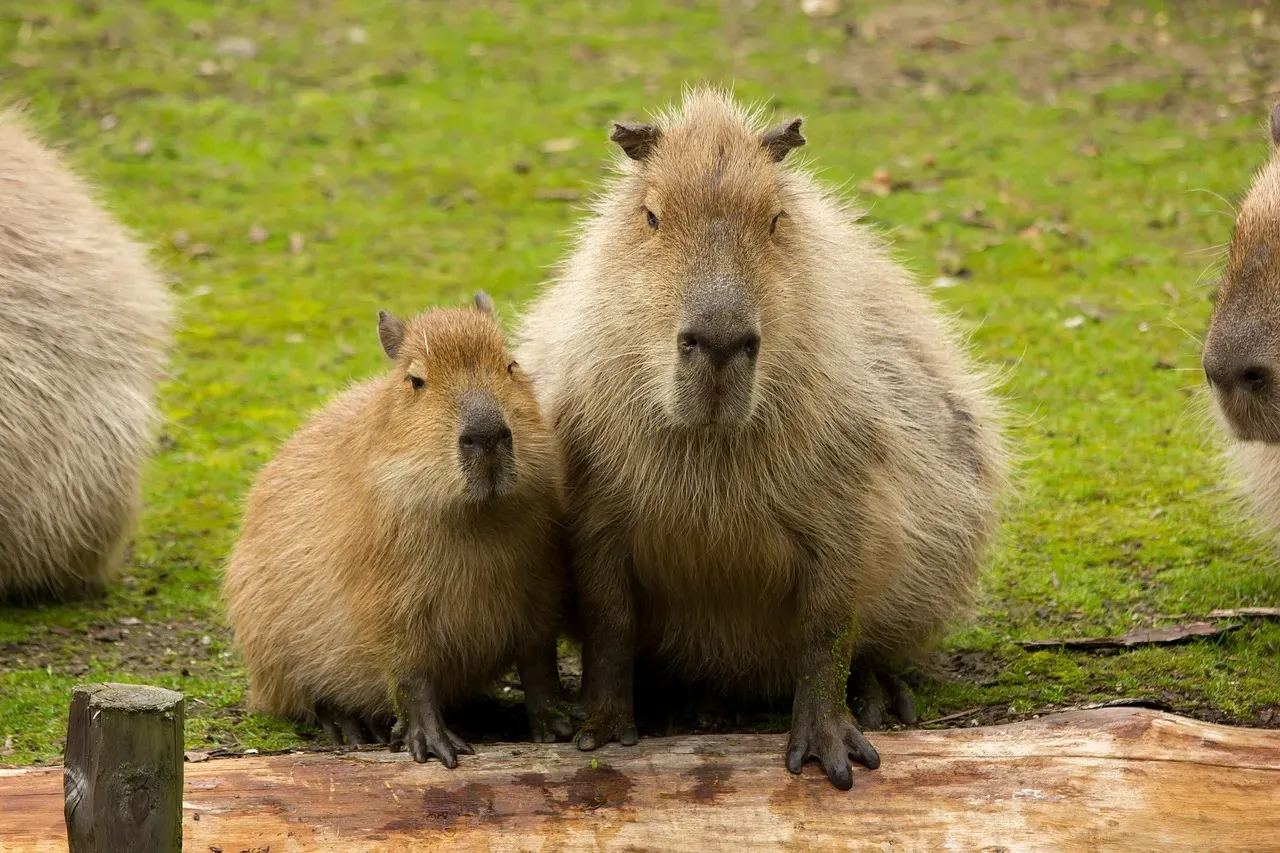
Capybaras are the largest rodents on earth, which already removes them from most families’ consideration before the conversation even starts. But exotic animal vets working in states where they’re legal to keep describe something remarkable: a capybara that has been socialized from a young age will identify one primary person and build its entire sense of safety around them. They follow that person through the house or yard the way a dog shadows its owner. They rest their substantial weight against that person’s legs for comfort. The calmness they project in that person’s presence is total and visible.
The other side of that bond is protective in a way that surprises people. Some capybaras become noticeably territorial around their person during feeding, positioning themselves between their human and others. The socialization window matters enormously – early, consistent, gentle exposure to their primary person shapes everything. Most families never seriously consider them, and practically speaking, the space and dietary requirements are real commitments. But for those who do take them on, the dog-like companionship from an animal that looks like a very large, very calm guinea pig tends to exceed every expectation.
#2 – The Alpaca’s Gentle Attachment
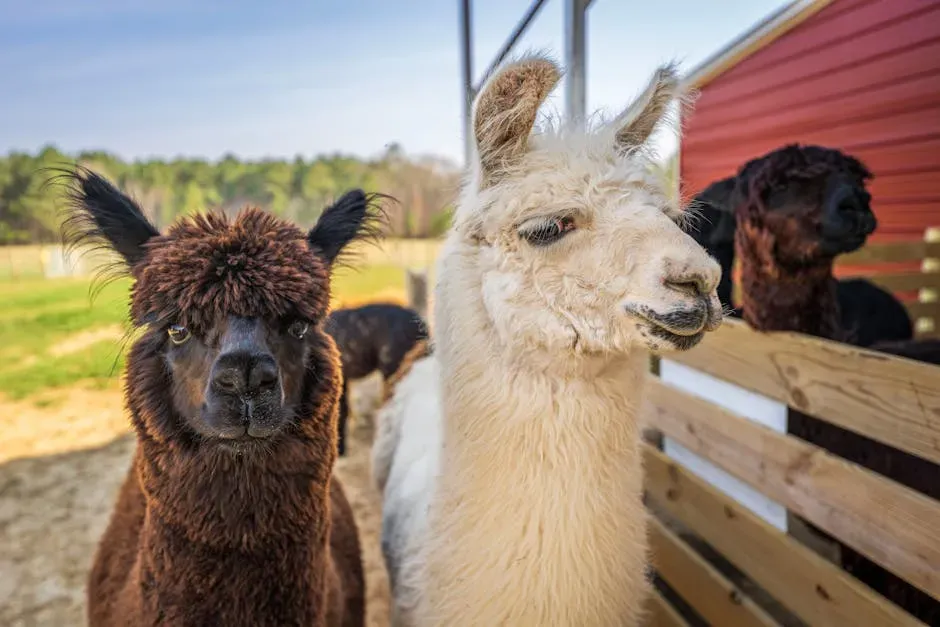
Alpacas are associated with farms, fiber arts, and internet memes – not with the kind of quiet, therapeutic one-person bond that vets describe when they talk about animals that truly attach. But those vets are consistent: an alpaca that has been worked with patiently by one caregiver develops a gentleness and responsiveness toward that person that feels almost meditative. They hum softly in that person’s presence – a vocalization that alpaca owners describe as one of the most soothing sounds in the animal world. They’ll fall into step alongside them on walks with an ease that takes months to build but feels completely natural once it’s there.
The spit reputation is real, but it’s also context-dependent in ways that matter. A bonded alpaca reserves its composure for its person and its skepticism for strangers – which is its own kind of loyalty, honestly. Consistent gentle care, grooming sessions, and calm daily presence build a trust that these animals don’t hand out freely. Families overlook them almost universally as too farm-specific or too large for a personal bond. The ones who discover otherwise tend to describe the experience in the same breath as the most meaningful animal relationships of their lives.
#1 – The African Grey Parrot’s Lifelong Bond
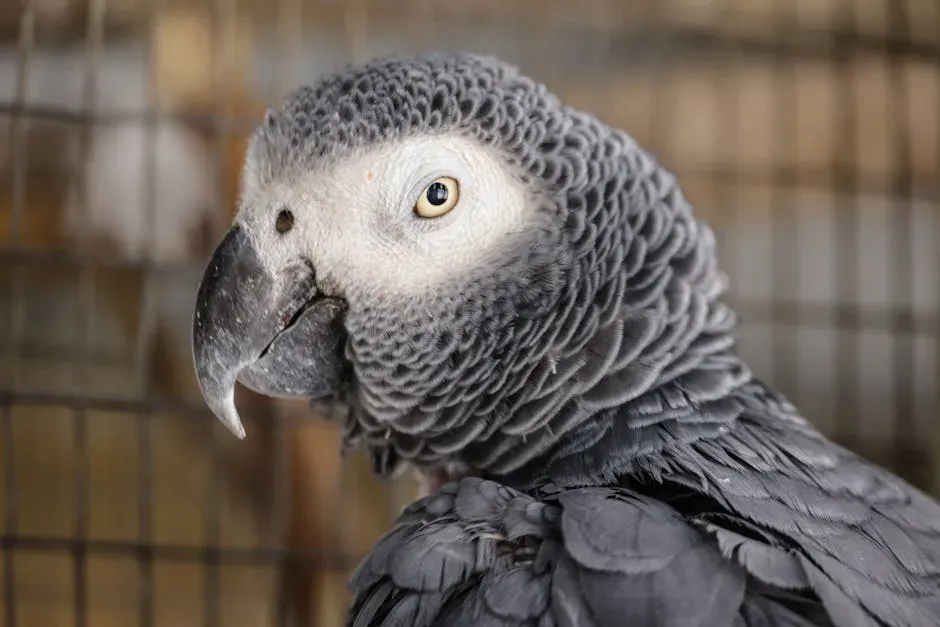
Every animal on this list forms a bond. The African Grey forms something closer to a partnership – and vets who specialize in avian care place it at the top of every conversation about non-canine loyalty without hesitation. These birds live for 40 to 60 years. They operate at the cognitive level of a young child. And when they bond with one person, that bond doesn’t soften with time. It deepens. An African Grey learns to speak phrases that belong exclusively to its person – private jokes, specific greetings, tones of voice it has studied and reproduced with an accuracy that can be unsettling the first time you hear it. The bird is paying attention in a way that most animals simply aren’t.
The grief response documented in bonded African Greys who lose their person is one of the most sobering things in all of exotic animal care. Some birds stop eating. Some stop talking. Some take years before they accept closeness from anyone new – and some never fully do. That level of attachment is the flip side of a relationship that, while it’s intact, vets describe as unlike anything else they witness in their careers. Families avoid large parrots over lifespan concerns and noise, and those concerns are legitimate. But the families who go in with eyes open and genuine commitment often find themselves, decades later, describing their African Grey not as a pet but as the most devoted companion they ever had.
The bond between a bird and a person who truly understands it is one of the most extraordinary things nature produces.
Dr. Irene Pepperberg, animal cognition researcher and decades-long companion of Alex the African Grey
The Verdict – And Why This Matters More Than You Think
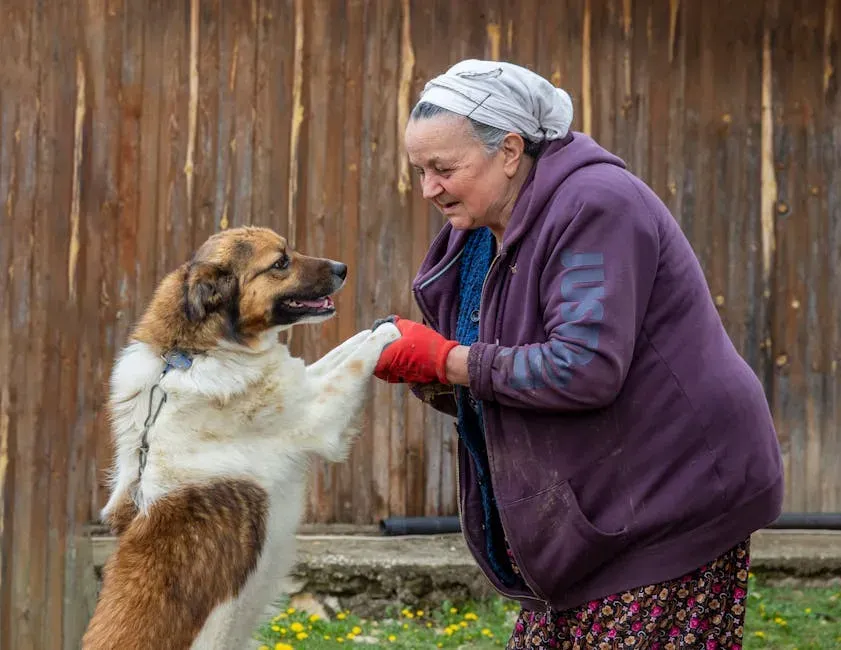
The common thread running through every animal on this list isn’t species or size or exotic appeal – it’s selectivity. These animals don’t distribute affection broadly. They identify one person, extend their trust slowly and deliberately, and then hold on with a loyalty that vets find genuinely moving to witness. That’s not a lesser version of what dogs offer. In many documented cases, it’s more intense.
The families who never discover this do so because the cultural script around pet ownership is narrow and rarely questioned. Dog or cat – and everything else is a footnote. But the evidence from vets working across specialties tells a different story: that deep, one-person devotion isn’t a canine monopoly. It’s a possibility hidden inside animals most people walk past without a second glance. The right match between person and animal – whatever that animal is – might be waiting somewhere on this list that most families never even thought to consider.
