

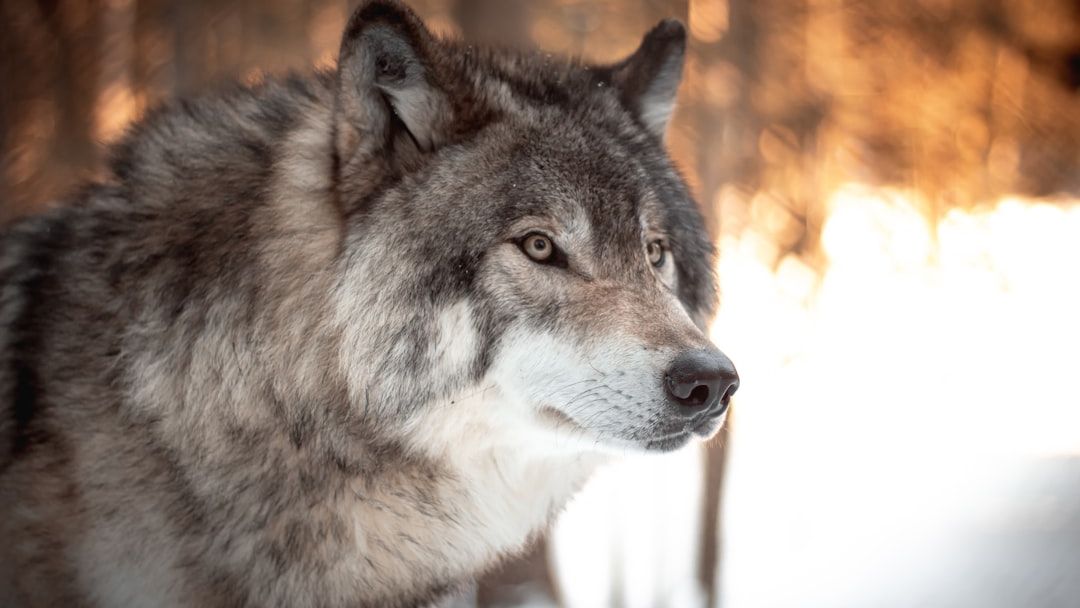
Wolves have long captured our imagination as symbols of loyalty and teamwork. Their packs function like extended families, where cooperation keeps everyone fed and safe. Yet the idea that being pushed out could trigger the same stress chemistry seen in lonely humans adds a layer of intrigue to how deeply social bonds shape well being across species.
The Tight Knit Structure of Wolf Packs
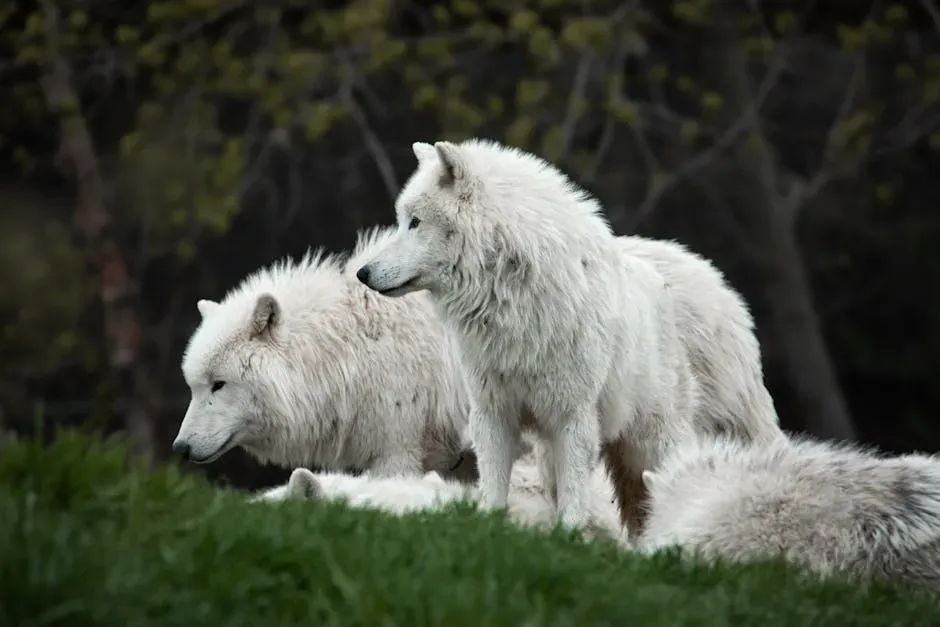
Wolf packs usually consist of a breeding pair and their offspring from several years. This setup allows for shared hunting, pup rearing, and territory defense that single animals struggle to manage alone. Every member plays a role that strengthens the group over time.
Communication flows through howls, body language, and scent marking that keep the unit coordinated. When harmony holds, the pack thrives in harsh environments where food and safety depend on numbers. Disruption to these bonds can ripple through the entire group in subtle ways.
Rejection and the Path to Solitude
Young wolves sometimes disperse from their birth pack as they reach maturity. This move often stems from a search for new territory or a mate rather than outright expulsion. Still, the transition leaves them navigating unfamiliar ground without the backup of familiar companions.
In some cases, conflicts over resources or status lead to individuals being sidelined or leaving under pressure. These wolves face increased risks from rival packs and scarce prey. The shift from group living to independence carries real physical demands that test resilience.
How Stress Hormones Respond in Social Species
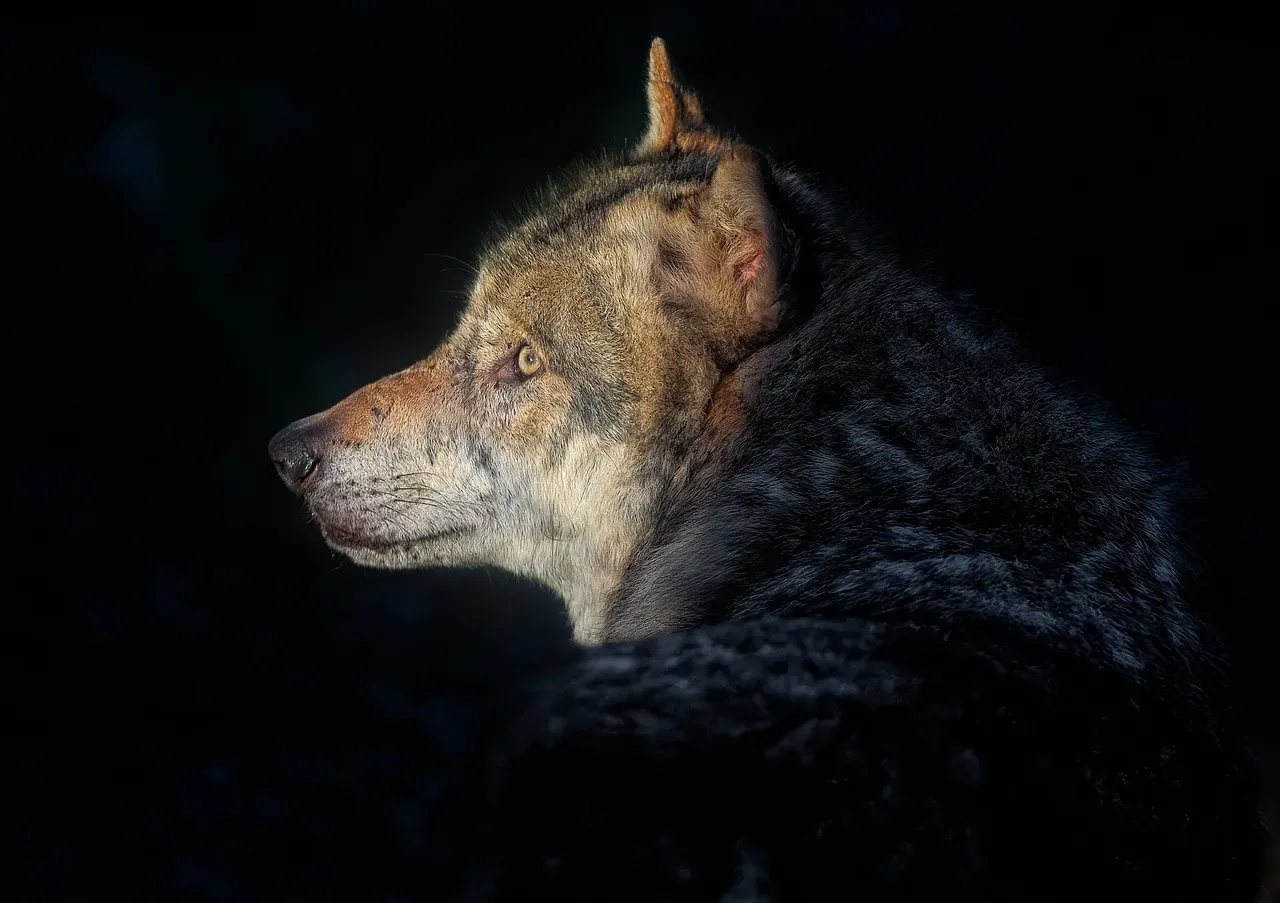
Many mammals release cortisol when facing threats or uncertainty. This hormone prepares the body for action by raising energy availability and sharpening focus. In group animals, the absence of social support can keep these levels elevated longer than in stable settings.
Studies on various social creatures show that isolation often amplifies the stress response. The body interprets separation as a persistent challenge. Over time, this sustained activation affects sleep, appetite, and immune function in measurable ways.
Parallels Between Wolves and Human Isolation

Humans experience similar hormonal shifts during periods of loneliness or exclusion. Elevated cortisol links to feelings of unease and can influence mood and physical health. The shared biology suggests that social connection serves as a buffer in both species.
While direct comparisons remain limited, the patterns align in how rejection disrupts daily rhythms. Wolves without pack support may show changes in activity or vigilance that echo human withdrawal. These responses highlight a common thread in how mammals handle social loss.
Evidence from Observations of Lone Wolves
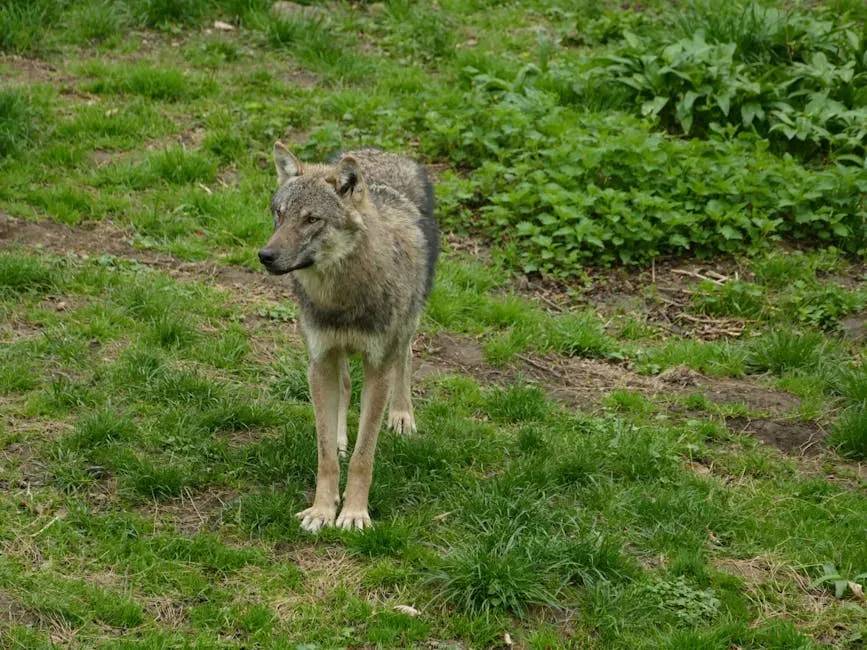
Field researchers note that solitary wolves often travel widely in search of opportunities. Their survival rates tend to be lower due to the lack of coordinated hunting and protection. This reality underscores the practical advantages of pack membership.
Captive studies have explored cortisol in isolated versus grouped wolves with mixed findings. Some data indicate that individual circumstances matter more than solitude alone. Overall, the evidence points to social context as a key factor in stress regulation.
Broader Lessons for Animal and Human Well Being
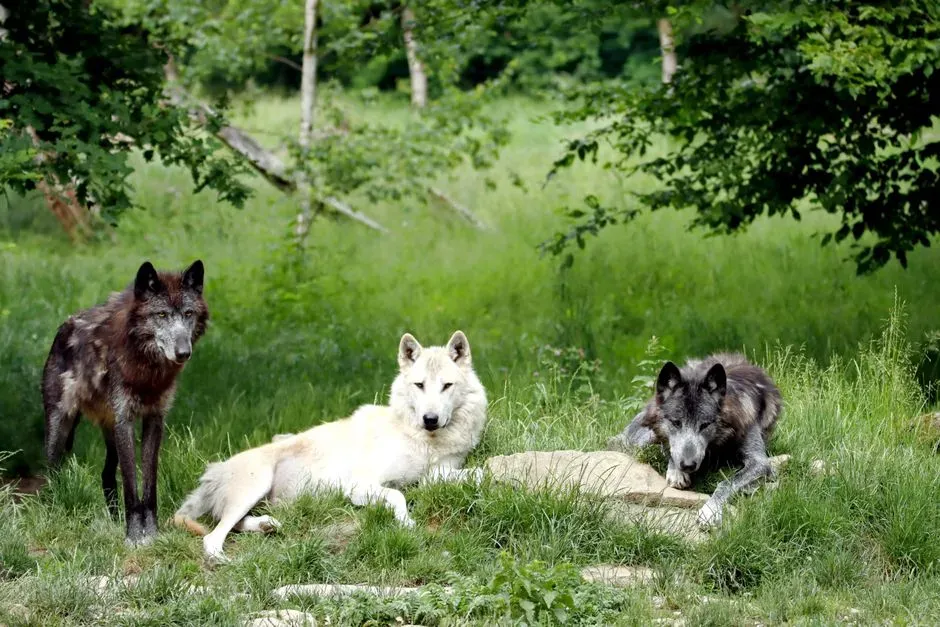
Understanding these dynamics helps explain why strong relationships support health across the animal kingdom. When bonds break, the resulting stress can compound other challenges like finding food or avoiding danger. Both wolves and people benefit from environments that foster inclusion.
Conservation efforts increasingly consider social needs alongside habitat protection. For humans, the same principle applies in communities and workplaces. Recognizing the biological cost of isolation encourages proactive steps toward connection.
Reflecting on Our Shared Need for Belonging
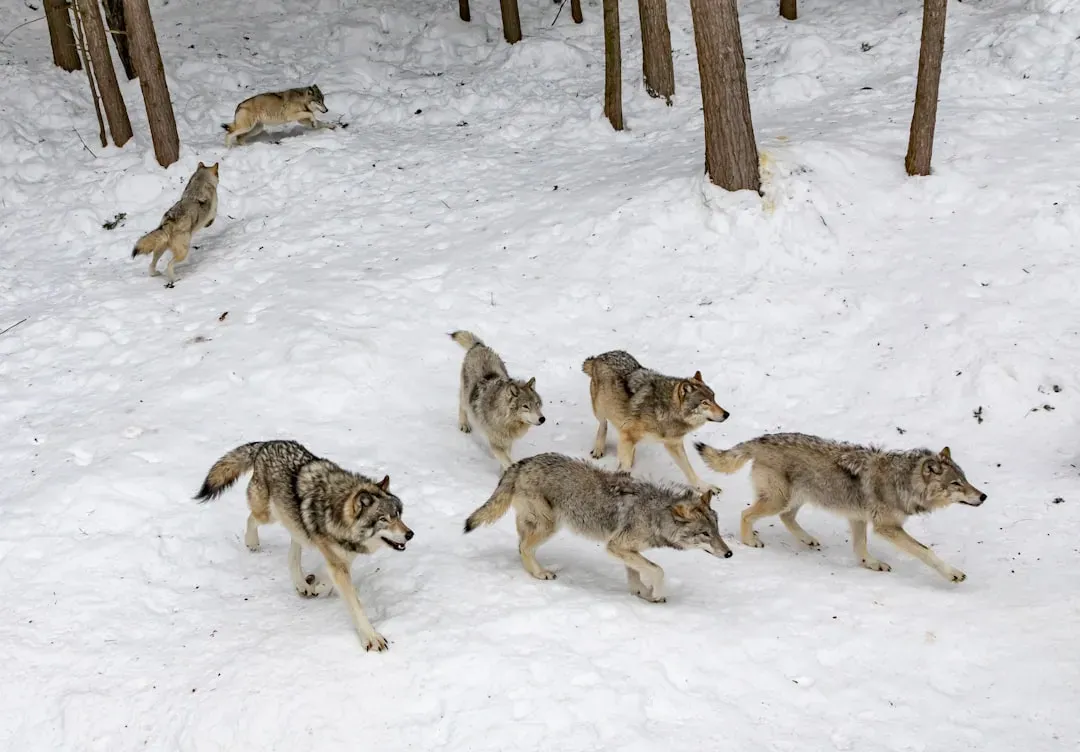
The parallels between wolf packs and human circles remind us that belonging is not just emotional but physiological. Science continues to reveal how deeply wired this need runs in social mammals. Choosing to nurture relationships may carry benefits that extend far beyond comfort.
In a world that sometimes celebrates independence, these insights offer a quiet counterpoint. Maintaining ties with others supports resilience in ways that solitary efforts rarely match. The takeaway feels simple yet profound: connection sustains us all.

Tara enjoys writing about marine animals like whales, sharks, dolphins and nudibranchs.
Please send any feedback to feedback@animalsaroundtheglobe.com
- 30 Key Species in North America - July 24, 2026
- What You Will Encounter On Your Next Safari In Kruger National Park - July 23, 2026
- 10 Animals That Mourn and Grieve - July 21, 2026