


In the quest to understand and combat environmental pollution, scientists have turned to some unexpected allies from the animal kingdom. Turtles, with their long lifespans and unique ecological roles, have emerged as valuable biomonitors for assessing pollution in aquatic ecosystems. These ancient reptiles spend their lives navigating through waters that are increasingly contaminated with pollutants from human activities, inadvertently accumulating evidence of these contaminants in their bodies. This article explores the innovative ways researchers are partnering with turtles to track pollution, the advantages they offer as biomonitors, and what their health tells us about the state of our waters.
The Natural Characteristics That Make Turtles Ideal Pollution Monitors

Turtles possess several biological and ecological characteristics that make them exceptionally well-suited for environmental monitoring. As long-lived species—with many freshwater turtles living 30-40 years and sea turtles potentially reaching 80+ years—they provide a window into long-term pollution exposure that few other animals can match. Their relatively sedentary nature and defined home ranges mean they reflect local environmental conditions rather than transient pollution events. Additionally, turtles occupy various positions in food webs, from herbivores to omnivores to carnivores, allowing researchers to study bioaccumulation across different trophic levels. Their permeable skin, especially in freshwater species, readily absorbs waterborne contaminants, while their slow metabolism means these substances remain in their systems longer than in many other animals.
Bioaccumulation: How Turtles Become Living Records of Pollution
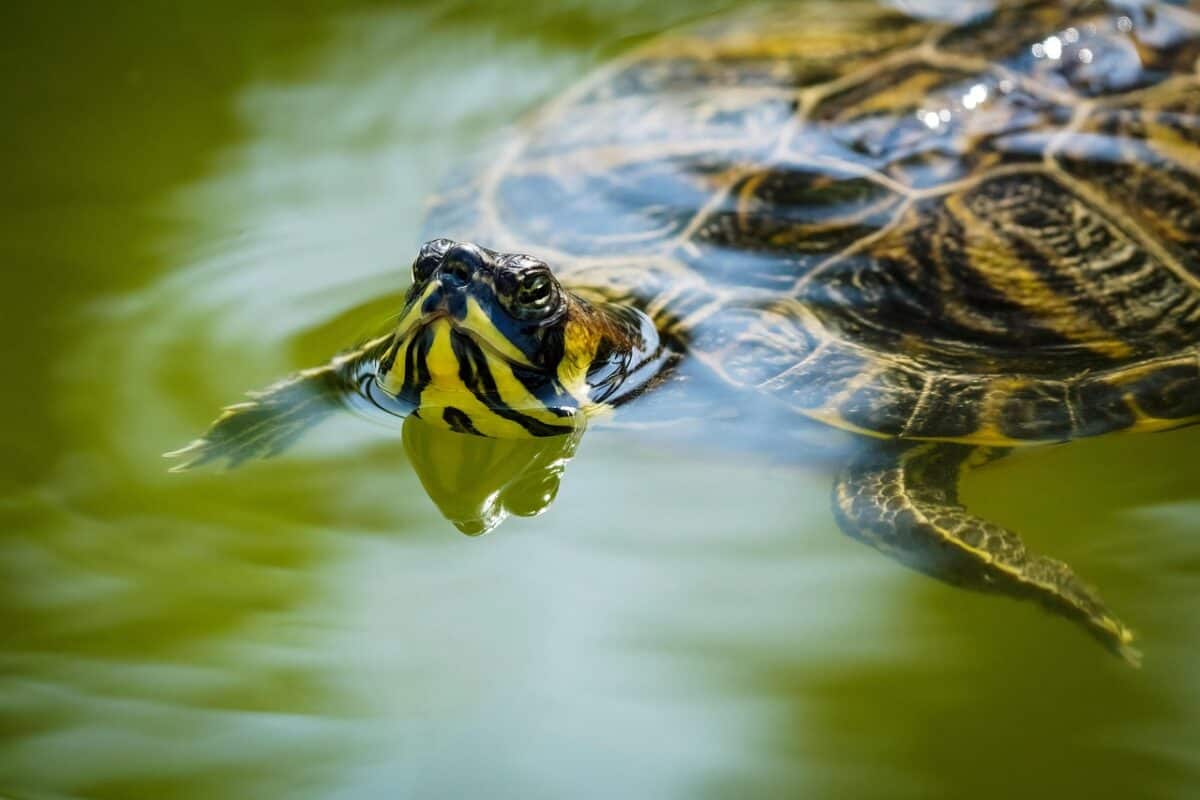
The process of bioaccumulation makes turtles particularly valuable for pollution monitoring. As these reptiles consume food and water throughout their lives, many environmental contaminants—especially fat-soluble pollutants like PCBs, organochlorine pesticides, and heavy metals—accumulate in their tissues rather than being excreted. These substances become concentrated in the turtle’s body fat, organs, shell, and blood. Some pollutants can reach concentrations thousands of times higher than those in the surrounding environment. Since turtles are long-lived, this bioaccumulation creates a chronological record of pollution exposure, sometimes spanning decades. When researchers analyze tissue samples from turtles of different ages within the same habitat, they can effectively create a timeline of environmental contamination in that ecosystem, revealing when new pollutants appeared or when mitigation efforts started working.
Tracking Heavy Metal Contamination Through Turtle Shells
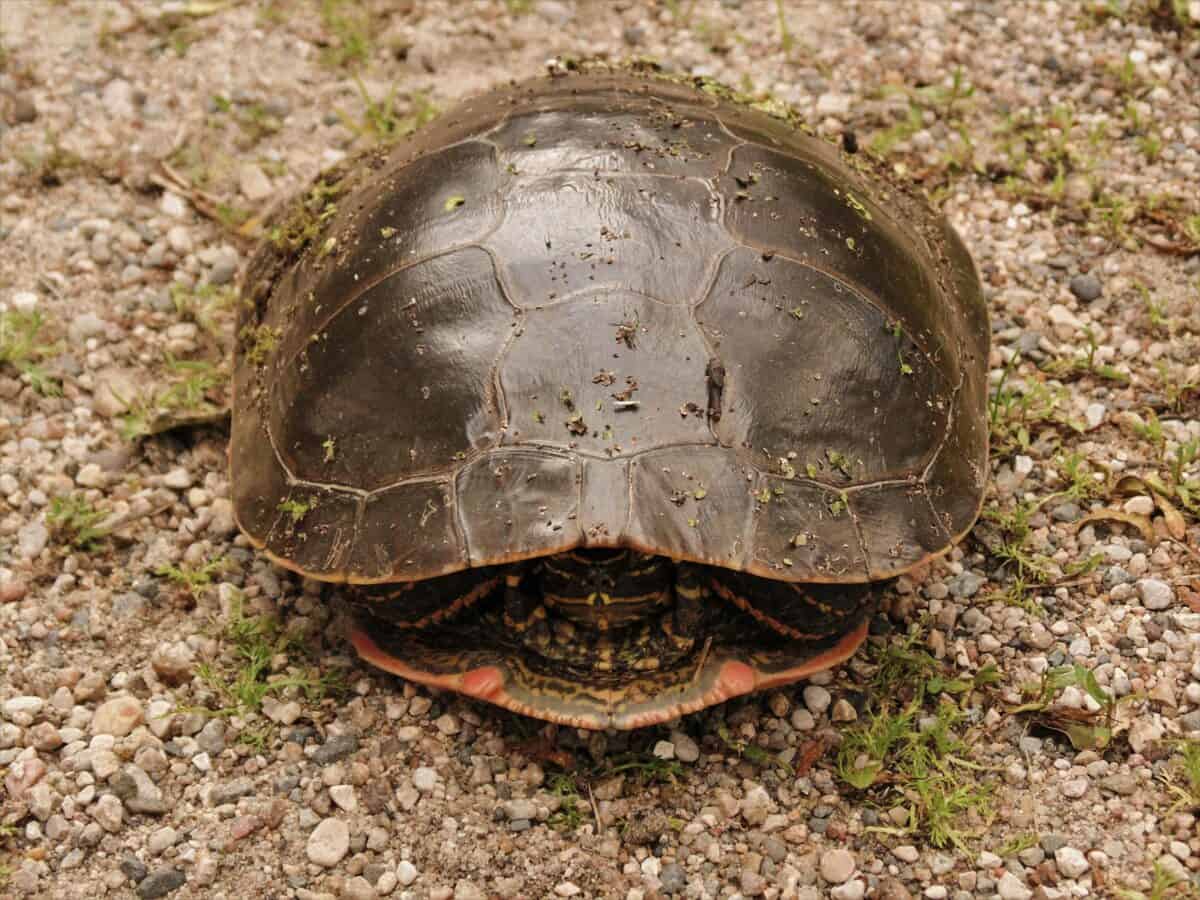
One of the most innovative approaches to using turtles as pollution monitors involves studying their shells. Turtle shells grow in layers, similar to tree rings, potentially recording exposure to heavy metals and other pollutants over time. Research has shown that elements like lead, mercury, cadmium, and arsenic can be incorporated into the keratin scutes (the plates that cover the shell) as they form. Scientists can take small, non-invasive samples from different growth rings of the shell to analyze metal concentrations from different periods in the turtle’s life. This technique has proven particularly valuable in freshwater environments near industrial areas, mining operations, and agricultural zones. A 2018 study of common snapping turtles in the eastern United States demonstrated that shell samples accurately reflected historical changes in mercury pollution, correlating with the implementation and subsequent improvement of clean water regulations.
Sea Turtles as Sentinels of Marine Pollution

Sea turtles traverse vast oceanic distances during their lifetimes, making them excellent indicators of widespread marine pollution. Research programs worldwide monitor sea turtle populations for contaminants including microplastics, persistent organic pollutants (POPs), petroleum compounds, and heavy metals. These studies have revealed alarming patterns of pollution in ocean ecosystems. For example, loggerhead turtles in the Mediterranean Sea have shown high concentrations of mercury and cadmium, reflecting industrial contamination in this semi-enclosed sea. Green turtles feeding in seagrass beds near urban centers frequently show elevated levels of PCBs and other industrial chemicals. Perhaps most concerning is the growing evidence of microplastic ingestion across all seven sea turtle species, with particles found in digestive tracts, bloodstreams, and even tissues. These findings provide crucial data about the pervasiveness of plastic pollution in marine environments and its entry into marine food webs.
Non-Invasive Monitoring Techniques
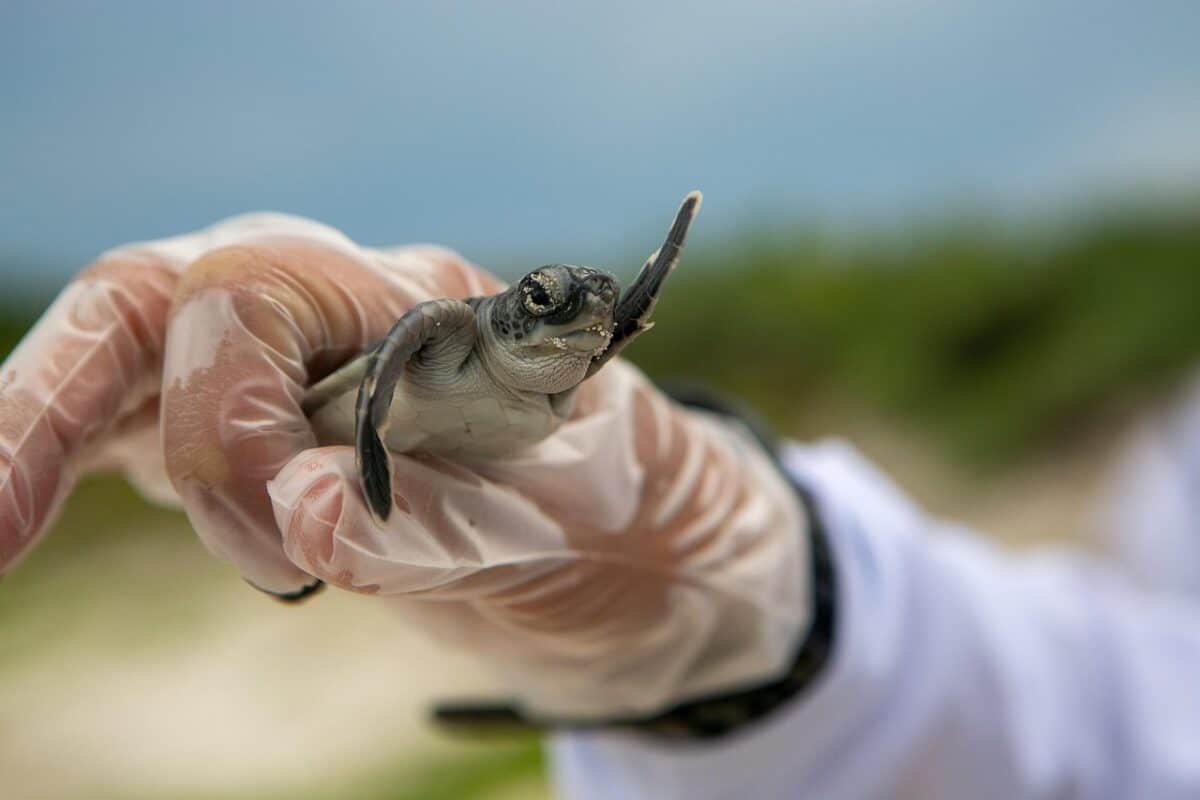
Ethical considerations in wildlife research have led to the development of innovative, non-invasive techniques for monitoring pollution through turtles. Blood sampling during routine health assessments provides valuable information without harming the animals. Even more promising are methods that require no direct contact with the turtles. Egg sampling from freshly laid clutches allows researchers to analyze contaminant levels without disturbing the nesting females or developing embryos. Analysis of clippings from scutes during normal tagging procedures provides information about heavy metal exposure. Perhaps most innovative is the collection and analysis of turtle excretions, which can reveal recent exposure to certain pollutants. These techniques have been refined to minimize stress to the animals while maximizing the scientific value of the data collected. When combined with tracking technologies that monitor turtle movements, researchers can create detailed maps correlating pollution levels with specific habitats and migration routes.
Endocrine Disruption and Reproductive Health Indicators

One of the most sensitive ways turtles serve as pollution monitors is through changes in their reproductive health and hormone systems. Many common pollutants—including certain pesticides, plastics components, and industrial chemicals—function as endocrine-disrupting compounds (EDCs), interfering with hormone signaling. Turtles exposed to these contaminants often exhibit reproductive abnormalities that serve as warning signs of ecosystem health issues. Field studies have documented feminization of male turtles in waters contaminated with estrogenic compounds, skewed sex ratios in hatchlings from contaminated nesting beaches, and reduced fertility in populations exposed to agricultural runoff. Laboratory analyses can detect subtle changes in hormone levels, egg quality, and sperm viability that precede population-level effects. These biological responses in turtles often manifest at pollutant concentrations below those detectable by standard water quality tests, making the animals more sensitive early warning systems than conventional monitoring techniques.
Urban Watershed Monitoring Using Local Turtle Populations
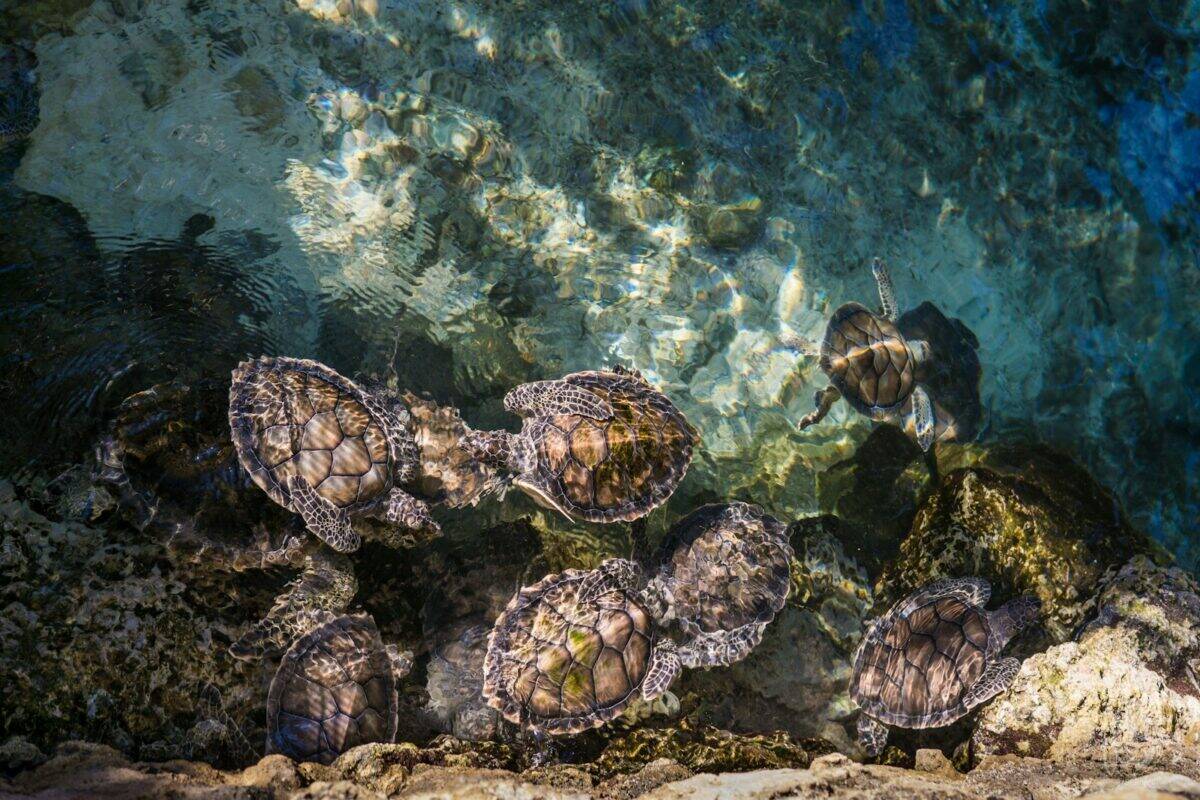
Urban watersheds face unique pollution challenges, with runoff carrying a complex mixture of contaminants from roadways, industrial sites, and residential areas. Several monitoring programs now utilize common freshwater turtle species—like painted turtles, red-eared sliders, and snapping turtles—to assess the health of urban waterways. These adaptable species survive in highly modified habitats, even thriving in city park ponds and canals where other sensitive species have disappeared. A long-term study in the Chicago River system has tracked declining PCB and lead levels in snapping turtle tissues following remediation efforts, while simultaneously detecting emerging contaminants like pharmaceutical residues and flame retardants. Similar programs in Seattle, Atlanta, and Toronto have demonstrated that urban turtle populations reflect local pollution hotspots with remarkable precision, helping stormwater managers target remediation efforts. These urban turtle monitors serve an educational function as well, engaging community scientists in data collection and raising public awareness about water quality issues.
Linking Turtle Health to Ecosystem Health
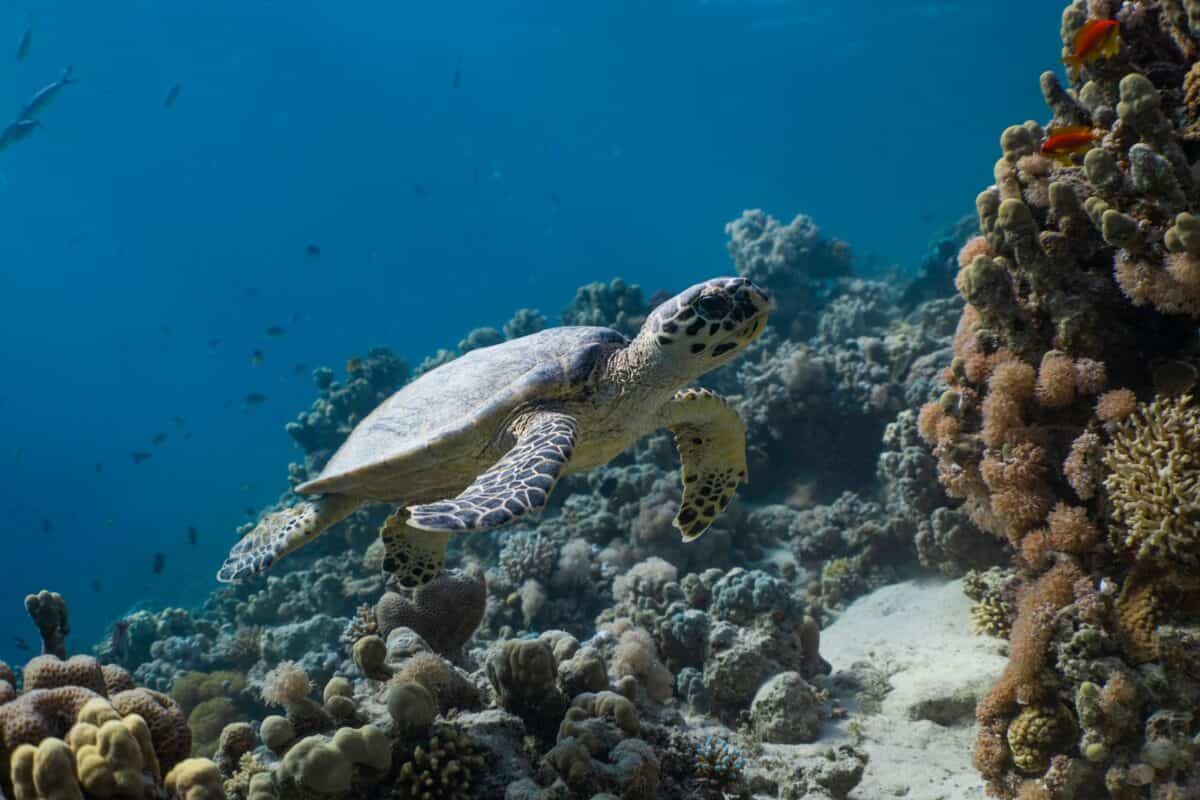
The health impacts of pollution on turtle populations often mirror broader ecosystem effects, making turtles valuable indicator species. Researchers have documented correlations between shell deformities in freshwater turtles and developmental abnormalities in fish from the same waters. Immune suppression in turtles exposed to certain agricultural chemicals has been observed alongside similar vulnerabilities in amphibians inhabiting the same wetlands. Disease outbreaks, particularly fibropapillomatosis in sea turtles and shell fungal infections in freshwater species, have been linked to compromised immunity resulting from pollution exposure. These connections illustrate how turtle health can serve as a barometer for overall ecosystem integrity. By monitoring disease prevalence, growth rates, reproductive success, and population demographics in turtle communities, scientists gain insights into subtle ecosystem changes that might otherwise go undetected until more catastrophic effects manifest across multiple species.
Technological Innovations Enhancing Turtle Biomonitoring
Recent technological advances have dramatically expanded the capabilities of turtle-based pollution monitoring. Miniaturized sensors and tracking devices attached to turtle shells can now transmit real-time data on temperature, depth, and even water quality parameters as the animals move through their habitats. Genetic and genomic approaches have enabled researchers to identify specific gene expression patterns that indicate exposure to particular pollutants, creating a molecular fingerprint of contamination. Stable isotope analysis of turtle tissues reveals not just what pollutants are present but their likely sources—distinguishing between agricultural, industrial, and urban origins. Perhaps most promising is the development of environmental DNA (eDNA) techniques that can detect genetic material shed by turtles into water, potentially allowing scientists to monitor both turtle populations and the pollutants affecting them without ever handling the animals. These technological tools are increasingly being integrated into comprehensive monitoring programs that track pollution impacts across entire watersheds and marine ecosystems.
Global Case Studies: Turtle Biomonitoring Success Stories
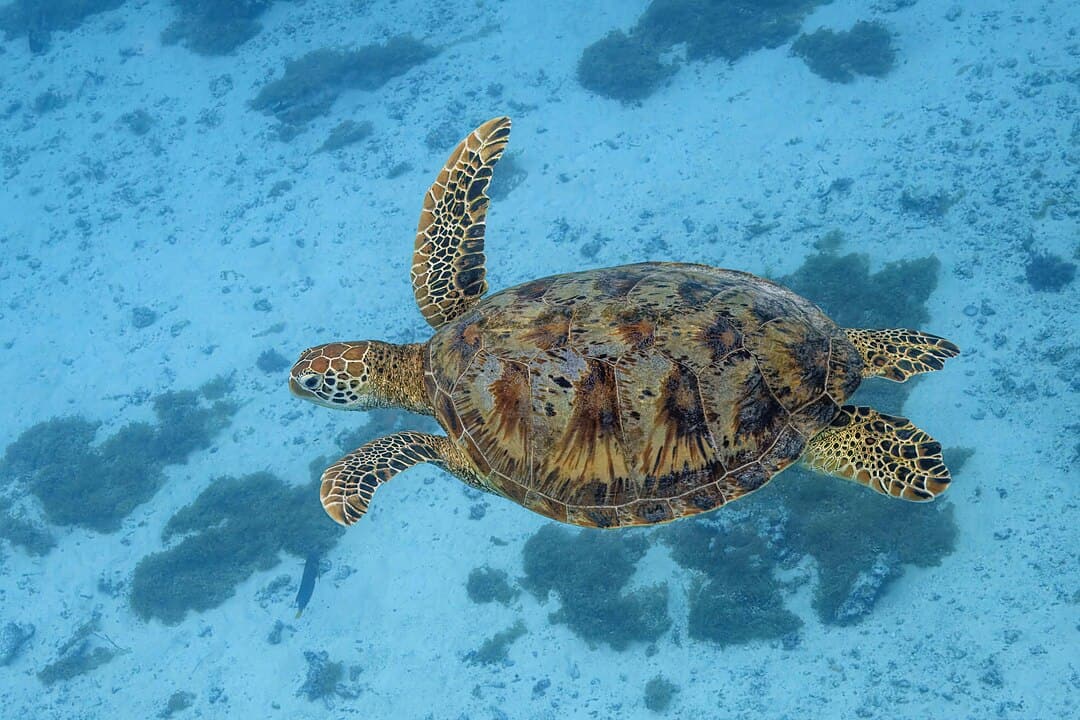
Around the world, turtle biomonitoring programs have delivered remarkable insights and conservation victories. In Australia’s Great Barrier Reef, green turtle health assessments revealed alarming accumulations of herbicide residues from coastal agriculture, leading to improved runoff management policies that benefited the entire reef ecosystem. Brazilian researchers tracking contaminant levels in Amazon River turtles identified dangerous mercury contamination from artisanal gold mining operations, resulting in community education programs and alternative mining techniques. In the United States, decades of monitoring common snapping turtles in the Hudson River documented the gradual decline of PCB concentrations following the implementation of Superfund cleanup efforts. A particularly notable success comes from Japan, where softshell turtle monitoring in rice-growing regions detected concerning levels of newer pesticides that had passed standard safety screening. This discovery prompted regulatory reassessment and the development of turtle-safe farming practices that protect both wildlife and human consumers.
Challenges and Limitations in Using Turtles as Biomonitors

Despite their value as pollution monitors, using turtles presents several challenges researchers must navigate carefully. The very longevity that makes turtles valuable biomonitors also means they may reflect historical rather than current pollution conditions. Species differences in metabolism, habitat use, and diet can significantly affect contaminant accumulation, requiring careful species selection and data interpretation. Seasonal variations in turtle behavior and physiology—particularly related to breeding, hibernation, and migration—can influence pollutant levels independent of environmental changes. There are also ethical considerations regarding sample collection from threatened and endangered species, requiring non-invasive and minimally disruptive techniques. Conservation status presents another challenge, as some of the most vulnerable species that would provide valuable pollution data are too depleted to sample extensively. Researchers must balance scientific value against potential impacts on already stressed populations. Despite these limitations, thoughtfully designed monitoring programs can address many of these challenges while yielding invaluable data.
Citizen Science and Public Engagement Through Turtle Monitoring

The charismatic nature of turtles makes them ideal ambassadors for environmental education and citizen science initiatives focused on pollution. Community-based turtle monitoring programs have successfully engaged volunteers in collecting valuable scientific data while raising awareness about water pollution issues. Projects like the Neighborhood Nestwatch program enable citizens to report turtle sightings and nesting activities, while trained participants may assist with basic health assessments and habitat quality surveys. These programs have been particularly effective in urban and suburban watersheds, where they create personal connections between residents and local environmental health. In coastal communities, sea turtle stranding networks train volunteers to collect data on deceased turtles, including potential pollution-related mortality. Educational components of these programs help participants understand the connections between everyday actions—from plastic use to lawn chemical applications—and the health of turtle populations. This public engagement aspect extends the impact of turtle biomonitoring beyond scientific data collection to fostering environmental stewardship.
The Future of Turtle-Based Pollution Monitoring
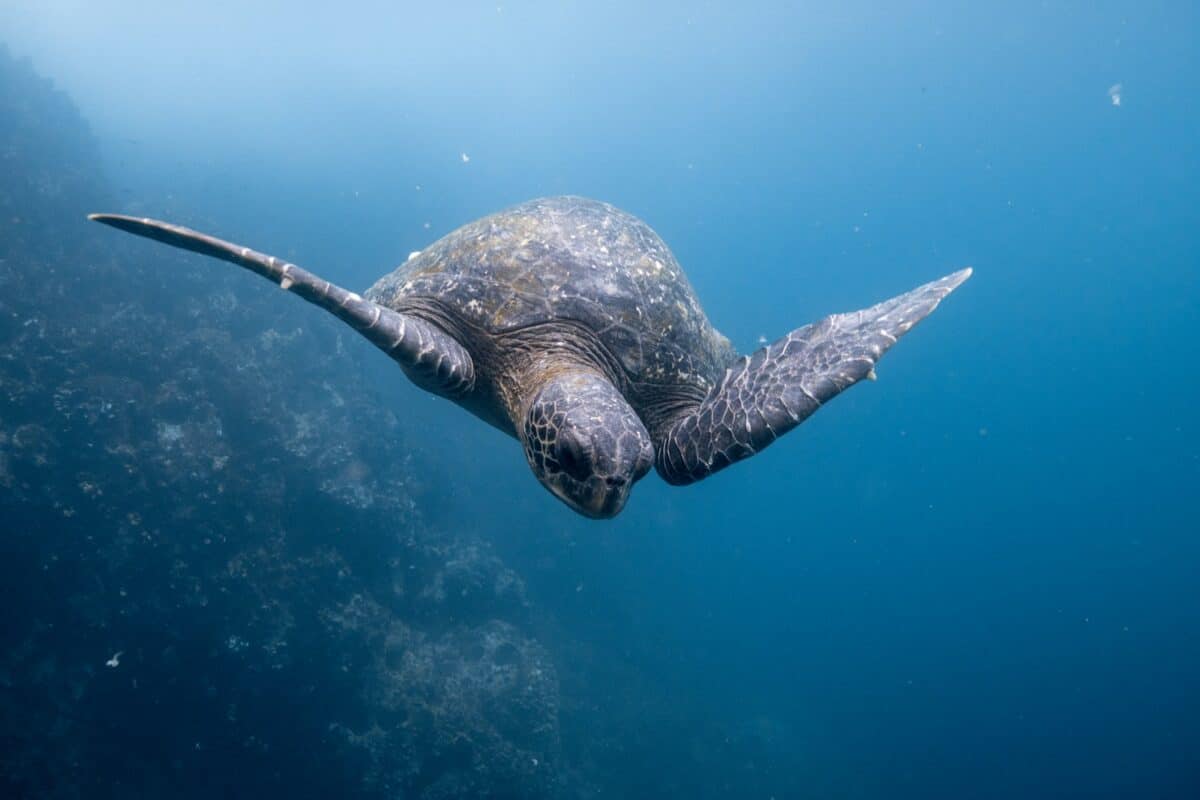
Looking ahead, turtle-based pollution monitoring stands to become even more sophisticated and informative. Emerging research is exploring the use of turtle microbiomes—the communities of bacteria living on turtle skin and in their digestive systems—as sensitive indicators of environmental quality. Scientists are developing pollution-specific biomarkers that can detect exposure to emerging contaminants like nanomaterials and pharmaceutical compounds. Collaborative international networks are standardizing monitoring protocols to enable global comparisons of pollution impacts across turtle species and habitats. As climate change further stresses aquatic ecosystems, turtle biomonitoring may help distinguish between thermal stress and pollution effects, guiding more effective conservation strategies. Perhaps most exciting is the integration of turtle monitoring data with broader environmental surveillance systems, creating comprehensive pictures of ecosystem health. As these approaches evolve, turtles will continue their unexpected role as sentinels of environmental quality, helping humans better understand and address pollution challenges in the waters we share with these ancient creatures.
Turtles have emerged as unlikely but remarkably effective allies in our efforts to understand and mitigate environmental pollution. Their longevity, bioaccumulation capacity, and diverse ecological roles provide windows into pollution histories and current conditions that few other monitoring approaches can match. From freshwater wetlands to the open ocean, these resilient reptiles serve as living barometers of ecosystem health, alerting us to contamination issues that threaten both wildlife and human communities. As monitoring technologies advance and our understanding of pollution pathways deepens, turtle-based biomonitoring will continue to yield critical insights for environmental protection. Beyond their scientific value, these programs connect people with local ecosystems and tangible conservation issues, fostering the environmental awareness and stewardship necessary to address pollution at its sources.

- How Wolves Changed Yellowstone’s Ecosystem—For the Better - July 26, 2026
- The Longest-Lived Bird Ever Tagged in North America - July 26, 2026
- Can You Train a Cat Like a Dog? - July 26, 2026