
Most encounters with skunks end without any spray at all. These animals go about their nights foraging and raising families in a surprisingly low key way. Yet stories of sudden, smelly disasters keep circulating, leaving many to wonder what flips the switch from calm to chemical defense.
The answer lies less in the skunk itself and more in how people behave around them. One overlooked action tends to override every other instinct the animal has. Understanding that single point changes the whole picture of living near these striped neighbors.
Skunks Favor Avoidance Over Confrontation
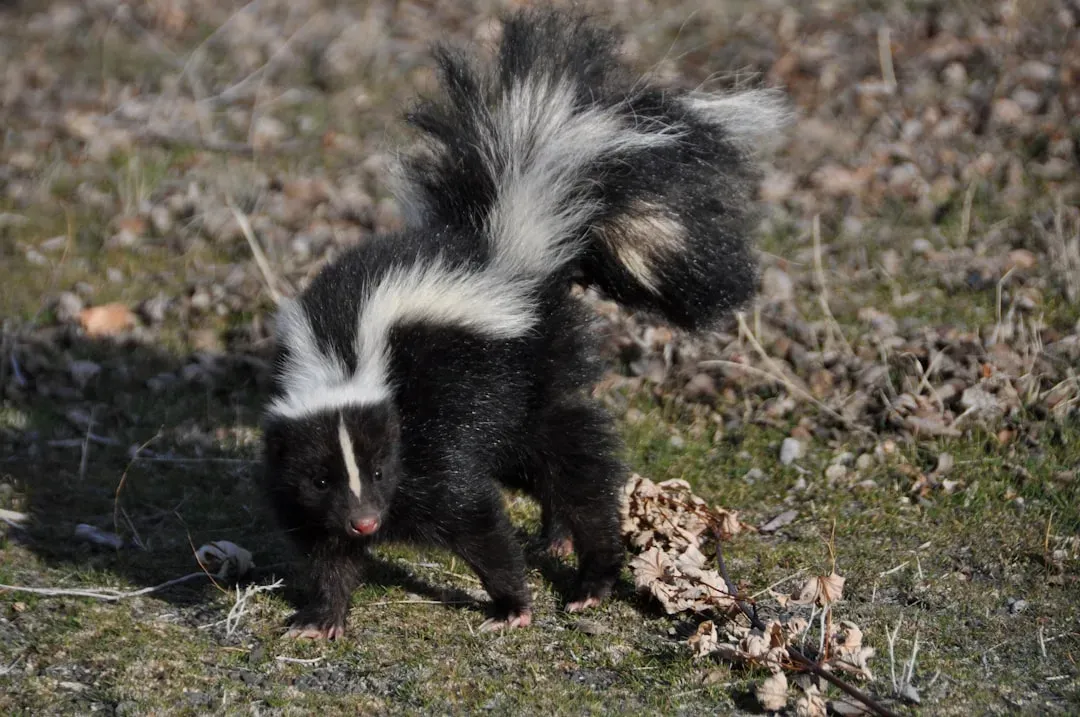
Skunks spend most of their time searching for insects, grubs, and fallen fruit rather than picking fights. They move slowly and deliberately, conserving energy for survival instead of unnecessary displays. This calm approach means they only resort to stronger measures when every other option feels closed off.
Their natural preference shows up in how rarely they initiate contact with larger creatures. In open areas they simply veer away from paths that lead toward humans or pets. Only when cornered or startled do they shift into a more guarded posture.
The Spray Serves as a True Last Resort
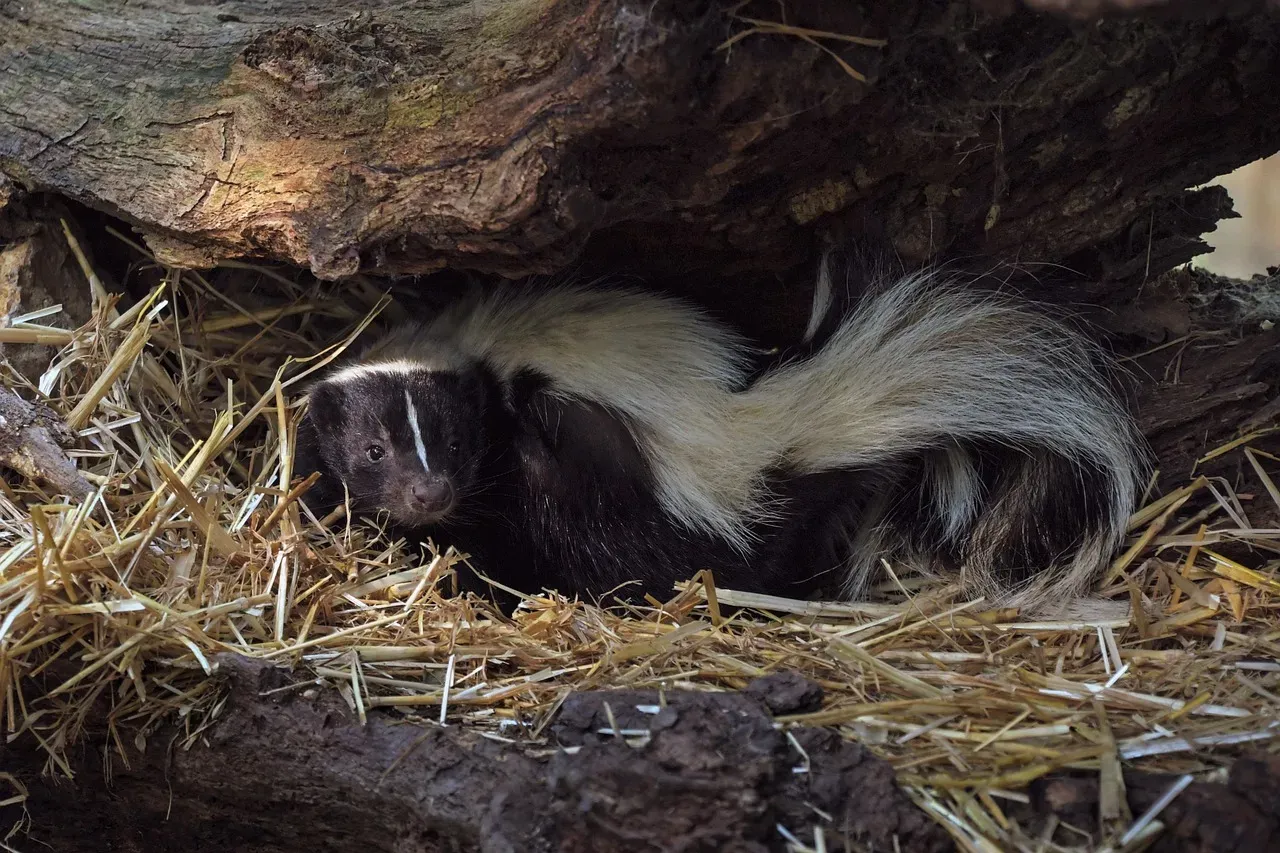
Producing the oily, sulfur based liquid takes real effort and leaves the skunk vulnerable for days afterward. The glands require time to refill, and the animal loses a potent tool during that window. Because of this cost, skunks hold back until the threat feels immediate and unavoidable.
Observations in the wild confirm they often walk away from potential trouble without using the defense at all. The spray only appears after a sequence of ignored signals has already played out. This built in restraint keeps most interactions peaceful by default.
Clear Signals Precede Any Spray
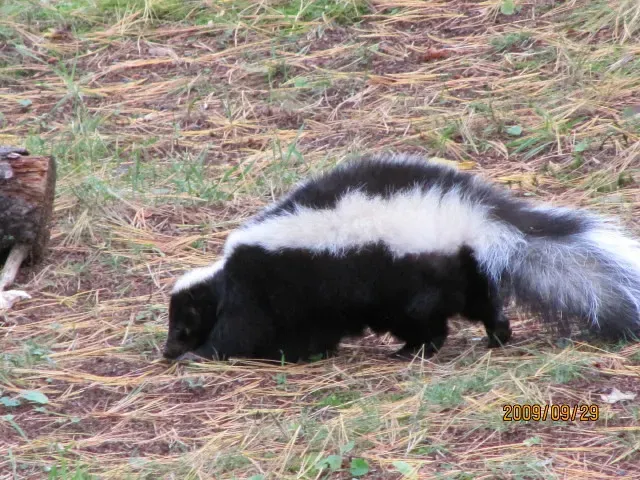
Before anything else happens, a skunk will stamp its front feet and raise its tail in a slow, deliberate motion. These actions serve as visible announcements that the animal feels uneasy and wants space. The tail lift often comes with a slight turn of the body to aim the glands without committing yet.
Many people miss these cues because they happen quickly or at a distance that still feels safe to the observer. The skunk gives several seconds for the message to register. When the signals receive no response, the next step becomes more likely.
Getting Too Close Overrides Natural Caution
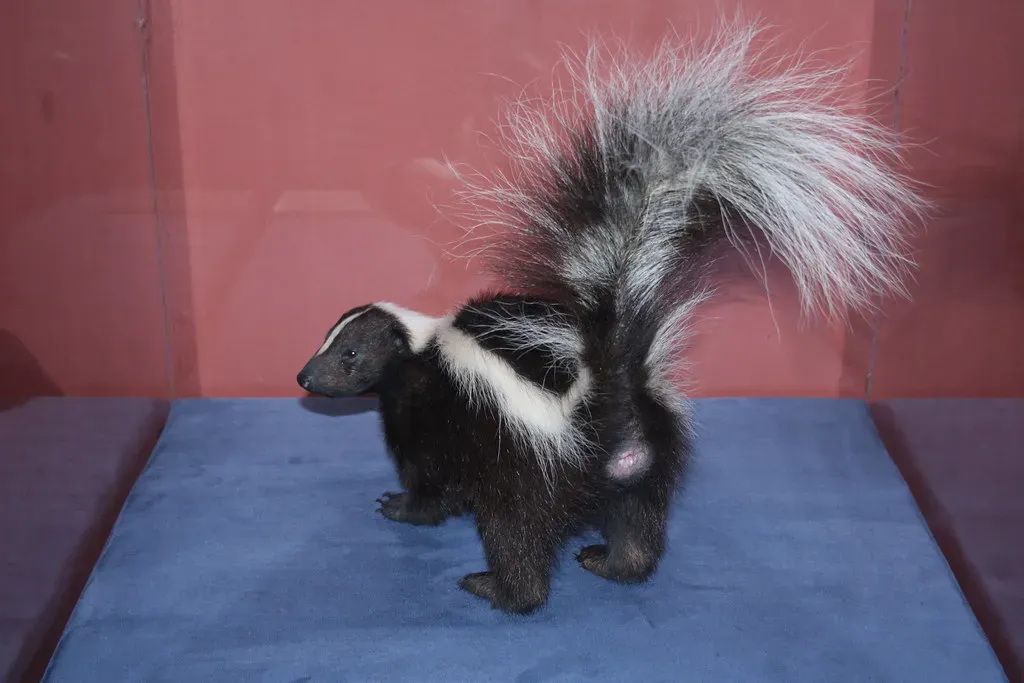
The single critical mistake almost always involves closing the distance faster than the skunk can retreat. Once an animal feels its escape routes shrinking, the calculation changes from avoidance to protection. What looked like a harmless approach from a human perspective registers as a direct threat.
Skunks have limited speed and rely on the warning phase to create room. When that room disappears, the spray follows as the remaining option. This pattern explains why calm encounters turn suddenly when someone leans in for a better look or lets a dog rush forward.
Nighttime Habits Increase Surprise Encounters
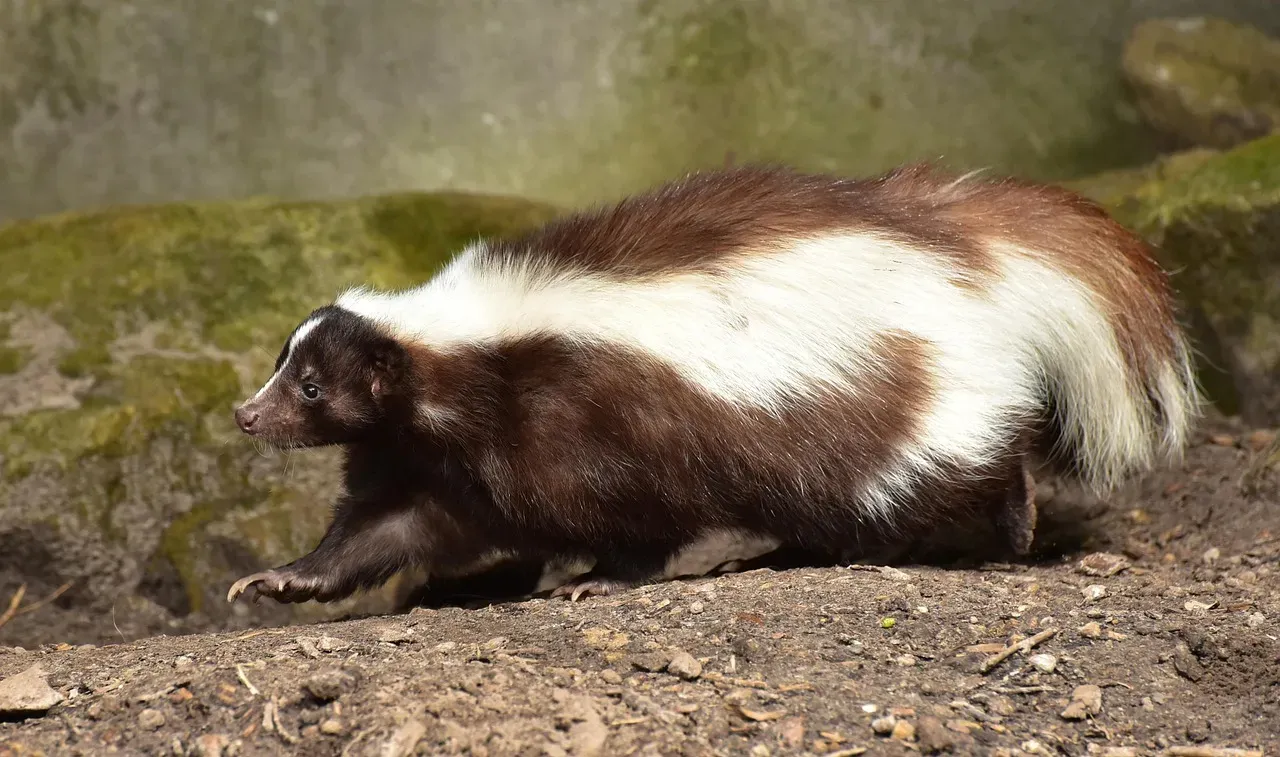
Skunks are mostly active after dark, which lines up with times when people move through yards or trails with less awareness. Low light makes the early warning postures harder to notice until the animal is already reacting. The overlap in schedules creates moments where both sides feel startled at once.
Trash bins and pet food left outside draw skunks into human spaces during these hours. The animals arrive expecting an easy meal and instead meet unexpected movement. Those sudden meetings amplify the chance that warnings get overlooked in the rush to react.
Pets Often Accelerate the Problem
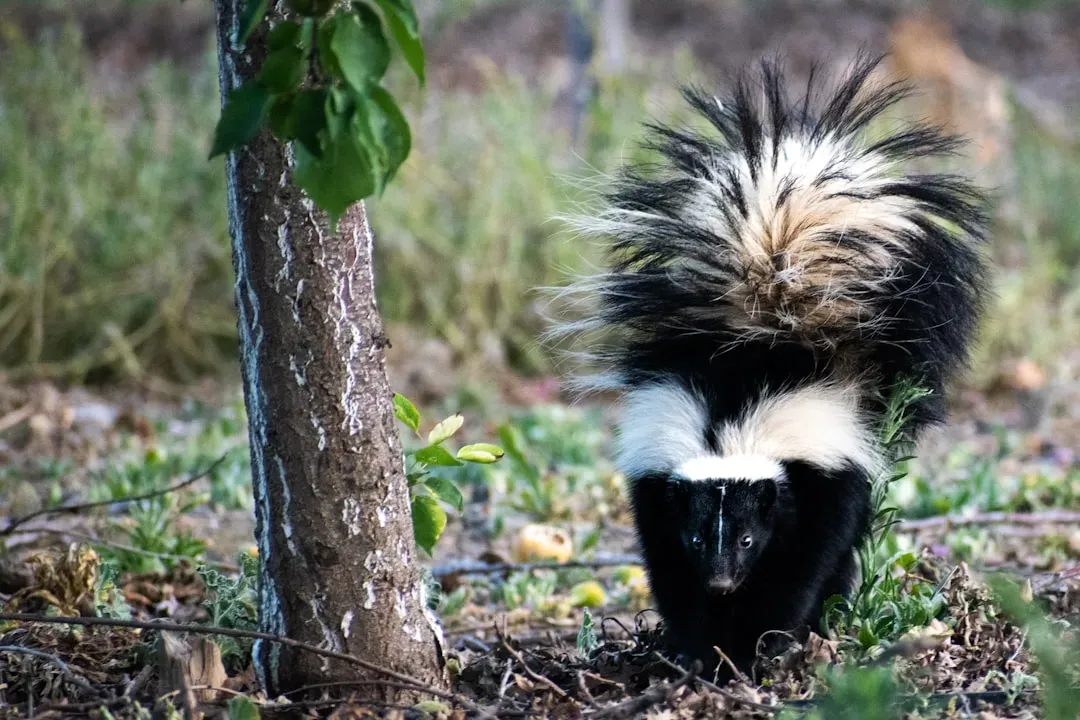
Dogs in particular tend to charge toward anything new in the yard, cutting short the skunk’s chance to display its signals. The chase leaves little time for the animal to assess or back away. Cats may stalk more quietly, yet they still reduce the buffer zone the skunk needs.
Owners who keep pets leashed or supervised at night cut the risk dramatically. The skunk gains the seconds it requires to communicate discomfort. Without that extra pressure, most meetings stay uneventful.
Simple Adjustments Prevent Most Incidents
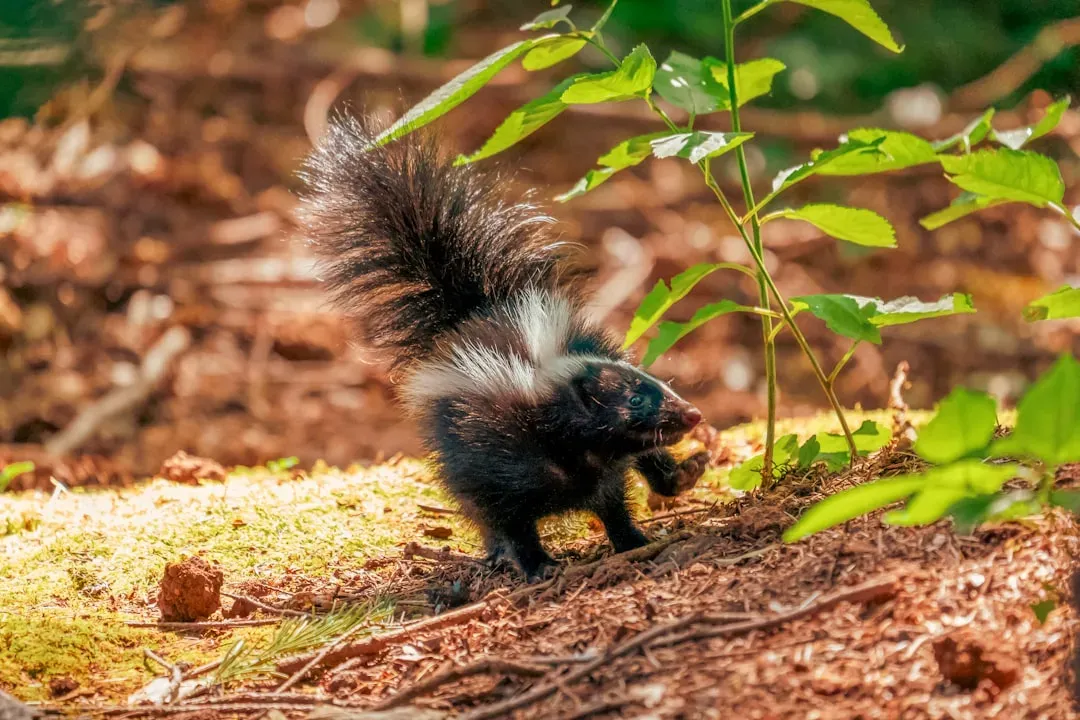
Securing garbage, removing fallen fruit, and using motion lights help keep skunks from settling too close in the first place. These steps reduce the frequency of close encounters overall. When an animal does appear, giving it a wide path and waiting for it to move on resolves the moment without escalation.
Teaching children and visitors the same basic respect for distance spreads the habit through a household. The change requires little effort yet protects both the skunk and the people sharing the space. Over time the pattern becomes second nature rather than a special rule.
Respecting Their Space Benefits Everyone
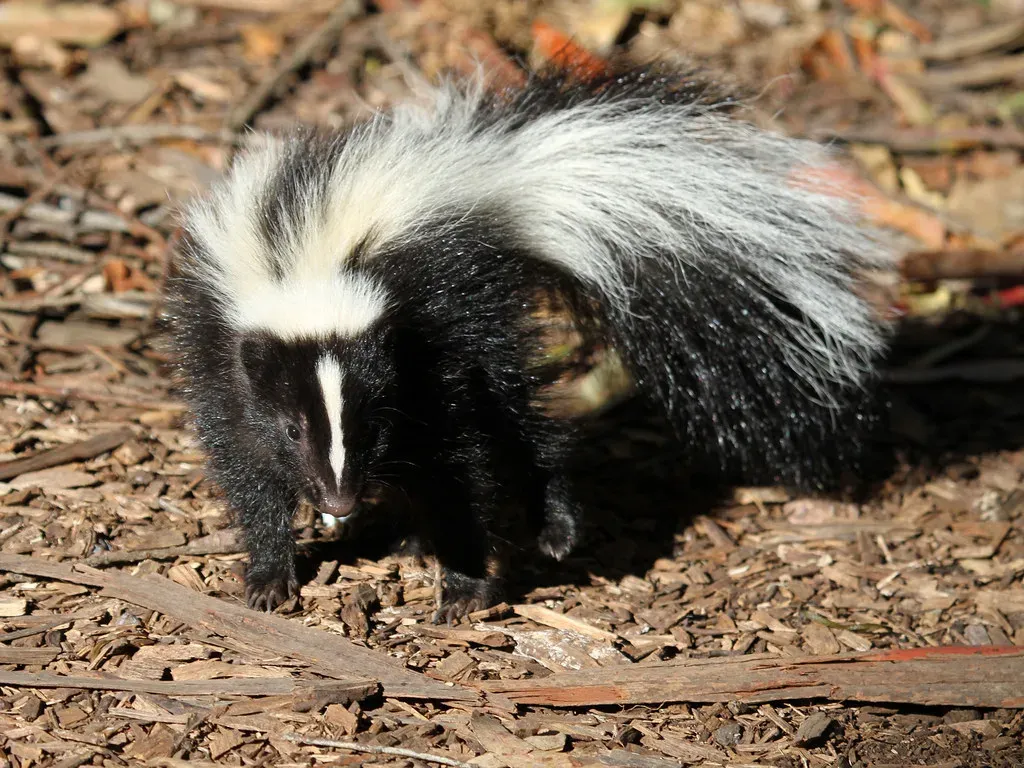
Skunks play a useful role by controlling insect populations and cleaning up garden debris. Their presence signals a functioning local ecosystem rather than a problem to eliminate. Treating them with the same caution given to any wild neighbor keeps that balance intact.
The critical mistake of ignoring distance and signals remains the main trigger for sprays. Once people recognize how rarely skunks choose that route on their own, coexistence becomes straightforward. A little awareness turns potential conflicts into ordinary, forgettable nights outdoors.

- 10 Ancient Civilizations That Built Their Cities to Align With the Stars - July 23, 2026
- Animals in the Spotlight: Entertainment or Exploitation? - July 23, 2026
- Which Arctic Animal Are You According to Your Zodiac Sign - July 23, 2026