
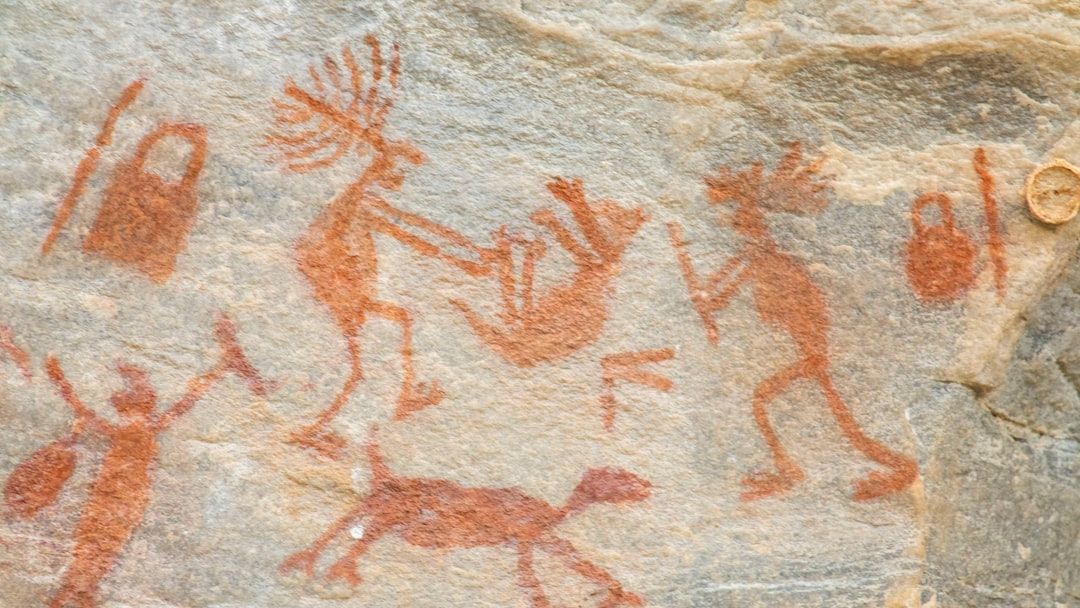
Imagine vast icy plains where woolly mammoths lumbered in herds, their long tusks gleaming under pale skies. Early humans shared that world for thousands of years, yet their routines rarely matched the epic battles shown in popular stories. Instead, survival depended on quiet observation, clever adaptation, and steady routines that kept small groups alive through brutal seasons.
Archaeological traces reveal people who moved with the seasons, watched animal patterns closely, and passed knowledge down through generations. Their actions shaped both their own future and the fate of the megafauna around them. Curiosity about those daily choices pulls us deeper into a time when the line between human and wilderness felt especially thin.
Hunting Strategies in a Frozen World

Early humans relied on coordinated group efforts to bring down large prey like mammoths. They studied migration routes and used natural terrain features such as cliffs or bogs to their advantage during drives. Spears tipped with sharpened stone points allowed hunters to strike from a safer distance than earlier methods permitted.
Success often came from patience rather than raw speed. Small teams would track herds for days, waiting for the right moment when an animal became separated or weakened. Evidence from sites across Europe and Asia shows repeated use of the same ambush locations over centuries, indicating knowledge passed carefully between groups.
Developing Advanced Stone Tools

Tool making occupied a central place in daily life during the mammoth era. People selected specific types of flint or obsidian and spent hours chipping away flakes to create sharp edges suited for cutting meat or scraping hides. These implements grew more refined over time, with some designs showing clear regional styles that hint at shared learning.
Bone and antler also became raw materials for needles, awls, and projectile points. Such versatility helped humans process every part of an animal carcass efficiently. The resulting toolkit supported everything from clothing production to shelter repair in environments where resources stayed scarce for long stretches.
Establishing Small Nomadic Camps
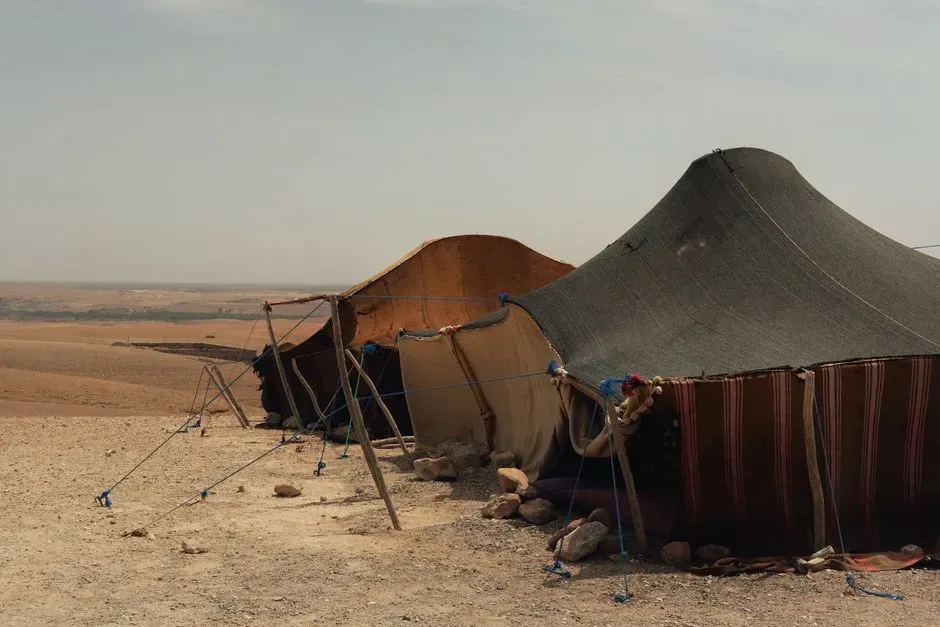
Groups typically numbered between twenty and fifty individuals who moved camp several times each year. They chose sheltered spots near water sources and game trails, then built temporary structures using branches, animal skins, and sometimes mammoth bones for frames. These camps left behind hearths that still contain traces of cooked food and discarded tools.
Daily rhythms revolved around gathering plants, maintaining fires, and preparing hides for clothing and shelter covers. Children learned skills by watching and helping, while elders shared stories that reinforced group identity. Mobility kept people ahead of harsh weather shifts and allowed them to follow food sources across wide territories.
Creating Early Forms of Art and Ritual
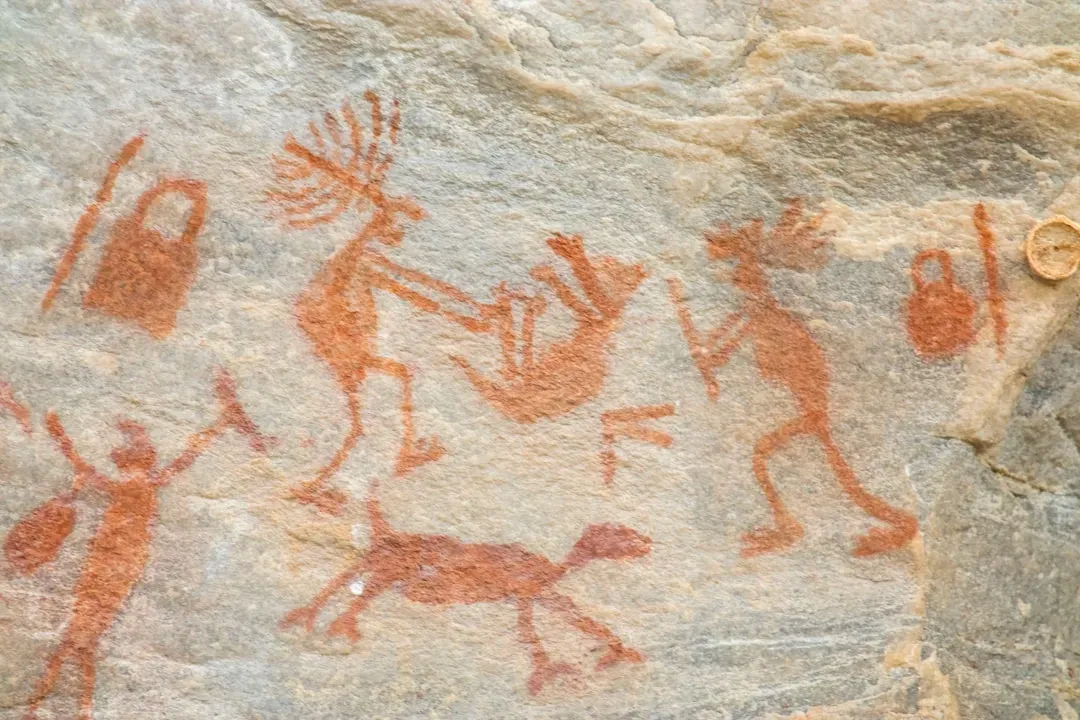
Cave walls in places like France and Spain hold paintings of mammoths, horses, and bison that date back tens of thousands of years. Artists used natural pigments and simple brushes made from animal hair or chewed sticks to produce detailed images. These works likely served purposes beyond decoration, perhaps marking territories or recording important events.
Small carved figurines and beads suggest personal adornment and symbolic thinking. Burials sometimes included red ochre and grave goods, pointing to beliefs about the afterlife. Such expressions reveal minds capable of abstract thought even while focused on immediate survival needs.
Adapting to Changing Climates
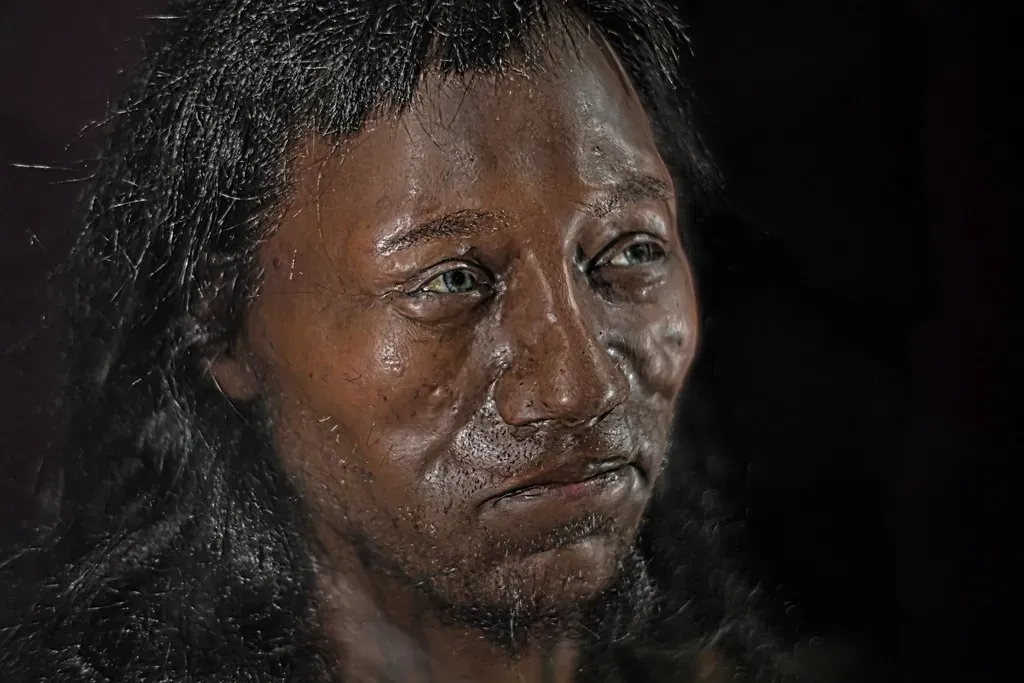
The mammoth steppe experienced repeated swings between cold glacial periods and brief warmer intervals. Humans responded by adjusting clothing layers, fire management, and diet breadth to include more plants when game grew scarce. Genetic studies indicate populations expanded and contracted in step with these environmental shifts.
Some groups developed specialized knowledge of local plants that provided medicine or extra nutrition. Others refined techniques for preserving meat through drying or smoking. Flexibility proved essential for enduring long winters when daylight hours shrank and temperatures dropped far below freezing.
Interacting with Other Human Species

Modern humans overlapped with Neanderthals for several thousand years in parts of Europe and Asia. Archaeological layers show both groups using similar tools at times, and genetic evidence confirms occasional interbreeding. These encounters likely involved trade, conflict, and cultural exchange rather than constant warfare.
Denisovans in Asia left their own genetic traces in later populations. Competition for resources probably occurred, yet shared landscapes also fostered learning. The presence of multiple human types added layers of complexity to an already demanding environment filled with large predators and unpredictable weather.
Coexisting with Giants of the Ice Age
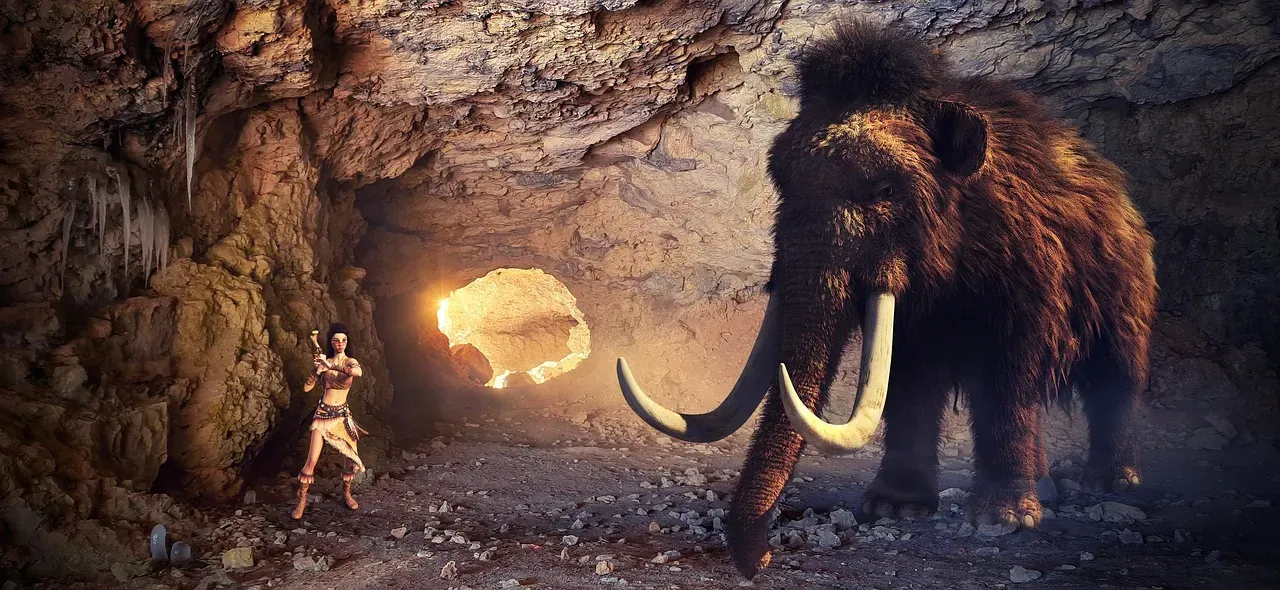
Mammoths provided valuable resources when successfully hunted, yet they also posed real dangers near camps. Humans learned to avoid provoking herds while still harvesting ivory, meat, and bones when opportunities arose. Some sites contain clear signs of butchery alongside mammoth remains, showing practical rather than purely symbolic relationships.
Climate change and human pressure together contributed to mammoth decline toward the end of the Ice Age. People continued adapting as the animals grew rarer, shifting focus to smaller game and new plant foods. This gradual transition marked one chapter closing while another opened for human societies.
Those ancient routines remind us how closely human survival once depended on reading the land and its creatures with care. The choices made then still echo in the ways we understand our place in nature today.

- 15 Small Mistakes New Owners Make That Break a Rescue Dog's Trust - July 29, 2026
- 14 Early Warning Signs in Older Dogs That Owners Brush Off Too Long - July 29, 2026
- 10 Most Famous Ghost Towns in The USA - July 28, 2026