
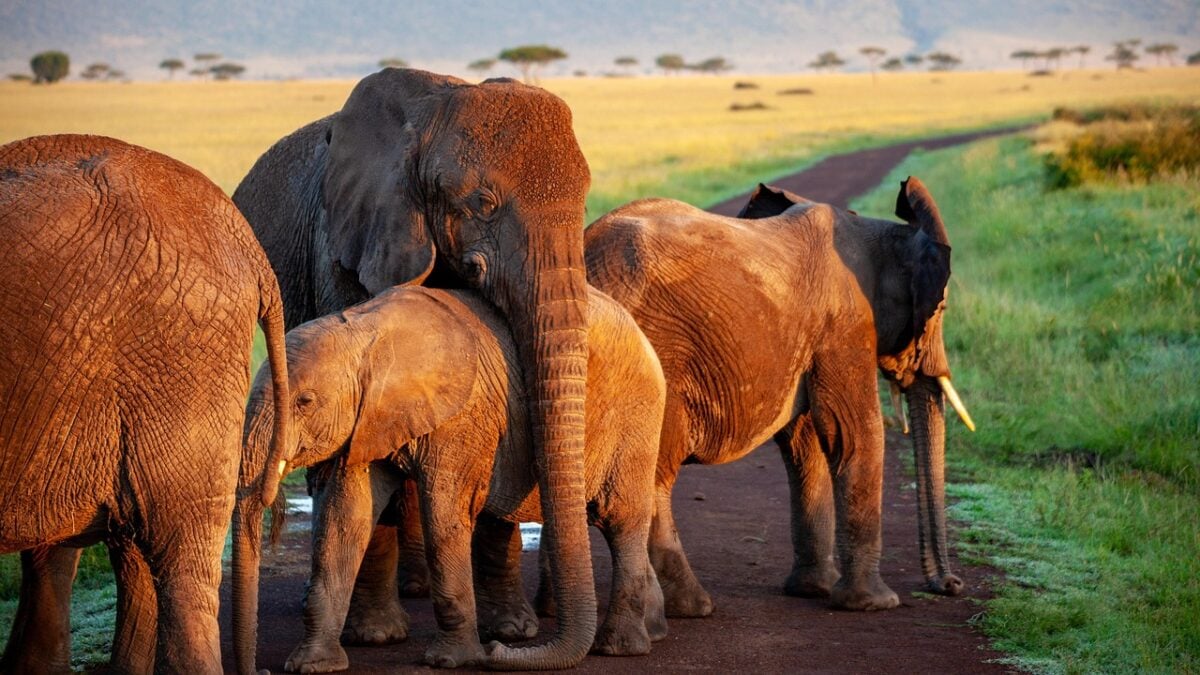
Picture a massive animal pausing mid stride to gently touch a distressed companion with its trunk, offering soft rumbles that seem to say everything will be okay. That image captures something researchers have documented time and again in elephant groups, raising questions about just how deeply these creatures connect with one another.
The idea that elephants might rival or even surpass humans in certain forms of empathy has gained traction through careful observation and experiments. Their social lives reveal patterns of care that feel strikingly familiar yet sometimes more consistent than what we see in our own species.
The Science of Elephant Emotions
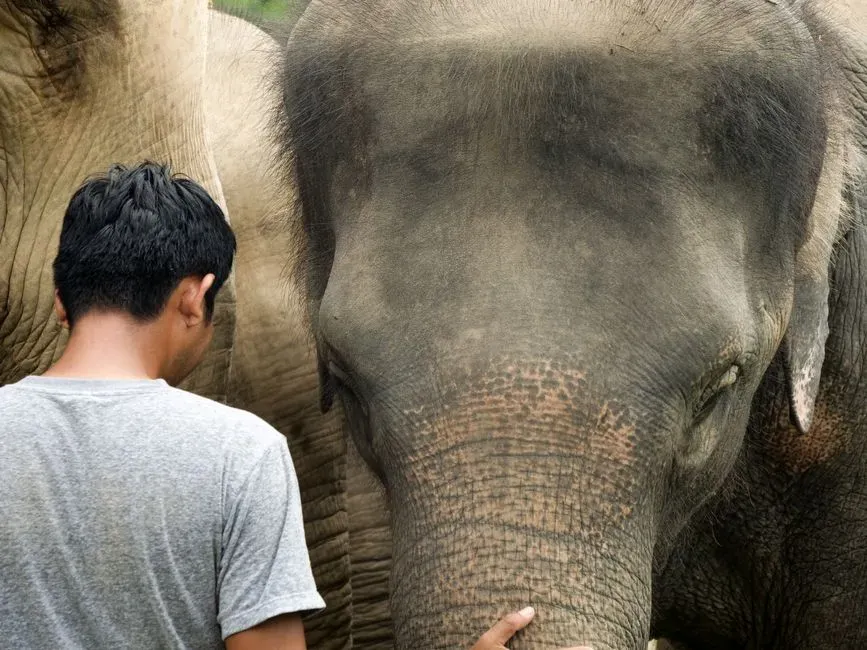
Long term field studies have tracked elephant behavior across decades, revealing consistent responses to the feelings of others in the group. Researchers analyzing thirty five years of records noted how elephants diagnose when a companion needs help and act accordingly, even when the situation differs from their own experience.
These observations point to an ability to read emotional states and intentions that goes beyond simple instinct. The patterns hold across both Asian and African elephants, suggesting a shared capacity for understanding distress in ways that few other non primate species match.
Comforting Gestures During Distress
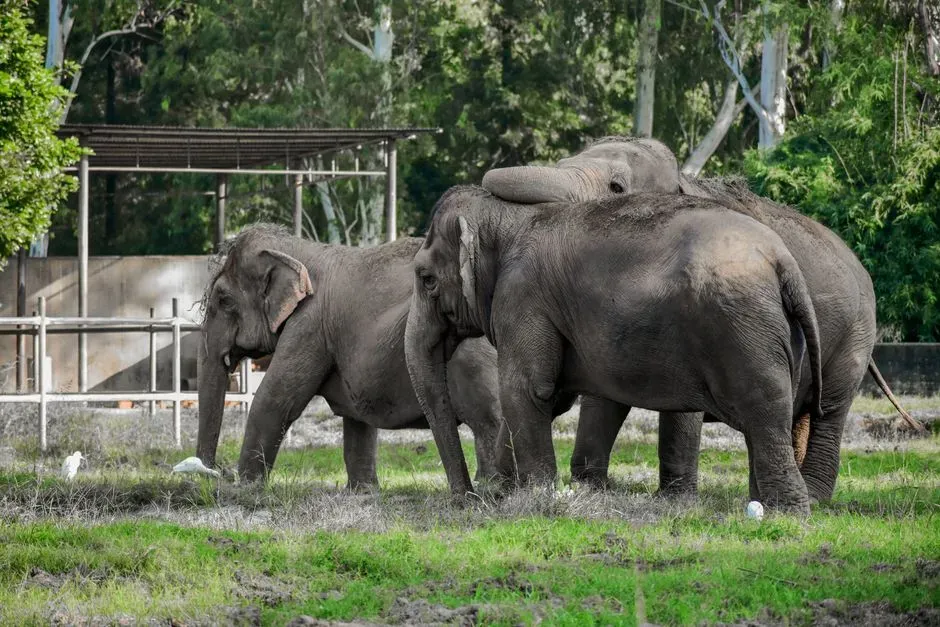
In one controlled setting in Thailand, scientists watched as bystanders approached elephants showing signs of upset and offered physical contact along with distinctive chirping sounds. The responses occurred reliably after disturbances, fitting the scientific criteria for consolation behavior.
Elephants in these groups touched and stayed near the affected individual more often than expected by chance. Such actions appear aimed at easing tension rather than serving any immediate personal gain, highlighting a form of reassurance that feels deliberate and attuned to the other animal’s state.
Responses to Loss and Death
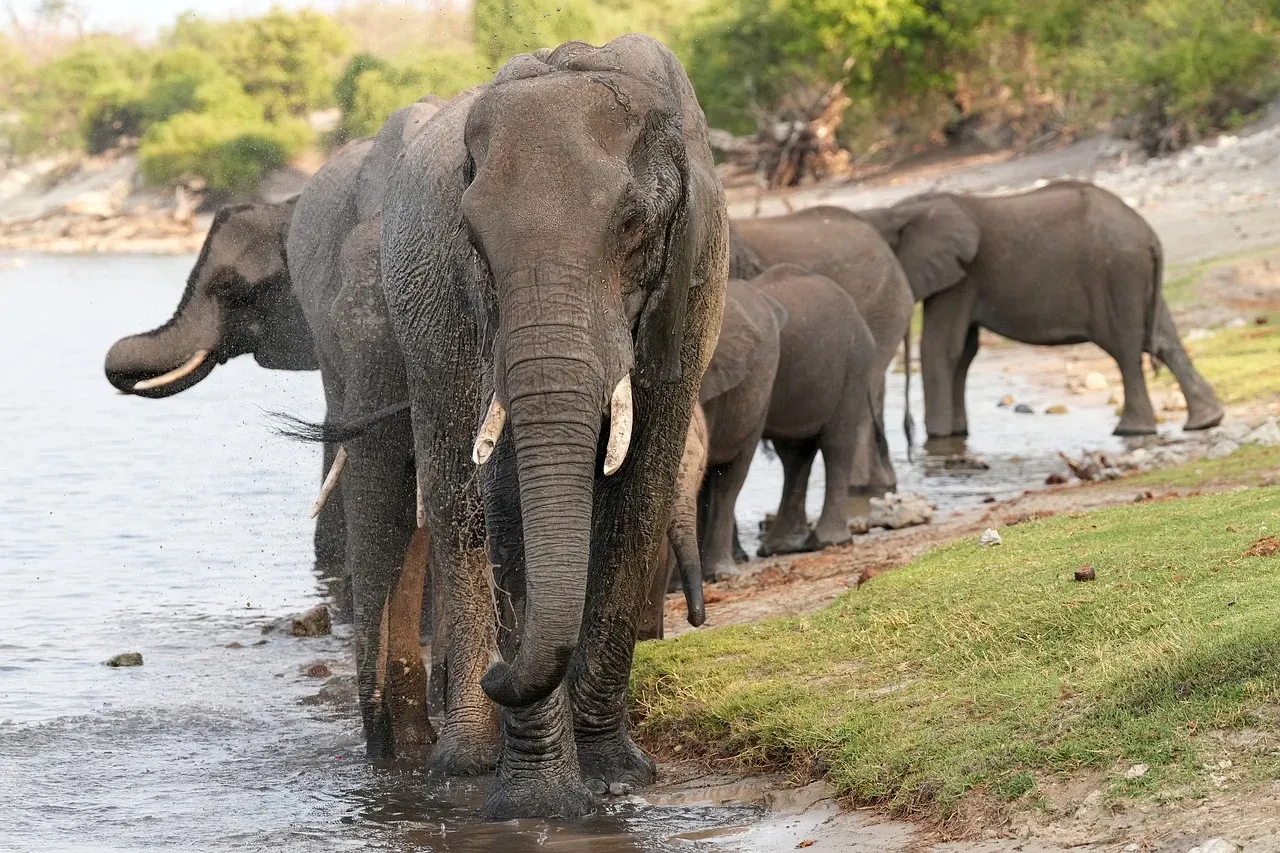
Elephants frequently linger near the bodies of deceased herd members, touching them repeatedly with trunks and sometimes placing food nearby as if attempting to rouse them. These gatherings can last hours or even days, with individuals showing visible signs of agitation when the body is moved.
Similar attention extends to injured or ailing elephants, where group members slow their pace to accommodate slower companions or work together to free trapped calves from mud. The consistency of these efforts across unrelated individuals suggests a broad concern for others that extends past immediate family ties.
Protecting the Young and Vulnerable
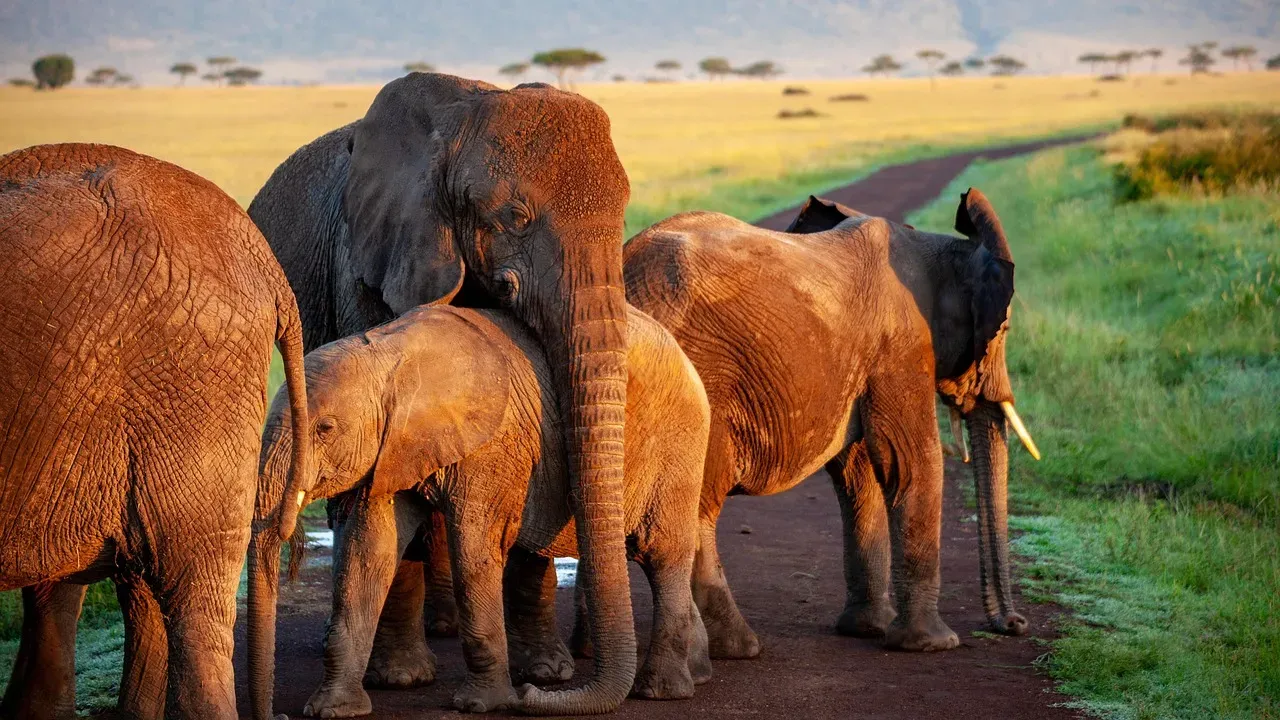
Adult elephants, including those without their own calves, intervene to shield younger ones from rough play or potential threats. They push aside aggressive playmates or position themselves between calves and danger, actions that seem to anticipate future distress rather than react only to immediate signals.
This protective layer operates within the tight knit matriarchal structure, where knowledge of past events helps guide current decisions. The result is a safety net that keeps vulnerable members secure through coordinated group effort.
Brain Features Linked to Connection
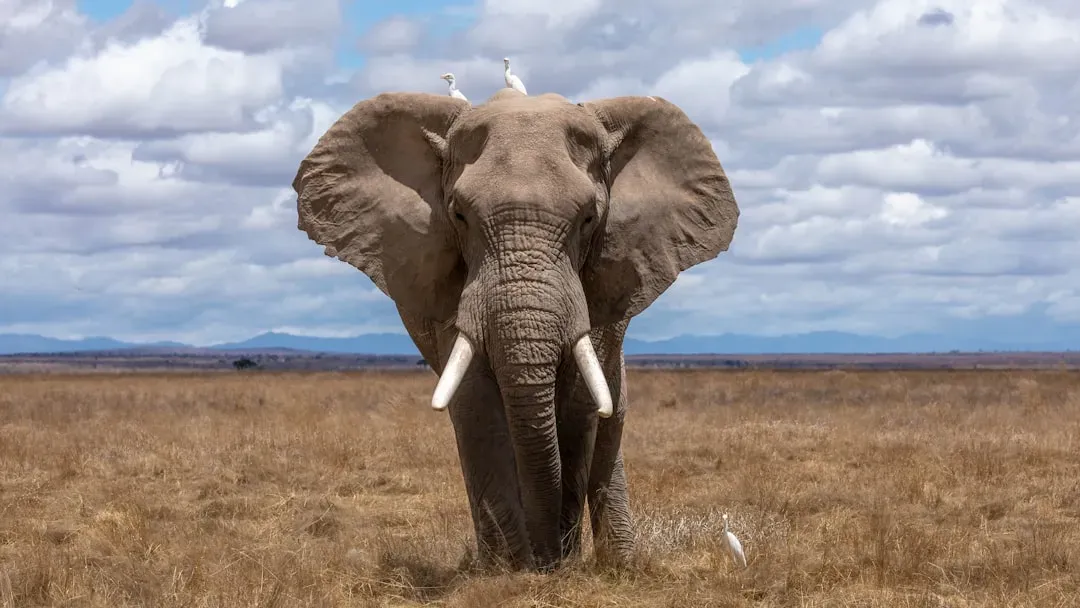
Elephant brains contain specialized spindle cells, the same type of neurons tied to self awareness and emotional processing in humans, great apes, and dolphins. Their large size and complex social organization appear to support the kind of nuanced understanding required for empathy.
These neurological traits align with the behavioral evidence collected over years. The combination suggests elephants possess the hardware for registering and responding to the inner experiences of others in sophisticated ways.
Placing Elephant Empathy Beside Our Own
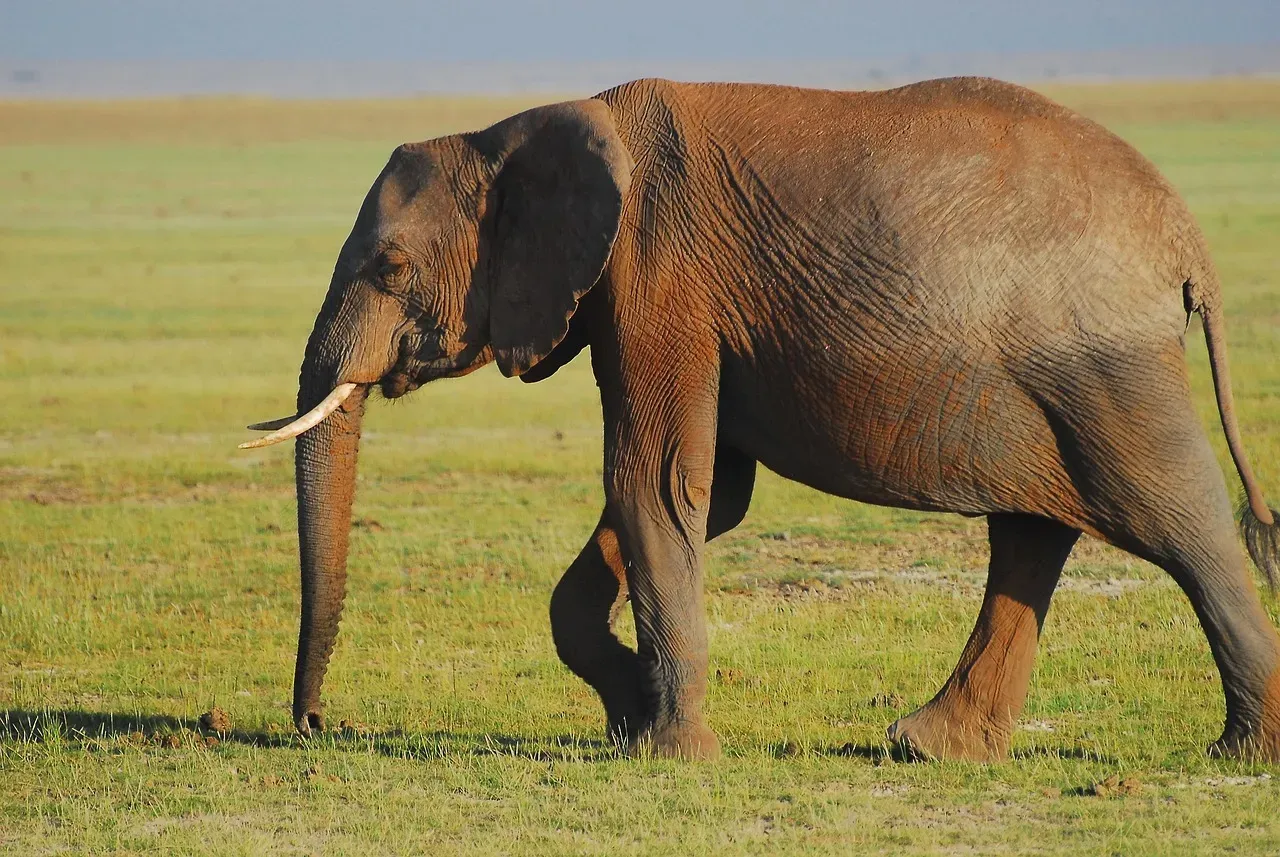
Human empathy can falter under stress or bias, sometimes limited by distance or differing group membership. Elephant responses, by contrast, often appear steady and inclusive within the herd, extending help even to non kin during crises.
While direct comparisons remain tricky due to different environments and measurement challenges, the reliability of elephant care behaviors stands out in the scientific record. Their actions invite reflection on whether our own species consistently matches that level of attentiveness.
Implications for How We View These Animals
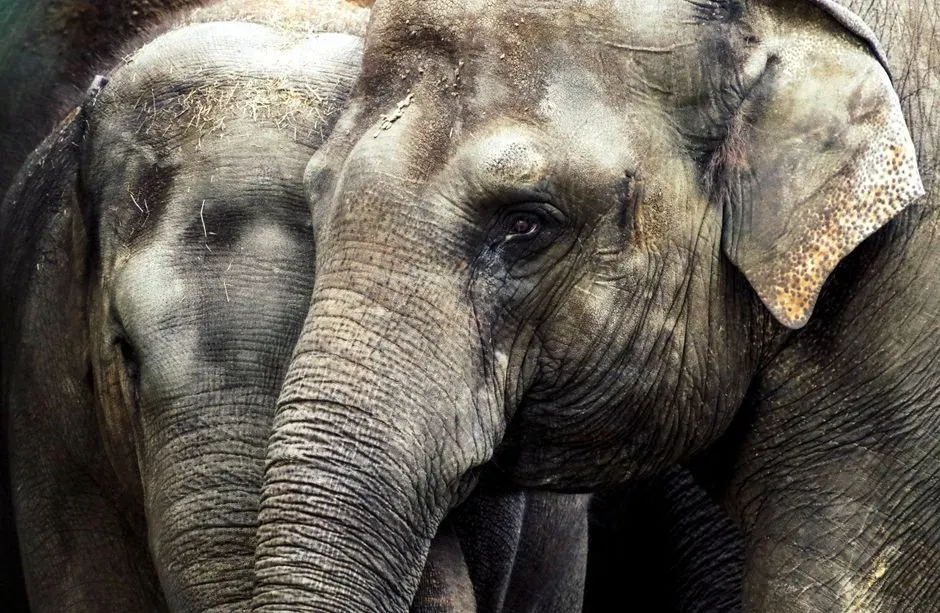
Recognizing the depth of elephant empathy shifts the conversation around their treatment in the wild and in captivity. Protecting their social bonds becomes not just an ecological issue but one tied to preserving beings capable of profound connection.
Continued research may refine our picture, yet the existing evidence already paints elephants as creatures whose emotional lives deserve the same respect we grant our closest human relationships. In a world that often prizes individual achievement, their example offers a quiet reminder of the strength found in mutual care.

- 10 Remarkable Facts About the African Cheetah: The Lightning of the Grasslands - July 29, 2026
- 10 Most Heroic Horses in History - July 29, 2026
- Why You Should Never Play Dead When Attacked by a Black Bear - July 29, 2026