
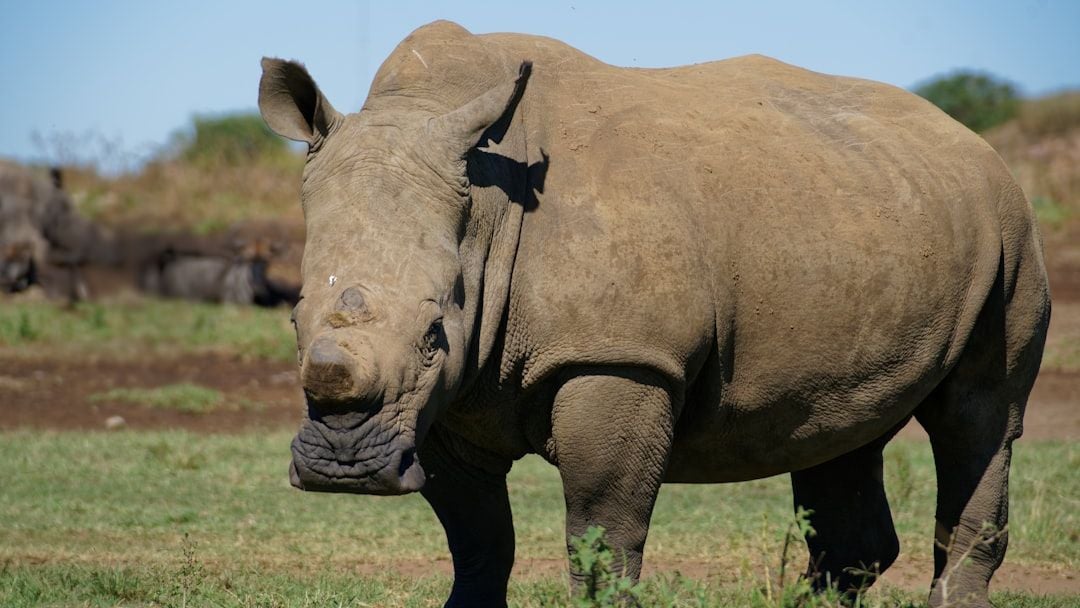
1. Vaquita
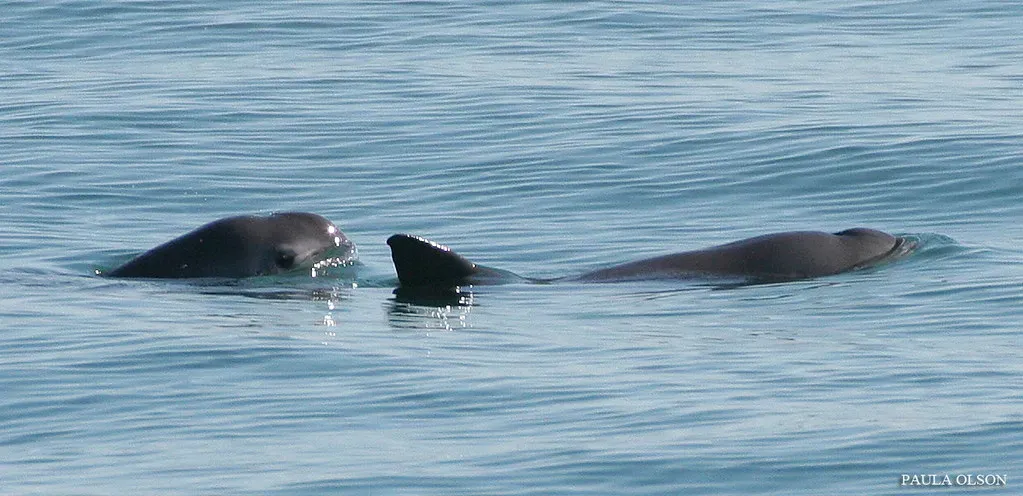
The vaquita remains the rarest marine mammal on the planet, confined to a small stretch of the Gulf of California. Its numbers have fallen to roughly ten individuals because of accidental entanglement in illegal gillnets set for totoaba fish. Recent surveys confirm that a few mothers and calves still appear, showing the population can still reproduce when given space.
Scientists emphasize strict enforcement of the zero-tolerance fishing zone combined with concrete barriers and regular patrols. Alternative fishing gear that avoids nets altogether has shown promise in trials with local communities. Genetic studies indicate enough diversity remains for recovery if bycatch stops immediately.
2. Amur Leopard
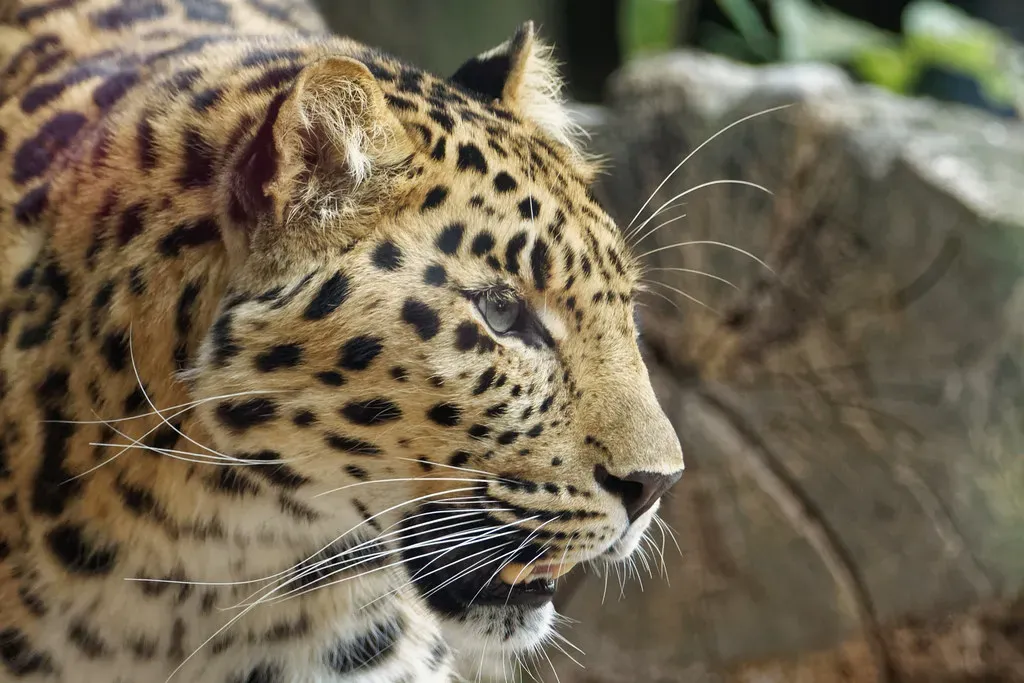
Fewer than 130 Amur leopards roam the temperate forests along the Russia-China border. Habitat fragmentation and poaching for their distinctive coats have reduced the population to isolated pockets. Camera traps now provide clearer pictures of how these cats move between remaining forest patches.
Conservation models point to expanding protected corridors that link small reserves into larger viable territories. Anti-poaching units equipped with real-time alert systems have already cut illegal killings in monitored zones. Captive breeding programs maintain a healthy backup population ready for careful reintroductions when habitat improves.
3. Javan Rhinoceros
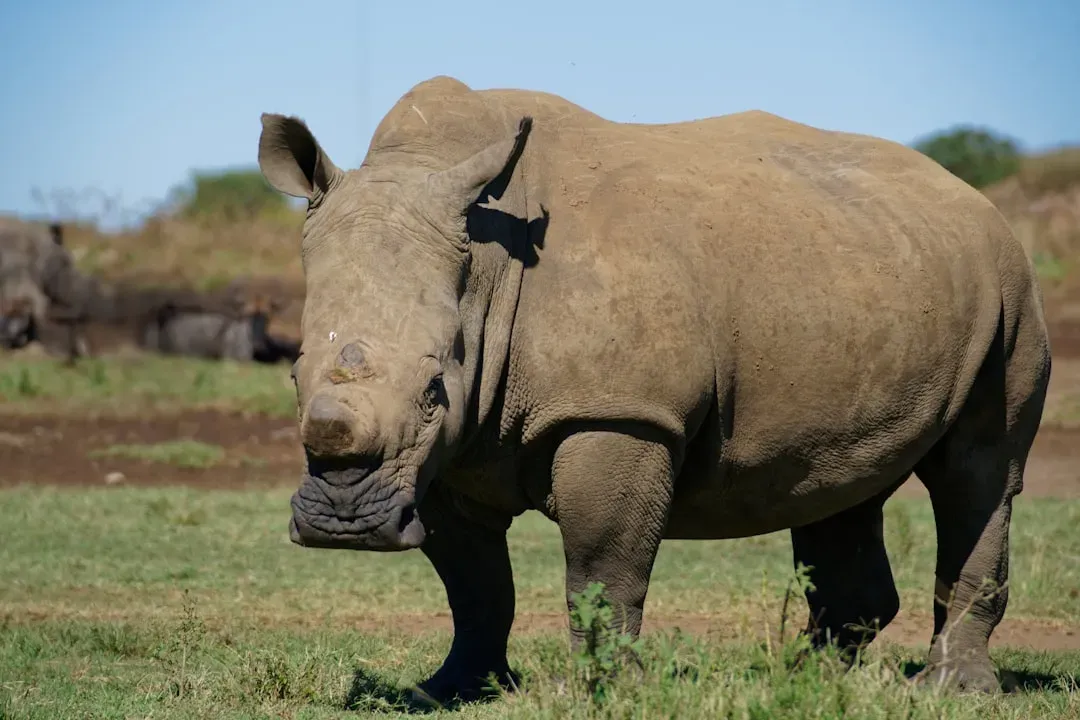
Only around seventy Javan rhinos survive in a single national park on the island of Java. Their range shrank dramatically through decades of land conversion and hunting. Regular dung and camera surveys help track the last breeding females.
Researchers advocate reinforcing the park boundaries while exploring the feasibility of establishing a second wild population elsewhere. Habitat restoration that replants native vegetation supports the rhinos’ browsing needs. International funding supports both security and long-term monitoring technology.
4. Sunda Pangolin
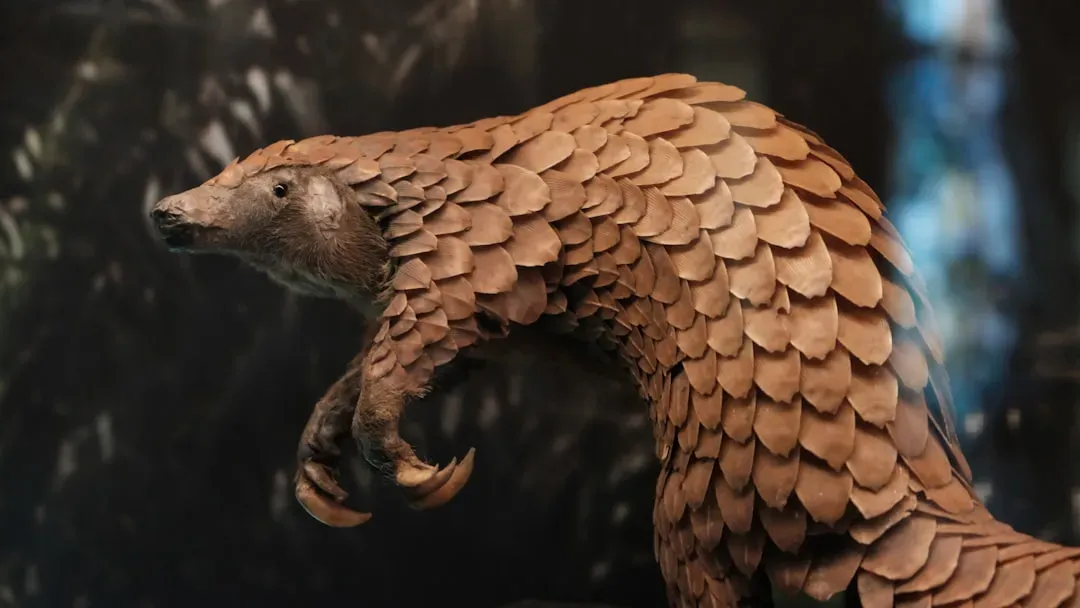
Sunda pangolins face intense pressure from illegal wildlife trade across Southeast Asia. Their scales fetch high prices in traditional medicine markets, driving poachers deeper into forests. Field teams now use trained detection dogs to locate hidden animals before traffickers reach them.
Science supports stronger border controls paired with community education that highlights the ecological role of these insect-eating mammals. Rehabilitation centers have refined release protocols that improve survival rates after rescue. Satellite mapping helps identify trafficking routes for targeted enforcement.
5. Sumatran Orangutan
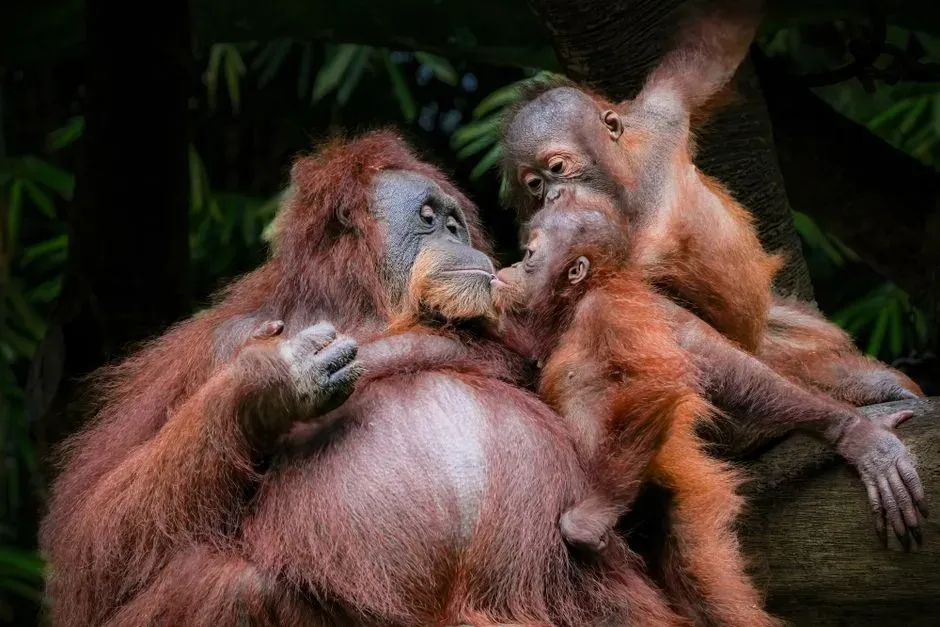
Sumatran orangutans number fewer than 14,000 and continue to lose forest to palm oil expansion. Mothers teach their young complex skills that take years to master, making each loss especially damaging. Drone surveys now map remaining canopy cover with greater precision than ground teams alone.
Studies show that connecting fragmented forest patches allows gene flow between groups. Reforestation projects using native fruit trees provide both food and travel routes. Partnerships with palm oil companies test sustainable certification that reduces further clearing.
6. Bornean Orangutan
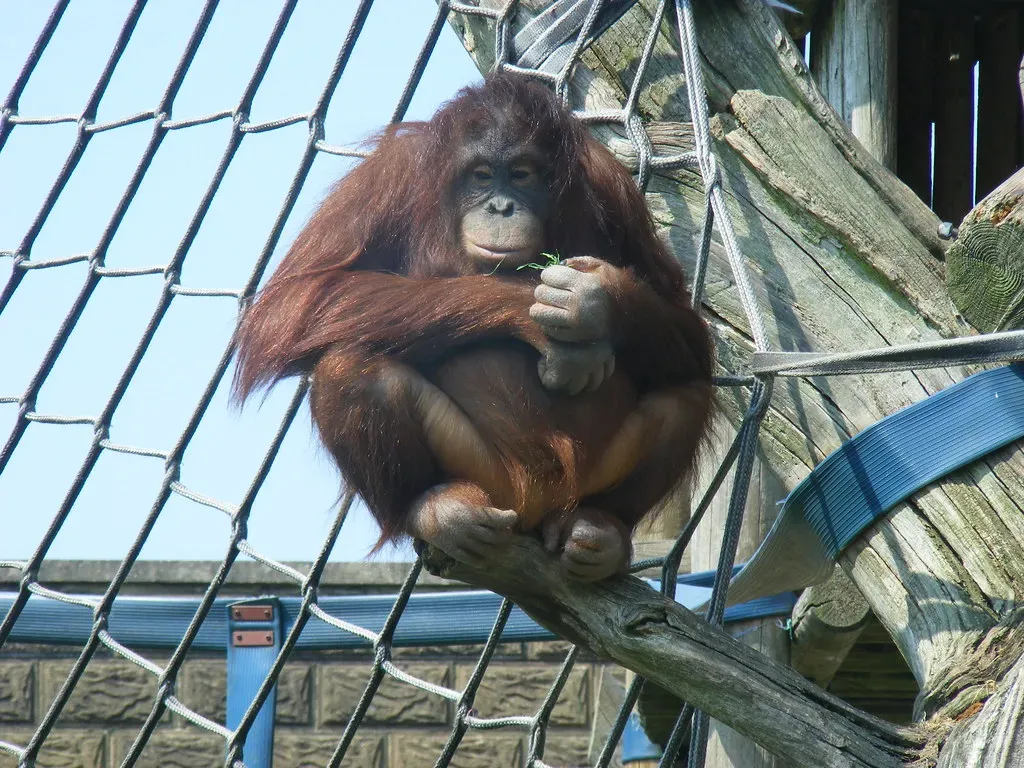
Bornean orangutans have declined sharply as logging and agriculture remove their lowland forest homes. Population estimates place them around 100,000, yet the trend remains downward. Long-term behavioral studies reveal how these apes adapt when forced into smaller areas.
Conservation plans focus on protecting peat swamp forests that serve as critical refuges during dry seasons. Artificial canopy bridges help individuals cross roads and rivers safely. Rehabilitation centers prepare confiscated orangutans for release into secure forest blocks.
7. Black Rhinoceros
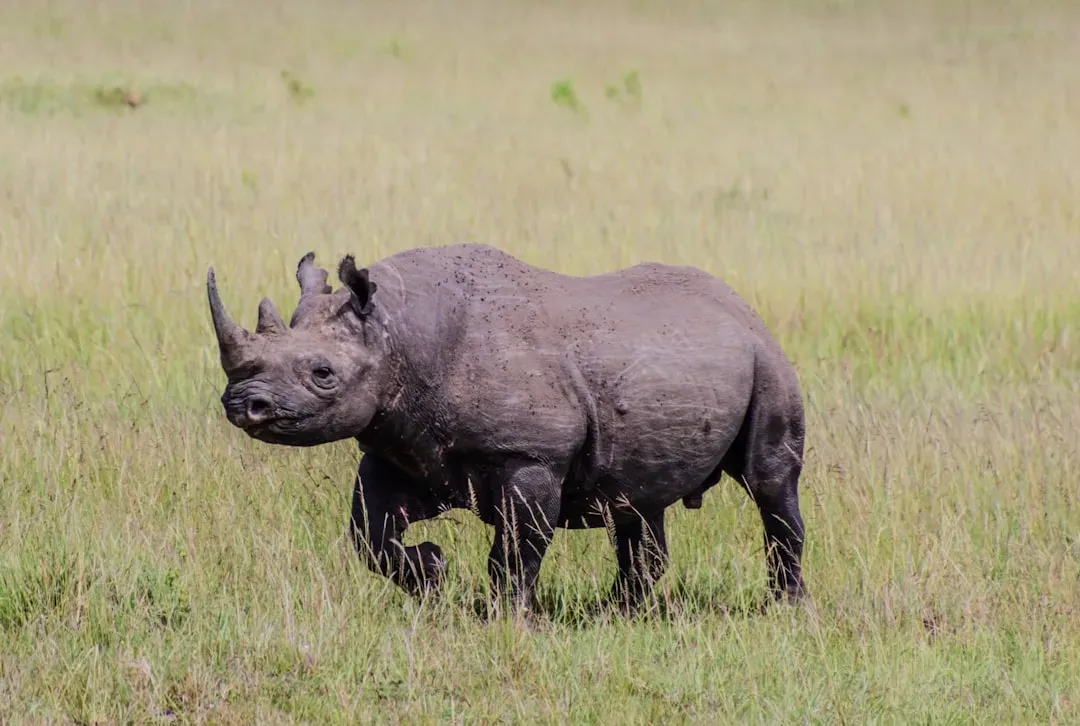
Black rhinos have rebounded from a few thousand to roughly 6,000 through intensive protection. Poaching for horns still threatens gains in parts of their African range. Aerial and ground patrols now coordinate with community scouts to cover larger areas.
Dehorning programs combined with DNA tracking of seized horns disrupt illegal markets. Translocation efforts move rhinos into well-guarded sanctuaries where breeding rates have increased. Ongoing research monitors how reduced horn size affects social behavior.
8. African Wild Dog
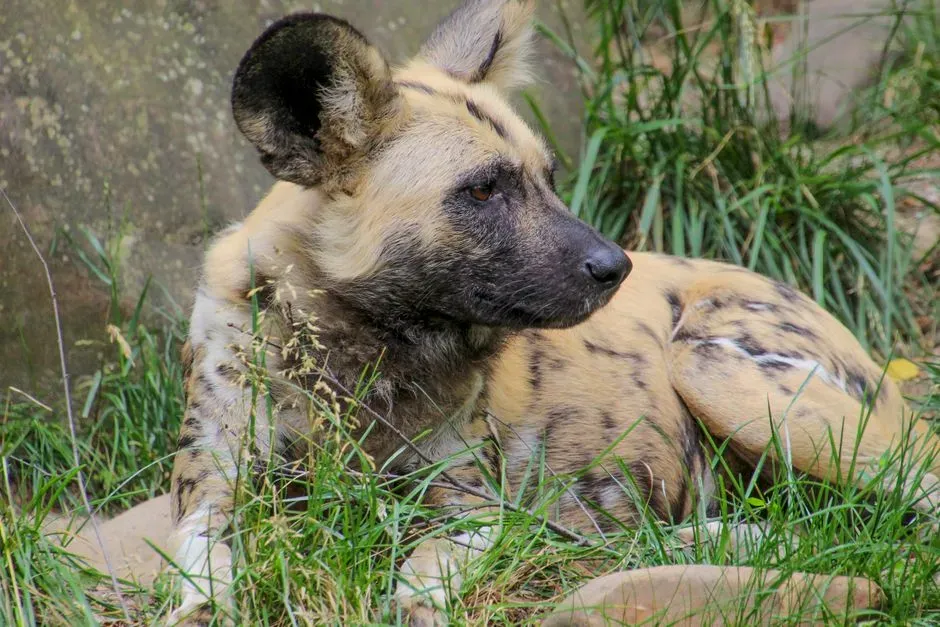
African wild dogs number fewer than 7,000 and range across fragmented savannas. Disease and conflict with livestock owners remain leading threats. Radio collars now reveal pack movements across national borders.
Scientists recommend creating buffer zones around protected areas to reduce human-wildlife clashes. Vaccination campaigns against rabies and distemper protect both dogs and neighboring domestic animals. Community education highlights the dogs’ role in controlling prey populations.
9. Hawksbill Sea Turtle

Hawksbill turtles have lost nesting beaches and face heavy collection for their shells. Populations in some regions have dropped by more than 80 percent over decades. Satellite tags track migration routes that cross multiple countries.
Beach protection and nest relocation programs have boosted hatchling survival in key sites. International agreements limit trade in tortoiseshell products. Research into artificial reefs explores new foraging habitats to support recovering numbers.
10. Sumatran Tiger
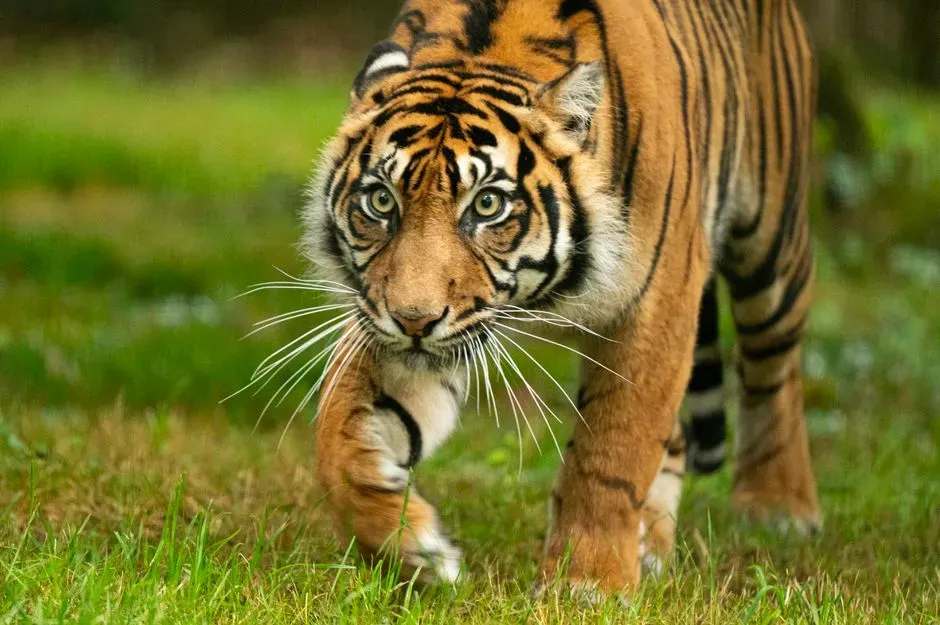
Sumatran tigers number fewer than 400 and inhabit shrinking patches of forest on their namesake island. Prey depletion and retaliatory killings after livestock losses compound the pressure. Acoustic sensors now help detect both tigers and poachers in dense terrain.
Landscape-level planning aims to maintain large connected forest blocks. Prey recovery projects restore deer and boar populations that sustain the cats. Conflict mitigation teams install electric fencing and compensation schemes for affected farmers.
11. Cross River Gorilla
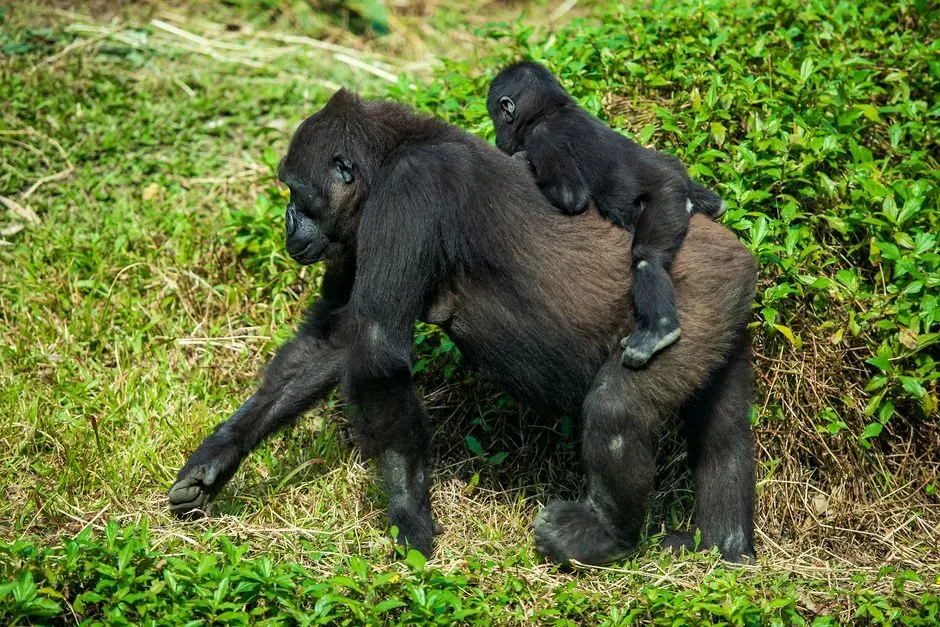
Cross River gorillas survive in small groups along the Nigeria-Cameroon border, with fewer than 300 individuals. Hunting and forest clearance isolate the remaining troops. Genetic sampling from dung confirms limited diversity that requires careful management.
Transboundary protected areas allow gorillas to move between countries without crossing hostile zones. Community ranger programs train local residents to monitor trails and report threats. Habitat corridors planted with gorilla food plants support gradual range expansion.
12. Snow Leopard
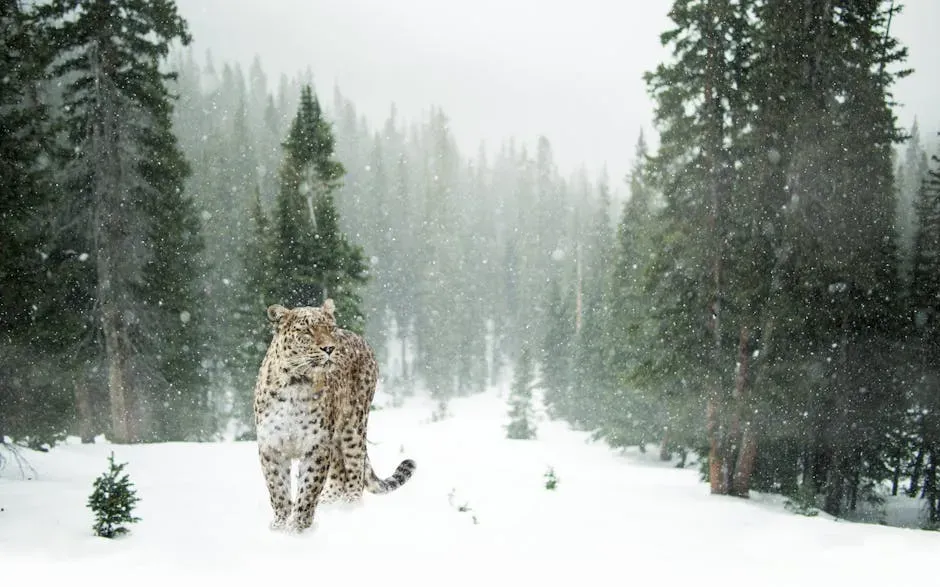
Snow leopards number between 4,000 and 6,500 across high mountain ranges of Central Asia. Retaliatory killings after livestock predation and climate-driven habitat shifts threaten their future. Camera networks now capture clearer data on how these cats use rugged terrain.
Insurance schemes compensate herders for lost animals and reduce incentives for revenge killings. Livestock corrals reinforced against predators have proven effective in pilot regions. Climate modeling helps identify future suitable habitat for proactive protection.
13. Asian Elephant
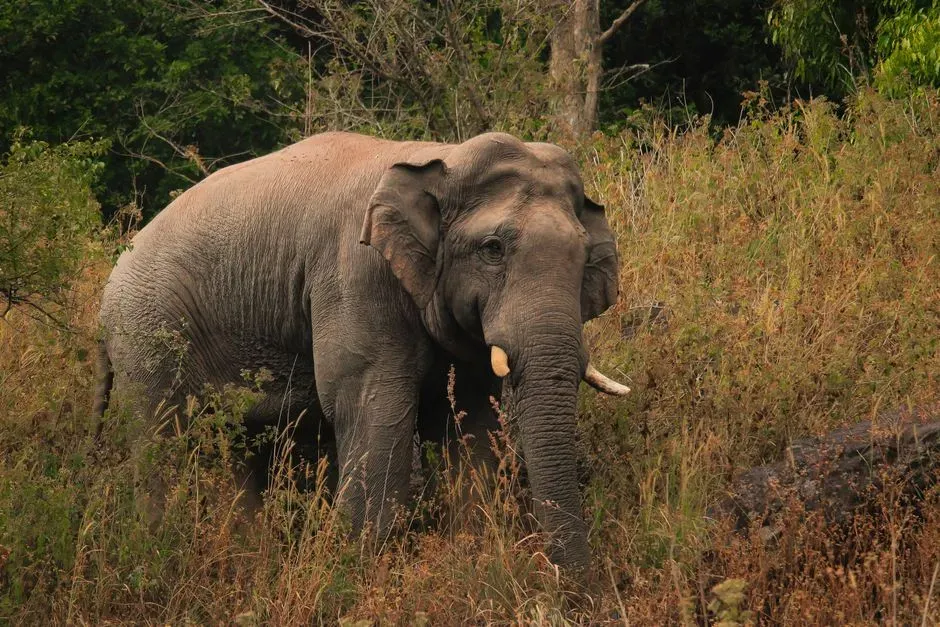
Asian elephants face ongoing habitat loss and deadly conflicts with expanding human settlements. Populations across Asia total around 50,000 and continue to fragment. GPS collars reveal seasonal movement patterns that cross busy roads and farmland.
Early-warning systems using mobile alerts notify villages when elephants approach. Corridor restoration reconnects isolated herds and reduces inbreeding risks. Research into elephant crop preferences guides the planting of buffer zones that satisfy both people and animals.
14. Mountain Gorilla
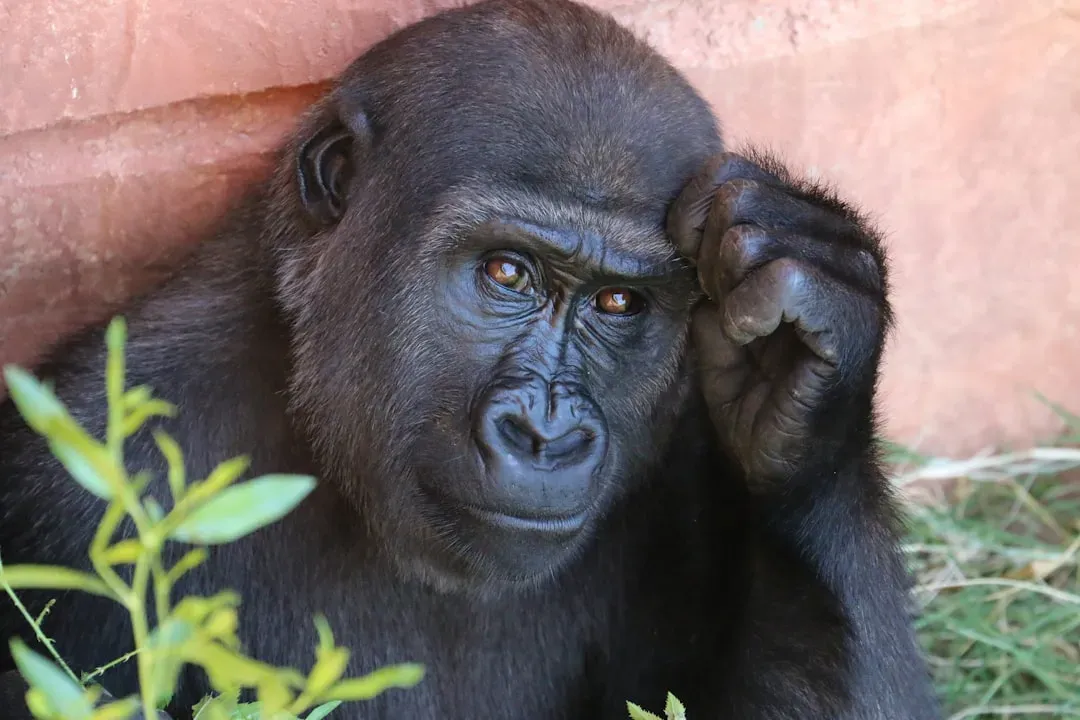
Mountain gorillas have increased to roughly 1,000 individuals thanks to decades of focused protection in the Virunga region. Tourism revenue funds anti-poaching efforts, yet disease and political instability remain risks. Health monitoring programs track respiratory illnesses that can spread from humans.
Continued investment in park rangers and veterinary teams keeps mortality low. Community revenue-sharing from tourism builds local support for conservation. Genetic studies guide decisions on whether limited translocations between isolated groups would strengthen resilience.
15. Red Wolf
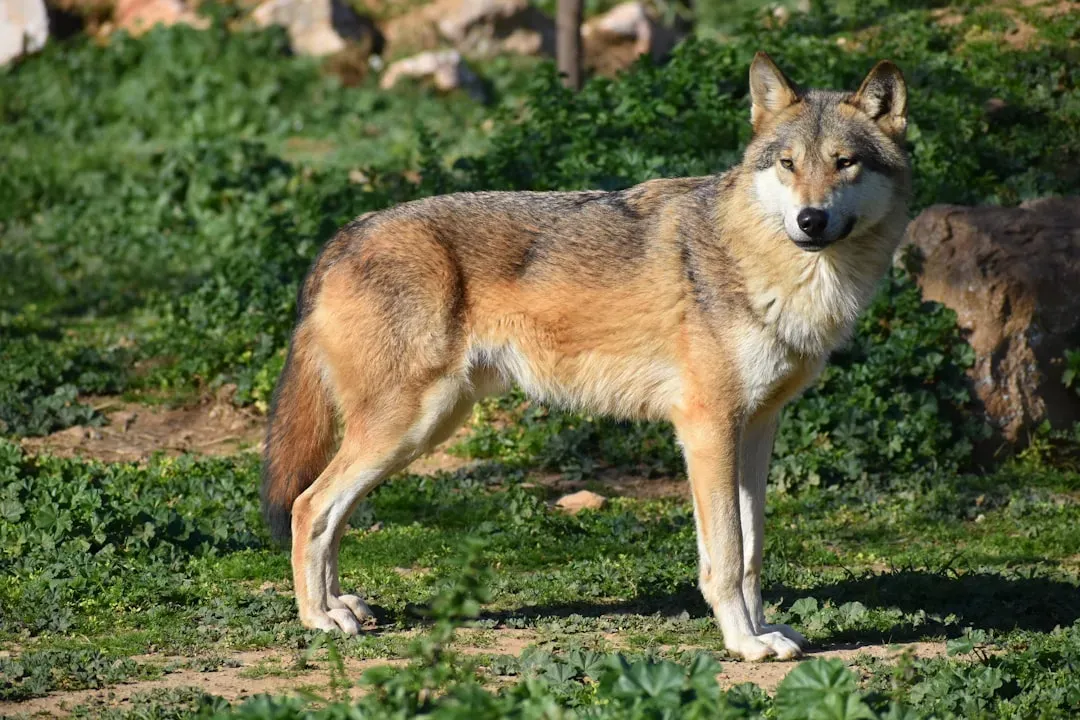
Red wolves number fewer than 20 in the wild after reintroduction setbacks in the southeastern United States. Hybridization with coyotes and vehicle strikes limit recovery. Captive breeding maintains a larger assurance population of several hundred.
Scientists support expanded release sites with intensive coyote sterilization to protect genetic purity. Road underpasses and speed reductions in key areas cut collision deaths. Ongoing monitoring evaluates how wolves adapt to changing prey availability.
The fate of these animals ultimately rests on consistent choices made far from their habitats. Science supplies the maps and methods, yet sustained funding and public commitment determine whether those tools reach the field in time. Each recovered population offers proof that deliberate action can still turn the tide.
- 11 Silent Messages an Aging Dog Sends That Owners Read Too Late - July 29, 2026
- 16 Horse Breeds Vets Say Break More Beginner Hearts Than Any Other - July 29, 2026
- What Your Old Dog Wishes It Could Tell You Before the End - July 29, 2026