
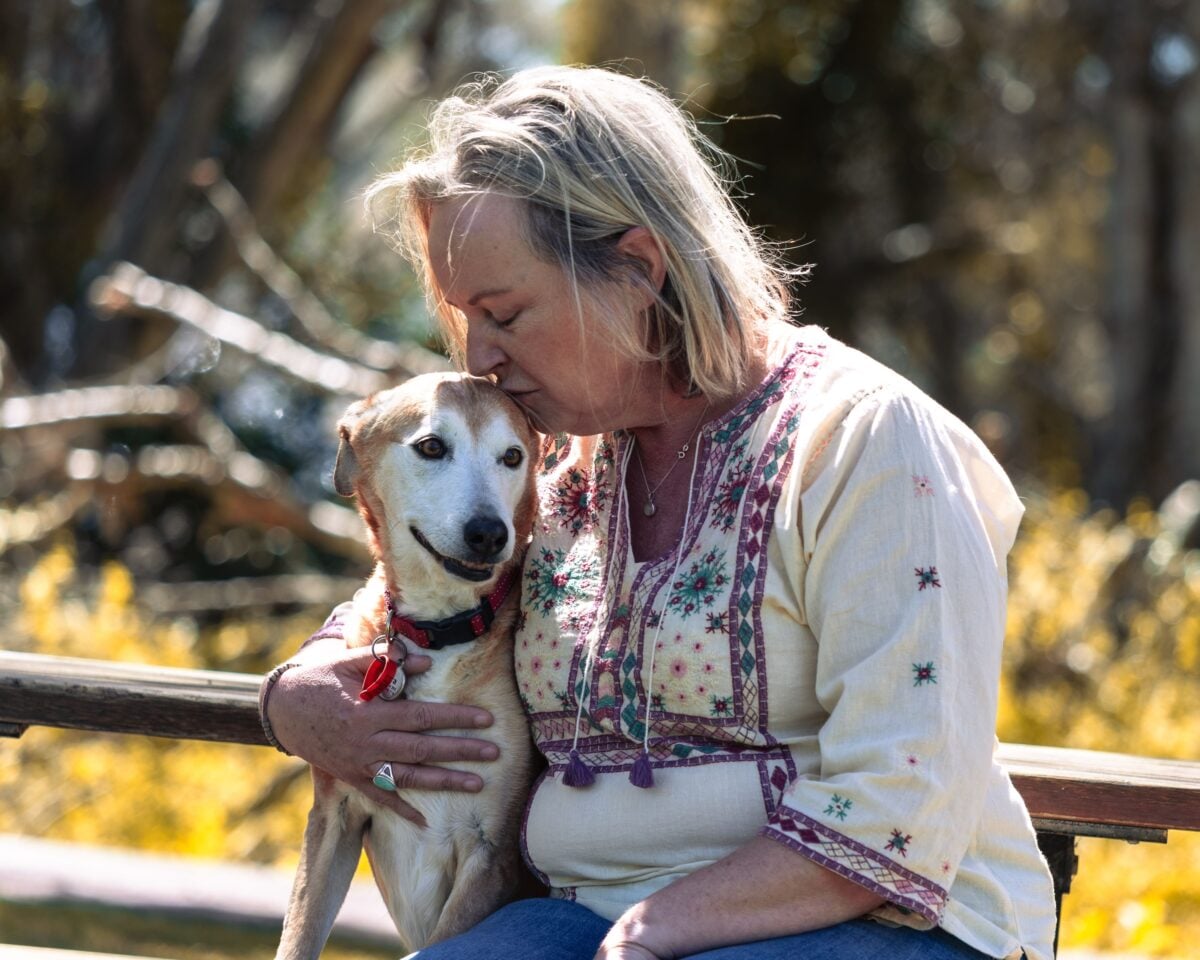
You know your dog’s tricks. You know which ear he likes scratched, which corner of the couch is technically his, the exact rattle of the treat bag that makes him come running even at fourteen years old. You’d swear you know everything about him.
Veterinarians and behaviorists say otherwise. Most senior dogs are quietly signaling things their families never pick up on – until a crisis forces the conversation. This isn’t a guilt trip. It’s a translation. Here are seven things your aging dog is trying to tell you, in the language of limps, stares, and silence – and the last one might change how you remember every dog you’ve ever loved.
#1 – “My Pain Isn’t ‘Just Old Age’ – Please Stop Ignoring It”
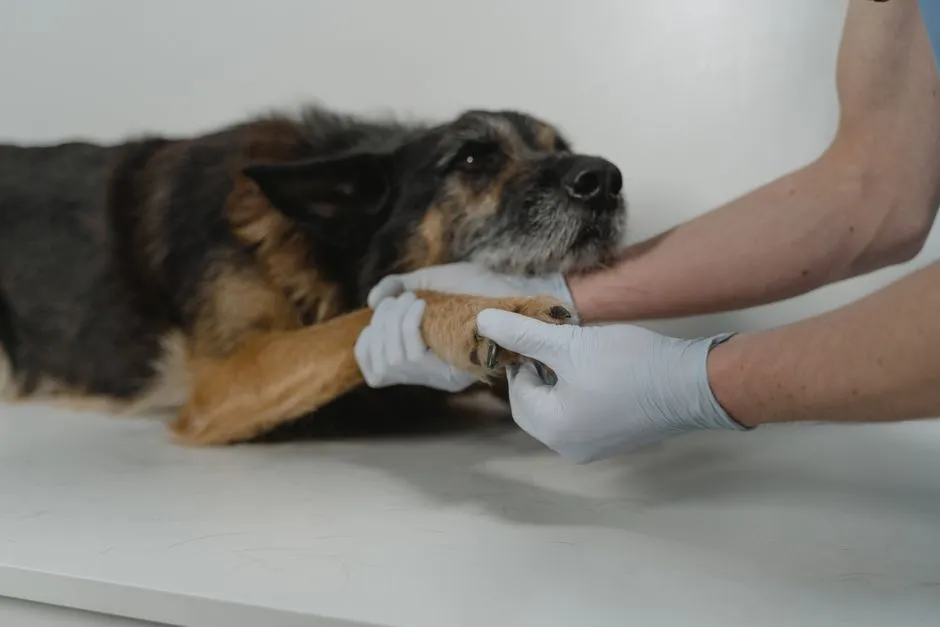
If your dog could say one thing first, it would be this: I hurt more than you think. Most owners chalk up stiffness, slow walks, or reluctance to jump on the couch as simply getting old. Vets estimate that more than 80% of dogs over eight have arthritis or chronic pain. That’s not a quirky personality shift. That’s daily suffering hiding in plain sight.
When your dog hesitates at the stairs, lingers before lying down, or suddenly quits a favorite game, those aren’t mood changes. They’re pain signals. Watch for:
- Limping or “bunny hopping” up stairs
- Licking or chewing at joints after activity
Dogs are wired to hide weakness, so most won’t cry or whine. They just move less, isolate, or sleep more – and owners quietly write it off as “slowing down,” which happens to be one of the most under-treated symptoms in senior pets. The good news: modern pain control has come a long way. Anti-inflammatories, joint injections, nerve pain medication, laser therapy, and physical therapy can transform an old dog’s daily life. Your dog isn’t trying to be tough. It’s waiting for someone to notice.
#2 – “I’m Not Being Difficult – My Senses and Brain Are Failing Me”

When your old dog suddenly stops listening, has accidents, or seems stubborn, it’s rarely attitude. It’s neurology. Hearing fades. Eyes cloud over. Canine cognitive dysfunction – dog dementia – is thought to affect up to one in three senior dogs, and most cases get brushed off as confusion instead of treated.
Your dog isn’t trying to frustrate you when it stares at a wall or gets stuck in a doorway. It’s coping with a world that’s blurring and going quiet around it. That new clinginess at night is often anxiety triggered by fading sight or a changing brain. Look for:
- Walking into corners or getting “stuck”
- Pacing or panting at night with no clear cause
Quick Compare
- Normal aging: slower on stairs, quieter play, a grayer muzzle
- Cognitive dysfunction: getting “stuck” in corners or under furniture
- Normal aging: sleeping somewhat more overall
- Cognitive dysfunction: reversed sleep-wake cycles, nighttime pacing or panting
What your dog actually needs is for you to stop correcting and start adapting. Use hand signals if hearing is going, or clap and stomp so the vibration reaches your dog. Leave a light on. Keep the furniture where it’s always been instead of rearranging the living room. Extend more patience with housetraining slips, too – dementia and reduced bladder control are medical realities, not moral failures. Many vets now call unmanaged cognitive decline one of the most overlooked welfare issues in modern pet care.
#3 – “I Need Routine and Safety More Than I Need New Toys”

Most people assume love means novelty – new treats, new toys, new adventures. For an old dog, it’s often the opposite. Senior dogs crave predictability far more than stimulation. When your joints ache and your brain processes the world more slowly, sudden change isn’t exciting. It’s exhausting.
Rearranging furniture, moving the bed, or shifting feeding times might seem trivial to you. To an anxious senior dog, it can feel like the ground is shifting under its paws. Two things your old dog wishes you’d protect:
- Its safe place – a quiet, draft-free bed away from chaos
- Its daily rhythm – consistent times for food, meds, and walks
Oddly enough, the most “boring” households often raise the happiest seniors. Regular short walks at the same times, meals in the same bowl, and a dedicated quiet corner lower stress hormones and help fragile bodies regulate. Many behaviorists now believe owners unintentionally sabotage their senior dog’s peace by chasing trendy “enrichment” ideas without considering age. Enrichment still matters – but at twelve, your dog probably wants a calm sniff walk more than a backyard obstacle course.
#4 – “I Feel Your Stress – and It Changes How I Experience My Last Years”
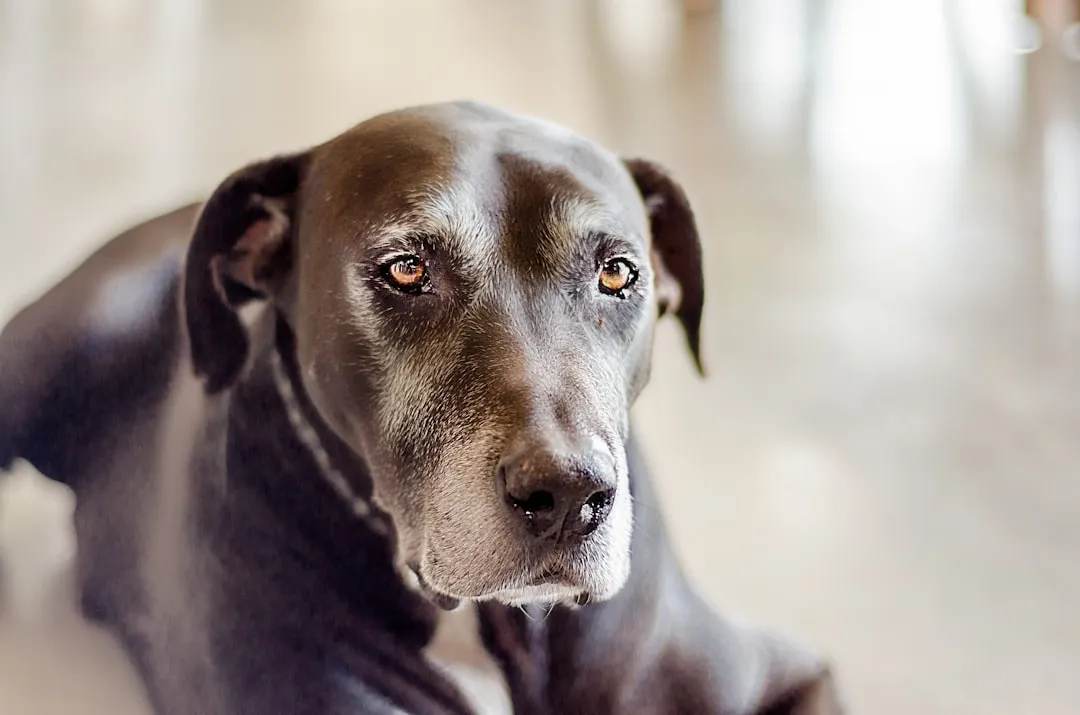
Most people underestimate how closely dogs track human emotion. In seniors, that sensitivity often intensifies rather than fades. An old dog may sleep more, but when it’s awake, it’s watching you – reading your stress, your arguments, your grief as potential danger.
If you’re constantly snapping, crying, or doom-scrolling beside your dog, it doesn’t think, “She’s having a rough week.” It thinks something is wrong with its pack, and it can’t fix it. That’s often why older dogs turn velcro-clingy, trailing one person from room to room – not out of neediness, but to anchor themselves to the safest, most predictable thing in the house.
Here’s the uncomfortable part: your dog also mirrors your emotional energy at the end of its life. If every vet visit turns you into a shaking, weeping mess, your dog walks into that lobby already afraid. If conversations about “when it’s time” happen only in tense whispers, your dog senses the dread long before any needle is mentioned. This doesn’t mean becoming a robot. It means:
- Keeping your tone gentle and steady around them, even on bad days
- Avoiding big fights or raised voices near their bed
- Planning end-of-life decisions early, so you’re calmer when it counts
Many owners say, “I don’t want to talk about it, it’s too sad.” Ironically, that silence is often what makes the final weeks more chaotic and frightening – for both of you.
#5 – “Don’t Starve Me or Force Me – My Appetite Is Telling You a Story”

One of the most confusing late-life signals is food. Some old dogs seem hungry constantly; others suddenly stop eating altogether. Owners swing between panic and denial. If your dog could speak plainly, it would say: my appetite is data – listen to it, don’t fight it.
When a dog that’s always loved food starts picking at the bowl or hiding instead of eating, that’s rarely pickiness. It’s often nausea, dental pain, organ disease, or deep discomfort. On the flip side, some dogs with conditions like Cushing’s disease act ravenous while still losing muscle and weight – more treats won’t fix that. What your dog really needs is a vet check the moment its normal eating pattern changes for more than a day or two, and food that’s easier to chew, smell, and digest as its senses fade.
Worth Knowing
- Sudden pickiness can signal nausea, dental pain, or organ disease rather than boredom with food
- A ravenous appetite paired with weight loss can point to conditions like Cushing’s disease
- A change lasting more than a day or two deserves a vet visit, not just a bland-diet swap
- Warmer, softer, more aromatic meals often help as smell and taste naturally fade
Here’s the hard truth many people resist: forcing food into a dog at the very end, through syringes or constant hand-feeding, can prolong suffering instead of life. Your dog isn’t asking you to never give up. It’s asking you to understand that long-term appetite loss is often the body’s own message that it’s done. Respecting that line is one of the hardest, kindest things you can do.
#6 – “Decide Before I’m in Crisis, Not After”
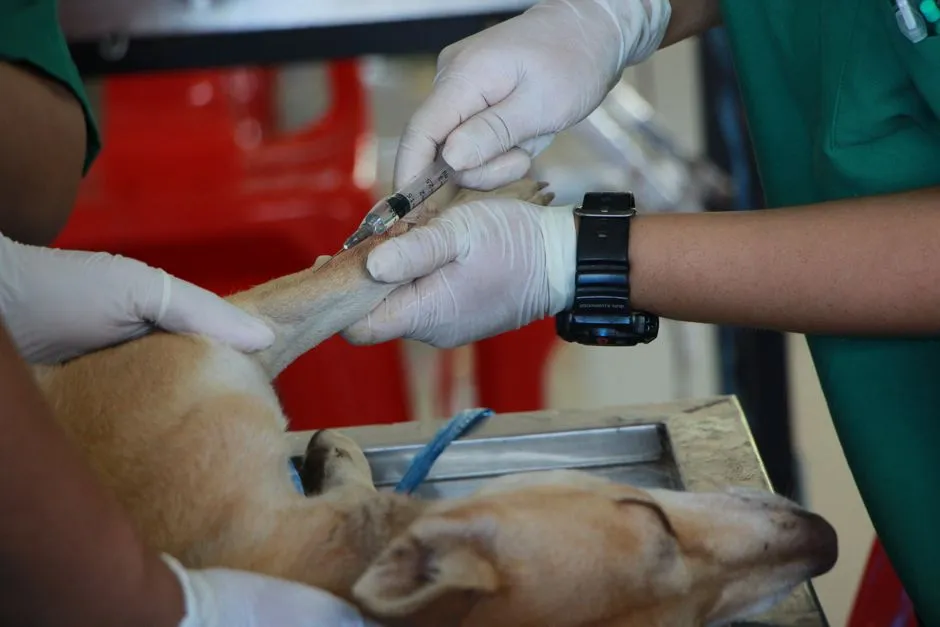
Most owners secretly hope for the perfect ending – their dog slipping away peacefully in its sleep, no hard decisions required. The harsh reality is that scenario is rare. Far more often, a senior dog hits a crisis – unable to stand, gasping for breath, crying in pain – and the family is blindsided in the worst possible moment.
If your dog could talk, it might say: please don’t wait until I’m terrified to decide what mercy looks like. Veterinarians consistently report that most people wait too long rather than too soon – held back by guilt, conflicting opinions, or the hope that “he’ll bounce back again like last time.” Meanwhile, the dog endures days or weeks of unmanaged suffering.
Your dog doesn’t understand your calendar or your dread of grief. It only understands whether today was more good than bad. The most loving thing you can do is brutally practical:
- Build a clear “quality of life” checklist while your dog still has good days
- Decide in advance what your red lines are – inability to walk, persistent pain, repeated emergencies
Fast Facts
- Veterinary hospice specialists often use structured quality-of-life scales – like the well-known HHHHHMM framework – to score pain, hunger, hygiene, happiness, mobility, and more good days than bad
- Reviewing that checklist weekly, not just during emergencies, helps families catch decline early
- Writing scores down turns a vague “he seems okay” into an honest, trackable trend
This is controversial, but it’s true: choosing to say goodbye a little “early” is usually far kinder than forcing your dog through one last catastrophic “too late.” Your dog doesn’t want to die. It wants you to protect it from a death soaked in terror and pain.
#7 – “Remember Me for My Life, Not Just My Last Day”
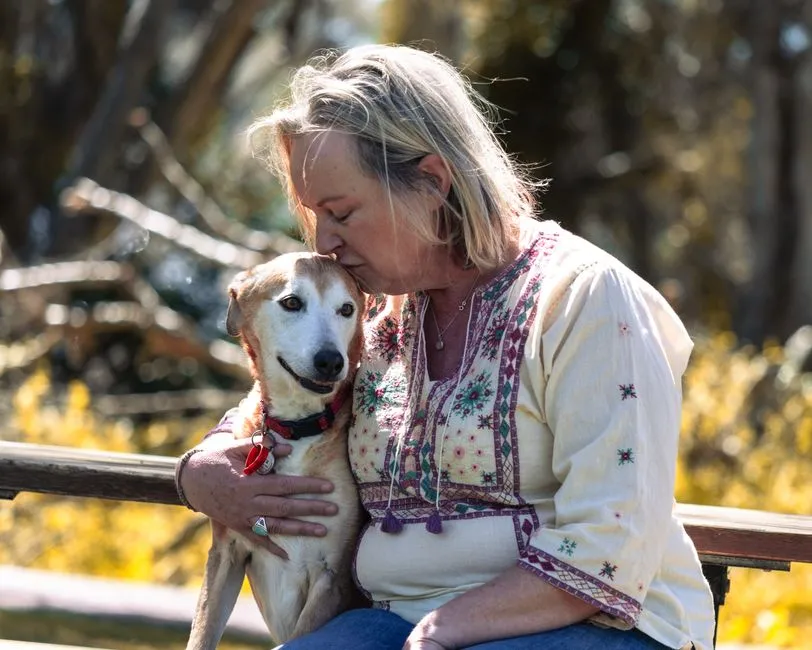
By the time your dog reaches the end, you’ll have shared thousands of small routines – the morning route you always walked, the sound of paws on the floor when you opened a certain cabinet, the sigh before it curled into your knees. But grief has a cruel habit of zooming in on the worst moments: the IV line, the last car ride, your own shaking hands.
If your dog could leave you with one final request, it might be this: don’t let my last hour erase my entire life. In practice, that means telling stories out loud about its weird habits and ridiculous mischief, and keeping one or two deeply meaningful items – a tag, a favorite toy, a collar – rather than a shrine of everything.
At a Glance
- Keep one or two meaningful keepsakes instead of saving everything
- Write down favorite quirks and mischief stories while the memories are fresh
- Revisit photos from the healthy years, not just the final months
- Allow yourself to grieve without labeling every decision “too soon” or “too late”
Some experts argue that how humans remember their pets shapes how they treat the next one. Carry only guilt – I waited too long, I did it too soon – and you may overcorrect with your next dog, rushing decisions or avoiding medical care out of fear. Your old dog doesn’t want to be the reason you’re afraid to love again. It wants you to learn from its life, forgive yourself for its death, and eventually give another animal the kind of home it was lucky enough to have.
The Bottom Line
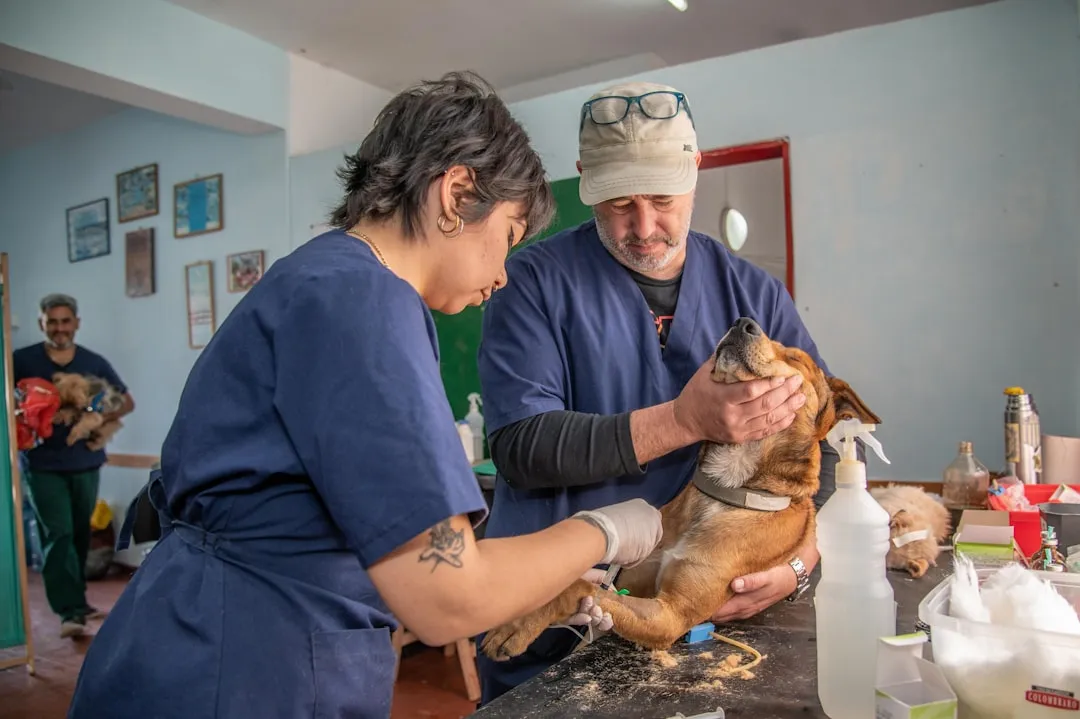
Most people believe loving an old dog is enough – more cuddles, softer beds, extra treats. What senior dogs actually need is less romantic and far more ruthless: early pain management, blunt quality-of-life decisions, and owners willing to face death before it’s pounding at the door.
That doesn’t photograph well for social media, which is partly why so many dogs suffer quietly in their final months while their families cling to clichés about miracles and “letting nature take its course.” If there’s one thread running through everything your old dog wishes it could say, it’s this: trade your fear of grief for its freedom from suffering.
That might mean starting arthritis meds years earlier, having the hard conversation while everyone can still think clearly, or accepting that a dog who’s stopped eating is sending a message, not issuing a challenge. Some people will always say, “I could never choose that.” The truth is, you’re already choosing – every day you delay, every sign you explain away.
Did we get it wrong, or did we say what you’ve been afraid to admit? Tell us what your old dog “told” you in the comments.

- 11 Silent Messages an Aging Dog Sends That Owners Read Too Late - July 29, 2026
- 16 Horse Breeds Vets Say Break More Beginner Hearts Than Any Other - July 29, 2026
- What Your Old Dog Wishes It Could Tell You Before the End - July 29, 2026