
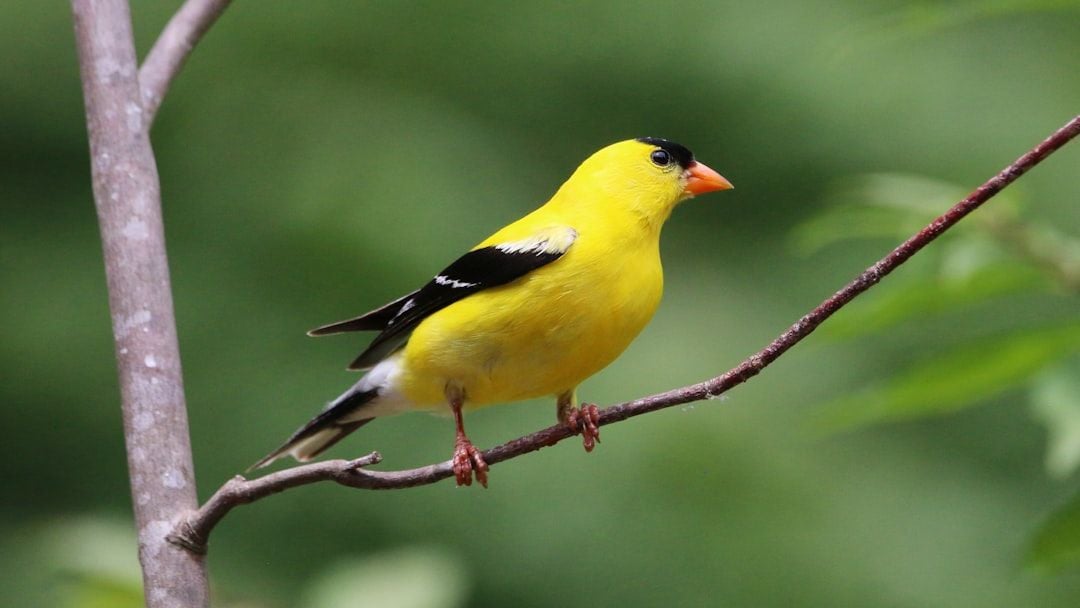
Most people blame migration or bad luck when goldfinches vanish from their feeders. The truth is far more fixable – and far more frustrating once you realize how small the culprits usually are. These birds are among the pickiest backyard visitors in North America, and a single overlooked detail can empty a feeder overnight without any obvious warning.
What’s surprising is how often the same solvable problems keep showing up: stale seed, wrong placement, a roaming hawk, a garden that’s just a little too tidy. Work through these 13 reasons and there’s a good chance you’ll spot your exact problem before you get to the end – along with the one fix most gardeners never think to try.
#13 – Breeding Season Quietly Pulls Them Away From Feeders
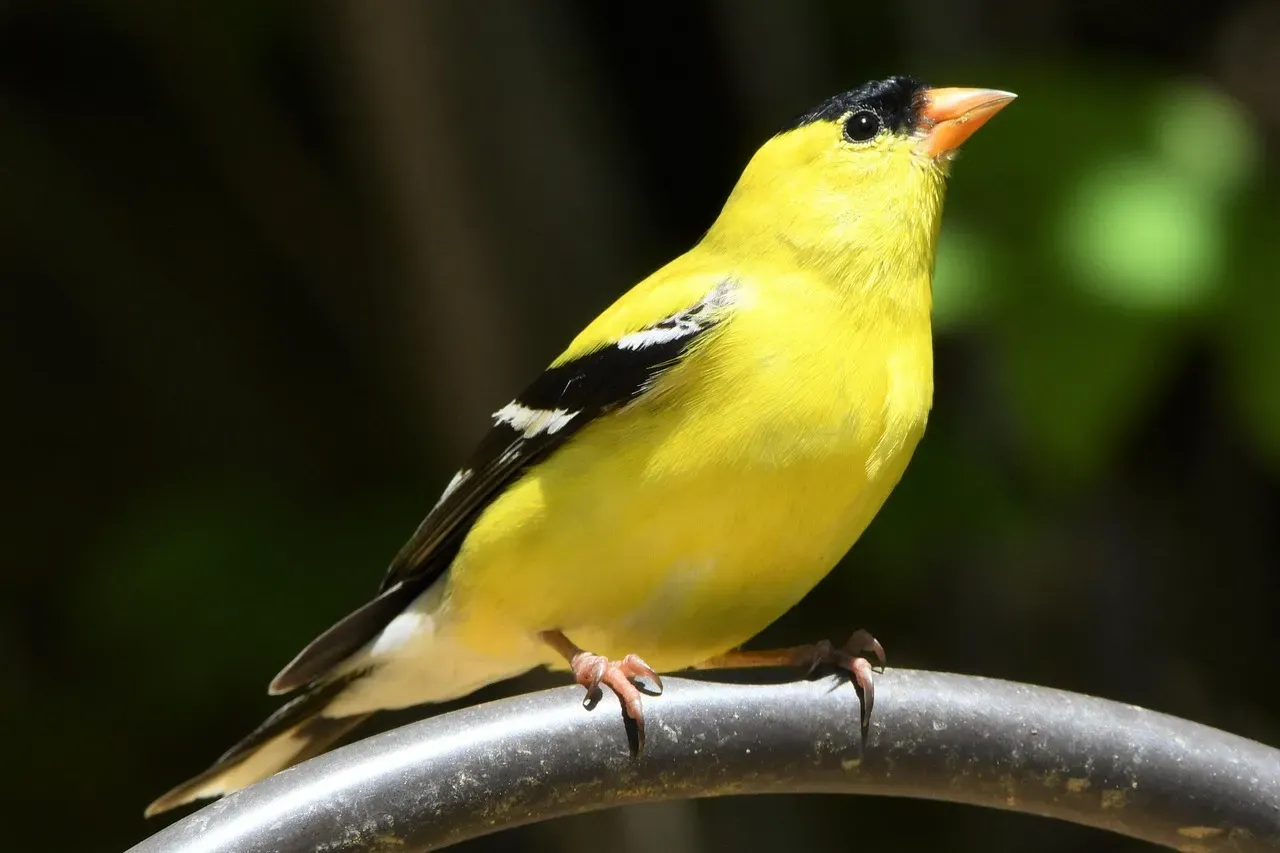
Goldfinches nest later than almost any other songbird in North America. While robins and bluebirds are already raising second broods, goldfinches are just getting started – timing their nesting to coincide with peak summer seed production in July and August. That’s not a coincidence; it’s a survival strategy.
During those weeks, abundant wild weed seeds scattered across fields and roadsides pull flocks away from artificial feeders naturally. The birds haven’t left your area – they’ve just found a buffet. Feeder traffic drops off sharply, looks like abandonment, and then quietly rebounds in early fall. This pattern repeats every single year, and it has nothing to do with permanent loss.
Fast Facts
- The American Goldfinch is one of the last songbirds in North America to breed each summer, with peak nesting in July and August.
- Goldfinches time their nesting to coincide with peak seed availability – particularly thistle and milkweed – which they use both as food and as nest-lining material.
- Females typically lay 2 to 7 pale blue eggs; incubation takes roughly two weeks, and chicks fledge about two to two-and-a-half weeks after hatching.
- Most mating pairs raise only a single brood per year because the nesting window is so compressed.
- The American Goldfinch is the official state bird of Iowa, New Jersey, and Washington.
#12 – Stale Nyjer Seed Is the Invisible Feeder Killer
Goldfinches will reject nyjer seed the moment it loses freshness – and they will remember that feeder as a bad option. The tiny oil-rich seeds go rancid surprisingly fast, especially in summer heat and humidity. Within two to three weeks of opening a bag, the oils can separate, the seeds clump together, and the whole tube starts giving off a faint off-smell that you might not notice but the birds absolutely do.
Fresh nyjer has a distinct glossy black sheen and flows freely through the ports. Stale seed looks dull, feels sticky, and often cakes at the bottom. Most gardeners keep pouring from the same bag for months without realizing the problem. Replacing stock every two to three weeks during warm weather – and every one to two weeks during peak heat and humidity – is the single most impactful maintenance habit you can develop for goldfinch feeders.
Quick Compare: Nyjer vs. Sunflower Chips
- Nyjer seed: Gold standard for attracting goldfinches; high oil content they crave, but spoils quickly in heat and humidity and requires specialty tube feeders.
- Sunflower chips (hulled): Handles humidity better, easier to visually check for freshness, no shell waste, and attracts a broader mix of species including chickadees and titmice.
- Best approach: Keep both options available; lean on sunflower chips during the hottest weeks when nyjer clumps most aggressively.
- Freshness test for nyjer: Crush a few seeds on white paper – fresh seeds leave a small oily stain; dull, dry seeds leave nothing.
#11 – Dirty Feeders Drive Picky Birds Straight to the Neighbor’s Yard
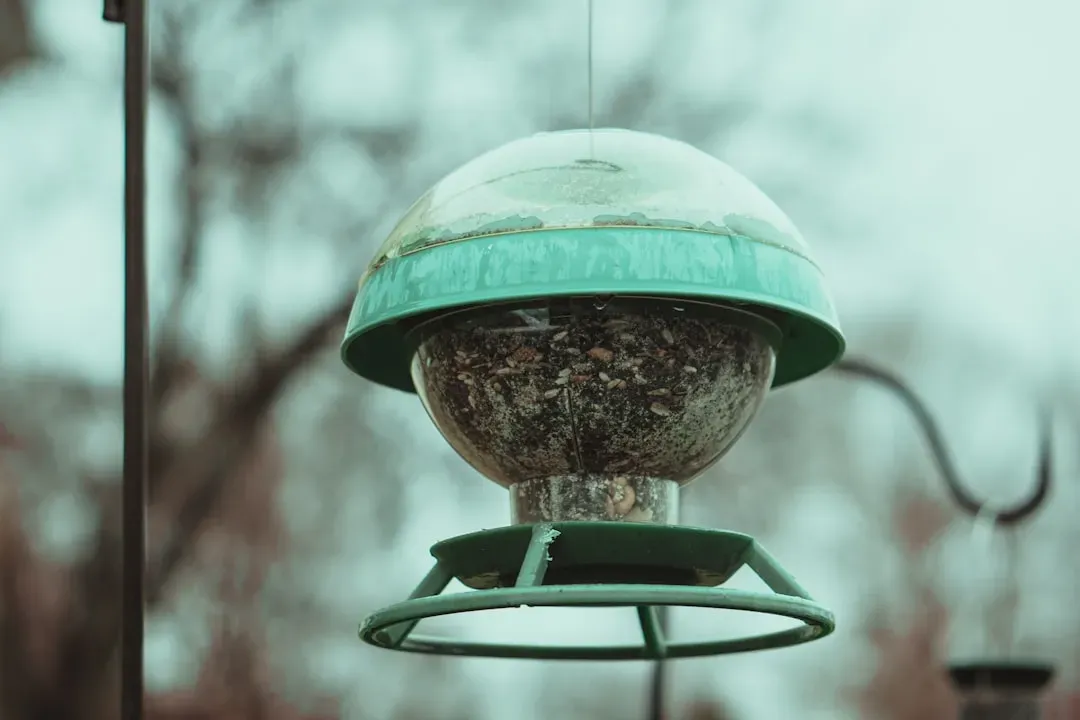
Even a faint residue of mold or old oil on the mesh or ports is enough to keep goldfinches from landing. These finches have a strong aversion to any station that shows signs of contamination – they’d rather fly an extra quarter-mile than risk getting sick. It’s an instinct that has served them well in the wild, and it makes them brutally unforgiving of neglect at the feeder.
A monthly scrub with a dilute bleach solution, followed by thorough rinsing and complete air-drying before refilling, resets a feeder’s reputation quickly. Pay special attention to the ports and perches – that’s where seed oils accumulate fastest and where the first signs of mold appear. Consistent cleaning is less glamorous than buying new feeders, but it works far better.
#10 – Poor Feeder Placement Puts Birds in Danger
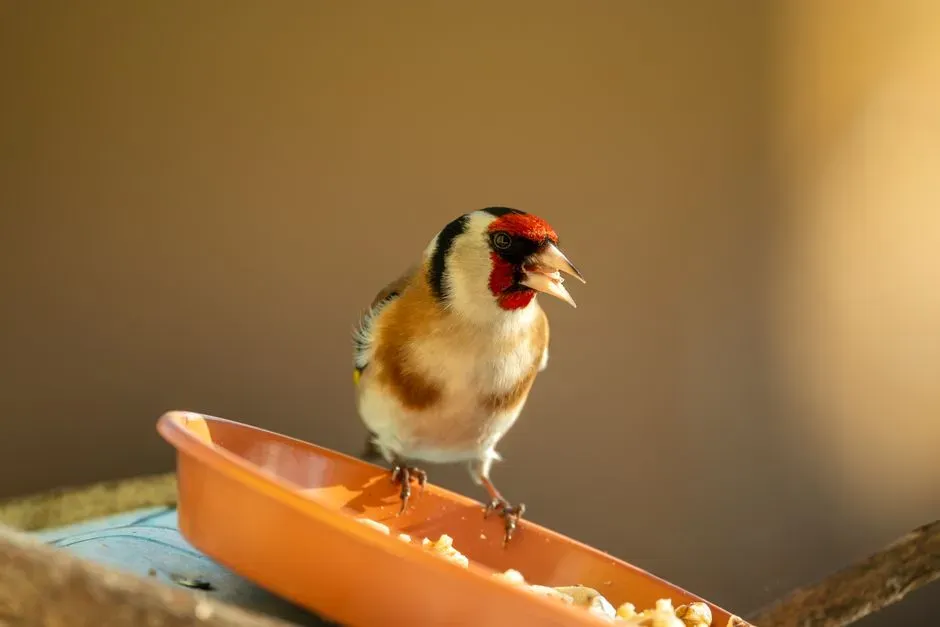
A feeder hung in the wrong spot can feel like a trap to goldfinches. Stations placed too close to large windows create collision risks that birds quickly learn to avoid. Feeders set out in the open without nearby shrubs or trees leave no escape route when a predator arrives – and goldfinches are acutely aware of that vulnerability every second they’re eating.
The general guideline is to position feeders either within three feet of a window (close enough that collisions aren’t fatal) or at least 10 feet away. More importantly, make sure there’s dense cover – a shrub, a hedge, even a brush pile – within a short flight. Moving a feeder just a few feet, or adding a simple anti-collision screen, often brings birds back within days of the change.
#9 – One Hawk Can Empty Your Yard for Weeks
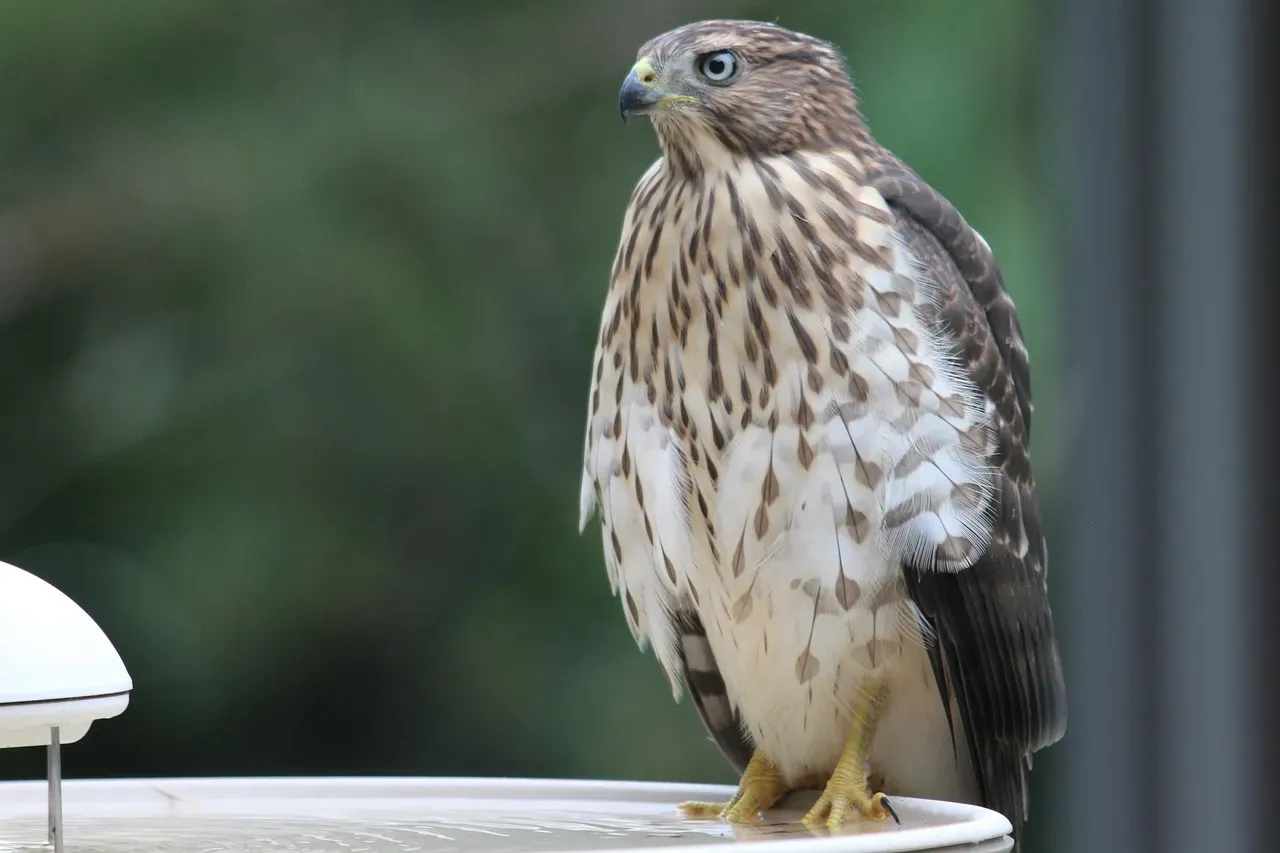
A single Cooper’s hawk hunting your neighborhood can shut down goldfinch traffic faster than any other variable on this list. These birds are hard-wired to communicate danger across the flock, and once a feeding station gets tagged as a high-risk zone, the whole group reroutes. The same goes for a neighbor’s free-roaming cat that has started patrolling near your feeders.
The fix isn’t to chase predators away – it’s to reduce the exposure. Feeder baffles block ambush approaches. Dense cover gives birds an escape. Keeping cats indoors removes constant ground-level pressure. Once the threat pattern breaks, goldfinch traffic typically rebounds on its own, sometimes within a few weeks.
#8 – Summer Heat Turns Nyjer Into a Clogged Mess
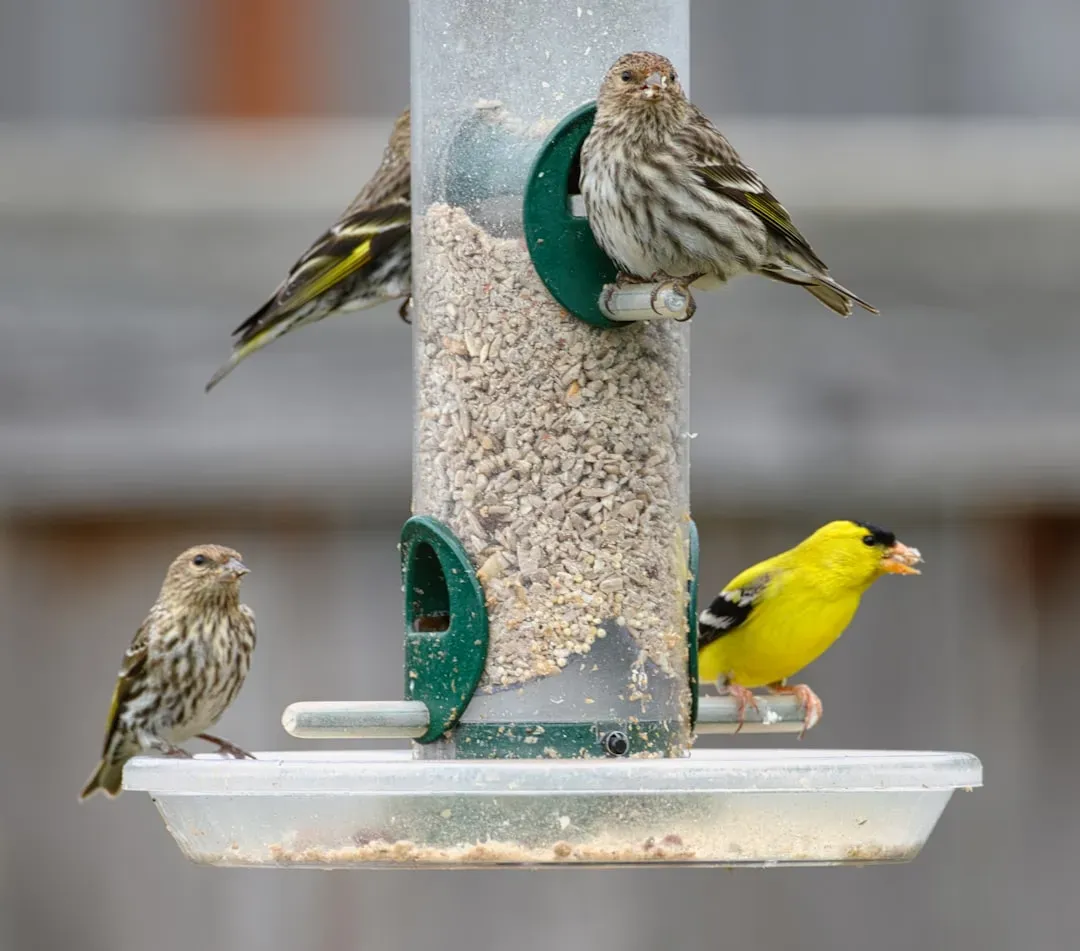
Nyjer seed depends on loose, free-flowing texture for goldfinches to extract it from feeder ports. When temperatures climb, the natural oils in the seed soften and cause it to clump together inside the tube. Birds peck at the ports, get nothing, and move on. The feeder looks full but is functionally empty – one of the more maddening scenarios in backyard birding.
The seasonal workaround is straightforward: switch to sunflower chips or hulled sunflower hearts during the hottest weeks of summer. They don’t clump, they’re high in fat and protein, and goldfinches love them. Many experienced feeders keep both options available, rotating based on the weather. It’s the kind of small seasonal adjustment that makes a noticeable difference in late July traffic.
#7 – Molting Birds Look Nothing Like the Goldfinches You Know
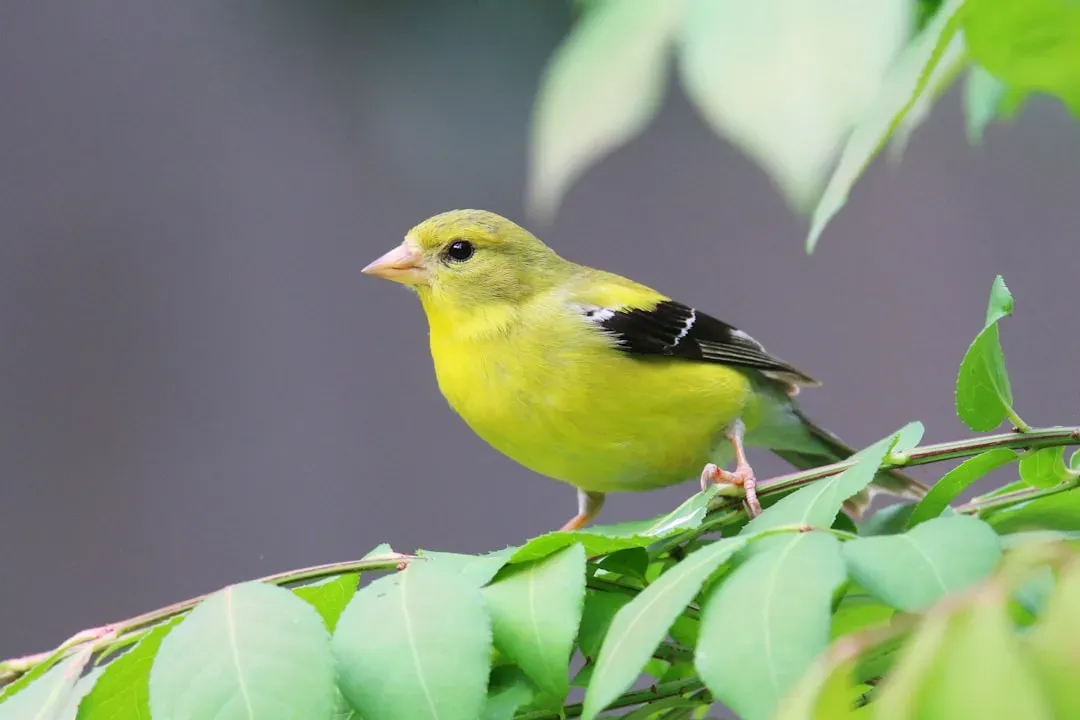
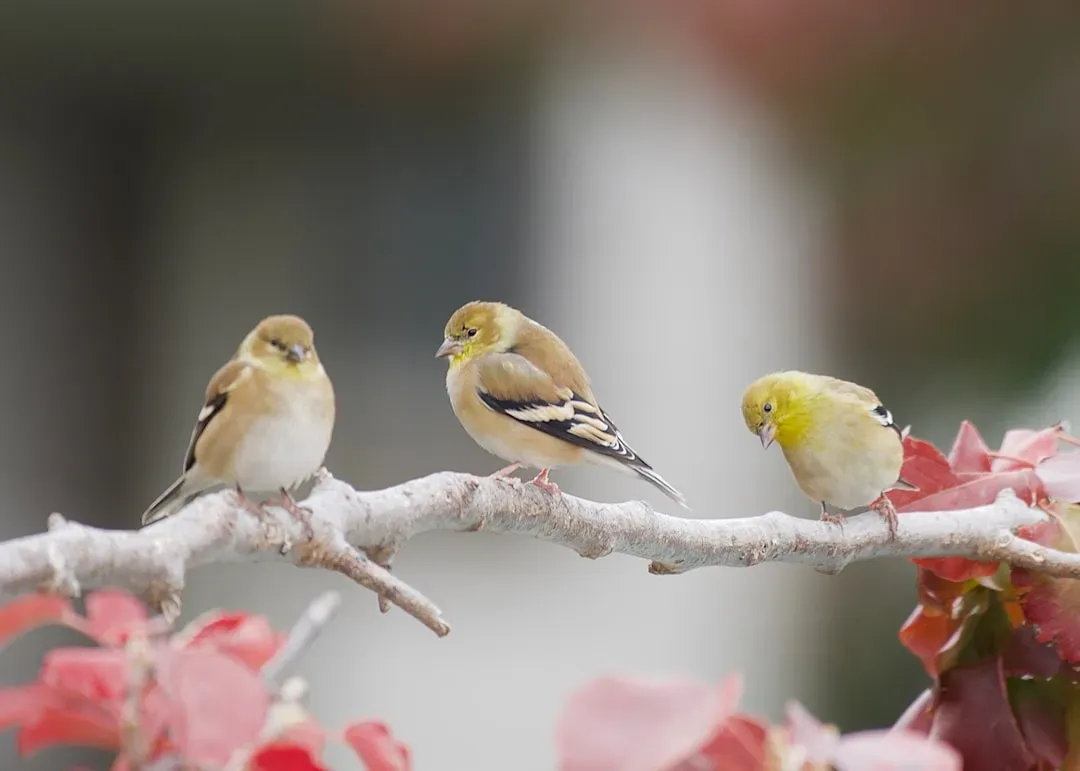
Every summer, goldfinches swap their brilliant canary yellow for dull olive-brown, and fledglings arriving at feeders never had the bright plumage to begin with. The result is a feeder full of birds that most people simply don’t recognize as goldfinches. Observers assume the familiar birds have left when they’re actually still showing up every morning in completely different outfits.
The tell is in the details that don’t change: the distinctive bold white wing bars, the small conical bill, and that bounding, undulating flight pattern as they approach. Once you know what to look for beyond color, the birds become identifiable year-round. This visual shift fools experienced watchers every single year – it’s worth knowing before you pull your feeders in frustration.
At a Glance: Goldfinch Plumage by Season
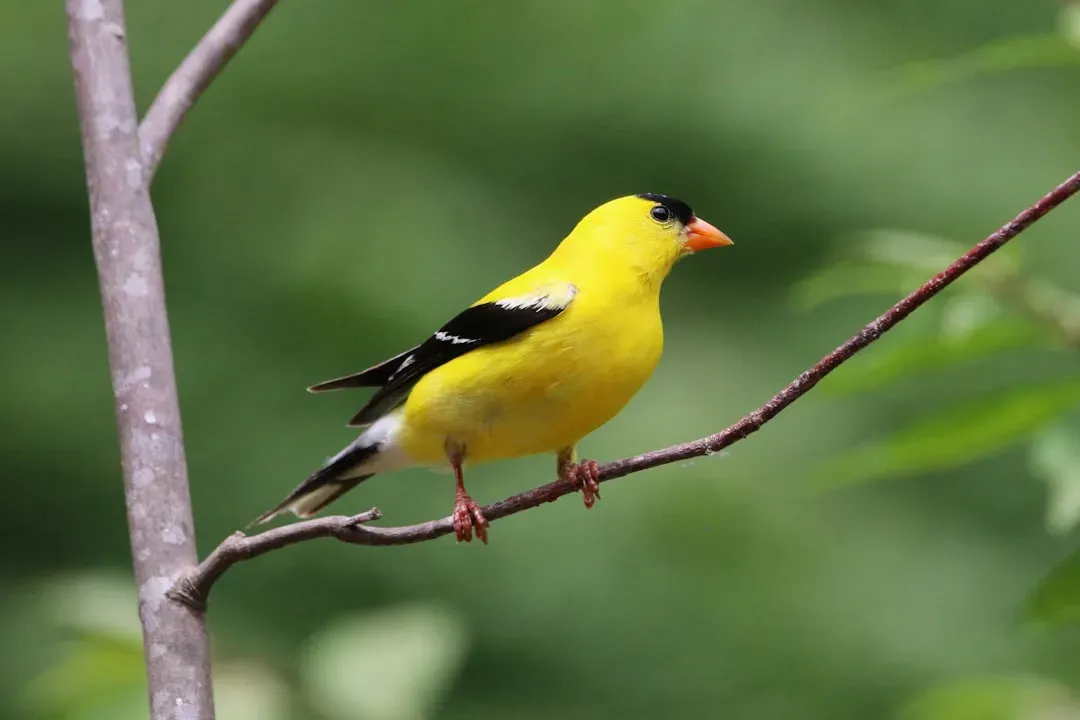
- Spring/Summer males: Brilliant yellow body, bold black cap, black wings with crisp white wing bars – the classic “wild canary” look.
- Fall/Winter males: Complete molt replaces all feathers; body becomes drab olive-yellow or brownish-gray; black cap fades or disappears entirely.
- Females year-round: Duller olive-yellow overall, lacking the black cap, with white wing bars that remain visible in all seasons.
- Juveniles and fledglings: Brown above, pale yellow below, with buffy wing bars – easy to mistake for an entirely different species.
- Year-round ID clues: Conical bill, white wing bars, notched tail, and the bouncing undulating flight pattern never change regardless of season.
#6 – Goldfinches Are Natural Wanderers With No Feeder Loyalty
Unlike chickadees or nuthatches, goldfinches don’t form strong attachments to specific feeding sites. They’re nomadic by nature, constantly scouting and sampling new food sources across a wide territory. When wild seed crops pop up in a nearby field or meadow, entire flocks will abandon feeders entirely and follow the bounty – sometimes for weeks.
This explains one of the more baffling patterns in backyard birding: your feeder goes quiet while your neighbor’s, just fifty yards away, stays packed. The solution is to maintain multiple feeder styles and locations rather than relying on a single station. Variety and redundancy give roaming flocks more reasons to include your yard in their daily circuit, especially when natural food gets scarce again in fall.
#5 – No Water Source Means Fewer Return Visits
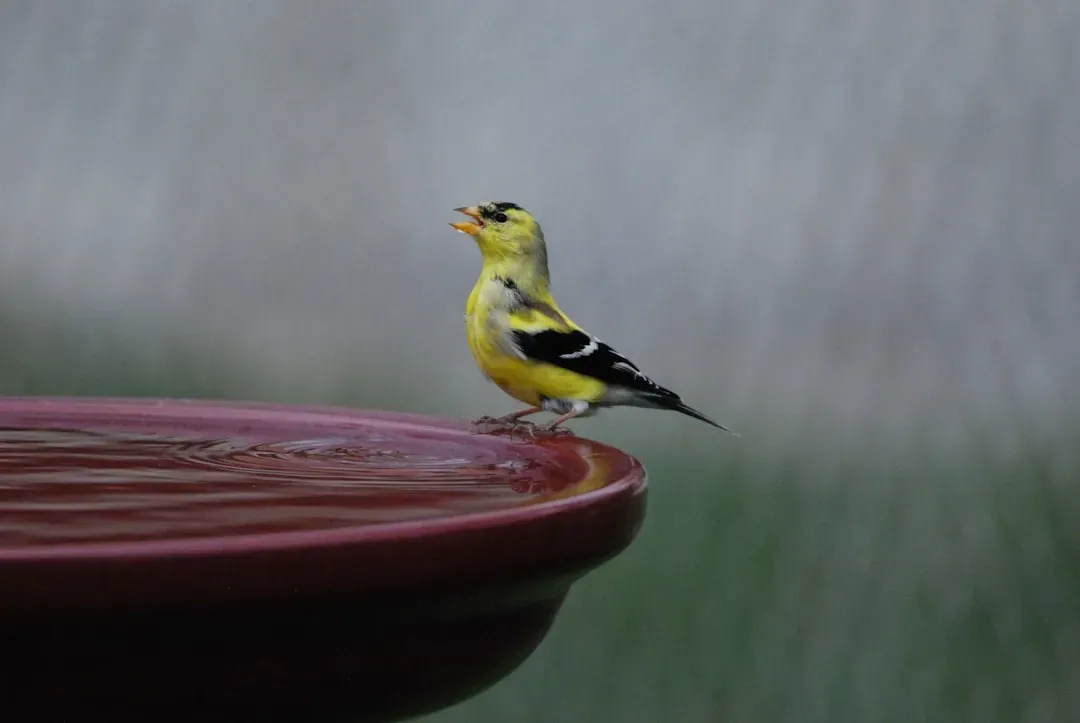
Goldfinches eat almost exclusively seeds, which means they generate significant thirst and need reliable water for drinking and bathing nearby. A yard with great food but no water source forces birds to split their time between feeding spots and water spots elsewhere – and over time, they tend to consolidate around yards that offer both in one place.
A shallow birdbath positioned close to the nyjer feeder is the baseline fix. Add a dripper or small solar fountain and the effect is noticeably stronger – moving water catches the eye and ear of passing birds from a distance. This addition consistently ranks among the highest-impact, lowest-effort upgrades for goldfinch retention, and it costs almost nothing if you already have a basic bath.
#4 – Lawn and Garden Chemicals Wipe Out the Birds’ Food Chain
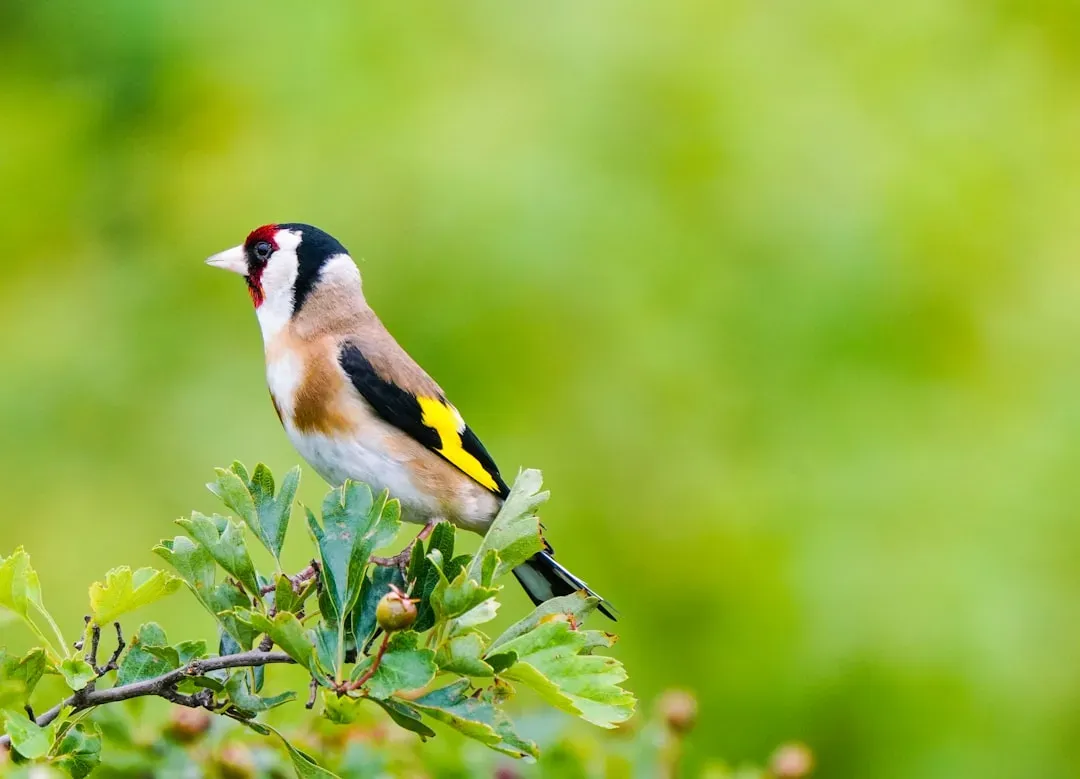
Even a light pesticide application does quiet, widespread damage to a goldfinch-friendly yard. Herbicides eliminate the weedy plants that produce the seeds birds depend on between feeder visits. Insecticides reduce the insect population that newly hatched chicks need for protein in their first weeks of life. The yard looks tidy and the grass looks green, but from a goldfinch’s perspective it’s a food desert.
Birds are sensitive to treated areas and will shift their foraging to untreated neighboring yards, sometimes for an entire season. Switching to organic lawn care or simply reducing spray applications – especially around garden borders and natural areas – often brings flocks back within months. The hidden cost of routine lawn chemicals surprises most gardeners when they finally make the connection.
#3 – Bigger Birds Are Crowding the Goldfinches Out
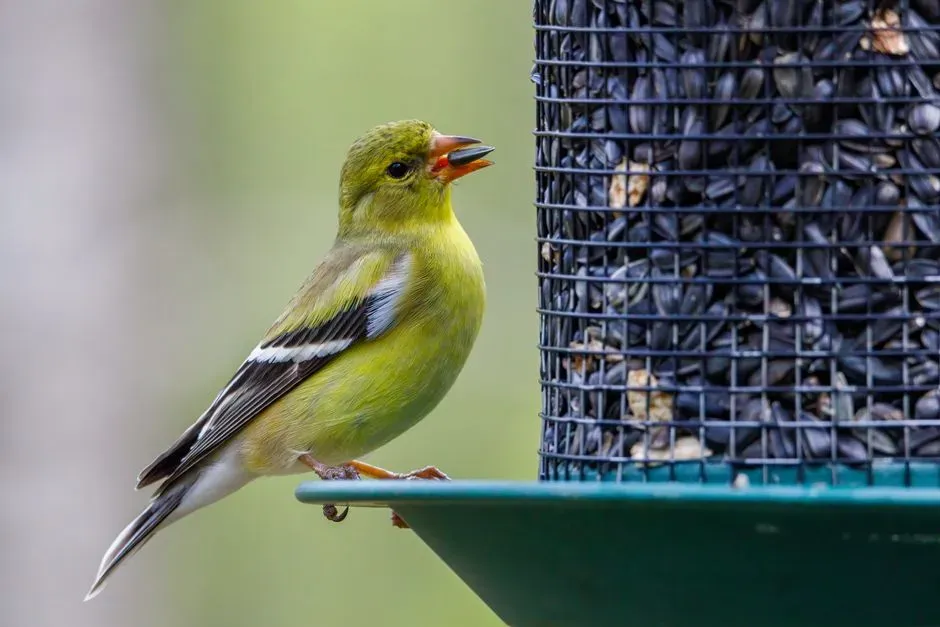
House finches and sparrows are larger, more aggressive, and faster at a feeder than goldfinches. At a standard hopper or platform feeder loaded with sunflower seed, those species dominate and push smaller finches to the edges – or off entirely. Goldfinches are not fighters, and they won’t compete at a station where they’re consistently losing.
The separation tactic works better than most people expect: dedicated nyjer tube feeders or mesh socks, placed away from the main hopper station, create a physical feeding zone that larger birds can’t efficiently use. The smaller ports favor the goldfinches’ short conical bills. Placing these specialty feeders in a quieter corner of the yard gives the birds the low-stress feeding environment they prefer.
#2 – Disease Outbreaks Give Feeding Stations a Lasting Bad Reputation
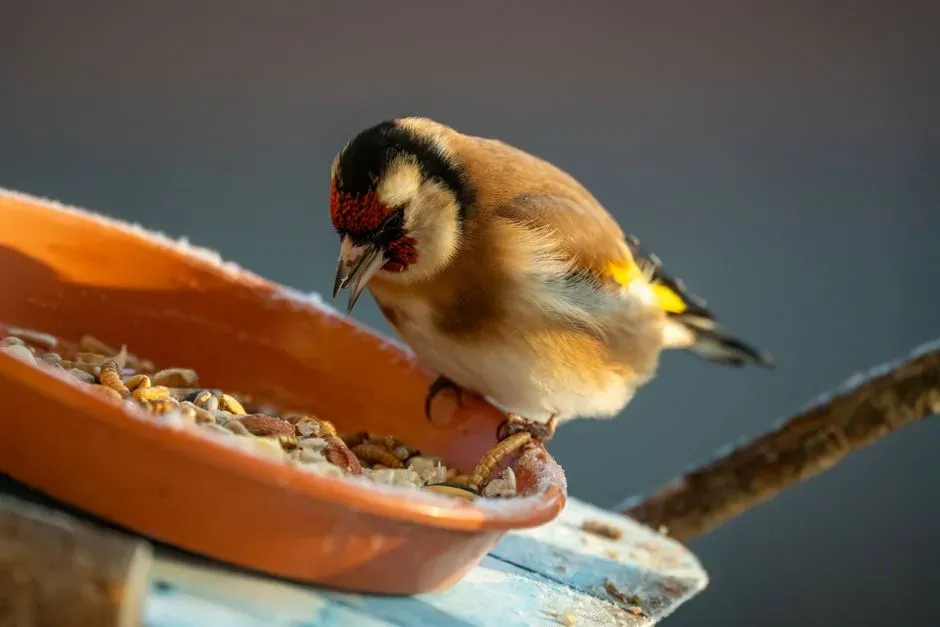
Salmonella and avian conjunctivitis – the eye infection that causes crusty, swollen lids – can circulate through a contaminated feeding station and spread through an entire flock visiting that site. Goldfinches are particularly sensitive, and once birds associate a location with illness, they stay away. The behavioral avoidance can persist for months even after the actual disease risk is gone.
Consistent hygiene is the only real prevention: scrub feeders monthly, rake and remove spilled seed from the ground beneath stations regularly, and take feeders down temporarily if you notice sick birds in the area. The reputation damage a contaminated station earns among local flocks is slow to repair. Staying ahead of it is far easier than trying to rebuild goldfinch trust after an outbreak.
#1 – A Too-Tidy Garden Removes the Food Source Birds Actually Prefer
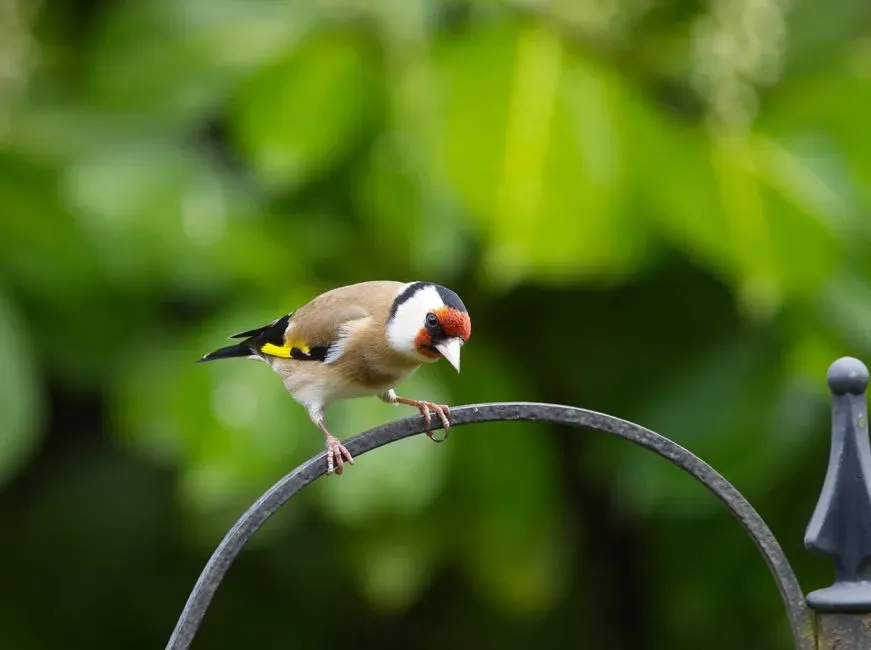
Here’s the one most gardeners never consider: goldfinches evolved alongside native plants, not feeders. When a yard includes native coneflowers, thistles, milkweed, and other composites left standing through fall and winter, birds have a reliable natural seed source that they trust far more than any tube feeder. The moment those plants get deadheaded or mowed down in the name of fall cleanup, that backup disappears entirely.
Leaving native seed heads intact through winter – even in just one corner of the garden – creates the kind of habitat that keeps goldfinches returning regardless of whether the feeder is full. This single landscaping choice often outperforms any feeder upgrade, seed switch, or placement adjustment. It’s the fix most gardeners miss because it requires doing less, not more: putting down the pruners and letting the garden stay a little wild.
Worth Knowing: Best Native Plants for a Goldfinch Garden
- Purple Coneflower (Echinacea purpurea): A top goldfinch favorite – leave spent seed heads standing through winter as a critical cold-weather food source.
- Native Milkweed (Asclepias syriaca or A. tuberosa): Seeds feed goldfinches directly when pods split open; the fluffy down is also used by females to line nests.
- Native Thistles (field, wavyleaf, or Flodman’s): Goldfinches eat the seeds and weave the silky down into their tightly constructed nests – stick to non-invasive native varieties.
- Native Sunflowers (Helianthus maximiliani or H. divaricatus): Produce large quantities of nutrient-rich seeds; leaving seed heads standing turns them into natural bird feeders.
- Asters, Black-Eyed Susans, and Goldenrod: Late-season bloomers that extend the natural seed buffet well into fall when feeder alternatives are most valuable.
The Real Pattern Behind Every Disappearance
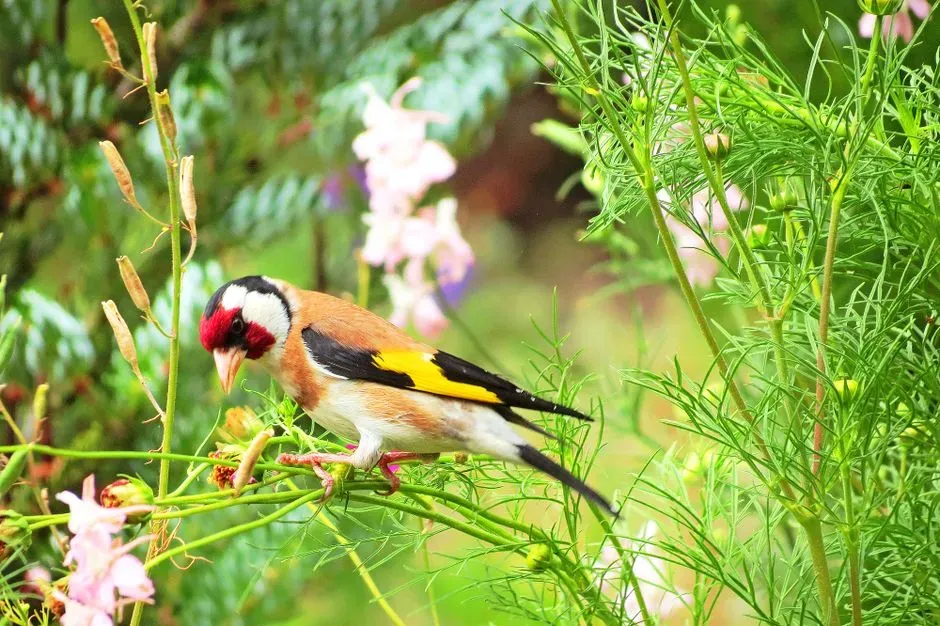
Goldfinches don’t vanish from yards randomly. They leave for predictable, correctable reasons – stale food, dirty equipment, missing water, chemical exposure, too much tidiness, or a hawk that’s been hunting the block for two weeks. The birds are consistent; the problems are consistent; and once you start matching symptoms to causes, the fixes become obvious fast.
The one change that consistently surprises people with its impact is the simplest: stop cleaning up the garden so completely in fall. Leave the coneflower stalks, the milkweed pods, the thistle heads standing. Let one corner go a little wild. Goldfinches will find it, and they’ll keep coming back long after the last bag of nyjer runs out.
Conclusion
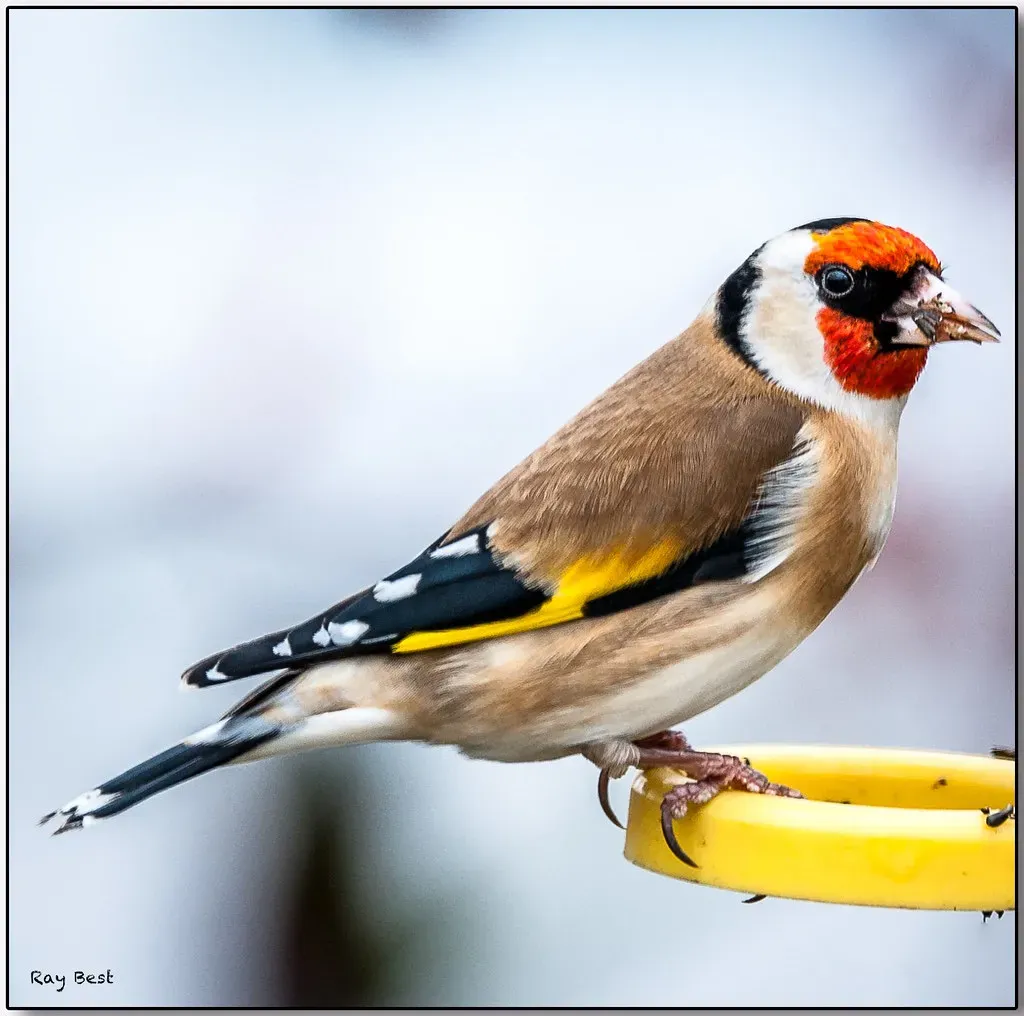
Goldfinches are not mysterious or unpredictable – they’re just uncompromising. They demand fresh seed, clean equipment, reliable water, safe sightlines, and a landscape that still has some wildness left in it. When even one of those boxes goes unchecked, they route around your yard without a second glance. The encouraging news is that every single item on this list is fixable, most of them within an afternoon.
If there’s one takeaway worth holding onto, it’s this: the yard that attracts goldfinches consistently isn’t necessarily the one with the fanciest feeders or the most carefully tended beds. It’s the one where the coneflowers still have their seed heads in January, the nyjer tube was refilled last week, and the birdbath has a small fountain running. Get those three things right, and the rest tends to follow.
