
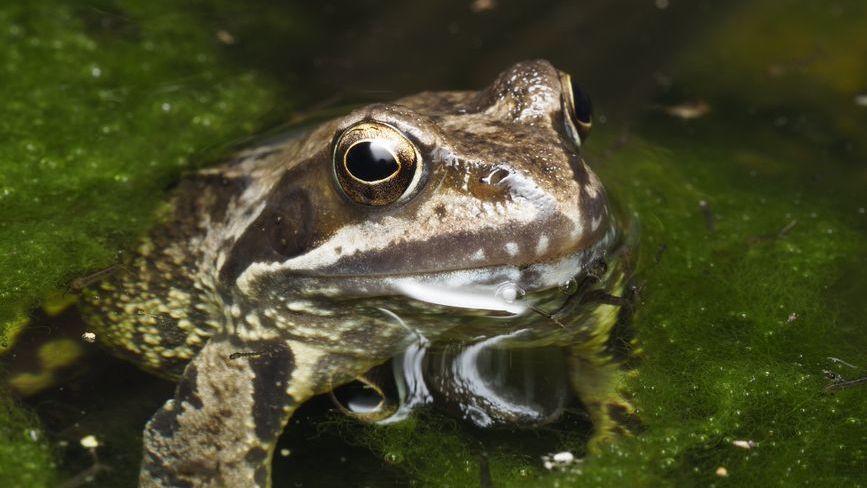
Picture a warm evening where the usual chorus of frog calls fills the air, only to fall silent without warning. That abrupt quiet often leaves people wondering what changed in the space of a few minutes.
Scientists have studied these patterns for years, and the reasons behind a sudden halt in calling point to shifts in the frogs immediate surroundings rather than any single dramatic event.
Weather Conditions Play a Quiet Role
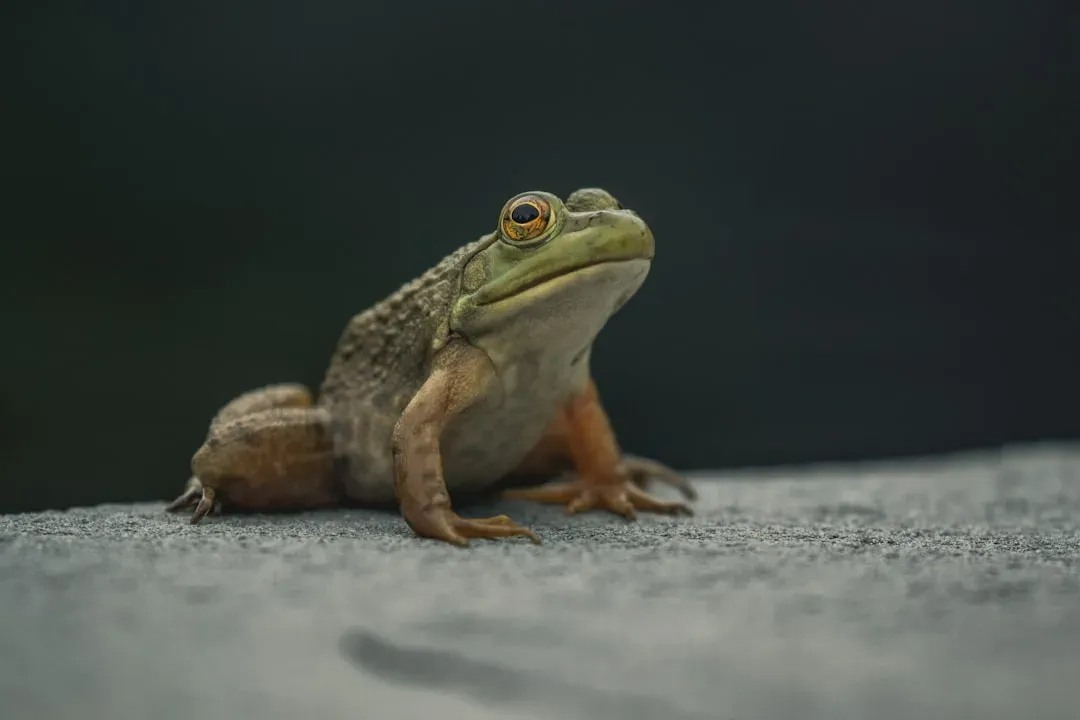
Frogs are highly sensitive to temperature and humidity levels around them. When the air grows too warm or dry, males often pause their calls to conserve energy and avoid dehydration during the effort of vocalizing.
Wind speed and barometric pressure also factor in, as these elements can make the environment less ideal for breeding activities. Researchers note that many species resume calling once conditions stabilize, showing how responsive they remain to daily weather patterns.
Disturbances From Nearby Activity
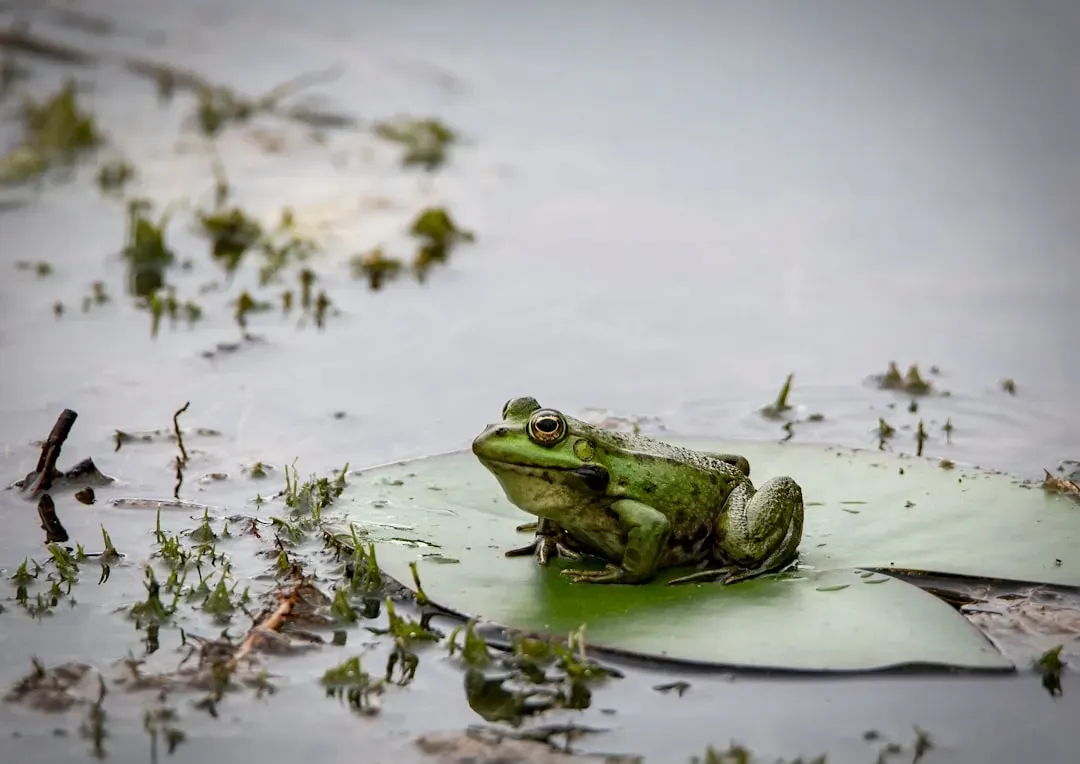
Any sudden movement or sound nearby can trigger a collective pause in the chorus. Frogs interpret these as potential threats and stop to reduce their visibility to predators that might be drawn by the noise.
Even something as simple as a passing light or footsteps tends to create this effect across multiple individuals at once. The silence serves as a temporary safety measure until the perceived risk passes.
Shifts in Habitat Quality
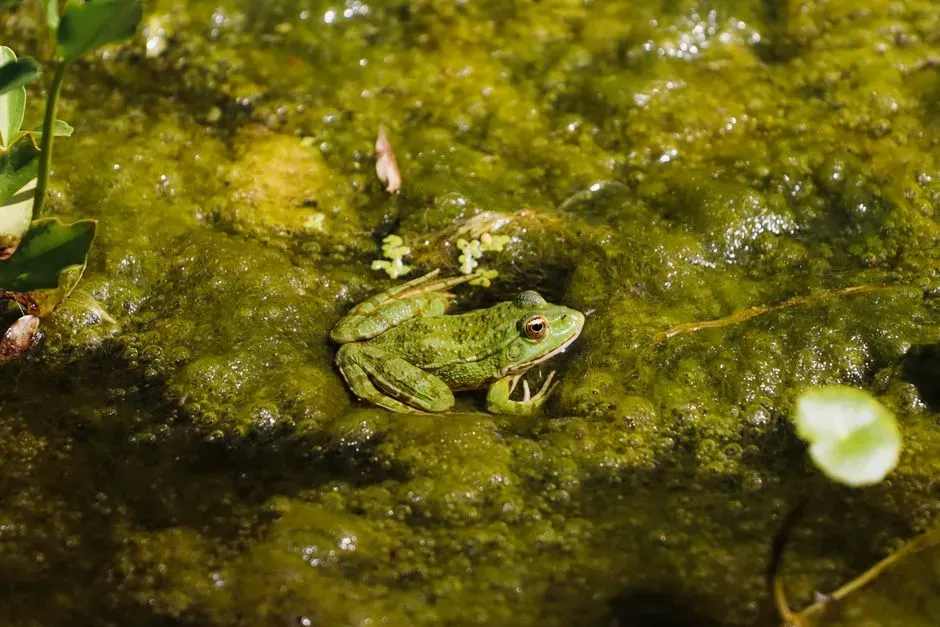
Changes to the local environment, such as altered water levels or vegetation cover, influence when and how long frogs call. Modified landscapes from development can disrupt the timing of breeding seasons in noticeable ways.
Studies show that human induced alterations often lead to earlier or delayed calling periods compared with more natural settings. This adjustment reflects the frogs ongoing effort to find suitable spots for reproduction amid evolving surroundings.
Water Quality and Chemical Influences
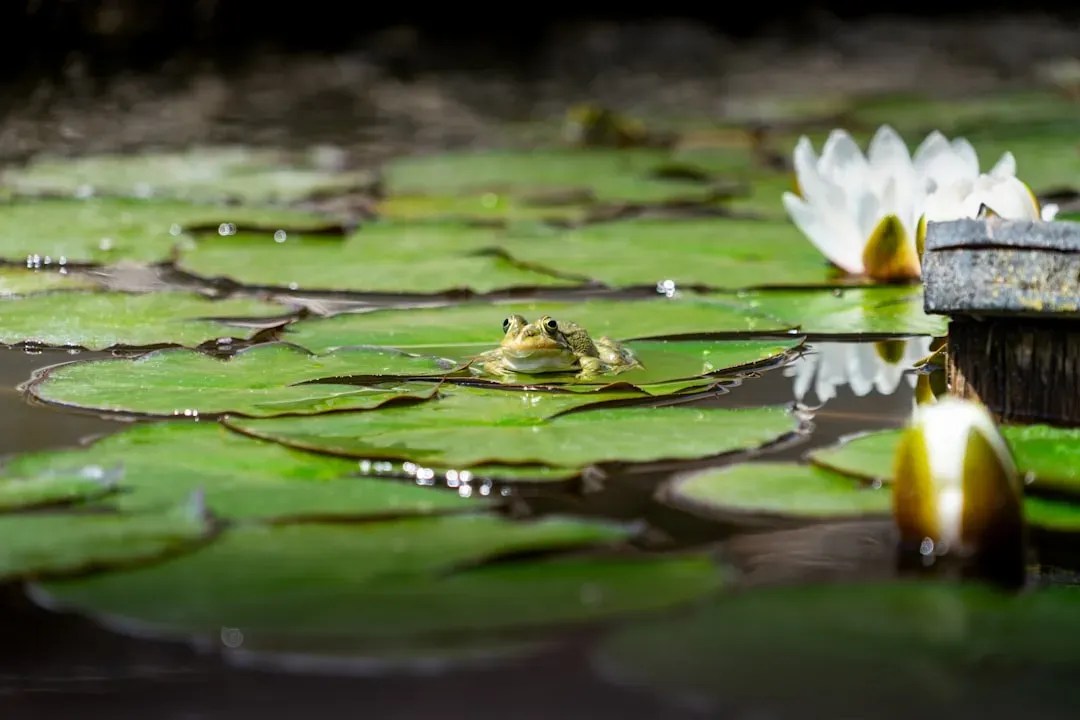
Pollutants in ponds and streams affect frog behavior because these amphibians absorb substances through their skin. Lower quality water can reduce calling activity as energy goes toward survival instead of attracting mates.
Scientists view this response as an early signal of broader environmental stress in aquatic systems. Frogs tend to become less vocal when conditions threaten the survival of eggs or tadpoles that would follow.
Disease Pressures on Populations
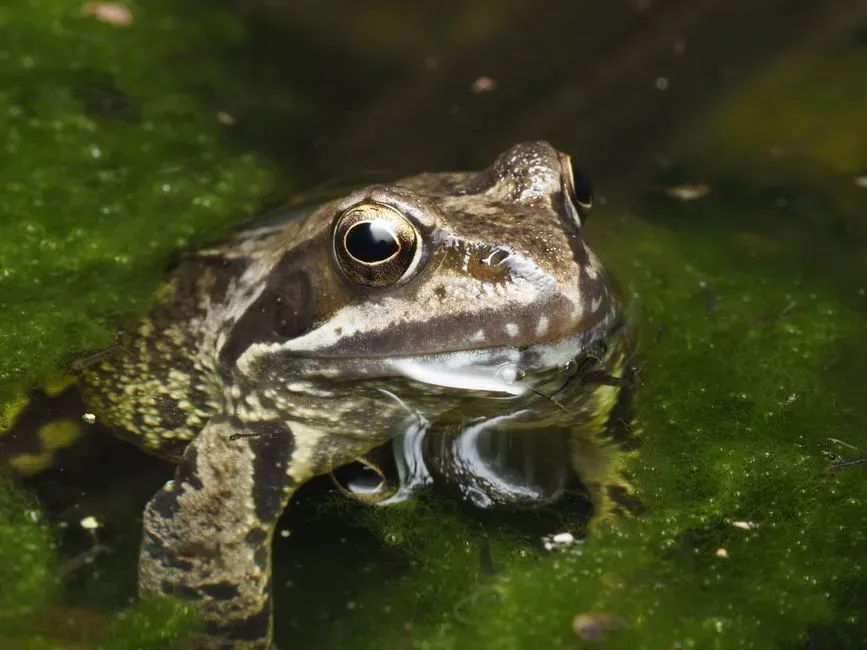
Outbreaks of fungal infections like chytrid have reduced numbers in many areas, which in turn affects the overall volume and consistency of nighttime calls. Fewer healthy males mean less frequent choruses even when other conditions seem favorable.
Population declines from disease often appear gradually, yet they can manifest as sudden quiet nights in affected wetlands. Monitoring these patterns helps track how illnesses spread through amphibian communities over time.
Climate Patterns and Timing Changes
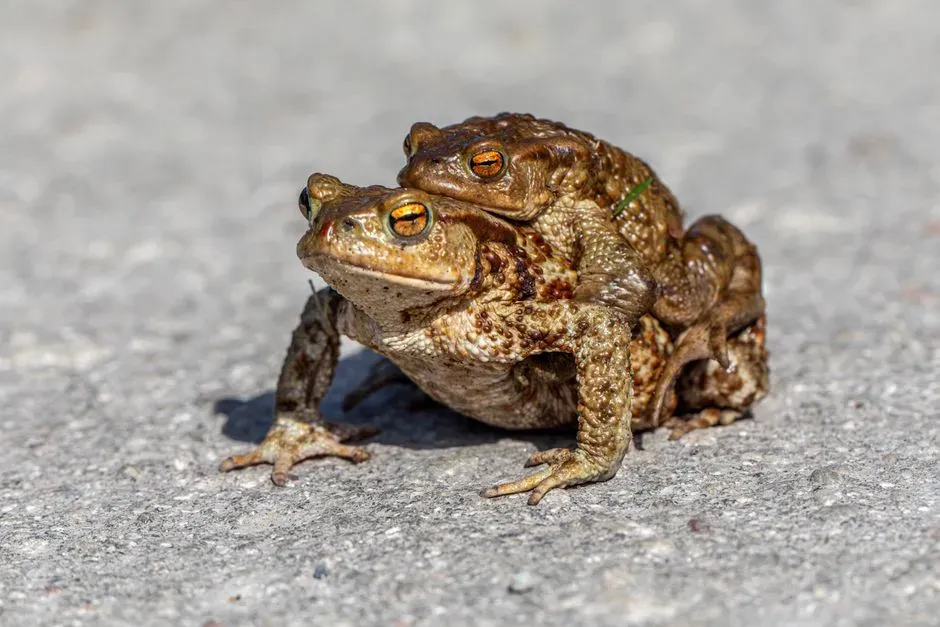
Rising temperatures linked to broader climate trends alter the seasonal windows when frogs breed and call. Warmer springs or irregular rainfall can shift activity earlier or compress it into shorter bursts.
Research on species like wood frogs demonstrates clear connections between snowmelt timing, air temperature, and calling onset. These adjustments indicate how amphibians respond to long term environmental warming in their regions.
Signals for Overall Ecosystem Health
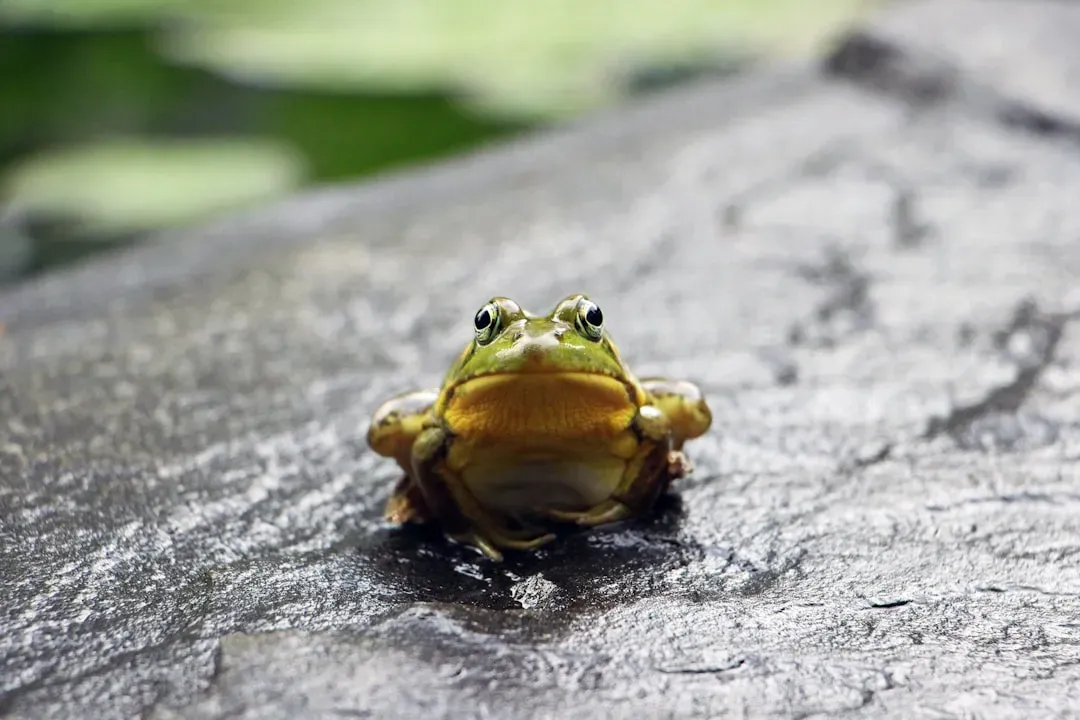
When frogs grow quiet without an obvious short term cause, it often reflects cumulative pressures on their habitat that extend beyond the pond itself. Their sensitivity makes them reliable indicators of changes that could affect other wildlife as well.
Paying attention to these patterns encourages a closer look at local land use and conservation efforts. In the end, the absence of calls serves as a reminder that small shifts in one species behavior can point to larger connections worth protecting for future seasons.

- 10 Remarkable Facts About the African Cheetah: The Lightning of the Grasslands - July 29, 2026
- 10 Most Heroic Horses in History - July 29, 2026
- Why You Should Never Play Dead When Attacked by a Black Bear - July 29, 2026