

People often notice a shift in mood when they reach the edge of the sea, stand on a high ridge, or step under a canopy of trees. The air feels different, thoughts slow down, and something inside seems to settle or expand. These reactions are not random. They trace back to patterns that helped early humans survive and thrive across varied landscapes.
Over long stretches of time, certain environments offered reliable resources while others posed clear risks. The body and mind adapted to respond with specific feelings that encouraged useful behaviors. Today those same responses still surface, even when daily life no longer depends on finding water or spotting predators from a hilltop.
Evolutionary Foundations of Landscape Preferences
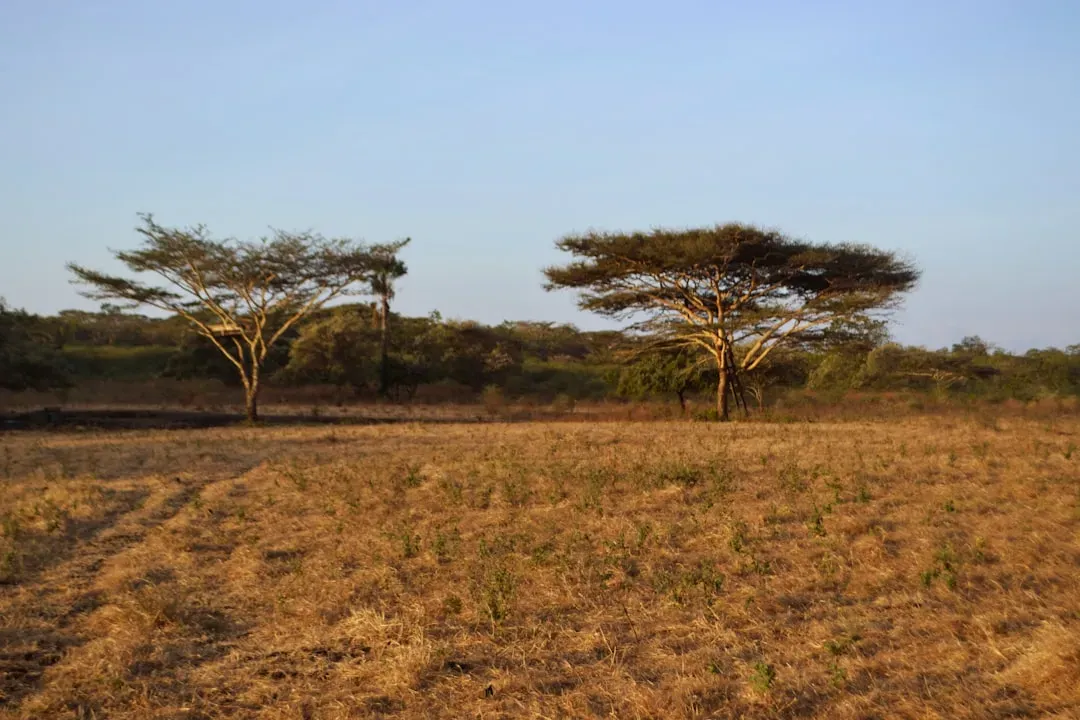
Early human groups moved through changing terrain in search of food, water, and safety. Natural selection favored individuals who felt drawn to places that supported survival and wary of those that did not. Over generations these preferences became part of how the brain processes open spaces, water edges, and dense vegetation.
Researchers point to the savanna hypothesis as one explanation. Open grasslands with scattered trees and nearby water allowed good visibility for spotting game or danger while still offering some cover. The emotional pull toward such scenes likely helped groups settle in productive areas rather than wander into less forgiving zones.
The Calming Effect of Oceans

Coastal areas provided steady sources of food and fresh water for many ancestral populations. The rhythmic sound of waves and the wide horizon may have signaled safety from sudden threats that lurked in denser inland areas. People who felt relaxed near the shore could rest more effectively and recover from long travels.
Modern observations show similar patterns. Heart rates often drop and attention broadens when individuals spend time by the water. These responses align with an ancient advantage: reduced stress allowed better decision making about tides, fishing spots, and shelter from storms.
The Inspiring Presence of Mountains

High ground offered vantage points for scanning the surrounding land. Groups that felt a sense of awe or alertness on ridges could spot approaching weather, migrating herds, or rival bands from farther away. That elevated perspective translated into practical advantages for planning movements and avoiding ambushes.
The physical effort of climbing also rewarded persistence. Individuals who experienced a lift in mood or motivation when reaching a summit were more likely to explore new territories and return with useful knowledge. Over time the brain linked height with opportunity rather than only with exhaustion.
The Restorative Quality of Forests

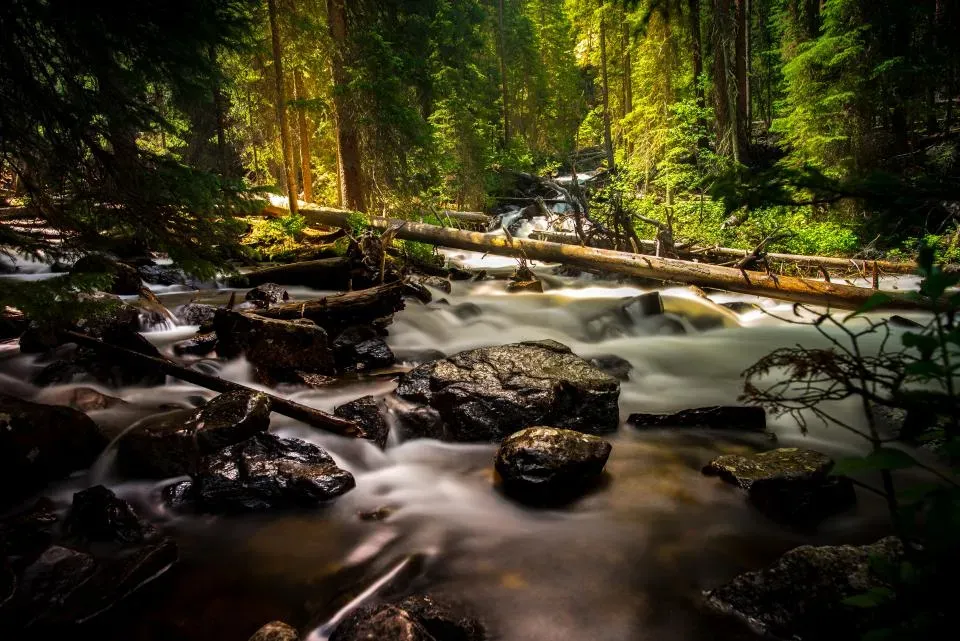
Wooded areas supplied wood for tools and fires, edible plants, and protection from extreme sun or wind. Yet they also hid predators and limited visibility. The mixed feelings of comfort and caution that arise in forests reflect this balance. Early humans who could read subtle cues in the undergrowth stayed safer and better fed.
Today the filtered light and layered sounds of a forest still trigger a shift toward inward focus. This response may stem from the need to pay close attention to small details while moving through limited sight lines. The result is often a quieter mental state that supports reflection after periods of high alertness in open terrain.
Survival Advantages in Different Terrains

Each landscape rewarded distinct emotional states that guided behavior. Calm near water encouraged longer stays and resource gathering. Awe on mountains prompted exploration and vigilance. Focused attention in forests supported careful foraging and shelter building. These feelings were not luxuries but tools that improved odds of reaching the next season.
Genetic and cultural transmission reinforced the pattern. Children who mirrored the emotional responses of successful adults learned faster which places to seek and which to avoid. Over thousands of years the wiring became widespread enough that most people still register these shifts even without conscious awareness of the original reasons.
Why These Feelings Persist Today
Urban environments rarely match the visual and sensory cues of ancestral landscapes. The brain continues to register the absence of those cues as a subtle mismatch. When people step into natural settings the contrast registers quickly, producing noticeable changes in mood and energy that feel familiar across cultures.
Studies of attention restoration and stress recovery show consistent benefits from time spent near water, on elevated ground, or among trees. The mechanisms appear rooted in older adaptations rather than recent cultural trends. The emotional difference remains measurable even among individuals who rarely leave cities.
Embracing Nature for Better Well Being
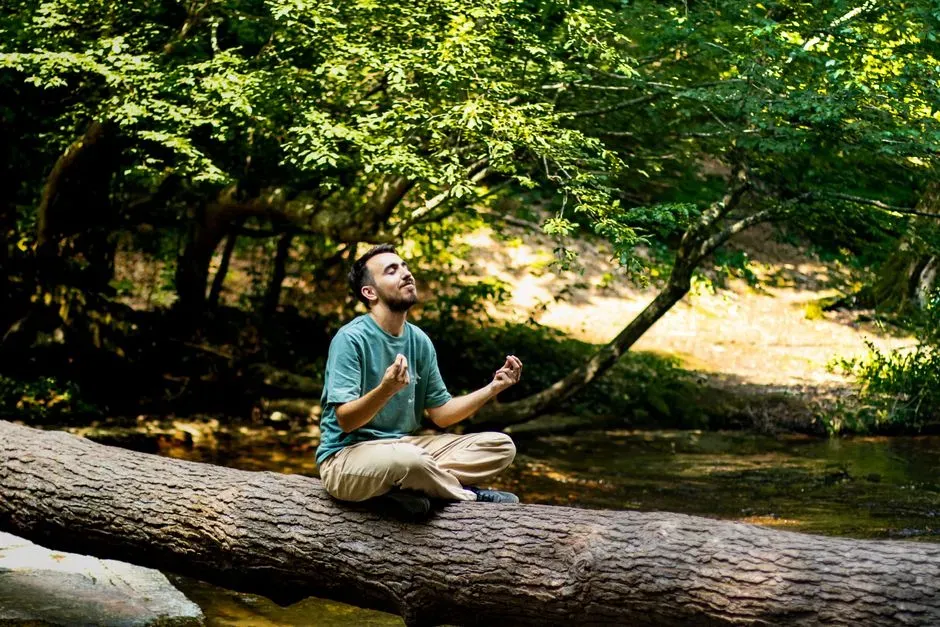
Recognizing these evolutionary roots does not require rejecting modern life. It simply suggests that occasional contact with oceans, mountains, and forests can meet needs the brain still carries. Short visits or even views of these environments often produce measurable drops in tension and gains in clarity.
The practical step is to treat time in these places as a regular part of maintenance rather than an occasional escape. When the pull toward water, height, or trees appears, following it aligns with patterns that once supported survival. In that sense the feelings are less mysterious and more like reliable signals worth heeding.
Ultimately the landscapes that once shaped human emotions continue to offer the same quiet advantages. Making room for them keeps the ancient wiring in working order.

- 6 US States With the Most Wild Turkey - July 29, 2026
- The World’s Deepest Oceans Harbor Creatures with Unbelievable Survival Skills - July 29, 2026
- 12 Dog Breeds That Stay Healthy Well Into Old Age - July 29, 2026