
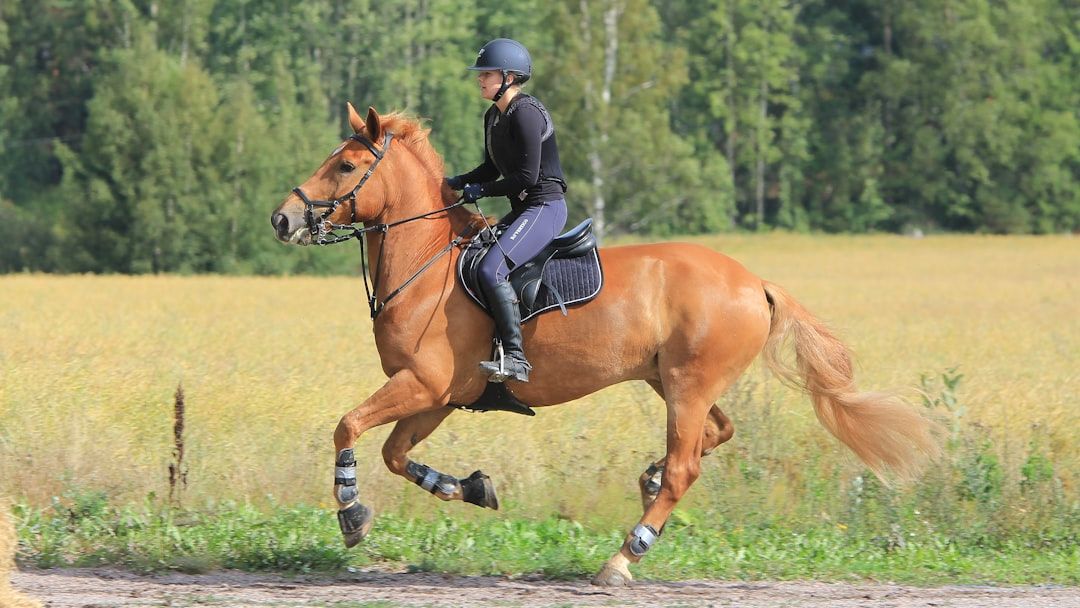
Walk into most beginner riding lessons today and something feels subtly off – not wrong, exactly, but stripped down. The drills that once defined horsemanship have vanished from curricula without announcement, without explanation, and without most parents or students ever noticing. If you learned to ride even fifteen years ago, you might not recognize what passes for a first-year program anymore.
Instructors with two and three decades in the saddle are finally talking about what got cut, why it happened so fast, and what it means for the next generation of riders. Some of the answers are completely reasonable. Others are genuinely troubling. Either way, number seven surprised nearly everyone we heard from – and number fourteen quietly changes everything about how horses are trained long-term.
#1 – Mounting Straight from the Ground
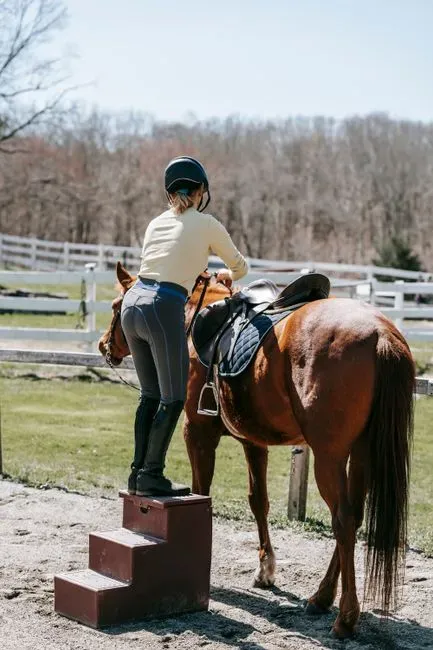
For generations, hauling yourself up from the dirt was the first real test of whether you belonged on a horse. No block, no leg-up, just grit and determination. Riding schools quietly retired that tradition not because it was too hard for students – but because it was quietly destroying the horses underneath them. Repeated one-sided mounting from the ground twists the saddle, torques the withers, and places uneven stress on the spine over hundreds of student attempts every single season.
What pushed the final decision, though, was insurance. Veteran instructors describe the moment adjusters started flagging ground-mount incidents in claim reviews, and suddenly every school in the region was pricing mounting blocks in bulk. The upside nobody expected: beginner fall rates during mounting dropped noticeably once the awkward scramble was removed from the equation. Students still learn the mechanics – they just learn them with support, not at the horse’s expense.
Fast Facts
- Chronic ground mounting can twist a saddle tree, which is typically made from laminated beech wood – once twisted, the saddle is effectively ruined.
- Ground mounting pulls the saddle against the right side of a horse’s withers, compressing the wool panels unevenly on that side.
- A mounting block reduces torque on the horse’s spine even when it elevates the rider just two to three feet.
- Stirrup leathers on the mounting side can stretch and weaken significantly faster when ground mounting is repeated daily.
- Saddle fitters report seeing saddles twisted measurably to the mounting side as a direct result of this habit at busy lesson barns.
#2 – Riding Without Stirrups for Balance
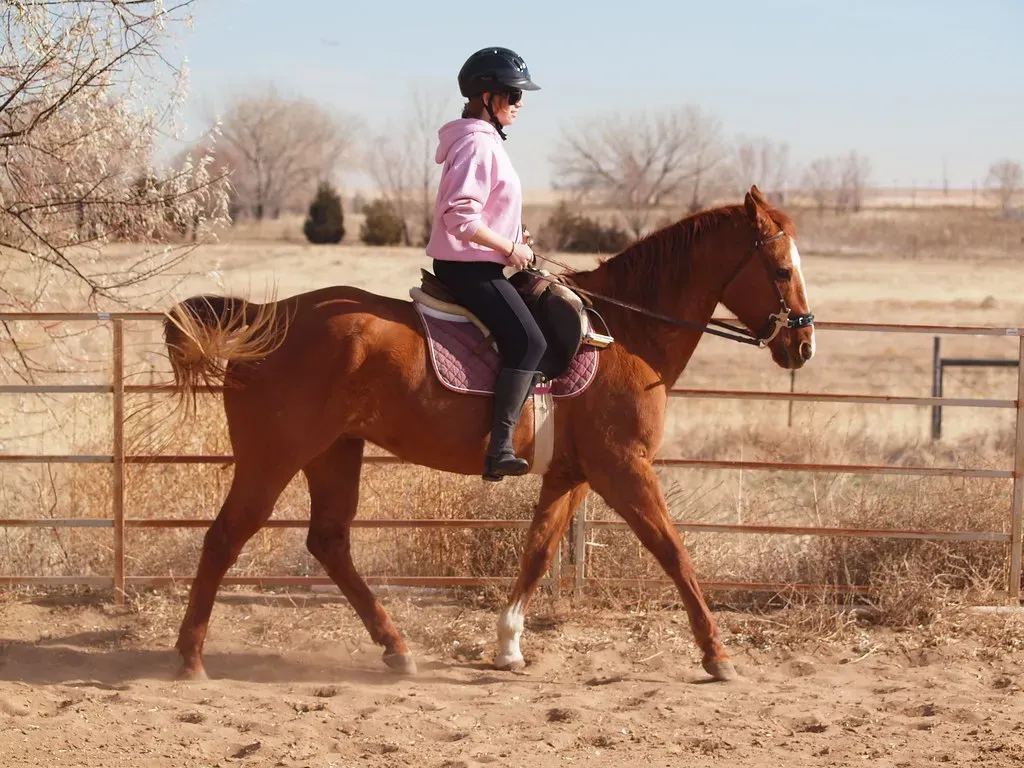
Ask any serious equestrian what made them a real rider and at least half will mention no-stirrups work. That grinding, humbling trot around the arena with your irons crossed over the saddle built a seat that nothing else could replicate. It is also, according to liability carriers and nervous program directors, one of the fastest ways to put a new student on the ground in front of paying parents – and that reality killed it in most beginner programs within a single decade.
Modern schools replaced it with supervised lunge-line balance exercises, which are genuinely effective and meaningfully safer. Students still develop core strength and an independent seat – just through a slower, padded path. What veteran instructors quietly mourn is not the drill itself but what it represented: a shared rite of suffering that told a young rider, clearly and without apology, that this sport demands something real from you. That message is harder to send now, and some instructors believe its absence shows up later in how riders handle pressure.
#3 – Bareback Riding in the First Month
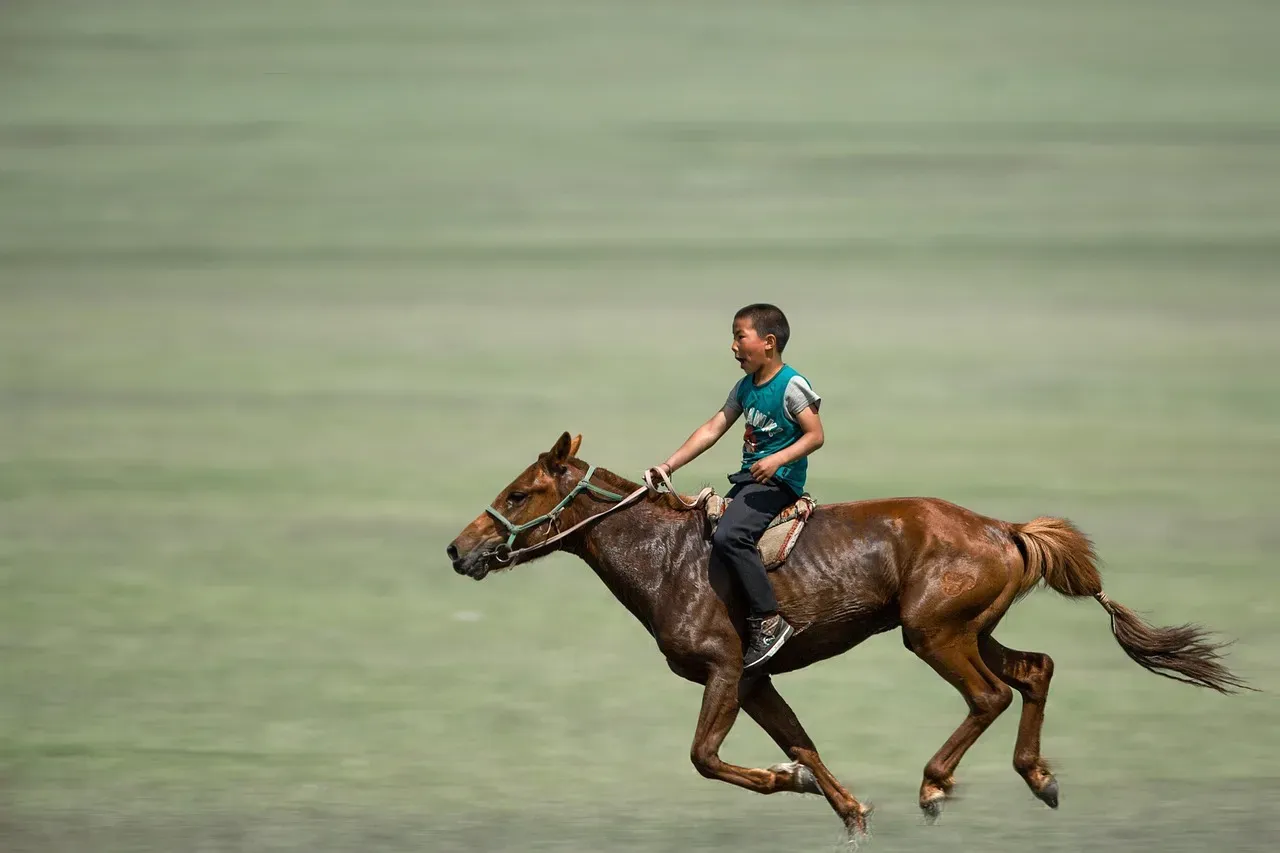
There was a time when stripping the saddle off and sending a nervous beginner around the arena bareback was considered the fastest route to genuine feel. You could not fake relaxation without a saddle to grip. Your hips either followed the horse or they did not, and the horse told you immediately which was true. Schools loved it as a teaching tool precisely because it was so brutally honest – and liability carriers hated it for exactly the same reason.
Beginners without established leg strength and core stability have a statistically poor track record staying secure on a moving horse with nothing to hold. After enough claims and enough close calls, insurers began treating early bareback work as a red flag rather than a training method. Most programs now reintroduce it at the intermediate level, once a rider has proven basic security in the tack. The horsemanship argument for early bareback remains strong – the financial argument against it, at least in a school setting, is stronger.
At a Glance: Why Insurers Changed Everything
- Riding instructor liability policies typically carry coverage limits of $1 million to $2 million per occurrence.
- Novice riders experience a three-fold greater injury rate than intermediate riders, and nearly eight-fold greater than professionals.
- Research suggests approximately 100 hours of riding experience are required before injury risk drops substantially.
- One-in-five equestrians will be seriously injured at some point in their riding career, according to peer-reviewed research.
- Many equestrian facilities now require instructors to carry their own coverage before teaching on the property at all.
#4 – Explaining the Bit Before the Ride
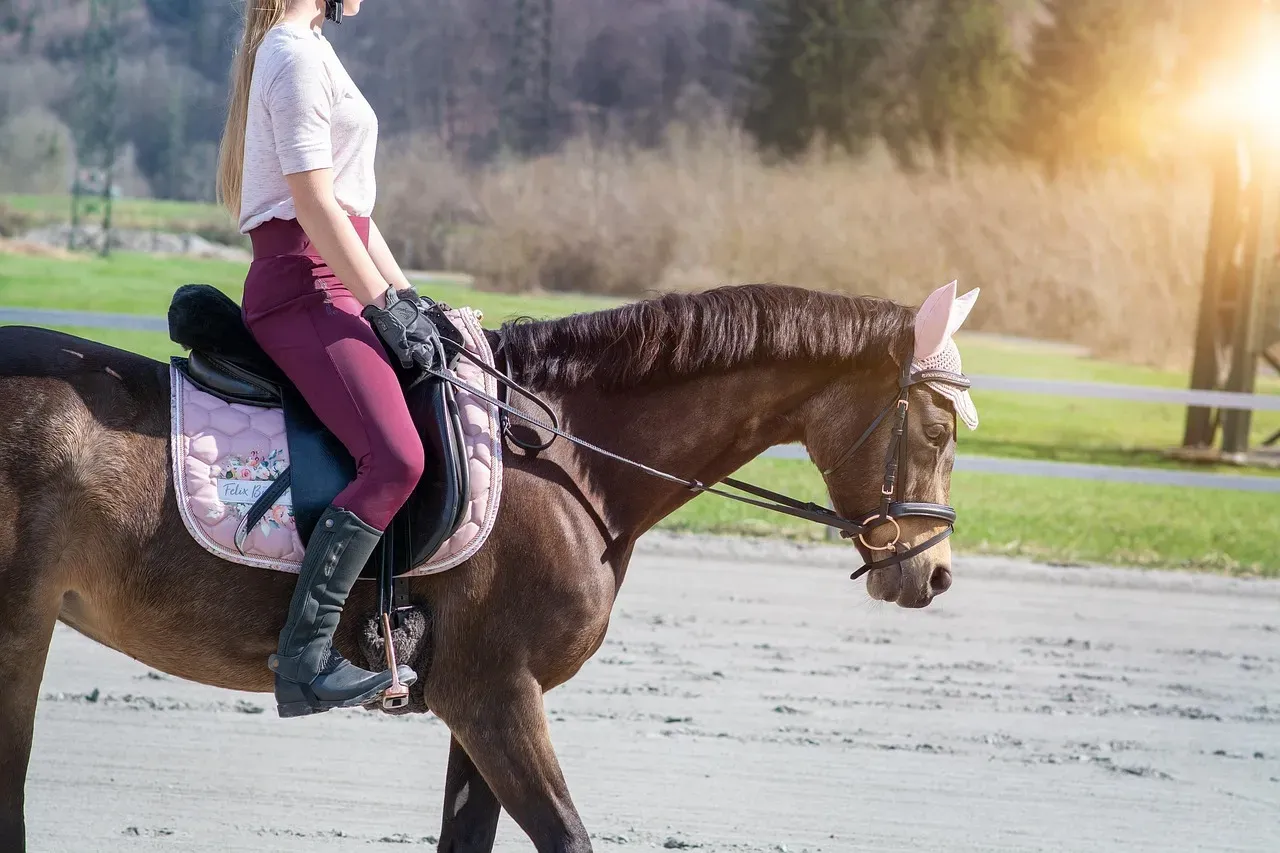
Old-school instructors spent serious time on bit mechanics before anyone left the ground – poll pressure, tongue relief, jaw angles, the difference between direct and indirect rein. The thinking was sound: if you understand what the metal in the horse’s mouth actually does, you handle it with more care. What schools discovered in practice is that fifteen minutes of tack theory before a first ride sends a significant proportion of beginners mentally out the door before their boots hit the stirrups.
The replacement philosophy – “hands soft, legs on” – is blunt but functional. It keeps students moving, builds feel, and delays the technical conversation until riders are emotionally invested enough to care about it. Intermediate students who plan to compete eventually get the full anatomy of their bit. Recreational riders often never do, which experienced instructors view as a genuine gap: a rider who doesn’t understand leverage is a rider who can quietly cause pain without ever knowing it.
#5 – Voice Commands as the Primary Aid
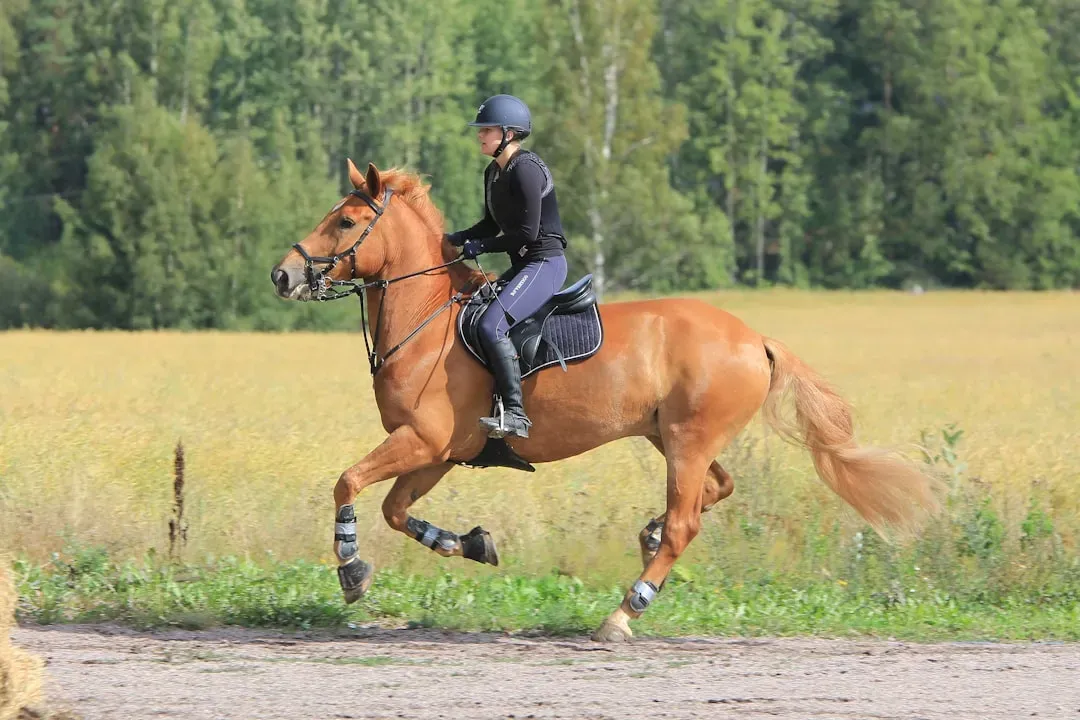
“Walk on.” “Trot.” “Whoa.” Voice commands are intuitive, immediate, and deeply satisfying for a beginner who needs something to hold onto while every other system feels foreign. Which is precisely why most experienced instructors now resist leaning on them – they work so well in the short term that students stop developing the seat, weight, and leg communication that actually matters. Horses trained to voice cues will answer beginners indefinitely, masking the fact that the rider never truly learned to ask.
Modern programs introduce voice as one tool among several rather than the primary language of riding. The shift feels stricter from a beginner’s perspective – there’s less to hide behind – but it produces riders who can communicate through body alone within a much shorter window. What’s quietly lost is the confidence boost that voice commands give fragile early learners. Some instructors argue that confidence matters more than purity of method at week one, and that stripping voice too early creates anxiety rather than skill.
#6 – Thorough Daily Grooming Routines
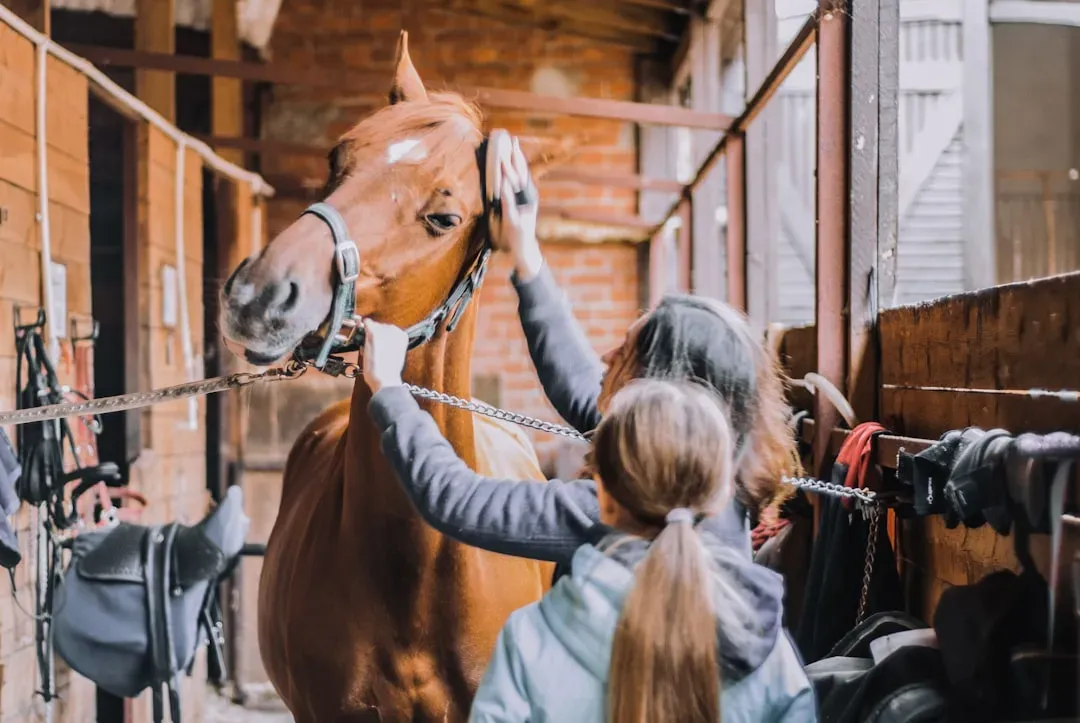
Full grooming blocks – curry comb to hoof pick, ear to tail, tack room to crossties – used to occupy a significant portion of every lesson. The argument for them was never purely about cleanliness. Grooming taught students to read a horse’s body language at close range, to notice heat in a leg, tension in a flank, or sensitivity around the girth before anyone climbed on. It was horsemanship disguised as chores, and it built a kind of quiet fluency that ring work alone cannot replicate.
Parents ended it. Not through formal complaints, but through the steady pressure of expectations: they were paying for riding time, not brushing time, and their feedback made that clear. Schools responded by compressing grooming into quick safety checks focused on girth, hooves, and basic tack fit. The deeper observational skills those grooming sessions built – the ones that might one day tell a rider their horse is coming down with something before a vet visit confirms it – quietly moved to optional clinics that most casual students never attend.
Worth Knowing
- One study identified ill-fitting saddles in 43% of horses assessed during clinical examination – a problem a well-trained eye can catch during a grooming check.
- Poor saddle fit is associated with back muscle asymmetry, stilted gait, and equine back pain, according to published research.
- Back traumas attributed to poorly fitted saddles account for an estimated 8% to 10% of all equine musculoskeletal injuries.
- Riders taught to groom thoroughly are significantly more likely to notice early signs of lameness before they escalate.
#7 – The Emergency Dismount at Speed
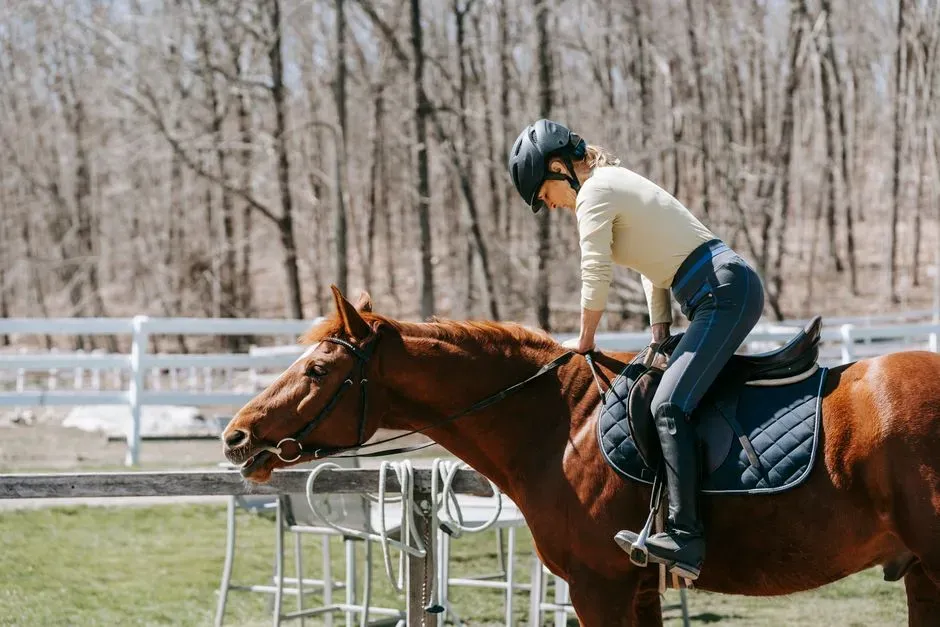
This one still makes veteran instructors wince when they talk about it. The emergency dismount – kicking free of the stirrups, swinging off a moving horse, landing on your feet and running clear – was once considered non-negotiable safety curriculum. If a horse bolted or spooked violently, you needed a plan that did not involve clinging and hoping. Schools drilled it early, drilled it repeatedly, and believed wholeheartedly that practicing it saved lives. It probably did.
What it also did, consistently, was produce twisted ankles, jarred knees, and the occasional harder landing during practice. Students hitting the ground during a controlled drill created more liability exposure than the theoretical bolt the drill was meant to prepare them for. Most programs replaced it with video instruction and verbal rehearsal – knowing what to do without ever practicing the physical motion under any real conditions. Experienced instructors are more divided on this cut than almost any other. Several described it, unprompted, as the one removal they genuinely worry about.
“The emergency dismount was the one skill that assumed the horse would win and gave you a plan anyway. Taking it out of the curriculum is the change I lose sleep over.”
Veteran riding instructor, 28 years in the saddle
#8 – Riding Through Extreme Weather
Riding in a cold drizzle, pushing through a sticky August afternoon, finishing a lesson while lightning flickered somewhere on the horizon – old-school programs treated weather as part of the education. Horses don’t stop being horses because the sky turned gray, and neither should riders. Toughness was the point, and a little discomfort was considered the price of building it. Instructors from that era describe students who were genuinely unshakeable in conditions that would now cancel a lesson automatically.
Modern liability policies around heat index thresholds, lightning proximity rules, and footing conditions have made the decision largely automatic. Schools don’t choose to cancel – their insurance requires it. The upside is real: heat illness in horses and riders is a serious danger, and footing accidents during rain are no small thing. What’s genuinely lost is the experiential education in reading conditions, adapting to them, and understanding when a situation calls for judgment rather than a rulebook. That skill, instructors note, cannot be taught in a dry arena on a perfect afternoon.
#9 – Solo Longeing of New Students
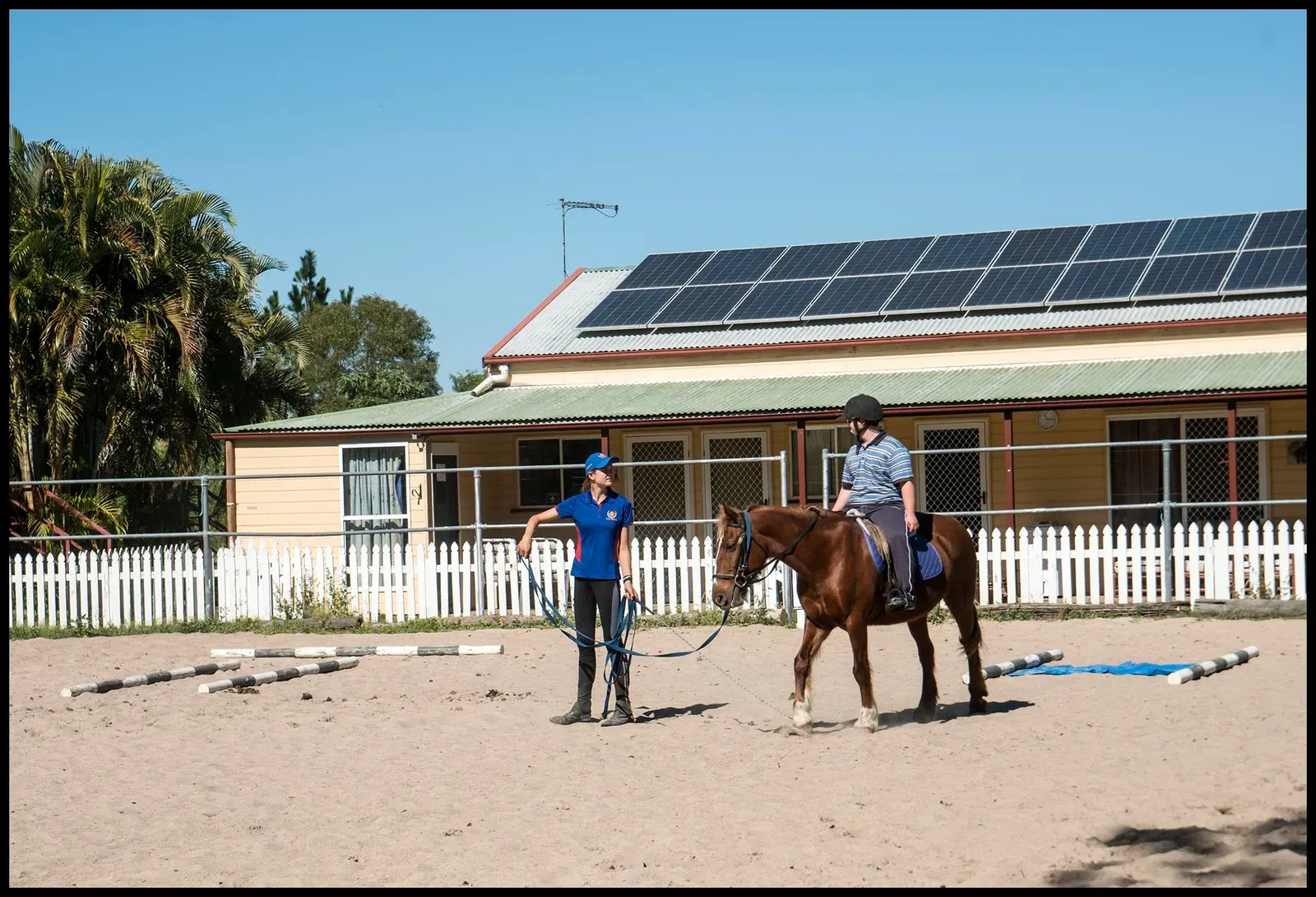
A single instructor managing a lunge line, a whip, and a nervous beginner on a horse is a physical and cognitive juggling act that works reasonably well – right up until the moment something goes wrong. And with new students, something going wrong is not a rare edge case; it is the predictable weekly event. A spooked horse on the end of a line while a panicking rider is grabbing for anything solid puts the instructor in an impossible position: manage the horse or manage the rider. You cannot fully do both.
Schools that tracked incident data discovered the solo longeing model concentrated risk in an obvious way, and two-person protocols became standard at programs that could afford the staffing. Mechanical walkers appeared at facilities that couldn’t. The added cost was absorbed because the alternative – a beginner coming off during a solo session with no one positioned to help – was far more expensive in every sense. Instructors who made the switch describe it as one of the cleaner, less controversial changes: the logic is airtight and the outcomes measurably improved.
Quick Compare: Solo Longeing vs. Two-Person Protocol
- Solo longeing: Lower staffing cost, instructor splits attention between horse and rider simultaneously
- Two-person protocol: One handler manages the horse, one instructor focuses entirely on the rider
- Solo longeing: Works well for calm school horses with experienced instructors
- Two-person protocol: Measurably better incident outcomes; now the standard at most well-resourced schools
- Mechanical walker: Budget alternative for facilities that cannot staff two people per beginner session
#10 – Feeling the Posting Diagonal Without Visual Feedback
Learning to feel which diagonal you’re posting on – without looking down, without being told, just through the subtle rise and fall of the horse beneath you – was once a small but significant milestone. It meant your body was actually listening to the horse rather than just sitting on top of one. Instructors took real pride in the moment a student’s face changed when it finally clicked, that sudden recognition that feel was real and available. Getting there, though, could take weeks of frustration and near-dropout-level discouragement.
Mirrors and video feedback collapsed that learning curve dramatically. Students can now confirm what their body is doing in real time, connect the visual information to the physical sensation, and build feel from the outside in rather than the inside out. Dropout rates during the posting phase dropped at schools that made the investment. Veteran instructors are largely at peace with this change – they note that the destination is the same and the mirror is just a more efficient map. A few quietly miss the unassisted version, not because it was better, but because the struggle taught patience in a way that instant feedback cannot.
#11 – Show Ring Etiquette from Day One
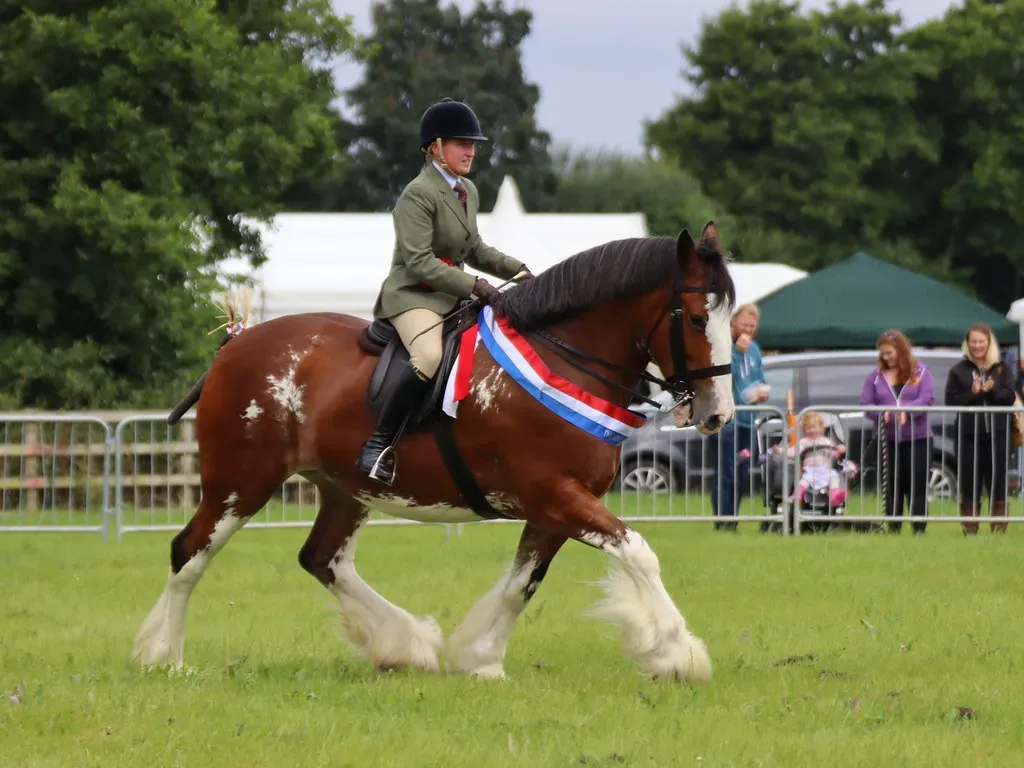
Full show protocol – ring entry, judge acknowledgment, proper attire, class order, how to behave when another rider falls – used to be woven into basic flatwork from the earliest lessons. The logic was that showing was the natural destination of riding education, and students should arrive there already fluent in its customs. Schools with strong show programs built culture around that expectation, and it created a particular kind of focused, serious student who understood that riding had a formal dimension worth respecting.
Most families signing up for riding lessons today have no intention of competing – and when they encounter show etiquette lessons, they experience them exactly as they appear: irrelevant rules for a world they’re not entering. Programs that ignored that signal lost students. Programs that adapted moved show protocol into a competitive track and left recreational riders to learn just enough ring courtesy to stay safe in group settings. Instructors who care about the show world describe the separation as necessary but slightly melancholy – another piece of the culture that no longer travels automatically to every new rider who walks through the barn door.
Fast Facts: Who Is Riding Today
- Approximately 25 million Americans participated in horse-related activities as of 2023.
- Around 29% of American household members participate in equine activities without owning a horse.
- 38% of non-owner horse activity participants are children under the age of 18.
- The median age for equestrian participants (non-owners) is just 22 years old.
- Horse competitions generated $37.3 billion in economic impact in 2023, according to the American Horse Council.
#12 – Horse Anatomy and Injury Education in Week One

The old instinct was generous: if you’re going to ride horses, you should understand what’s happening inside them. Tendons, suspensories, common lamenesses, the mechanics of a horse’s back under a poorly fitting saddle – this knowledge was considered basic literacy, not advanced study. Instructors who taught it early believed it created more careful, more empathetic riders who understood that the animal underneath them was a complex living system with real vulnerabilities.
What it actually created, at least among casual students, was anxiety. Week-one anatomy discussions produced parents who went home and googled every term, students who worried about every uneven step, and a meaningful percentage of families who quietly decided that horseback riding sounded a lot more fragile and dangerous than the brochure suggested. Schools moved the deep science to intermediate level, where riders are already attached enough to want the information rather than be frightened by it. The basic “where not to kick and why” safety points stayed. Everything else waits until the student is already in love with the animal.
#13 – The Full Halt from Trot Using Seat Alone
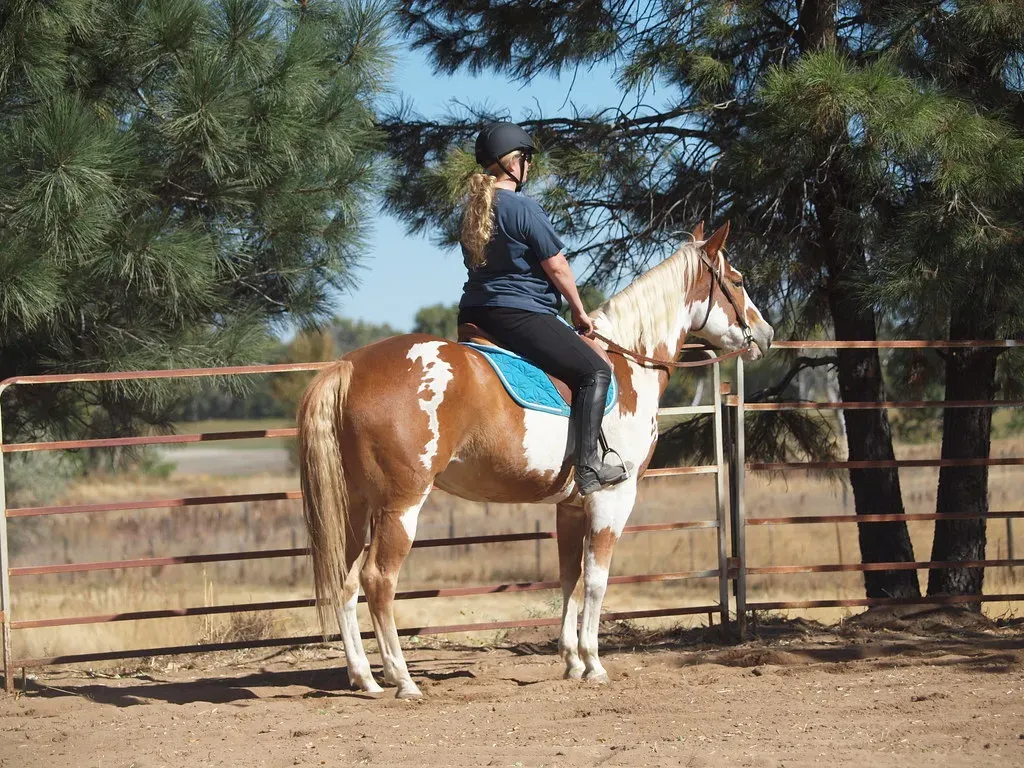
“Stop with your body.” That instruction, delivered to a beginner trotting a school horse for the third time in their life, once separated riding schools that were serious from those that were simply filling saddle time. A rider who can ask for a halt through weight, breath, and postural shift alone – no rein – is communicating at a level most recreational riders never reach. The drill was demanding and sometimes frightening, and students who couldn’t manage it often grabbed mane, grabbed saddle, or grabbed rein in ways that created genuine instability on both ends of the equation.
Schools kept the exercise but layered in safety: reins stay available as a backup, the drill builds gradually, and panic grabs are anticipated rather than punished. The result is somewhat softer than the original version but produces the same end skill for the students who stay with it. What’s changed is the expectation – the old drill communicated clearly that you were working toward something difficult that would eventually be required of you. The new version is quieter about that contract, and some instructors believe that quietness costs students the productive discomfort that actually accelerates learning.
#14 – “Heels Down” Without Teaching Why
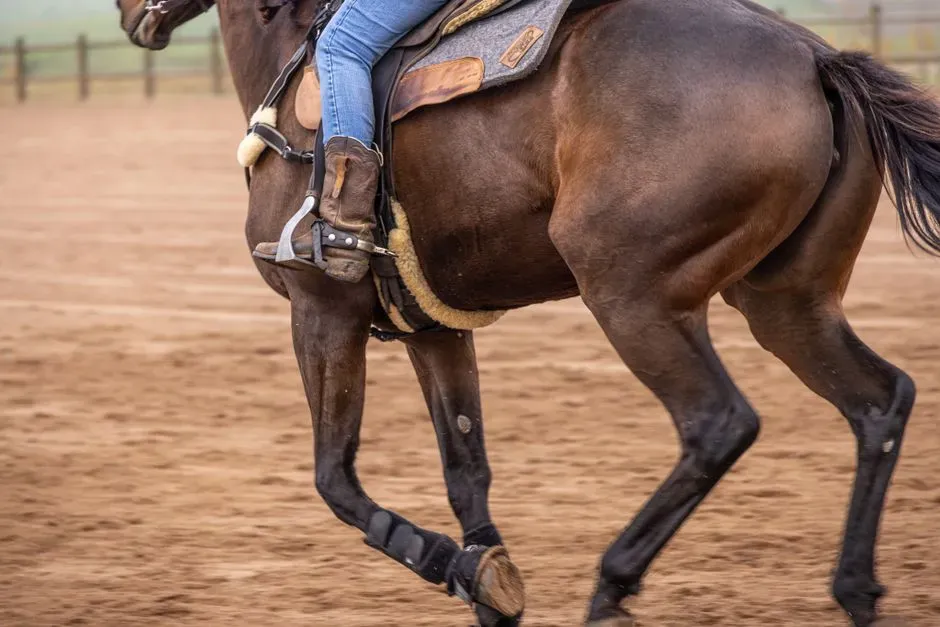
Few phrases have been repeated more often in riding arenas than “heels down” – and few pieces of advice have quietly caused more damage when applied without context. The instruction exists for a real reason: a dropped heel opens the ankle joint, creates a more secure leg position, and reduces the chance of a foot sliding through a stirrup in a fall. What decades of repetition turned it into, without the explanation attached, was a stiff-ankle death grip that braced riders against their horses instead of moving with them.
Modern instructors who’ve watched the evidence accumulate now lead with ankle flexibility, weight distribution, and the concept of a soft, following leg before the phrase ever appears. When “heels down” does get used, it arrives as shorthand for a mechanic the student already understands physically – a reminder rather than a command. The shift is subtle from the outside but significant in its results: riders who understand the why behind the cue adapt it to different horses, different gaits, and different situations. Riders who only heard the chant apply it rigidly and call it position, even when it’s the opposite of what their horse needs from them.
Why It Stands Out: Teaching the “Why” Changes Everything
- A heel-down position works only when the ankle remains soft – rigidity defeats the entire purpose of the cue.
- Riders taught mechanics first adapt the same principles across disciplines: hunter, dressage, western, and trail riding.
- Stiff-ankle riding is one of the most commonly cited contributors to lower back pain in recreational riders.
- The shift from command-based to concept-based instruction mirrors how elite sports coaching has evolved across virtually every discipline.
- Instructors who explain the “why” first report fewer repeat corrections and faster skill transfer to new horses.
What This All Means – and What Gets Lost
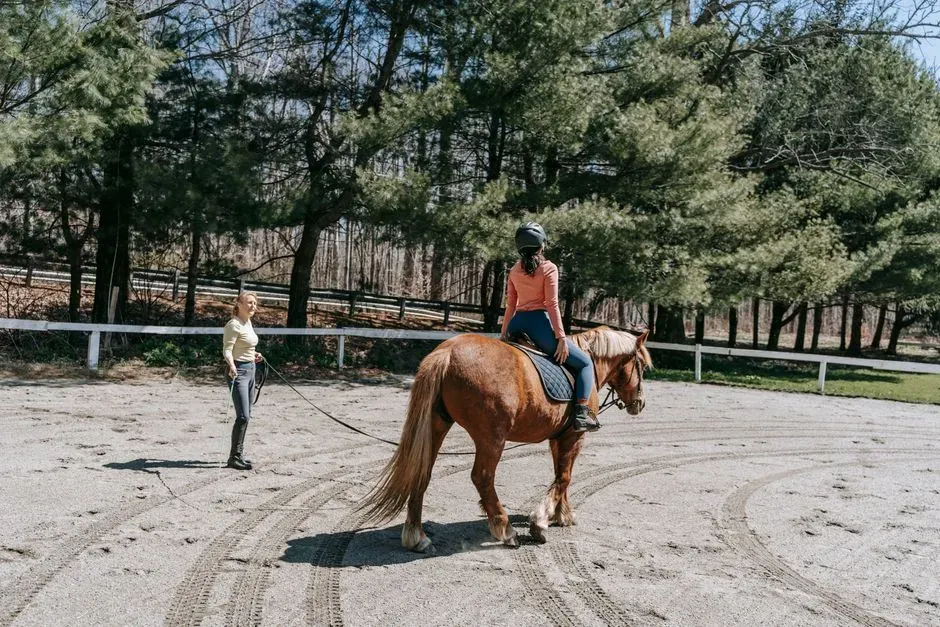
Riding schools didn’t gut these lessons carelessly. Insurance costs are real, horse welfare standards have genuinely improved, and a safer, more streamlined beginner experience keeps the industry financially viable at a time when equestrian sport is fighting for every new participant it can attract. The schools that adapted survived. Many that didn’t are gone. That’s not a small thing, and the instructors who made these changes mostly understood the stakes clearly.
What they describe quietly, when the conversation goes long enough, is a different kind of concern. The students coming through today are safer, more comfortable, and more likely to stay for a second semester. They are also, in ways that are hard to quantify but easy to feel, less prepared for the moment when the horse does something unexpected and there is no protocol to follow – only instinct, feel, and the kind of deep body knowledge that only comes from hard practice. The lessons that got cut were often the ones that built exactly that. Whether the trade was worth it is a question that experienced instructors answer differently depending on the day, and perhaps that uncertainty is the most honest thing about all of it.
Here is the opinion that nobody in the industry seems to want to say out loud: the curriculum didn’t shrink because students couldn’t handle the old methods. It shrunk because the business model couldn’t. Liability premiums, parent expectations, and the relentless pressure to retain enrollment term after term pushed schools toward comfort over competence – and the horse, as always, absorbs whatever the human above it hasn’t been taught to handle. The riders who will push this sport forward are the ones who seek out the gaps, find an old instructor willing to talk honestly, and demand the full education even when the system has stopped offering it. The tradition is still alive. It’s just no longer in the brochure.

- 12 Everyday Mistakes That Quietly Shorten a Senior Dog's Life - July 28, 2026
- 19 Standoffish Cat Breeds That Are Secretly the Most Loving of All - July 28, 2026
- 16 Signs a Horse Has Quietly Decided You Are Its One Person - July 28, 2026