

Imagine a life form that has drifted through oceans for half a billion years, quietly outlasting every major catastrophe that reshaped life on Earth. Jellyfish represent one of those rare survivors, holding clues about resilience that stretch far beyond what most complex animals ever achieved.
Their story draws from fossil evidence and modern observations that reveal a creature operating on an entirely different set of rules. Marine biologists continue to uncover details about how such simplicity has proven so durable across deep time.
Tracing Jellyfish Origins in the Fossil Record
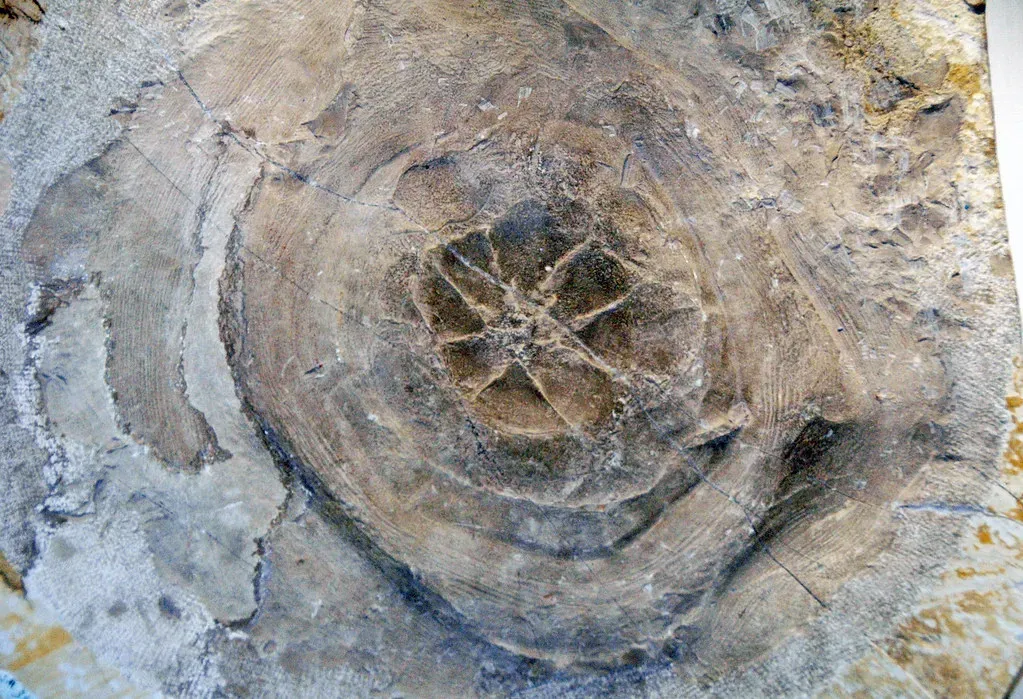
Jellyfish belong to the phylum Cnidaria, and their earliest known fossils date back more than 500 million years to the Cambrian period. These impressions show bell shaped bodies and trailing tentacles that look strikingly similar to species alive today. Paleontologists have found these remains in rock layers from multiple continents, confirming their presence long before most other animal groups diversified.
The consistency of these ancient forms suggests that jellyfish achieved an effective body plan early on. Later deposits from the Ordovician and Silurian periods continue to display comparable structures. This long fossil trail provides direct evidence of their persistence through shifting seas and climates.
Enduring the Permian Mass Extinction
The Permian extinction around 252 million years ago wiped out roughly 90 percent of marine species in what scientists call the Great Dying. Jellyfish appear in post extinction sediments, indicating they persisted when reefs and many shelled organisms vanished. Their ability to tolerate low oxygen conditions likely played a role in this survival.
Unlike animals that relied on complex food chains, jellyfish could feed on plankton and small particles even in stressed environments. Fossil layers from the early Triassic show their continued presence as ecosystems slowly recovered. This period marked one of the harshest tests they faced.
Surviving the Dinosaur Ending Event
Approximately 66 million years ago an asteroid impact triggered the Cretaceous Paleogene extinction that eliminated non avian dinosaurs. Jellyfish again appear in the geological record on both sides of this boundary. Their gelatinous bodies left fewer fossils than bony creatures, yet enough traces exist to show continuity.
They navigated the resulting acidified oceans and disrupted food webs without needing the specialized adaptations many other groups possessed. Marine sediment studies reveal jellyfish like forms thriving in the recovery phase. Their presence underscores a pattern of endurance across multiple global resets.
The Minimalist Body Design at Work
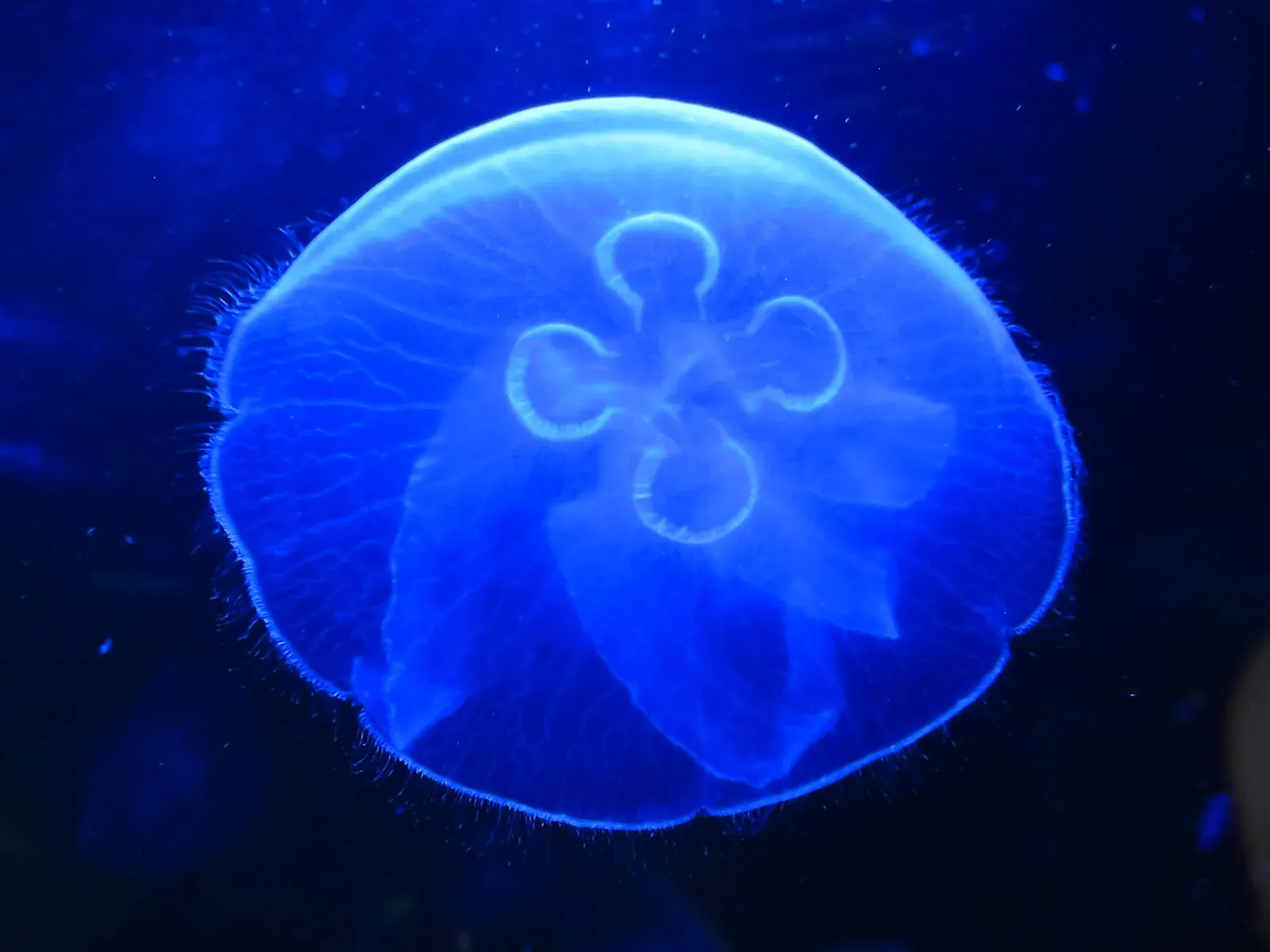
Jellyfish possess radial symmetry and a simple two layered body wall filled with a jelly like substance called mesoglea. This structure requires little energy to maintain and allows them to expand or contract with ease. They lack any centralized organs yet manage basic functions through diffuse tissues.
Water flow through their bodies handles circulation and waste removal in a passive manner. Tentacles armed with stinging cells capture prey without the need for active hunting strategies. Such economy of design reduces vulnerability to environmental swings that overwhelm more intricate organisms.
Operating Without a Brain or Heart
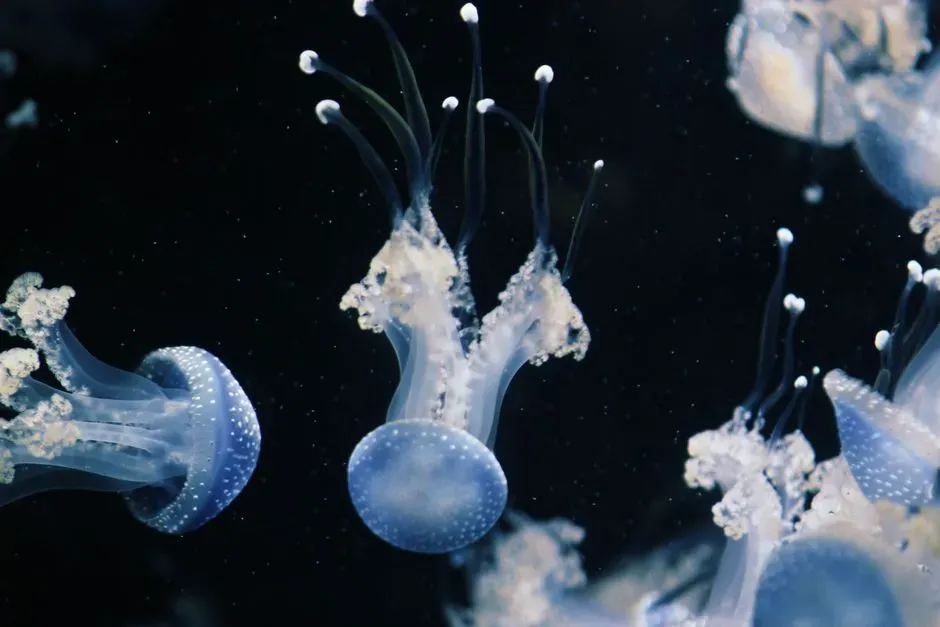
A nerve net spreads across the jellyfish body to coordinate movement and responses to stimuli. This decentralized system detects light and touch but does not process information the way a brain does. The animal reacts to its surroundings through simple reflexes rather than learned behavior.
Instead of a heart, rhythmic contractions of the bell push water and nutrients throughout the tissues. Oxygen diffuses directly across the thin body walls from the surrounding seawater. These traits allow jellyfish to remain active in waters where oxygen levels fluctuate widely.
Limited Morphological Change Over Time

Comparisons between Cambrian fossils and living species show only modest differences in overall shape and tentacle arrangement. Genetic studies indicate that certain lineages have maintained core developmental genes with little alteration. This evolutionary stability contrasts with the rapid diversification seen in many other animal groups.
Environmental pressures appear to have favored the retention of the original blueprint rather than major innovations. Occasional new species arise, yet the fundamental body plan persists across vast stretches of time. Researchers note that this stasis reflects successful adaptation to a broad range of marine conditions.
What Their Longevity Suggests About Ocean Futures
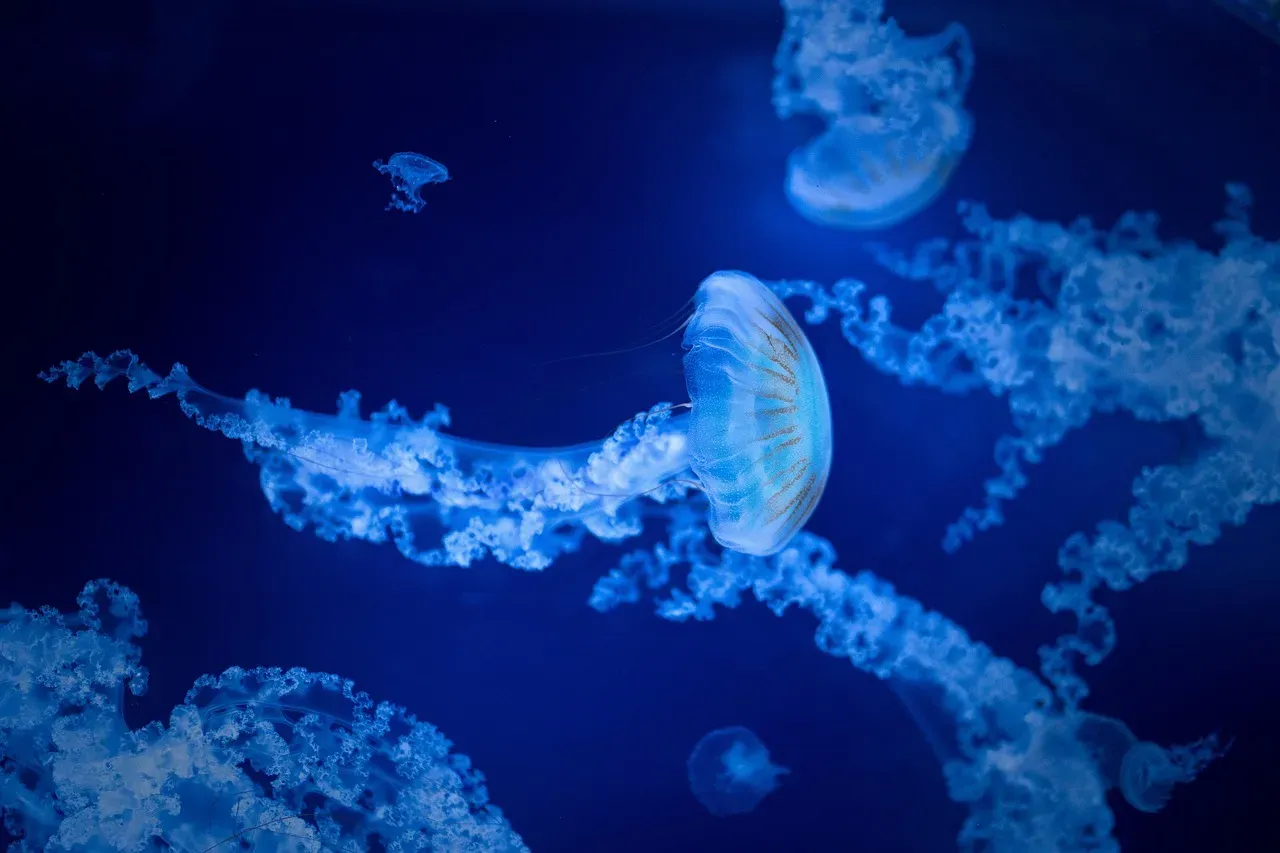
Jellyfish populations have shown increases in some regions amid warming waters and overfishing that reduce their competitors. Their tolerance for changing conditions offers a window into how certain life forms might fare as oceans continue to shift. This pattern invites reflection on the value of biological simplicity in uncertain times.
While they do not represent a solution to current pressures, their record highlights that survival often favors organisms that demand little from their environment. Marine ecosystems may see more such resilient players if trends persist. Their story ultimately points to the quiet power of endurance over elaborate specialization.
