

Unpacking the Springtime Spectacle
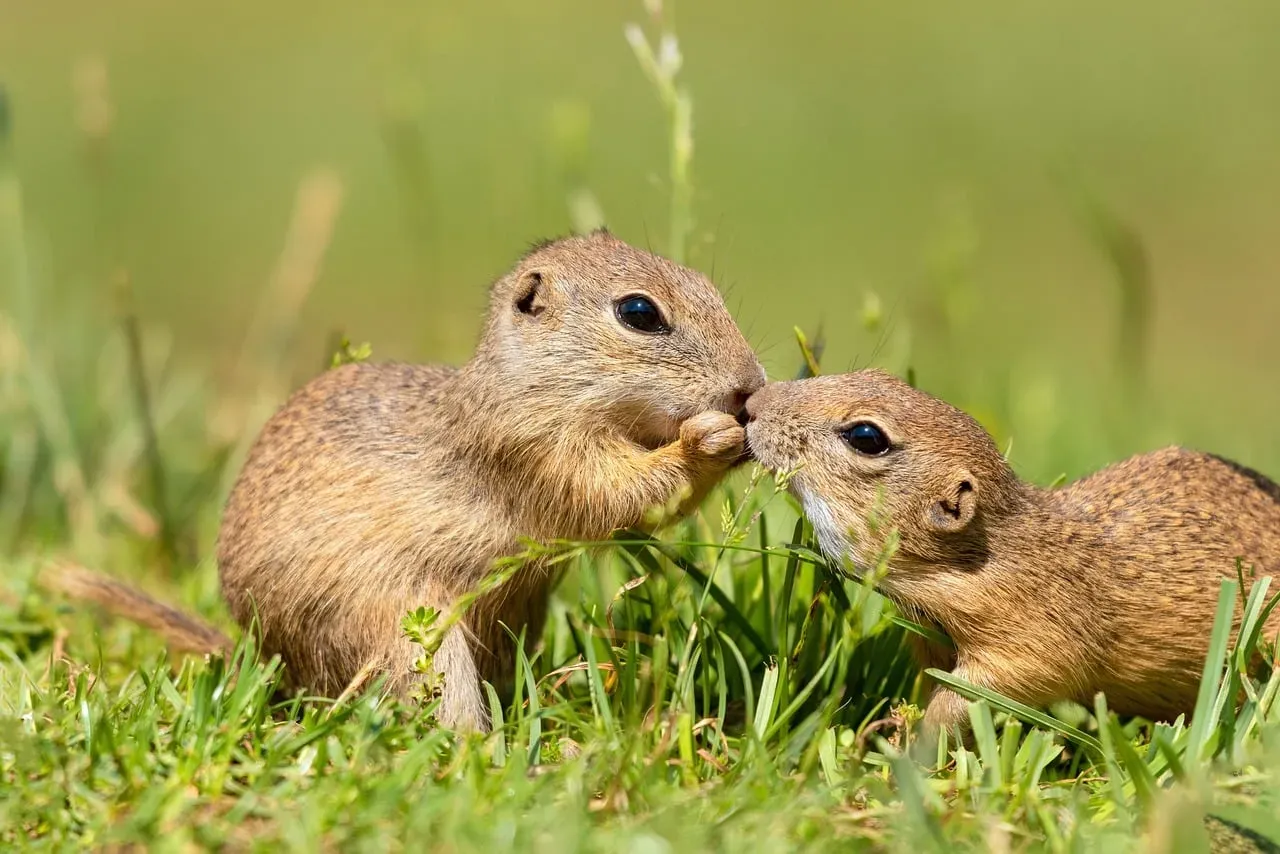
Early in the year, as days lengthen and temperatures rise, squirrels become far more visible in their frantic movements. What appears random actually follows a clear rhythm tied to the season. Observers often notice groups rather than pairs, with one animal leading and others trailing closely behind.
The circles form because the pursued squirrel darts around obstacles like trunks and branches to test the followers. This creates tight loops that can last minutes or stretch into longer sessions. The behavior stands out against the quieter winter months when activity drops.
The Mating Ritual Unveiled
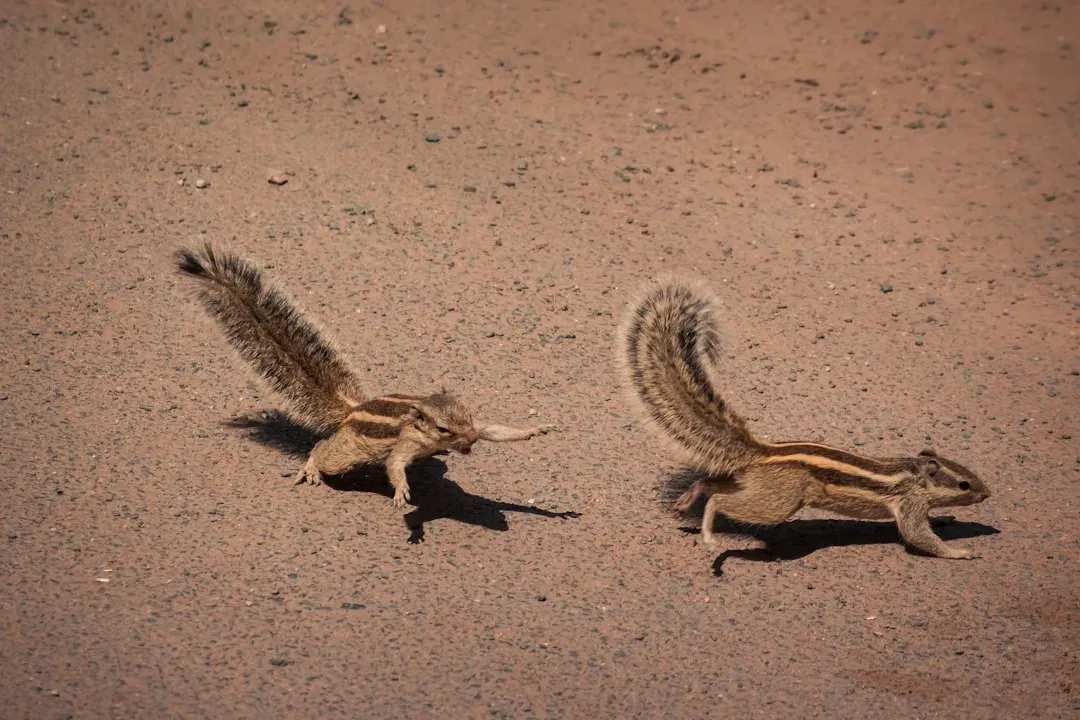
Breeding season drives most of the visible chasing in spring. Females enter a receptive state for a short window, and males respond by trailing them through the trees and on the ground. The pursuit helps males assess the female while she evaluates their persistence.
Unlike casual play, these chases involve scent cues that signal readiness. A female may lead several males at once, turning the event into a drawn out test of endurance. The circular paths keep everyone in close range without easy escape routes.
How Males Compete for Attention
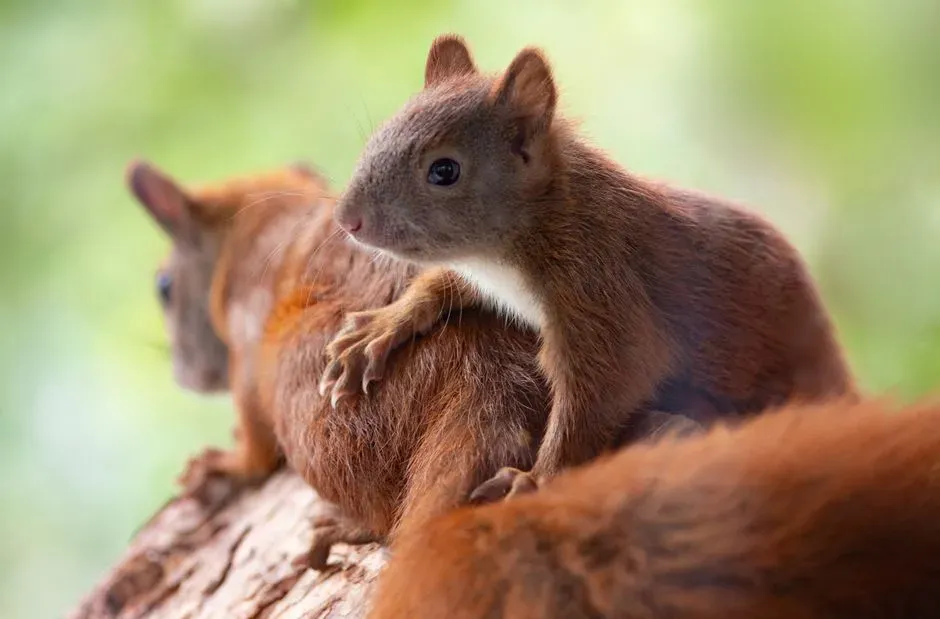
Competition starts among the males themselves before they focus on the female. Faster or more dominant individuals push ahead in the group, sometimes pausing to confront rivals. This sorting happens through speed and stamina rather than outright fights.
The leading male often earns the first chance once the female slows. Weaker or slower suitors fall behind or drop out entirely. Such sorting reduces unnecessary conflict while still allowing the strongest to proceed.
Female Choice in the Chase
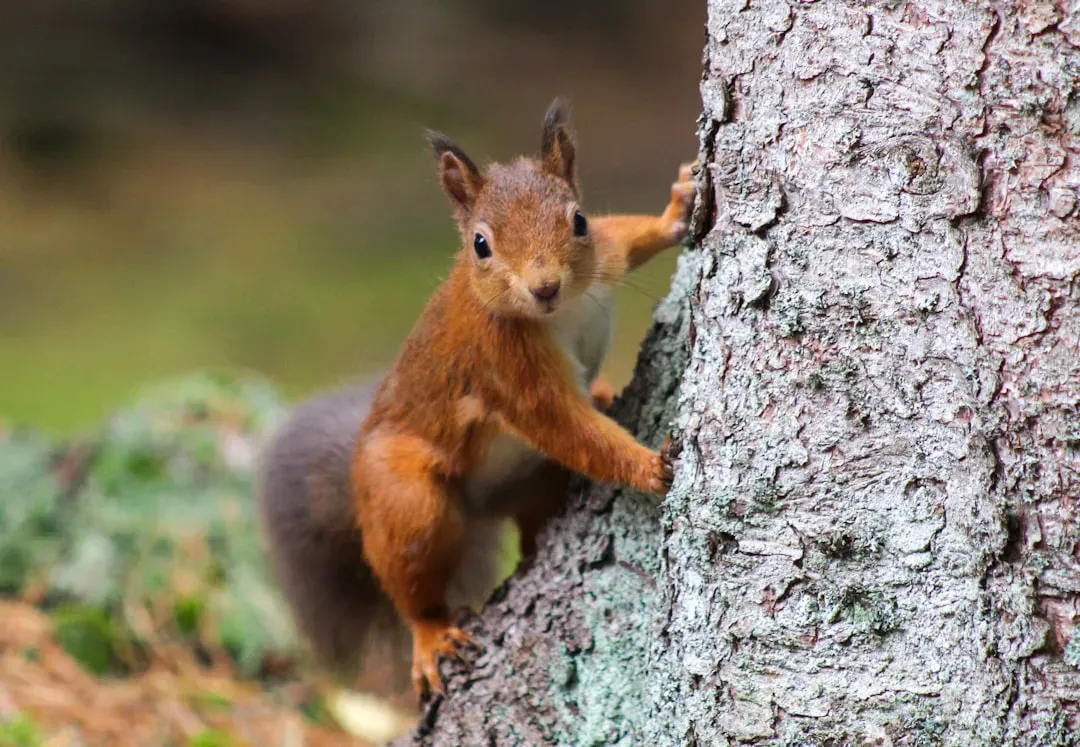
The female controls the pace and direction throughout the event. She chooses routes that challenge the males, circling repeatedly to wear down those who cannot keep up. Only when she decides does the chase end in mating.
This active role lets her select based on real performance instead of appearance alone. Multiple males may succeed over time if she remains receptive. The process favors individuals who demonstrate reliability under pressure.
Physical Demands on the Animals
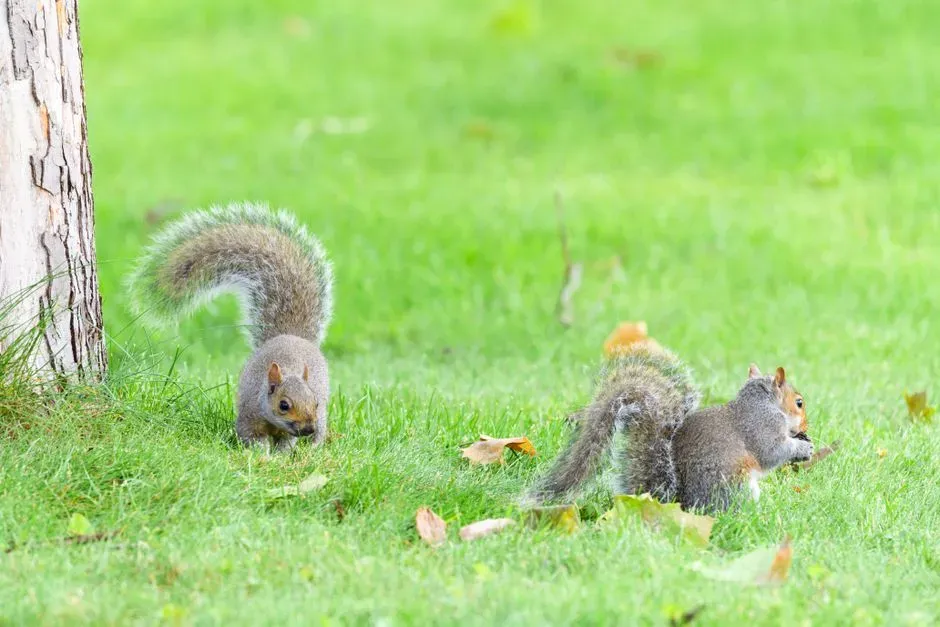
Chasing burns significant energy at a time when food sources are still rebuilding after winter. Participants lose weight and risk exhaustion, yet the drive remains strong enough to continue for hours. Young squirrels sometimes join in lighter versions that build coordination without the full stakes.
Adults balance these costs against the payoff of successful reproduction. The circular motion around familiar trees conserves some effort by keeping the action contained. Still, the overall toll shows how serious the stakes become each spring.
Seasonal Timing and Triggers
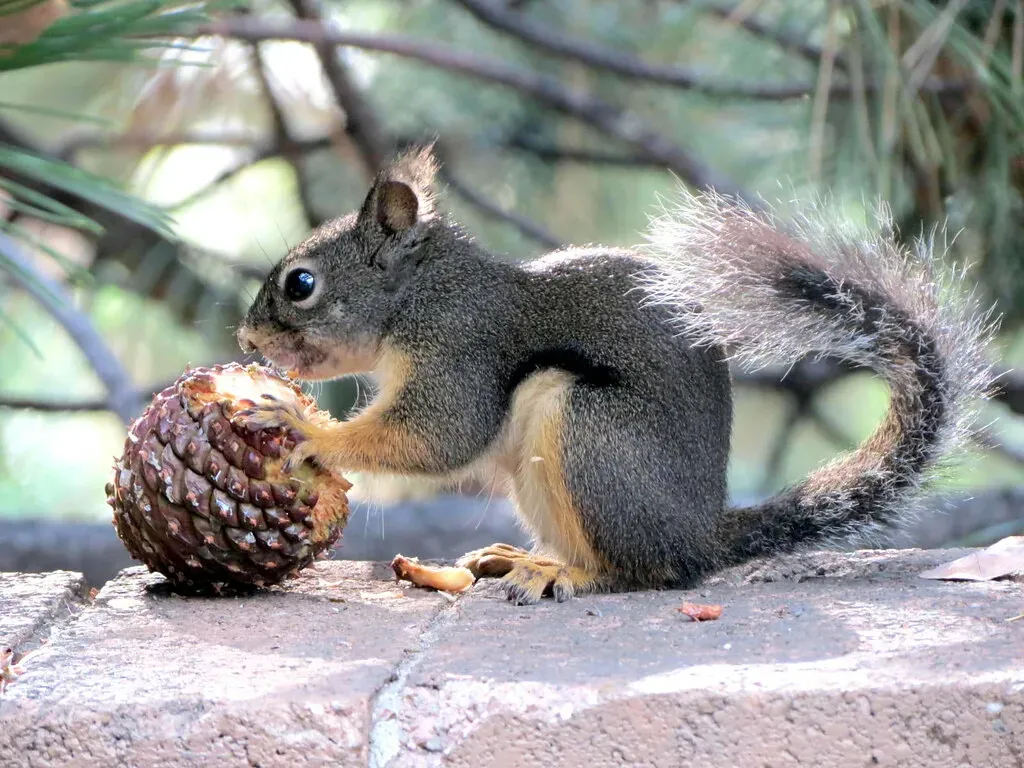
Two breeding windows exist for many common species, with the first peaking in late winter into early spring. Hormonal shifts in females trigger the visible activity as males detect the changes from a distance. The second round occurs later in summer for some populations.
Weather and food availability influence how intense the chases become. Mild springs can extend the period, while harsh conditions shorten it. The pattern repeats reliably enough that backyard watchers learn to expect it around the same weeks each year.
Lessons from the Forest Floor
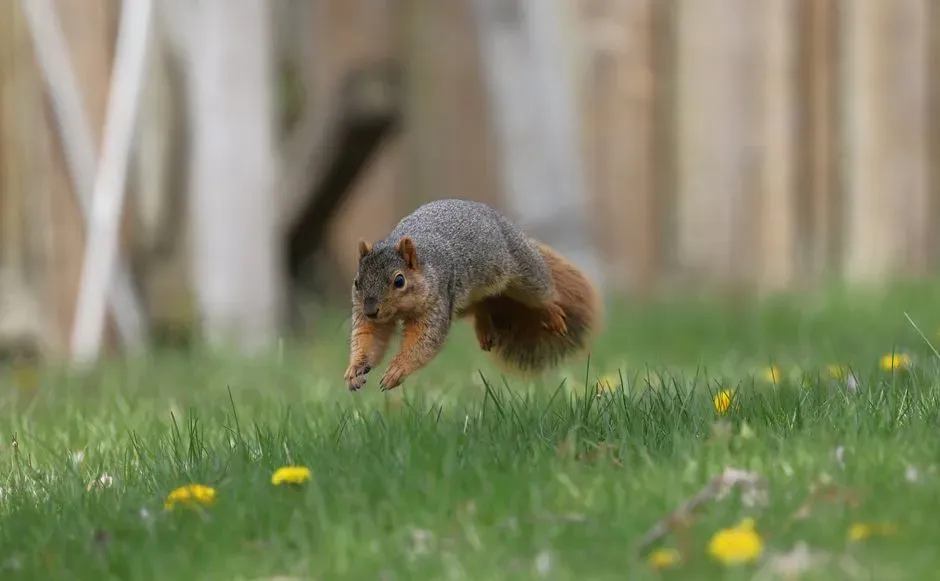
Watching these chases reminds us how much of animal life revolves around quiet tests of fitness rather than dramatic displays. The circles are not random entertainment but a practical filter that shapes the next generation. People who pause to notice gain a small window into processes that usually stay hidden.
In the end, the squirrels remind us that spring energy serves lasting cycles of renewal. Their persistence through the loops carries forward traits that help the population thrive. It is a reminder worth carrying into our own seasons of change.

- 17 Quiet Signals a Horse Sends the Person It Has Claimed That Most Owners Never Learn to Read - August 1, 2026
- 18 Plants Lifelong Gardeners Say They Regret Ignoring for Far Longer Than They Ever Should Have - August 1, 2026
- The 18 Signs Your Aging Cat Has Chosen You to Be Beside It When the Time Finally Comes - August 1, 2026