
The Antikythera Mechanism
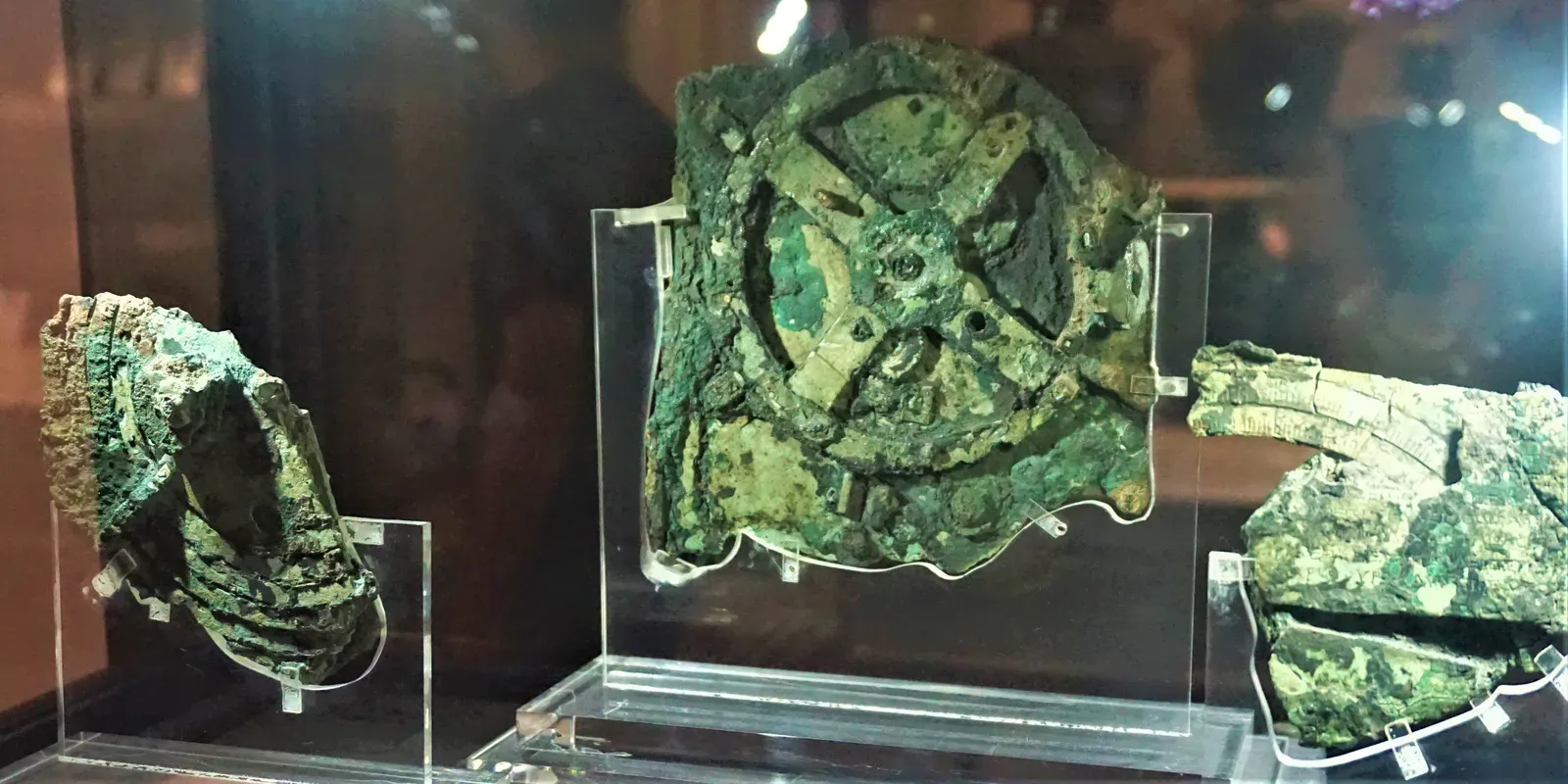
Recovered from a shipwreck off the Greek island of Antikythera in 1901, this intricate bronze device dates back to around the second century BCE. It consists of a series of gears and dials housed in a wooden case that once measured roughly the size of a shoebox. Scholars have spent decades studying its fragments to understand its purpose.
The mechanism tracked the movements of the sun, moon, and planets while also predicting eclipses and marking athletic events like the Olympics. Its geared complexity rivals that of later clockwork inventions by centuries. Few expected such sophistication from that era, yet the surviving pieces reveal careful calibration and thoughtful assembly.
The Baghdad Battery
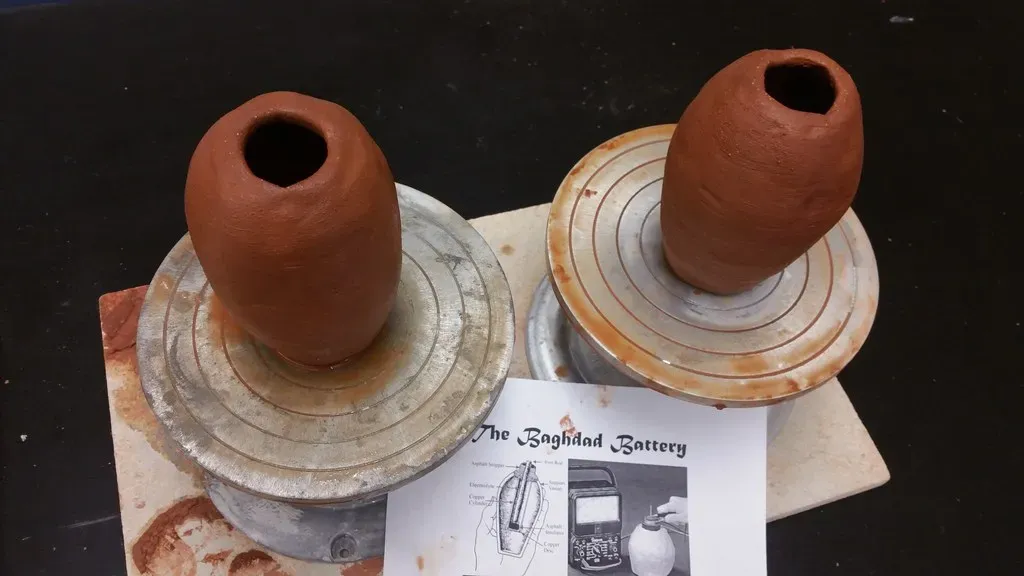
Unearthed in the 1930s near Baghdad, these clay jars from the Parthian or Sassanid period contain a copper cylinder and an iron rod. They measure about five inches tall and date to roughly 250 BCE through 250 CE. The simple construction uses materials readily available at the time.
When filled with an acidic liquid such as vinegar or grape juice, the jars produce a small electrical charge. Experiments have shown they can generate enough voltage for basic electroplating or perhaps medical uses. Their resemblance to early modern batteries stands out against the backdrop of everyday pottery from the same region.
Roman Dodecahedra
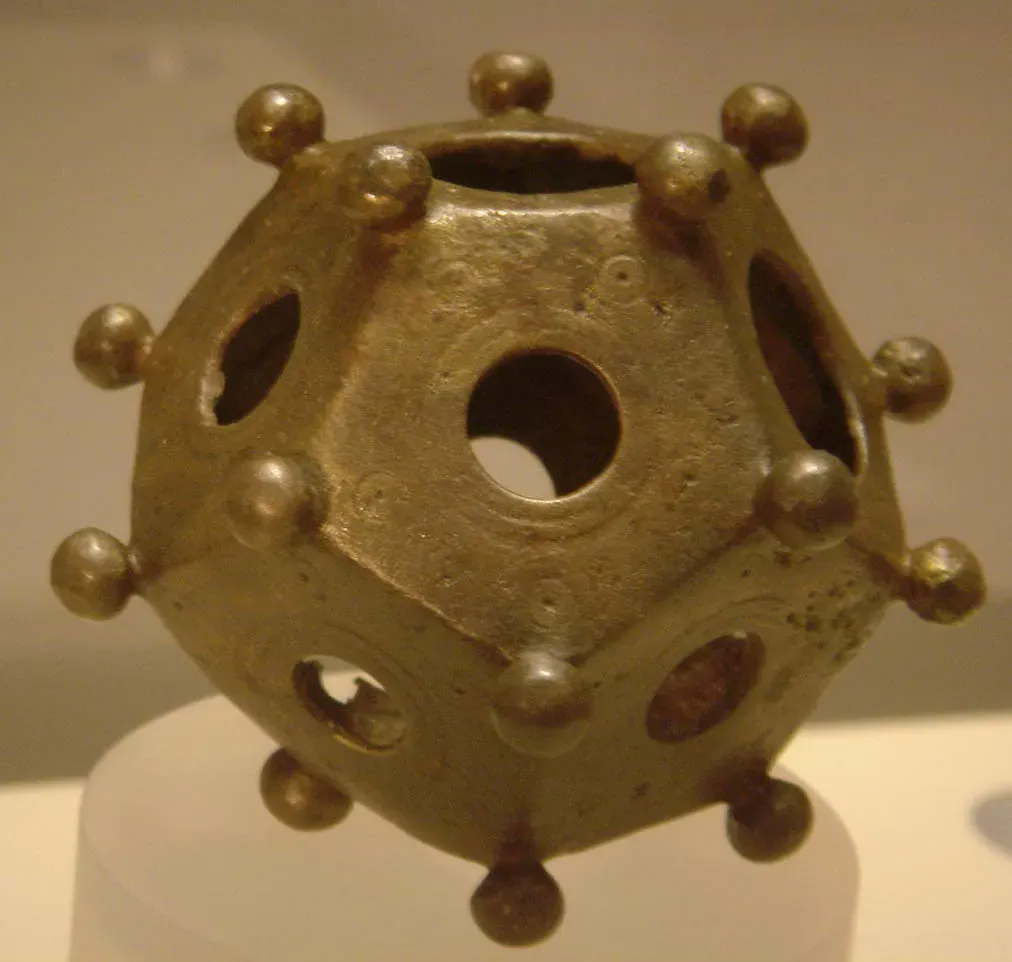
More than a hundred of these hollow bronze objects have turned up across the former Roman Empire, mostly in the northern provinces. Each features twelve pentagonal faces with circular holes of varying sizes and small knobs at the corners. They measure between four and eleven centimeters across and lack any clear inscriptions.
Their geometric precision and symmetrical design feel almost sculptural in a contemporary sense. Possible functions range from surveying tools to candle holders or even knitting aids, though none has been confirmed. Their elegant form continues to puzzle researchers who admire the craftsmanship involved.
Neolithic Carved Stone Balls

Found primarily in Scotland and dating to around 3000 BCE, these small stone spheres often display intricate patterns of knobs or raised lines. Most measure about three inches in diameter and were carved from hard local stones like granite or sandstone. Over four hundred examples exist in museum collections.
The uniform shaping and decorative motifs suggest deliberate aesthetic choices alongside any practical role. Some researchers propose they served as weights or status symbols, while others see them as early examples of abstract art. Their polished surfaces and balanced proportions give them a timeless quality that feels at home in modern design discussions.
The Lycurgus Cup
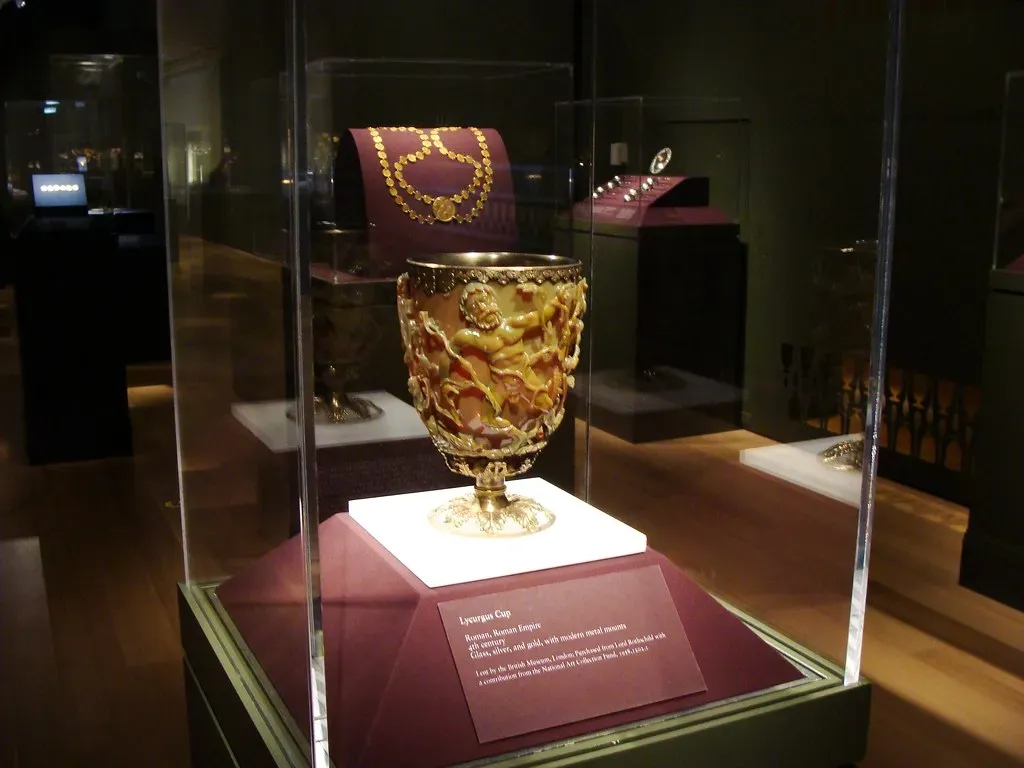
This fourth century Roman glass vessel, now housed in the British Museum, changes color depending on the light source. When lit from the front it appears green, yet it glows red when illuminated from behind. The effect comes from tiny particles of gold and silver embedded in the glass during manufacture.
The dichroic property demonstrates an advanced understanding of materials that modern nanotechnology has only recently begun to replicate in everyday products. Its delicate carving of mythological scenes adds to the visual impact. The cup stands as a striking example of ancient mastery over light and color.
Zhang Heng’s Seismoscope
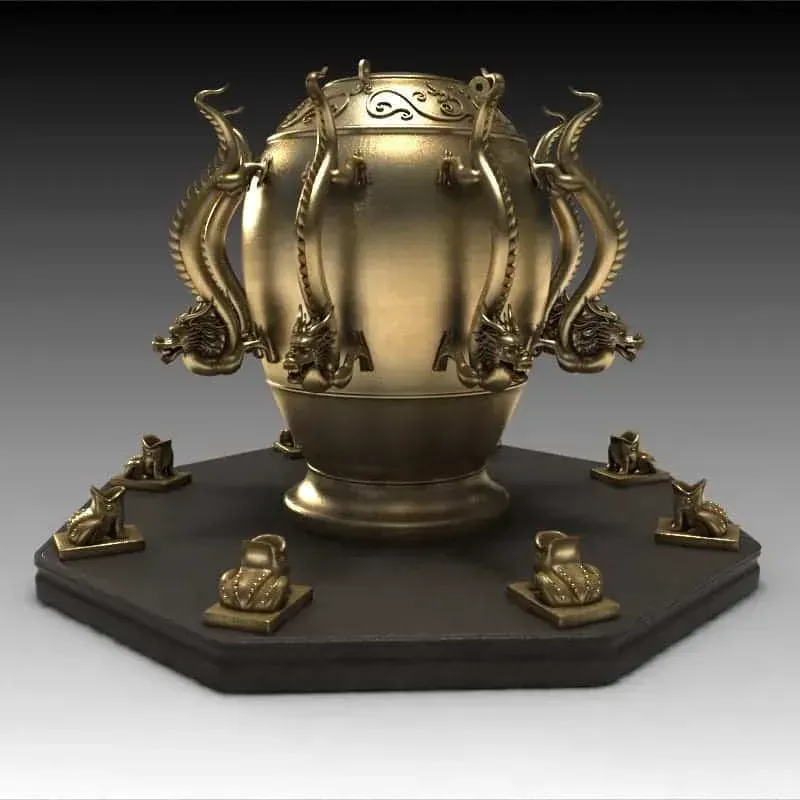
Built in China around 132 CE, this bronze instrument resembled a large urn with dragon heads positioned around its rim and toads below. Inside, a pendulum mechanism would trigger a ball to drop from the dragon facing the direction of an earthquake. The device could detect tremors hundreds of miles away.
Its ornate exterior combined with precise internal mechanics mirrors the blend of form and function seen in many scientific instruments today. Historical records note its successful detection of an event far from the capital. The design reflects careful observation of natural phenomena translated into a reliable tool.
The Nimrud Lens
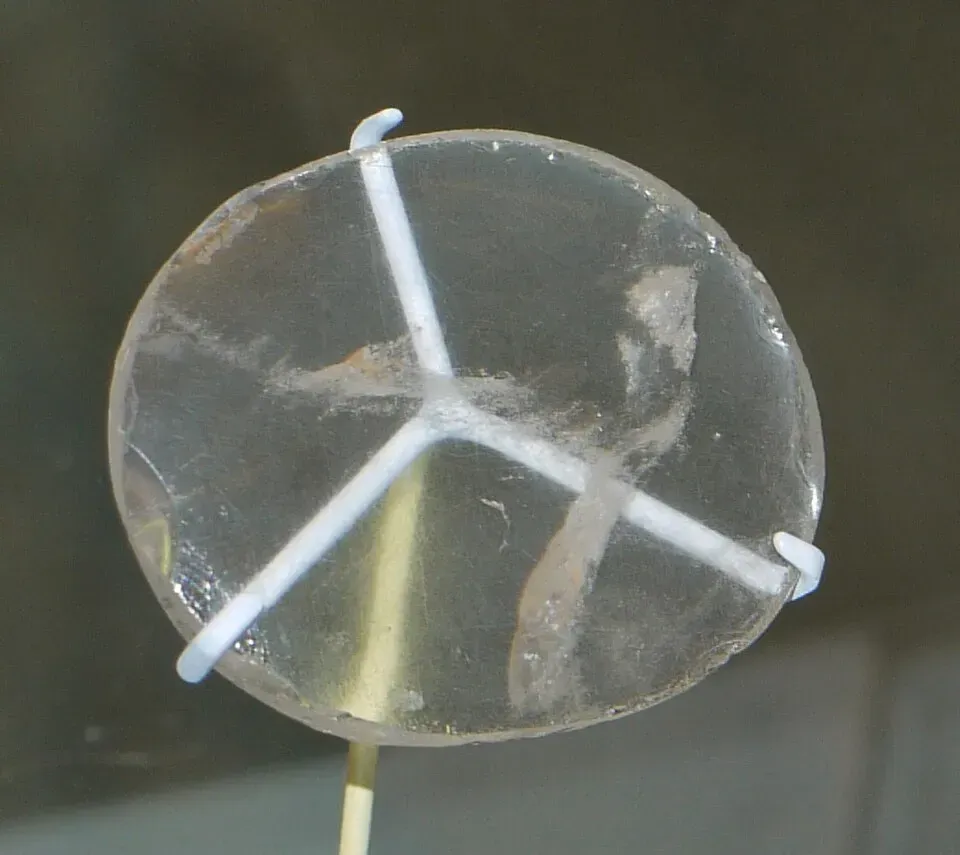
Discovered in the ruins of the Assyrian palace at Nimrud, this piece of polished rock crystal dates to the seventh century BCE. Roughly oval in shape and about four centimeters across, it shows signs of grinding and polishing on both sides. Some surfaces appear slightly convex.
Its optical qualities suggest it could have served as a magnifying glass or even part of an early telescope setup. The precision of the shaping stands out when compared with other stone objects from the same period. Researchers continue to debate its exact use while noting how it anticipates later lens technology.
The Nebra Sky Disk
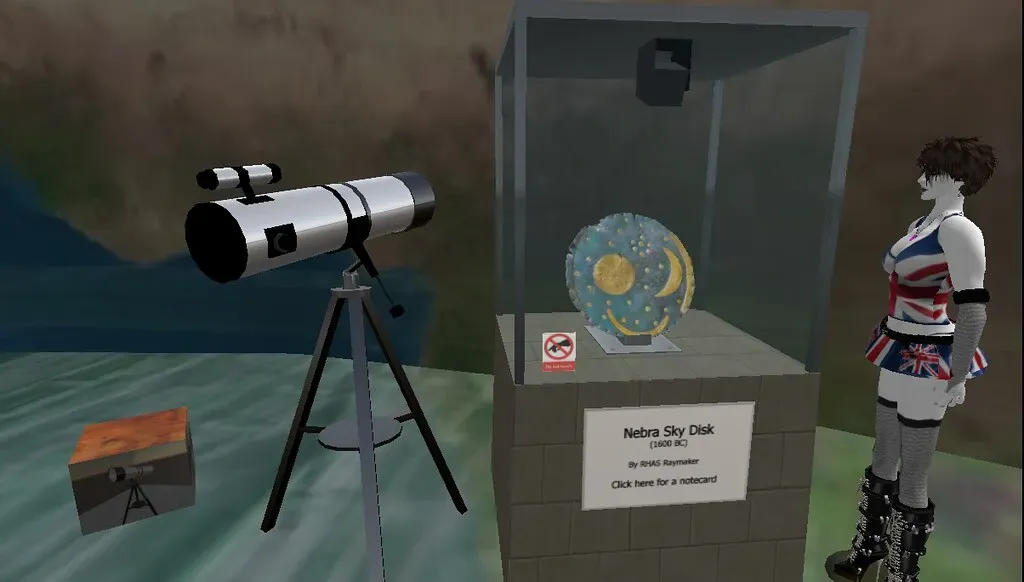
Unearthed in Germany and dating to around 1600 BCE, this bronze disk features gold inlays depicting the sun, moon, and stars. It measures about twelve inches across and includes a cluster of seven stars thought to represent the Pleiades. Additional arcs along the edge may mark the solstices.
The careful arrangement of celestial bodies on a portable object feels remarkably like a modern star chart or educational model. Its creation required advanced metalworking skills to embed the gold without damaging the bronze. The disk offers a window into how ancient observers mapped the heavens with both accuracy and artistry.
Ancient Egyptian Faience Hippos
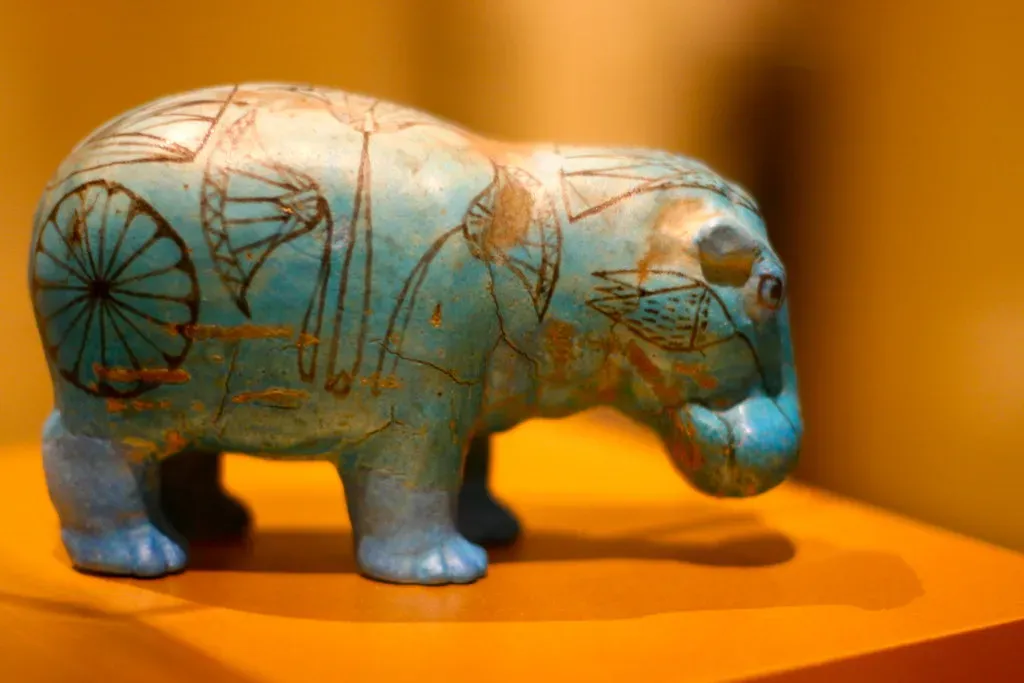
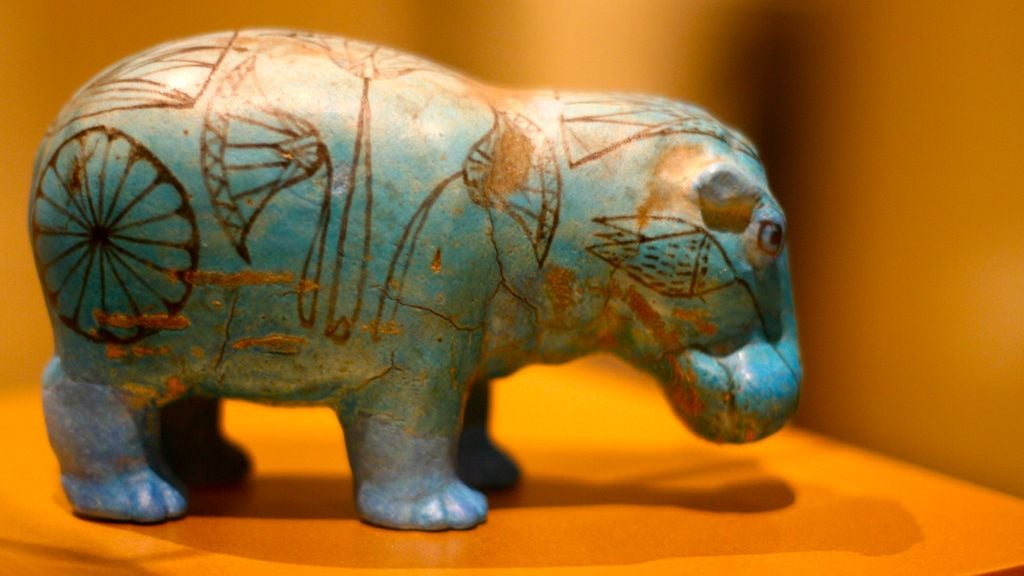
Small figurines of hippopotamuses made from Egyptian faience appear in tombs from the Middle Kingdom period, around 2000 BCE. These bright blue or green glazed pieces often measure just a few inches long and feature detailed markings for fur and features. They were placed with the deceased as protective symbols.
The vibrant color and stylized yet recognizable forms echo the clean aesthetic of contemporary ceramic art or decorative objects. The glazing technique itself demonstrates control over materials that produces a durable, glossy finish. Such pieces highlight an early appreciation for both symbolism and visual appeal in everyday items.
The Phaistos Disk
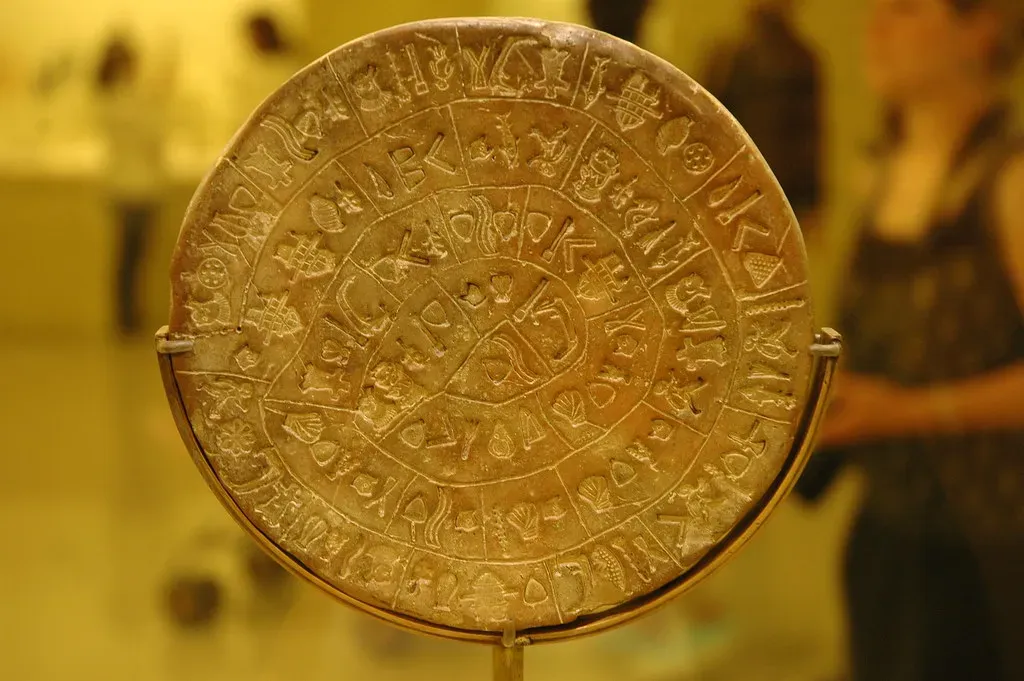
Found on the island of Crete and dated to around 1700 BCE, this clay disk bears stamped symbols arranged in a spiral pattern on both sides. It measures about six inches across and contains 241 individual impressions from 45 distinct signs. The method of creation suggests the use of reusable stamps or seals.
The orderly layout and repetitive stamping process resemble early forms of printing or data storage more than typical hand inscribed tablets of the era. Its unique format has resisted full translation, yet the physical object itself conveys a sense of systematic design. The disk remains one of the most distinctive artifacts from Minoan culture.
The ingenuity behind these objects reminds us that innovation rarely follows a straight line through history. Each piece carries evidence of careful thought and skilled execution that still resonates with how we approach design and function today. Their survival offers quiet proof that curiosity and craftsmanship have always traveled together.
- 8 US States With the Most White-Tailed Deer - August 2, 2026
- 10 Fascinating Things About Japan That Will Amaze You - August 2, 2026
- 10 Cool Facts About The Okapi, The Most Mysterious Mammal On Earth - August 2, 2026