
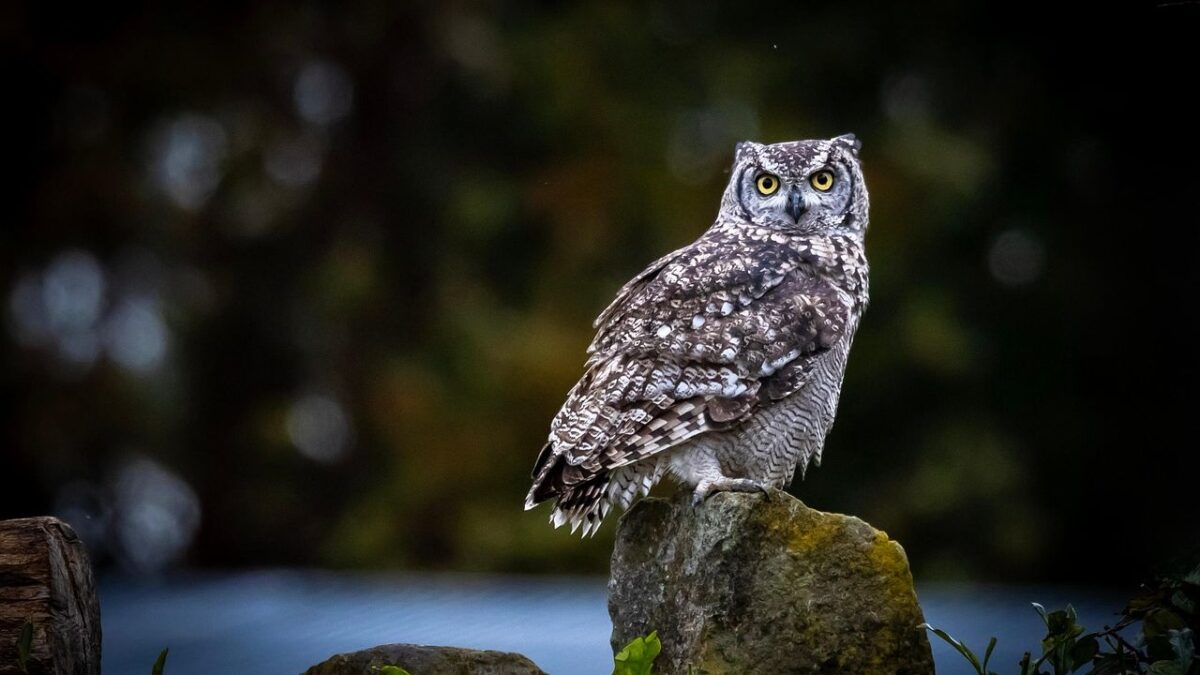
Picture this. You step outside on a quiet evening and notice an owl perched on the edge of your roof. The next night it returns. By the third evening the same bird sits there again, its eyes catching the light. Many people would shrug it off as coincidence. Yet in certain folklore traditions this repeated visit carries a deeper message.
Stories passed down through generations suggest that owls can act as bridges between the living and those who came before. The pattern of three nights adds weight to the idea that something important needs attention. This belief surfaces in scattered accounts from different regions, each adding its own layer to the tale.
Owls as Messengers in Ancient Traditions
Owls have long appeared in stories as creatures that move between worlds. In some older European accounts they were linked to wisdom and also to the unseen. People noticed how these birds hunt at night and seem to observe without being seen themselves. That quiet presence made them natural symbols for messages that arrive when the sun goes down.
Similar threads show up in other places where owls were viewed as guides for souls. The bird’s ability to turn its head almost all the way around added to the sense that it could see what others missed. Over time these traits turned into the notion that an owl might carry news from those no longer here.
The Power of Three in Symbolic Warnings
Repetition matters in many old belief systems. Doing something once can feel like chance. Twice starts to feel like a pattern. Three times often signals that the message deserves real notice. This idea of three shows up in counting rituals, stories, and even simple warnings passed along in families.
When the owl returns on the third night the repetition itself becomes part of the sign. It moves the event from a random sighting into something that feels deliberate. Listeners in these traditions learn to pay closer attention once the number three enters the picture.
Ancestors Communicating Through Nature
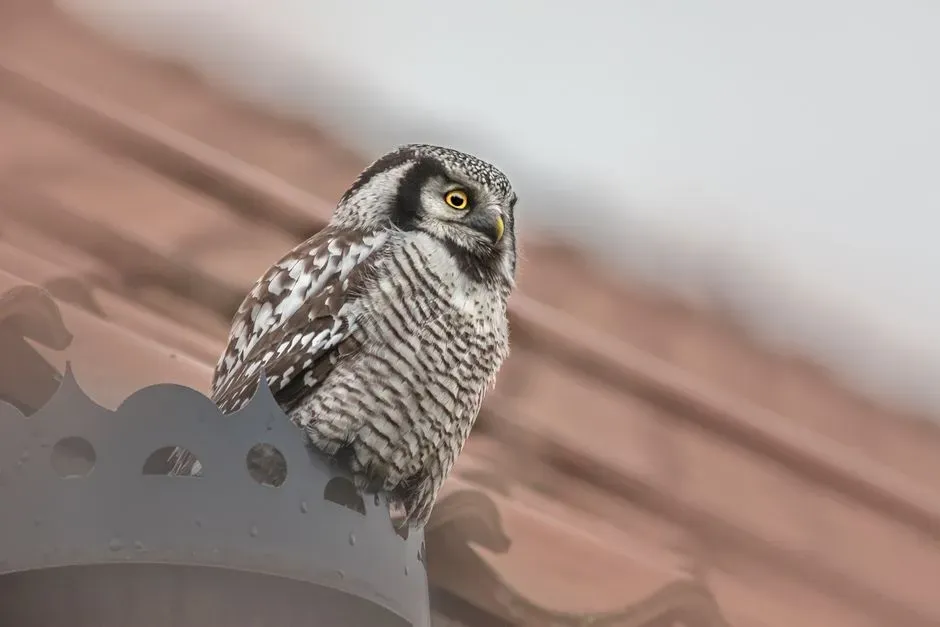
Many cultures hold that family members who have passed stay connected in quiet ways. They might use weather, animals, or ordinary objects to reach those still living. An owl landing in the same spot night after night fits this pattern of using something familiar yet slightly unusual. The roof becomes the meeting place because it sits at the edge of the home.
These stories often describe the warning as protective rather than frightening. The ancestor is not trying to scare anyone but to point out a risk or a choice that needs care. The owl serves as the visible sign while the real message stays personal to the household that receives it.
Regional Variations in Owl Lore
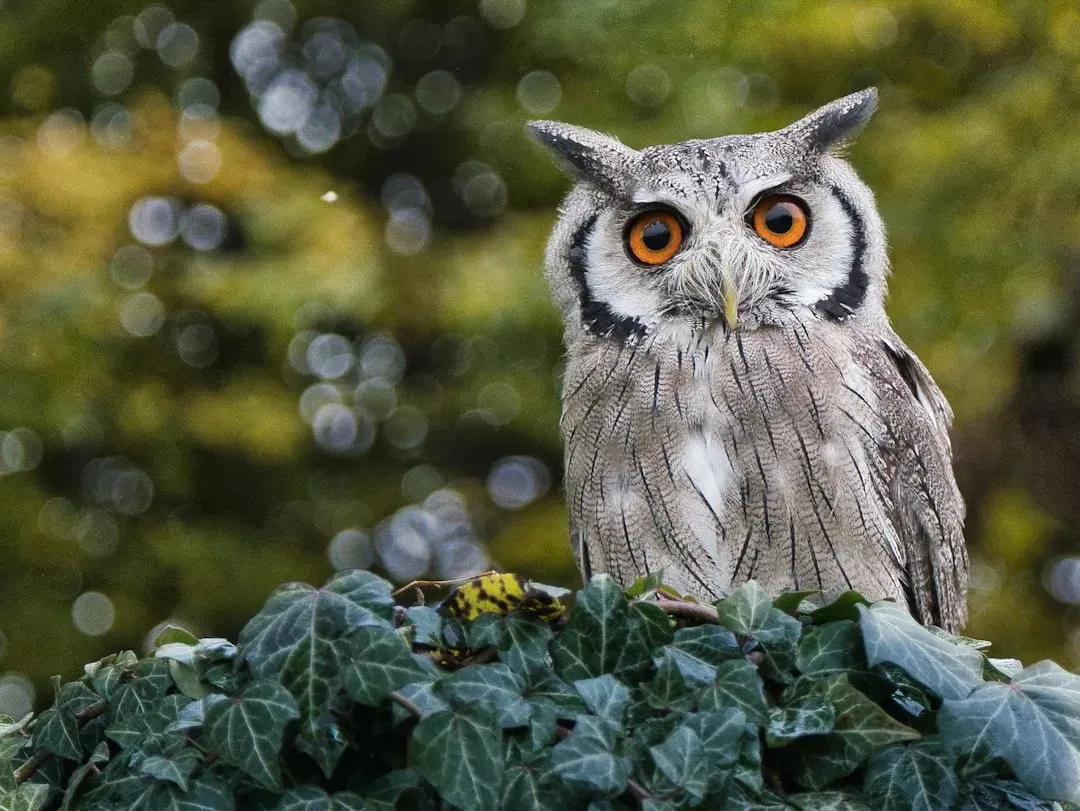
Different places shape the same basic image in their own style. In some rural areas the owl on the roof points to family health or land matters. Elsewhere the focus shifts toward relationships or decisions that affect the next generation. The core remains similar even when the details change with local customs.
Travelers and story collectors have noted how these small differences keep the belief alive. A version told in one valley might emphasize protection while another stresses guidance. The shared thread is the sense that the natural world can carry meaning when people stay open to it.
Psychological Aspects of Noticing These Signs
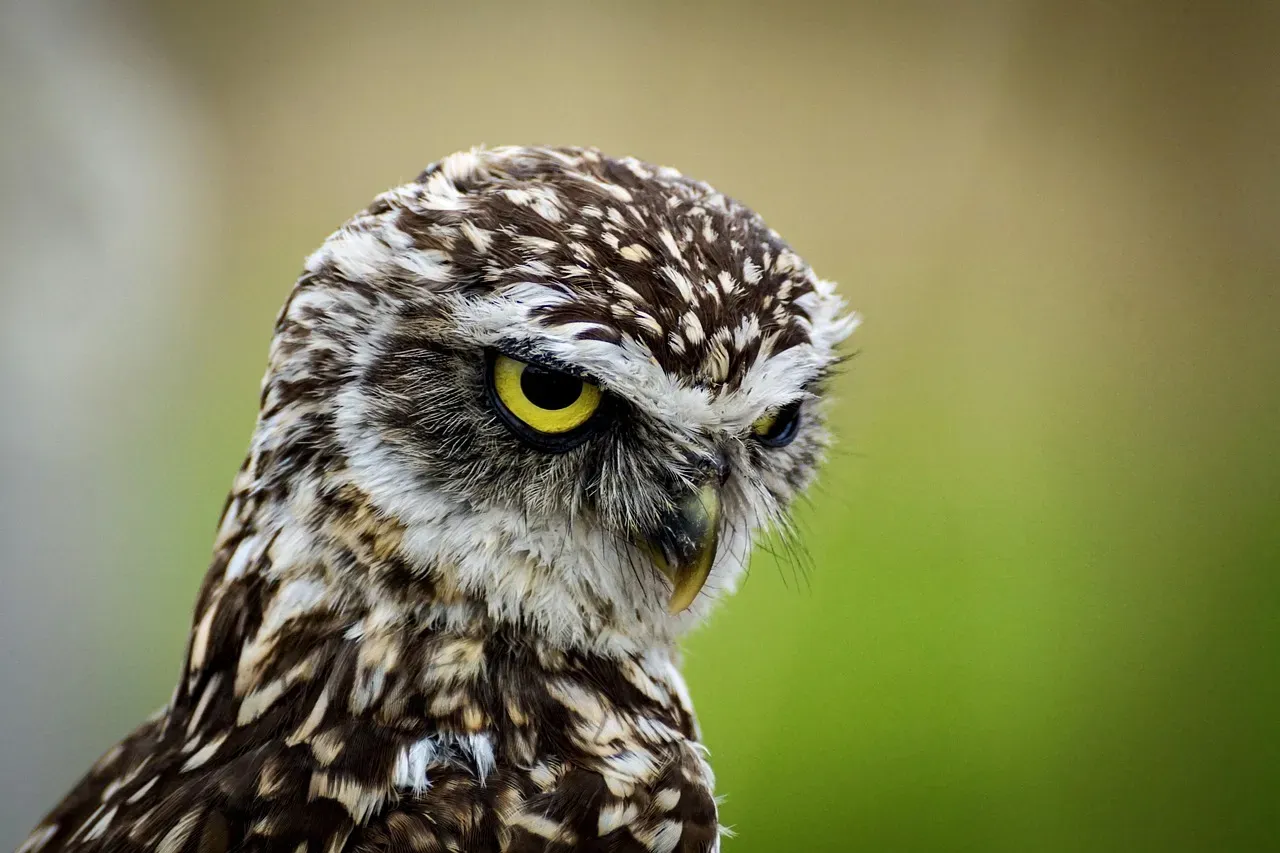
Human minds look for patterns, especially during times of stress or change. Spotting the same owl three nights running can feel meaningful because the brain already seeks connections. This does not make the experience less real for the person who lives it. It simply adds another layer to how the story takes hold.
At the same time the act of watching for the bird can create a pause. People slow down and reflect on what might need attention in their lives. That moment of reflection often proves useful whether or not the owl carries any special message.
Balancing Folklore with Everyday Life
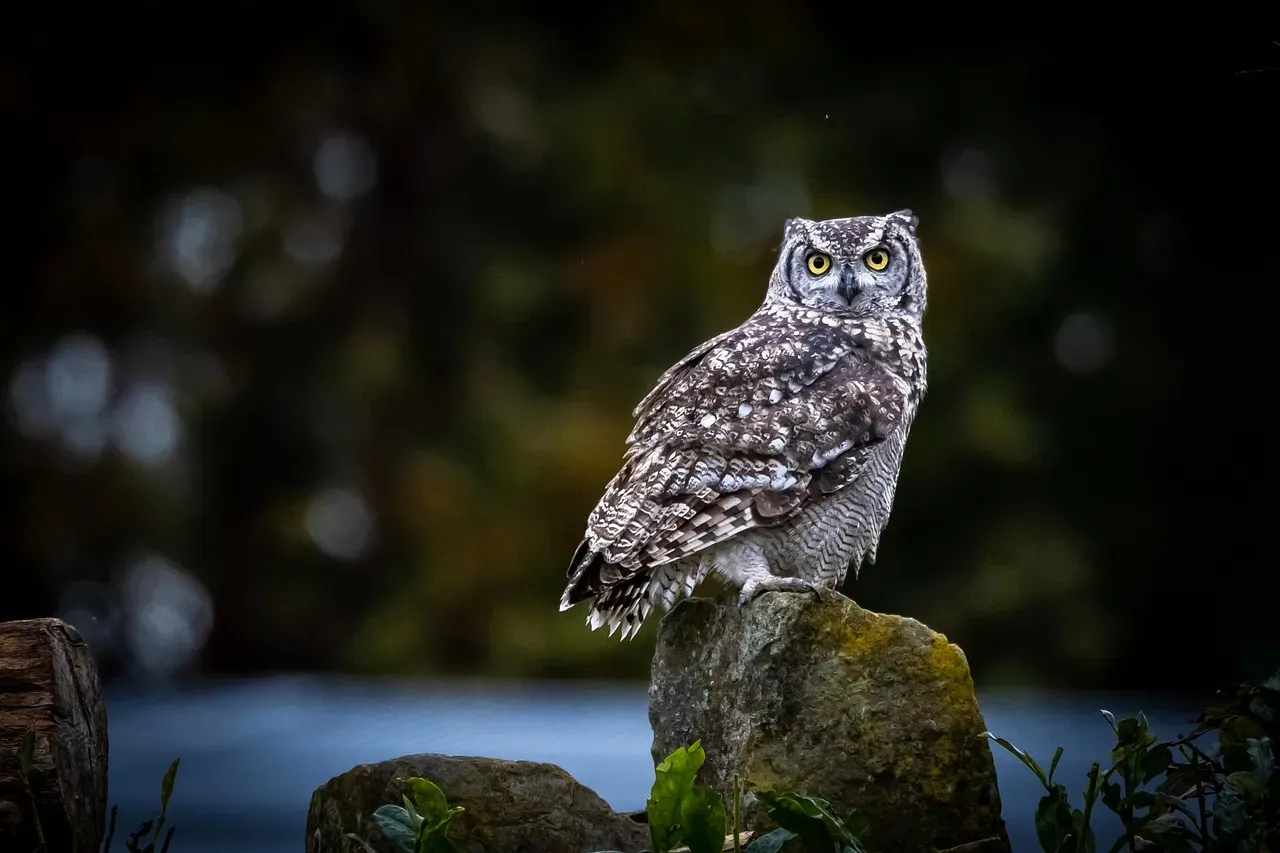
Most people today treat these accounts as interesting stories rather than strict rules. They enjoy the history and the imagery without letting it dictate daily choices. Still the tale can serve as a gentle reminder to stay alert to surroundings and family matters. An owl on the roof becomes a prompt to check in rather than a command.
Practical steps remain the same no matter the belief. Listen to concerns from relatives, watch for small changes in health or routines, and keep communication open. The folklore adds color and tradition without replacing ordinary good sense.
Why These Beliefs Continue to Resonate
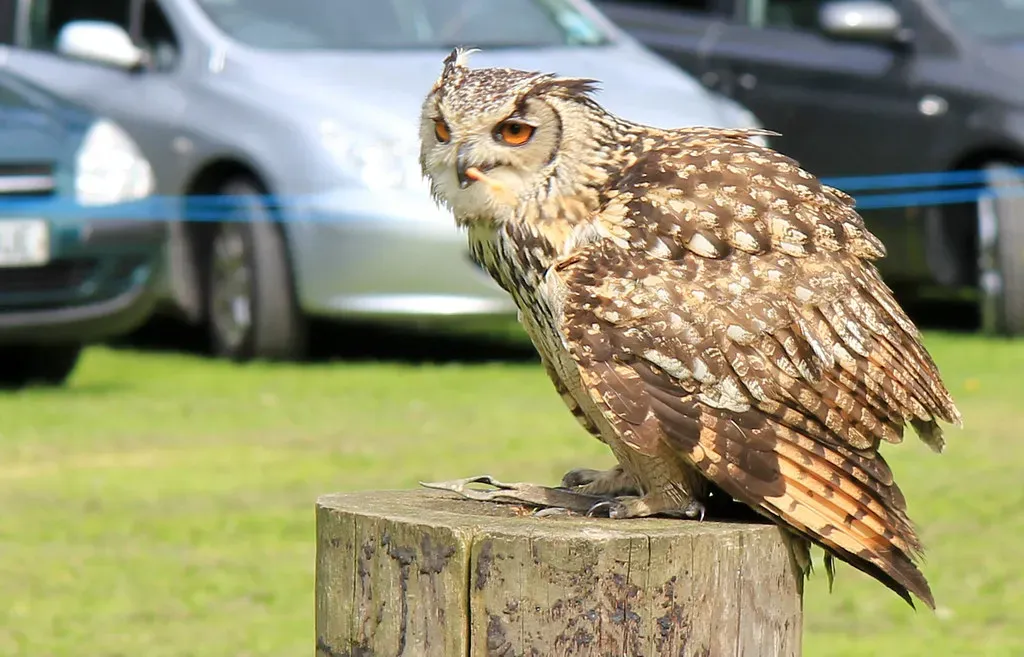
Stories like this one survive because they speak to something lasting. They connect people to earlier generations and to the natural world in a single image. Even in a time of constant information the idea of a quiet sign from the past offers a different kind of comfort. It suggests that attention and care can still bridge distances that feel permanent.
In the end the value lies less in proving the warning true and more in the pause it creates. A person who notices the owl might reach out to family, review a decision, or simply spend a moment in the quiet night. That small shift in awareness is what keeps the old tale worth telling.

- 16 Choices Experienced Dog Owners Say They Would Undo If They Could Start All Over Again - August 3, 2026
- 16 Surprising Things a Single Hummingbird Does Every Day That Most Gardeners Would Simply Never Believe - August 3, 2026
- 14 Things Your Senior Cat Does in Its Final Season That Vets Say Owners Rarely Ever Recognise - August 3, 2026