
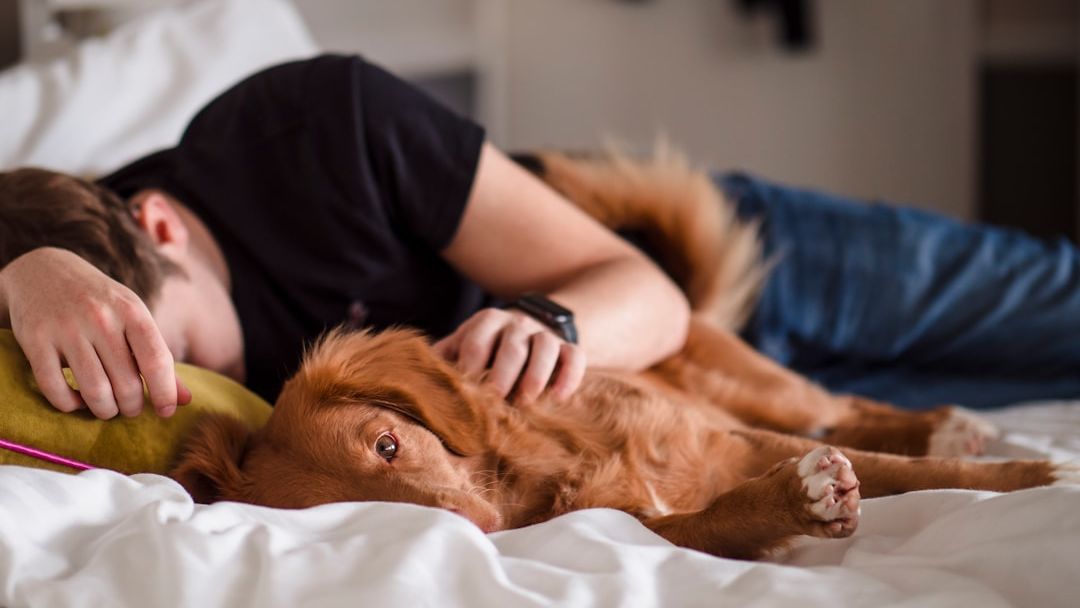
Most people think they’ll recognize the end when it comes. They imagine a clear, unmistakable moment – and then they’re blindsided by something small. A glance that lasts a beat too long. A weight pressed quietly into their lap. A sound they’ve never heard before from an animal they thought they knew completely. The final days of a dog’s life are rarely what owners expect, and that gap between expectation and reality is exactly what makes these memories so impossible to shake.
What follows aren’t worst-case checklists or clinical warnings. These are the specific, human moments that owners carry for years – sometimes decades – after their dog is gone. Some will feel familiar if you’ve been through this. Some will hit different if you’re going through it right now. Either way, the last one on this list is the one people talk about least and remember most.
#13 – Seeking Out Unusual Quiet Corners
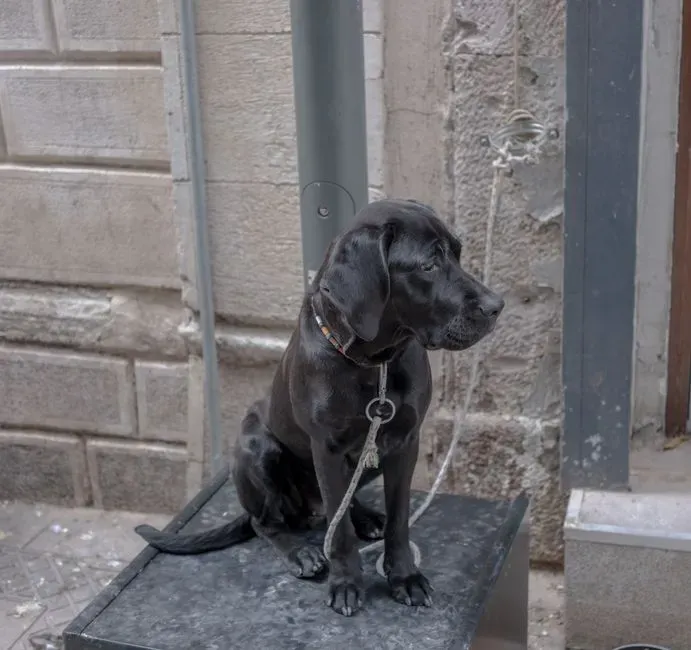
Most owners expect their dog to stay glued to the family couch until the very end. Instead, many dogs quietly migrate to odd, tucked-away spots – under the bed, behind a chair, at the far end of a hallway they rarely visited. It can feel like rejection at first, like the dog is pulling away right when the owner wants closeness most. But vets consistently explain it as something simpler: a need to reduce sensory input as energy drops and discomfort rises.
What owners remember isn’t the behavior itself – it’s the specific spot. Years later, they can still describe exactly where it was, what angle the dog faced, what the light looked like. That corner becomes a kind of landmark in memory, the physical place where they first understood something was truly shifting. It’s not dramatic. It’s just a dog lying somewhere new, and somehow that’s enough to change everything.
At a Glance
- Retreating to quiet corners is instinctive – it’s about managing sensory overload, not pushing you away
- Dogs may seek out cool floors, low-traffic hallways, or spots with dim lighting
- The chosen corner often becomes one of the most vivid spatial memories an owner holds
- Placing a familiar blanket near the spot can offer comfort without disrupting what the dog is seeking
#12 – Turning Away From Favorite Foods

Everyone pictures the dying dog still perking up for a treat. The reality often looks completely different. Food that once triggered full-body excitement – the spinning, the whimpering, the laser focus – gets sniffed once and left alone. Organ function changes make eating feel overwhelming or nauseating, and the body quietly begins prioritizing rest over everything else. Owners try every trick they know: warm broth, hand-feeding, the good stuff from the back of the fridge. The dog politely declines all of it.
What catches people off guard isn’t just the refusal – it’s how sudden it can be. One day there’s still appetite; the next, almost none. That shift lands hard because food was always the easiest language between them. It’s the moment many owners later identify as the real turning point, the day the body started saying something the dog couldn’t.
#11 – Flipping Between Clingy and Withdrawn

There’s a common assumption that a dying dog will either want constant company or complete solitude. What actually happens is messier and more confusing than either. Many dogs swing between both within the same afternoon – pressed against a leg one hour, retreated behind the couch the next. Owners often interpret the withdrawal as a sign they did something wrong, or that the dog wants to be alone when the end comes. Neither is usually true.
Vets hear this described constantly, and the explanation is less mysterious than it feels: the dog is managing fluctuating discomfort and overstimulation, not making a statement. But knowing that doesn’t make it easier to sit with. Families end up second-guessing every move, hovering and then giving space and then hovering again – trying to match something that won’t hold still. That uncertainty is its own kind of grief.
#10 – Sleeping Through What Used to Be Active Hours
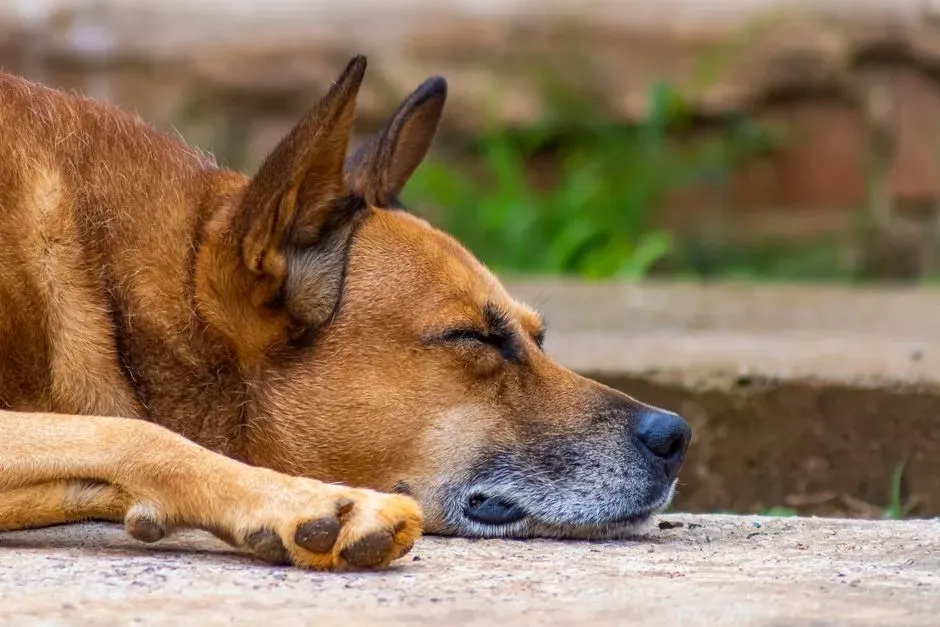
Senior dogs sleep more anyway, so the change can creep up slowly. But there’s a difference between an old dog napping through the afternoon and a dog sleeping 20-plus hours with no flicker of interest in what’s happening around them. The leash hits the hook and nothing happens. The front door opens and they don’t lift their head. The body is pulling resources inward, shutting down non-essential systems one by one, and the house gets very quiet in a way it wasn’t before.
What owners often describe, looking back, is how peaceful they looked. Deeply, completely at rest in a way that almost looked chosen. That peacefulness creates a strange false stability – everything seems calm, so maybe things are okay – right up until other signs make it impossible to ignore. The stillness feels like rest. It is rest. It’s just also something more.
Worth Knowing
- A dog sleeping 20+ hours a day with no response to familiar triggers is a meaningful shift beyond normal senior napping
- Behavioral changes can begin weeks before death – vets note some signs appear as early as three months prior
- The HHHHHMM Scale (Hurt, Hunger, Hydration, Hygiene, Happiness, Mobility, More good days than bad) is a tool vets use to assess overall quality of life
- Tracking daily patterns – good days vs. bad days – over one to two weeks helps owners and vets make more confident, compassionate decisions
#9 – Breathing That Sounds Different
Labored or irregular breathing catches people completely off guard because it often arrives before other dramatic signs. The rhythm changes – pauses appear where there used to be steady inhales, shallow pants replace normal breaths, or there’s a sudden catch that makes the owner freeze mid-step. It can stem from fluid buildup, reduced circulation, or the simple effort the body is now spending on something it used to do automatically. The dog often looks calm while it’s happening, which makes it harder, not easier.
Owners almost universally remember the sound. Not just that it changed, but the specific quality of it – the exact pattern, the gaps, the way it sounded in a quiet room at 2 a.m. It becomes a private timestamp in memory, marking the moment the timeline became undeniable. Some describe hearing a similar sound years later in another context and feeling it land somewhere deep in their chest before their brain even catches up.
#8 – Ignoring Walks and Toys Completely
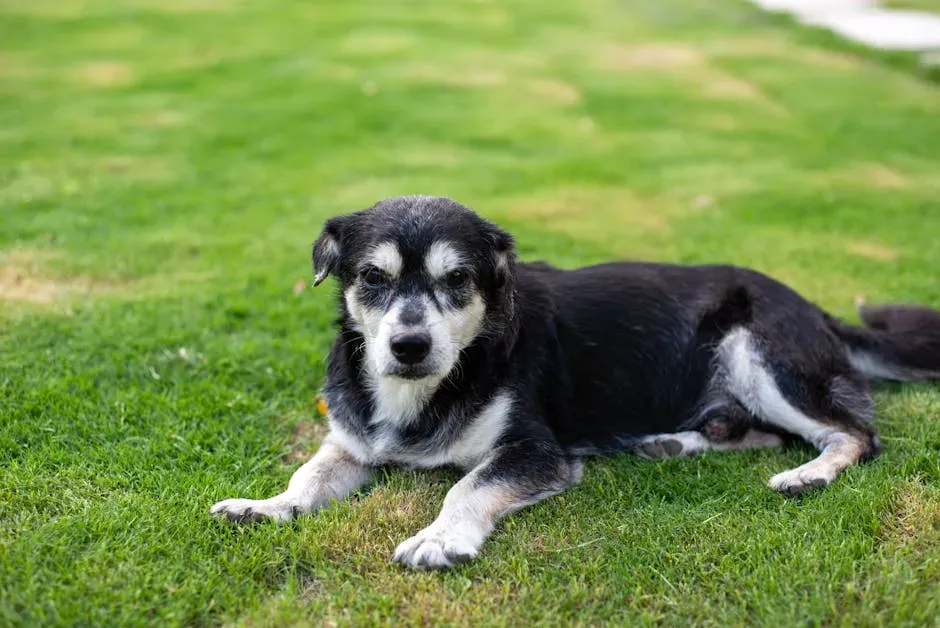
A dog that once lost its mind at the sight of a leash now watches it appear and doesn’t move. The favorite ball sits untouched. The squeaky toy that once launched a full household event collects dust in the corner. This is usually one of the first losses that feels personal – not just physical decline, but something about the spirit stepping back from what made the dog most fully themselves. Owners try coaxing. Sometimes the dog will stand for a few slow steps outside, then turn back toward home without prompting.
What surprises people is how this disinterest can arrive before the dog looks obviously sick. The body still moves, but the wanting is gone. That internal shift – invisible to a stranger, unmistakable to someone who knew the dog well – is often what triggers the first real conversation with a vet about quality of life. It’s the joy going quiet before anything else does.
Quick Compare
- Normal senior slowdown: Reduced activity, shorter walks, less enthusiasm but still engages when encouraged
- End-of-life disengagement: Complete indifference to leash, toys, food, and familiar sounds – the want is simply gone
- What it means: Loss of interest in previously joyful activities is one of the clearest quality-of-life signals vets ask about
- What helps: Gentle, pressure-free outdoor time – even just fresh air on the front step – can still matter without demanding effort
#7 – Accidents That Feel Out of Character
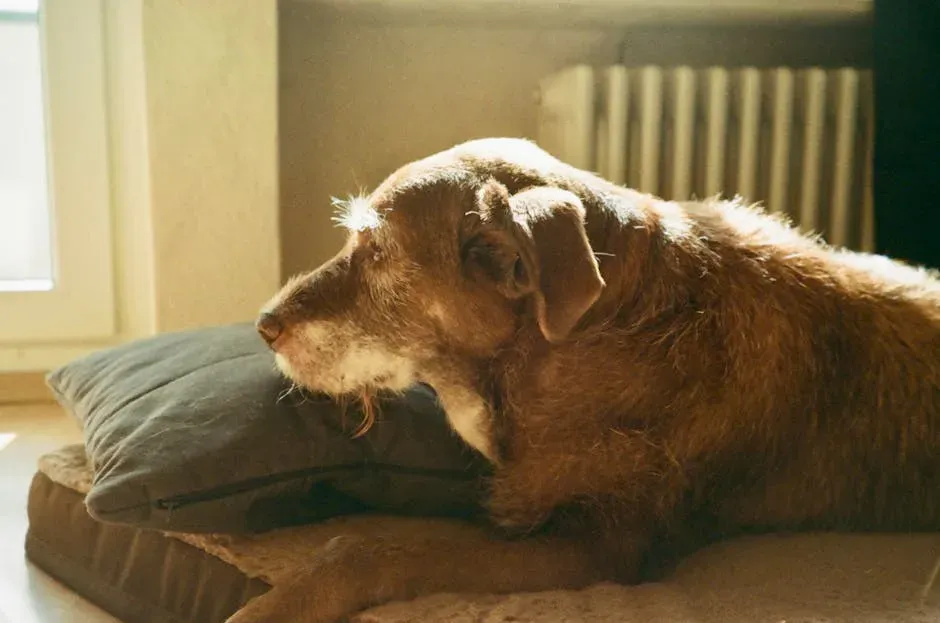
A dog that was reliably house-trained for a decade suddenly can’t hold it – often while sleeping, sometimes without any warning at all. Muscle control fails as the body weakens, and there’s nothing behavioral about it. Owners know this, or come to know it, but the moment of finding it still carries a particular weight. Many describe the look on the dog’s face: sometimes apologetic, sometimes simply unaware, sometimes looking up as if to check whether things are still okay between them.
What stays with people is the quiet acceptance in those eyes. The dog isn’t ashamed in the way a human would be – but there’s a vulnerability there that owners carry differently than other memories. They cleaned it up without a word, without making the dog feel worse, and that act of quiet dignity – theirs as much as the dog’s – is something they come back to. Love expressed through the most unglamorous possible moment.
#6 – Wandering or Staring Into Space
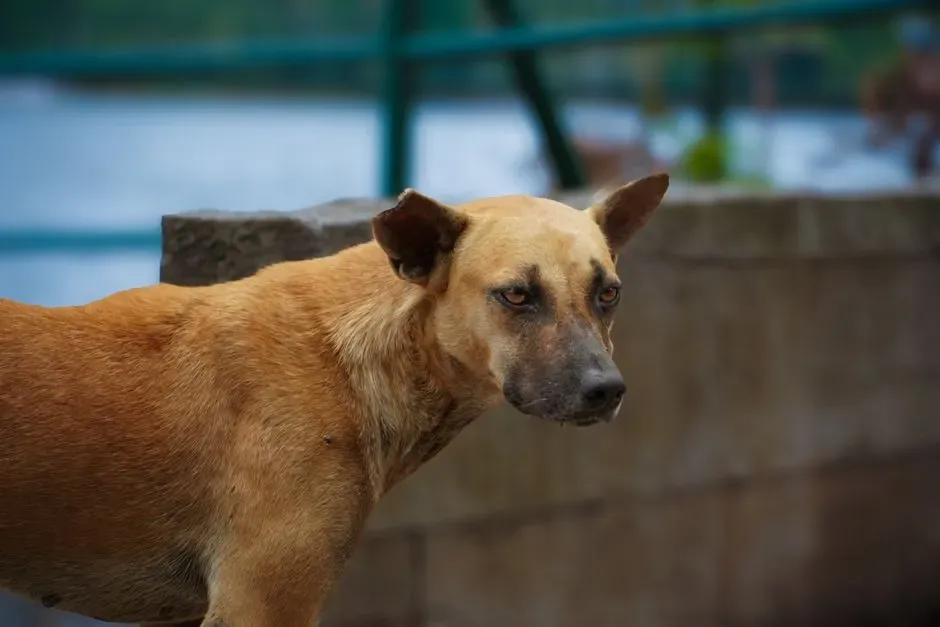
Confusion can take a strange, disorienting shape in a dog’s final days. They pace through rooms they know by heart as if the layout has changed. They stop in the middle of a hallway and stare at nothing. They bump gently into furniture they’ve navigated for years. Reduced blood flow to the brain changes perception, and suddenly the home that held every familiar scent and routine becomes something harder to read. Owners spend hours gently redirecting them, guiding them back to their bed, only to repeat the whole cycle an hour later.
What haunts people most is the expression – the vacant, faraway look that replaces the alert gaze they knew for years. It’s the first moment many owners describe feeling like their dog was already somewhere between here and somewhere else. Not fully present in the way they always had been. The dog is still there; something essential just seems to be loosening its grip.
#5 – Giving That Intentional “Look”
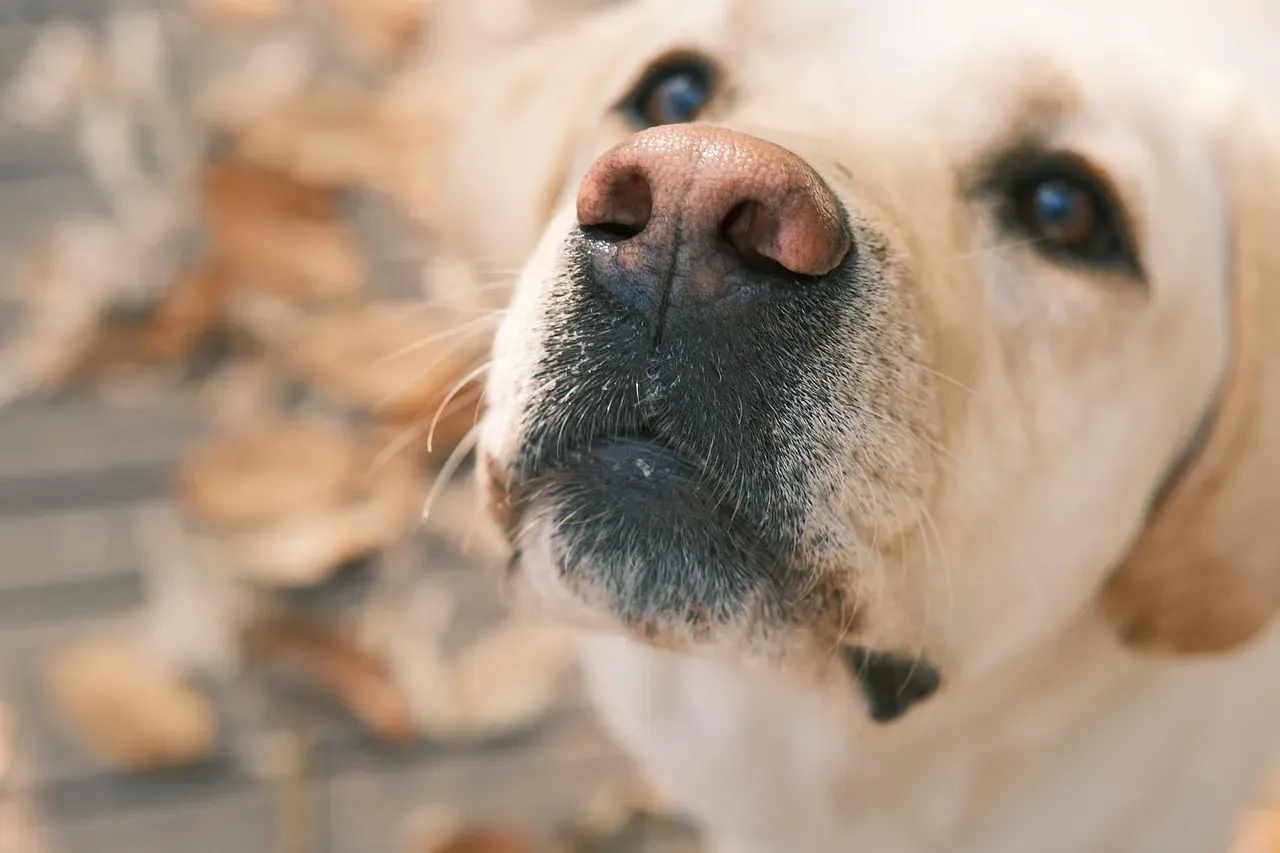
Ask almost any owner who has been through this and they’ll describe a moment that stopped them completely. The dog looked up – or turned, or lifted their head – and held eye contact in a way that felt completely deliberate. Not a beg for food or a reaction to sound. Just a long, quiet, unhurried look that seemed to carry something specific. Vets hear this story so often it’s practically its own phenomenon, and it tends to happen within the final 48 hours.
No one who experiences it describes it as coincidence or projection. Families call it their private goodbye – the moment the dog communicated something that had no words and needed none. It stops people mid-task, mid-sentence, mid-thought. Years later, they remember exactly where they were standing, what the light was doing, whether anyone else was in the room. No photograph exists of it. None is needed. That look lives somewhere that photographs don’t reach.
#4 – Trembling Without Obvious Cold
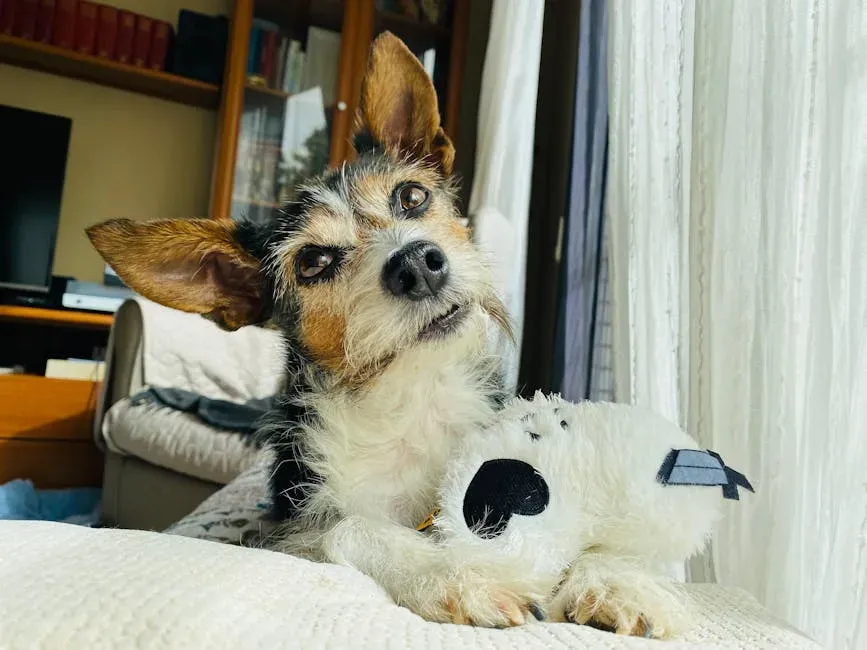
Shaking in a warm room with no apparent cause is one of the symptoms that sends owners searching for answers late at night. The dog isn’t cold – they’re covered, they’re inside, the temperature is fine. But the trembling comes anyway, in waves, sometimes accompanied by restlessness and sometimes paired with a strange stillness. It can signal pain, anxiety, or neurological shifts, and it’s easy to miss early on because it can look like a shiver that simply doesn’t stop.
What owners notice – and what stays with them – is that the trembling sometimes quiets when they move closer. Not always, but often enough that sitting beside the dog becomes both the instinct and the response. No fix, no solution, just presence. The shaking slows. That discovery – that they could do something simply by being there – is one of the things people describe as both heartbreaking and, somehow, a gift.
#3 – Pressing Their Body Against Yours in New Ways
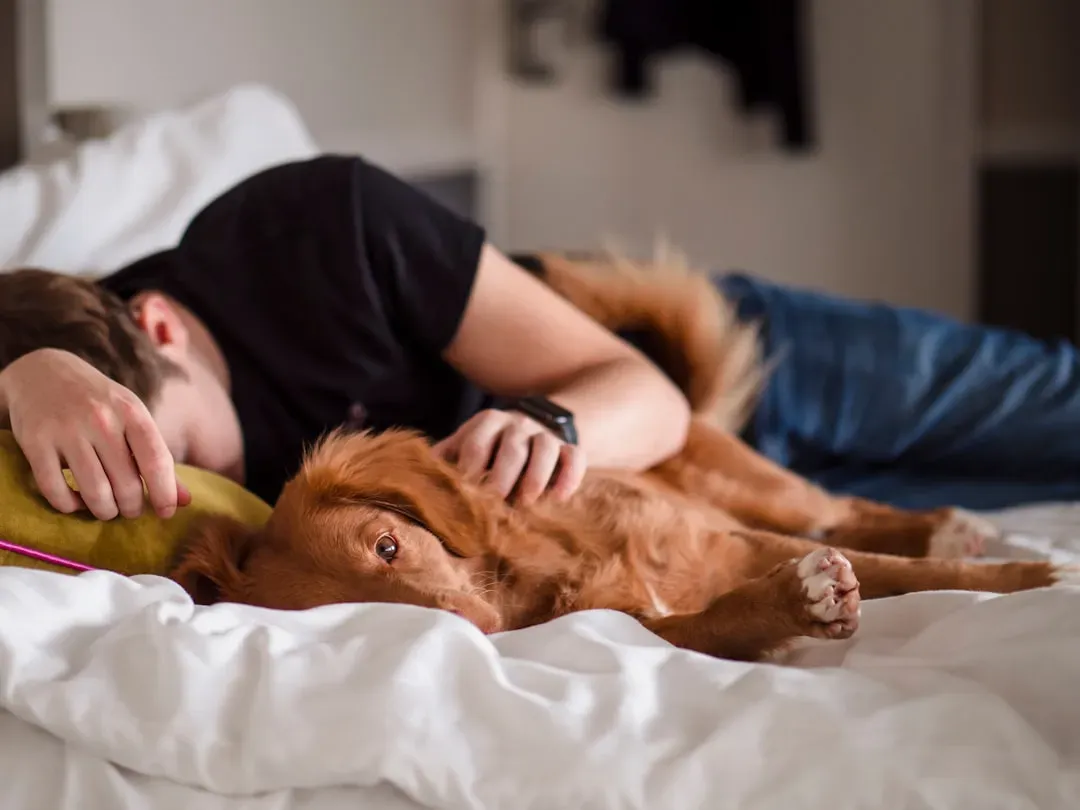
There’s everyday dog affection, and then there’s this. In the final days, some dogs initiate contact that feels categorically different – leaning with their full weight, resting their head in a lap and not moving for an hour, pressing the length of their body against a leg with a kind of quiet insistence. It’s slower than normal cuddling. More deliberate. Like the dog is using touch as language when everything else is getting harder to manage. Owners often sit very still during these moments, afraid to break whatever is happening.
Families remember the exact weight and position of it. The specific pressure. Which hand they used to rest on the dog’s side, and whether the dog sighed when they did. These aren’t general impressions – they’re precise physical memories, stored the way only the most significant moments get stored. That contact becomes the last shared language, and people describe it as something they felt they were receiving as much as giving.
Until one has loved an animal, a part of one’s soul remains unawakened.
Anatole France
#2 – Making Soft, New Sounds
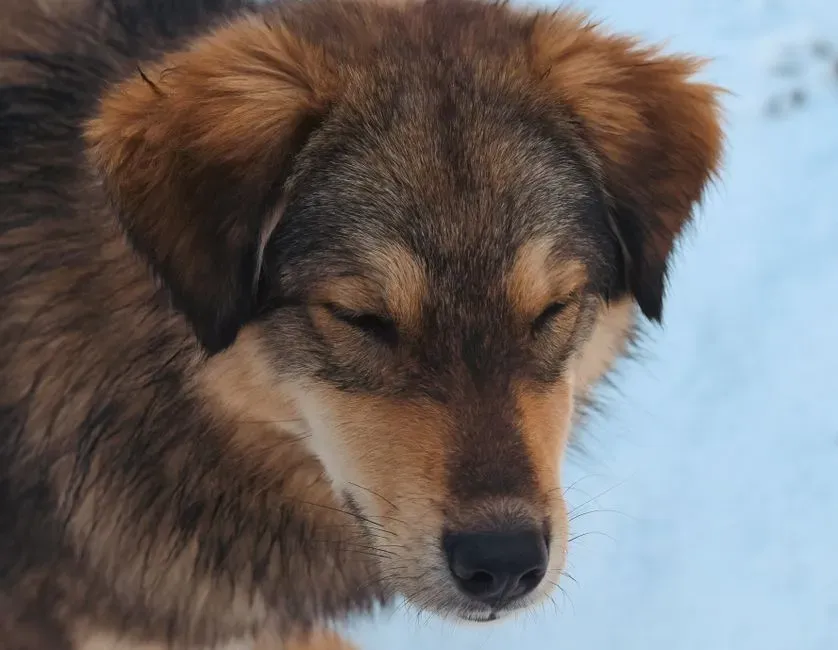
The voice changes in ways that are subtle but impossible to miss for someone who knows the dog. The bark fades or disappears entirely. In its place come low whimpers, long exhales, sounds that aren’t quite any category – not a cry, not a sigh, something in between. These aren’t demands for attention. They’re involuntary, quiet releases that happen especially during rest, and owners strain to interpret every one of them. Is that pain? Dreaming? Something else?
What stays forever is the absence of the old sounds as much as the presence of the new ones. The bark that used to announce the mail carrier. The particular whine for dinner. The grumble of contentment settling into sleep. Those sounds were the daily texture of life together, and their disappearance is its own kind of loss that happens before the final one. People describe hearing the new sounds in memory long after – soft, brief, and completely unlike anything they ever heard before.
#1 – Settling Into a Final Peaceful Stillness
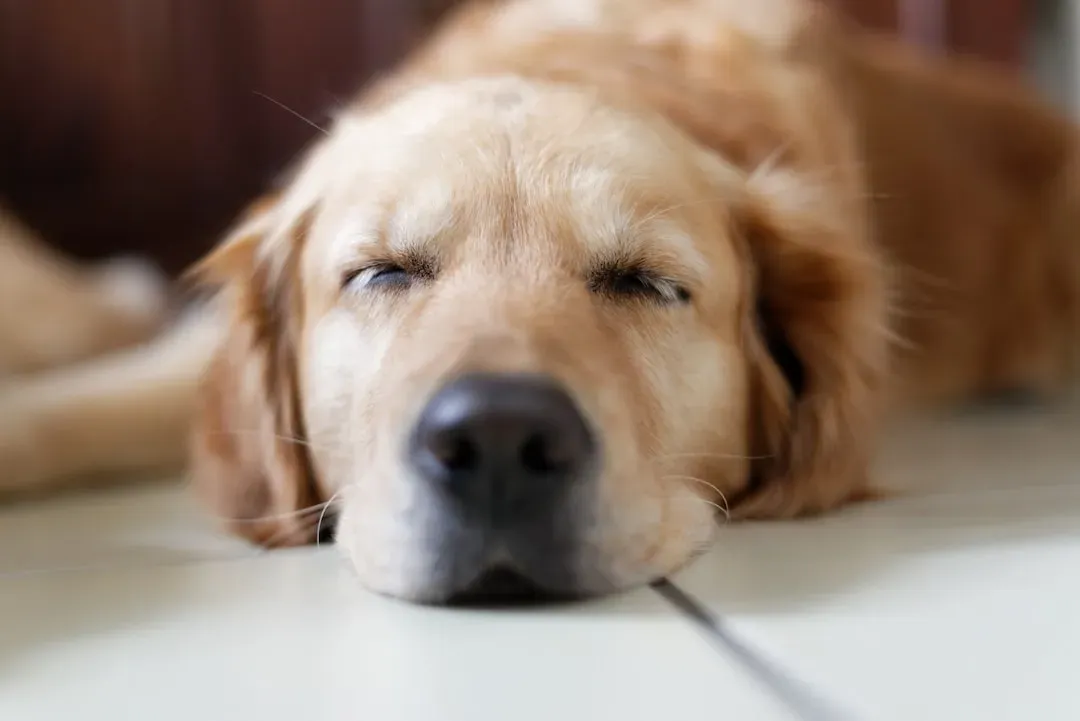
In the very last hours, something often shifts. The restlessness stops. The struggling stops. The dog finds a position and stays – breathing slow and shallow, eyes half-closed, body finally released from the effort of managing all of it. For owners who have been through the harder, more distressing symptoms, this stillness can come as something close to relief, even in the middle of grief. It looks like rest. It looks chosen. It looks, somehow, like peace.
This is the image owners return to – not the difficult moments, not the confusion or the accidents or the labored breathing – but this. The dog, quiet and still, with the weight of effort finally lifted. Many people describe it as the moment they understood that being present mattered more than anything else they could have done. They were there. The dog wasn’t alone. And years later, in the middle of an ordinary day, that stillness comes back to them – not as grief, exactly, but as something they are still, quietly, grateful for.
Fast Facts
- Acute grief after losing a dog typically lasts 1 to 3 months, with general grief symptoms continuing for up to a year on average
- Research shows pet loss can trigger reactions closely resembling grief after a human loss – including sleep problems, guilt, and identity disruption
- Some owners report noticeable waves of sadness for a year or longer, especially around anniversaries or seasonal triggers
- There is no fixed timeline – grief over a dog is real, valid, and as individual as the bond itself
Why These Moments Stay
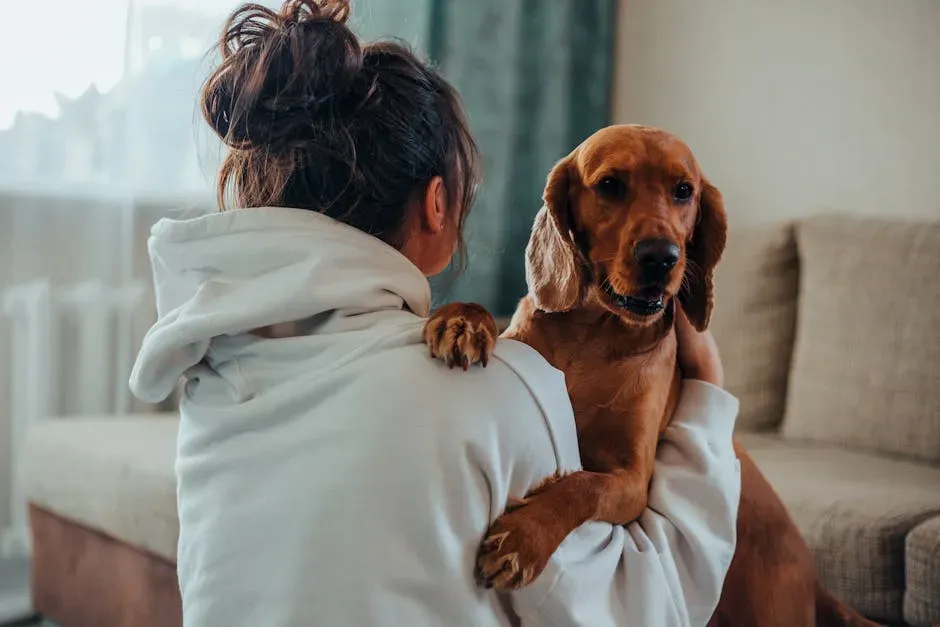
These 13 things aren’t a universal script, but they repeat across thousands of stories because the bond between a dog and an owner runs deeper than most people admit out loud. The moments that cut deepest aren’t the dramatic ones – they’re the quiet ones. A look. A weight. A sound. A corner chosen in a house full of better spots. These are the things no one else witnessed and no one else could fully understand, which is exactly why they last.
Some people will say dogs simply follow biology, that these behaviors are just physiology doing what physiology does. Maybe. But that explanation has never once been enough for the person who was in the room. What actually happened in those final days was a kind of communication that didn’t need words and didn’t ask for anything in return – and the people who received it know the difference between biology and something that felt, unmistakably, like love saying its own version of goodbye.
