

You step outside with your coffee and notice the same flattened patch of grass near the edge of the lawn, the same set of tracks leading straight to it. It happens again the next day, and the day after that. Before long the pattern feels deliberate, almost personal.
Wildlife often settles into routines that make sense once you look at the surroundings from their perspective. Deer are no exception. Their repeated visits usually point to something in the yard that meets a basic need, and figuring out which need can change how you respond.
Reliable Food Sources Nearby
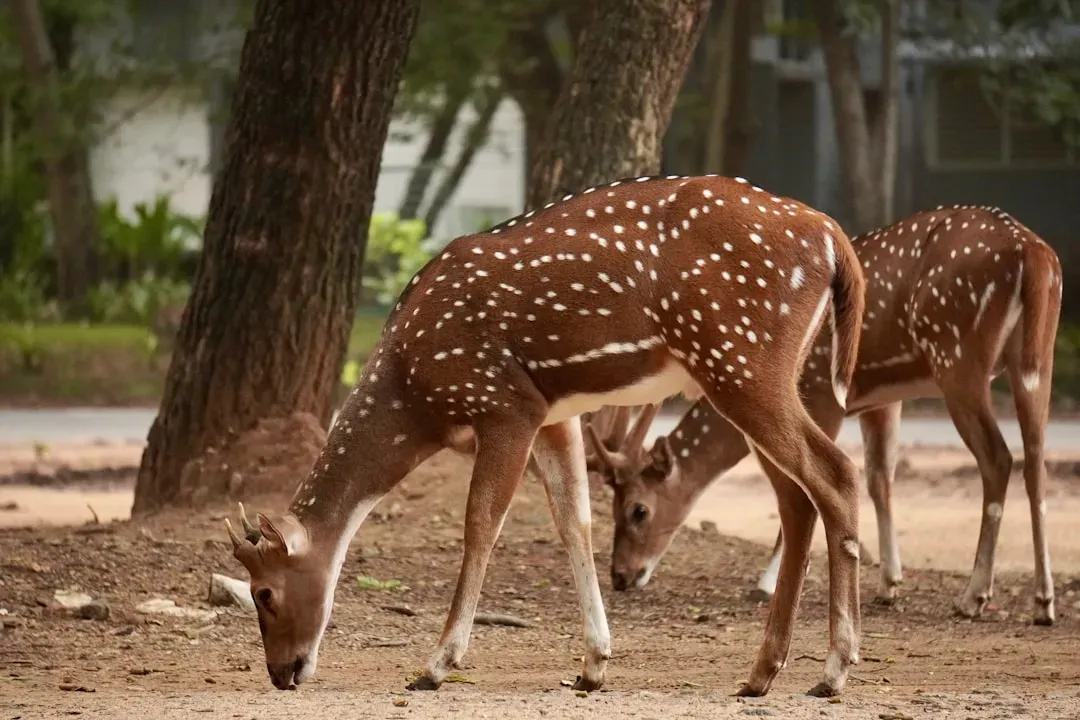
Deer are creatures of habit when it comes to meals. If your yard offers tender shoots, fallen fruit, or garden plants that stay green longer than surrounding areas, they quickly learn the location. A single reliable patch can draw the same animals back at dawn because it saves energy compared with searching new ground each morning.
Even modest offerings like clover in the lawn or hostas along the border become consistent stops. Over time the deer associate the spot with low effort and decent nutrition. That association strengthens with each successful visit until the routine feels almost automatic.
Perceived Safety and Cover

Open yards bordered by woods or fences can feel safer than busier roads or fields. Deer often return to the same corner because it offers quick escape routes while still letting them watch for movement. The early morning quiet adds another layer of security that encourages repeat stops.
Once they establish that nothing harmful happens in that exact location, the behavior locks in. Fawns learn the spot from their mothers, and the pattern can continue across seasons. What looks like a random patch of grass to you functions as a trusted rest area for them.
Access to Water or Moisture
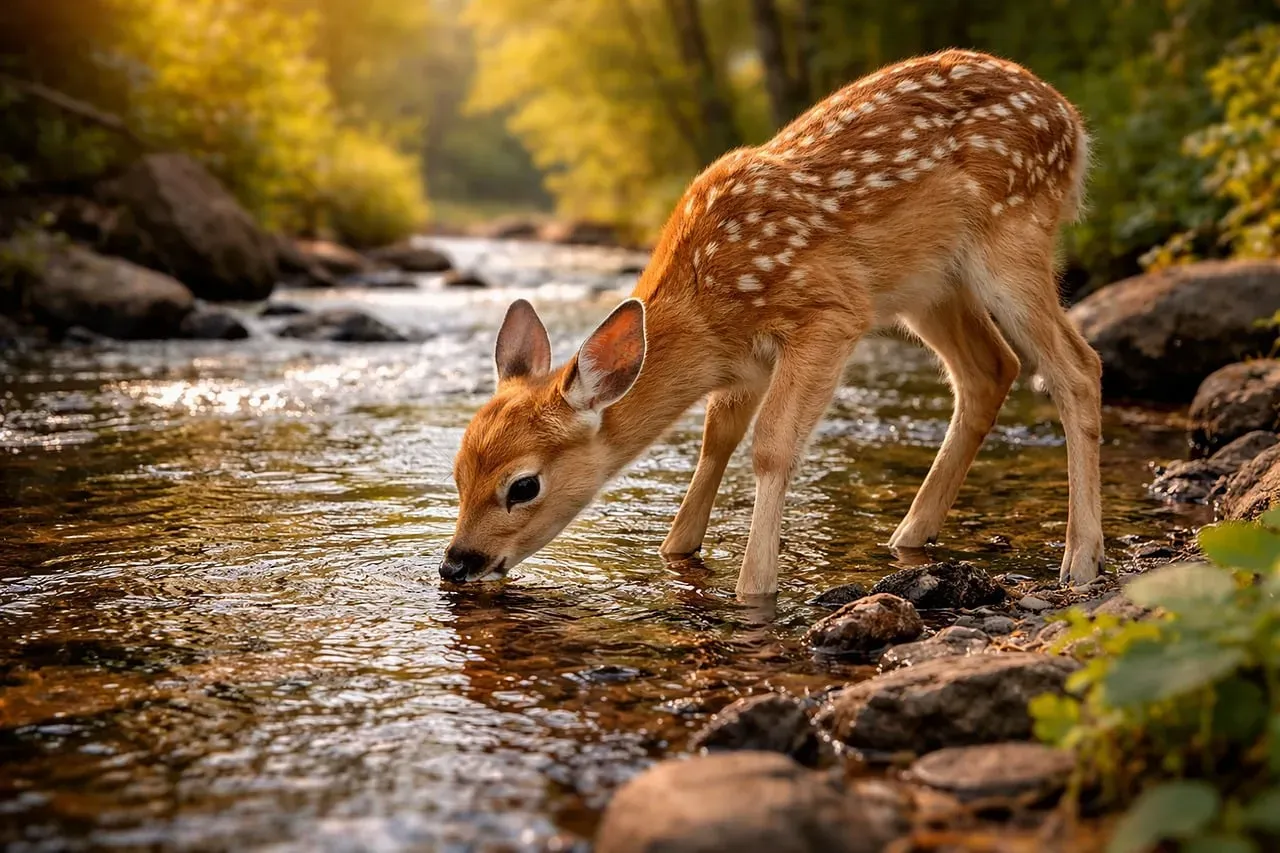
Deer need water daily, and they remember where they found it before. A low spot that collects dew, a leaking hose, or even damp soil after rain can become part of the morning circuit. Returning to the same place reduces the risk of wandering into unfamiliar territory during daylight hours.
In drier periods this need grows stronger. The animals may linger longer at the spot, which explains why tracks appear deeper or more frequent. Small changes in your watering habits can shift the pattern without much effort on your part.
Established Travel Corridors
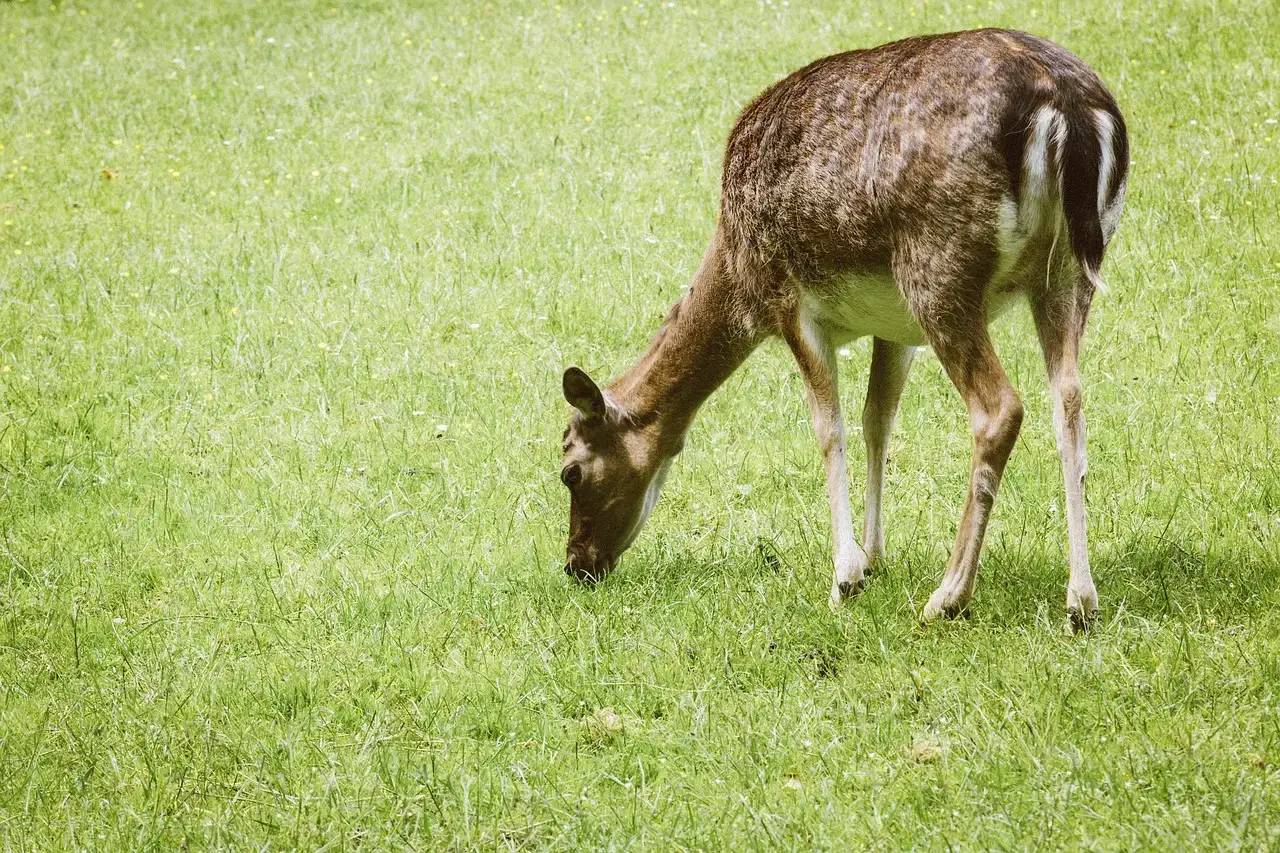
Deer follow the same paths between bedding areas and feeding spots because those routes require less energy and fewer surprises. Your yard might sit directly on one of those corridors. The repeated morning appearance simply reflects the timing of their normal movement rather than any special attachment to the property itself.
Once a trail is worn in, it stays in use for months or even years. Fawns follow the same line their mothers used, passing the habit to the next generation. Removing obstacles or adding motion lights can nudge the corridor slightly without confronting the animals directly.
Seasonal Changes in Behavior

Patterns shift with the calendar. In spring and summer the draw might be new growth or fawning cover. By fall the same spot could serve as a staging area before moving to acorn-rich woods. Winter brings different priorities, yet the location remains familiar enough to check each morning.
These seasonal adjustments explain why the visits sometimes pause and then resume. The deer are not locked into one reason. They simply keep testing what still works in the current conditions.
Signs of a Larger Group Dynamic
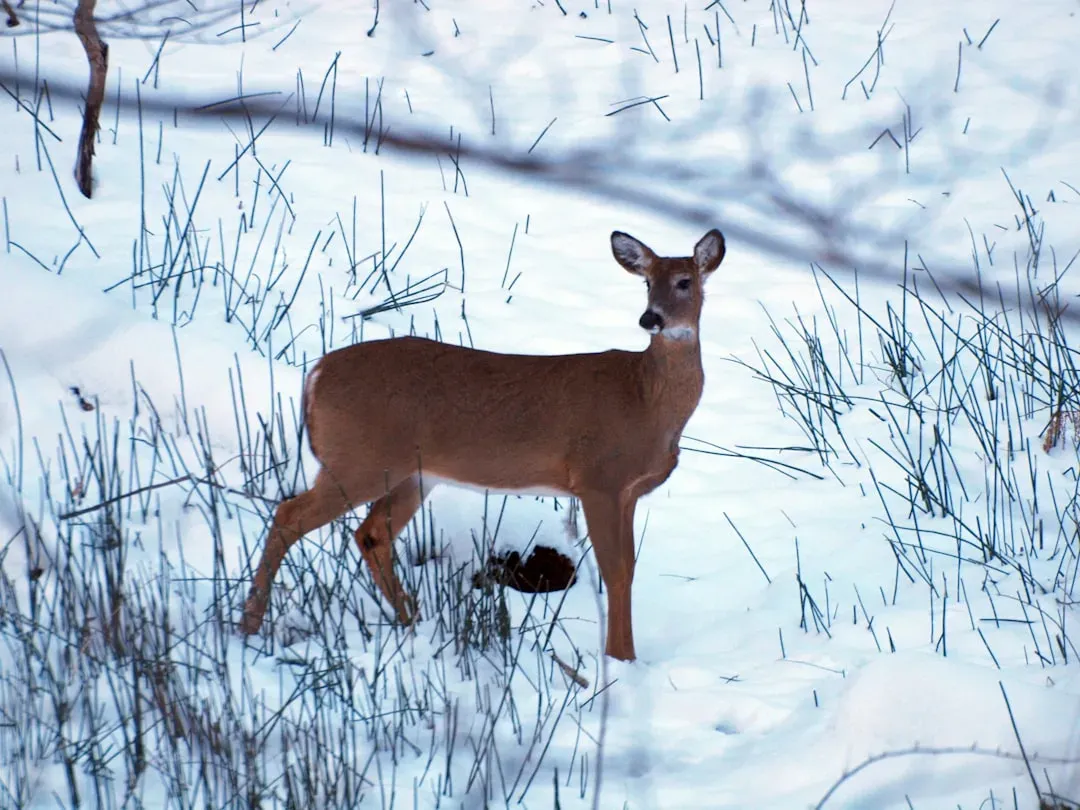
A single deer returning often means others in the group know about the spot too. Does lead fawns, and young bucks follow established does until they disperse. The morning visits can represent a shared family routine rather than one animal acting alone.
Tracking the number of sets of prints helps reveal whether the activity comes from a small family unit or a bigger gathering. Larger groups tend to create more noticeable damage and leave clearer trails. Understanding the scale helps decide whether simple adjustments will be enough.
Possible Health or Environmental Clues
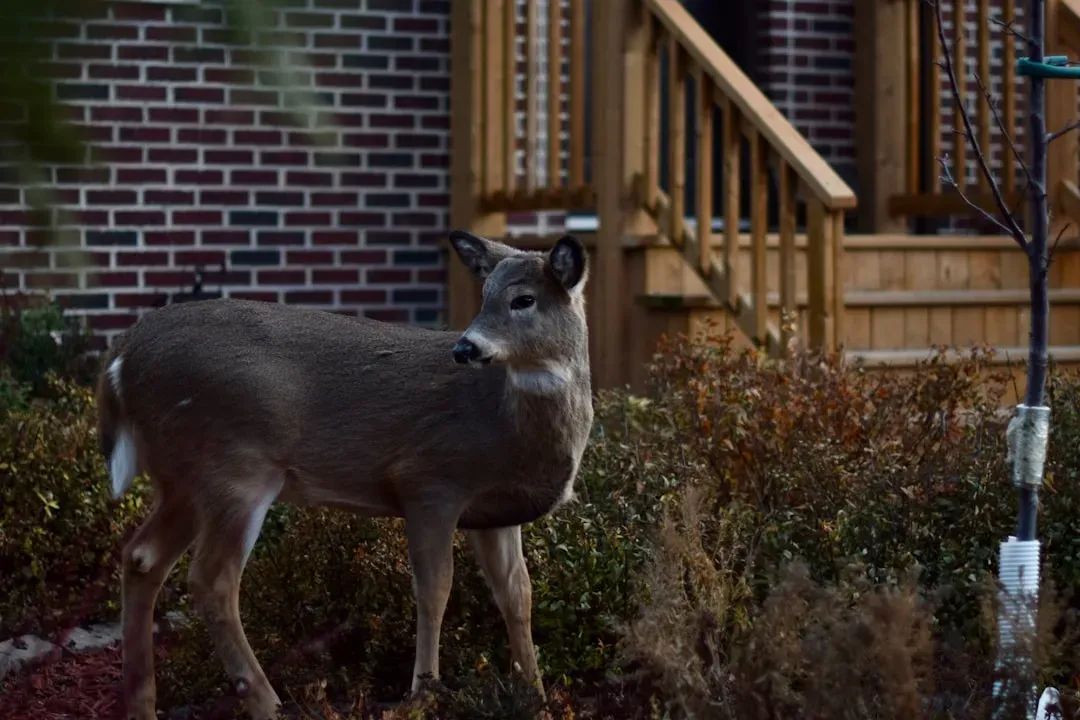
Repeated visits to one exact location can sometimes signal that the surrounding habitat has changed. Construction nearby, changes in farming practices, or loss of natural browse can push deer into yards that once seemed less appealing. The behavior reflects adaptation rather than any preference for human spaces.
Occasionally the pattern points to an individual animal that feels comfortable because it has not encountered threats there. In most cases the visits remain harmless and temporary. Paying attention to what else is happening in the neighborhood usually clarifies whether the pattern will last or fade on its own.
Paying attention to these small patterns turns a repeated sighting into useful information about the local landscape. Most of the time the deer are simply solving the same daily problems every other wild animal faces. A few thoughtful changes around the yard can shift the routine without turning the space into a battleground. In the end the morning visits remind us that even familiar backyards remain part of a larger, constantly adjusting natural system.
