
The Slow Blink Exchange
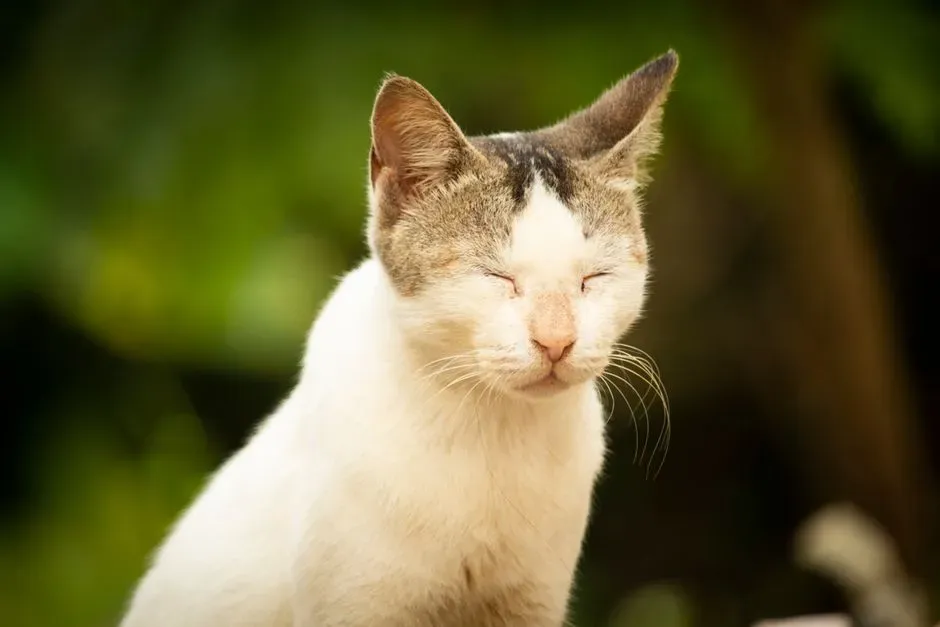
One of the clearest ways a cat signals comfort is through the slow blink. When your cat looks at you and deliberately closes its eyes for a second or two before opening them again, it is offering a version of a smile. This behavior appears most often during relaxed moments on the couch or windowsill, and it tends to happen when the cat feels safe enough to let its guard down.
Researchers who study feline body language note that cats rarely slow blink at strangers or in tense situations. The gesture seems reserved for people and other animals the cat already trusts. Over time you may find yourself returning the blink without thinking, creating a small ritual that deepens the quiet bond between you.
Head Bunting and Cheek Rubbing
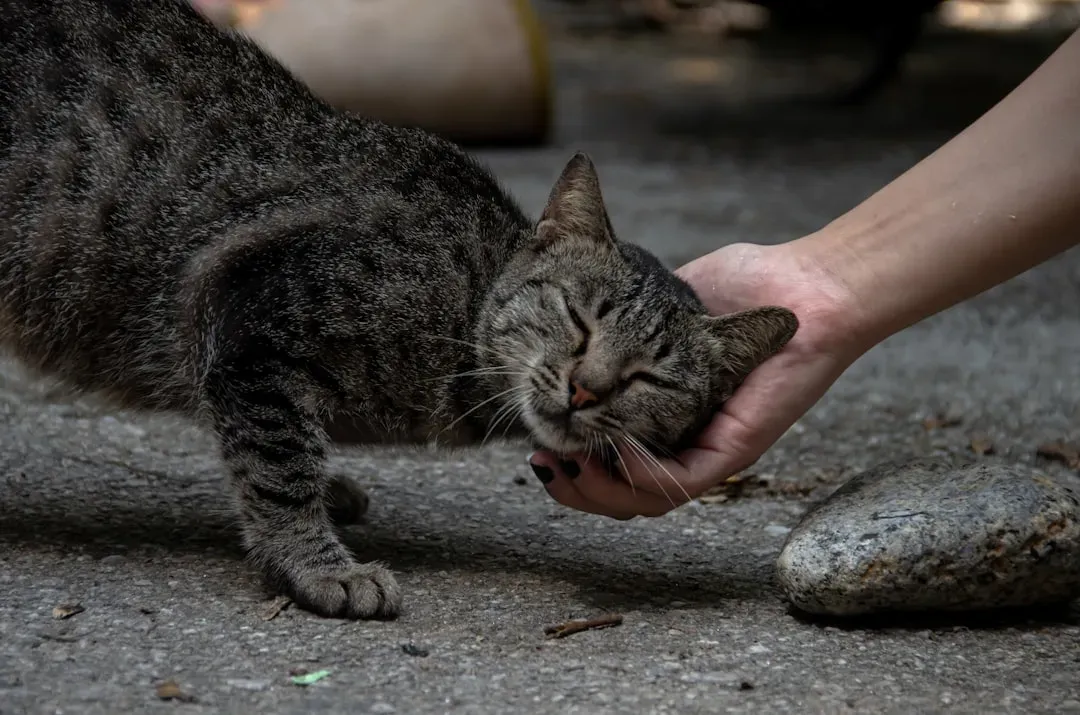
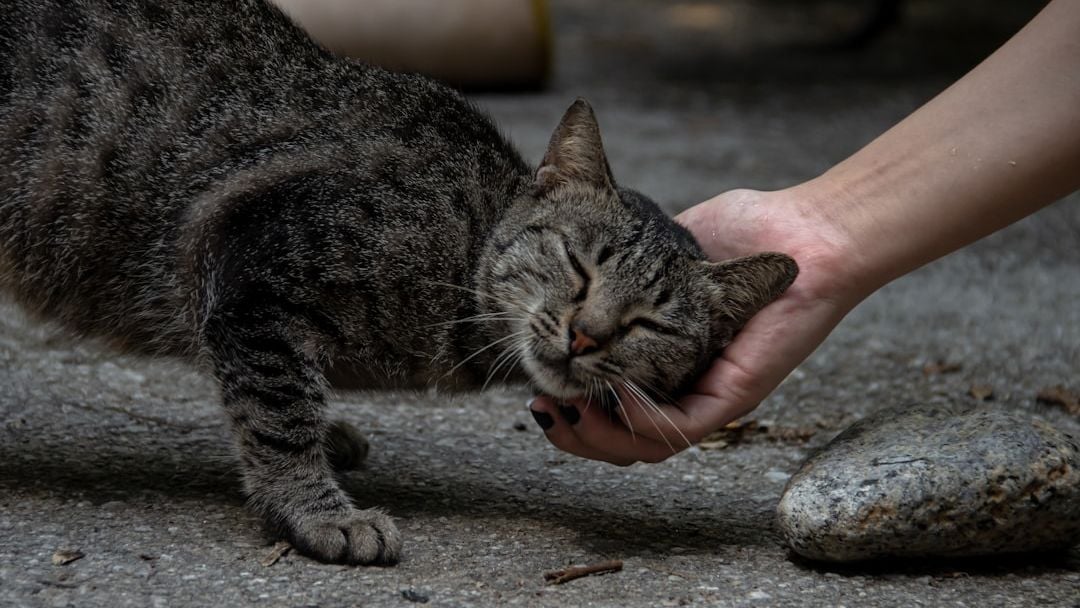
When a cat presses the top of its head or the side of its face against your leg or hand, it is doing more than seeking a scratch. Cats have scent glands in those areas, and the contact leaves a familiar smell that marks you as part of their territory. The action feels deliberate rather than accidental, and it often occurs when you return home or sit down after being away.
Some cats combine the bunting with a gentle purr or a soft chirp. The combination suggests the cat is both claiming you and expressing contentment at the same time. Over months or years these small greetings become a reliable indicator that your presence still matters to them.
Kneading With Paws
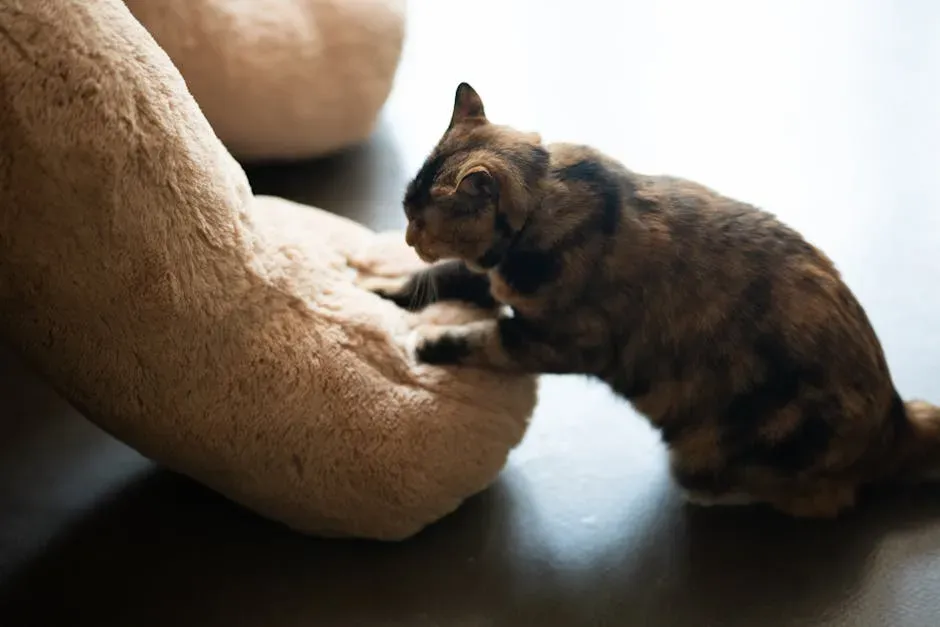
Kneading, sometimes called making biscuits, is a motion many cats continue into adulthood even though it begins as a kitten behavior. When your cat settles on your lap and pushes its paws in and out against your leg or stomach, it is revisiting the comfort of nursing. The action releases endorphins and usually happens only when the cat feels completely secure.
Not every cat kneads with the same intensity. Some use just the front paws in a gentle rhythm, while others extend the motion to all four feet. Either way, the choice to perform this vulnerable ritual on you rather than on a blanket or the floor points to a specific kind of attachment.
Following You From Room to Room
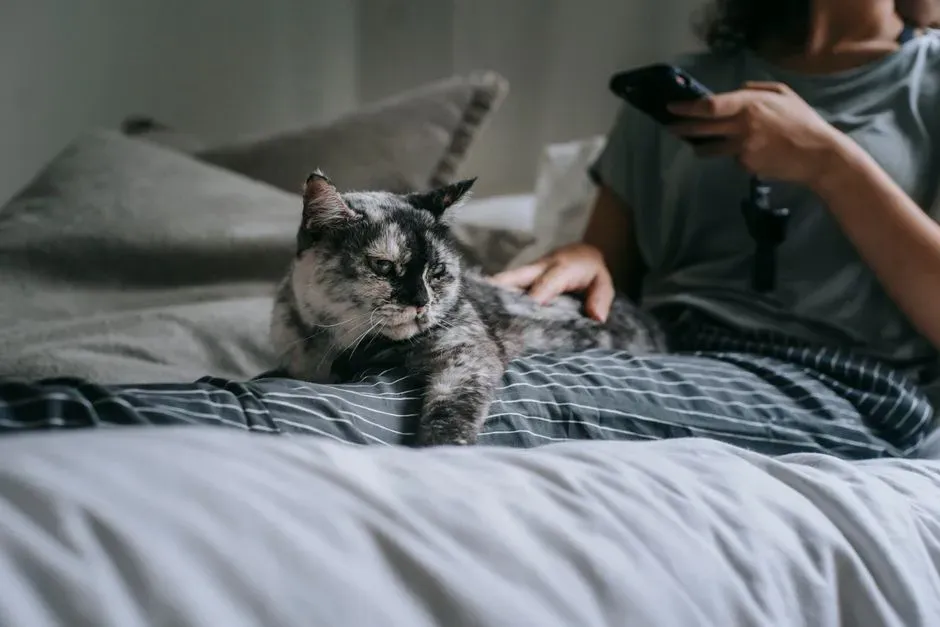
Cats that trail their owners from the kitchen to the bedroom and back again are often dismissed as simply curious. In reality the behavior reflects a desire to stay close to a preferred companion. The cat does not need anything from you at that moment; it simply prefers your company over solitude in another part of the house.
You may notice the pattern becomes more pronounced during quiet evenings or on weekends when the household is calmer. The cat will pause in doorways or perch on furniture so it can keep you in sight without being underfoot. This steady presence is one of the more consistent signs that your cat considers you part of its daily routine.
Exposing the Belly and Sleeping Nearby
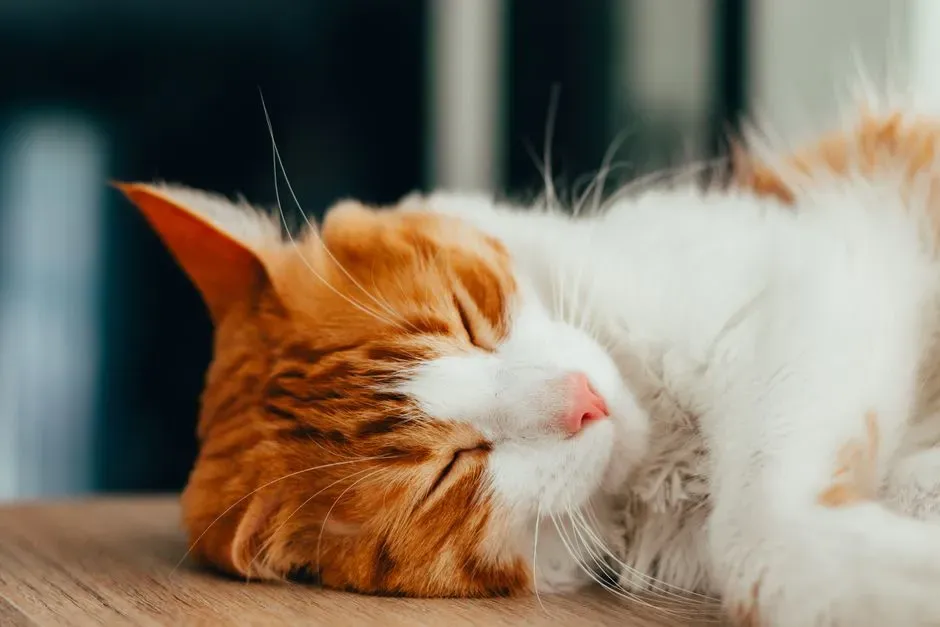
A cat that rolls onto its back and shows its stomach is offering a display of trust, since that area contains vital organs. The gesture does not always invite petting; sometimes the cat simply wants to rest in your presence with its guard lowered. When the same cat chooses to nap on your bed or curl up against your side, the message becomes even clearer.
Sleep is when cats are most vulnerable, so selecting a spot right next to you indicates genuine comfort. Over time these moments of shared stillness add up to a quiet but steady form of affection that many owners come to value deeply.
Cats rarely announce their feelings with dramatic displays, which is exactly why these small gestures matter. Recognizing them turns ordinary interactions into evidence of a real relationship. In the end the bond feels more mutual when you learn to read the language your cat already speaks.