
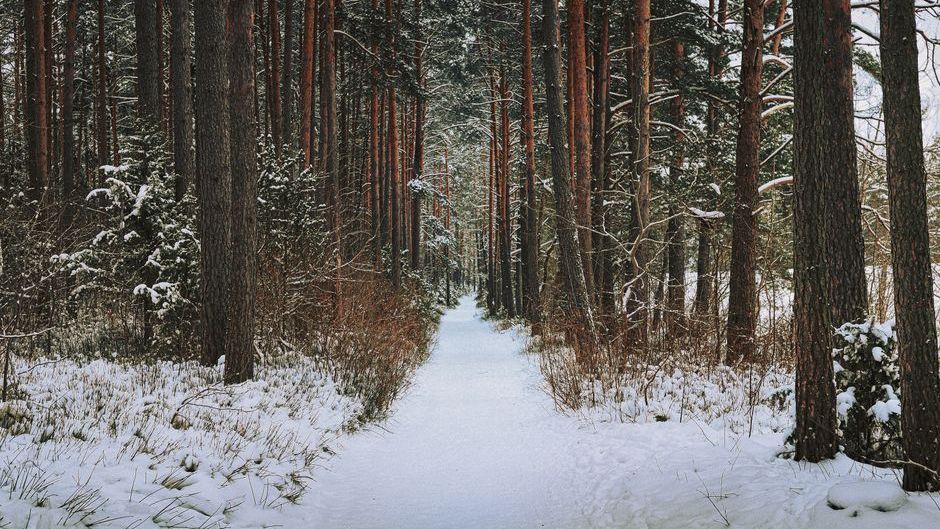
When summer temperatures climb and shade grows scarce, wildlife often faces a quiet struggle that goes unnoticed by most observers. Certain native trees step in with unexpected support, creating cooler pockets and reliable resources that help animals endure the worst of the heat.
These species do more than stand tall. Their canopies, roots, and seasonal offerings shape small scale environments where birds, mammals, and insects can find relief without traveling far.
Southern Live Oak
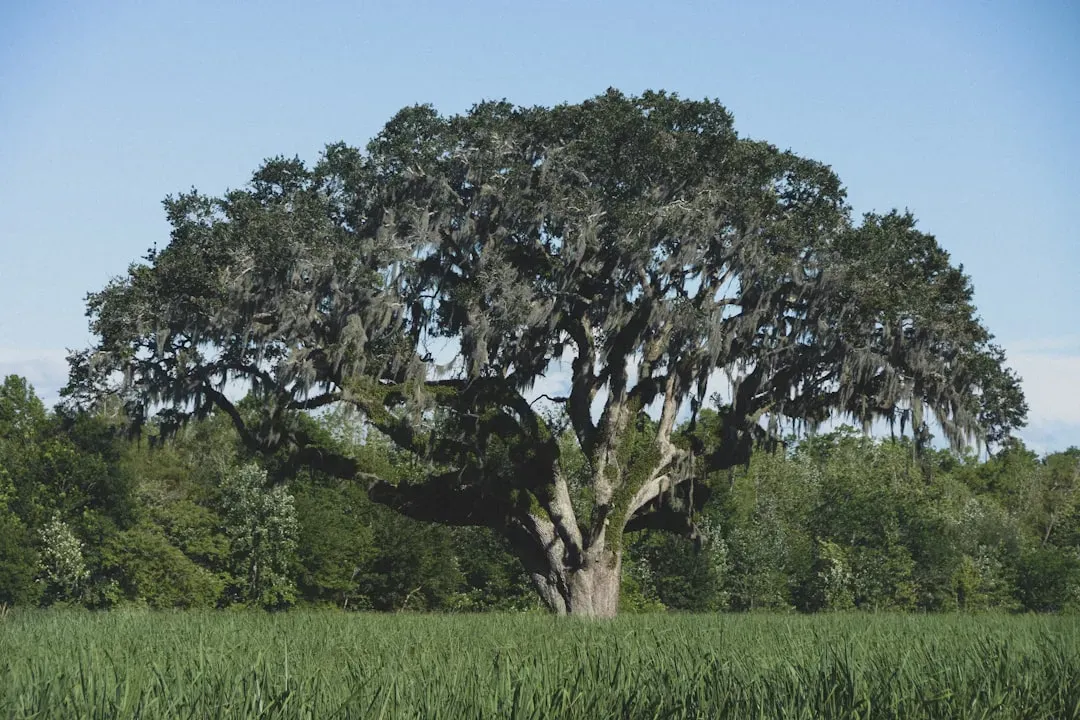
The Southern live oak spreads wide branches that cast deep shade across forest floors and open fields alike. Animals such as deer and squirrels seek out these spots during peak afternoon heat because the dense foliage blocks sunlight and lowers ground temperatures noticeably.
Its evergreen leaves stay on through winter, offering year round cover when other trees drop theirs. Acorns drop in abundance each fall, giving wildlife a steady food source that supports energy needs even as water sources dry up.
Bald Cypress
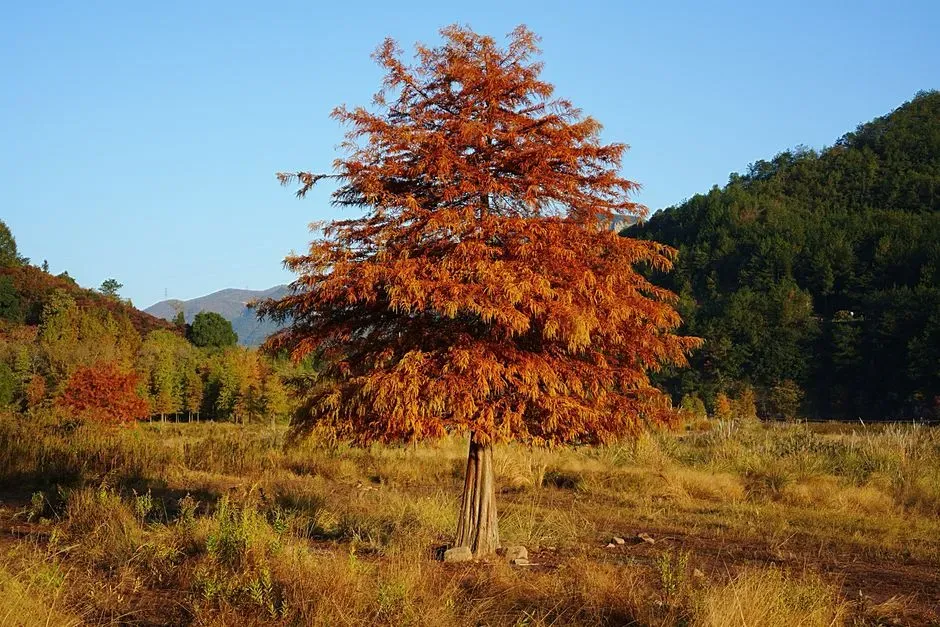
Bald cypress trees thrive in wet areas and send up knobby knees that help stabilize soil near ponds and swamps. During heatwaves their presence keeps nearby water cooler by limiting evaporation through their canopy cover.
Birds and amphibians gather in the shaded understory where humidity stays higher than in open sun. The tree also drops needles that form a soft layer on the ground, creating insulated resting places for small mammals seeking a break from the sun.
Eastern Cottonwood
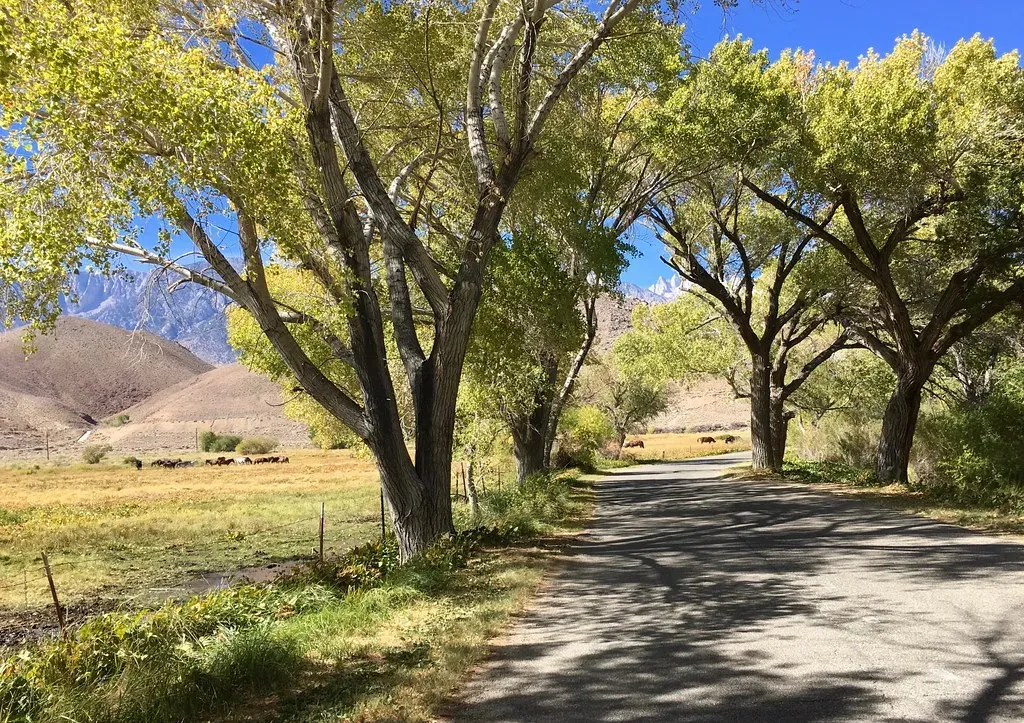
Eastern cottonwood grows quickly along riverbanks and produces fluffy seeds that drift on the wind each spring. Its broad leaves create large patches of shade that attract herds of elk and groups of songbirds looking to escape midday warmth.
The tree roots reach deep for groundwater, which helps maintain moisture in surrounding soil even when rains are scarce. This hidden benefit supports insects and the creatures that feed on them throughout extended dry spells.
American Sycamore
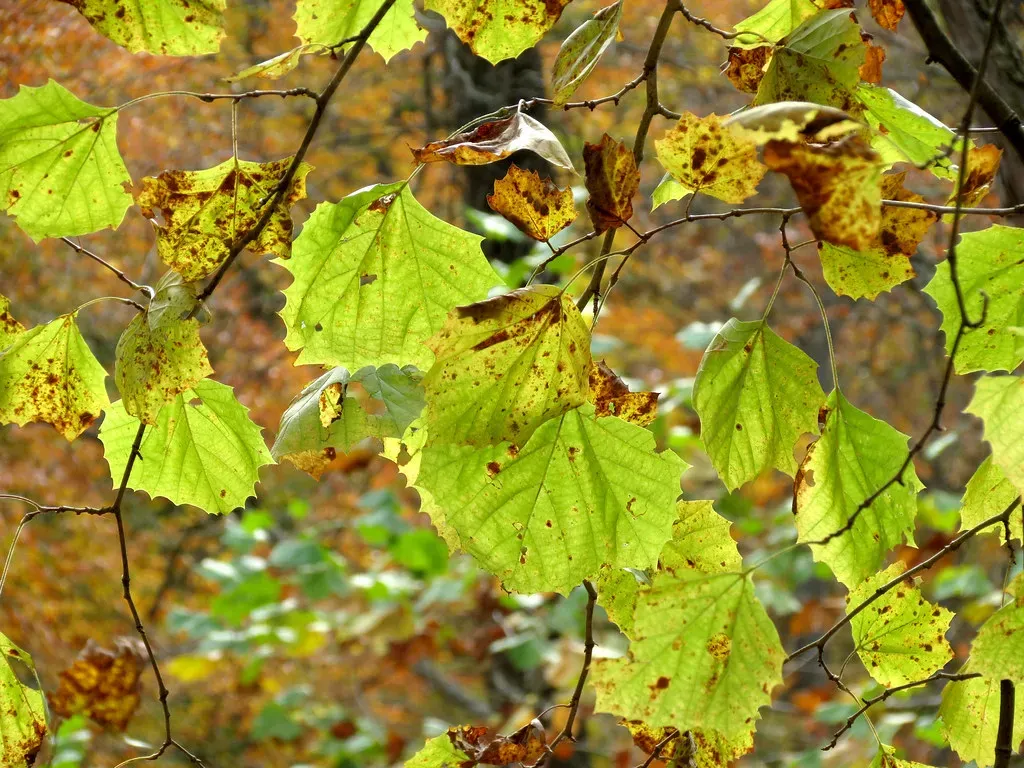
American sycamore stands out with its mottled bark and massive trunk that provides sturdy perches for raptors and nesting sites for cavity dwellers. The wide canopy filters harsh sunlight and creates a noticeably cooler zone underneath for resting wildlife.
Its seeds remain available into winter, offering a late season food option when other sources dwindle. The tree also tolerates occasional flooding, which means it often lines waterways that stay accessible to thirsty animals during hot periods.
Black Willow
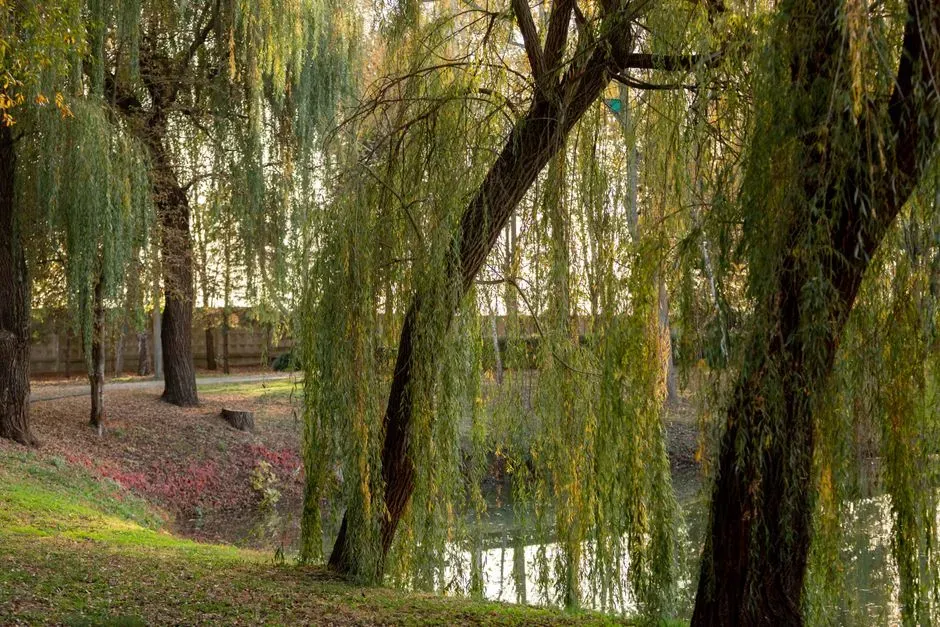
Black willow hugs stream edges and grows in dense thickets that offer both shade and protection from predators. Its flexible branches and narrow leaves allow air to move through while still blocking direct sun, keeping the immediate area several degrees cooler.
Beavers and muskrats rely on the bark and twigs for food and building materials. The roots help hold banks in place, preserving water access points that become critical refuges when surrounding land bakes under the sun.
Northern Red Oak
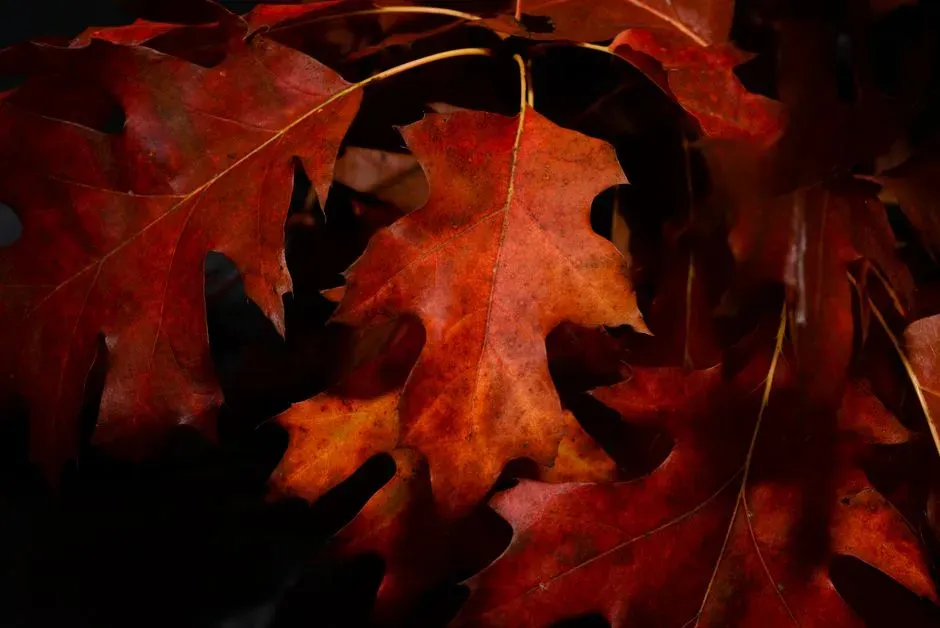
Northern red oak produces a reliable crop of acorns that many species depend on for nutrition. Its canopy spreads wide enough to shelter entire families of birds and small mammals from intense solar radiation during the hottest weeks.
The tree drops leaves that decompose into rich leaf litter, which insulates the soil and helps retain moisture for ground dwelling creatures. This process supports a whole chain of insects and amphibians that thrive in the moderated microclimate.
Sugar Maple
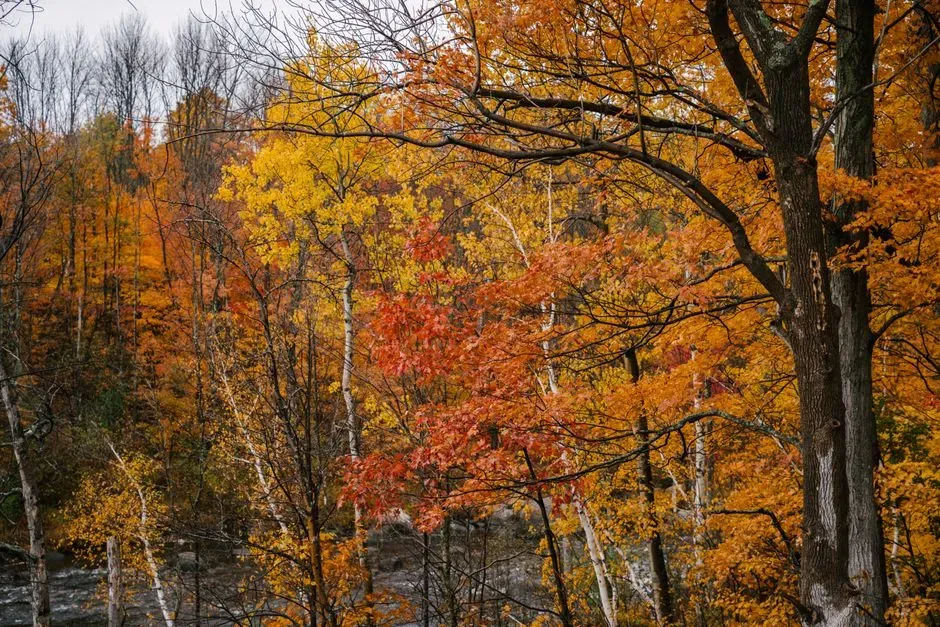
Sugar maple turns vibrant colors in autumn yet provides steady summer shade with its dense foliage. Squirrels and chipmunks use the cool understory to cache food and rest without overheating.
Its sap runs in early spring, but the real summer value comes from the way its roots draw moisture from deeper layers and release it slowly into the air. This subtle transpiration helps keep nearby vegetation greener and more inviting for browsing wildlife.
American Beech
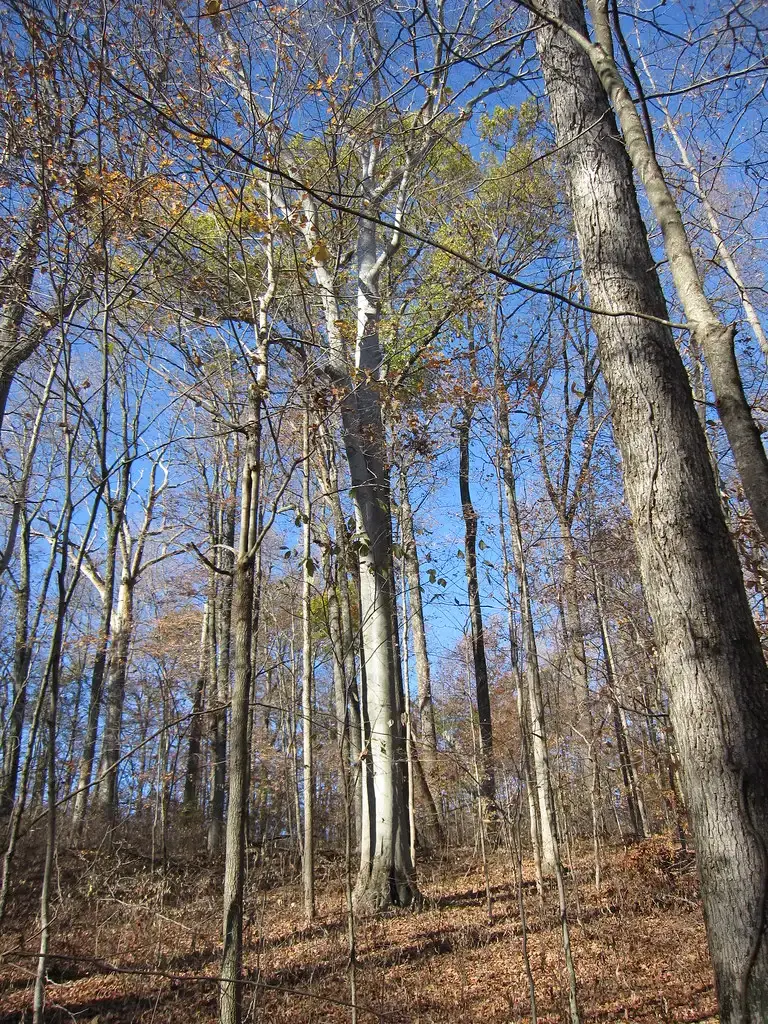
American beech grows smooth gray trunks that last for generations and support a variety of nesting birds. The tree holds onto its leaves longer than many others, extending shade coverage well into late fall when heat can still linger.
Beechnuts provide high energy food for turkeys and bears preparing for leaner months. The shallow yet widespread root system stabilizes forest soils, preventing erosion that could otherwise expose animals to harsher conditions.
Eastern White Pine
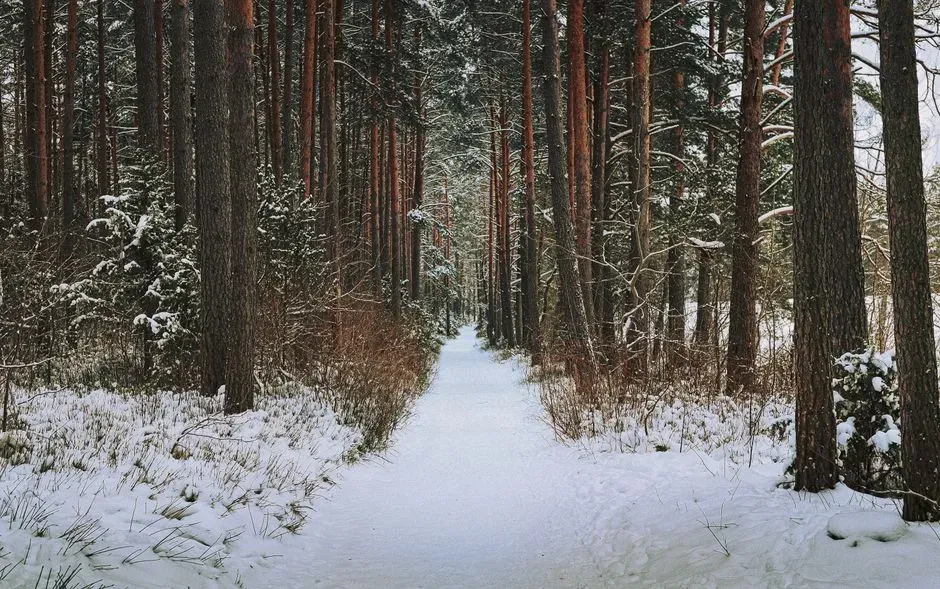
Eastern white pine towers above other trees and offers year round evergreen cover with its long needles. Its dense branches create sheltered corridors where deer and turkeys can move without full exposure to the sun.
The fallen needles form an acidic carpet that discourages some undergrowth while preserving pockets of cooler, moister air close to the ground. This environment supports salamanders and other moisture loving species that struggle elsewhere during heatwaves.
Flowering Dogwood
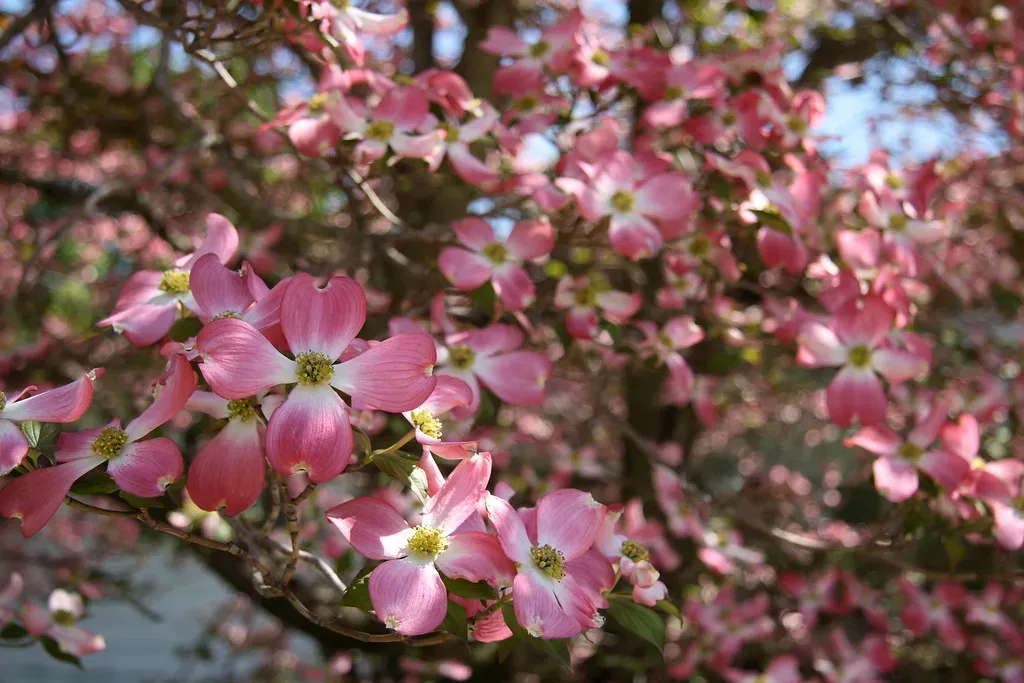
Flowering dogwood stays relatively small yet fills forest edges with bright blooms and later bright berries. Its layered branches create dappled shade that suits understory birds and insects seeking filtered light rather than full sun.
The berries ripen in clusters that attract migrating warblers and resident thrushes at critical times. Even in drought the tree maintains enough foliage to moderate temperatures in its immediate vicinity, giving smaller creatures a place to recover.
Choosing these native trees for yards, parks, and restoration projects makes a real difference in how local wildlife handles rising temperatures. Their combined effects on shade, moisture, and food create resilient pockets that support entire food webs through difficult seasons.
In the end, protecting and planting these species reflects a practical commitment to the animals that share our landscapes. Their quiet contributions remind us that thoughtful choices today shape the survival chances of many creatures tomorrow.

- 8 US States With the Most Horseshoe Crab Spawning Beaches - August 6, 2026
- What It Means When a Cardinal Taps at the Same Window Each Morning - August 6, 2026
- 7 Reasons Mountain Lions Avoid Humans More Often Than They Approach - August 6, 2026