
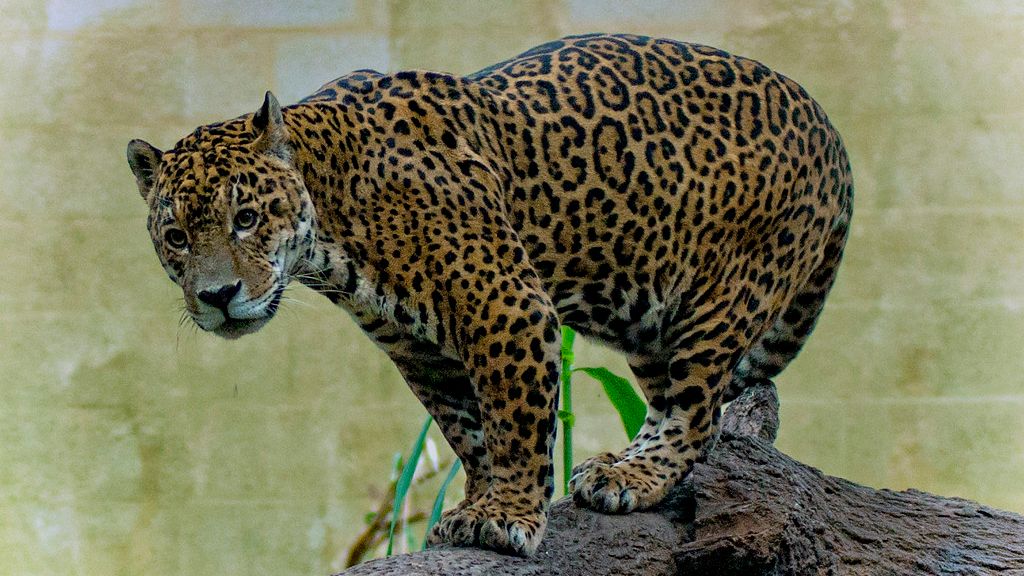
The Amazon stretches across millions of square miles, a living maze where every creature plays a part in keeping the whole system in balance. Jaguars slip through this vast green world almost unseen, yet their presence or absence can shift how the forest grows and breathes. Their story offers a quiet window into what makes the rainforest resilient.
Jaguars as Apex Predators
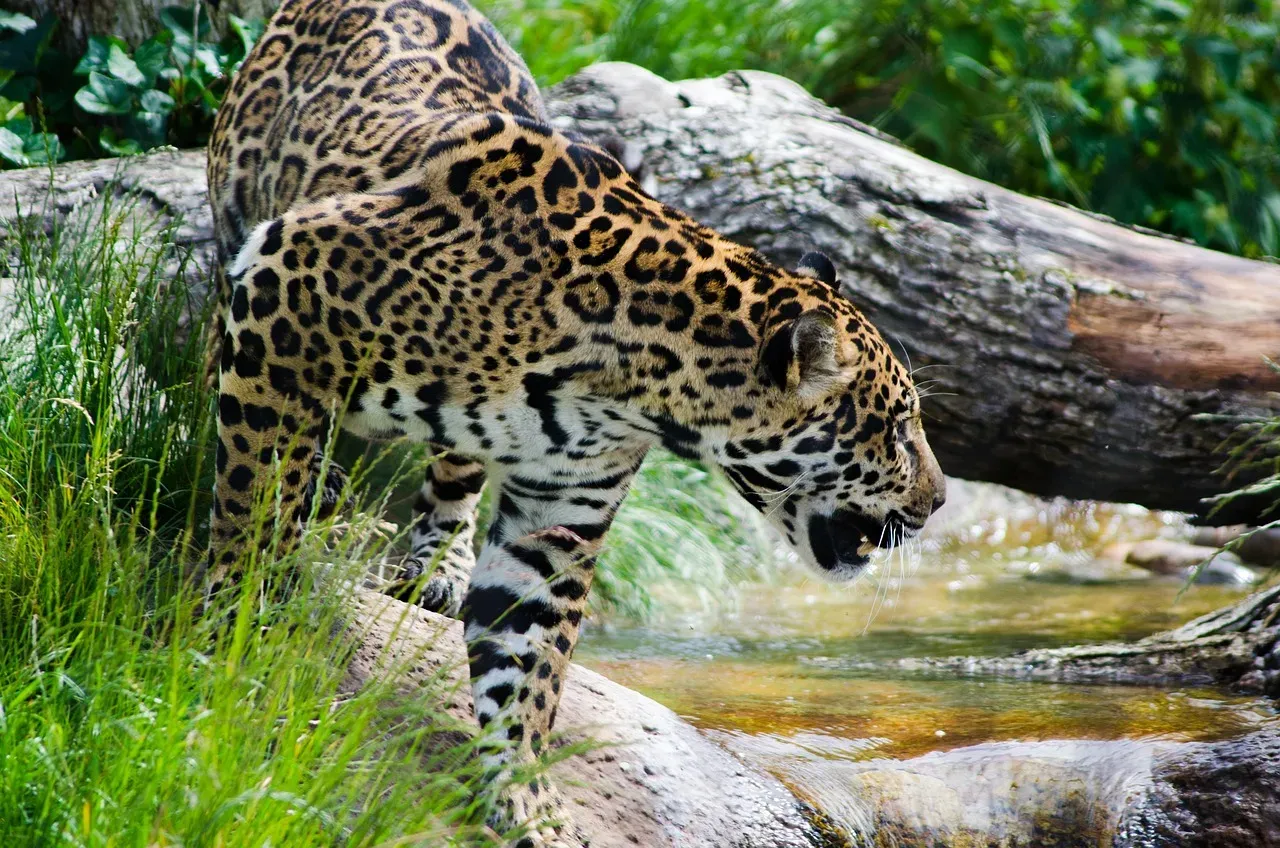
Jaguars sit at the top of the food web in the Amazon, hunting a wide range of animals from deer to caimans. This position lets them influence many layers below them without much competition from other large cats. Their stealth and strength allow them to take down prey that smaller predators cannot reach.
By removing weaker or sick individuals from herds, jaguars help maintain stronger populations overall. This selective pressure keeps the ecosystem from tipping too far in any one direction. Their role feels almost invisible until numbers start to drop.
Balancing Prey Populations
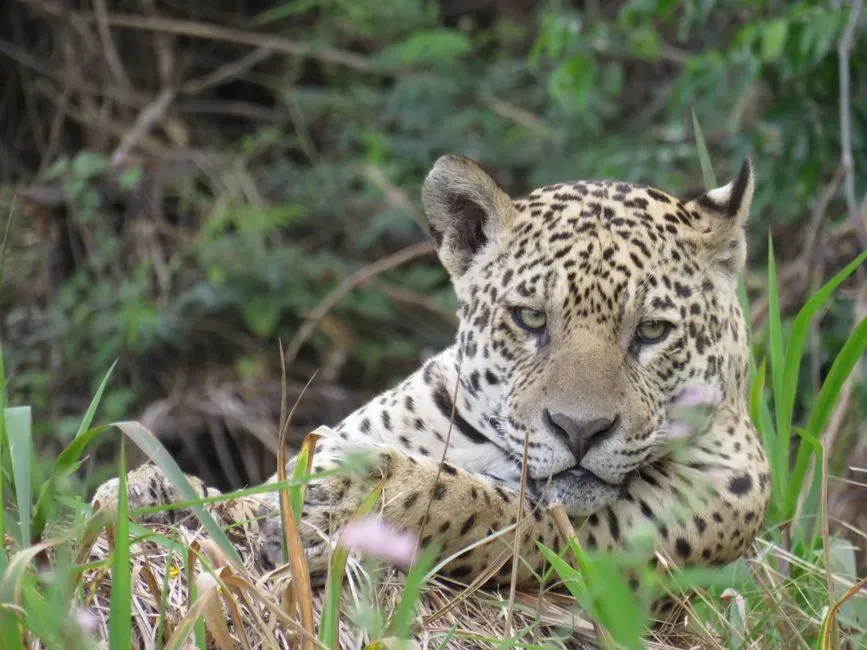
Without jaguars, animals like peccaries and capybaras can multiply quickly and overgraze certain plants. Those extra mouths strip away young trees and shrubs that form the understory. The result shows up years later as thinner forest cover in places where jaguars once roamed freely.
Stable prey numbers also reduce the chance of disease outbreaks that spread through crowded groups. Jaguars act like a natural check that keeps the middle of the food chain from running wild. This balance supports everything from insects to birds that rely on the same plants.
Shaping Forest Structure
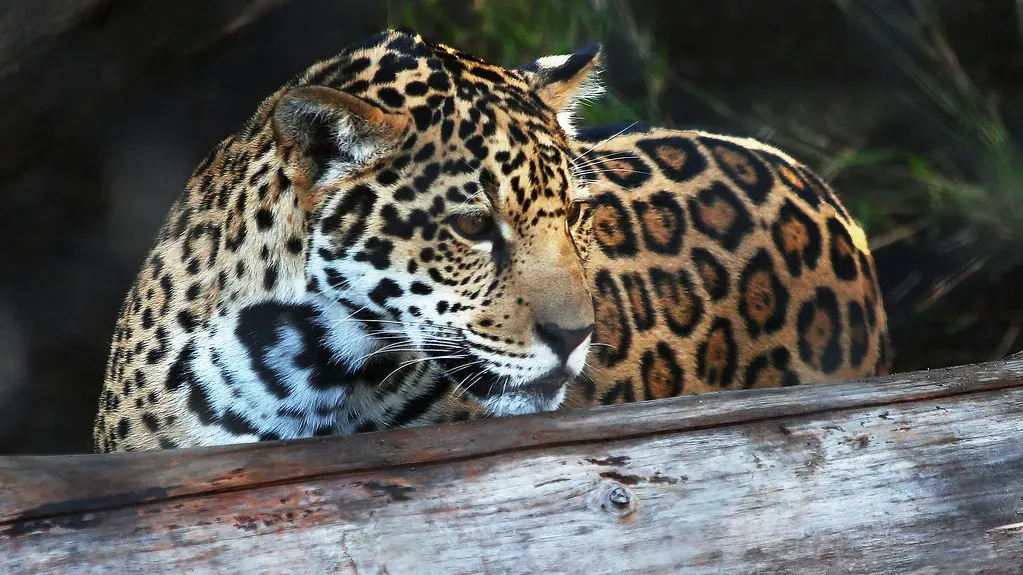
Lower herbivore pressure allows more seedlings to survive and grow into the canopy. Over time this creates a layered forest with more variety in tree heights and ages. Such variety gives homes to countless other species that would struggle in a more uniform landscape.
Jaguars indirectly encourage the spread of certain fruiting trees by keeping seed eaters in check. The forest gains both density and diversity because of this top down control. Changes in jaguar numbers can therefore rewrite the physical shape of the woods over decades.
Supporting Broader Biodiversity
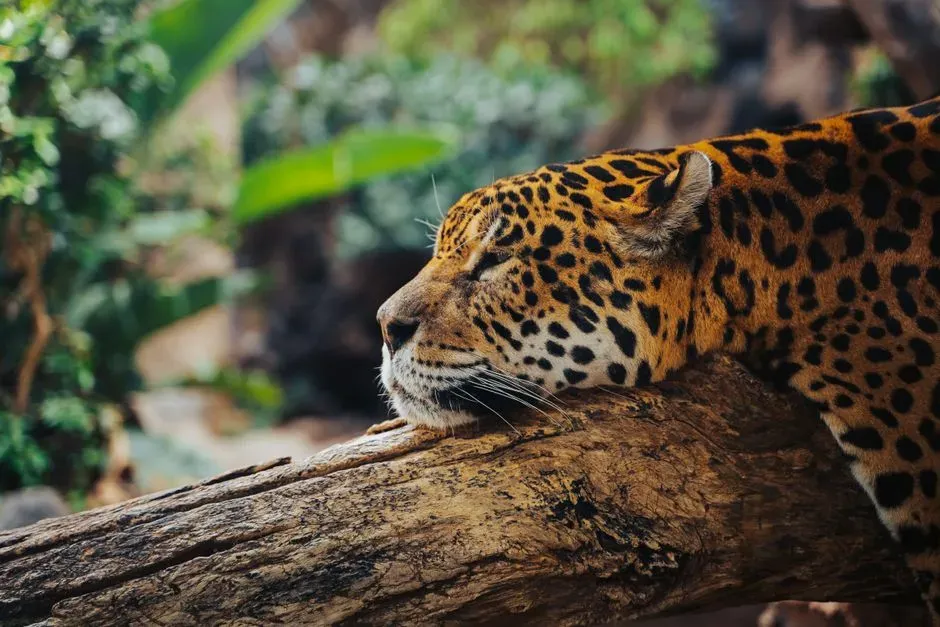
Many smaller animals thrive when jaguars keep larger prey in line. This ripple effect reaches insects, amphibians, and reptiles that depend on the same vegetation patterns. A single apex predator can quietly sustain dozens of other life forms through these connections.
Healthy jaguar territories often overlap with areas rich in bird species and flowering plants. The presence of these cats signals that the full web of life remains intact. Losing them tends to simplify the entire community of organisms around them.
Serving as Ecosystem Indicators
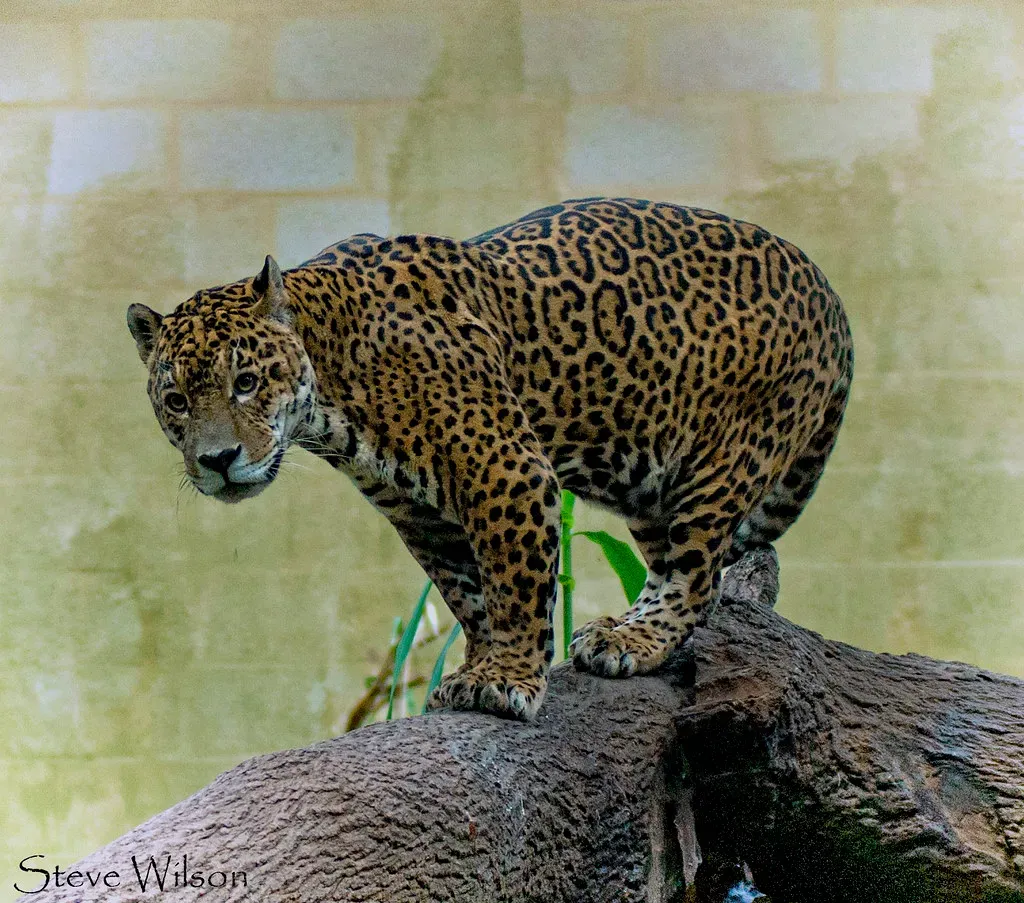
Scientists track jaguar sightings and camera trap data to gauge overall forest condition. Where jaguars persist, water quality and prey availability usually stay within healthy ranges. Their absence often points to logging, mining, or overhunting nearby.
Because jaguars need large connected territories, their survival reflects the state of corridors that other animals also use. Monitoring them gives an early warning when fragmentation begins to break the rainforest apart. This makes them practical sentinels for conservation planning.
Pressures from Human Activity
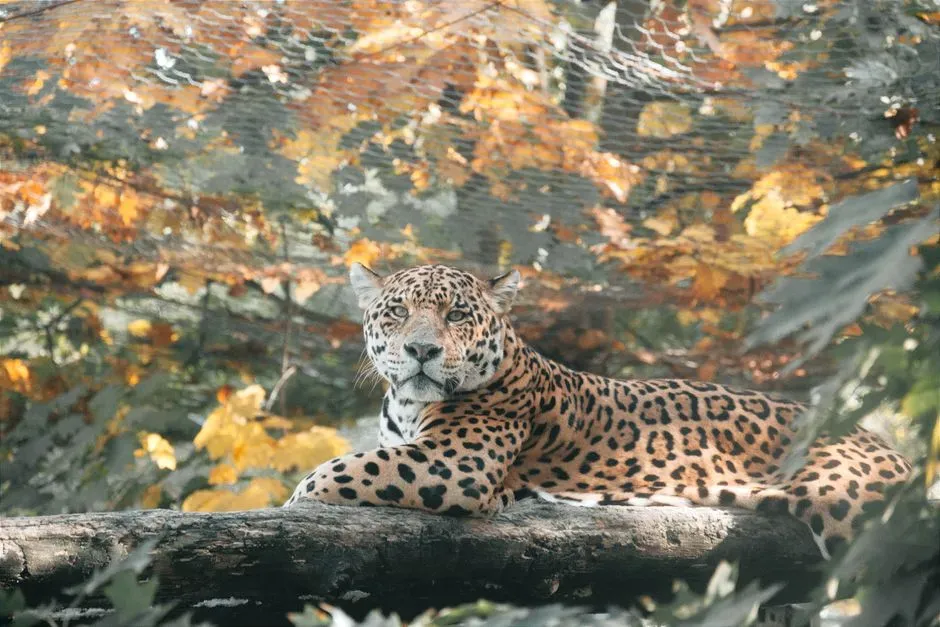
Habitat loss from agriculture and roads squeezes jaguar ranges into smaller patches. Poaching for skins or conflict with livestock adds direct pressure on their numbers. These threats do not stay local; they weaken the checks and balances the cats once provided.
Fragmented forests also make it harder for young jaguars to find new territory. Isolated groups face higher risks of inbreeding and sudden population crashes. The ripple reaches plants and smaller animals that depended on the original balance.
Protecting Jaguars for Long Term Forest Resilience
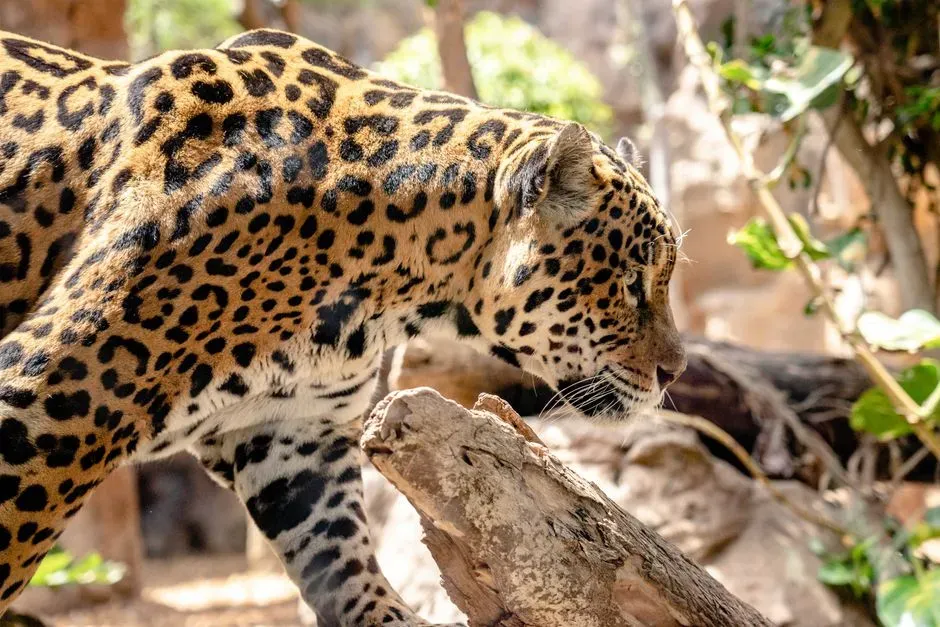
Efforts to create wildlife corridors and reduce deforestation directly benefit jaguars and the forest they help sustain. When local communities gain economic reasons to keep forests standing, both people and cats gain breathing room. These practical steps show that conservation can align with human needs rather than oppose them.
In the end, safeguarding jaguars is not just about one species. It is about preserving the intricate checks that let the Amazon continue regenerating itself year after year. Their continued presence offers one of the clearest signs that the rainforest can still heal and endure.
