
In the animal kingdom, raw power and speed do not always decide who eats and who gets eaten. Many species have evolved subtle tricks that let them slip past predators or lure in prey without a fight.
These behaviors are not random. Researchers have documented them through careful observation and experiments that reveal consistent patterns across generations. The following examples show how deception works in practice for ten different animals.
The Mimic Octopus
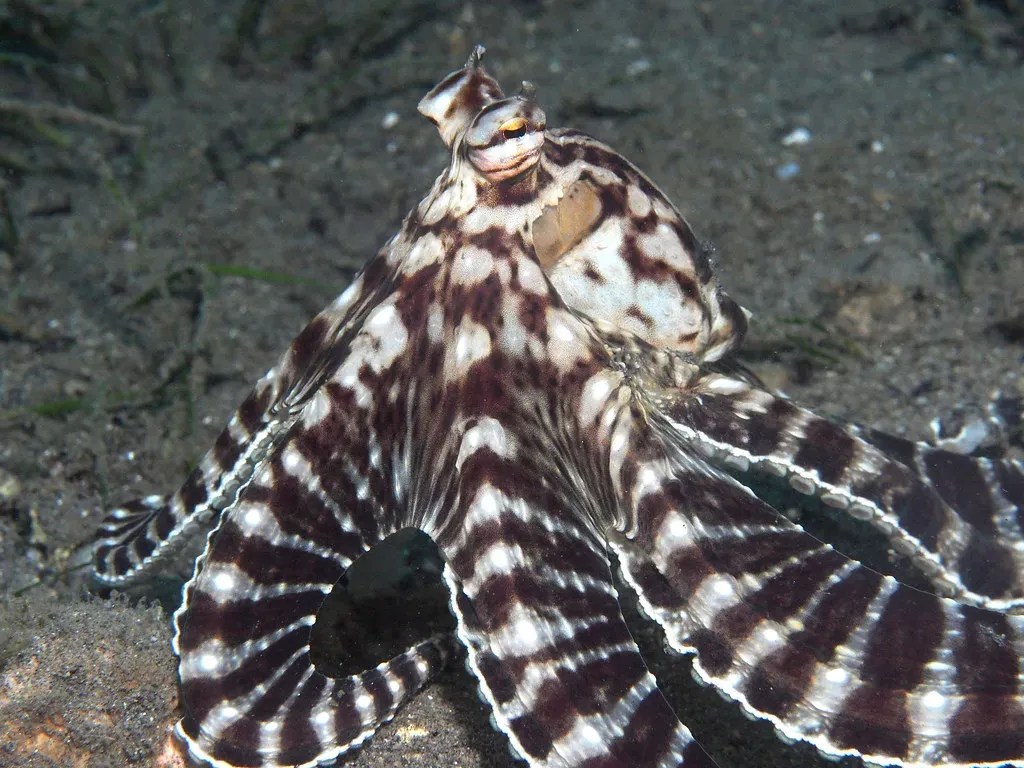
The mimic octopus changes both its shape and color to copy other sea creatures. It can flatten its body and extend two arms to resemble a venomous lionfish or bury itself and wave the rest like a sea snake. Field studies in Indonesia have shown this animal switching between at least three different models depending on the threat nearby.
Scientists note that the octopus selects its disguise based on the predator it faces rather than using one fixed pattern. This flexibility suggests the behavior is learned and refined through experience. The result is a creature that rarely needs to flee because it simply stops looking like itself.
The Color-Shifting Cuttlefish
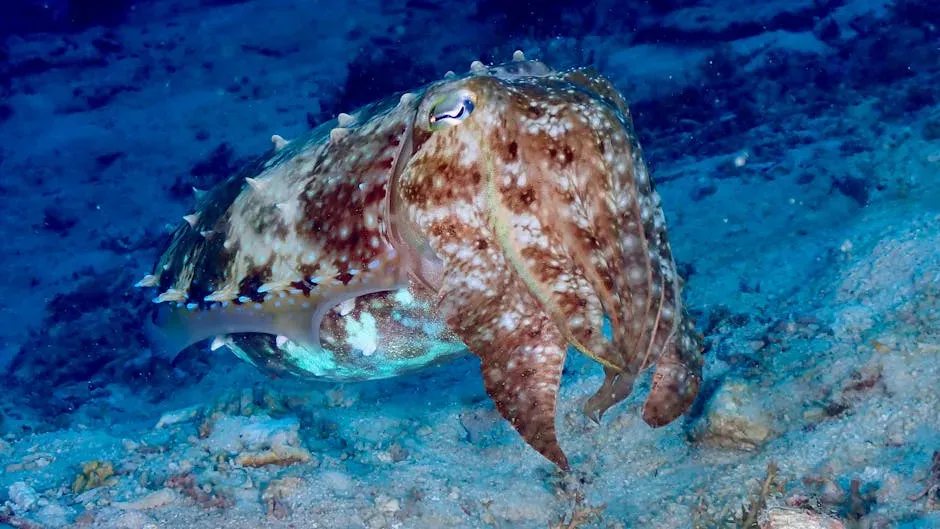
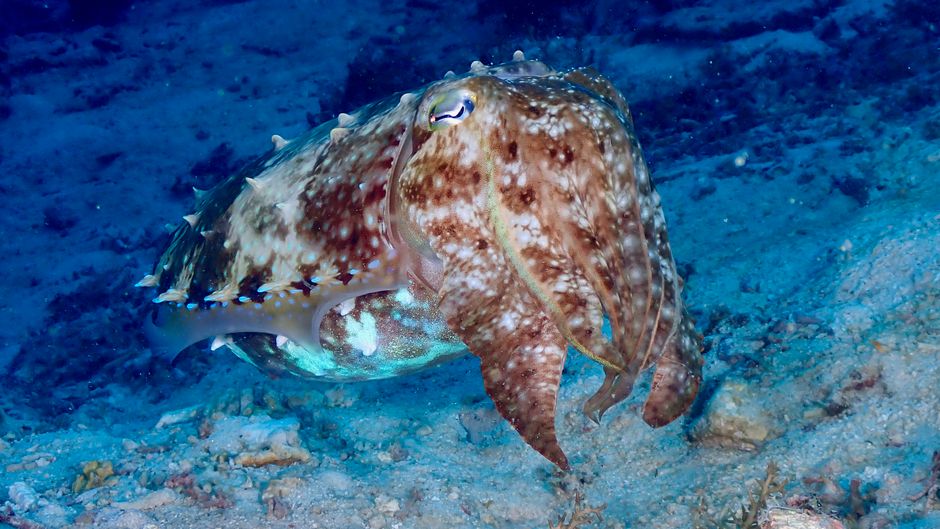
Cuttlefish can produce rapid patterns across their skin that break up their outline against coral or sand. They also create moving displays that look like small fish or algae to draw curious prey closer. Laboratory tests confirm these patterns appear in fractions of a second and match the background with surprising accuracy.
During hunting, cuttlefish sometimes raise two arms and pulse dark rings to mimic the appearance of a crab or other harmless animal. This draws shrimp or small fish within striking range. The same skin control later helps them vanish again once the meal is secured.
The Chameleon’s Camouflage
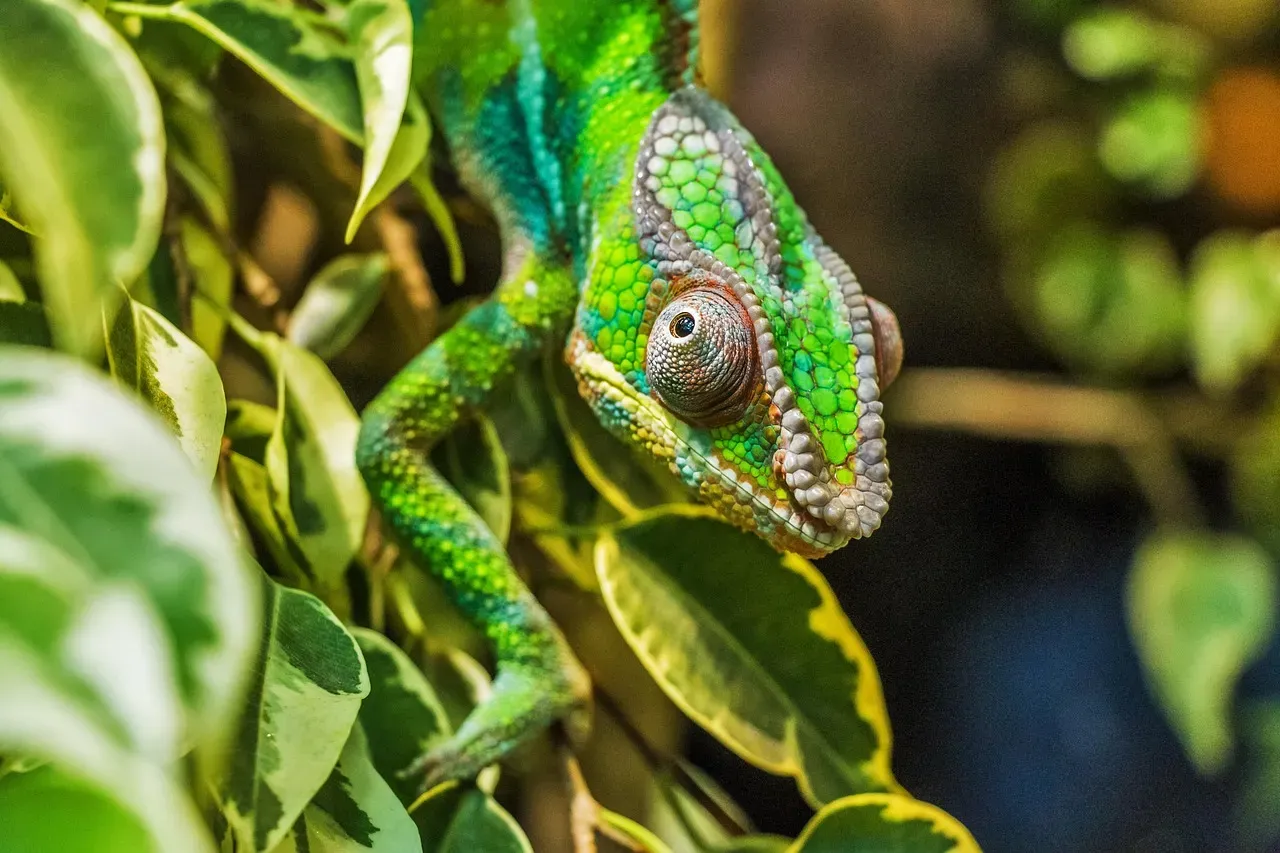
Chameleons adjust skin pigments to match leaves, bark, or even the sky above them. Their eyes move independently so they can scan for both prey and danger while the body stays nearly invisible. Experiments with artificial backgrounds show they fine-tune colors within minutes to reduce detection.
Some species also use color shifts during social encounters to signal mood without moving much. This keeps them hidden from predators while still communicating with others of their kind. The combination of stillness and precise color matching makes them difficult targets in dense vegetation.
The Brood-Parasitic Cuckoo
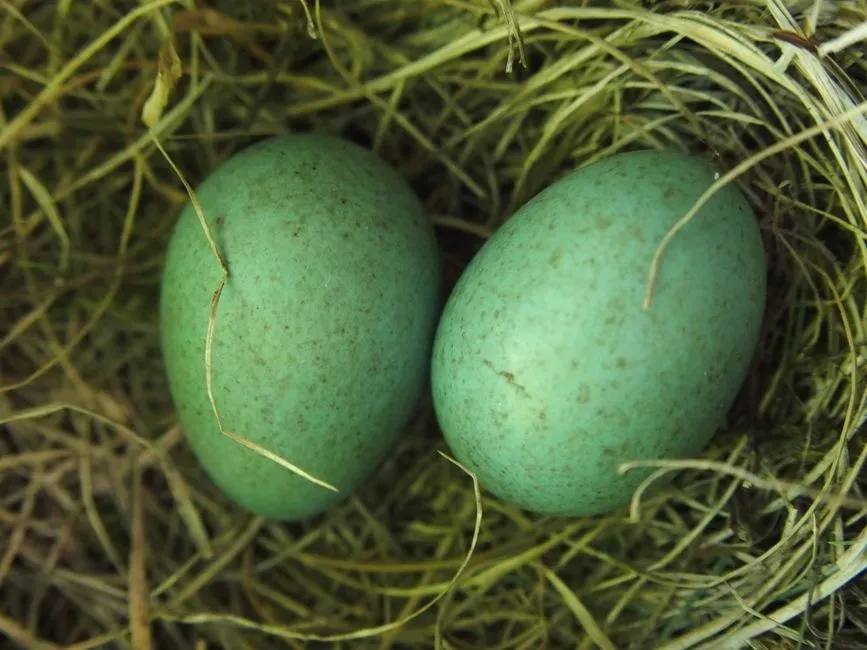
Common cuckoos lay eggs that closely match the color and pattern of their host species nests. The young cuckoo hatches early and pushes the rightful chicks out of the nest. Genetic studies confirm that different cuckoo females specialize on particular host birds and pass that preference to their daughters.
Hosts sometimes reject eggs that do not match perfectly, yet the cuckoo’s mimicry has kept pace with these defenses over time. The result is a system where one bird raises another species entirely. This strategy frees the cuckoo from building nests or feeding its own young.
The Hognose Snake’s Death Feint
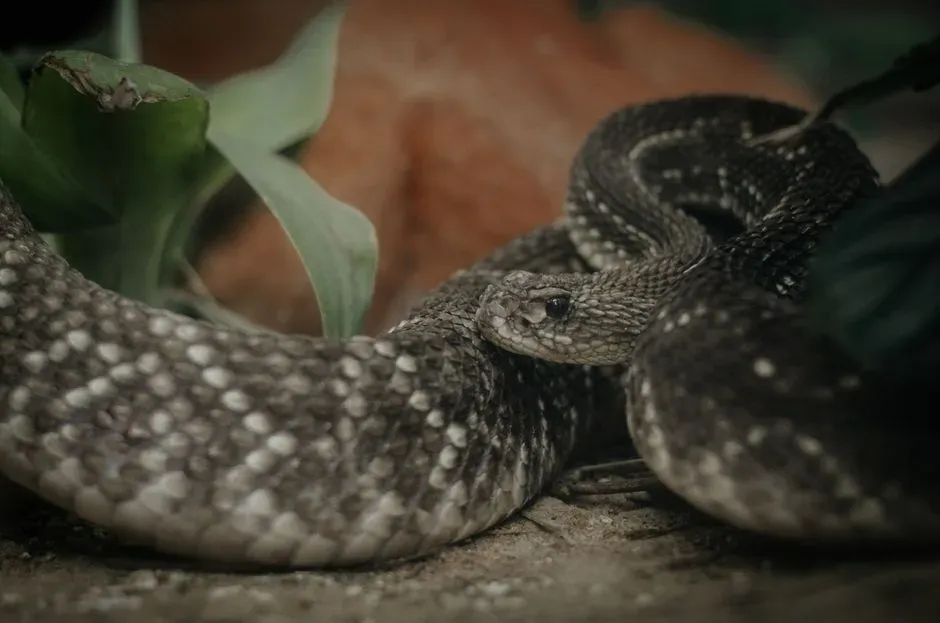
When threatened, the hognose snake rolls onto its back, opens its mouth, and releases a foul smell that suggests decay. It may even let its tongue hang out for added effect. Observers have watched predators lose interest once the snake appears already dead and possibly diseased.
After the danger passes, the snake rights itself and moves away. This behavior works best against mammals that avoid carrion. It requires no special body parts, only the willingness to stay still while upside down.
The Anglerfish’s Lure
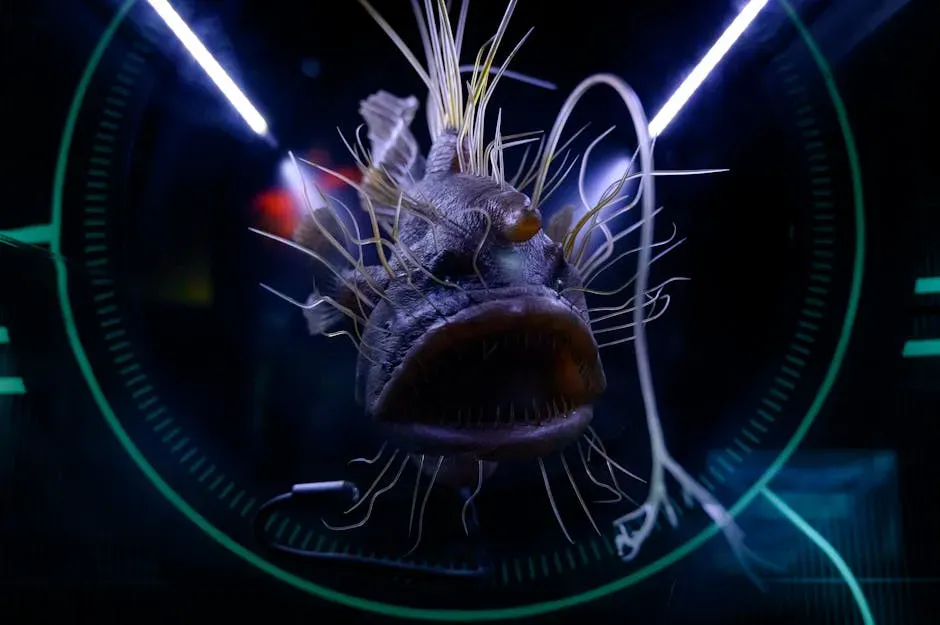
Deep-sea anglerfish carry a glowing filament that extends from their heads like a fishing rod. The light comes from bacteria living inside the lure and attracts small fish in the dark. Once prey approaches, the anglerfish opens its large mouth and swallows quickly.
The lure can be twitched to imitate wounded prey, increasing its appeal. Because food is scarce at these depths, the trick allows the anglerfish to conserve energy while still catching meals. Females keep the lure throughout life, while males take a very different approach to survival.
The Bolas Spider’s Chemical Trap
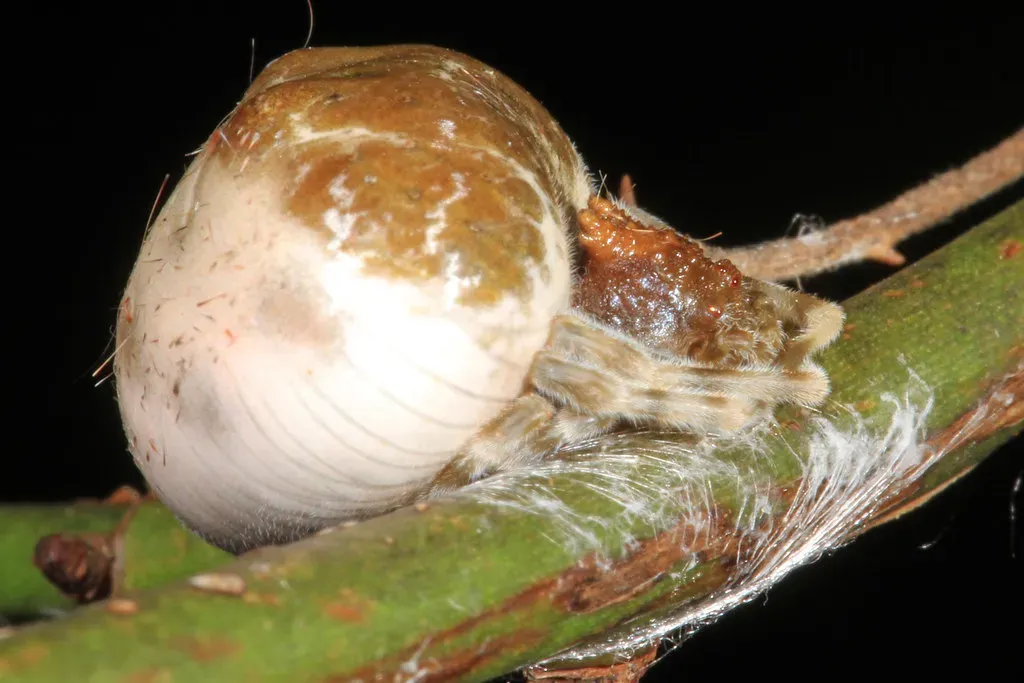
The bolas spider releases chemicals that copy the scent of female moths. Male moths fly toward the odor expecting a mate and instead encounter a sticky silk ball swung on a thread. Researchers have identified the specific compounds involved and shown they match moth pheromones closely enough to fool the insects.
Once the moth sticks to the ball, the spider reels it in and wraps it. The spider does not build a web, so the chemical deception replaces the usual snare. This method works at night when visual hunting would be difficult.
The Photuris Firefly’s Deadly Mimicry
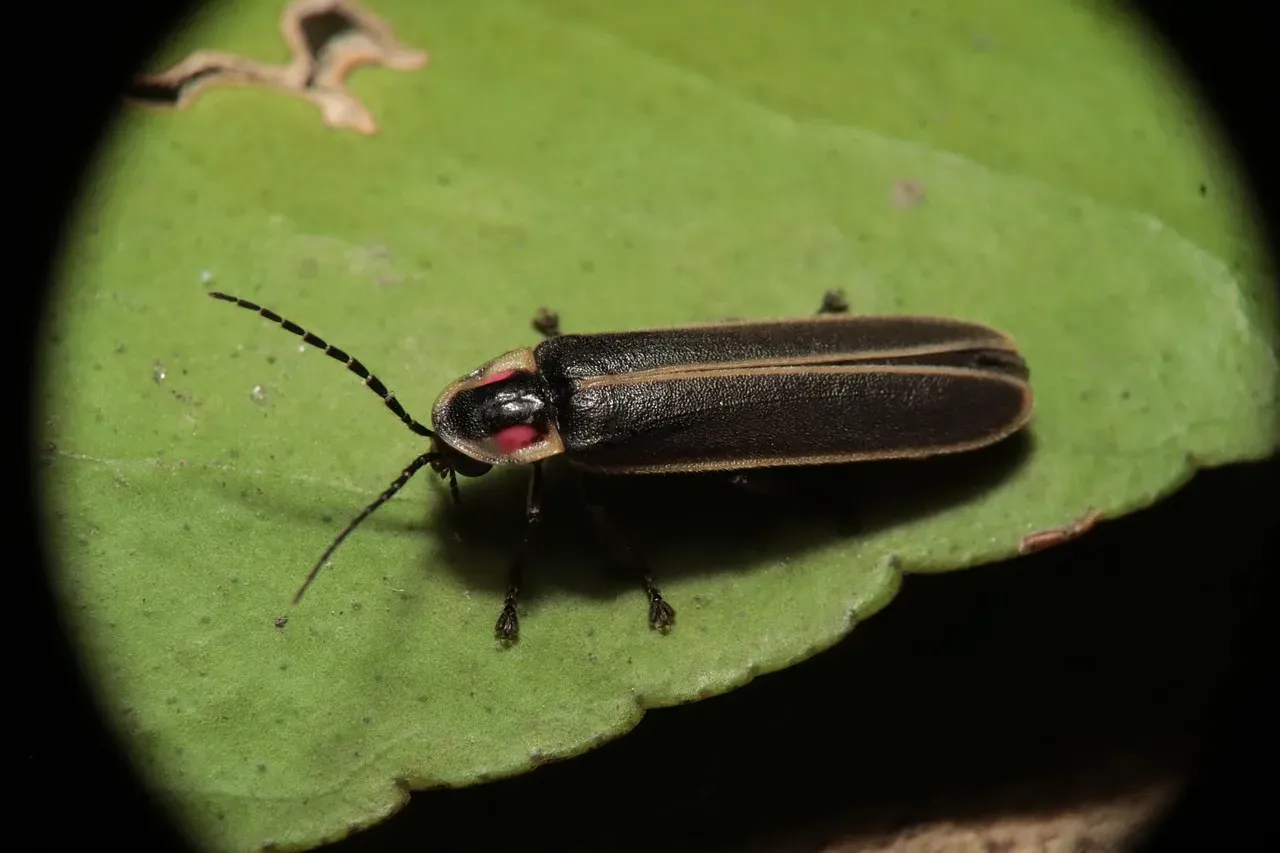
Female Photuris fireflies copy the flash patterns of other firefly species to attract males of those species. When the males arrive expecting a mate, they become the meal instead. Controlled experiments have recorded the exact timing and color of flashes used in the deception.
The strategy gives Photuris females both food and defensive chemicals they cannot produce themselves. Males of the tricked species learn to avoid certain patterns over time, yet the mimic continues to adjust its signals. The arms race stays active across generations.
The Orchid Mantis’s Floral Disguise
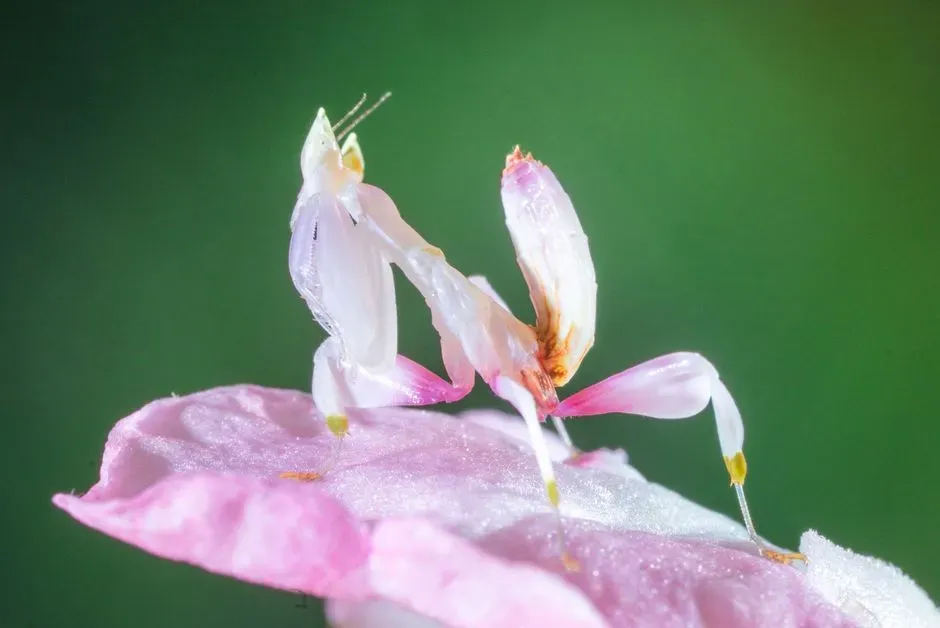
The orchid mantis sits on flowers and matches their color and shape so closely that insects land on it expecting nectar. Its legs resemble petals, and its body completes the illusion. Studies using model flowers and real mantises show that pollinators approach the mantis at rates similar to actual blooms.
Once prey lands, the mantis strikes with speed that ends the encounter in seconds. The disguise works in both hunting and avoiding larger predators that overlook the mantis among real flowers. Color changes occur gradually as the insect matures.
The Leaf-Tailed Gecko’s Outline Break
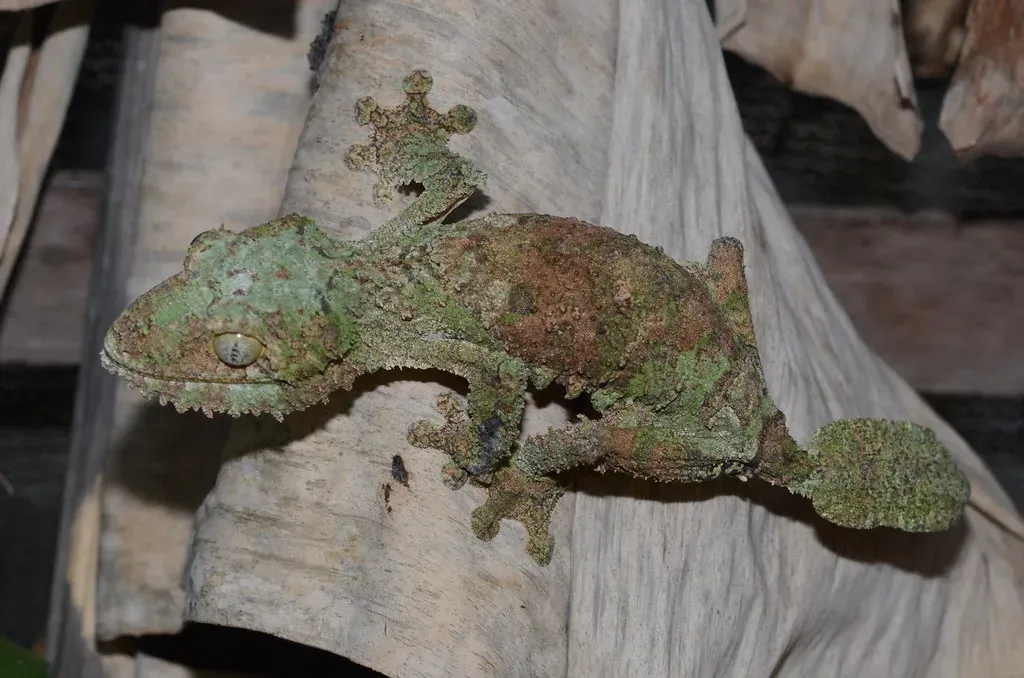
Leaf-tailed geckos have flattened bodies and fringed edges that blur their shape against tree bark or leaves. They also press themselves flat and remain motionless for long periods. Close examination reveals patterns that continue the lines of the surrounding wood or foliage.
When disturbed, some species drop their tails, which continue to twitch and draw attention away from the escaping body. The tail later regrows, though without the same detailed pattern. This combination of camouflage and distraction keeps the gecko alive in forests where birds hunt by sight.
These ten cases illustrate how deception can be as reliable as armor or speed when it comes to staying alive. Each example rests on repeated observations rather than single anecdotes, giving a clear picture of how the tricks function in real environments.
Still, the larger lesson may be that survival rarely follows simple rules. Animals that invest in misdirection often thrive in places where strength alone would fail, and that variety keeps ecosystems balanced in ways we are still learning to appreciate.

- What It Means When Wrens Build Several Nests but Use Only One - August 7, 2026
- 6 US States With the Most Javelinas - August 7, 2026
- Why Do Octopuses Change Color Instantly? The Scientific Reason Explained. - August 7, 2026