
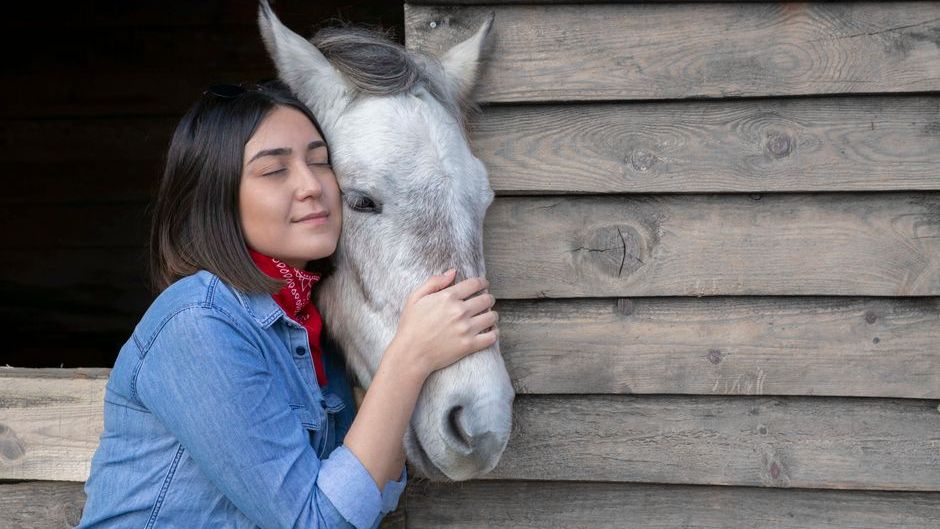
Horses have a way of making you work for their approval. One moment they seem curious, the next they are watching every move you make with a quiet intensity that feels almost deliberate. It is easy to wonder what exactly they are looking for before they decide you are worth their time.
This hesitation is not random or stubborn. It stems from deep instincts that have kept their species alive for thousands of years. Understanding those instincts changes how you approach every interaction.
The Prey Animal Mindset at Work
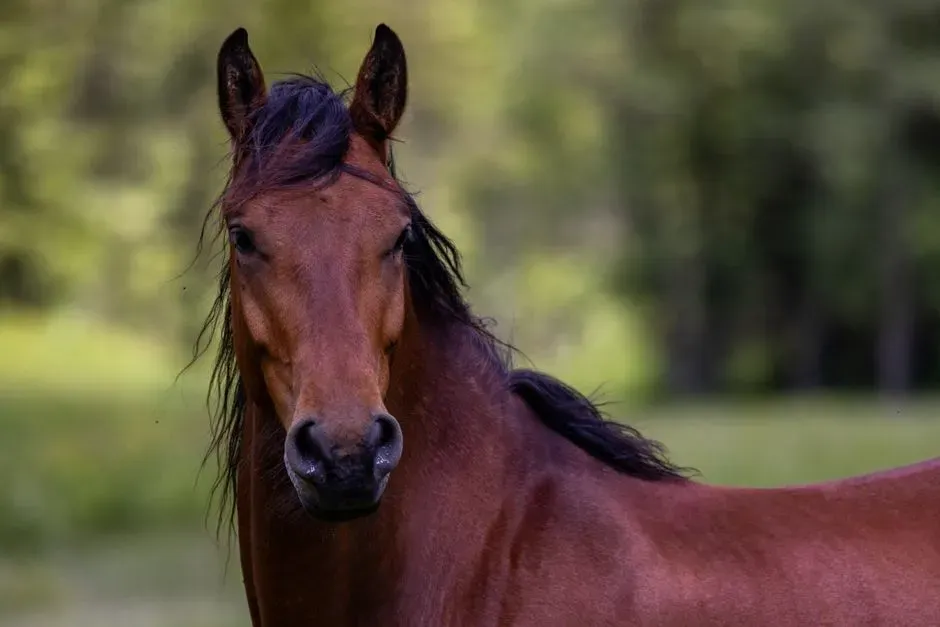
Horses evolved as prey species, always scanning for threats in their environment. Their first response to anything new, including people, is caution rather than curiosity. This built in wariness means they evaluate humans as potential sources of danger before anything else.
That evaluation process shows up as testing behaviors like moving away, pinning ears, or refusing simple requests. These actions help the horse gather information about whether you represent safety or risk. Over time the pattern becomes clear. A horse that feels secure will relax its guard, while one that senses uncertainty will keep probing.
How They Read Your Every Signal
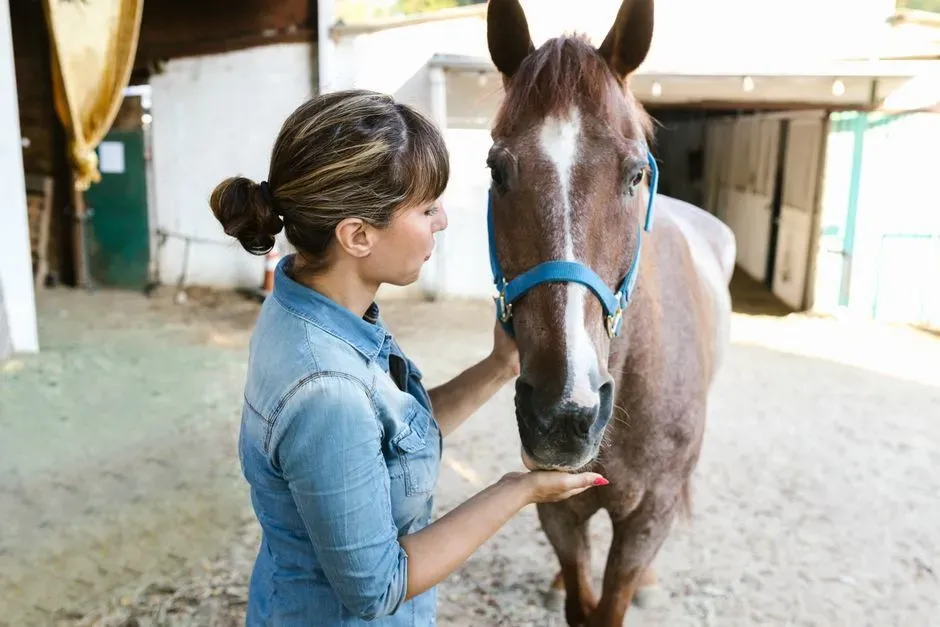
Horses notice subtle shifts in posture, breathing, and tone that humans often overlook. They pick up on tension in your shoulders or hesitation in your voice long before you realize it yourself. This sensitivity comes from living in groups where survival depended on reading herd mates instantly.
When a horse tests you it is often checking whether your signals stay steady under pressure. Inconsistent cues make them uneasy because they cannot predict what comes next. Clear and calm communication, on the other hand, gives them something reliable to follow. The horse learns quickly which people provide that steadiness and which ones do not.
The Need for Consistency Over Time
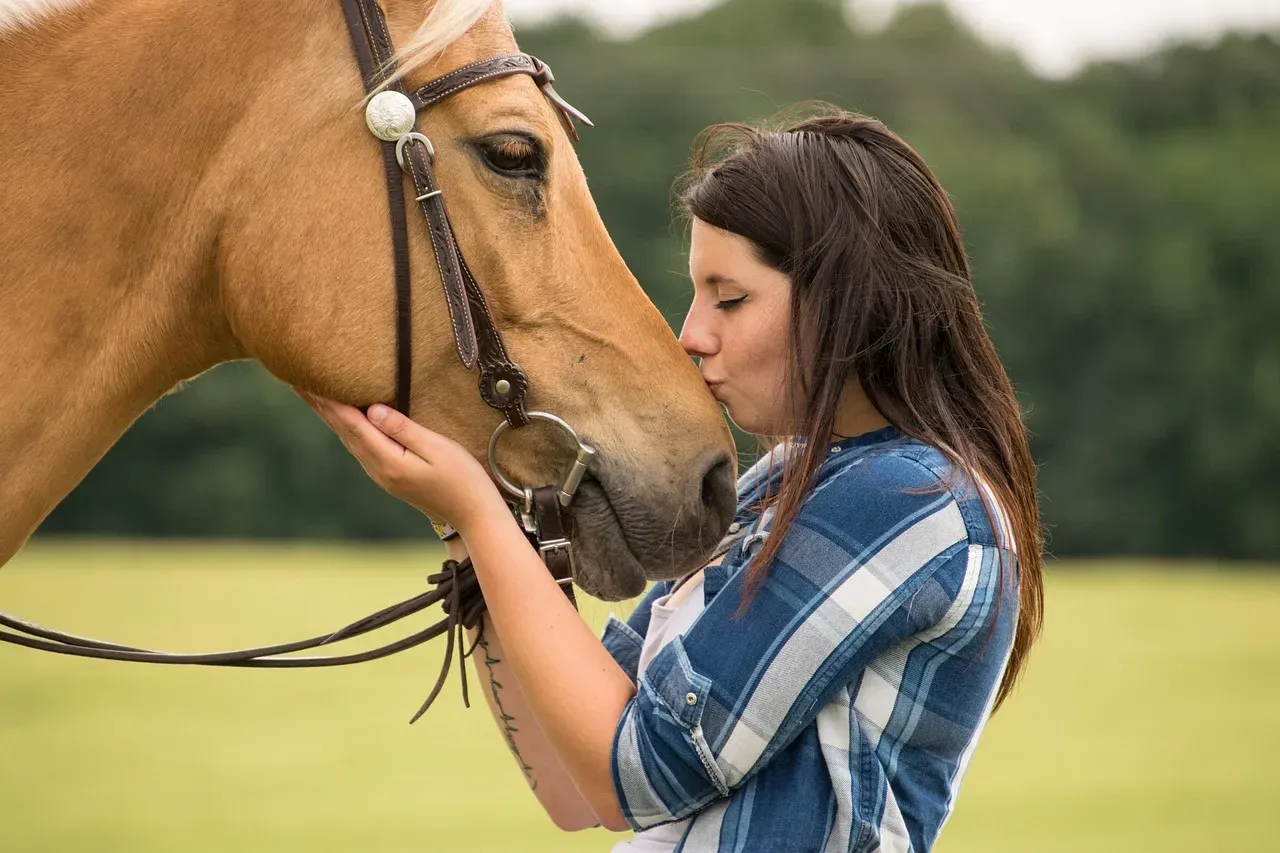
Trust does not form from a single good session. Horses look for patterns across multiple encounters before they lower their defenses. A person who acts differently on different days leaves the horse unsure about what to expect.
Testing behaviors often increase when routines change or when new challenges appear. The horse is essentially asking whether you will remain the same steady presence even when things get difficult. Repetition of fair and predictable responses gradually builds that confidence. Without it the horse keeps its options open and stays ready to move away.
Assessing Leadership and Protection
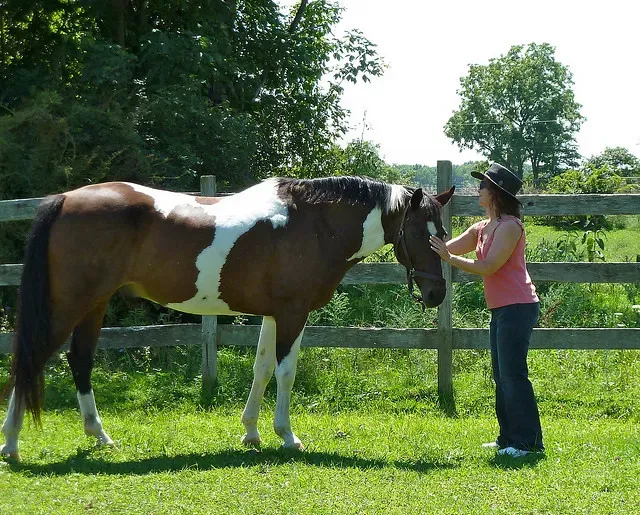
In the wild a lead mare or stallion guides the herd away from danger. Domesticated horses still look for that same quality in the humans around them. They test boundaries to see whether you can set limits without becoming unpredictable or harsh.
A horse that yields to your direction does so because it believes you will keep it safe. Yielding control feels risky to a prey animal, so the testing phase confirms whether that risk is worth taking. When the answer feels positive the horse begins to look to you for guidance instead of relying only on its own instincts.
Past Experiences Shape the Current Test
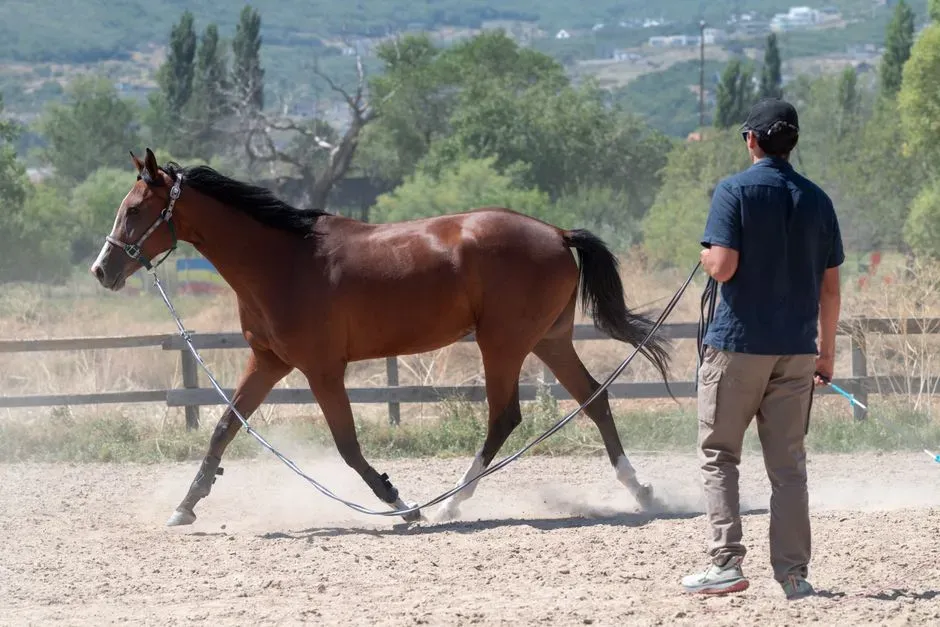
Every horse carries memories of previous handlers, both good and bad. Negative encounters make the testing phase longer and more intense because the animal has learned to protect itself. Positive history shortens the process since the horse already associates people with comfort.
Even with a new person the horse draws on those earlier lessons. It watches how you handle pressure or mistakes to decide if the pattern will repeat. This is why patience matters so much in the early stages. Rushing the process only confirms the horse’s existing doubts.
Small Moments That Build Real Connection
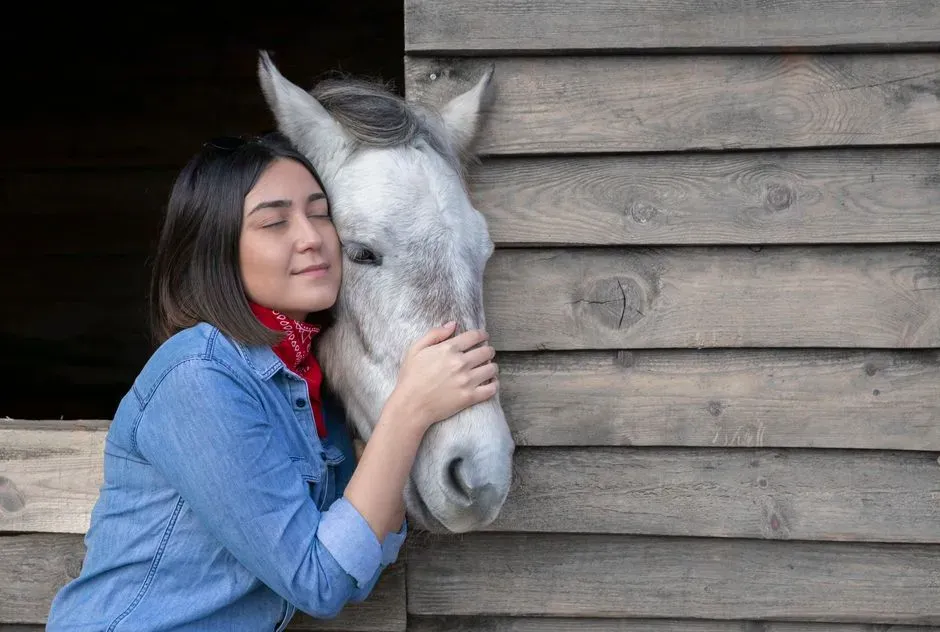
Trust grows in quiet, ordinary interactions rather than dramatic breakthroughs. Simple acts like standing calmly nearby or respecting the horse’s space send important messages. The animal notices when you wait for it to approach instead of forcing contact.
Over repeated sessions these small choices add up. The horse starts to associate your presence with reduced stress rather than added pressure. That shift marks the end of the testing phase and the beginning of genuine partnership. The relationship feels different once the horse stops questioning and starts cooperating.
Why This Process Matters for Long Term Partnership
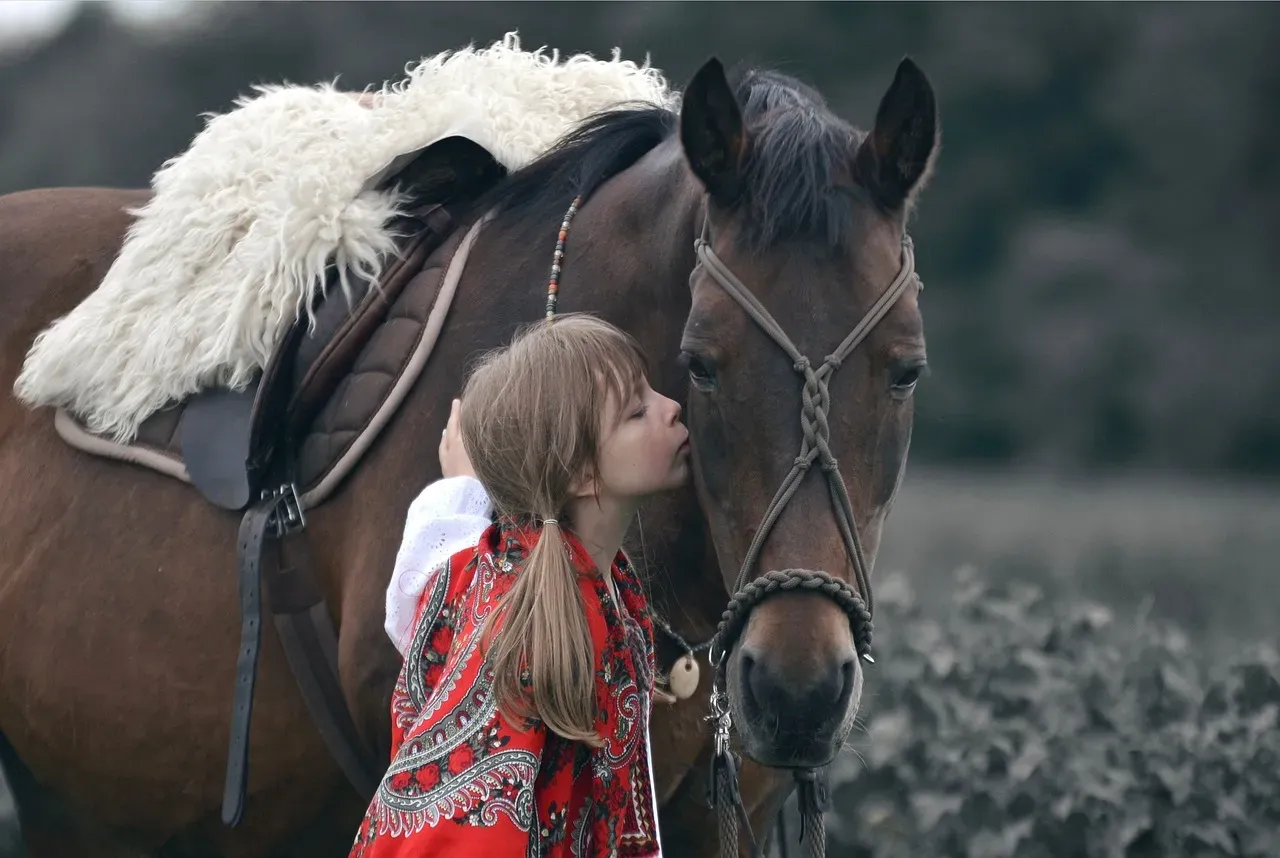
Recognizing the testing phase as a survival strategy rather than defiance changes everything about how you work with horses. It encourages patience and self awareness instead of frustration. The horse is not trying to win a power struggle. It is simply making sure its world remains predictable and safe.
When you meet that need consistently the bond that forms runs deeper than simple obedience. Horses that trust their people often show it through relaxed body language and voluntary closeness. That outcome feels rewarding because it reflects mutual respect built on understanding rather than force. In the end the real reason horses test you is the same reason they can become such loyal partners once trust is earned.

- What It Means When Wrens Build Several Nests but Use Only One - August 7, 2026
- 6 US States With the Most Javelinas - August 7, 2026
- Why Do Octopuses Change Color Instantly? The Scientific Reason Explained. - August 7, 2026