
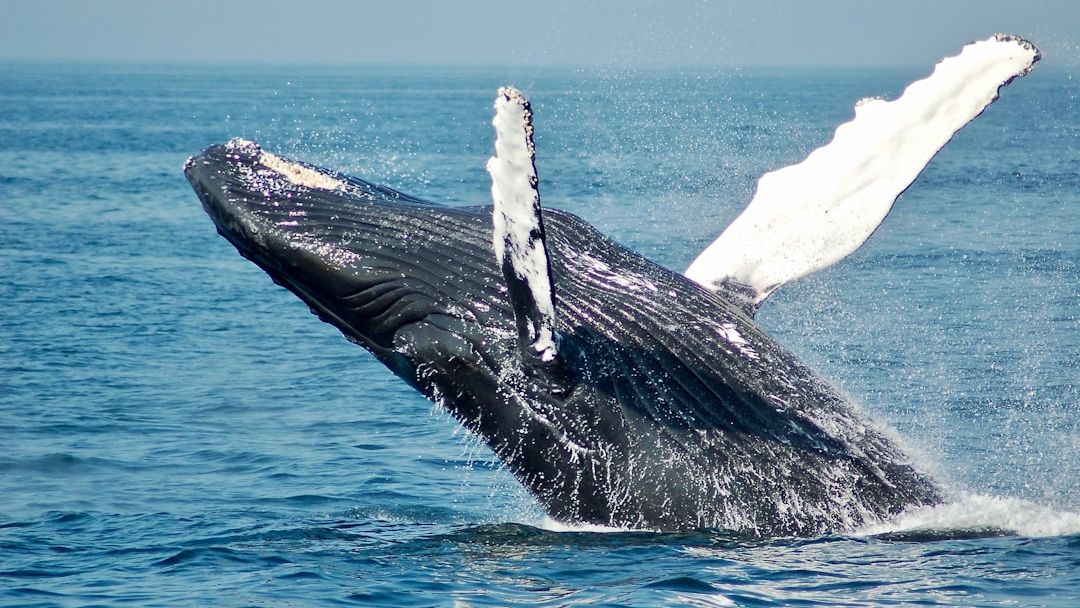
The Crushing Pressure Encountered at Depth
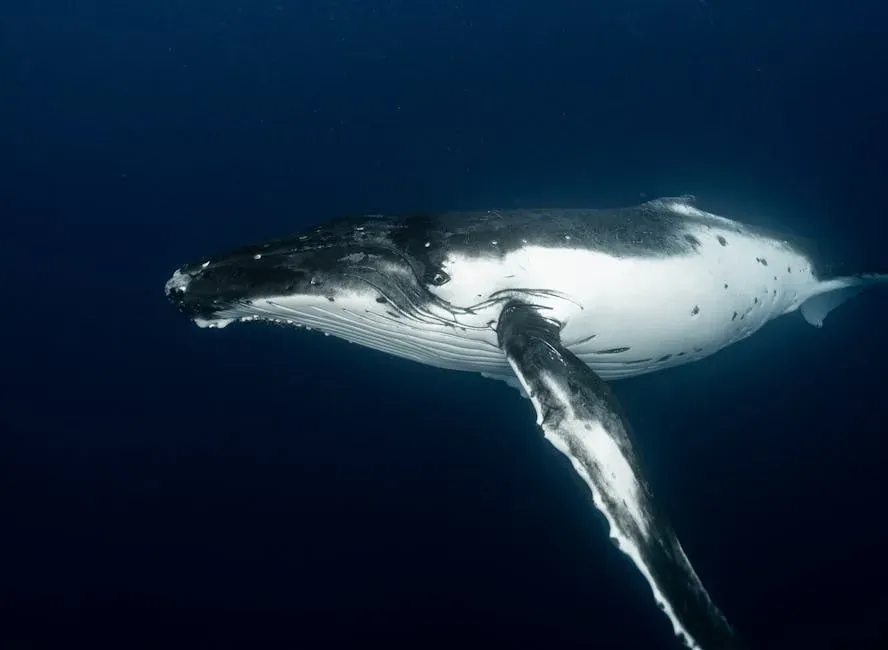
At three thousand feet the pressure reaches roughly ninety times the level at the surface. This force squeezes everything inward, threatening to crush air spaces and force gases into solution. Whales encounter these conditions on regular foraging trips, yet their bodies remain intact.
The ribcage flexes rather than resists, allowing the chest cavity to compress without fracture. This flexibility prevents structural damage while the animal continues to move through the water column. Over time the repeated exposure has shaped skeletal features that accommodate the stress without permanent harm.
Lung Collapse as a Built In Safety Feature
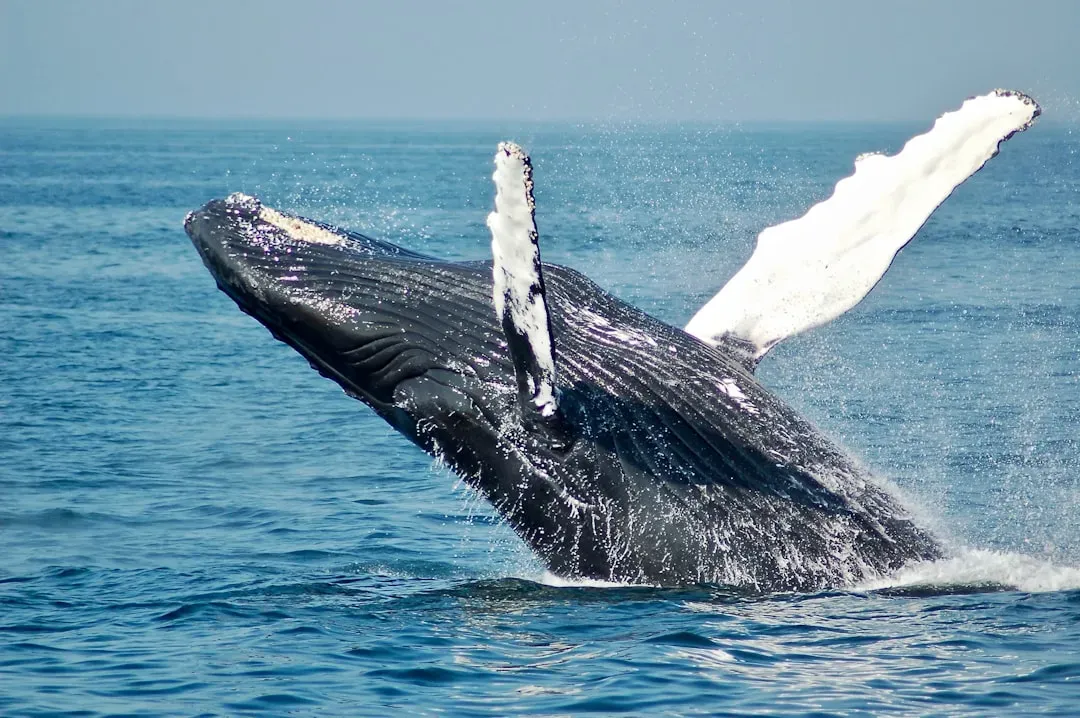
Instead of fighting the pressure, the lungs simply fold inward. The alveoli shut down first, pushing residual air into the stiffer upper airways that stay open. This collapse stops most gas exchange and keeps nitrogen from dissolving into the bloodstream in dangerous amounts.
Because the lungs empty of compressible air, the risk of decompression sickness drops sharply. The same mechanism also limits oxygen loss during the long ascent. Researchers have observed this pattern across multiple deep diving species, confirming it as a core adaptation rather than an occasional response.
Extraordinary Oxygen Reserves in Muscle and Blood
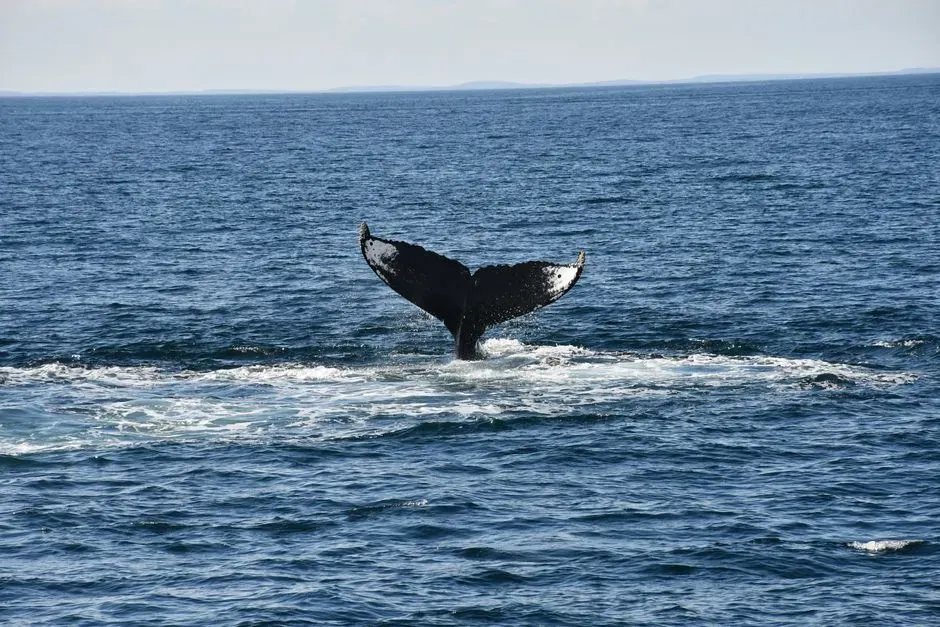
Whales carry far more oxygen than their size alone would suggest. Elevated levels of myoglobin in the muscles and hemoglobin in the blood create dark, almost black tissue that acts like a built in storage tank. These proteins release oxygen gradually as the dive progresses.
The stored supply supports aerobic metabolism for extended periods without relying on fresh air from the lungs. Large body mass further increases total capacity, giving the animal a substantial buffer before anaerobic processes begin. This system allows dives that last well over an hour in some species.
Heart Rate Drops Dramatically to Conserve Energy
Within seconds of submerging, the heart slows to a fraction of its resting pace. This bradycardia can cut the rate in half or more, reducing the overall demand for oxygen across the body. The change happens automatically through the mammalian dive reflex.
Lower cardiac output pairs with reduced metabolic rate in non essential tissues. The whale therefore stretches its available oxygen farther than a constant high heart rate would permit. Observations show the slowdown persists steadily until the animal begins its return to the surface.
Blood Flow Shifts Away From Non Vital Organs
Circulation prioritizes the brain and heart while other systems receive less blood. Kidneys and digestive organs temporarily operate at minimal levels, freeing oxygen for functions that cannot wait. This selective shutdown happens without causing lasting injury because the dive duration stays within safe limits.
The redistribution also helps maintain core temperature in cold deep water. Peripheral tissues tolerate brief oxygen debt, drawing on stored reserves until normal flow resumes near the surface. The pattern repeats reliably across successive dives.
Preventing Nitrogen Buildup and the Bends
With lungs collapsed, nitrogen absorption stays low even at extreme depths. Any gas that does enter the blood remains in solution because the pressure keeps it compressed. Upon ascent the gradual pressure release allows safe off gassing without bubble formation.
This natural protection contrasts sharply with human divers who must follow strict decompression schedules. Whales achieve similar safety through anatomy rather than conscious planning. The result is repeated deep excursions with minimal recovery time between them.
Heightened Sensory Systems in Total Darkness
At such depths vision becomes nearly useless, yet whales navigate and hunt effectively. Echolocation provides detailed maps of the surroundings and locates prey through sound pulses that travel well in water. The brain processes these signals rapidly despite the low oxygen environment.
Other senses adjust as well, with pressure receptors and body position awareness helping maintain orientation during the long descent. These capabilities remain functional because blood continues to reach the sensory centers at adequate levels. The combination supports precise foraging in an otherwise featureless realm.
Surfacing and Rapid Physiological Reset
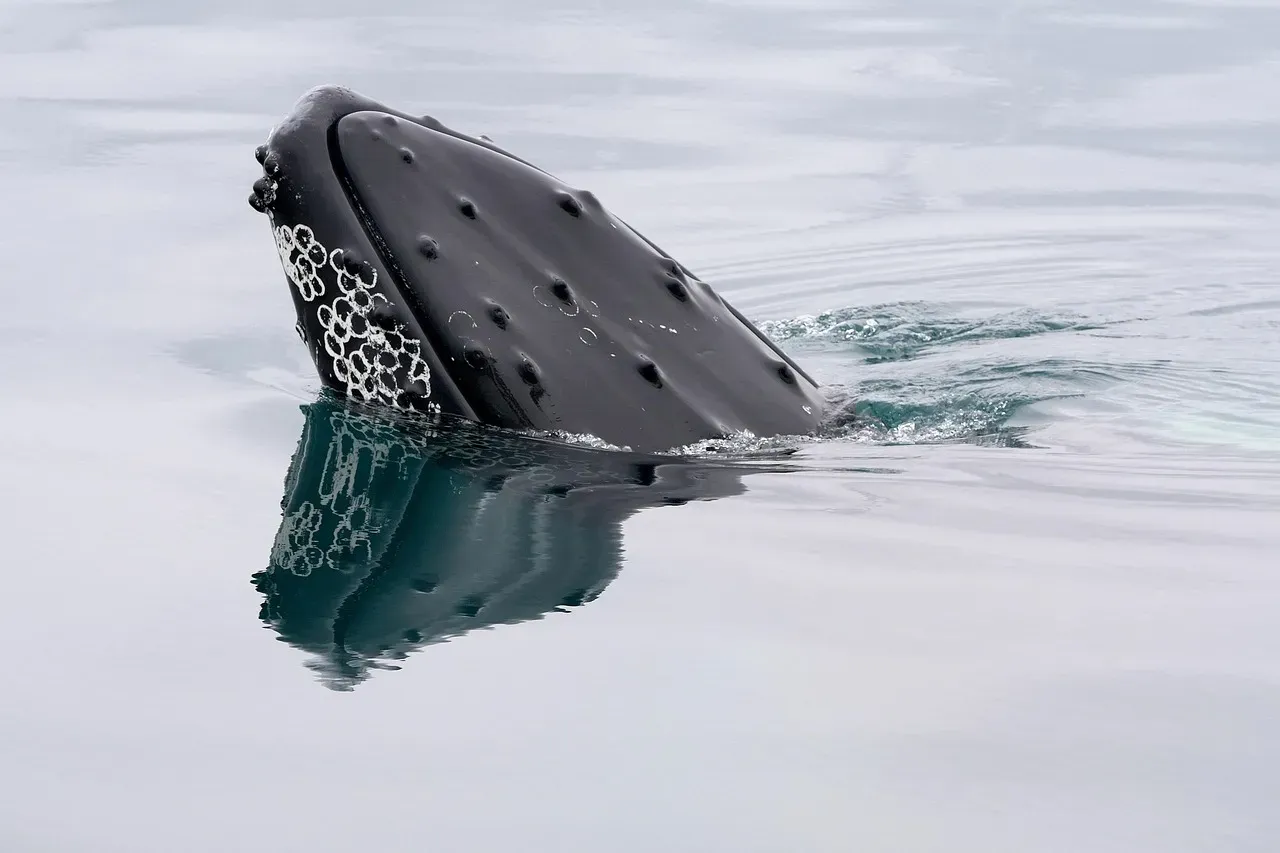
Once near the surface the lungs reinflate and normal breathing resumes. Heart rate climbs back to baseline within minutes, restoring full circulation to all organs. Excess carbon dioxide and any accumulated lactate clear quickly during the recovery period at the surface.
Many whales pause briefly in a behavior called logging, resting while they replenish oxygen stores. This short interval prepares them for the next cycle without extended downtime. The entire reset occurs efficiently because the body never strayed far from aerobic balance during the dive.
Why These Adaptations Continue to Inspire Study
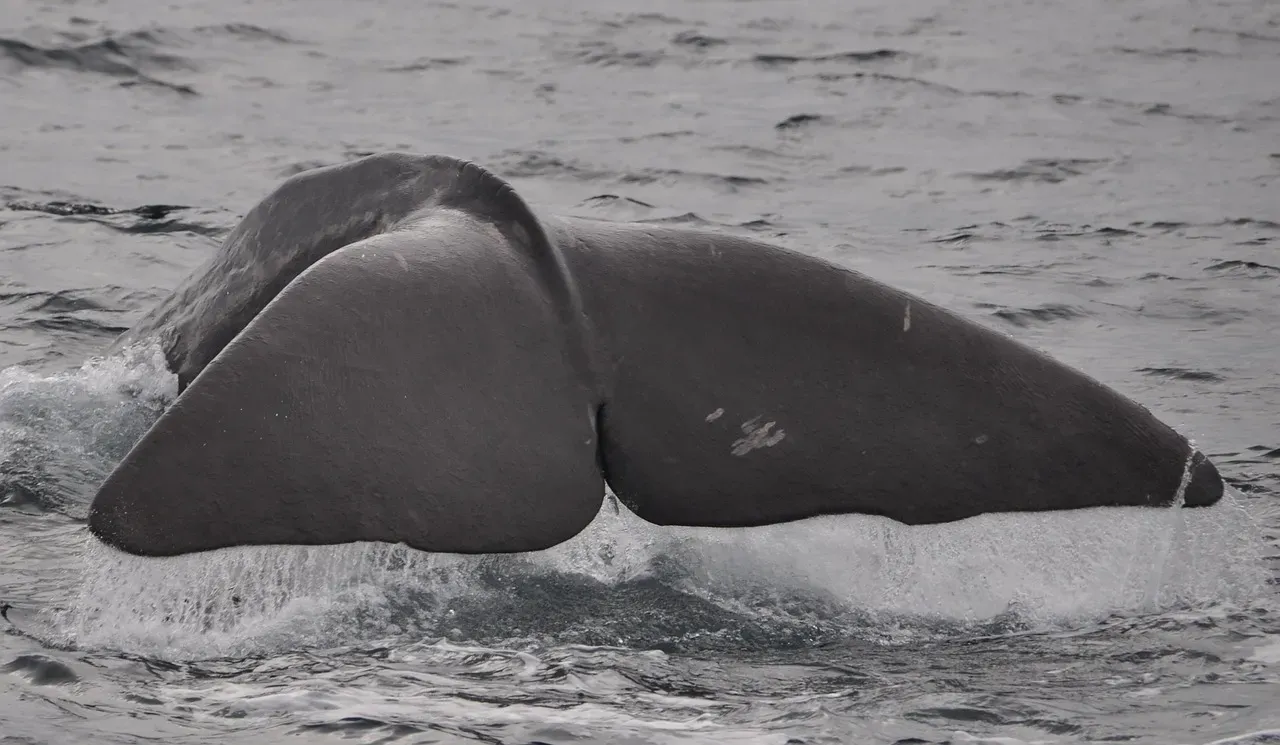
The coordinated responses inside a diving whale demonstrate how evolution can solve extreme environmental challenges through multiple overlapping systems. Each change supports the others, creating a resilient whole that functions reliably across decades of an animal’s life. Scientists continue to examine these traits for insights into human medicine and technology.
Understanding the process also underscores the importance of protecting deep ocean habitats where these remarkable animals carry out their lives. Their survival depends on conditions that remain stable enough for the physiology to work as intended. In that sense the dive itself becomes a quiet reminder of the intricate balance that sustains life in the sea.

- 12 Architectural Wonders From The Ancient World That Inspire Us Today - July 18, 2026
- 6 Beautiful Ancient Cities That Time Forgot (But Shouldn’t) - July 18, 2026
- 6 Common Animal Behaviors That Are Often Misunderstood by Humans - July 18, 2026