
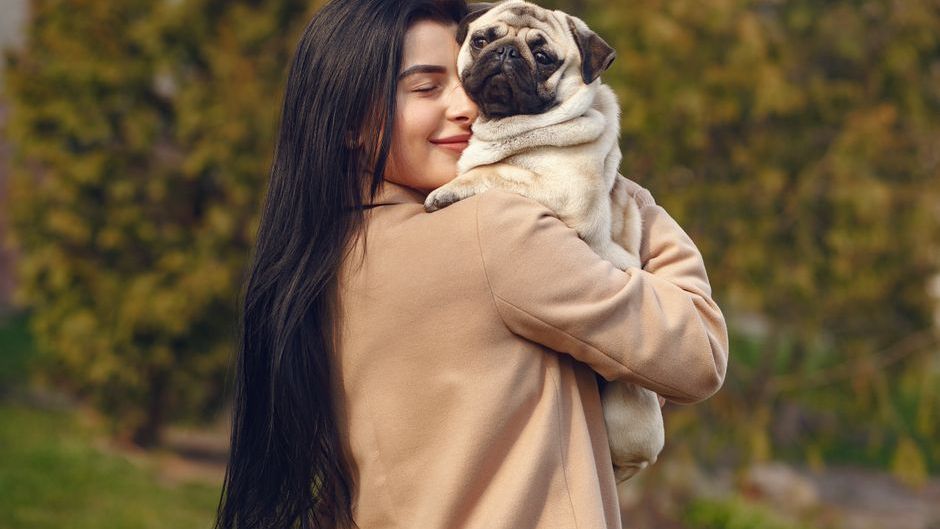
Most people have felt it at some point. A dog that normally roams the house suddenly plants itself beside the bed or couch the moment a fever hits or a headache lingers. The behavior feels almost deliberate, as if the animal senses something the rest of the household misses.
That intuition is not magic. It stems from a combination of acute scent detection and long shared history with humans. Certain breeds amplify these traits through selective breeding, turning ordinary loyalty into something that feels almost protective during illness.
Labrador Retriever
Labrador Retrievers often become fixtures at the edge of the bed when their person feels unwell. Their strong sense of smell allows them to pick up subtle shifts in body odor that signal fever or inflammation. Over generations they were bred to work closely with people, so staying nearby feels like an extension of that partnership rather than a chore.
Many owners report the dog refusing to leave the room even for meals. This stems from an oxytocin feedback loop that strengthens when the dog detects distress. The breed’s even temperament keeps the response calm instead of frantic, creating steady company through recovery.
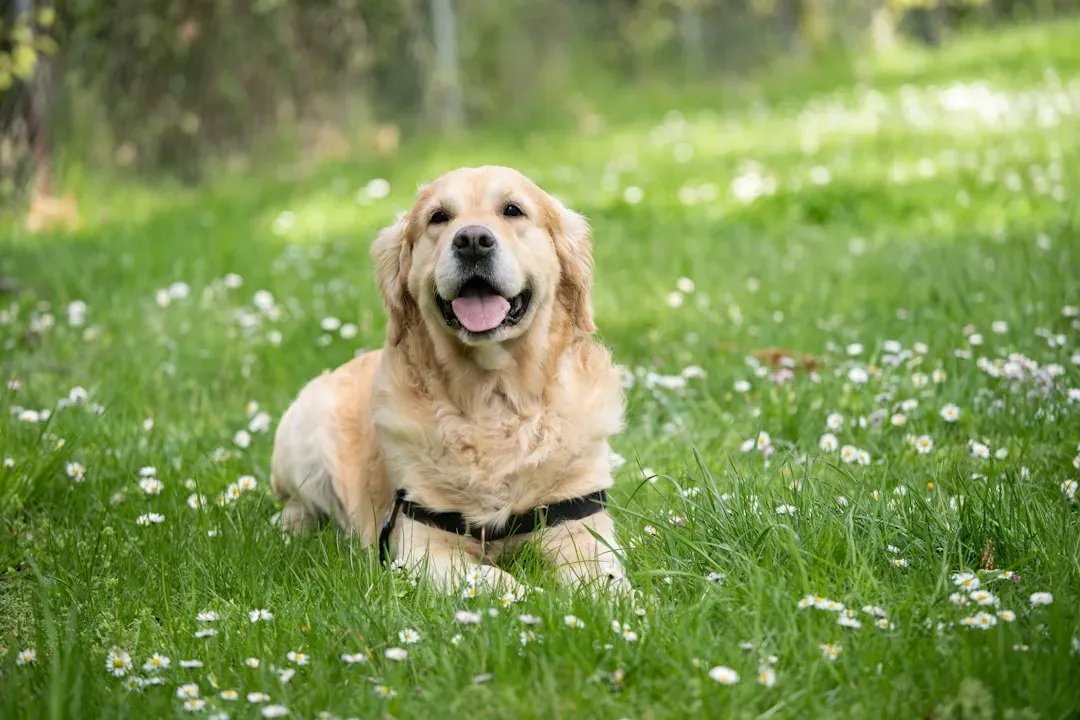
Golden Retriever
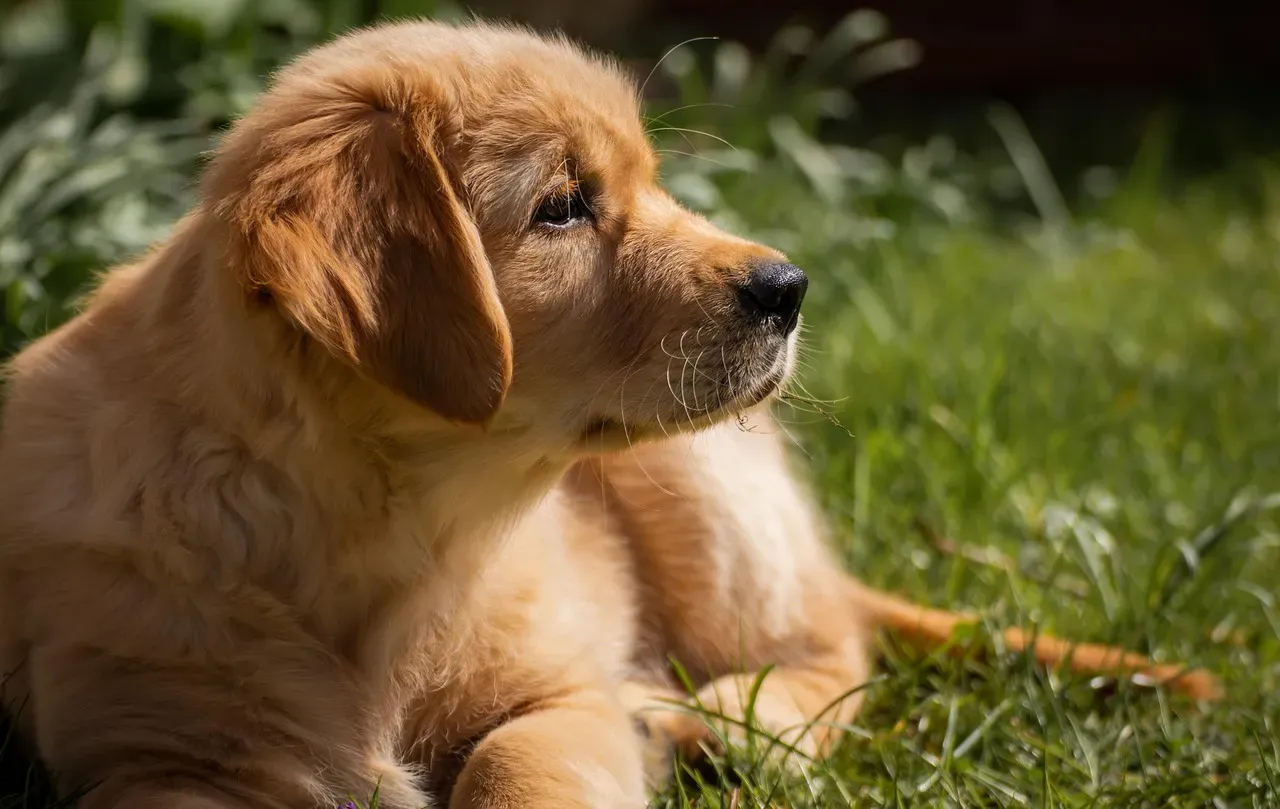
Golden Retrievers tend to mirror their owner’s energy levels with surprising accuracy. When sickness lowers activity, the dog often matches that pace by settling in one spot for hours. Their history as gentle companions makes them quick to notice changes in routine or posture that hint at discomfort.
The biological driver involves both scent and visual cues. Goldens read facial expressions and body language well, then respond by offering physical closeness. That combination keeps them glued to the side of someone who needs rest.
German Shepherd
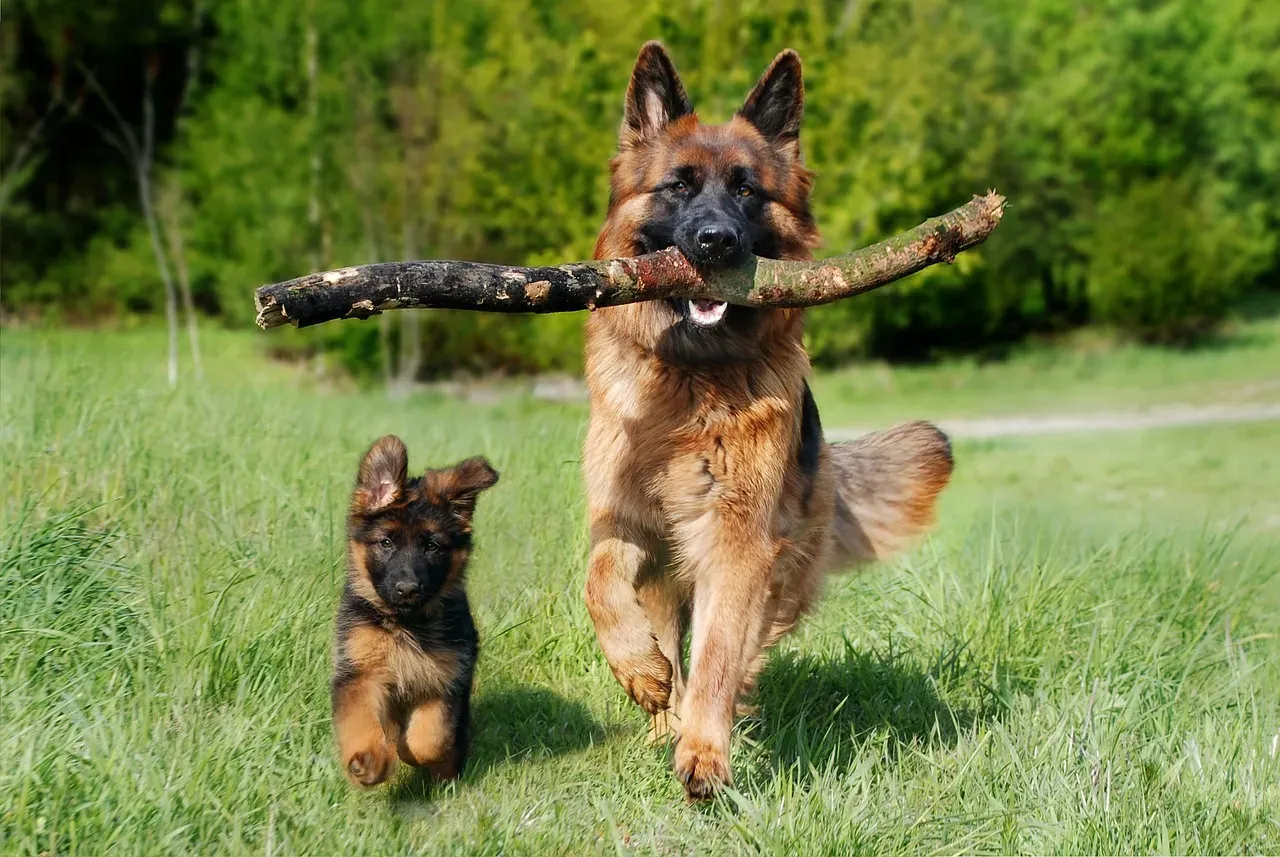
German Shepherds bring a protective edge to their bedside vigil. They were developed to guard and stay alert, so any sign of vulnerability in their person triggers heightened attention. Their powerful noses detect metabolic changes that occur during illness, prompting them to remain close as a form of watchfulness.
Owners often notice the dog positioning itself between the sick person and the door. This reflects both instinct and the breed’s deep bonding capacity. The result is a steady presence that feels reassuring rather than overwhelming.
Cavalier King Charles Spaniel
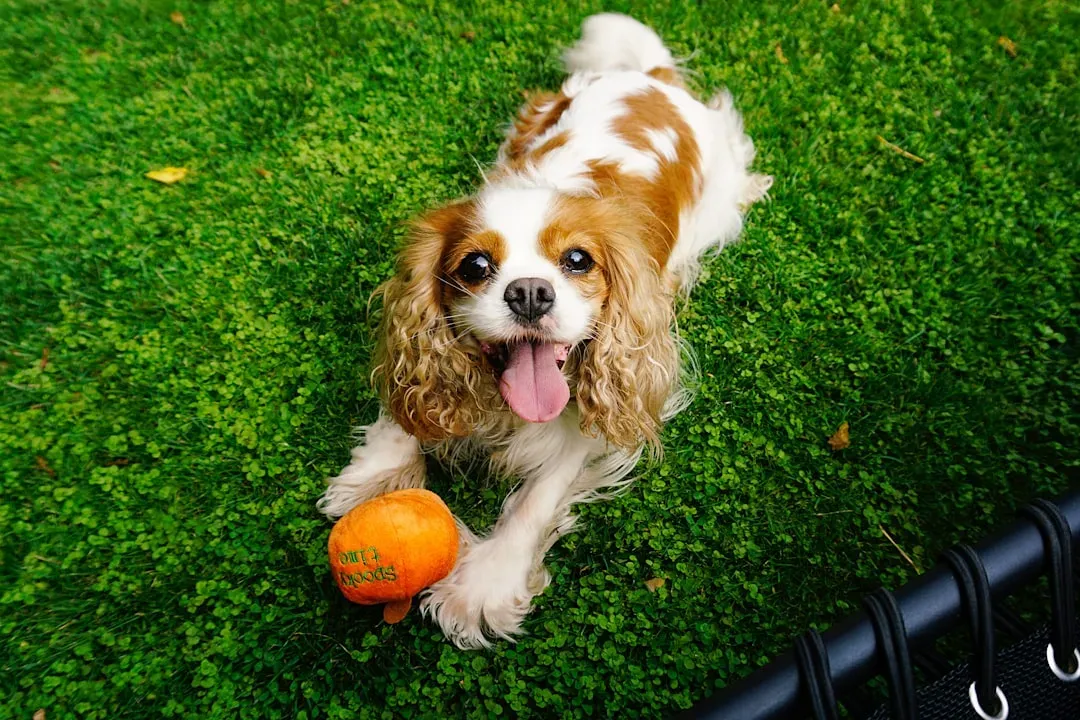
Cavalier King Charles Spaniels are small enough to tuck right against a person without taking up much space. Their affectionate nature was shaped by centuries as lap companions, so they naturally seek out warmth and stillness when their owner rests. Subtle scent changes register quickly with their sensitive noses.
The breed’s gentle disposition means they rarely demand attention during these moments. Instead they simply stay put, offering quiet company. That low-key loyalty makes them especially suited to long recovery periods.
Pug
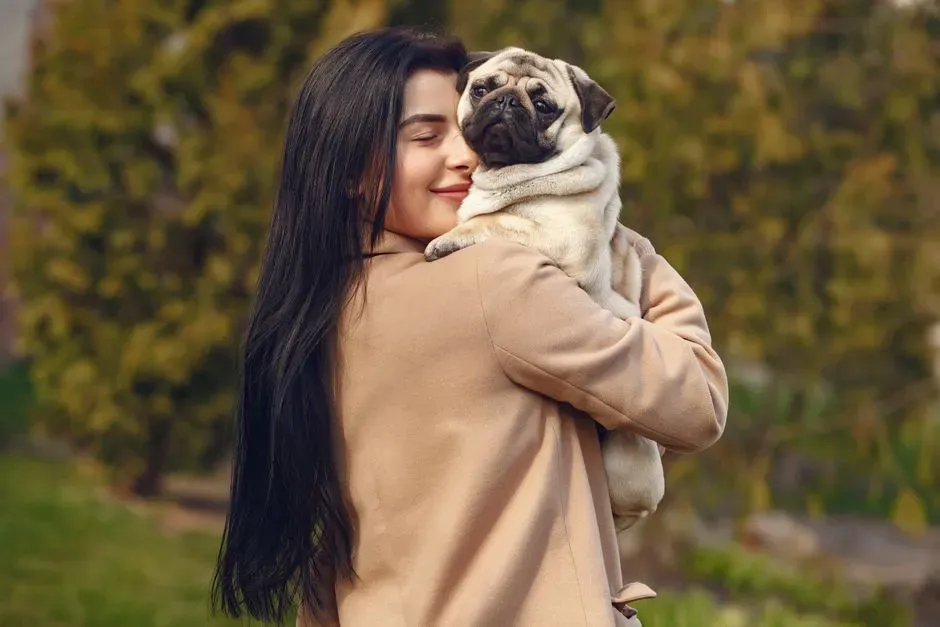
Pugs often become surprisingly attentive nurses despite their comical appearance. Their short faces and expressive eyes help them read human moods, while their compact size lets them curl up without crowding. Selective breeding for companionship left them wired to stay near their people through any discomfort.
Many pugs refuse to leave the room even when food is offered elsewhere. The drive comes from strong attachment bonds formed early in life. Their presence provides a steady, undemanding warmth that owners frequently describe as comforting.
French Bulldog
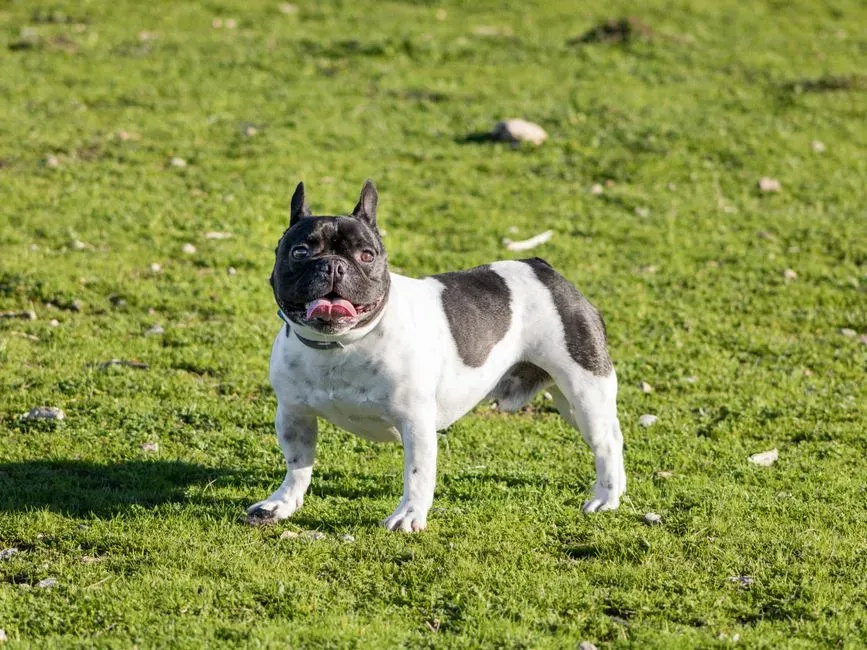
French Bulldogs bring a calm steadiness to sickroom duty. They were bred as companion animals, so they default to staying close rather than exploring. Their sensitive hearing picks up changes in breathing patterns that often accompany illness.
The breed’s sturdy build and relaxed personality keep them content to lounge for extended periods. Owners note that the dog seems to adjust its own activity level to match the slower pace of recovery. This instinctive synchronization strengthens the sense of partnership.
Shih Tzu
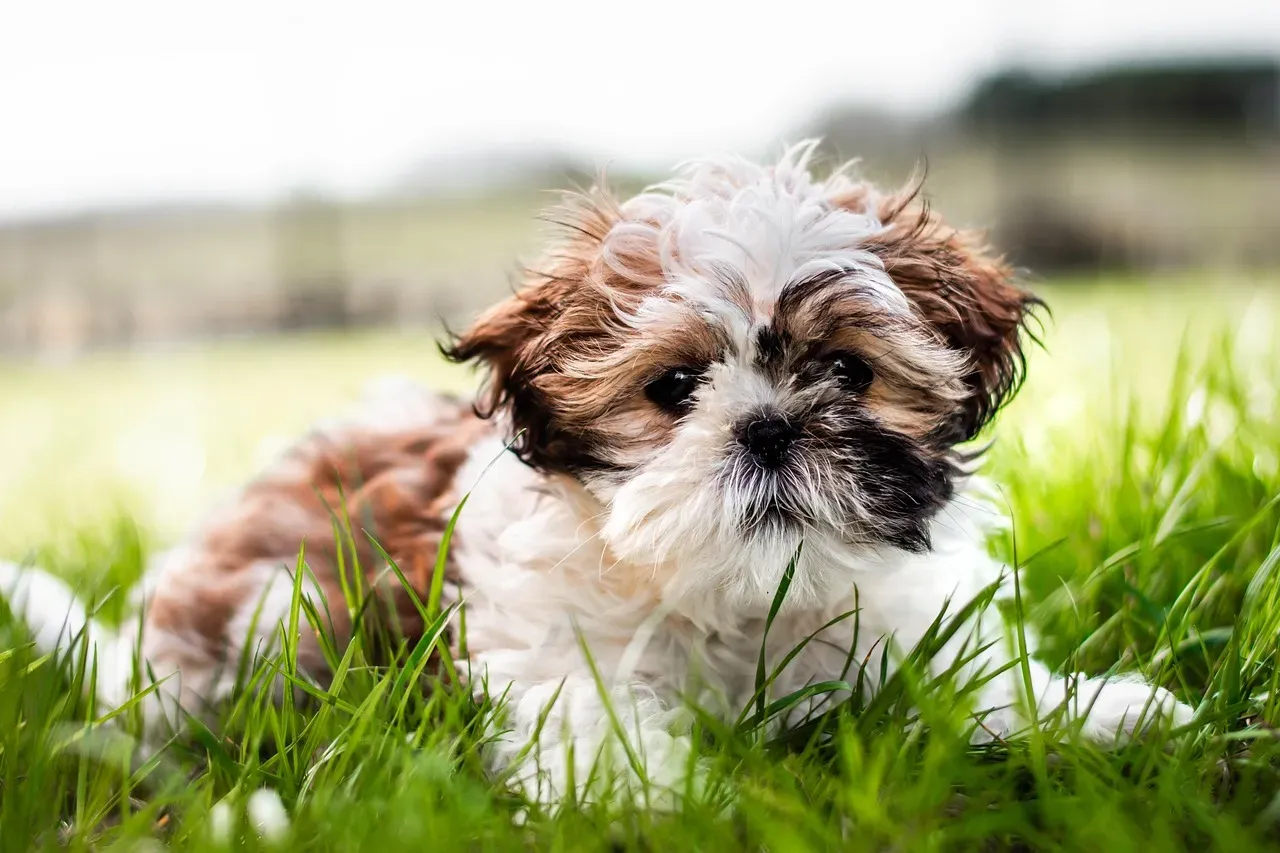
Shih Tzus were historically palace companions, which shaped their preference for remaining near their person at all times. Their small size and long coat make them natural lap warmers during periods of rest. They respond to shifts in scent and movement with quiet persistence.
Many owners find the dog refuses to be lured away even by favorite toys. The behavior reflects both breeding and individual temperament. The result is a small but reliable presence that rarely wavers.
Maltese
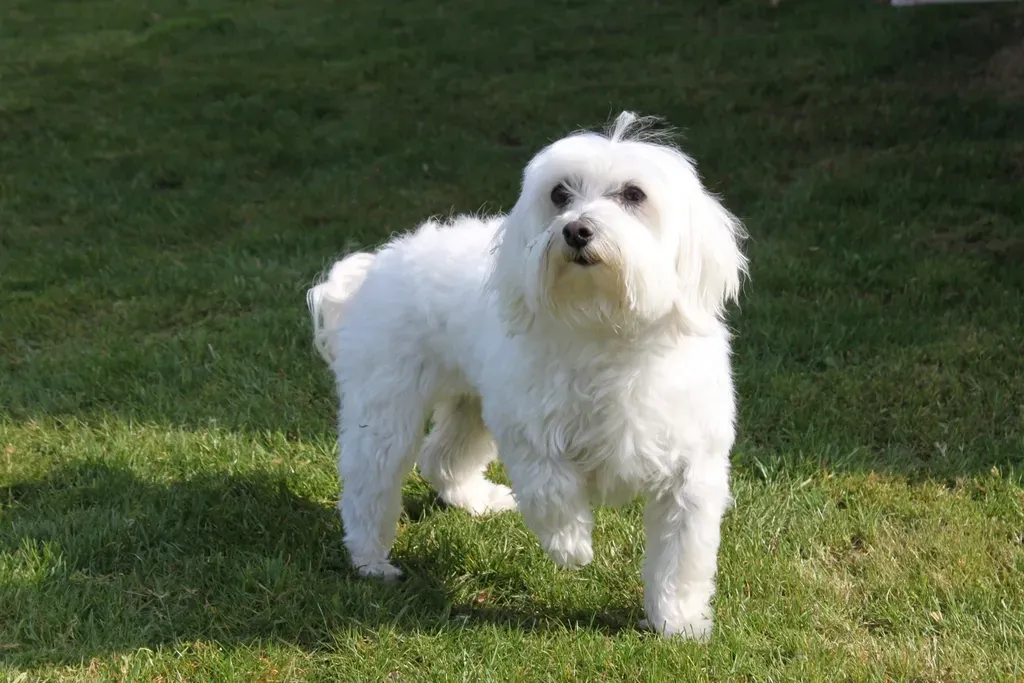
Maltese dogs often treat their owner’s illness as a cue to stay extra close. Their history as portable companions left them comfortable with long stretches of stillness. Acute hearing and smell help them notice when breathing or temperature changes.
The breed’s affectionate streak means they seek physical contact without becoming demanding. Owners frequently mention the dog settling at the foot of the bed or on a nearby chair for the duration of recovery. That consistency feels almost intentional.
Yorkshire Terrier
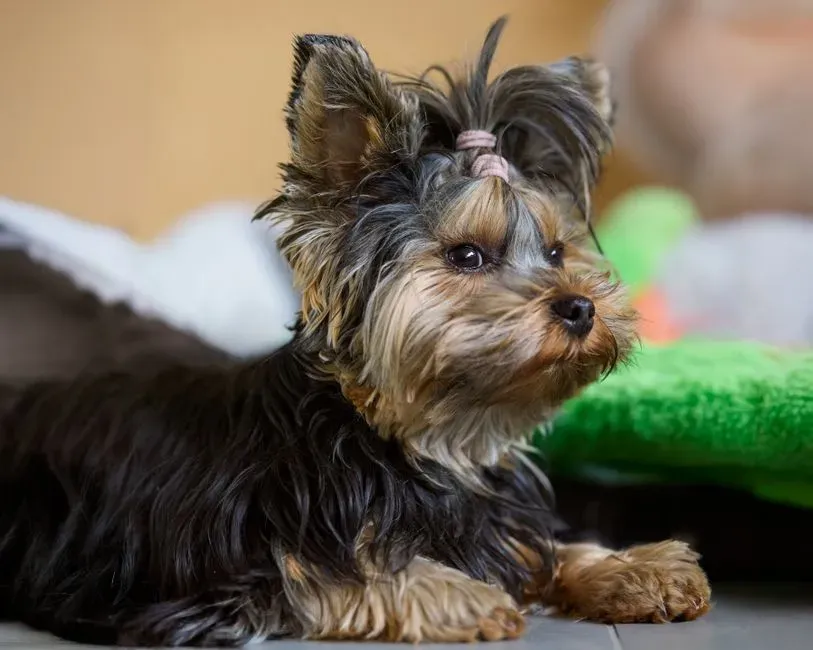
Yorkshire Terriers combine a bold personality with surprising tenderness when their person is unwell. Their small stature allows them to tuck into tight spaces beside the bed. Selective breeding for companionship created a strong drive to monitor and stay near their chosen human.
Many Yorkies refuse to leave the room even when the household returns to normal routines. The response ties back to their ability to detect subtle chemical signals through scent. The result is a tiny but determined guardian.
Boxer
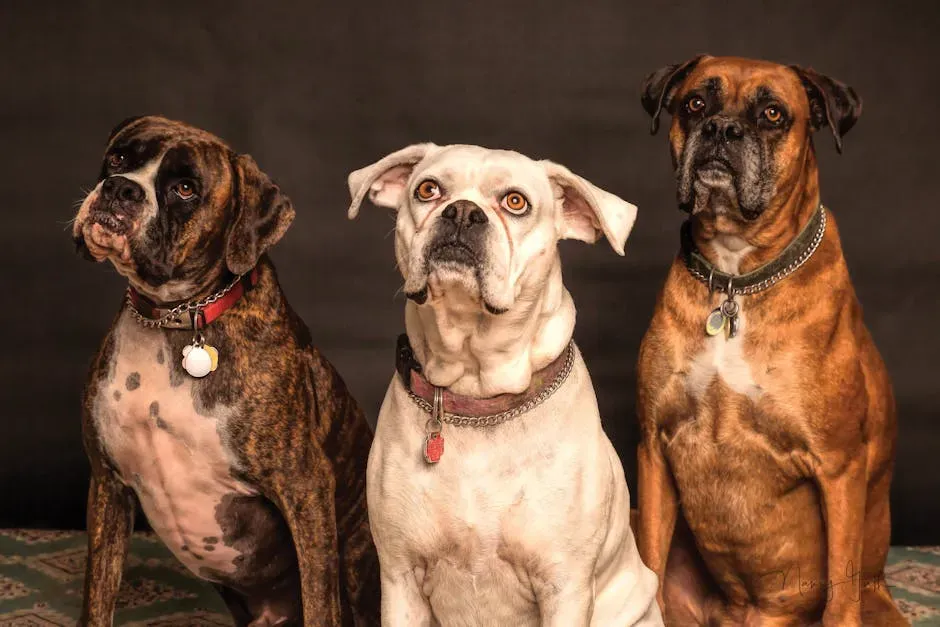
Boxers bring an energetic yet protective quality to their bedside role. They were developed as working dogs that stayed close to handlers, so illness triggers a similar protective instinct. Their expressive faces and body language help them read distress signals quickly.
Owners often observe the dog lying nearby with one eye open, adjusting position only when the person moves. This attentiveness stems from both scent detection and a deep social bond. The breed’s loyalty keeps them present through the entire recovery process.
Newfoundland
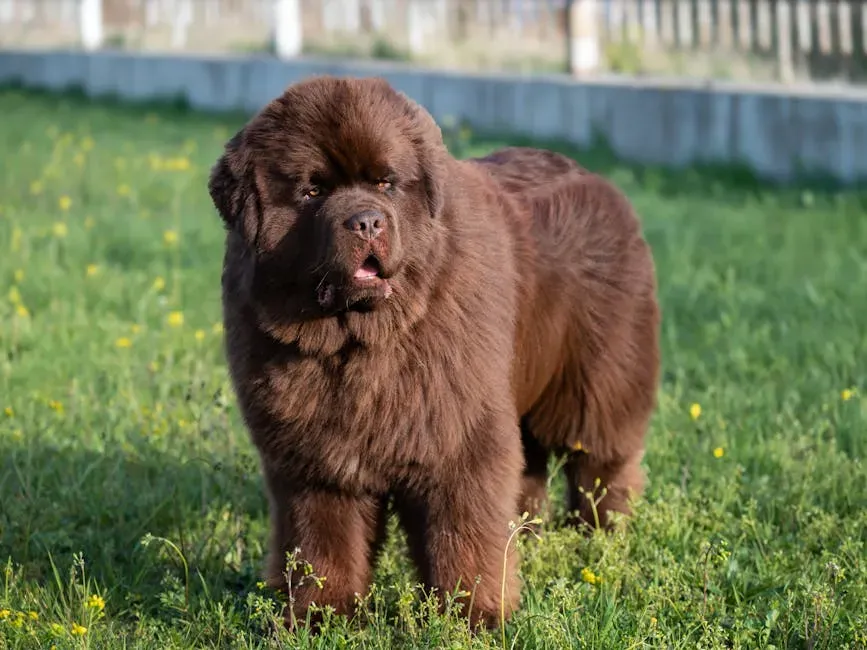
Newfoundlands offer a large, steady presence that many owners find grounding during illness. Their water rescue background required calm focus around vulnerable people, a trait that carries over to home life. Their thick coat provides literal warmth while their calm demeanor avoids adding stress.
The breed’s strong sense of smell and gentle nature combine to keep them stationed nearby without fuss. Many families report the dog refusing to leave the sick person’s side even for short walks. That quiet reliability becomes part of the healing environment.
Border Collie
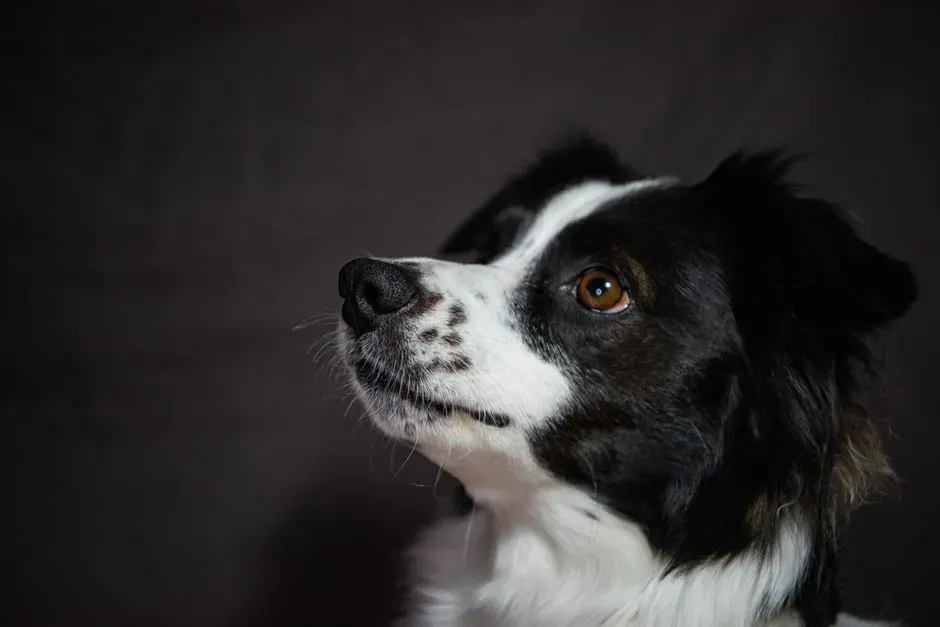
Border Collies channel their intense focus into monitoring their person when sickness appears. Bred for close work with handlers, they notice small changes in routine or posture immediately. Their sharp senses pick up scent variations that signal shifts in health.
Owners sometimes find the dog pacing a small perimeter around the resting spot rather than wandering the house. This behavior reflects both intelligence and attachment. The result is an alert yet unobtrusive companion throughout recovery.
Australian Shepherd
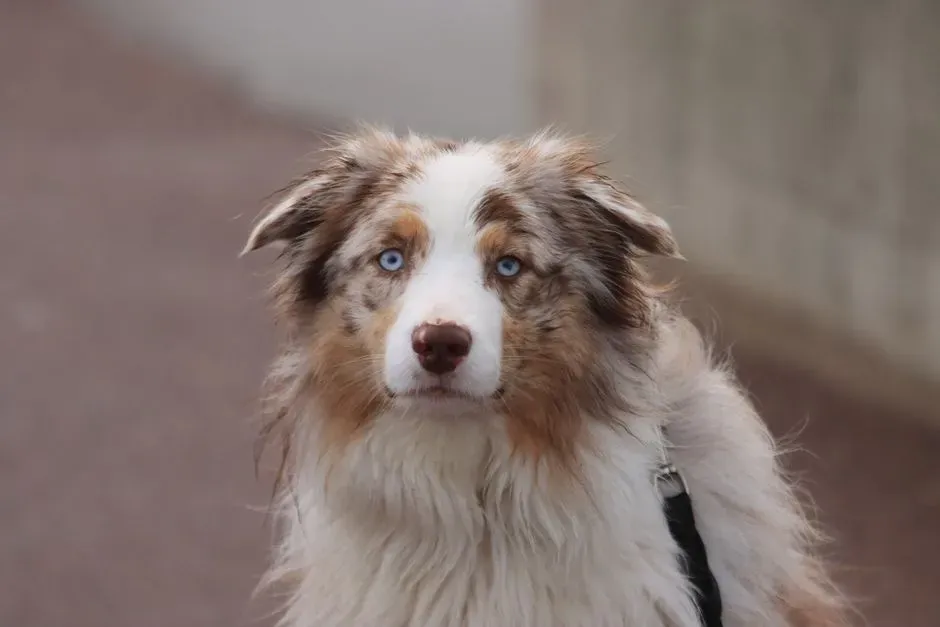
Australian Shepherds bring an attentive, almost watchful quality to times of illness. Their herding heritage means they naturally keep track of their “flock,” which includes the humans in the household. Subtle changes in scent and movement register quickly with their keen senses.
The breed’s energetic nature usually gives way to calm stillness beside the bed. Many owners describe the dog adjusting its own activity to match the slower pace of someone recovering. That instinctive synchronization creates steady, reassuring company.
These twelve breeds illustrate how selective breeding and natural canine abilities can turn ordinary loyalty into something that feels almost medical. The same traits that make them excellent working partners also make them intuitive caregivers during recovery.
In the end, choosing one of these dogs means accepting that your side may never truly be empty again when you need rest most. Their presence offers a quiet reminder that the best support sometimes arrives on four paws and stays without being asked.

- What Guardian Dog Breed Are You According to Your Zodiac Sign - August 9, 2026
- Animal Science Says Chimpanzee Grooming Builds Alliances as Much as It Removes Dirt - August 9, 2026
- Top 10 Animals and Wildlife in South Dakota - August 9, 2026