

Most listeners have felt that sudden rush along the spine when a favorite song hits just right. The skin prickles, the heart rate shifts, and for a moment everything else fades. Yet what seems like a simple wave of feeling turns out to follow a precise neurological pathway that researchers have tracked in detail.
Curiosity grows once the experience is separated from everyday emotion. The response carries its own signature in the brain and body, complete with measurable changes that do not always line up with joy or sadness. Understanding the distinction opens a clearer view of why certain passages in music affect people so reliably.
The Brain’s Unexpected Reaction to Music
Functional imaging shows activity spikes in the nucleus accumbens and the ventral tegmental area when chills arrive. These regions belong to the brain’s reward circuitry and release dopamine in a pattern that resembles responses to food or touch. The timing often aligns with moments of musical tension and release rather than with lyrics or overall mood.
Additional signals appear in the insula and anterior cingulate cortex, areas that monitor bodily states. The combination produces a brief autonomic surge that registers as a distinct event. Listeners describe it as involuntary, which matches the data showing limited conscious control over the onset.
Naming the Phenomenon

Researchers settled on the term frisson for this specific reaction. The word captures both the subjective chill and the objective physiological markers such as piloerection and altered skin conductance. Frisson stands apart from broader emotional labels because it can occur even when the music itself does not evoke happiness or sorrow.
Studies separate frisson from simple liking or preference. Participants report the sensation during both uplifting and melancholic passages, provided the musical structure contains the right dynamic shifts. The label therefore points to a mechanism rather than a feeling tone.
The Role of Dopamine and the Reward System
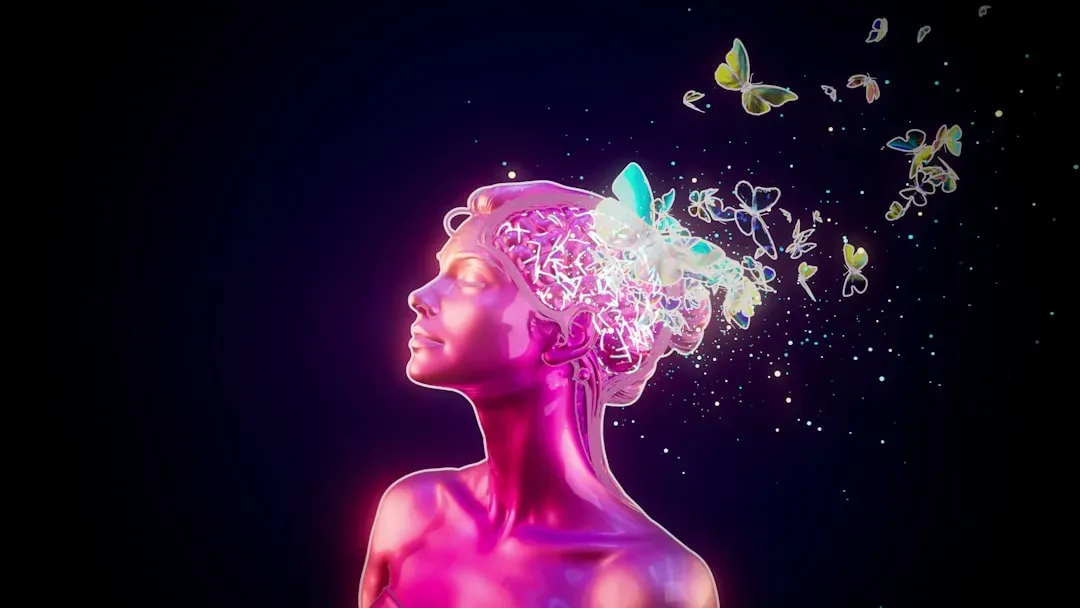
Dopamine levels rise in anticipation of the peak moment and again at the moment of resolution. This double peak distinguishes the response from steady emotional states that lack such sharp timing. Blocking dopamine pathways in controlled settings reduces the intensity of reported chills, which supports the chemical link.
The reward system here operates on prediction error. When a melody deviates from expectation in a pleasing way, the brain registers a small surprise that triggers the cascade. Over repeated listens the effect can weaken, which explains why the strongest experiences often come with unfamiliar pieces or live performances.
How the Body Physically Responds

Heart rate variability increases and skin temperature drops slightly on the arms and neck. These changes happen within seconds of the musical cue and return to baseline quickly. Electrodermal activity recordings confirm the sympathetic activation that produces the visible goosebumps.
Breathing patterns also shift, often becoming shallower during the peak. The entire sequence lasts only a few seconds yet leaves a lingering sense of alertness. Because the changes are autonomic, they occur even when listeners try to remain still and detached.
Why Some People Feel It More Than Others

Individual differences appear in personality inventories that measure openness to experience. Higher scores on this trait correlate with more frequent reports of frisson across genres. Musical training shows a weaker link, suggesting the response depends more on perceptual sensitivity than on technical knowledge.
Genetic factors influencing dopamine receptor density may also play a part. People with certain variants report stronger physical sensations during the same musical excerpts. Environmental exposure matters too, since repeated listening to a piece can either heighten anticipation or dull the surprise element.
Distinguishing It From Ordinary Emotions
Standard emotions such as joy or sadness involve sustained changes in mood and cognition. Frisson remains brief and localized, often occurring without altering the listener’s overall affective state. Participants in experiments can feel chills while remaining neutral or even slightly tense about the music itself.
The response also crosses emotional categories. The same structural features that produce chills in one context can do so in another, which argues against tying the event to any single feeling. This separation helps explain why the sensation feels unique rather than simply an intensified version of everyday listening pleasure.
What This Reveals About Human Connection to Sound

Recognizing frisson as a neurological event rather than a vague emotion encourages a more precise appreciation of music’s physical reach. Listeners gain a framework for noticing when the body reacts independently of narrative or memory. The distinction matters because it shows how sound can bypass higher interpretation and speak directly to ancient reward pathways.
In a world filled with constant auditory input, understanding this mechanism highlights why certain performances still stand out. It suggests that the most reliable musical encounters may come from structures that reliably engage prediction and surprise rather than from attempts to manufacture feeling. The chills remain a reminder that the nervous system keeps its own calendar for when sound becomes sensation.

- 10 Things You Should Never Do to a Dog - August 10, 2026
- 8 Signs Your Pet is Secretly a Genius (And How to Spot Them!) - August 10, 2026
- 10 Space Discoveries So Strange Astronomers Initially Thought They Were Errors - August 10, 2026