

Picture this: you walk across vast prairies where the thundering hooves of massive herds shake the ground beneath your feet. These weren’t just animals roaming the plains. They were the heartbeat of entire civilizations, the spiritual center of countless tribes, and the foundation of life itself for millions of Native Americans.
The American bison shaped indigenous culture in ways that go far beyond simple survival. Their relationship created one of the most profound human-animal bonds in history, connecting the physical and spiritual worlds in ways that still resonate today.
The Foundation of Survival: Complete Utilization
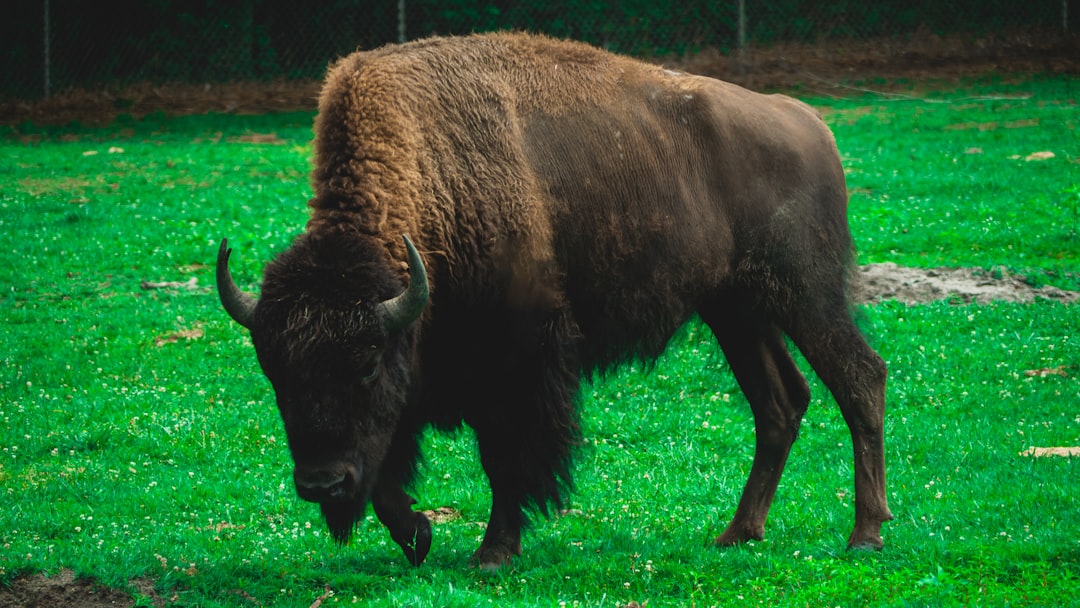
For thousands of years, Native Americans relied heavily on bison for their survival and well-being, using every part of the bison for food, clothing, shelter, tools, jewelry and in ceremonies. This wasn’t wasteful exploitation. It was perfect harmony.
Honestly, the ingenuity behind complete bison utilization still amazes me today. Every part of the bison was utilized, reflecting a deep respect for the animal and an efficient use of resources. The meat provided nourishment, while hides were used to make clothing, blankets, and tepees. Bones were fashioned into tools and weapons, and sinew was used for sewing. The bladder and stomach were used to carry water, while the fat was rendered into soap and cooking oil.
This comprehensive use of the bison ensured that nothing went to waste, embodying a sustainable approach to living in harmony with nature. Think about it. Modern society could learn something from this level of resourcefulness and respect.
Sacred Spiritual Connections and Creation Stories
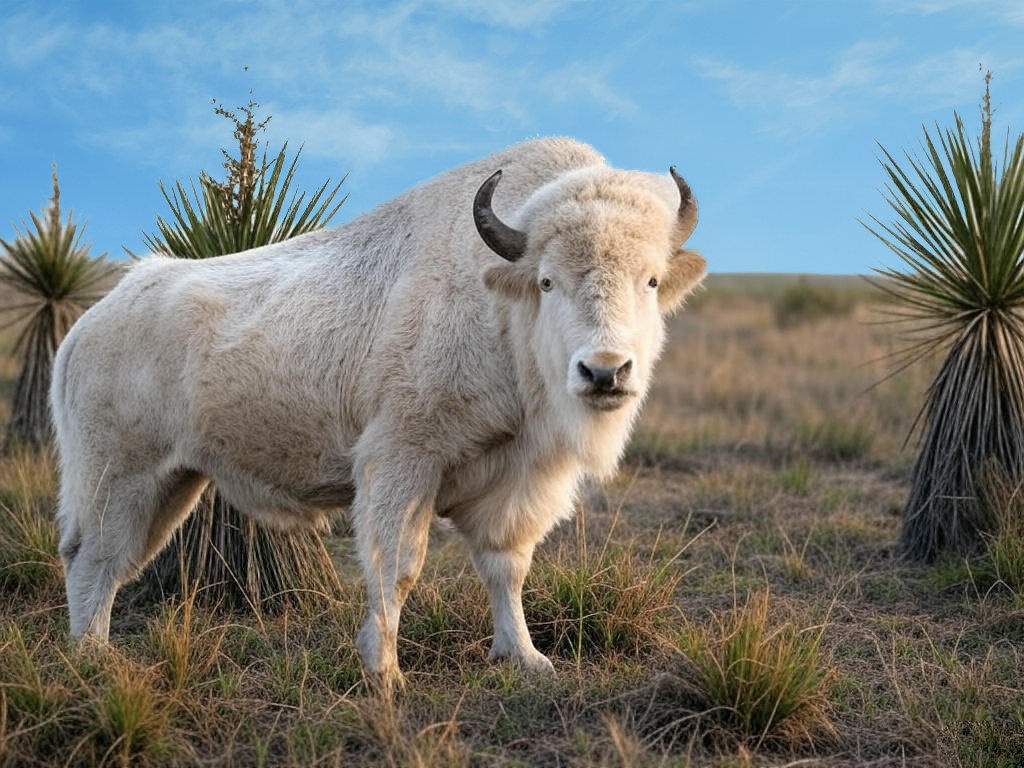
Many tribes believe that the bison were a gift from the Great Spirit, sent to provide for their needs. In Lakota creation stories, the bison emerged from the earth to sustain the people. These weren’t just animals. They were divine messengers, sacred beings with direct connections to the Creator.
The spiritual depth gets even more fascinating when you examine tribal differences. The Lakota, similar to the Blackfeet, consider bison sacred and a gift from the Divine. For the Lakota, however, bison did not come out of water, they came from inside the earth. According to anthropologist Patricia Albers, the Lakota believe that both bison and humans emerged onto the Great Plains from what is now Wind Cave National Park in the Black Hills in South Dakota.
The Lakota believe this landscape to be their “most sacred and culturally significant” area because it is a place of genesis for humans and bison. Each tribe developed unique origin stories that reflected their specific relationship with these magnificent creatures.
The Mobile Lifestyle and Economic Foundation
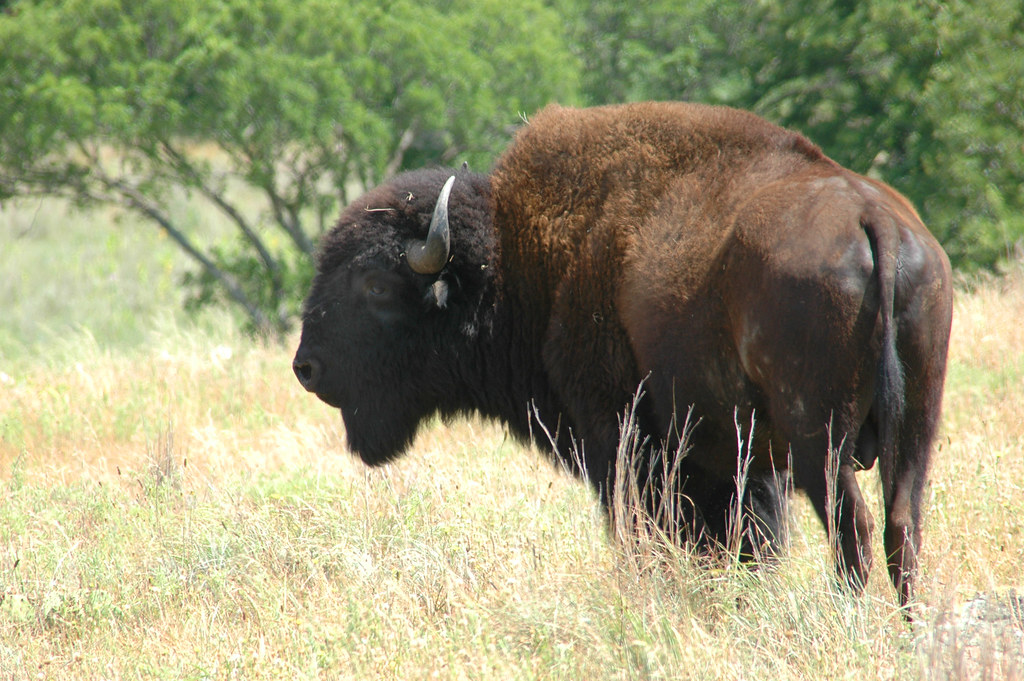
The bison were a mobile resource, perfectly suited to the nomadic lifestyle of many Plains tribes, who followed the herds across vast territories. This created entire civilizations built around movement, seasonal cycles, and deep ecological knowledge.
Think about the complexity of this system. Tribes developed sophisticated hunting strategies that required incredible coordination and timing. Tribes such as the Lakota, Cheyenne, and Comanche developed intricate hunting techniques and communal strategies to harvest bison effectively. They would often use strategies that involved driving bison into traps or over cliffs, a method that required deep knowledge of animal behavior and cooperation among hunters.
The successful hunt was not merely a means of sustenance; it was a communal event that reinforced social bonds and cultural practices. These weren’t just hunting expeditions. They were community-building exercises that strengthened tribal unity.
Ceremonial and Ritual Significance
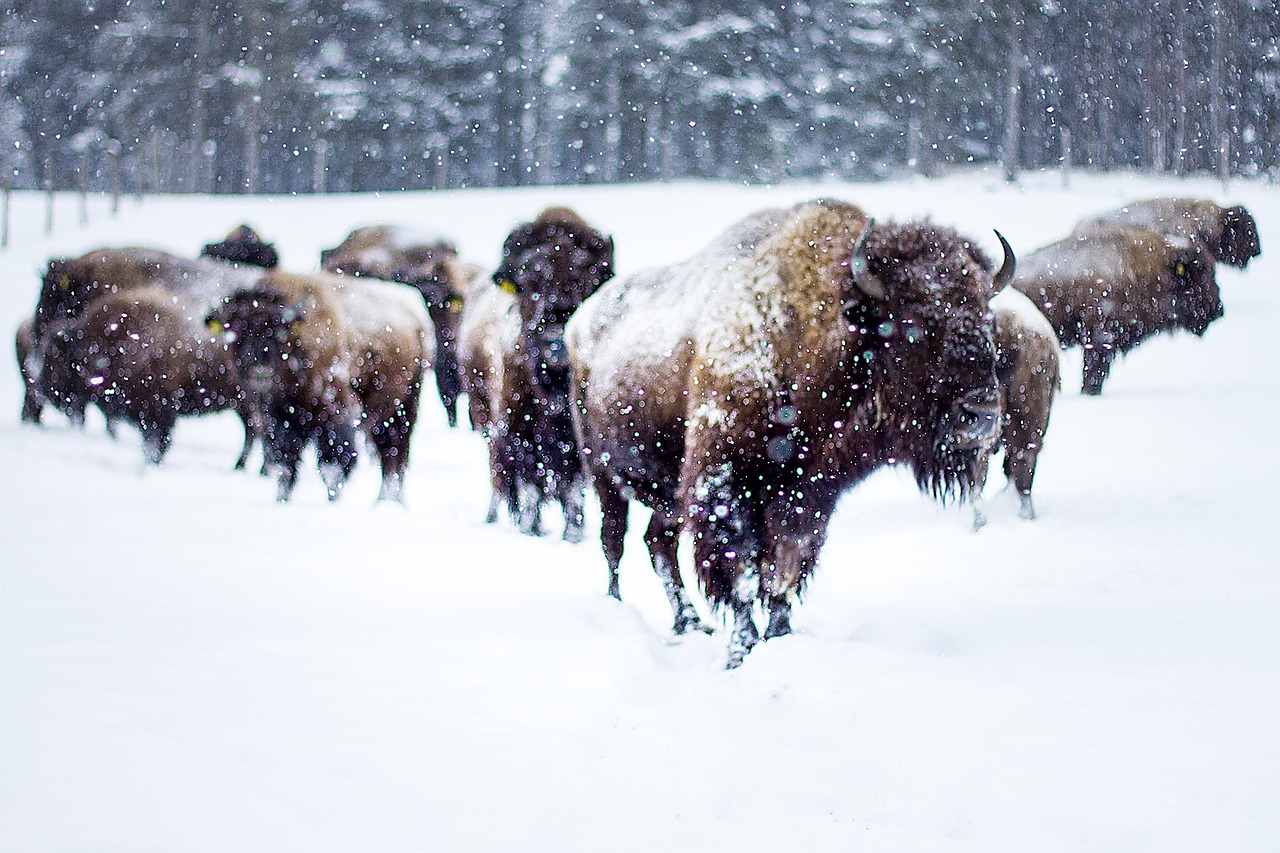
Bison were also central to many Native American ceremonies and rituals. The Sun Dance, a pivotal religious ceremony among Plains tribes, often involved the use of bison hides and skulls. Bison were seen as intermediaries between the physical and spiritual worlds, and their sacrifice during these ceremonies was believed to ensure the prosperity and well-being of the tribe.
The ceremonial importance extended beyond major rituals. The Sun Dance, one of the most important ceremonies for Plains tribes, honored the bison’s sacrifice. Dancers would fast for days while focusing on a central pole topped with a bison skull. Young men often performed bison dances before hunts, mimicking the animals’ movements to ensure success and show respect.
These practices weren’t mere superstition. They represented a sophisticated understanding of reciprocity between humans and nature, where respect and gratitude were essential components of survival.
Cultural Identity and Social Structure
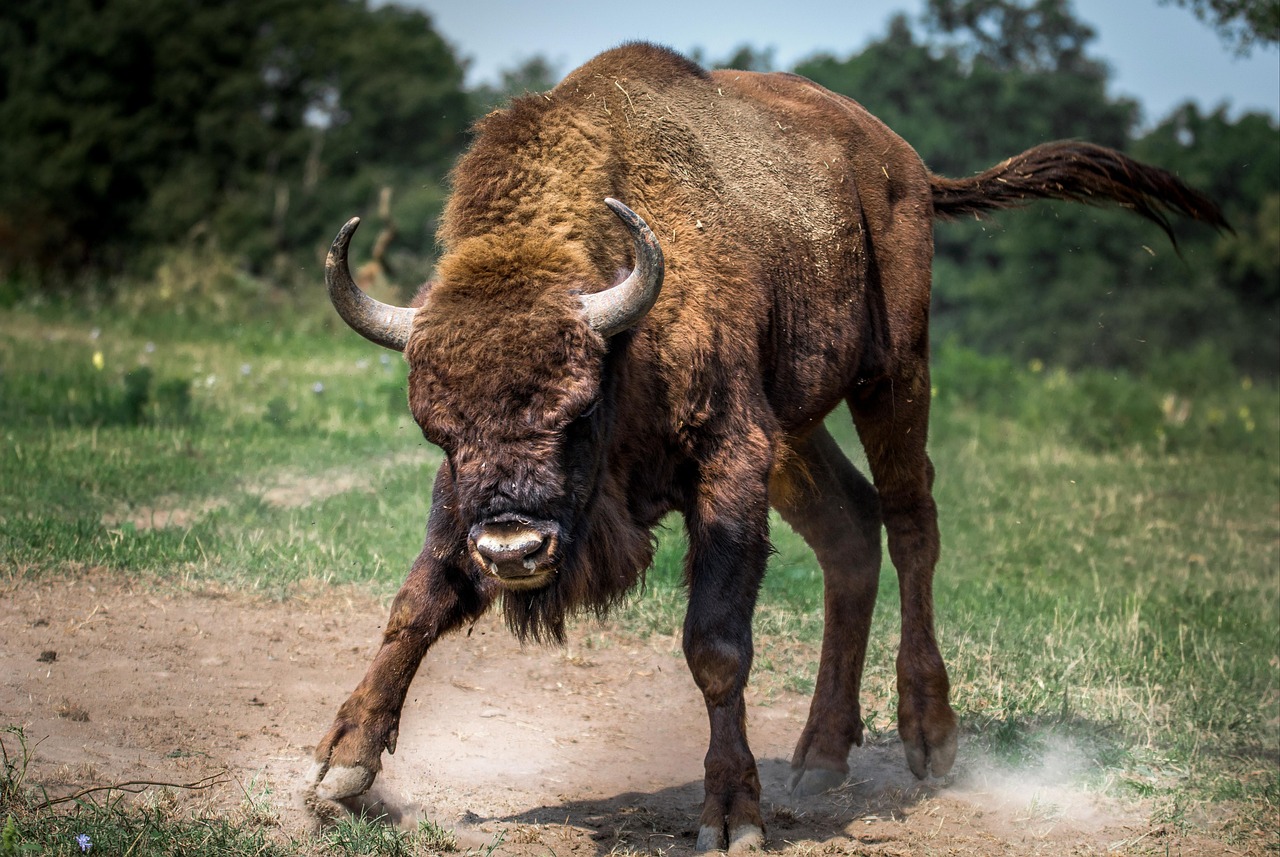
“We call ourselves Buffalo People,” explains Summer Afraid of Hawk (Cheyenne River Lakota), a herd development grant specialist. “It’s in our DNA to share this relationship with them.” This wasn’t just poetic language. It was literal cultural identity.
The Blackfoot people called themselves “Buffalo Indians,” reflecting how completely their identity was intertwined with the animal that sustained their way of life. The bison became part of tribal names, clan systems, and personal identities in ways that went far beyond economic dependence.
Social roles often developed around bison hunting and processing. Among Lakota people, she explains, the division of labor during a harvest was clear: men hunted and women processed the animal. “It was traditionally the woman’s task to break down the animal, take down the hide, remove and clean the organs, and do all the processing.” These weren’t arbitrary gender roles but specialized skills that ensured maximum efficiency and community survival.
The Devastating Impact of Near-Extinction
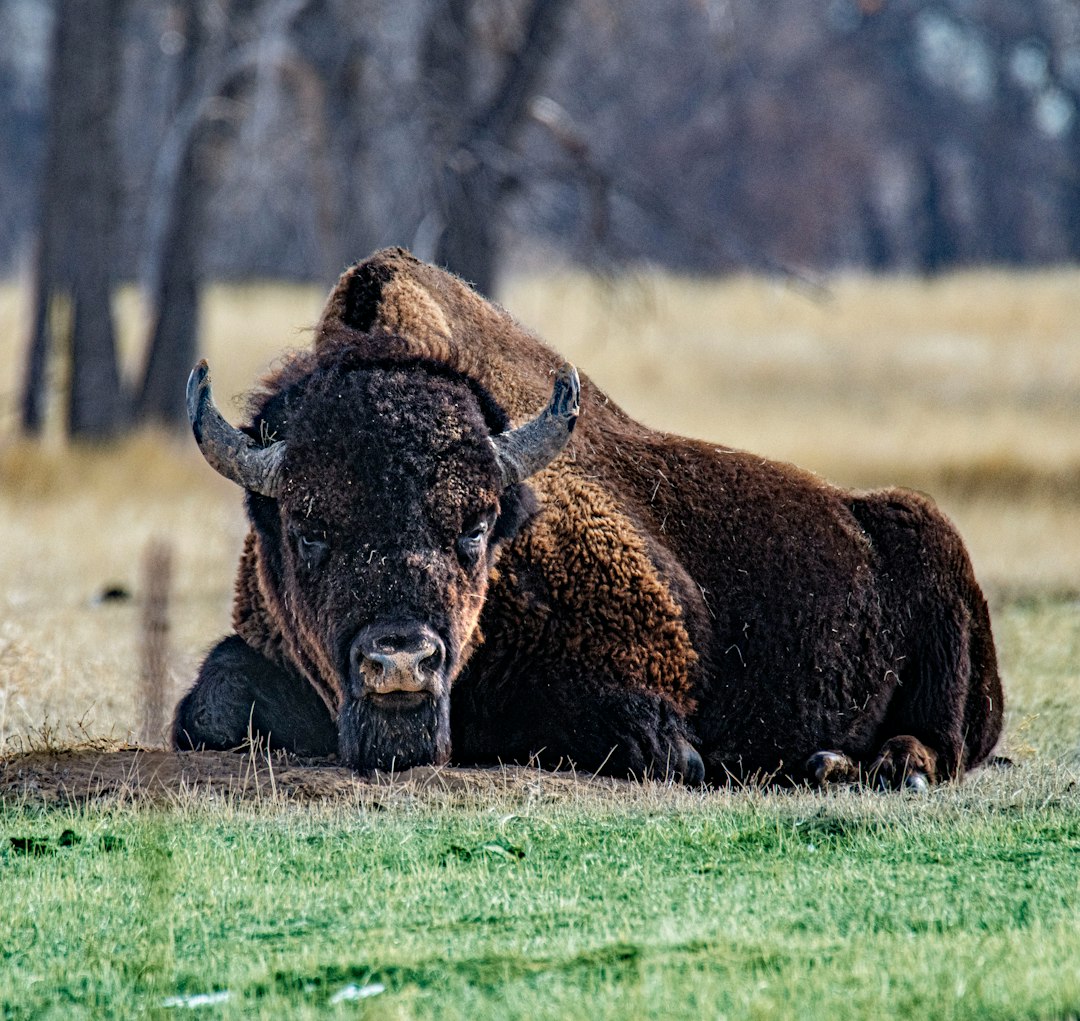
What happened to the bison represents one of history’s most catastrophic ecological disasters. Railways, rifles, and an international market for buffalo hides led to “the Great Slaughter” from about 1820 to 1880, when the bison population plummeted from 30-60 million (estimates vary) to fewer than 1,000 animals by the 1890s.
This wasn’t accidental destruction. Other factors including the military’s directive to destroy buffalo as a way to control American Indians, the introduction of diseases from cattle, drought, and competition from domestic livestock (horses, cattle, sheep) contributed to the reduction in bison numbers as well. The government understood exactly what they were doing.
The strategy aimed to weaken, starve, and push Indigenous tribes off the land, forcing them to give up traditional ways of living. “Every buffalo dead is an Indian gone,” reportedly wrote army colonel Richard Dodge, then stationed in the Black Hills, located in western South Dakota and northeastern Wyoming. The systematic destruction of bison was cultural genocide disguised as economic progress.
Modern Restoration and Cultural Revival
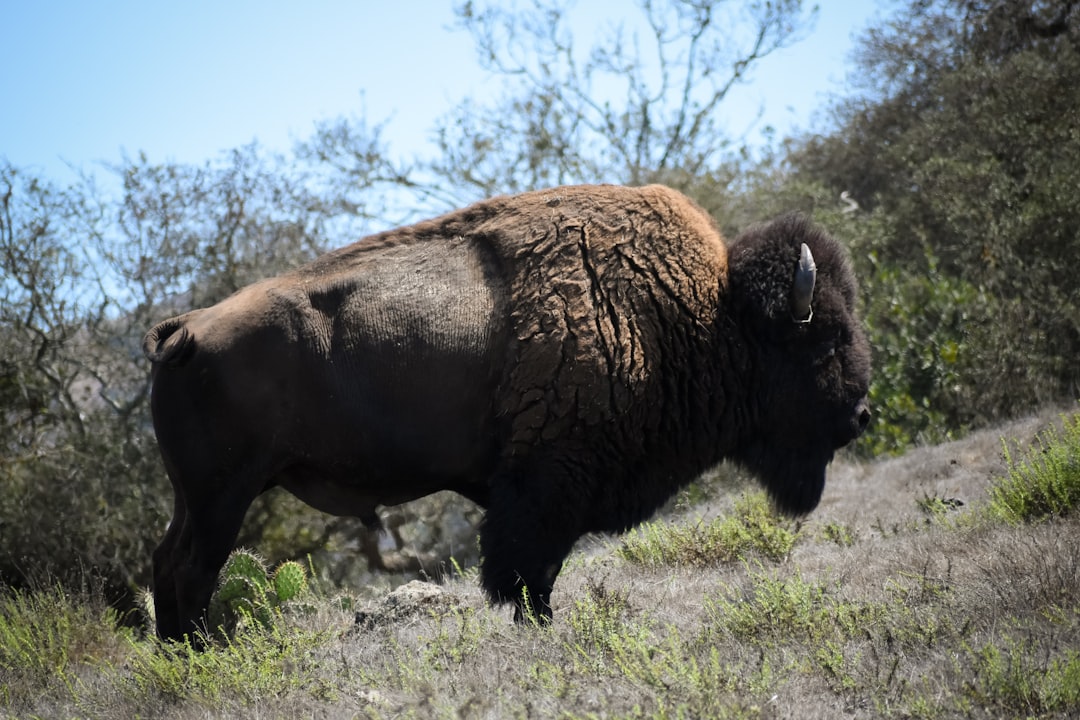
Today’s restoration efforts represent hope and healing on multiple levels. Today, bison are central to many American Indian traditions, spiritual rituals and healthy diets, and more than 80 tribes are bringing their sacred Brother Buffalo back to their families, lands and ways of life.
Organizations such as the InterTribal Buffalo Council have been instrumental in repopulating bison herds on tribal lands, allowing tribes to reclaim a vital part of their heritage. Restoration efforts involve not only the physical reintroduction of bison but also the revitalization of traditional knowledge and practices associated with bison hunting and usage.
“The restoration of buffalo back to our tribes and communities and reservations is part of our healing,” Jason Baldes, a member of the Eastern Shoshone from Wyoming, and the tribal buffalo coordinator for the National Wildlife Federation, told The New York Times, emphasizing why this kind of funding is necessary. This isn’t just conservation. It’s cultural and spiritual healing that addresses historical trauma through reconnection with ancestral ways.
Conclusion
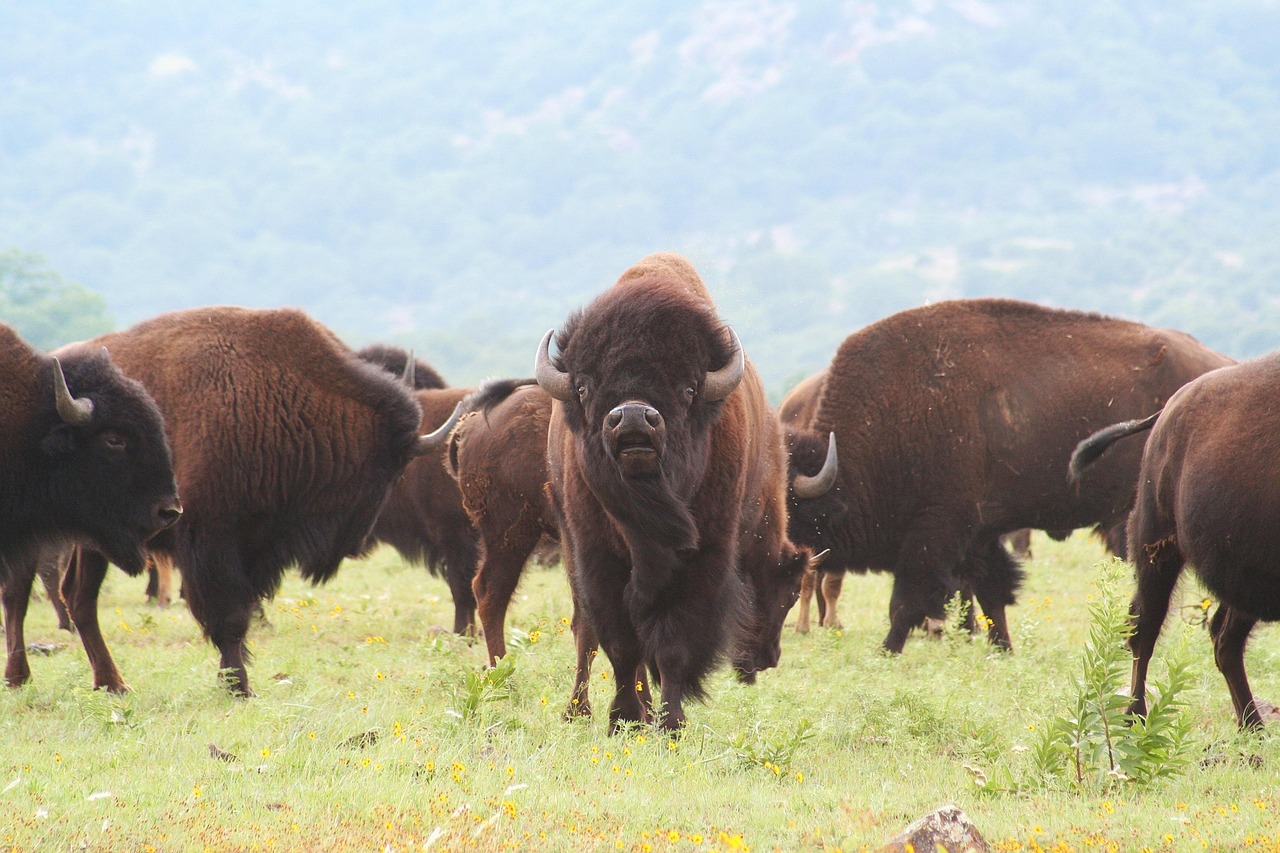
The relationship between Native American tribes and bison represents one of the most sophisticated examples of sustainable living in human history. These weren’t primitive peoples dependent on animals. They were complex societies that understood reciprocity, respect, and balance in ways that modern civilization is still trying to learn.
The near-extinction of bison wasn’t just an environmental disaster. It was the deliberate destruction of entire ways of life, spiritual systems, and cultural identities that had evolved over thousands of years. The fact that both bison and tribal cultures survived this attempted genocide speaks to incredible resilience and determination.
Today’s restoration efforts offer hope for healing historical trauma while teaching valuable lessons about sustainable relationships with the natural world. What do you think we can learn from this ancient wisdom about living in harmony with nature? Share your thoughts in the comments.

- 15 Everyday Household Items Surprisingly Dangerous to Your Pets - August 10, 2026
- 10 Large Dog Breeds That Will Never Grow Out of Their Puppy Nature - August 10, 2026
- 7 Puppy Training Mistakes Vets See Every Week (and Easy Fixes) - August 10, 2026