
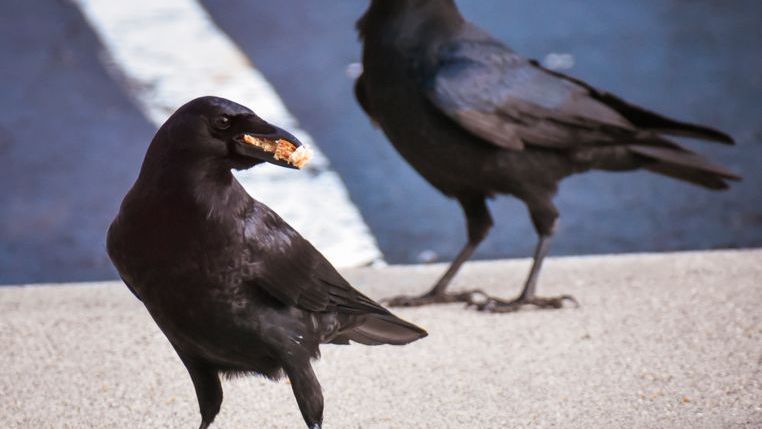
Imagine encountering a raven that not only recognizes you but recalls your past interactions, whether friendly or hostile, even years later. This isn’t a scene from a fantasy novel; it’s a reality grounded in scientific research. Ravens, members of the corvid family, exhibit an astonishing ability to remember human faces and the nature of their past encounters, surpassing most other avian species in this cognitive feat.
The Remarkable Memory of Ravens
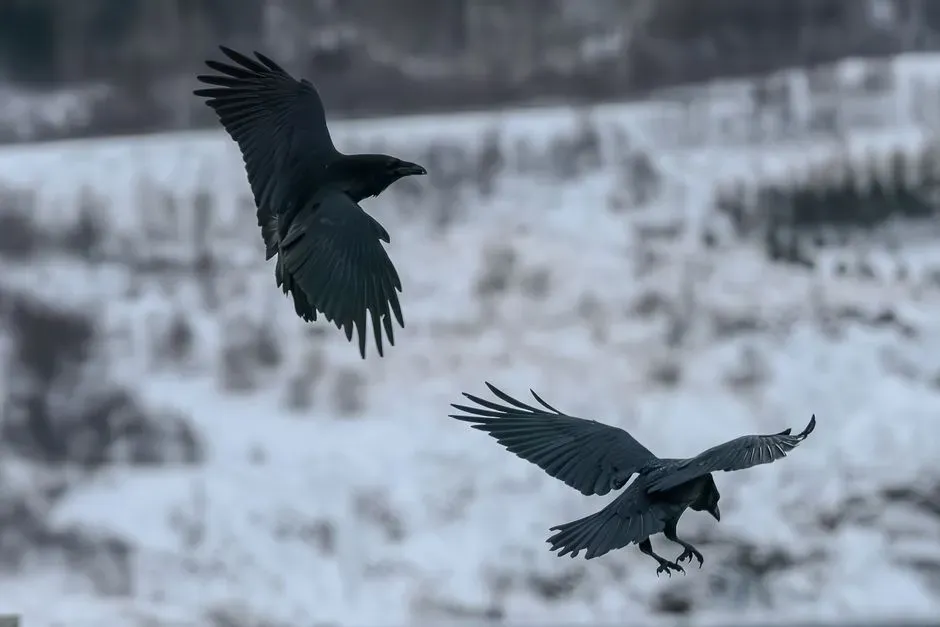
Ravens possess a memory that rivals that of some mammals. Studies have shown that these birds can remember individual human faces associated with positive or negative experiences for extended periods. This long-term memory plays a crucial role in their survival, allowing them to navigate complex social interactions and avoid potential threats.
In one study, ravens were exposed to humans wearing specific masks during both threatening and neutral interactions. The birds later exhibited distinct behaviors toward individuals wearing the “threatening” masks, even after considerable time had passed, indicating a robust and enduring memory of the experience.
Neural Mechanisms Behind Facial Recognition
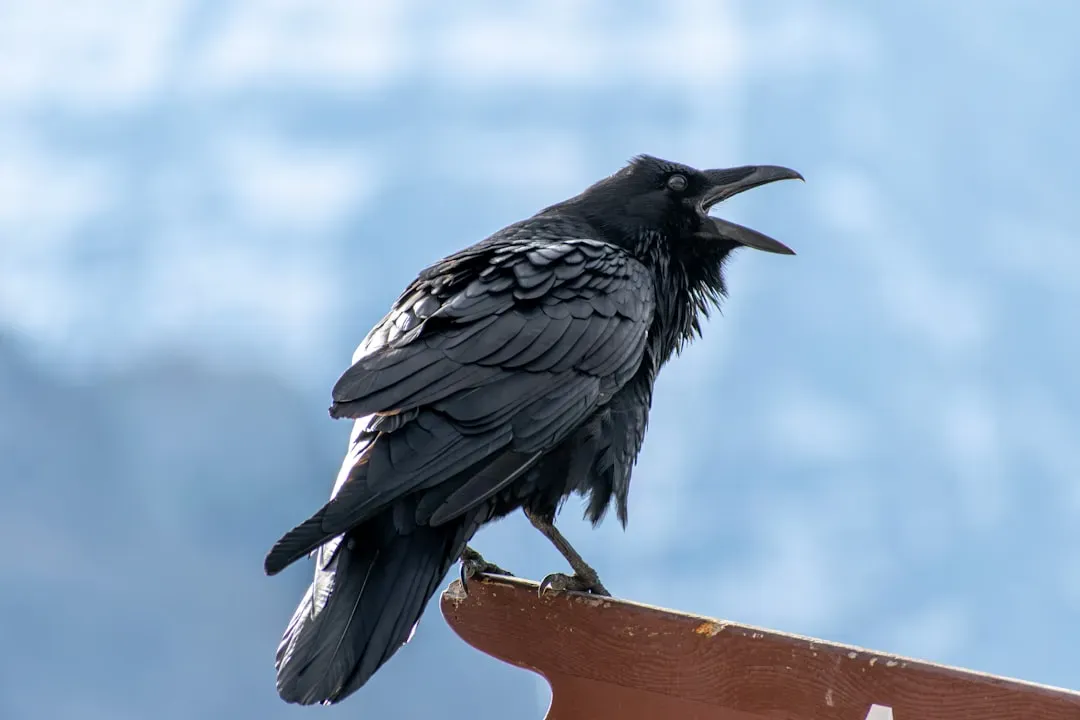
The ability of ravens to recognize and remember human faces is underpinned by sophisticated neural processes. Brain imaging studies have revealed that when ravens perceive familiar human faces, several brain regions are activated, including areas analogous to the human amygdala and prefrontal cortex. These regions are associated with processing emotions and complex cognitive functions.
Specifically, the nidopallium caudolaterale (NCL) in ravens, comparable to the mammalian prefrontal cortex, plays a pivotal role in executive functions and decision-making. This neural architecture enables ravens to integrate visual information with emotional context, forming lasting memories of individual faces.
Comparative Cognition: Ravens vs. Other Birds
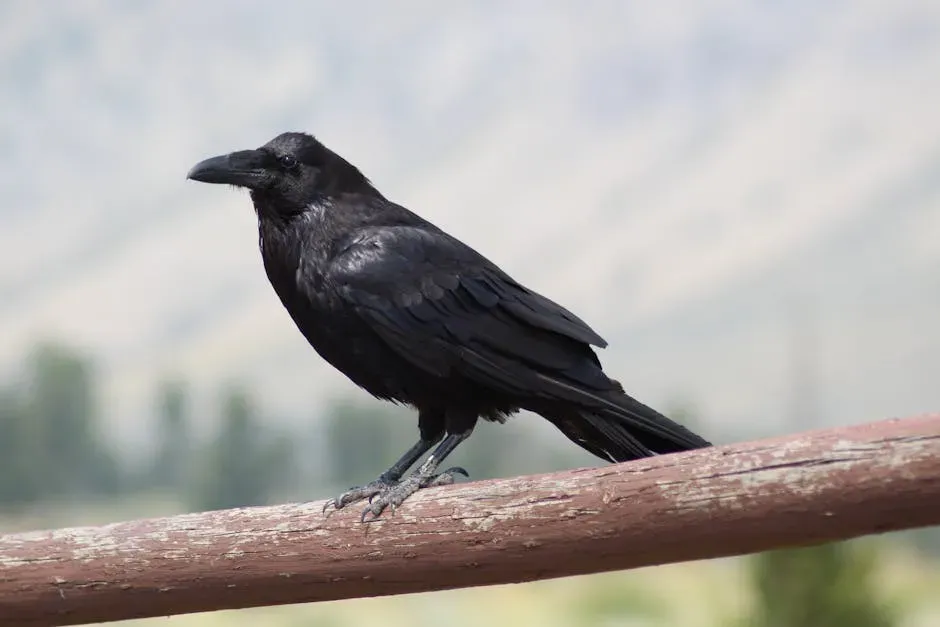
While many bird species exhibit some level of facial recognition, ravens stand out due to the duration and specificity of their memory. For instance, pigeons can recognize human faces but typically do not retain this information for extended periods. In contrast, ravens can recall specific individuals and the nature of their interactions for years.
This advanced cognitive ability is not just about recognizing faces; it’s about remembering the context of past interactions. Such nuanced memory allows ravens to adjust their behavior based on previous experiences, a trait that is relatively rare in the avian world.
Social Dynamics and Memory Retention
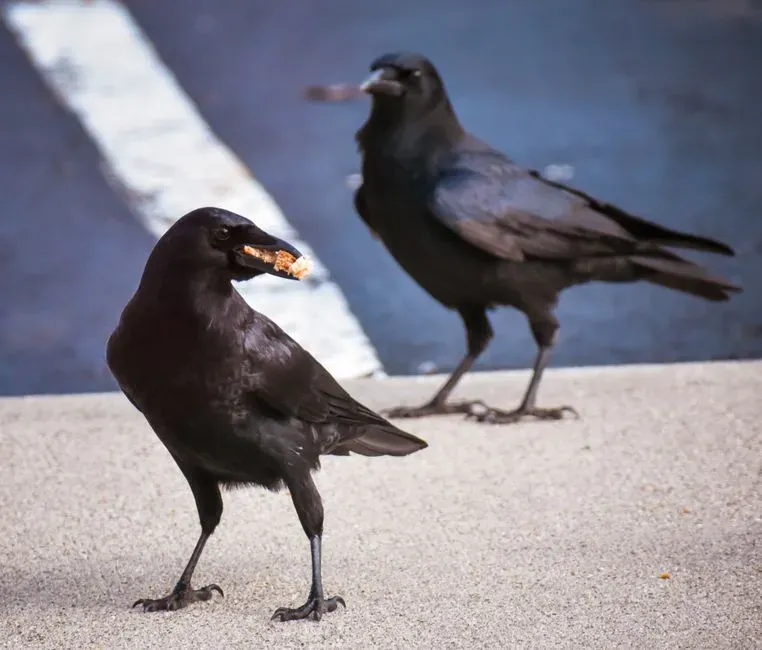
Ravens are highly social creatures, and their memory capabilities extend to their interactions with other ravens. They can remember former group members and the quality of their relationships, whether affiliative or adversarial, even after years of separation. This ability facilitates complex social structures and hierarchies within raven communities.
For example, ravens have been observed to respond differently to calls from former affiliates compared to non-affiliates, indicating a memory of past social bonds. This long-term social memory is crucial for maintaining and navigating their intricate social networks.
Implications for Human-Raven Interactions
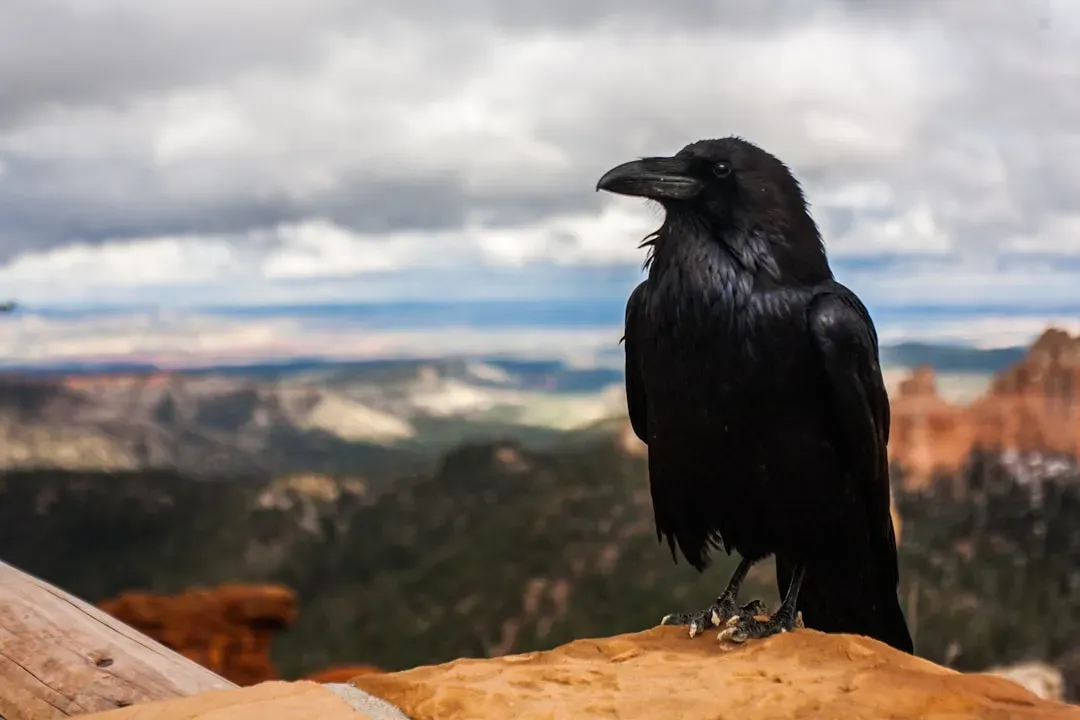
The profound memory capabilities of ravens have significant implications for their interactions with humans. A raven that has had a negative experience with a particular individual may avoid or even scold that person upon future encounters. Conversely, positive interactions can lead to trust and approachability.
This suggests that our actions toward ravens can have lasting effects, influencing their behavior toward us for years. Understanding this can foster more harmonious coexistence and appreciation for these intelligent birds.
Evolutionary Advantages of Facial Recognition
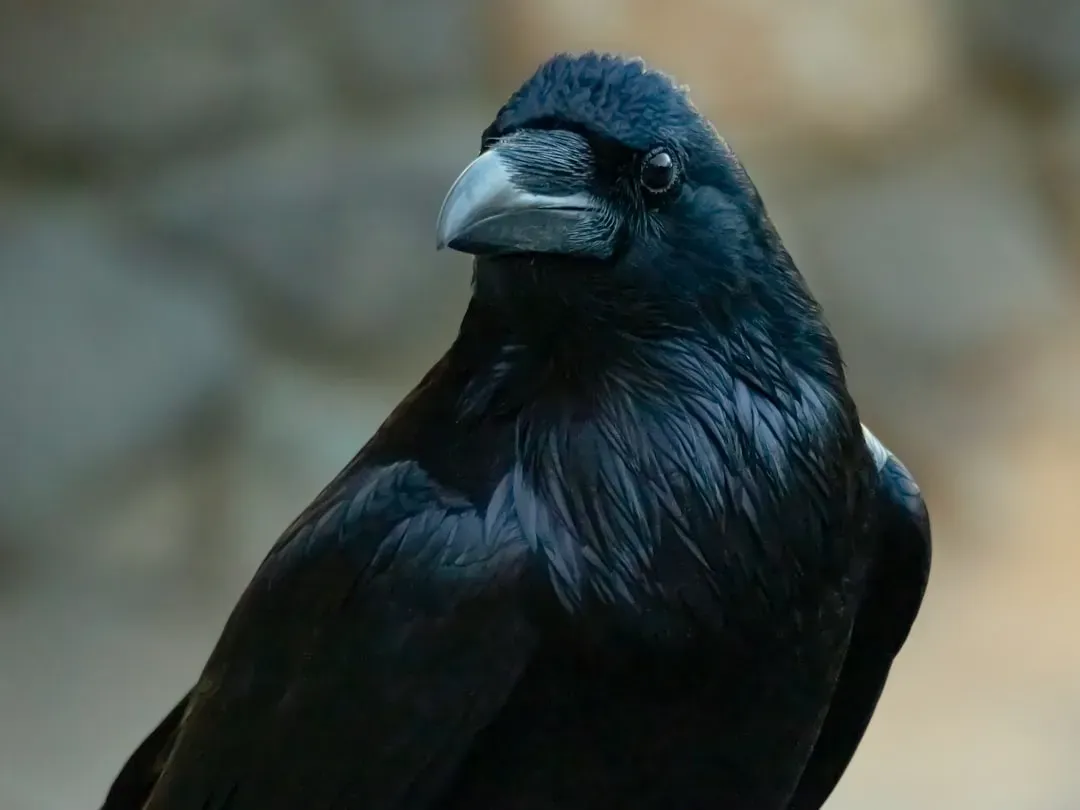
The ability to recognize and remember individual faces provides ravens with several evolutionary advantages. It aids in identifying allies and rivals, remembering sources of food, and avoiding predators or threats. This cognitive skill enhances their adaptability and survival in diverse environments.
Moreover, such advanced memory supports complex social behaviors, including cooperation, deception, and alliance formation, which are hallmarks of raven societies. These behaviors are facilitated by their capacity to recall past interactions and adjust their strategies accordingly.
Future Research Directions
While we have gained significant insights into the memory capabilities of ravens, many questions remain. Future research could explore the exact neural pathways involved in facial recognition, the limits of their memory duration, and how these abilities compare to other highly intelligent animals.
Additionally, understanding how environmental factors, such as urbanization and human activity, impact raven cognition and behavior could provide valuable information for conservation efforts and human-wildlife interactions.
Conclusion
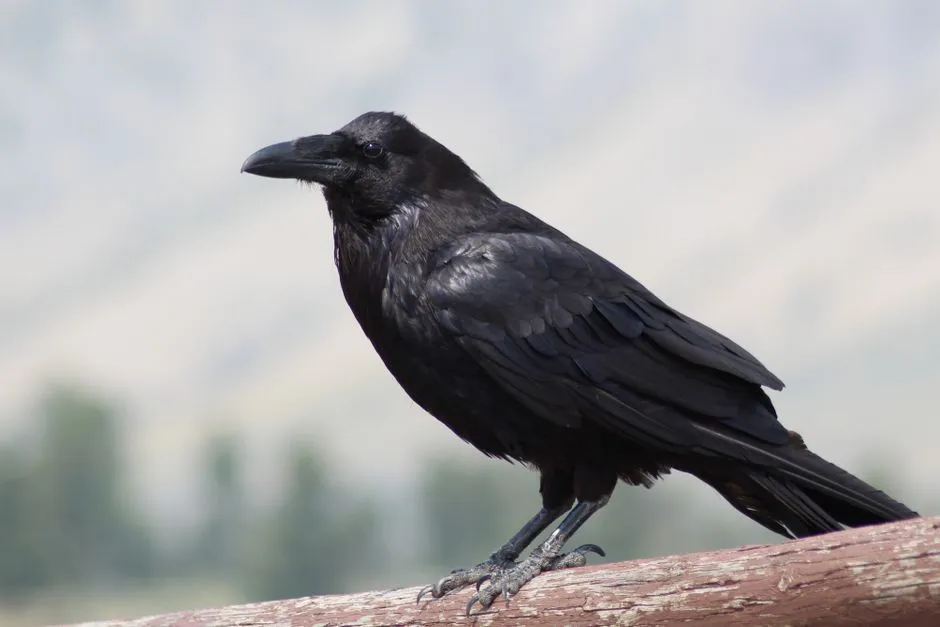
Ravens’ ability to remember human faces and the nature of past interactions for extended periods is a testament to their remarkable cognitive abilities. This skill not only highlights the intelligence of these birds but also underscores the complexity of their social behaviors and interactions with humans. As we continue to study and understand these fascinating creatures, we may find that the line between human and animal cognition is more blurred than previously thought. So, the next time you encounter a raven, consider the possibility that it remembers you – and your actions – far longer than you might expect.

- If You Have Only Ever Owned Dogs These 17 Cat Realities Will Genuinely Surprise You - August 12, 2026
- 16 Things Old Cats Want More Of and 16 They Quietly Stop Caring About Entirely - August 12, 2026
- 19 Strange Things Researchers Say Hummingbirds Do When They Believe Nobody Is Watching Them - August 12, 2026