

Imagine you’re enjoying a peaceful walk in the woods, serenaded by the cheerful chirps of chickadees. Suddenly, the forest falls eerily silent. This abrupt hush isn’t just a random occurrence; it’s a sophisticated survival strategy. Chickadees, those small yet intelligent songbirds, have developed intricate behaviors to alert each other of lurking dangers. Let’s delve into the fascinating world of chickadee communication and their remarkable methods of predator detection.
The Intricacies of Chickadee Alarm Calls
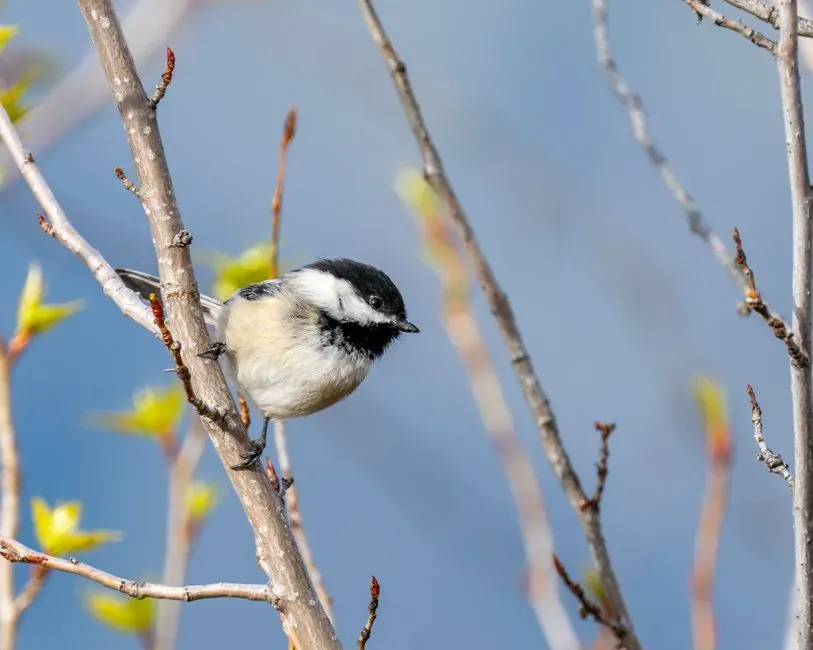
Chickadees possess a complex vocal repertoire, with their “chick-a-dee-dee-dee” call being particularly noteworthy. This call isn’t merely a simple alert; its structure varies to convey specific information about potential threats. For instance, the number of “dee” notes can indicate the size and threat level of a predator. A higher number of “dee” notes often signifies a smaller, more agile predator, prompting a more vigorous mobbing response from the flock.
Research has shown that these nuanced calls are not only understood by fellow chickadees but also by other bird species. Red-breasted nuthatches, for example, eavesdrop on chickadee alarm calls to assess danger levels, adjusting their behavior accordingly. This interspecies communication underscores the depth and effectiveness of chickadee alarm systems.
Silence as a Stealthy Survival Tactic

Beyond vocal alarms, chickadees employ silence as a strategic response to predators. When a threat is detected, these birds may cease their calls and remain motionless, a behavior known as “freezing.” This sudden silence serves multiple purposes: it makes the chickadees less detectable to predators and alerts other birds to potential danger without drawing attention.
Studies have observed that chickadees are particularly attentive to visual cues, such as a predator’s head orientation. If a perched predator’s gaze is directed toward them, chickadees are more likely to freeze and remain silent, minimizing the risk of being spotted and attacked.
Assessing Threat Levels Through Visual Cues
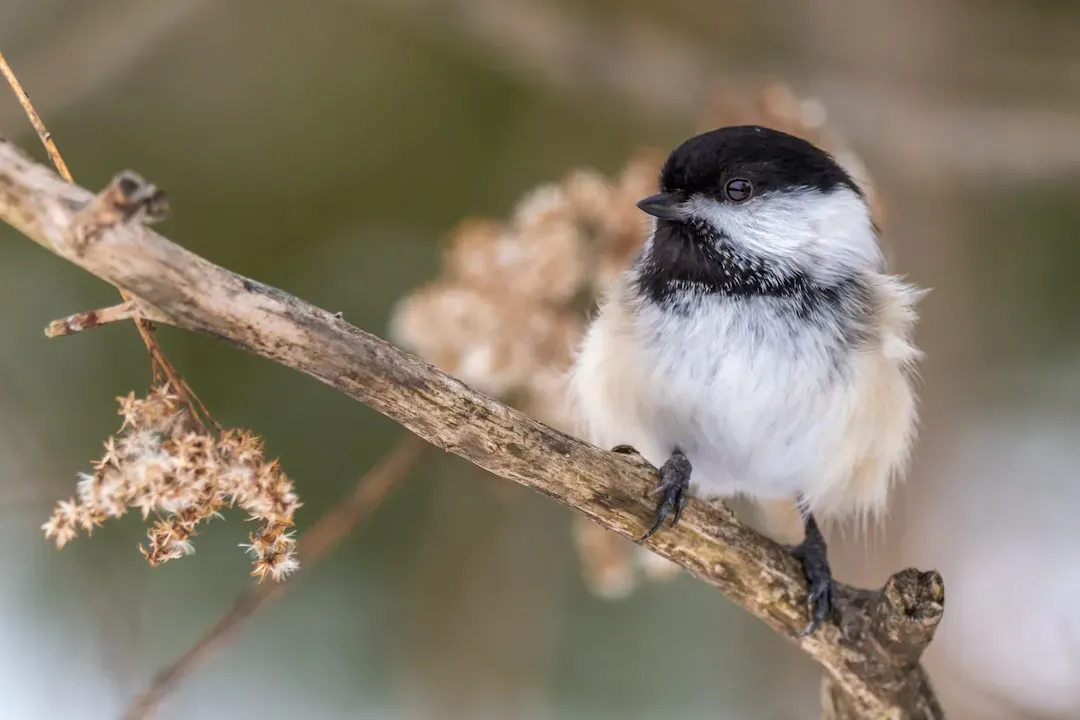
Chickadees are adept at evaluating the level of threat posed by predators based on visual information. They pay close attention to a predator’s head and eye orientation to gauge immediate danger. If a predator’s eyes are visible and facing them, chickadees are more likely to reduce their foraging activity and increase vigilance.
This keen observation allows chickadees to make informed decisions about when to resume normal activities. By assessing the predator’s focus and potential for attack, they can balance the need for feeding with the imperative of staying safe.
The Impact of Environmental Noise on Predator Detection
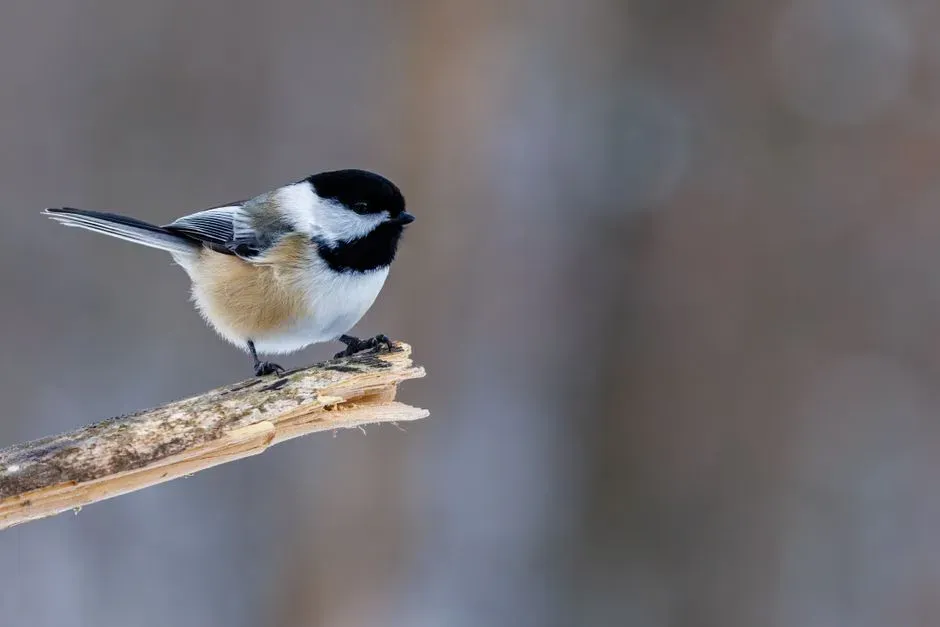
In today’s increasingly noisy environments, chickadees face challenges in detecting and responding to predators. Anthropogenic noise can mask important acoustic signals, making it harder for these birds to hear alarm calls or the sounds of approaching predators.
Research indicates that while chickadees may experience some distraction due to background noise, their anti-predator behaviors remain relatively robust. However, prolonged exposure to high levels of noise could potentially impair their ability to communicate and respond effectively to threats, highlighting the importance of preserving natural soundscapes for wildlife.
Learning from Others: Eavesdropping and Information Sharing

Chickadees are not only vigilant observers but also keen listeners. They engage in eavesdropping, paying attention to the alarm calls of other species to gather information about potential dangers. This behavior enhances their survival by broadening their awareness of threats beyond their immediate vicinity.
For example, red-breasted nuthatches have been observed interpreting chickadee alarm calls to assess predator threats. This cross-species communication demonstrates the complex social networks and information-sharing strategies that exist among different bird species.
Individual Variations in Risk Assessment
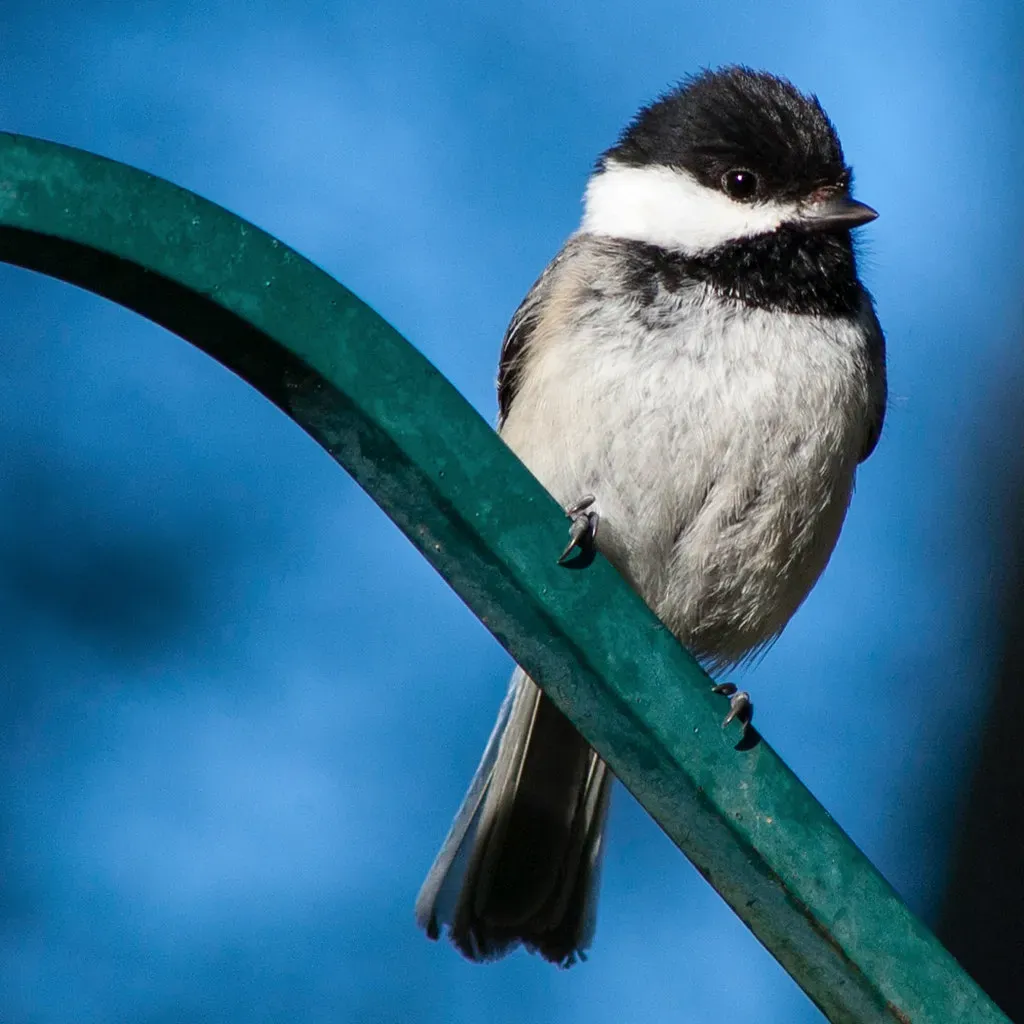
Not all chickadees respond to threats in the same way. Individual differences play a role in how these birds assess and react to predators. Factors such as age, experience, and even personality traits can influence their behavior.
Some chickadees may be more cautious, opting to freeze and remain silent at the slightest hint of danger, while others might be bolder, resuming normal activities more quickly. Understanding these individual variations provides deeper insight into the adaptive strategies employed by chickadees to navigate their environments safely.
Conclusion: The Silent Sentinels of the Forest

Chickadees exemplify the intricate balance between communication and silence in the face of danger. Their ability to convey detailed information through vocalizations, coupled with strategic silence and keen observation, showcases a sophisticated approach to predator detection. As we continue to encroach upon natural habitats, it’s crucial to recognize and preserve the delicate communication networks that species like chickadees rely on for survival. After all, the next time the forest falls silent, it might just be the chickadees’ way of signaling a hidden threat. Are we listening closely enough?

- 16 Cat Breeds That Grow Softer With Age and 16 That Become Far More Particular Instead - August 12, 2026
- What Rescue Centre Staff See in a Dogs First Hour That Predicts Everything Afterwards - August 12, 2026
- What Rescue Centre Staff See in a Dogs First Hour That Predicts Everything Afterwards - August 12, 2026