
Most visitors walk through a shelter and fall for the dog that wags hardest or presses its face against the kennel bars first. Staff barely notice that dog. They’re watching the one in the back corner, the one lip-licking at a stranger’s shadow, the one whose tail never quite lifts off the floor.
Experienced rescue workers will tell you something that sounds almost unbelievable: they can often map out a dog’s entire adoption journey in the first 60 minutes. Not with a gut feeling, not with wishful thinking – with a checklist of tiny, involuntary behaviors most people walk right past. Here’s what they’re actually clocking, moment by moment, and why it matters more than any amount of cuteness ever could.
#1 – The First 10 Seconds at the Kennel Door
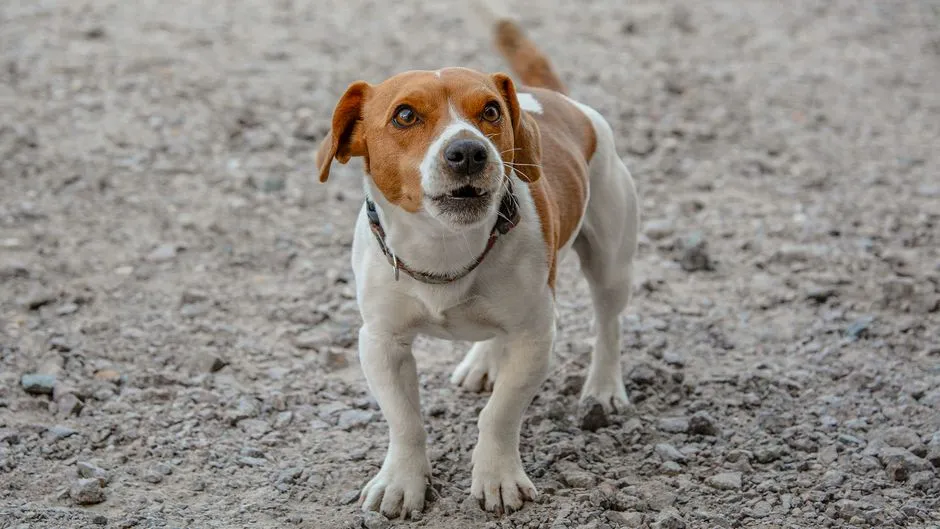
Staff watch the first 10 seconds like it’s a movie trailer for the dog’s whole story. A dog that freezes, lip-licks, and looks away the instant a stranger appears isn’t being “unfriendly.” It’s overwhelmed, and its body is saying so in a language most visitors never learned to read.
Workers note whether the dog rushes the door barking, slinks to the back of the kennel, or steps forward with cautious curiosity. Each reaction hints at past handling, baseline confidence, and how much decompression time this dog is going to need before it can even think about being adopted. They’re also clocking the smaller tells: a tail wagging low and tight versus loose and easy, pupils blown wide, panting hard in a room that isn’t even warm.
Fast Facts
- Tight, low tail wagging often signals underlying anxiety, not friendliness.
- Lip-licking and looking away are classic canine stress signals, not rudeness.
- Rapid panting in a cool room usually points to nerves, not temperature.
- Dilated pupils at rest are one of the clearest early stress markers staff watch for.
None of it is cosmetic. It’s stress written on the body in real time. Dogs who can’t regulate themselves at the kennel door tend to struggle harder later with strangers, vet visits, and the general chaos of a busy home. But that’s nothing compared to what staff see the second the dog actually steps outside.
#2 – How the Dog Takes Its First Steps Outside
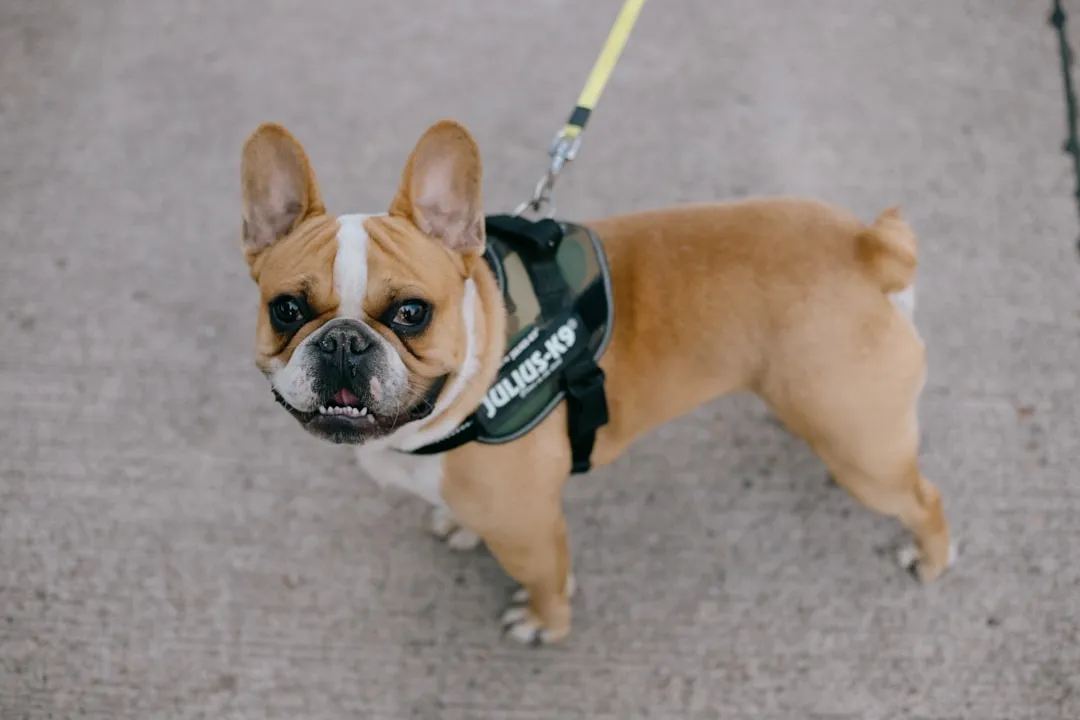
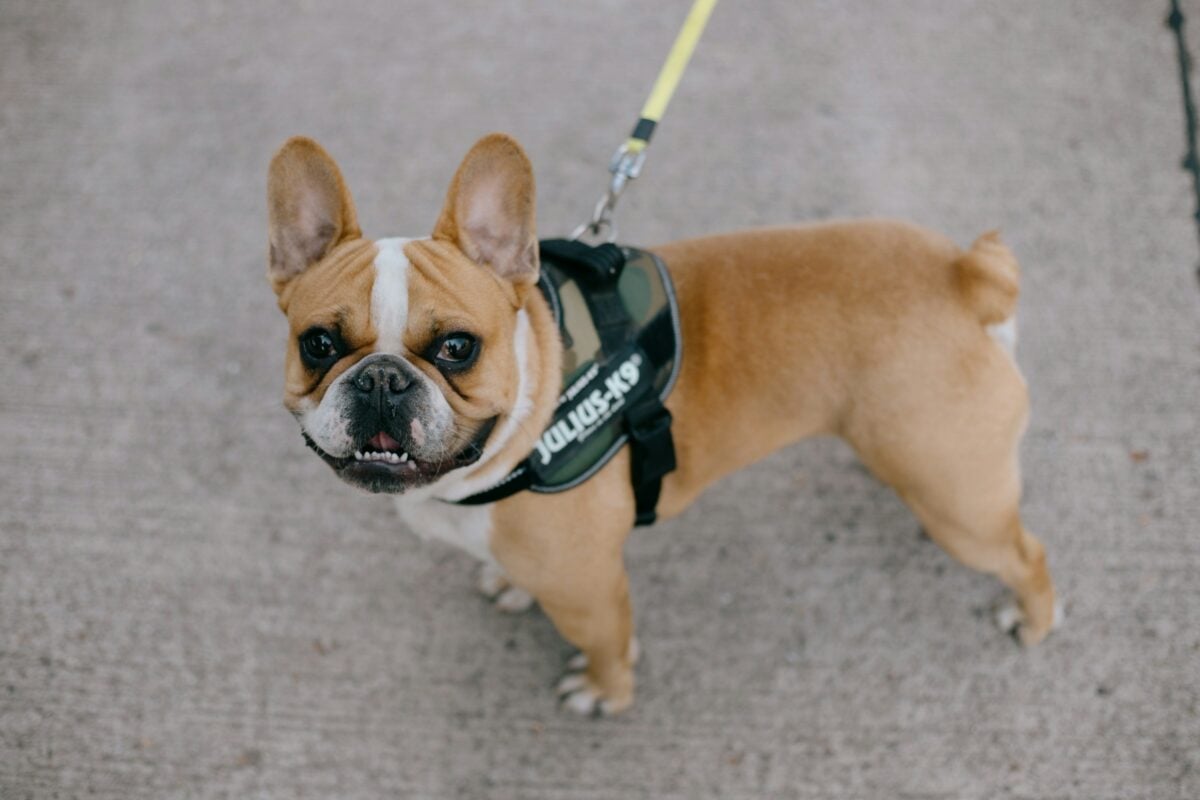
The walk from kennel to yard is a stress test wearing a disguise. Some dogs launch out like a slingshot, dragging the leash and scanning everything at once. Others glue themselves to the handler’s leg, terrified to move an inch in either direction.
Staff aren’t just trying to get the dog some fresh air. They’re reading how it processes a world suddenly full of new smells, noises, and movement all at once. A dog that can slow itself down after those first frantic steps is showing something valuable: the raw beginnings of coping potential.
Quick Compare
- Confident explorer: pulls forward, then glances back to check in – often learns fast and bonds quickly.
- Overwhelmed spinner: circles and lunges at every sound – usually needs structured desensitization.
- Frozen shadow: flattens or refuses to move – benefits from slow, low-pressure introductions.
Leash behavior in that first hour predicts a lot of future work. Constant spinning, lunging at every sound, or flattening like a pancake when a door slams tells staff they’re looking at harness fitting, confidence building, maybe reactivity prevention down the line. A dog that pulls hard but then glances back to check in? That dog usually learns fast and bonds even faster. But nothing prepares you for what happens the moment a human hand actually reaches out.
#3 – The First Human Touch Test
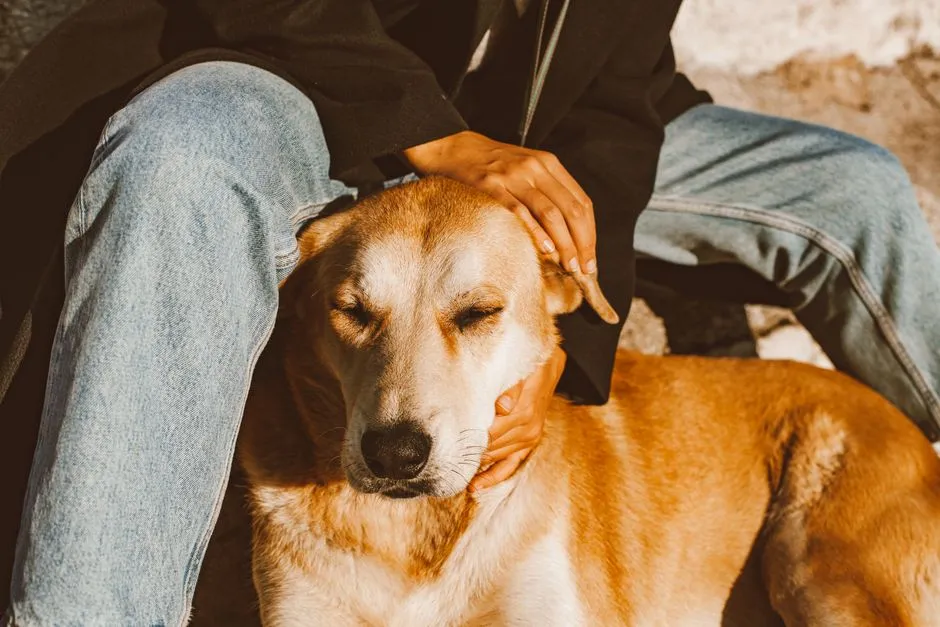
That first attempt at physical contact reveals more than a week of casual observation ever could. Some dogs stiffen, yawn, or flinch the second a hand drifts toward their collar. Others melt into it instantly, like they’ve been waiting their whole life for someone to finally touch them gently.
Here’s the part that surprises people: it’s not about whether the dog is scared. It’s about what the dog does with that fear. A dog that startles and then chooses to stay is often a far better sign than one that freezes solid and simply shuts down.
Workers test touch in tiny increments – a hand near the shoulder, then a gentle chest rub, then maybe a collar check – watching closely for head turns, whale eye, or a low growl. None of these signs doom a dog. They flag possible rough handling in its past, or simply a lack of early socialization. Dogs who can accept gentle touch after a few careful tries usually thrive with patient adopters willing to go slow. But that’s nothing compared to what a single treat reveals next.
#4 – The First Treat: What Food Reveals About Fear
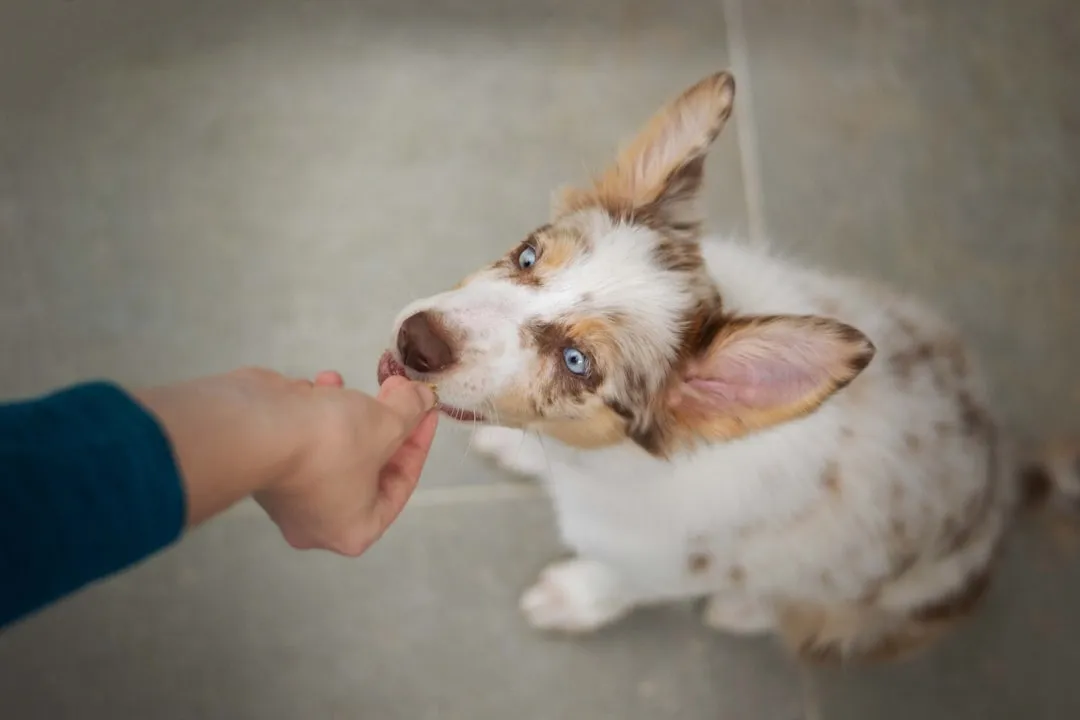
The first treat offered isn’t just a snack. It’s data, and rescue staff read it like a report card. Most visitors assume a dog that turns down food simply isn’t hungry, but staff know that refusing even a high-value treat in a quiet room is often a red flag for serious stress, or even nausea from anxiety alone.
On the other end, a dog that vacuums up every treat in sight might be highly food-motivated, but it can also be a dog struggling with impulse control or resource insecurity. Staff watch how the dog orients around the treat: does it sniff, take it gently, then glance back for more? That flexibility is a promising sign for future training.
Does it guard the treat, freeze over it, or growl if another dog walks past? That’s a dog who will need structured feeding routines and very careful introductions later on. The dogs who can eat and then shift their attention right back to the handler are showing something staff quietly prize: resilience. But nothing tests that resilience quite like the first unexpected noise.
#5 – Reaction to Sudden Noise and Chaos
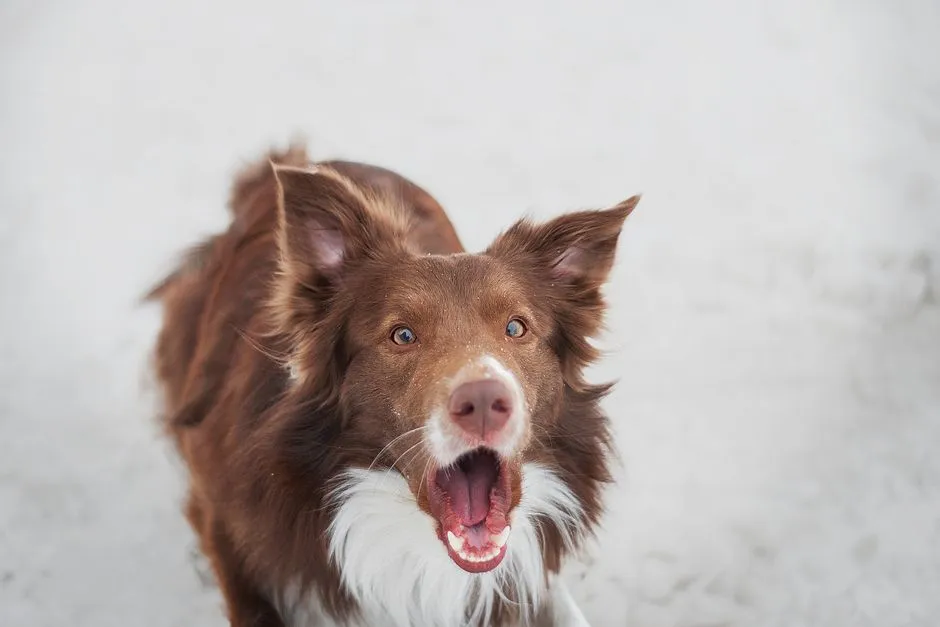
Rescue centres are almost never quiet. Bowls clang, dogs bark down the hallway, doors slam, kids come through on family visits – and all of it becomes an accidental temperament test nobody scheduled on purpose. Staff pay close attention to the very first time a sudden noise hits during that initial hour.
Does the dog startle and recover within a few seconds, or does it spiral into nonstop barking and frantic pacing? Dogs who can startle, orient toward the sound, and then re-engage with their handler tend to cope far better once they’re living in a real, noisy, unpredictable home.
Worth Knowing
- A startle-and-recover response within a few seconds is considered a strong resilience sign.
- Dogs that lean into a handler during chaos often bond and train faster afterward.
- Confident-looking dogs can still shut down completely at an unexpected sound.
- Ongoing exposure to shelter noise, not just the first burst, shapes long-term coping.
Here’s the twist that catches even experienced volunteers off guard: some of the toughest-looking dogs at the kennel door completely fall apart here. A big, confident barker might shut down entirely when a trolley rattles past. Meanwhile a small, trembling dog might lean its whole body into the handler for support – and that leaning response is gold. It often predicts strong attachment and fast trainability down the road.
#6 – Where Their Eyes Go: Curiosity vs. Shutdown
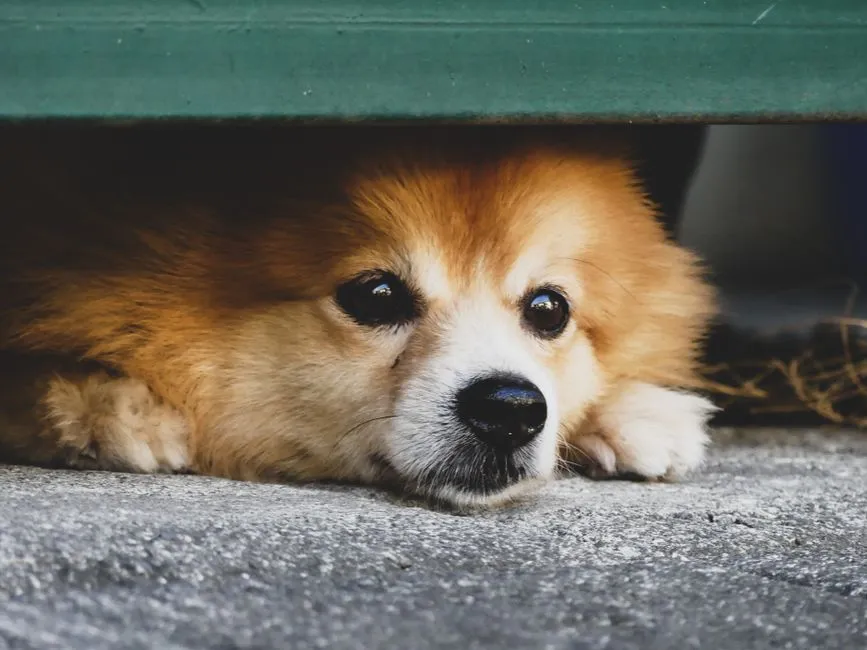
One of the most telling clues in that first hour isn’t dramatic at all – it’s just where the dog decides to look. In a rare moment of calm, does the dog sniff the ground, wander the yard, glance up at a passing bird, investigate a toy? Or does it just stand frozen, staring into space like the world has stopped meaning anything?
Even tiny nose-twitching curiosity is one of the strongest predictors that a stressed dog will bounce back with time, patience, and enrichment. Staff often test this quietly – a toy on the ground, a human standing at a distance, an open patch of grass to explore.
A dog that can’t engage with any of it may be sitting in learned helplessness or extreme anxiety. That doesn’t mean the dog is broken. It means the right home will be calm and structured, not loud and constantly busy. A dog that toggles back and forth between the environment and the handler almost always adapts faster than one that simply checks out. But the most revealing moment of the entire hour comes right at the very end.
#7 – The Goodbye Moment When You Walk Away
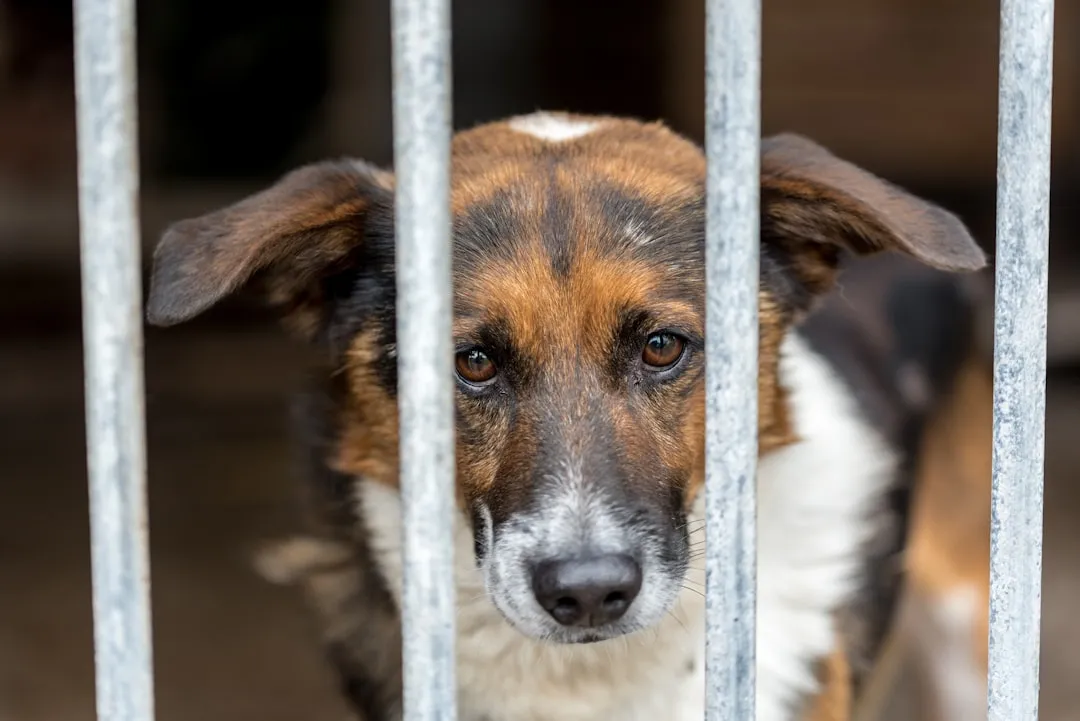
Strangely, the biggest predictor of all doesn’t happen when staff approach the dog. It happens when they leave. At the end of that first session, as staff walk the dog back to its kennel or simply step away, they’re watching one thing closely: what happens next.
Does the dog scream, slam against the door, and spiral into panic – or does it protest for a moment and then self-soothe? That goodbye moment often hints at future separation issues, attachment style, and how rough the early days of rehoming might actually be.
At a Glance
- Brief protest followed by settling is a strong predictor of good long-term adjustment.
- Nonstop panic at the kennel door can flag future separation-related struggles.
- The most affectionate dogs during visits aren’t always the calmest once left alone.
- Self-soothing ability matters more to long-term success than first impressions of friendliness.
Here’s the part nobody expects: some of the most affectionate, “clingy” dogs adored by every visitor that day struggle the hardest after adoption. They panic when left alone. They howl. They destroy doors. The dogs who can shift from “I’m upset you’re leaving” to “okay, I’ll settle” within a short window are showing something huge – the capacity to self-regulate. That’s the trait that gets a dog through the inevitable chaos of a new home, new rules, and new people without falling apart.
Across shelters everywhere, staff quietly admit something most visitors don’t want to hear: they can often see the road ahead in that very first hour. Not because a dog is doomed by its past, but because stress responses, curiosity, and recovery patterns are remarkably consistent from the very first minute someone opens that kennel door.
The first 10 seconds, the first steps on a leash, the first touch, the first treat, the first loud noise, the first curious sniff, the first goodbye – together they sketch a rough map of who this dog actually is, and how much support it’s going to need to become who it could be. And here’s the opinion most people don’t want to hear: the easiest dog in the room is rarely the most rewarding one to bring home. It’s usually the shut-down dog in the back corner, the one nobody stopped for, that turns into the most loyal companion anyone ever adopted – if the right person is patient enough to notice what that first hour was actually saying.
