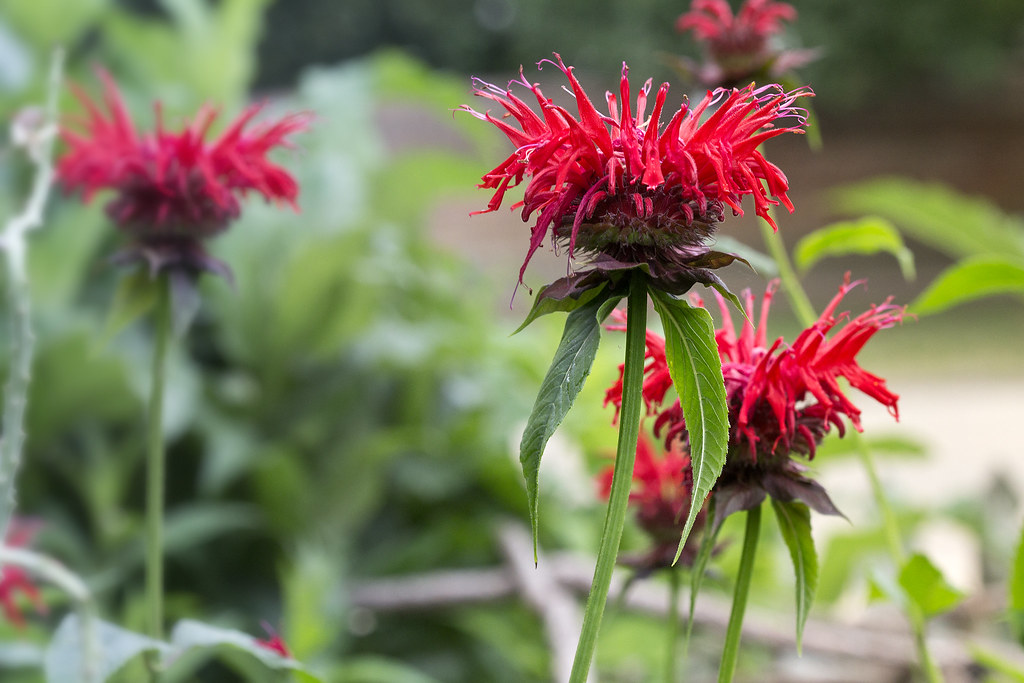
Include Native Tubular Flowers (image credits: flickr)
Imagine stepping into your backyard to the delightful chorus of songbirds, their melodies weaving a tapestry of natural music. By planting native shrubs, you can transform your outdoor space into a sanctuary that attracts these feathered friends. Native plants not only provide essential food and shelter but also support the local ecosystem, creating a harmonious environment for both birds and humans. Here are ten native shrubs that will invite :
Serviceberry (Amelanchier spp.)
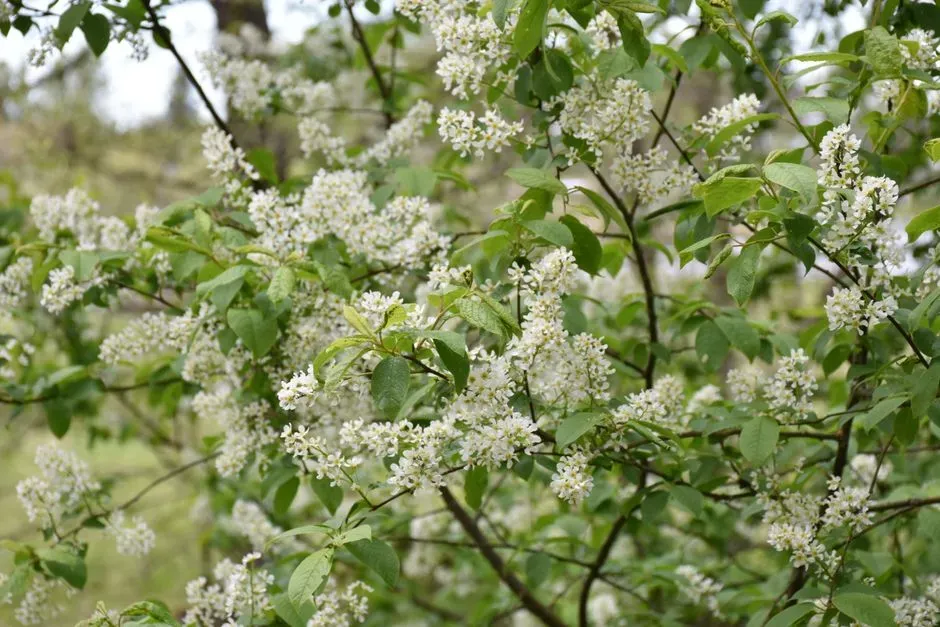
Serviceberry (Amelanchier spp.) (Image Credits: Pexels)
Serviceberry, also known as shadbush or juneberry, is a versatile shrub that offers year-round appeal. In early spring, it bursts into bloom with delicate white flowers, attracting pollinators and signaling the arrival of warmer days. As the seasons progress, these blossoms give way to small, sweet berries that ripen in early summer, providing a feast for songbirds like robins, cardinals, and cedar waxwings.
Beyond its culinary offerings, serviceberry’s dense foliage provides excellent nesting sites and shelter for birds. In the fall, its leaves turn vibrant shades of red and orange, adding a splash of color to your landscape. This shrub thrives in a variety of soil conditions and can adapt to both full sun and partial shade, making it a resilient and attractive addition to any backyard.
Spicebush (Lindera benzoin)
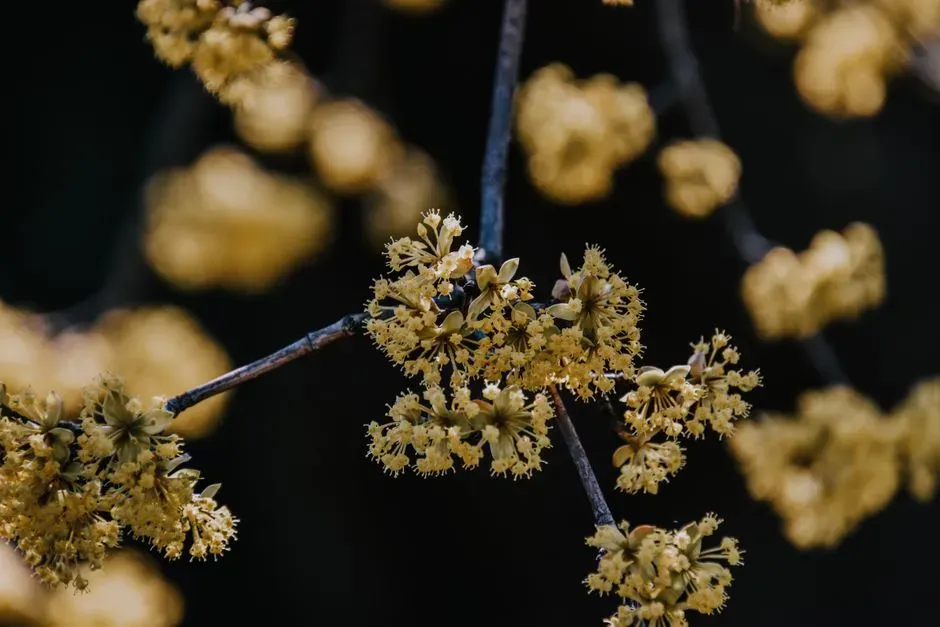
Spicebush (Lindera benzoin) (Image Credits: Pexels)
Spicebush is a deciduous shrub that brings a host of benefits to your garden. In early spring, it produces clusters of tiny, pale yellow flowers that emit a pleasant fragrance, drawing in pollinators and early-returning songbirds. As the season progresses, female plants develop bright red berries that are a favorite among thrushes, catbirds, and vireos.
The aromatic leaves of spicebush serve as a host plant for the spicebush swallowtail butterfly, adding another layer of biodiversity to your yard. This shrub prefers moist, well-drained soils and thrives in partial to full shade, making it ideal for woodland gardens or shaded borders. Its adaptability and wildlife benefits make spicebush a valuable addition to any bird-friendly landscape.
Red Osier Dogwood (Cornus sericea)
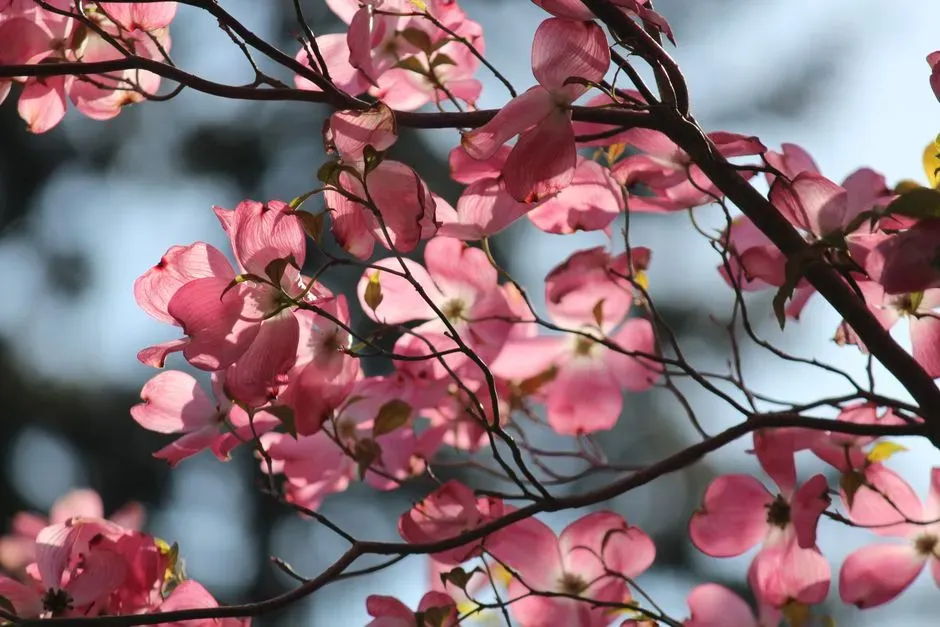
Red Osier Dogwood (Cornus sericea) (Image Credits: Pexels)
Red osier dogwood is renowned for its striking red stems, which provide visual interest throughout the winter months. In spring and summer, it produces clusters of small white flowers that attract a variety of pollinators. These blooms are followed by white berries in late summer and fall, serving as a vital food source for songbirds such as bluebirds, waxwings, and warblers.
This hardy shrub thrives in a range of soil conditions, including wet areas, making it suitable for rain gardens or along stream banks. Its dense growth habit offers excellent cover and nesting sites for birds, while its vibrant stems add a splash of color to the winter landscape. Red osier dogwood’s year-round appeal and ecological benefits make it a standout choice for attracting songbirds.
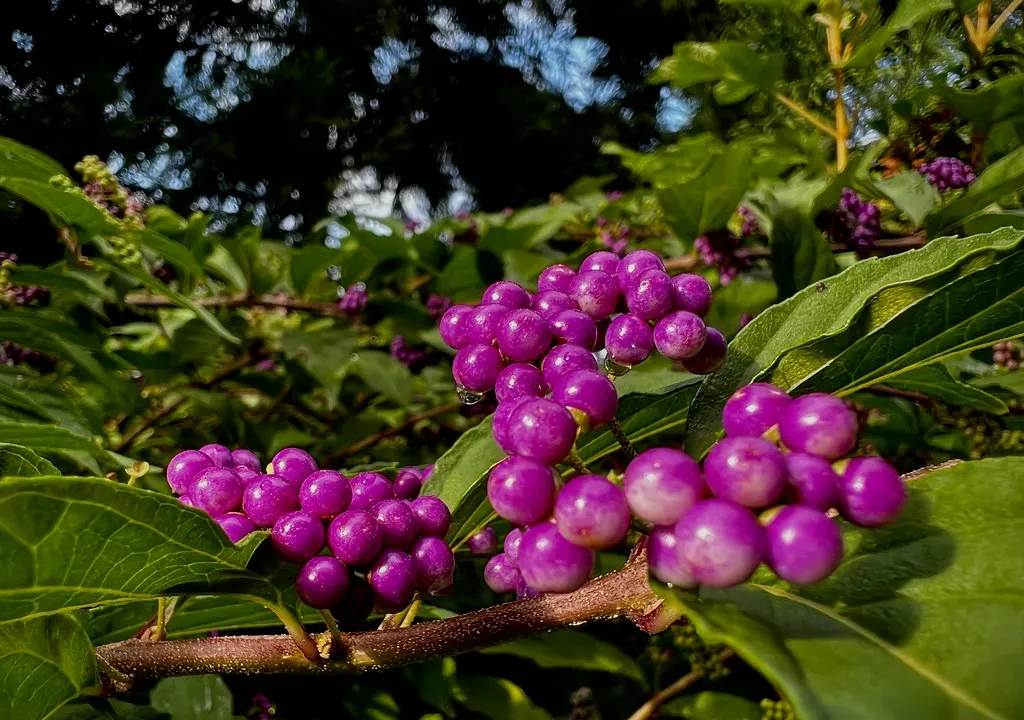
American Beautyberry (Callicarpa americana)
American Beautyberry (Callicarpa americana) (krossbow, Flickr, CC BY 2.0)
American beautyberry is a deciduous shrub that lives up to its name with stunning clusters of bright purple berries that encircle its stems in the fall. These berries are a magnet for songbirds like mockingbirds, finches, and thrashers, providing a crucial food source as other resources become scarce. The shrub’s arching branches and vibrant fruit create a striking visual display in the autumn landscape.
In addition to its ornamental value, beautyberry’s dense foliage offers shelter and nesting sites for birds. It thrives in a variety of soil types and can tolerate both sun and partial shade, making it a versatile addition to your garden. Its low maintenance requirements and high wildlife value make American beautyberry a must-have for bird enthusiasts.
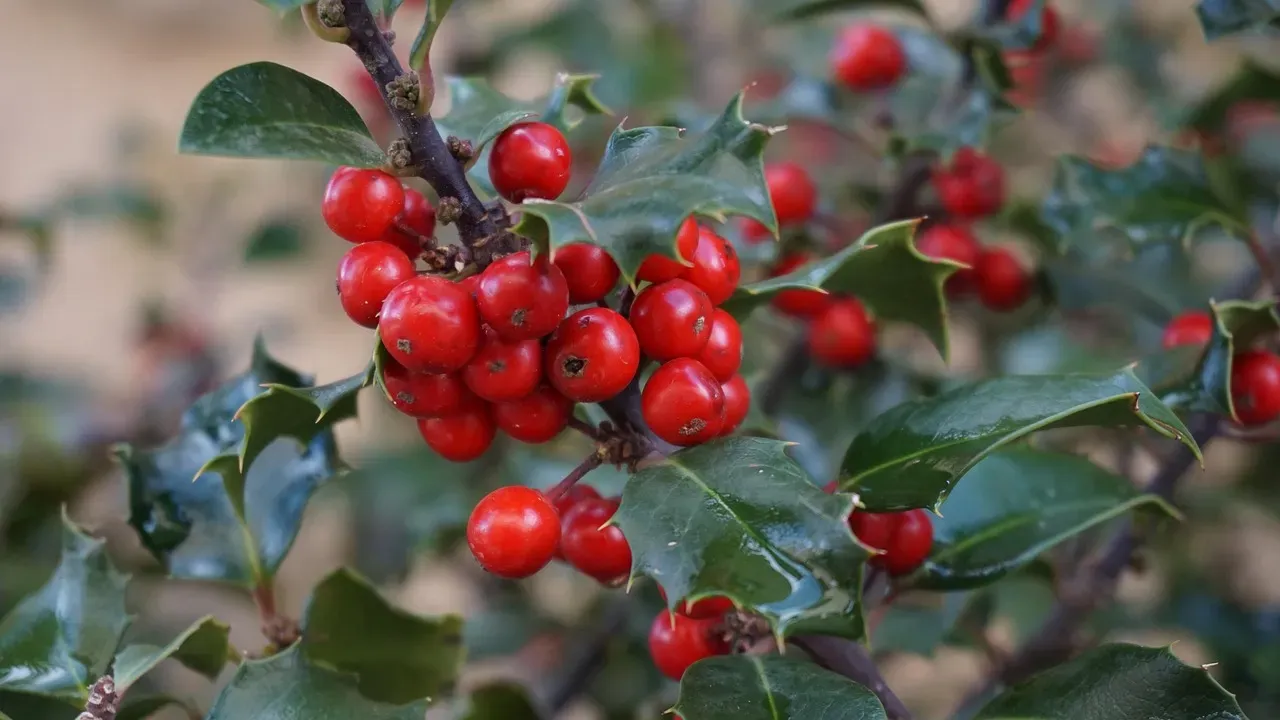
Winterberry (Ilex verticillata)
Winterberry (Ilex verticillata) (Image Credits: Pixabay)
Winterberry is a deciduous holly that stands out in the winter landscape with its profusion of bright red berries. These berries persist well into the colder months, providing a vital food source for songbirds such as robins, bluebirds, and cedar waxwings when other resources are scarce. The shrub’s bare branches adorned with vibrant fruit create a striking contrast against the winter backdrop.
To ensure berry production, it’s important to plant both male and female plants, as only fertilized female plants produce fruit. Winterberry thrives in moist, acidic soils and can tolerate wet conditions, making it suitable for rain gardens or low-lying areas. Its seasonal beauty and ecological benefits make it a valuable addition to any bird-friendly garden.
Black Chokeberry (Aronia melanocarpa)
Black Chokeberry (Aronia melanocarpa) (Image Credits: Pexels)
Black chokeberry is a hardy shrub that offers multiple benefits throughout the year. In spring, it produces clusters of white flowers that attract pollinators. These are followed by glossy black berries in late summer and fall, which are consumed by songbirds like thrushes and grosbeaks. The berries persist into winter, providing a food source during lean months.
The shrub’s foliage turns vibrant shades of red and orange in the fall, adding seasonal interest to your landscape. Black chokeberry is adaptable to a range of soil conditions and can thrive in both sun and partial shade. Its resilience and high wildlife value make it an excellent choice for attracting .
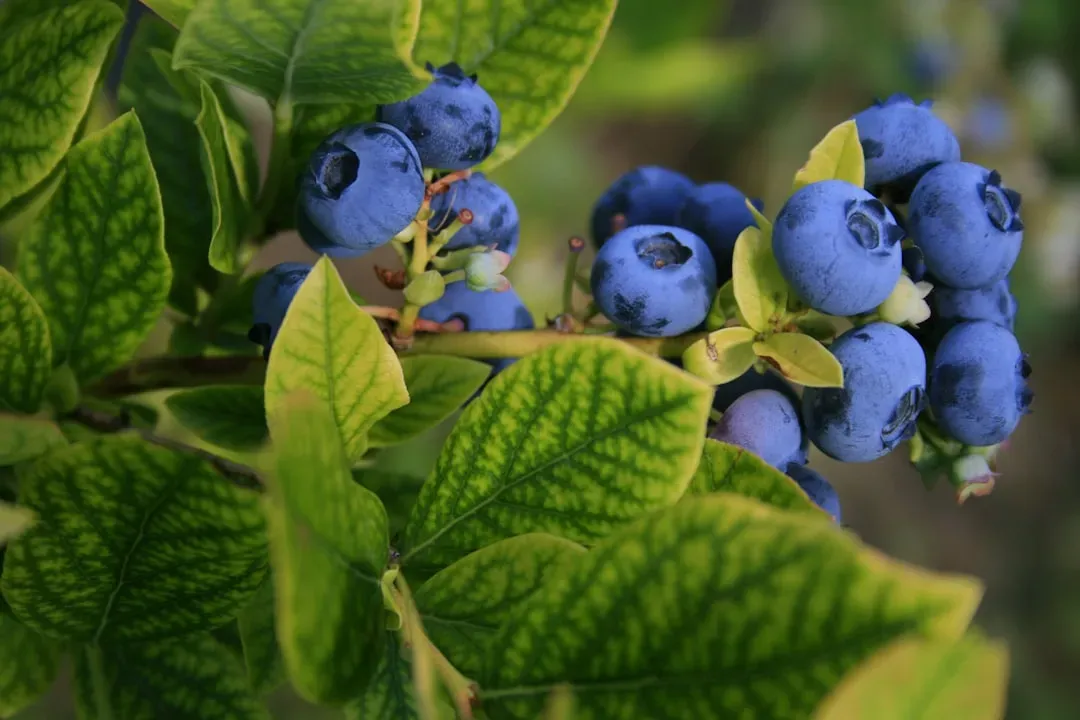
Highbush Blueberry (Vaccinium corymbosum)
Highbush Blueberry (Vaccinium corymbosum) (Image Credits: Unsplash)
Highbush blueberry is not only a favorite among humans but also a prized resource for songbirds. In spring, it produces bell-shaped white flowers that attract pollinators. By mid-summer, these give way to sweet, nutritious berries that are eagerly consumed by birds such as robins, cardinals, and catbirds. The shrub’s dense growth habit provides excellent cover and nesting sites.
In the fall, its foliage turns stunning shades of red and orange, adding visual appeal to your garden. Highbush blueberry thrives in acidic, well
Did you find this helpful? Share it with a friend who’d love it too!
Gargi is an MA in History and a B.Ed graduate from India, with a deep passion for animals and wildlife awareness. As an article writer and editor at Animals Around The Globe, she combines her love for storytelling with her dedication to educating readers about animals, conservation, and responsible pet care. A devoted dog lover, Gargi enjoys creating engaging and informative content that inspires compassion and awareness toward the natural world.