
In an era where climate change narratives often paint a bleak picture, the resilience of nature offers a beacon of hope. Across the globe, ecosystems have demonstrated an astonishing capacity to rebound, often outpacing the most optimistic climate models. Here are 15 remarkable wildlife recovery events from the past decade that showcase nature’s tenacity.
1. The Swift Rebound of Freshwater Ecosystems
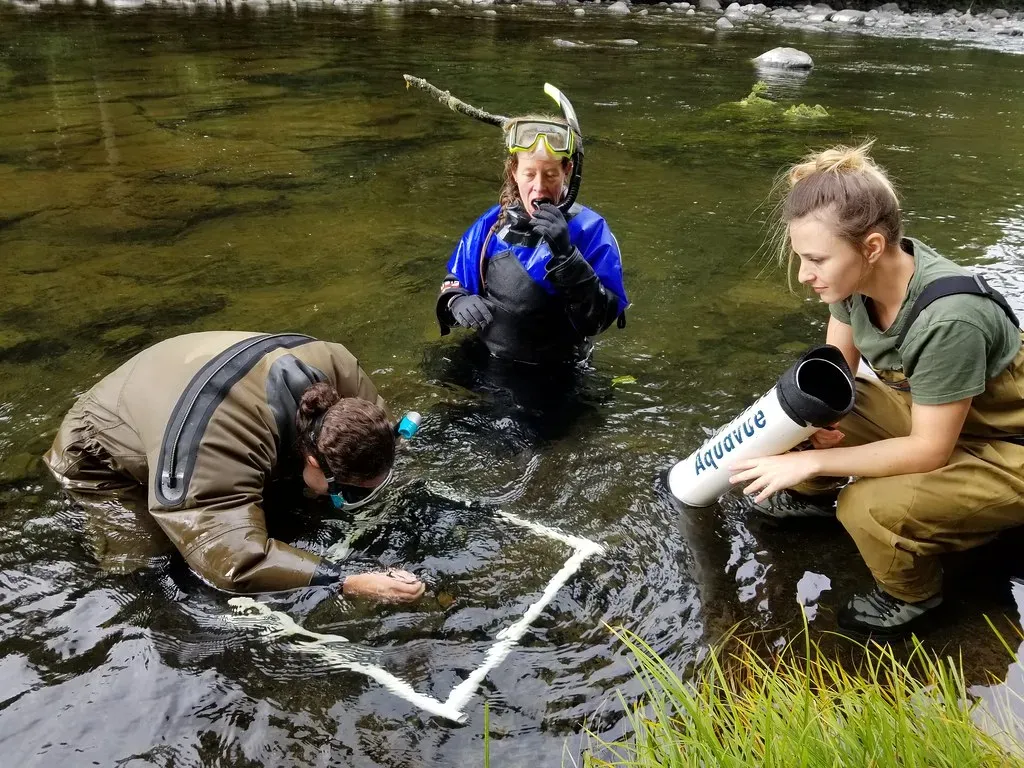
Freshwater ecosystems have shown a remarkable ability to recover from disturbances. Studies indicate that when pollutants are reduced, these ecosystems can bounce back within a year, with 81% achieving recovery in under three years. This rapid turnaround underscores the resilience of aquatic life when given a chance to heal.
2. Synchronized Predator-Prey Restorations
Restoring predators and their prey simultaneously has proven to be a game-changer. Research reveals that such synchronized efforts can double the speed of ecosystem recovery compared to sequential approaches. This strategy not only accelerates healing but also stabilizes the food web more effectively.
3. Ocelot Conservation Success in Texas

In the Rio Grande Valley, dedicated conservation efforts have led to a significant increase in the ocelot population. The annual Ocelot Conservation Day has been pivotal in raising awareness and fostering community involvement, resulting in a notable uptick in ocelot numbers over the past decade.
4. Endangered Species Day: A Catalyst for Recovery
The 21st annual Endangered Species Day celebrated numerous success stories, highlighting species that have rebounded due to concerted conservation efforts. This event has galvanized public support and action, leading to tangible improvements in the status of various endangered species.
5. Rapid Recovery of Damaged Ecosystems
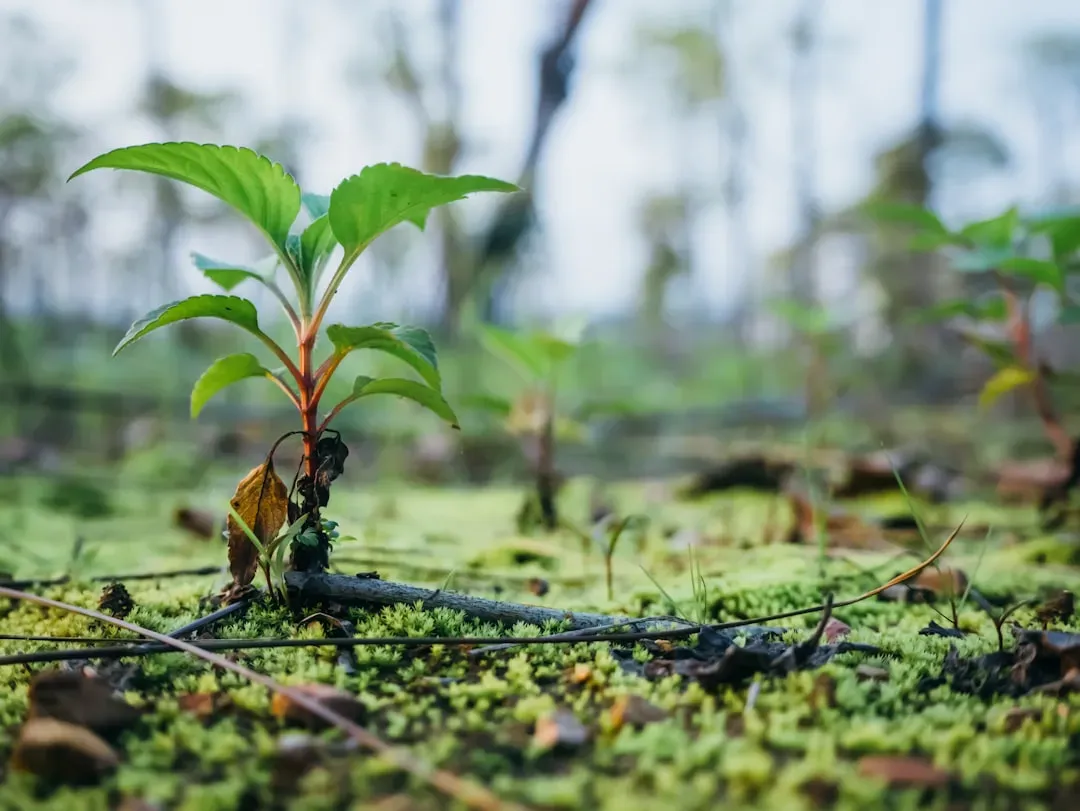
Contrary to previous beliefs, many damaged ecosystems have demonstrated the ability to recover within decades. A comprehensive analysis found that nearly 75% of ecosystems degraded by human activity or natural disasters fully or partially recovered in less than 42 years, with some aquatic systems rebounding in under a decade.
6. Orca Recovery Initiatives in the Pacific Northwest
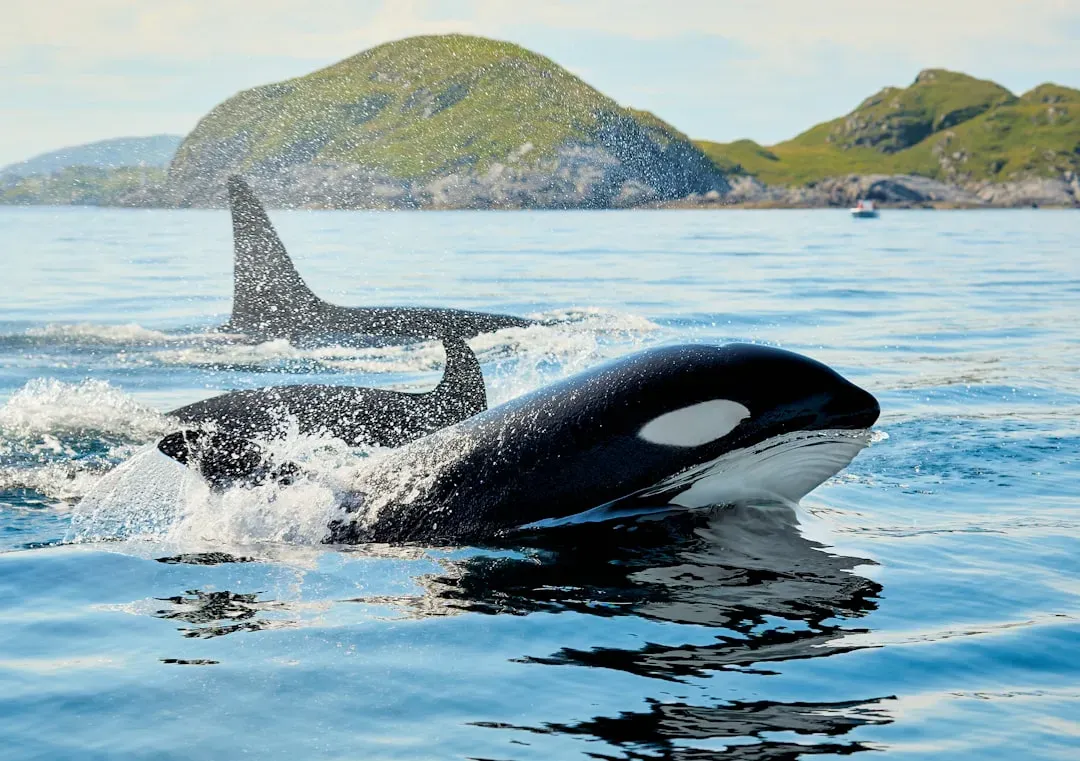
Orca Recovery Day has become a significant event in the Pacific Northwest, focusing on habitat restoration and pollution reduction. These efforts have contributed to a gradual increase in the Southern Resident orca population, showcasing the impact of community-driven conservation.
7. Fall Migration Festivals Boost Bird Populations
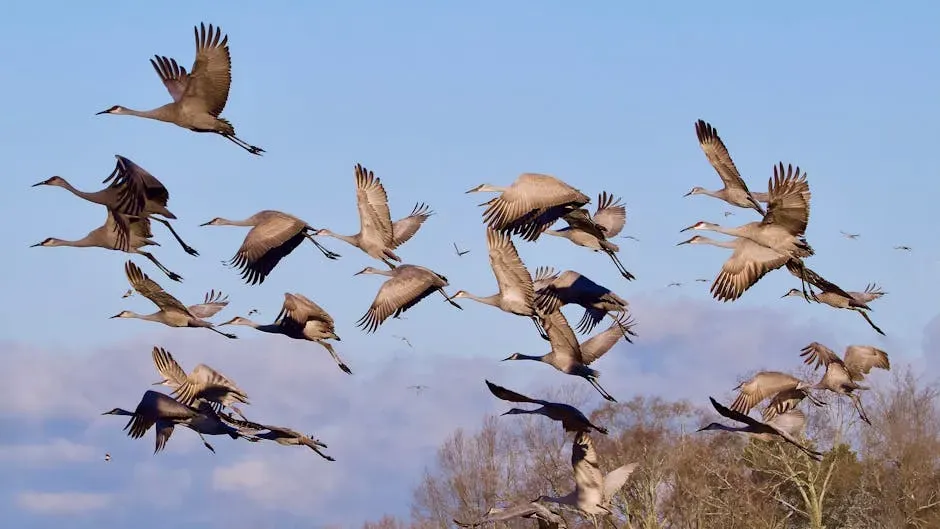
Annual Fall Migration Festivals have played a crucial role in bird conservation. By promoting habitat preservation and public education, these events have led to noticeable increases in migratory bird numbers, defying earlier projections of decline.
8. Wildlife Conservation Expos Inspire Global Action
Wildlife Conservation Expos have connected conservationists worldwide, leading to collaborative efforts that have accelerated species recovery. These gatherings have been instrumental in sharing successful strategies and mobilizing resources for endangered species.
9. Restoration of Predators and Prey in Marine Ecosystems

Marine ecosystems have benefited from simultaneous restoration of predators and prey. This approach has led to faster recovery of fish populations and overall ecosystem health, challenging previous models that predicted slower rebounds.
10. Rapid Forest Regeneration Post-Logging
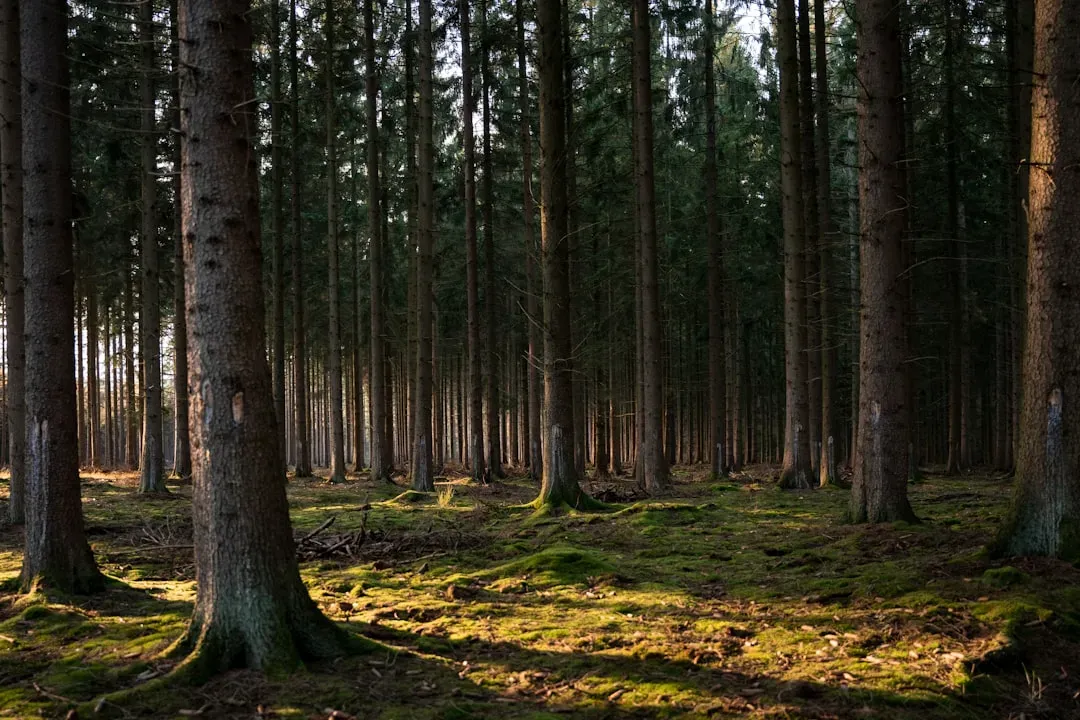
Studies have shown that forests can recover from logging activities faster than anticipated. With proper management and reforestation efforts, biodiversity and carbon sequestration capabilities have been restored in significantly shorter timeframes.
11. Wetland Restoration Projects Yield Quick Results
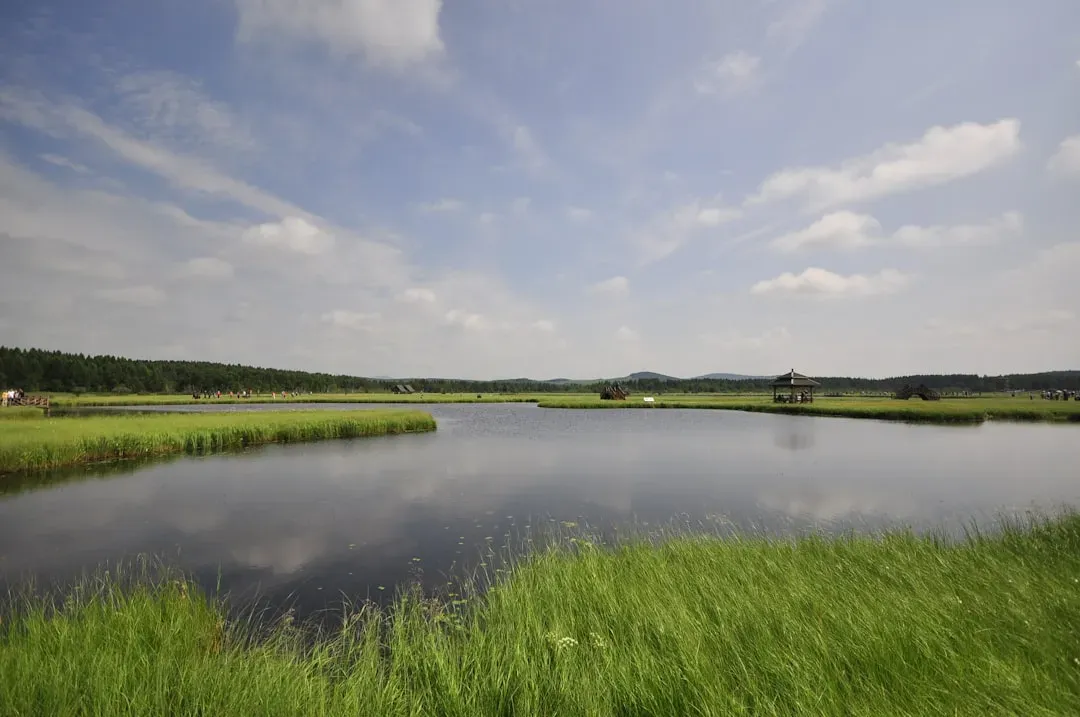
Wetland ecosystems have exhibited rapid recovery following restoration projects. These efforts have led to the return of native species and improved water quality, often within a few years, surpassing earlier recovery estimates.
12. Coral Reef Rehabilitation Successes

Innovative coral reef rehabilitation techniques have resulted in quicker-than-expected recovery of reef structures and associated marine life. These successes offer hope for combating coral bleaching and degradation.
13. Grassland Ecosystems Bounce Back from Overgrazing
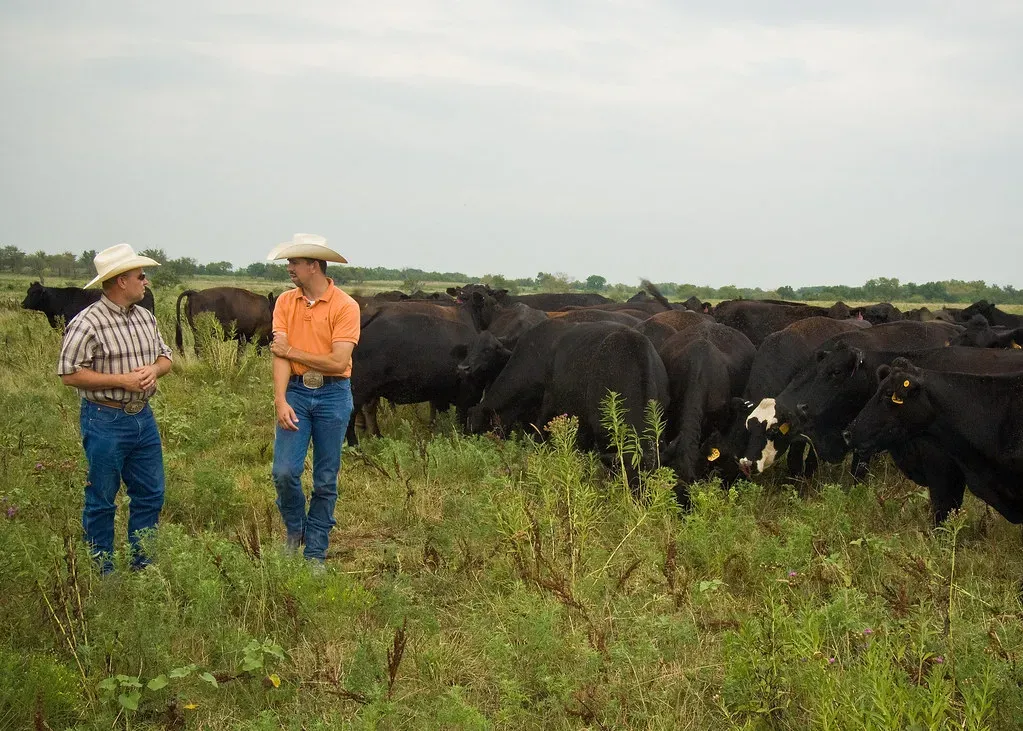
Implementing sustainable grazing practices has allowed grassland ecosystems to recover from overgrazing damage. Native plant species and wildlife have returned, restoring the balance of these vital habitats.
14. Urban Wildlife Flourishes Amid Conservation Efforts

Urban areas have seen a resurgence of wildlife due to green initiatives and habitat creation. Species once thought to be in decline are now thriving in city environments, defying previous projections.
15. River Systems Recover from Industrial Pollution
Targeted clean-up efforts have led to the rapid recovery of river ecosystems previously devastated by industrial pollution. Aquatic life has returned, and water quality has improved, often within a decade.
These 15 events serve as powerful reminders that, with dedicated effort and strategic action, ecosystems can recover more swiftly than many climate models have predicted. They challenge the narrative of inevitable decline and highlight the potential for positive change when humanity commits to conservation.
Isn’t it time we re-evaluate our role in nature’s resilience and invest more in the restoration of our planet’s precious ecosystems?

- The World’s Most Resilient Creatures Defy All Odds to Survive - August 14, 2026
- 12 Incredible Facts About Hummingbirds That Will Blow Your Mind - August 14, 2026
- 10 Incredible Facts About Snow Leopards - August 14, 2026