
Before anxiety vests, calming chews, and 47-step desensitization protocols, families across America were raising dogs that could ride in the back seat without losing their minds, greet strangers without knocking them over, and settle by the couch at night without being told twice. Those dogs weren’t special. Their owners weren’t dog whisperers. They just followed a set of habits that almost nobody talks about anymore.
The 1980s get a bad reputation in dog training circles, and some of it is fair. But buried underneath the outdated tools was a core philosophy that modern dog ownership quietly abandoned: structure is kindness. Predictability is peace. What follows are the 21 specific habits that actually built those calm, reliable dogs – and a few of them will make you rethink what you’re doing right now.
#1 – Lifetime Consistency Over Quick Fixes
The single most powerful habit from this era wasn’t a technique at all. It was a mindset. Whatever rule existed on day one was still the rule on day one thousand. No exceptions for bad weather, busy weeks, or the dog giving you those eyes. The boundary held, and because it held, the dog never had to spend mental energy testing whether today was different from yesterday.
Modern dog owners cycle through methods the way they cycle through diets – enthusiastic for three weeks, then quietly abandoned. The 1980s owner picked one system, often from a library book or a Barbara Woodhouse TV special, and stuck with it for the dog’s entire life. Trainers from that era reported that the calmest adult dogs almost universally came from homes with boring, unchanging rules. Not perfect rules. Consistent ones. That distinction matters more than most people realize.
Fast Facts
- Barbara Woodhouse’s Training Dogs the Woodhouse Way debuted on BBC2 on January 7, 1980, and was syndicated to over 100 U.S. stations.
- At the height of her fame, Woodhouse received around 400 letters a day from owners seeking advice.
- Her core philosophy – “There are no bad dogs, only bad owners” – became the defining motto of the decade’s training culture.
- The show ran for 10 episodes, filmed at her Hertfordshire home, yet became one of the BBC’s biggest hits of the era.
- Her catchphrases “Walkies!” and “Sit!” reached such cultural saturation they were parodied in the 1983 James Bond film Octopussy.
#2 – Morning Routine Before Any Play
In most 1980s households, the dog didn’t get toys, roughhousing, or off-leash time until after breakfast and a short walk. The sequence was non-negotiable: wake up, go outside for business, eat, walk, then the day opens up. It sounds almost military, but the effect was profound. Dogs that started their mornings this way arrived at play already in a calmer baseline state instead of exploding out of sleep into chaos.
Owners who kept this sequence reported dramatically fewer demand behaviors – less barking at the back door, less pawing, less spinning at the leash hook. The morning ritual communicated something that no amount of treat-based training can fully replace: the dog’s agenda doesn’t run the household. Once that message was understood and repeated daily, dogs settled into a rhythm that carried through the entire day. The morning set the tone. Everything else followed.
#3 – Fixed Daily Walk Schedules Built Predictable Calm
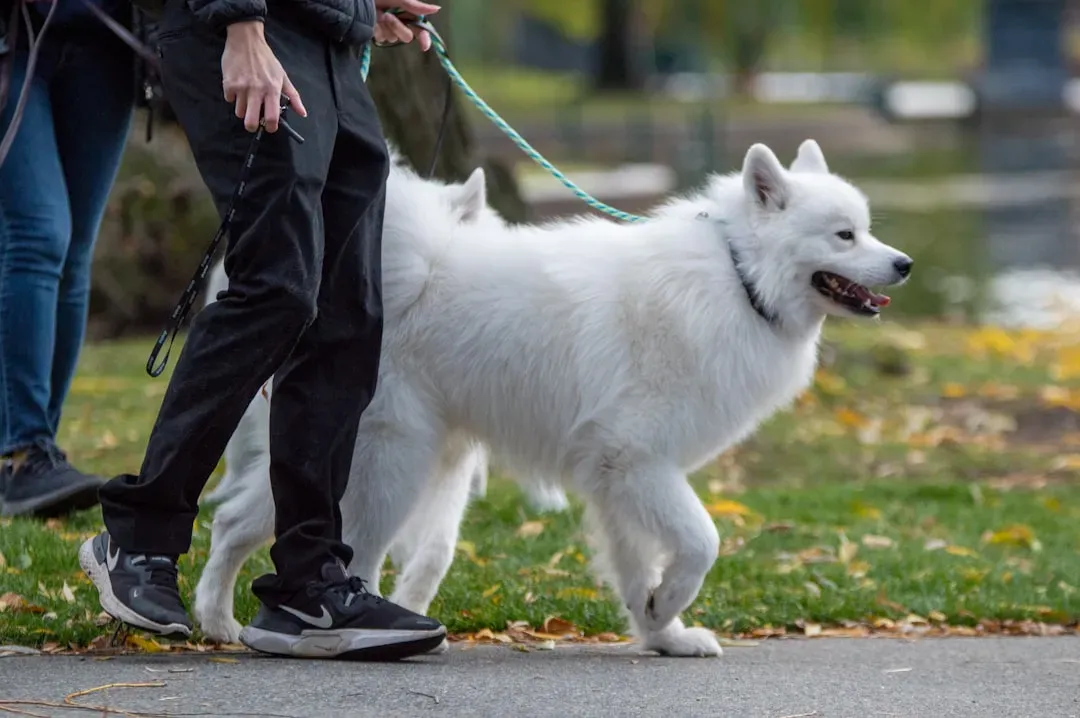
1980s dog owners rarely improvised. Walks happened at the same time every morning and every evening, rain or shine, whether the owner felt like it or not. The dog learned to anticipate the schedule so completely that the pre-walk excitement was short and focused rather than a rolling all-day buzz of frustrated energy. Once the walk happened, the dog settled. The math was reliable.
Trainers from that period emphasized schedule not as a convenience for the owner but as a psychological anchor for the dog. A dog that knows exactly when exercise is coming doesn’t need to stay on alert all day hoping something will happen. That constant low-grade waiting is exhausting and produces the restless, hard-to-settle dogs many owners struggle with today. Lock the schedule in, and a surprising amount of unwanted behavior disappears on its own.
#4 – Firm, Low-Tone Commands Replaced Baby Talk
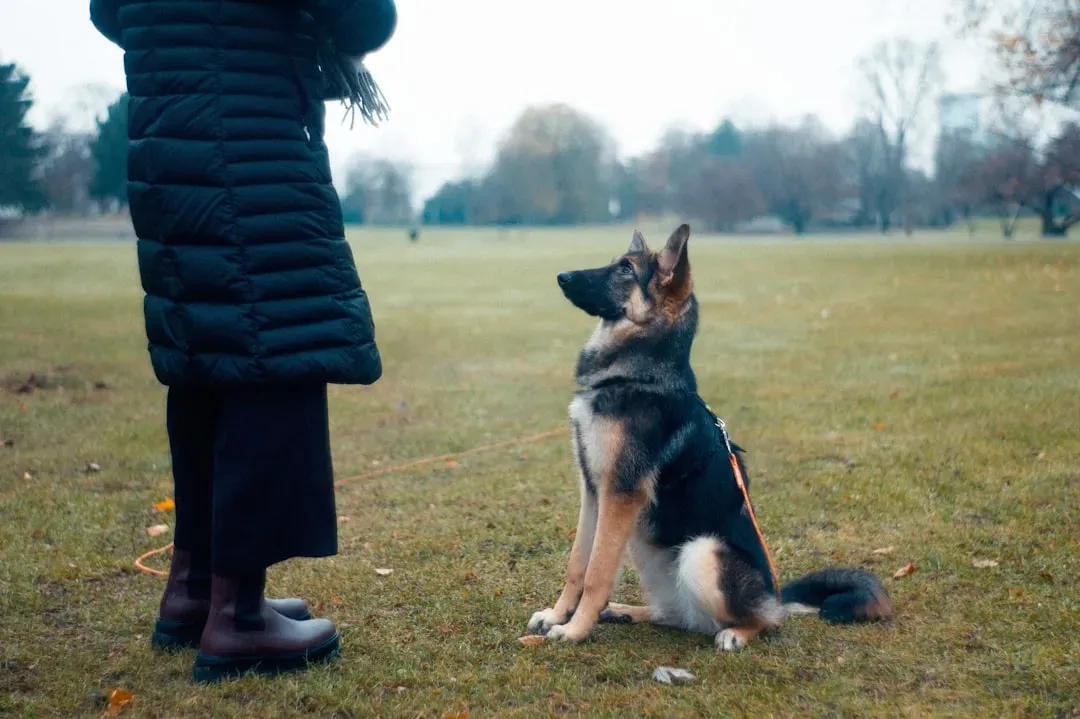
Watch any Barbara Woodhouse clip and the first thing you notice isn’t the technique – it’s the voice. Short, calm, utterly unbothered. “Sit.” Not “Sit? Sit? Good boy, sit, yes, sit, come on sweetheart, SIT.” The 1980s training culture was almost unanimous on this: a handler who sounds uncertain produces an uncertain dog. A handler who sounds bored and confident produces a dog that complies without getting wound up about it.
High-pitched, emotionally loaded praise during training was specifically discouraged during lessons because it spiked arousal at exactly the wrong moment. Trainers wanted dogs calm enough to think, and the handler’s voice was the primary lever. Commands were short, delivered once, and followed through. The dog heard a tone that said this is normal and expected rather than this is exciting and negotiable. Over months, that tonal consistency built dogs that responded to their owner’s voice the way a good employee responds to a clear manager – without drama.
The dog doesn’t speak English. It speaks tone, timing, and consistency.
Barbara Woodhouse
#5 – Crate Time as Standard Rest Period
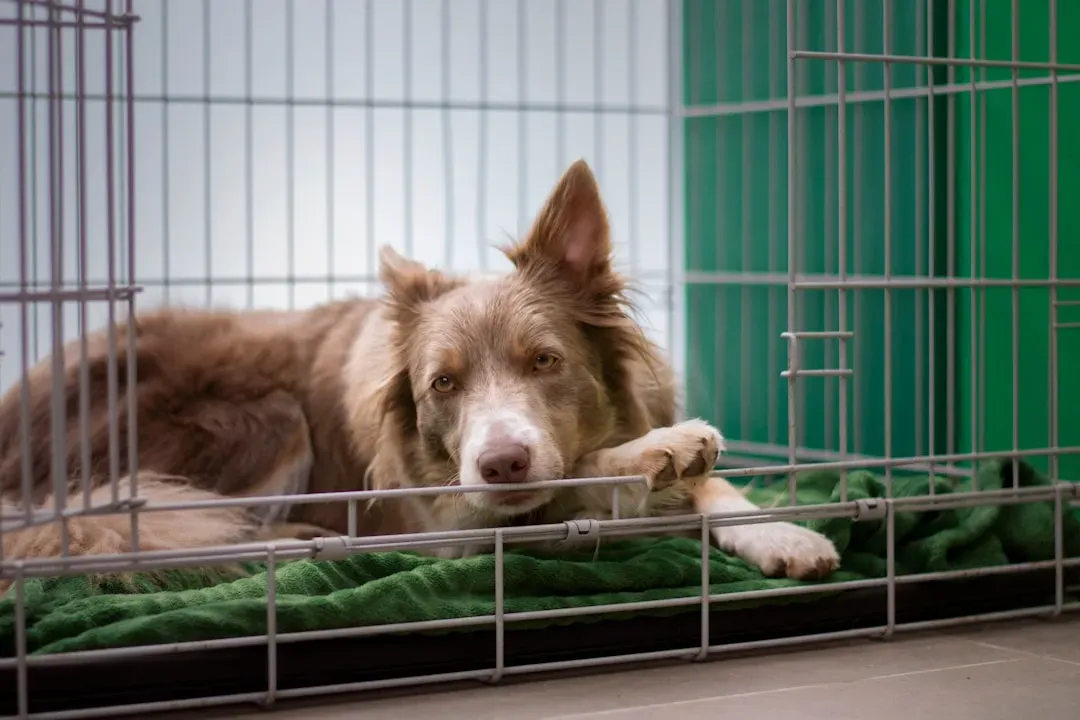
Crate training wasn’t controversial in the 1980s – it was just what you did. The crate was introduced early, treated as the dog’s private room, and used consistently after high-energy periods. The key move that most modern owners miss: dogs went into the crate after walks, not before. The walk burned the energy, and the crate prevented the hyper rebound that happens when a stimulated dog has free run of the house.
Trainers taught owners to ignore fussing completely and wait for silence before opening the door. This wasn’t cruelty – it was one of the most important lessons a dog could learn: that calm behavior is what opens doors, literally. Dogs that learned this early carried the skill everywhere. Vet waiting rooms, car rides, grooming tables. The ability to self-settle in an enclosed space is one of the most underrated gifts you can give a dog, and the 1980s gave it routinely.
#6 – No Free-Feeding Kept Energy Stable

Kibble went down twice a day and came back up after twenty minutes whether the bowl was empty or not. No grazing, no topping off, no food available all day for comfort. This wasn’t considered harsh – it was just standard pet care. And it produced a side effect nobody was specifically trying to create: calmer dogs with more even energy levels throughout the day, especially in the hours after meals.
The structure also made training treats significantly more effective. A dog with food available at all times has no particular reason to work for a small reward. A dog on a schedule finds that same treat genuinely motivating. 1980s trainers understood this even when they couldn’t have explained the behavioral science behind it. The food schedule also synchronized naturally with the walk schedule, creating a predictable daily rhythm that dogs could feel and rely on.
At a Glance: The 1980s Daily Dog Rhythm
- Morning: Business outside → meal → walk → crate rest
- Midday: Structured play session with a clear stop time
- Afternoon: Leash cool-down → mat settle practice
- Evening: Second walk → meal → quiet hour wind-down
- Night: Crate or designated bed – same spot, every night
#7 – Early Puppy Classes Focused on Controlled Exposure

Ian Dunbar’s puppy kindergarten concept started gaining traction in the early 1980s, and it spread quickly through veterinary offices and training clubs. In 1982, Dunbar designed and taught the world’s very first off-leash puppy socialization and training classes – SIRIUS Puppy Training – changing what was possible before a dog turned six months old. The format was deliberately restrained: short sessions, limited puppies, structured interactions rather than chaotic free play. Handlers ended class before puppies got overstimulated, which taught something subtle but crucial – that social time ends while it’s still fun, not after it turns into a screaming match between eight-week-olds.
The graduates of those early puppy classes became dogs that approached new dogs and new people with curiosity rather than frenzy. Controlled early exposure built confidence without manufacturing the hair-trigger reactivity that comes from puppies being thrown into overwhelming situations and left to cope. Before SIRIUS, virtually no training schools would accept puppies younger than six months – meaning the most critical socialization window was being wasted. The 1980s approach changed that equation permanently: a little socialization done right beats a lot of socialization done carelessly, every single time.
#8 – The “Settle” Command Practiced Daily
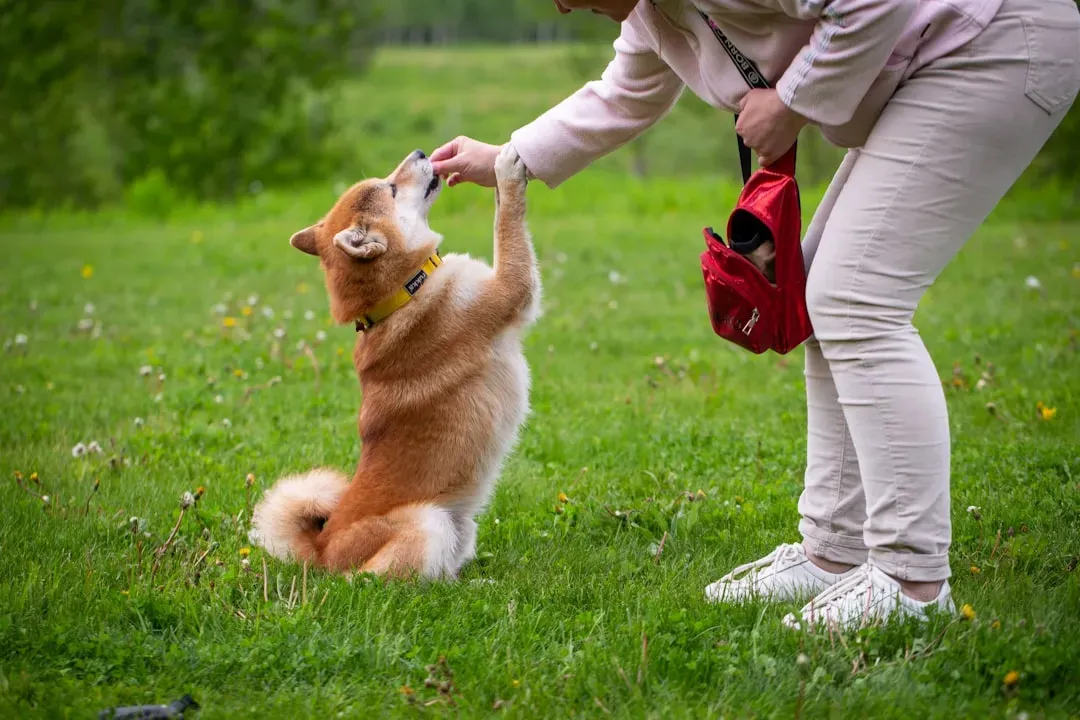
This wasn’t just a down-stay. Trainers specifically worked toward visible physical relaxation – hips rolled, breathing slowed, eyes soft. Dogs were sent to a mat after exercise and rewarded only when actual calm arrived, not just the absence of movement. The mat itself became a cue over time, almost like a trigger for the nervous system to downshift. Owners used the same spot every session, same time of day, same quiet tone.
The habit did something that no single training session could accomplish alone: it gave dogs a practiced off-switch. Evening barking in apartments dropped. Reactivity during dinner decreased. Visitors stopped triggering twenty minutes of chaos. The settle command was boring to teach and the payoff took weeks to arrive, which is exactly why most modern owners skip it. The 1980s owner was less interested in fast results and more interested in a dog that was livable for the next decade.
#9 – Ignoring Excited Greeting Behavior
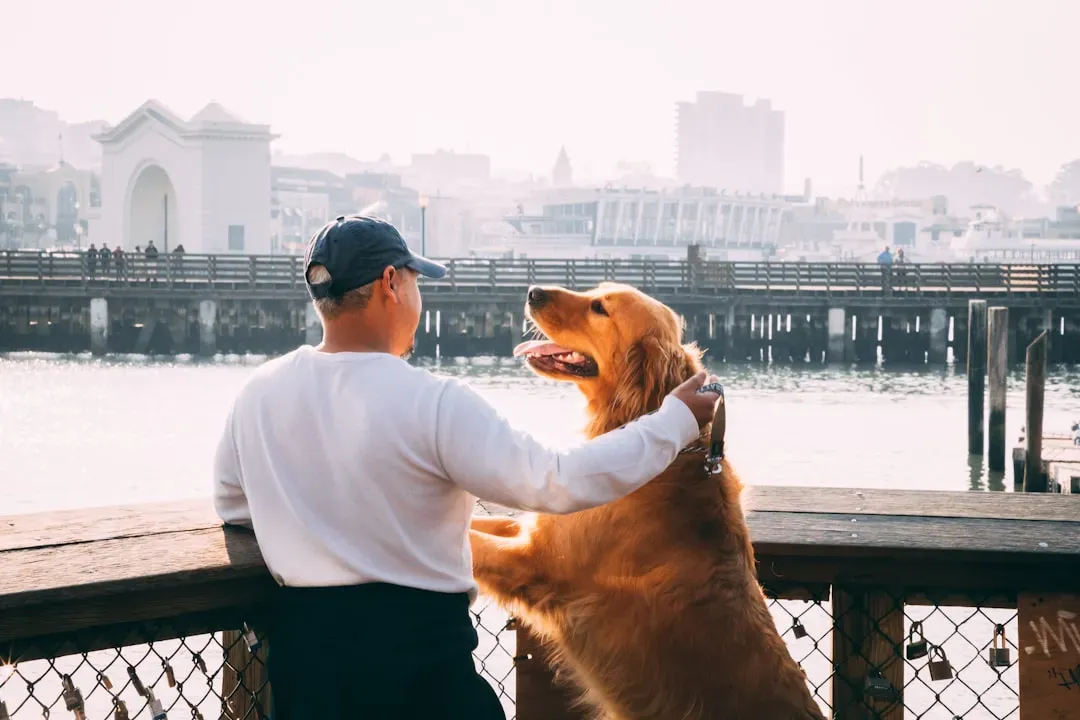
The rule in most 1980s households was absolute: if the dog was jumping, spinning, or barking at the door, the human turned away and waited. No eye contact, no voice, no hands. Excitement got nothing. The moment four paws hit the floor and a breath was taken, the greeting happened – warm but calm. The dog learned the equation fast because the feedback was instant and consistent. The quiet version worked. The loud version got ignored every single time.
This worked faster than modern redirect-with-treats methods in many households precisely because it removed all reward from the unwanted behavior rather than trying to compete with it using food. There was nothing to counter-condition. The excited greeting simply stopped producing results and faded. Families that held this line even when it was awkward – even with guests who wanted to reward the jumping dog – ended up with dogs that greeted children, elderly relatives, and strangers at the door with a calm wag instead of a full-body collision.
#10 – Structured Play Sessions With Clear Start and Stop
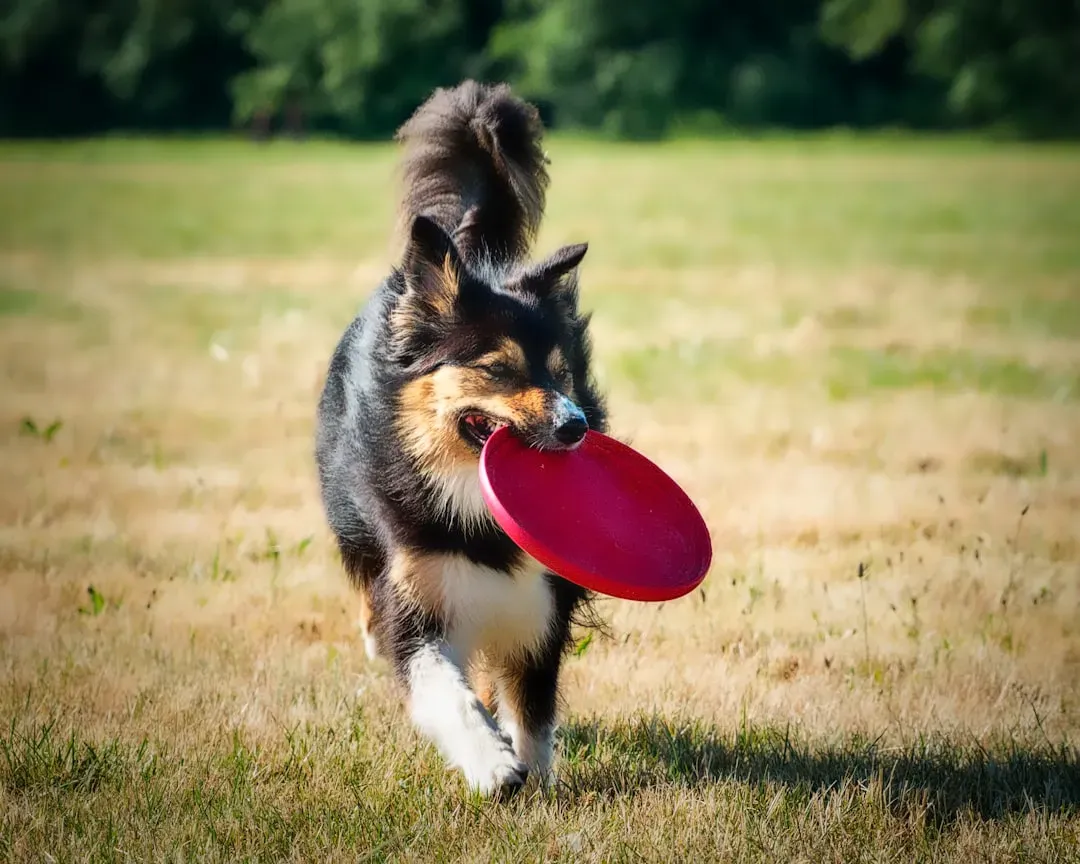
Fetch happened when the owner decided, ended when the owner decided, and always stopped while the dog still wanted more. Tug followed the same framework. Play didn’t drift into the whole evening because there was no such thing as open-ended play in most 1980s training manuals. The concept of “ending on a high note” was taken literally – sessions wrapped up before arousal peaked, not after it crashed into resource guarding or overstimulation snapping.
Many families scheduled structured play right before the evening walk, which served a double purpose: the game burned edge off the energy, and the walk completed the cooldown. Dogs in these households learned that play is a bounded, joyful thing that starts and stops at human direction – which meant they could engage fully during the session and then genuinely switch off afterward. The on-off switch that modern owners desperately try to teach was built quietly into the daily schedule without anyone calling it impulse control training.
Worth Knowing: Why Structured Play Built Calmer Dogs
- Sessions ended before peak arousal – stopping mid-enthusiasm, not after a crash
- Play was owner-initiated, which kept the dog in a follower mindset throughout
- A play session before the evening walk acted as a natural two-stage energy reset
- Clear start and stop signals meant dogs learned the difference between “on” time and “off” time without formal impulse control drills
- Resource guarding and overstimulation snapping were rare in homes where sessions ended on the owner’s terms
#11 – Consistent “No” Without the Lecture
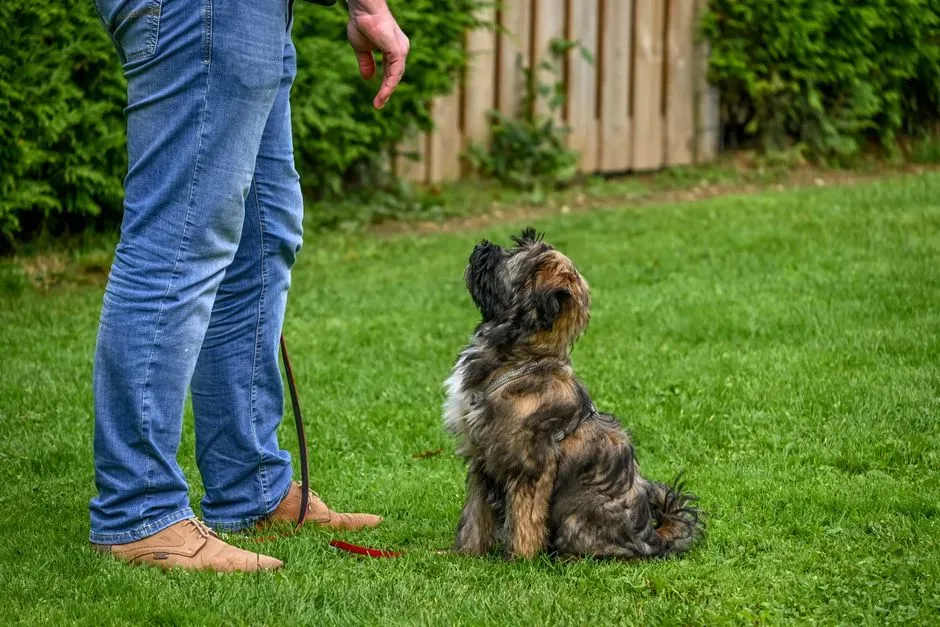
A single firm “no” followed immediately by redirection to the correct behavior was the standard move. No repetition, no escalating volume, no emotional speech about what the dog did wrong and why it was disappointing. One word, one redirection, move on. The clarity was almost jarring compared to how most modern households handle corrections, which often involve multiple repeated commands delivered at increasing emotional intensity until both parties are frustrated.
Dogs trained under this approach learned that “no” meant stop immediately – not stop eventually, not stop when you feel like it, not stop after three more attempts. The unpredictability of inconsistent corrections is one of the most overlooked sources of canine anxiety, and the 1980s style sidestepped it almost entirely. The dog always knew what the word meant and always knew it would be followed through. That reliability, strangely, produced calmer dogs than any amount of patient explaining ever could.
#12 – Daily Brush or Handling Sessions
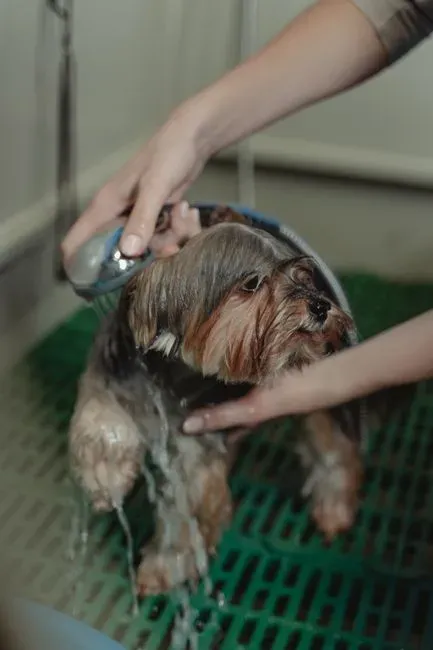
Grooming wasn’t just about coat maintenance. Every daily brushing session was also a handling lesson, whether the owner thought of it that way or not. Ears touched, paws held, mouth opened briefly, tail lifted. Owners started young and kept sessions short enough that the dog never had a reason to escalate. By the time a puppy was six months old, being touched anywhere on its body was simply ordinary – not threatening, not exciting, just normal.
The vet payoff alone made this habit worth every minute. Dogs that had been handled daily since puppyhood moved through examinations without the full-body stress response that makes vet visits a nightmare for owners and animals alike. The grooming ritual also built something less visible but equally important: a deep comfort with human hands in close contact over extended time. That comfort transferred to everything – baths, nail trims, emergency first aid. Routine touch was one of the quietest confidence builders in the 1980s toolkit.
#13 – Limited Toys Rotated on a Weekly Schedule

Three toys out at a time, the rest in a basket in the closet. Every week, the rotation shifted. It sounds almost too simple to matter, but the psychological effect was measurable in behavior. Dogs with constant access to every toy they owned became blase about all of them and still seemed restless. Dogs with a rotating limited selection treated each toy as genuinely interesting and settled more completely between play sessions because the novelty hadn’t been diluted.
The system also prevented the particular kind of overstimulation that comes from a dog spending the whole day carrying toys to anyone who enters the room. That behavior pattern – endearing for about ten minutes, exhausting after that – virtually disappeared in households where toy access was managed. The dogs played hard during play time and rested hard during rest time. The boundary between the two states stayed clean, which is exactly what calm adult behavior looks like from the outside.
#14 – Post-Walk Cool-Down on Leash
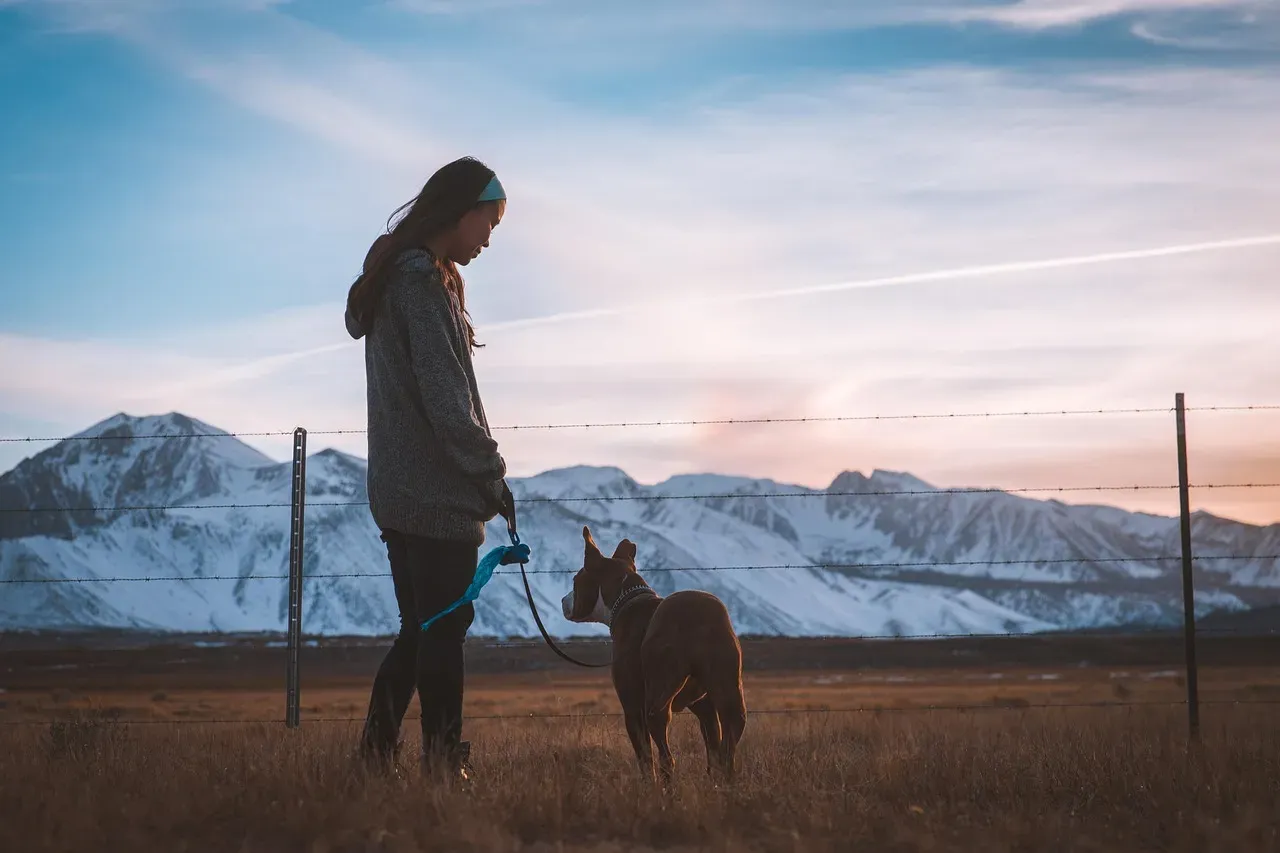
After the walk, the leash didn’t come off immediately in the yard or the house. The dog stayed on lead for another five quiet minutes – slow pace, loose leash, no commands, just decompression. This transition period prevented the second-wind zoomies that happen when a stimulated dog hits free space before the nervous system has downshifted. The leash acted as a physical cue: we’re still in structured mode, the walk isn’t fully over yet.
Owners who practiced this consistently reported that the free time afterward was genuinely calmer and lasted longer before the dog needed attention again. The cool-down also gave owners a built-in moment to practice loose-leash walking in the low-stakes environment of their own yard, which reinforced the skill without any pressure. It was five minutes that most people consider wasted. The dogs that received it regularly were noticeably different by six months of age.
Quick Compare: 1980s Walk Routine vs. Modern Walk Routine
- 1980s: Fixed time daily → structured walk → 5-minute leash cool-down → crate rest
- Today: Walk whenever convenient → leash off immediately at door → free roam of the house
- 1980s result: Dog downshifts within minutes of returning home
- Common modern result: Post-walk zoomies, demand barking, inability to settle for 30+ minutes
#15 – One Primary Handler for Core Training
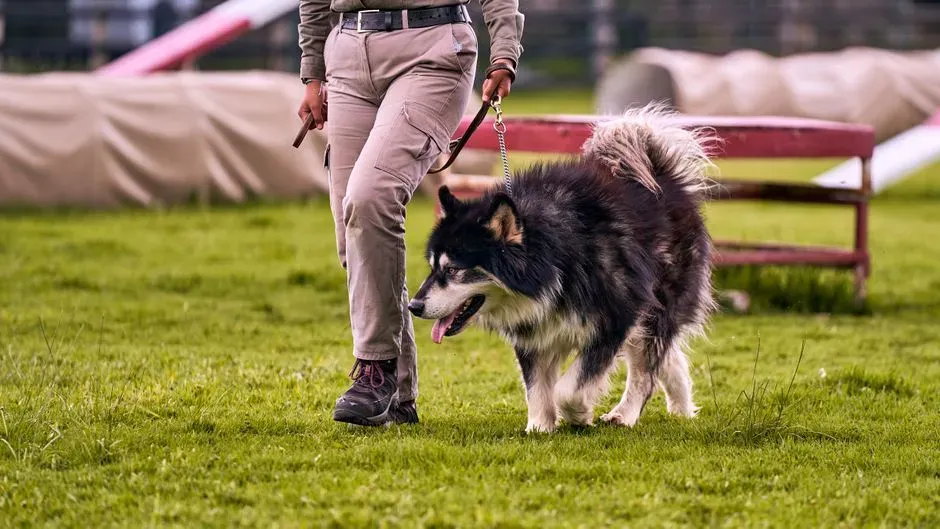
In most 1980s families, one person owned the obedience work. That person used the same cues, the same voice, the same consequences, every single time. Other family members interacted with the dog freely, but the formal training stayed anchored to one consistent handler. The mixed signals that tank most household training programs – Dad says sit once and waits, Mom says sit five times and gives up, the kids say sit in a squeaky voice while laughing – were largely avoided.
The result wasn’t a dog that only listened to one person. It was a dog that had one crystal-clear version of every command stored in memory, and that version transferred to the whole family because the dog understood what the words actually meant. The primary handler’s calm competence also set the emotional temperature for training sessions in a way that multiple handlers rarely can. Dogs trained under this model learned faster, held commands longer, and generalized better to new situations.
#16 – Evening Quiet Hour Before Bed

Somewhere between eight and nine o’clock, the 1980s household shifted gears. TV volume went down, voices lowered, overhead lights dimmed toward lamps. Dogs went to their beds – not sent there as punishment, just guided there as part of the routine – and the human household modeled calm for the next hour. No wrestling on the floor, no fetch in the hallway, no high-pitched greetings for late arrivals. The house itself became a sleep cue.
This wind-down ritual addressed something that modern dog ownership almost entirely ignores: dogs take sleep cues from their environment and the people in it. A household that goes from full noise to lights-out in thirty seconds is asking the dog to make a neurological transition that humans themselves struggle with. The 1980s quiet hour gave everyone – human and canine – the physiological ramp-down that produces actual rest rather than just physical stillness. The dogs that had this routine slept better, and the owners reported fewer middle-of-the-night disturbances within weeks of starting it.
#17 – Weekly Car Rides as Low-Key Exposure
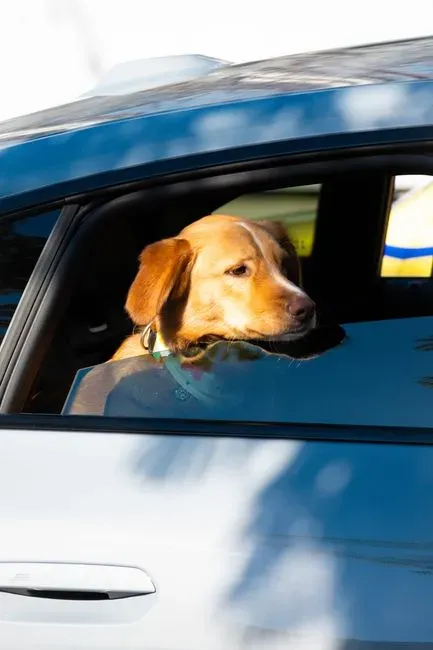
Short drives happened on a regular schedule – to the park, to an errand, to nowhere in particular. The car never became a novelty event that only appeared before the vet or a long trip, which meant it never accumulated the anxiety that novelty plus confinement produces. Most 1980s dogs rode in the back seat or the cargo area of a station wagon without drama because riding in cars was simply something they had always done, starting from the first week home.
The habit also carried a secondary benefit that owners rarely connected: regular low-stakes car exposure made emergency vet trips dramatically less stressful. A dog that already considers the car a normal, unremarkable part of life doesn’t add car-ride panic on top of whatever physical crisis is already happening. The weekly drive took maybe twenty minutes. The calm it built was available for the dog’s entire life, including the moments when it mattered most.
#18 – Praise Delivered Only After Task Completion
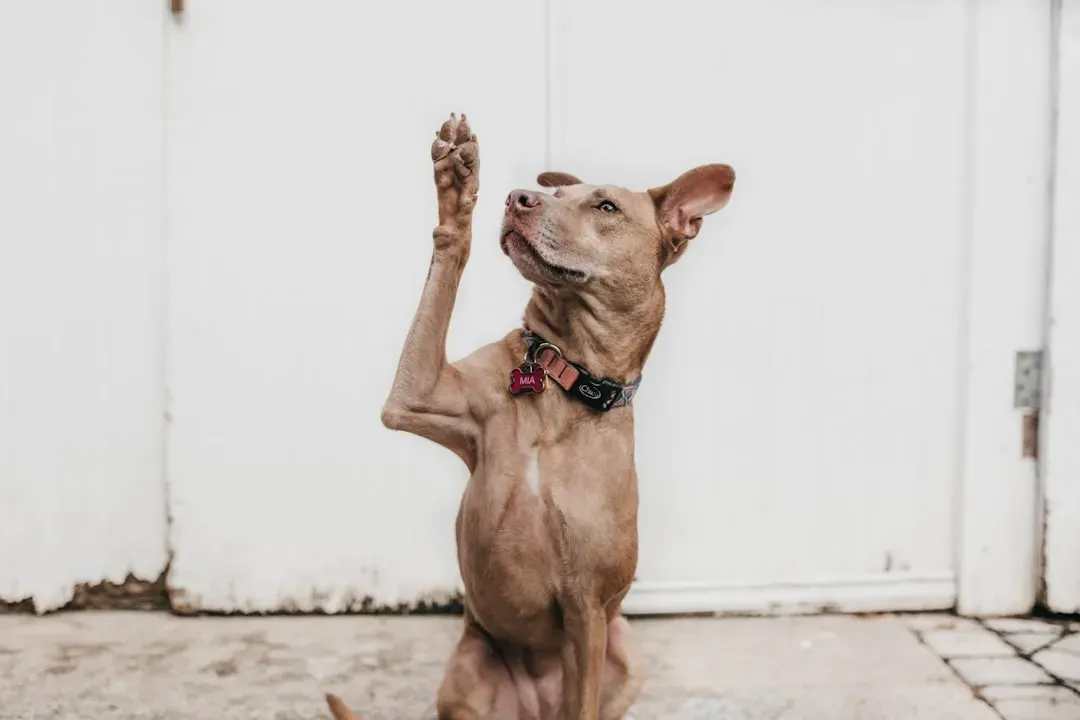
“Good dog” came after the sit held for three seconds – not during the process of asking for it, not as encouragement halfway through, not as a preemptive reward for looking like maybe the dog was thinking about complying. Timing was everything, and the 1980s training culture was surprisingly rigorous about it even without the behavioral science vocabulary to explain why. Praise during the behavior interrupted it. Praise after it reinforced the finished product.
This precision had a calm-building effect that most owners never consciously noticed. Dogs that received delayed, earned praise developed what trainers now call duration and impulse control almost automatically. They learned to hold the position because holding was what triggered the reward, not the movement toward it. The sit became a stay without anyone specifically teaching the stay. The down became a settle. The habit of waiting for completion over rewarding intention quietly built the emotional regulation that owners in that era took for granted as just “a well-trained dog.”
Why It Stands Out: Praise Timing Then vs. Now
- 1980s standard: One “good dog,” delivered calmly, after the full behavior was complete
- Praise during the behavior was specifically avoided – it interrupted the exercise and spiked arousal
- Dogs built natural duration and stay behavior without it ever being formally taught as a separate command
- Low-key verbal praise kept the dog’s emotional state steady – no excitement spike, no loss of focus
- The result was impulse control that transferred to every other area of the dog’s life, not just sit-stay drills
#19 – No Couch Privileges Until Calm Was Demonstrated

Furniture access was earned, not assumed. A dog that jumped onto the couch uninvited got quietly placed back on the floor – not scolded, not made into a big moment, just redirected without drama. The invitation to join came only after the dog had been lying calmly on the floor for some period of time, however the individual household defined “calmly.” Once on the couch, uninvited movement ended the privilege for that session. The rule was consistent and completely unemotional.
The payoff wasn’t really about the couch. It was about impulse control in the family’s shared spaces – the rooms where the dog spent the most time, around the people the dog was most attached to, in the situations where arousal was hardest to manage. A dog that learned to wait for an invitation before accessing its favorite resting place was practicing the same cognitive skill it needed to wait at doorways, wait before eating, and wait before greeting. The couch rule was a daily impulse control rep that didn’t look like training at all.
#20 – Leash Corrections Kept Minimal and Precisely Timed

Where corrections were used on leash, the 1980s standard was a quick, light pop followed by immediate slack – not a sustained pull, not a jerk repeated three times, not a correction held until the dog complied. The timing had to be precise, which meant handlers practiced it. Trainers emphasized that a well-timed minimal correction was more effective and less damaging to the relationship than a forceful correction delivered late. The dog felt a clear signal, not a punishment.
The immediate return to slack leash was as important as the correction itself. Constant leash tension communicates ongoing conflict, and dogs that walk against perpetual pressure develop a specific kind of chronic low-level stress that erodes calm on walks over time. The 1980s model was signal and release – information delivered cleanly, then the moment moved on. Walks stayed relaxed between corrections because the leash went loose the moment the lesson was delivered. That physical release was its own reward for settling back into the correct position.
#21 – Seasonal Grooming as Extended Calm Practice
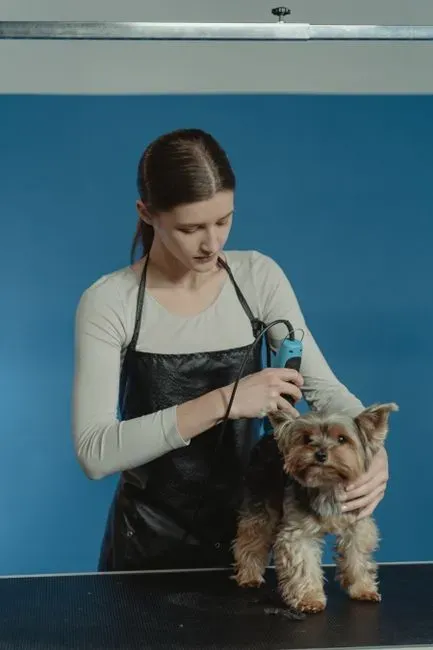
Spring and fall shedding seasons meant longer grooming sessions – sometimes forty-five minutes of brushing on a single coat blowout. These extended sessions served double duty as prolonged calm handling practice at exactly the time of year when dogs were most physically uncomfortable from coat changes. Owners who maintained a consistent, quiet demeanor during these long sessions built a level of handling tolerance that a brief daily brush simply couldn’t replicate.
The extended bonding time also had effects that are harder to quantify but consistently reported by long-term owners from that era: a deepened trust, a dog that actively sought the owner’s company during physical discomfort rather than withdrawing or snapping. The dog had learned, over years of calm handling, that human hands near its body meant relief and closeness rather than threat. That association doesn’t develop from a handful of short grooming sessions. It accumulates across hundreds of quiet hours that most modern owners simply don’t carve out anymore.
The 1980s didn’t produce calm dogs by accident or by luck of the genetic draw. They produced them through the relentless application of a few core ideas: structure before freedom, predictability before permissiveness, and consistency over the long arc of a dog’s life rather than enthusiasm in the first six months. Many of those habits require nothing special – no equipment, no certification, no subscription app. They require only the willingness to be boring and reliable every single day. The dogs that grew up in those households lived quieter, less anxious lives because their world made sense to them. That might be the most underrated thing any owner can give a dog, in any decade.

- The 6 Zodiac Signs Whose Spirit Animals Reveal Their Darkest Secrets - August 15, 2026
- 10 Things You Should Never Do Around Cats (Even If You Think They Like It) - August 15, 2026
- What Legendary Animal Are You According to Your Zodiac Sign - August 15, 2026