

If your dog has ever demolished a flower bed, belly-flopped into your vegetable patch, or dug a crater where your prize roses used to be, you already know the painful truth: a garden designed only for humans is basically a minefield for dogs. Most people assume they have to choose between a gorgeous outdoor space and a happy, safe pup. That assumption is completely wrong.
The good news is that the best dog-friendly gardens don’t look like dog-friendly gardens. They look thoughtful, intentional, and beautiful – and underneath that, they’re quietly engineered around how dogs actually move, dig, sniff, and play. Here are 12 ideas that make the whole thing work, and a couple of them will completely change how you think about your outdoor space.
12. Designate a Digging Zone
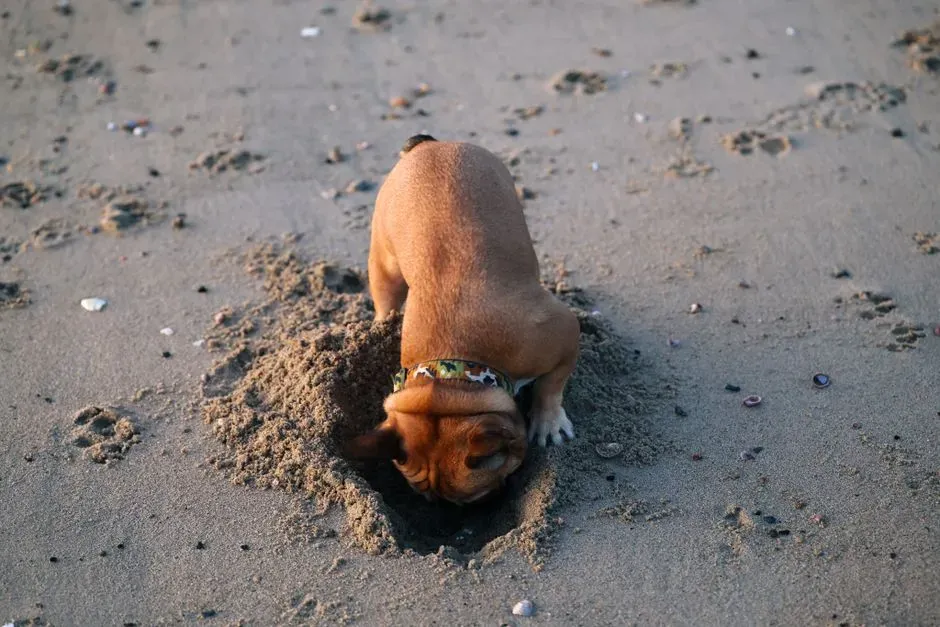
Digging isn’t misbehavior – it’s hard-wired into your dog’s DNA. Fighting it is a losing battle that ends with you furious and your dog confused. The smarter move is to give them a spot that’s theirs and theirs alone.
Set aside a corner of the garden and fill it with loose soil or soft sand. Bury a few toys or treats just below the surface to kick off the habit. Once your dog claims that patch as their personal treasure hunt, the rest of your flower beds suddenly become a lot less interesting.
Fast Facts
- Loose sand or soft loam works best – it’s easy to dig and gentle on paws
- Burying 2 to 3 toys or treats at the start teaches your dog the zone is rewarding
- A 4 ft x 4 ft patch is enough for most medium to large breeds
- Low timber edging or a simple border keeps the dig zone clearly defined
- Refreshing buried treats every few days keeps interest high long-term
11. Install Durable Pathways
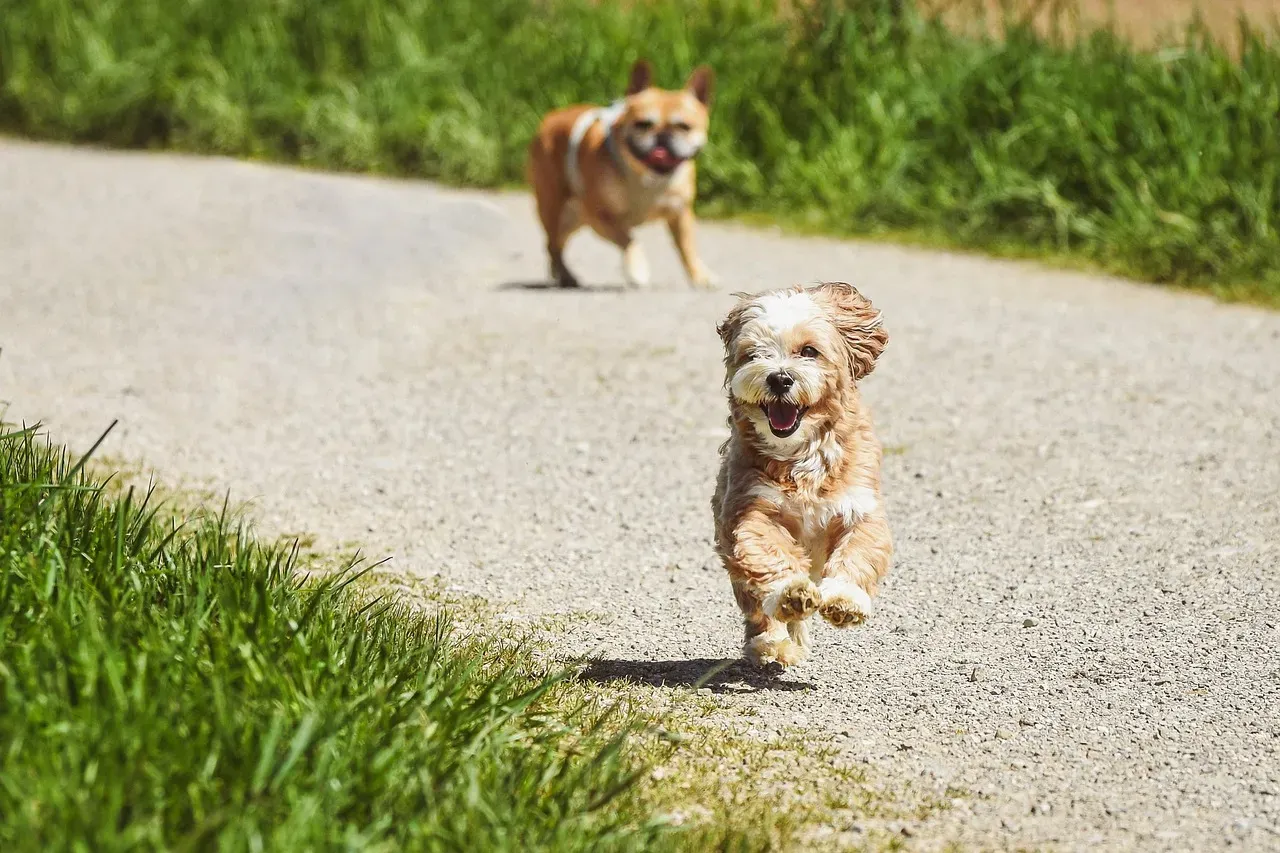
Watch your dog for a week and you’ll notice something: they walk the same routes every single day. That instinct to patrol a perimeter is ancient. The problem is that instinct destroys grass and turns your lawn into a muddy racetrack within a season.
Lean into it. Lay down pathways using pea gravel, flagstone, or bark mulch along your dog’s favorite routes. You’re not fighting their habits – you’re designing around them. The result is a garden that looks intentionally structured and stays cleaner than anything a “no dogs allowed” rule ever managed.
10. Choose Non-Toxic Plants
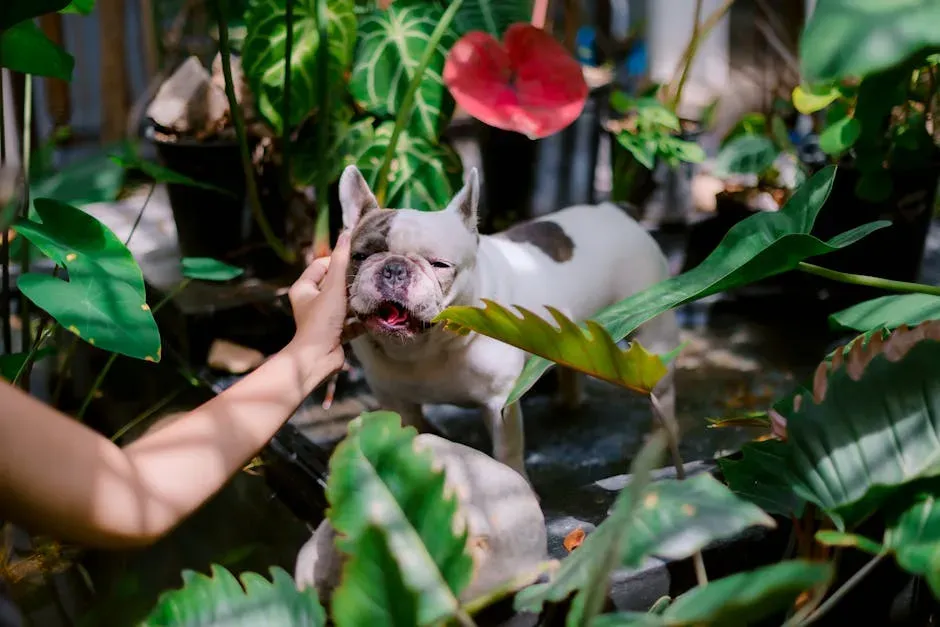
This one is less about aesthetics and more about not ending up at the emergency vet on a Sunday night. The list of common garden plants that are toxic to dogs is genuinely alarming: sago palm, foxglove, azalea, autumn crocus. Many of them are beautiful, which makes it worse.
The safe alternatives are just as lovely. Lavender, rosemary, sunflowers, snapdragons, and marigolds are all dog-safe and visually striking. Swap out any questionable plants before your dog sniffs them into trouble, and always check new additions against a reliable pet toxicity list before they go in the ground.
Quick Compare
| Avoid These | Safe Swap |
|---|---|
| Azalea / Rhododendron | Camellia or Rose of Sharon |
| Foxglove | Snapdragon or Pansy |
| Sago Palm | Areca Palm (pet-safe) |
| Lily of the Valley | Sunflower or Daylily |
| Aloe Vera | Hen and Chicks (Echeveria) |
Emergency contacts: ASPCA Poison Control: (888) 426-4435 • Pet Poison Helpline: (855) 764-7661
9. Create Shaded Retreats
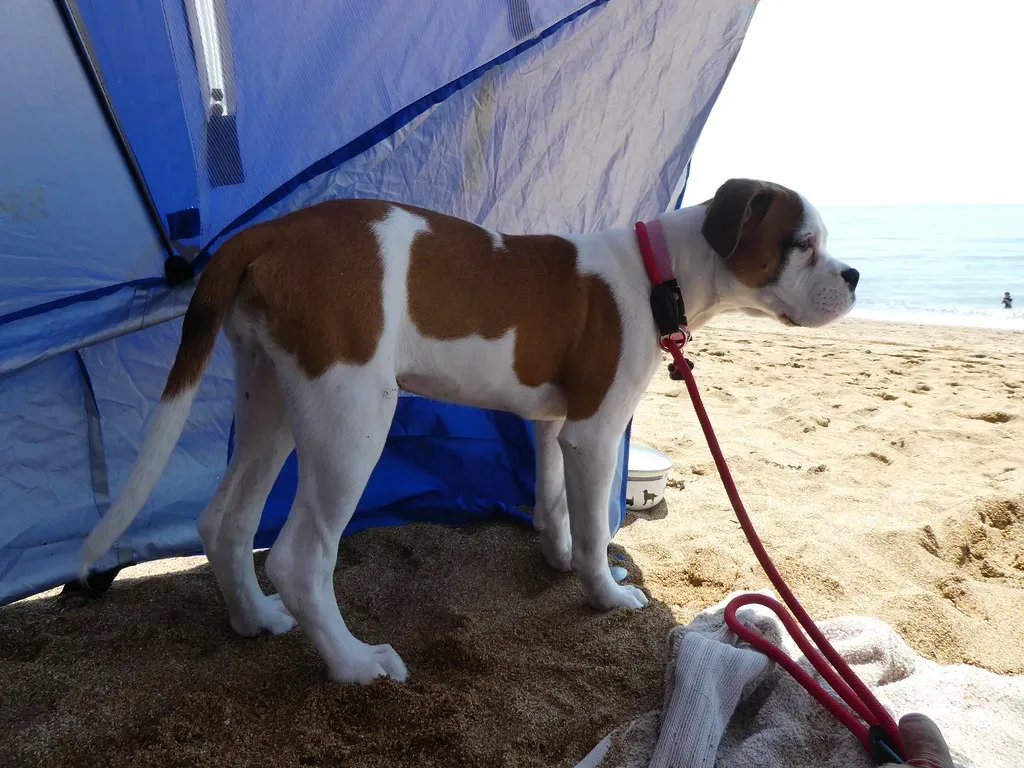
Dogs can overheat fast, and they don’t always have the sense to stop and rest before it becomes dangerous. A garden without shade is essentially a hot concrete problem waiting to happen on the first warm day of summer.
Pergolas, mature trees, a well-placed sail shade, or even a simple wooden dog house tucked under a canopy all solve this beautifully. Position a water bowl in the shaded area so your dog naturally gravitates there when the temperature climbs. Comfort and safety, wrapped in something that looks completely intentional.
8. Use Raised Garden Beds
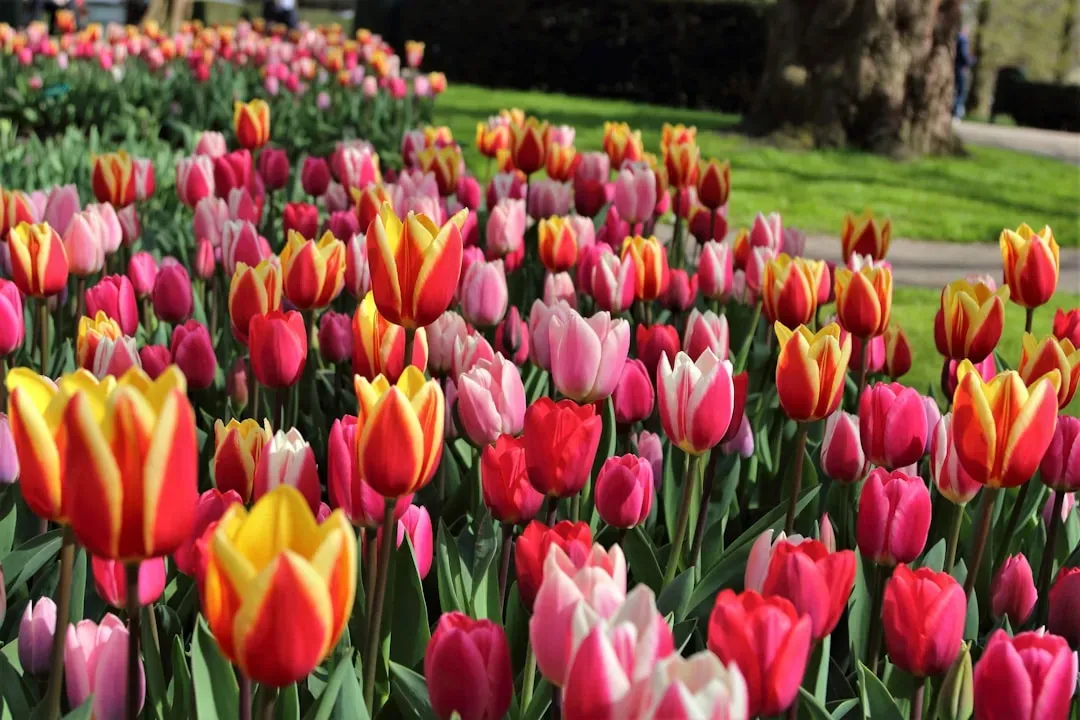
Delicate plants and curious dogs are a terrible combination at ground level. Raised beds solve the problem almost immediately – the physical elevation creates a natural boundary that most dogs respect without needing to be trained on it.
Timber, brick, or galvanized steel raised beds don’t just protect your plants. They bring structure and visual height to a garden that might otherwise feel flat. Grow your herbs, vegetables, or ornamental flowers up high, and let your dog have the run of the ground level without either of you having to compromise.
7. Incorporate Sensory Elements
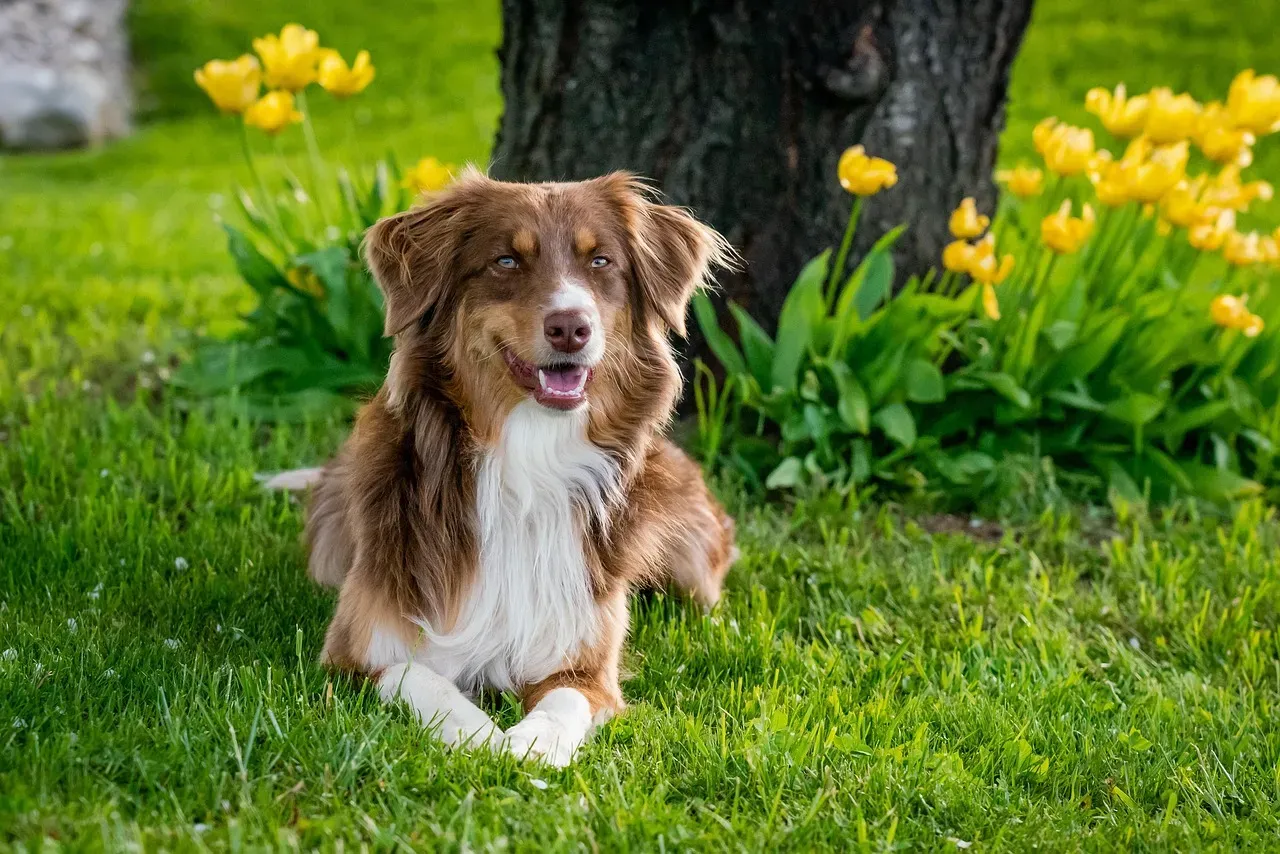
A bored dog is a destructive dog. It’s not a character flaw – it’s just a brain looking for stimulation. The good news is that gardens are incredibly rich sensory environments if you design them that way intentionally.
Plant herbs like basil, thyme, and mint where your dog can brush against them as they wander. Add ornamental grasses they can push through. Scatter different textures underfoot – smooth stone, soft mulch, rough gravel. Every new smell and surface is mental enrichment, and a mentally stimulated dog is one that isn’t redesigning your garden beds from scratch.
At a Glance: Best Sensory Plants for Dogs
- Rosemary – dog-safe, aromatic, thrives in most U.S. climates
- Creeping thyme – soft underfoot, hardy groundcover, fully canine-safe
- Basil & mint – safe to sniff and graze, double as kitchen herbs
- Ornamental grasses – rustling sound and texture dogs love to push through
- Phlox – low flowering groundcover, dog-safe, great for sniff trails
6. Install Secure Fencing
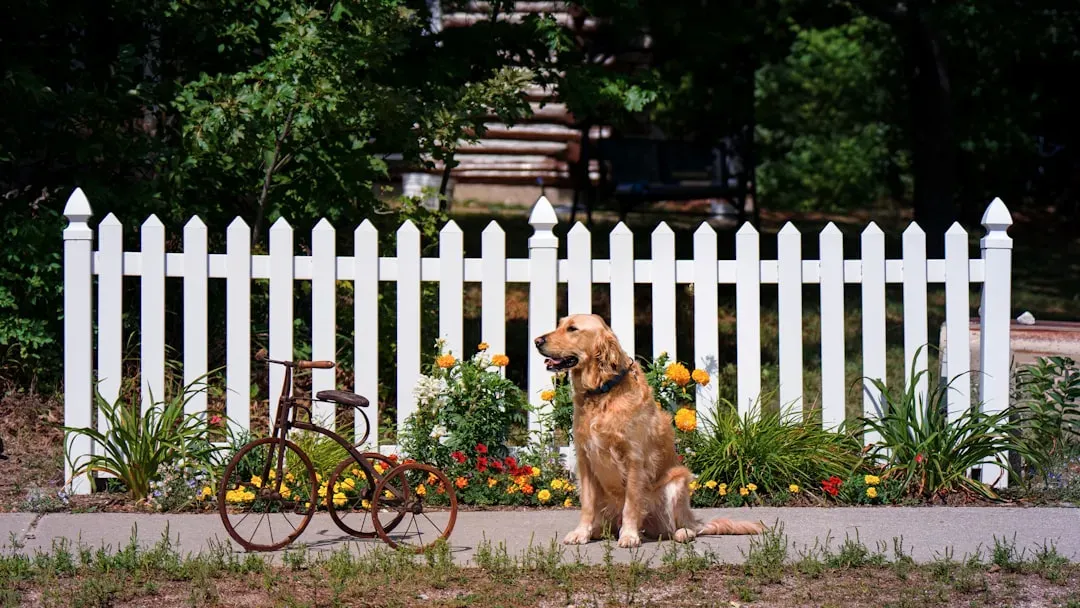
Here’s the thing about fencing that most people underestimate: a dog who wants out will find the gap, the weak post, or the soft ground underneath. One good inspection of most residential garden fences reveals at least three spots a motivated dog could exploit.
Go taller than you think you need, especially for athletic breeds. Sink the base several inches into the ground to block diggers. Fit self-closing latches on every gate – the kind that latch automatically, because humans are reliably forgetful. A secure boundary isn’t just peace of mind. It’s the foundation everything else in this list rests on.
5. Provide a Water Feature
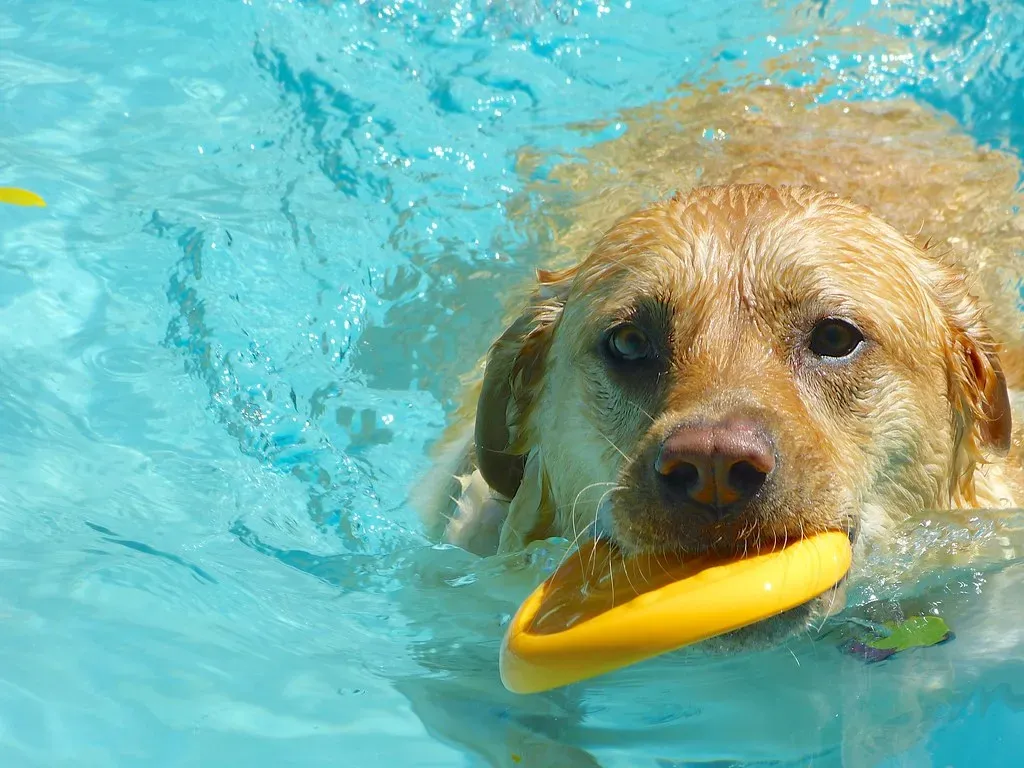
There is almost nothing funnier or more joyful than watching a dog discover a shallow splash pool on a hot day. A simple dog-friendly water feature – a low fountain, a shallow basin, or a small paddling pool – becomes one of those backyard additions you’ll wonder how you ever lived without.
Keep it shallow enough to be safe and positioned where the water stays clean. Avoid deep ornamental ponds with steep sides or slippery edges, which can turn dangerous fast for an excited dog who overshoots their landing. Keep the water fresh and you’ll have one very happy, very wet dog all summer long.
4. Use Pet-Safe Mulch
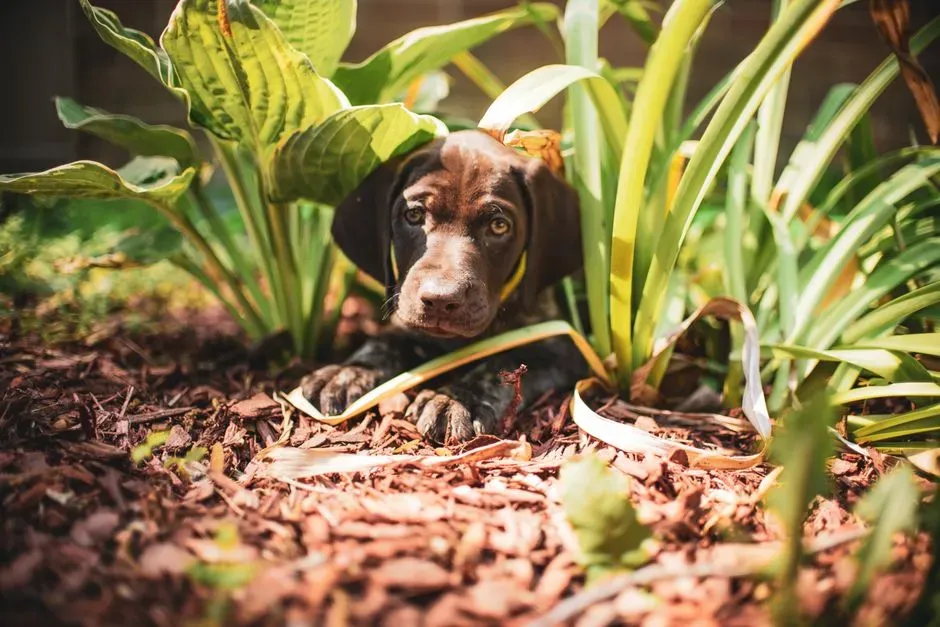
Cocoa mulch is everywhere in garden centers, smells incredible, and is genuinely toxic to dogs. The theobromine it contains – the same compound that makes chocolate dangerous – can cause serious harm if your dog eats enough of it. And dogs, given the chance, absolutely will eat it.
Cedar and pine bark mulch are the go-to safe alternatives. They suppress weeds, retain moisture, and feel soft underfoot. Cedar even has the bonus of naturally repelling certain insects. It’s a simple swap with zero downsides and one very significant upside: your dog can sniff, nose around, and walk across your garden beds without you watching them like a hawk.
Worth Knowing: Mulch Safety at a Glance
- Safe: Cedar bark, pine bark nuggets, cypress mulch, shredded hardwood
- Avoid: Cocoa shell mulch (contains theobromine – toxic to dogs), treated or dyed wood chips
- Use caution: Large nugget sizes can be a choking hazard for enthusiastic chewers
- Cedar’s natural insect-repelling scent is strongest in the first 6 to 12 months after laying
- Opt for undyed, untreated varieties – the natural color is better for your dog and your soil
3. Create Open Play Areas
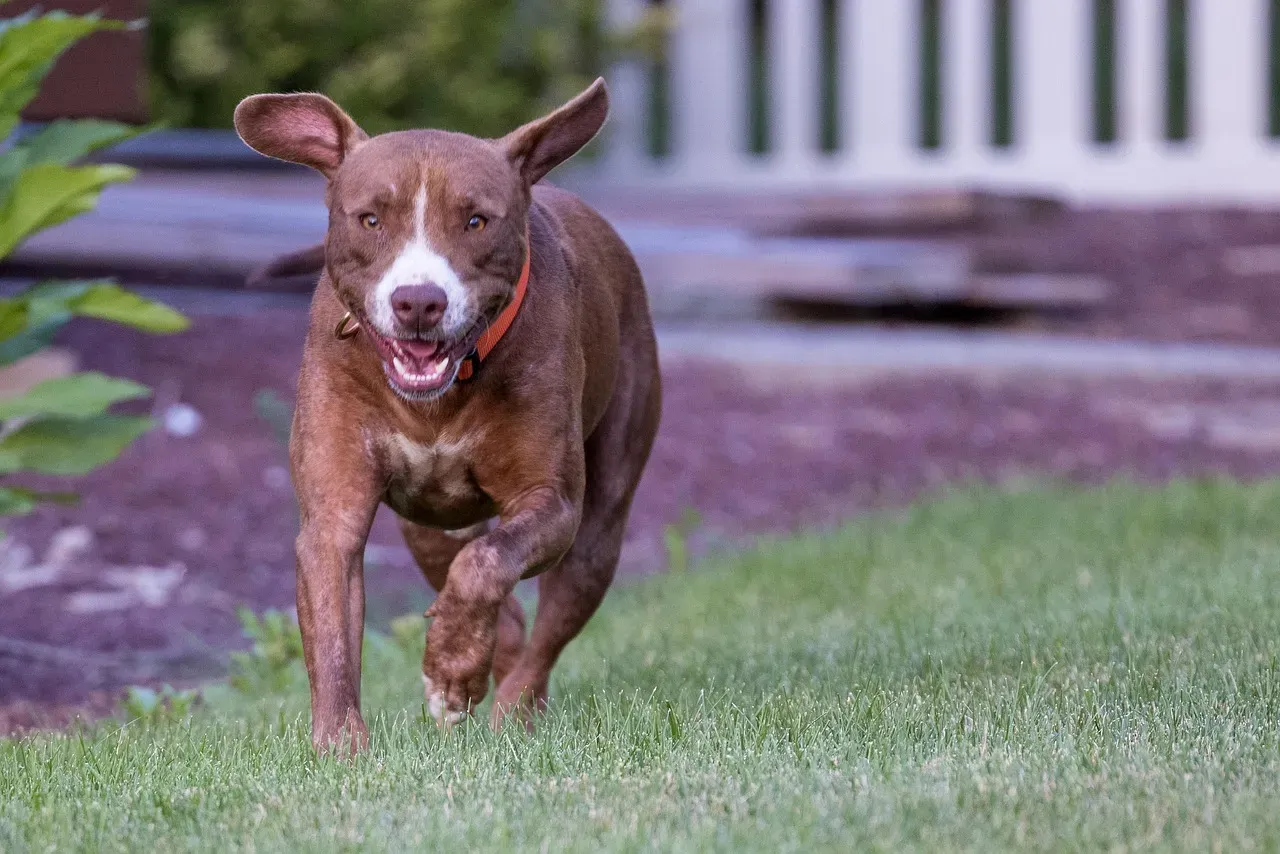
Dogs need to run. Not a little trot to the back fence and back – a real, full-speed, ears-flat sprint that burns off energy and genuinely satisfies something deep in their nature. A garden that’s all structure and no open space is denying them that completely.
Reserve a solid stretch of your yard as a clear, obstacle-free play zone. Hard-wearing turf varieties or durable ground covers like clover hold up to heavy use far better than standard grass. Keep it mowed, keep it clear, and then just let your dog be a dog out there. The rest of your carefully designed garden will thank you for it.
2. Incorporate Agility Features
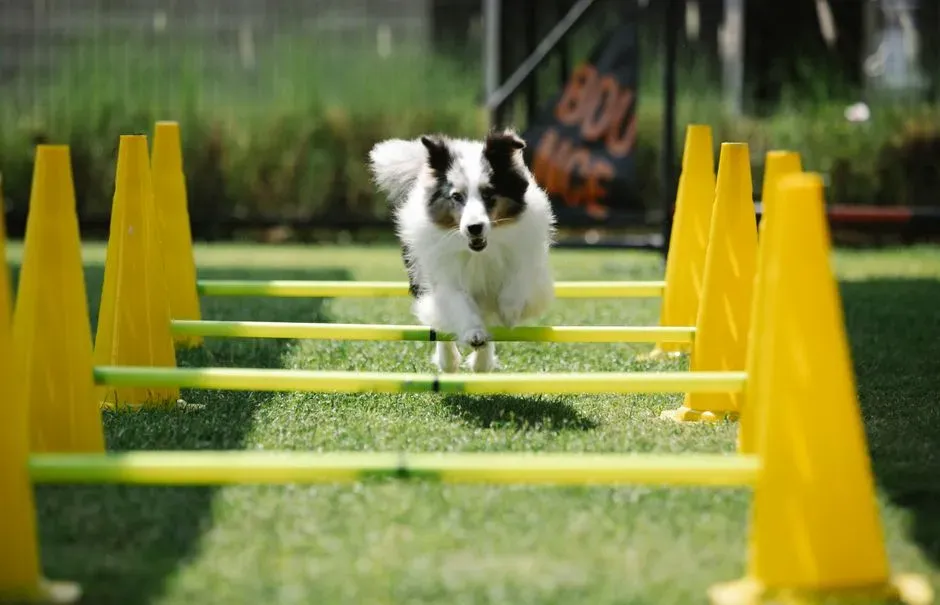
This is the idea that people often dismiss as over-the-top until they try it – and then they can’t believe how much their dog loves it. A simple tunnel, a low jump bar, a ramp, or a set of weave poles transforms a flat garden into an actual adventure for a dog with energy to burn.
You don’t need a competition-grade agility course. Compact, well-designed backyard agility sets are widely available, and many of them look surprisingly good as garden features. The payoff is enormous: a dog who gets genuine mental and physical exercise in your own yard is calmer, less destructive, and visibly happier. That’s worth a tunnel and a jump bar.
Why It Stands Out
- Backyard agility burns physical energy and mental energy – a powerful combination for high-drive breeds
- Starter sets with a tunnel, jump bar, and weave poles typically run $50 to $150
- Equipment doubles as a genuine garden focal point when positioned well
- Short 10-minute sessions are enough to noticeably reduce destructive behavior at home
1. Use Natural Barriers
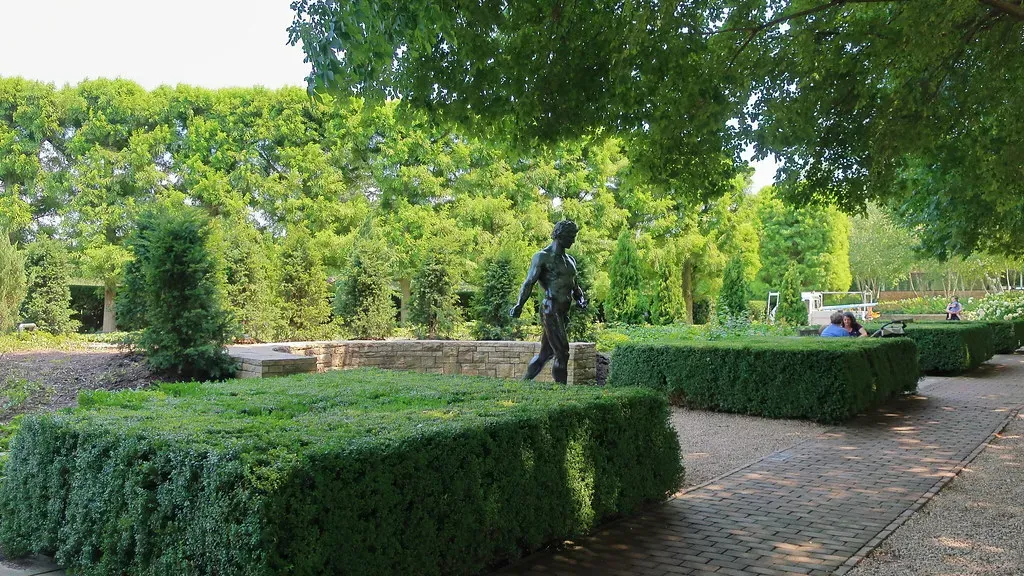
The most elegant solution in the whole list is also the most overlooked. Dense hedging, thick shrubs, or layered plantings can divide a garden into zones just as effectively as fencing – without any of the visual hardness. A wall of rosemary or a thick boxwood hedge is beautiful to look at and impenetrable enough to keep a dog from crashing into an area you’d rather they avoided.
Natural barriers also add depth, color, and seasonal texture to a garden in a way that timber panels and wire simply can’t. They soften boundaries instead of announcing them. Done well, visitors won’t see a dog-proofed garden at all. They’ll just see a layered, thoughtfully planted outdoor space that happens to work perfectly for everyone who lives there – four legs included.
The Honest Truth About Dog-Friendly Gardens
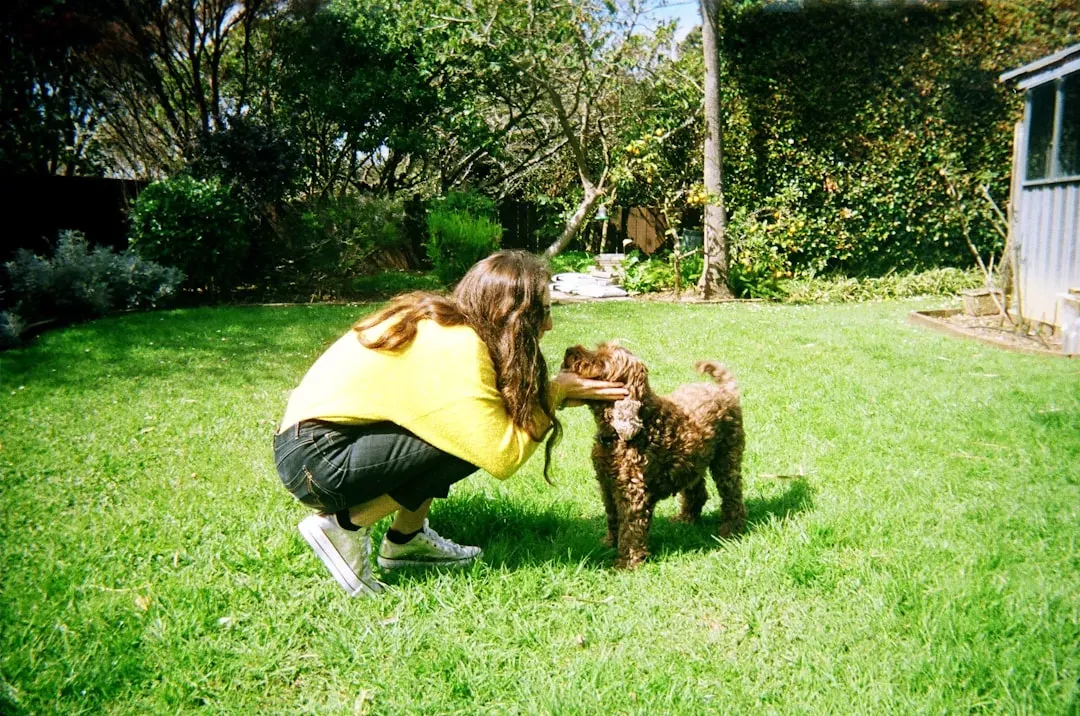
The idea that you have to sacrifice one for the other – a beautiful garden or a happy dog – has always been a false choice. Every idea on this list proves that designing for your dog actually pushes you toward better, more intentional garden design overall. Defined zones. Durable materials. Thoughtful planting. Secure boundaries. These aren’t compromises. They’re just good gardening. The only difference is that your dog gets to fully enjoy the result too, and honestly, watching a dog sprint across a well-designed yard or splash around in a shallow water feature on a summer afternoon is one of those simple things that makes all the effort completely worth it.
