

Somewhere along the way, gardeners got convinced that a beautiful yard has to cost you every free Saturday you own. Snip this, stake that, water twice a day or watch it wilt. It’s exhausting just to think about, and it’s also mostly a myth.
There’s a small group of stubborn, showy perennials that do the opposite of high-maintenance. They shrug off drought, ignore bad soil, and keep blooming from June straight through the first frost while you do almost nothing. Stick around, because the flower at the very top of this list is the one nurseries sell out of every single spring — and there’s a good reason gardeners keep coming back for it.
12. Coneflower: The Butterfly Magnet That Won’t Quit
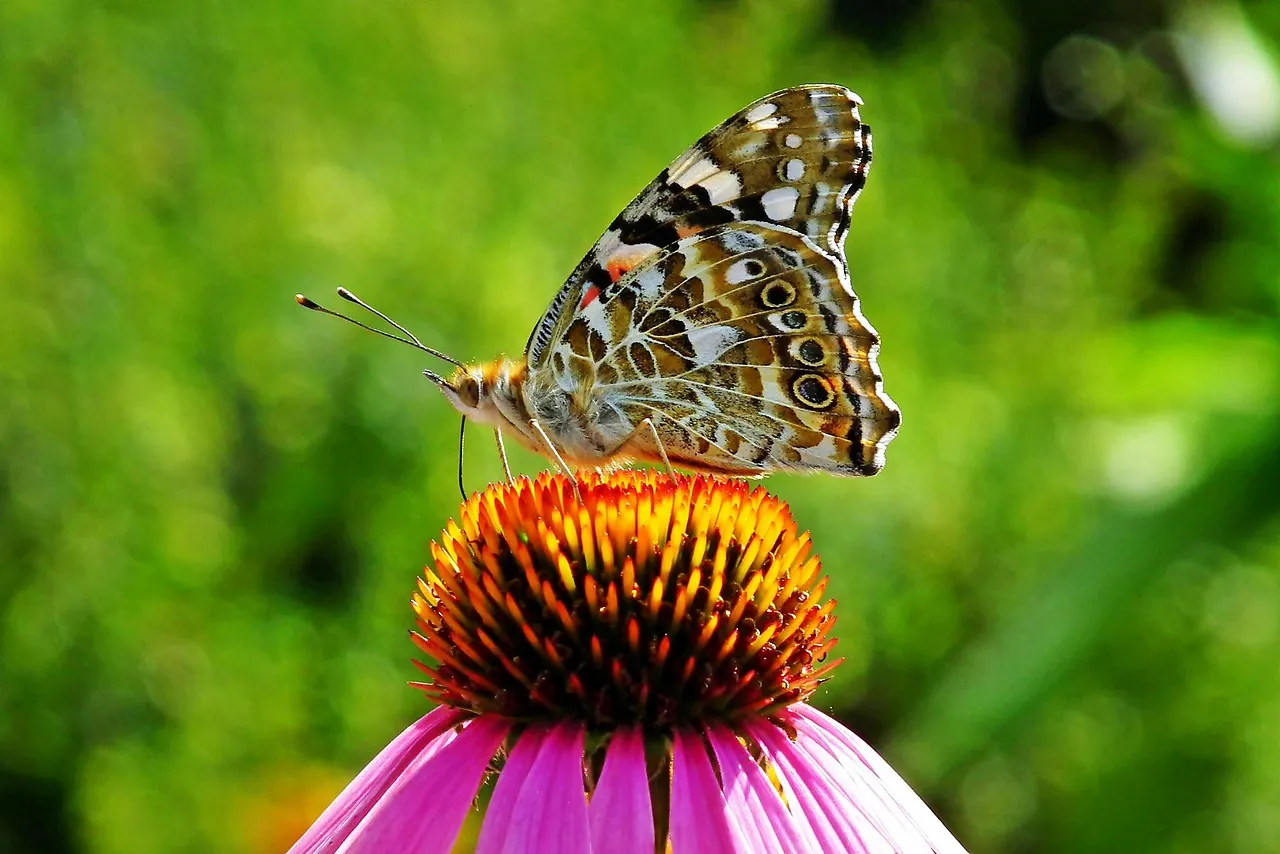
Coneflowers look like they should be fussy — those bold, daisy-like petals in purple, pink, white, and orange practically beg to be babied. They’re not. Once these hardy perennials settle in, they bloom from early summer straight through fall, pulling in butterflies and hummingbirds like a dinner bell.
Give them full sun and soil that drains well, and coneflowers basically take it from there. They’re drought-tolerant once established, so a missed watering week won’t set you back. Deadhead them if you want a longer bloom window, or leave the seed heads standing — birds will thank you for it all winter.
Fast Facts
- Bloom window: early summer through the first frost
- Typical height: 2 to 5 feet, depending on variety
- Common colors: purple, pink, white, and orange
- Care needs: full sun, well-drained soil, minimal watering once established
11. Black-Eyed Susan: Sunshine That Refuses to Fade
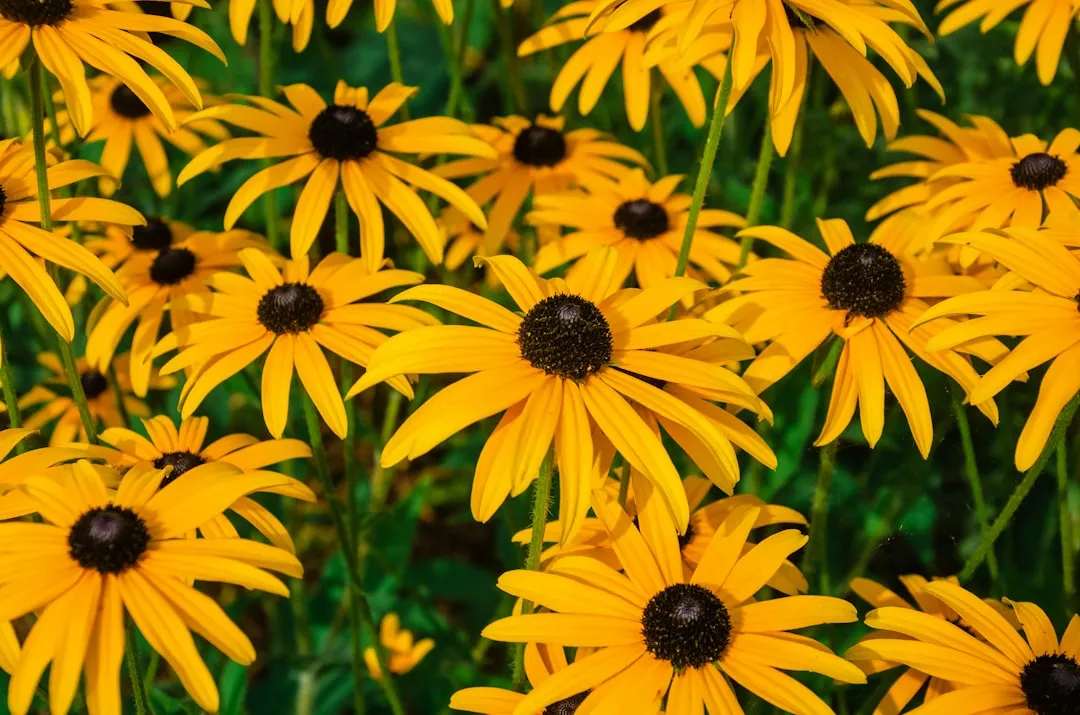
There’s something almost stubborn about a Black-Eyed Susan. Those golden petals and dark chocolate centers show up in early summer and just keep coming, undeterred by heat waves or a gardener who forgot to water.
They handle rough soil, dry stretches, and neglect better than most perennials people fuss over constantly. Once they’re rooted, you can basically leave them alone and they’ll reward you with color clear into fall. It’s the kind of resilience that makes them a staple in beginner gardens and expert ones alike.
10. Daylily: The Rebloomer That Forgives Everything
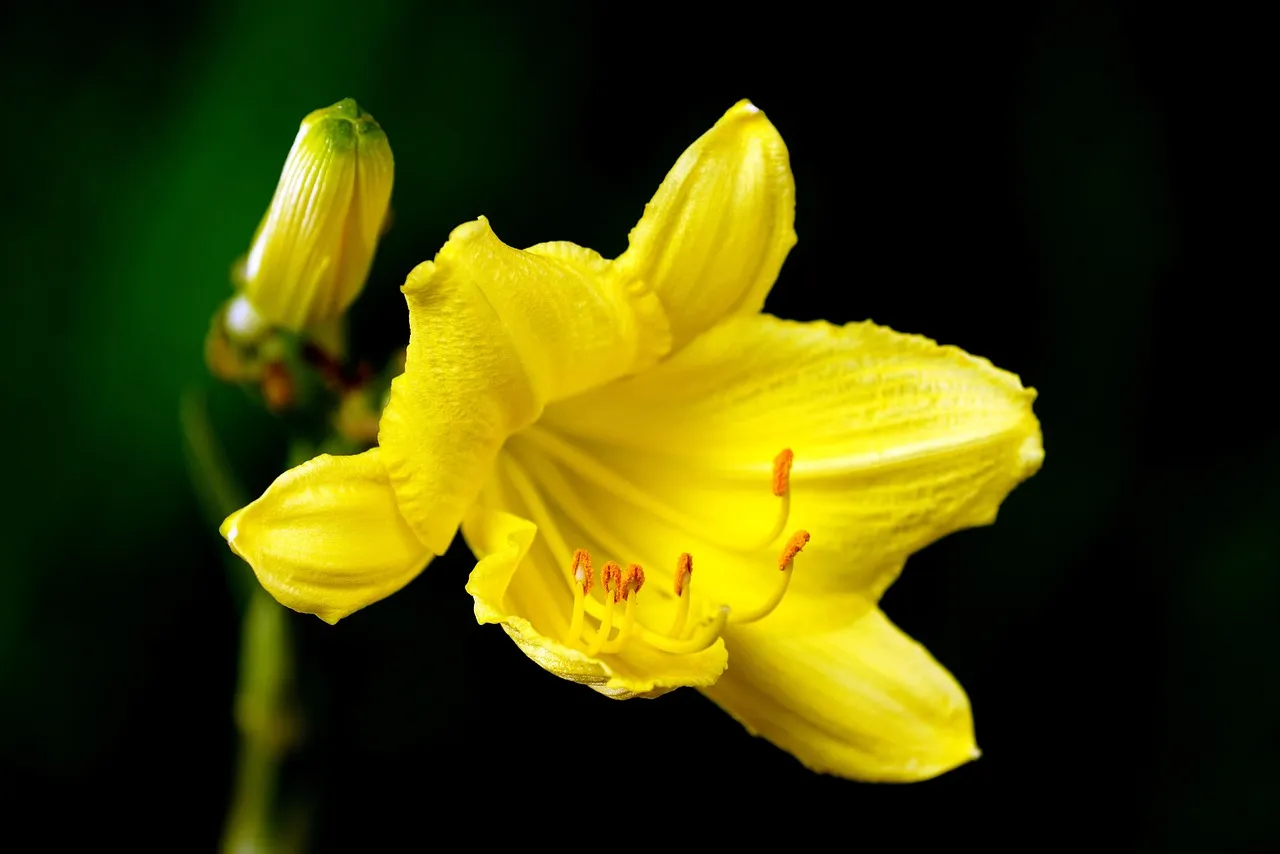
Daylilies have earned a reputation as the ultimate “plant it and forget it” flower. They come in nearly every color you can imagine, and they start blooming early in the season without asking much of you first.
The real trick is that deadheading spent blooms can trigger a second wave of flowers, stretching the color out even longer. Daylilies tolerate poor soil, inconsistent watering, and general neglect, which is exactly why they’ve survived in gardens for generations with almost no fuss.
9. Catmint: The Silver Haze That Blooms for Months
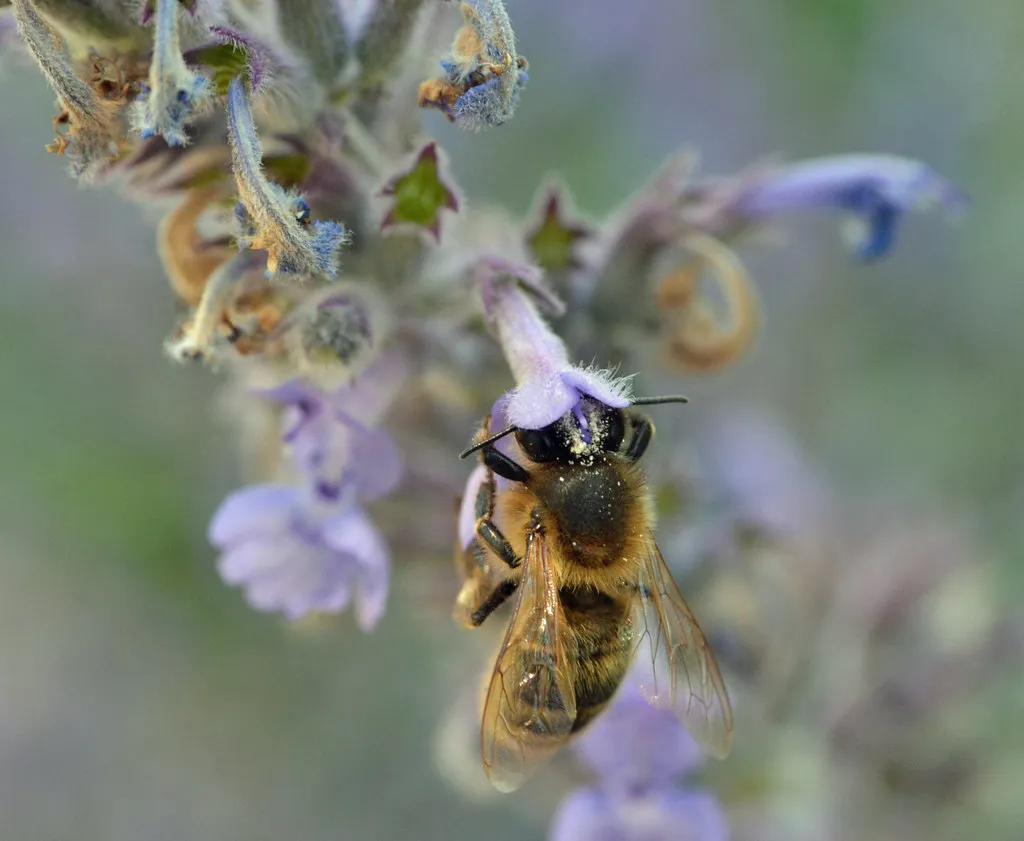
Catmint doesn’t shout for attention, but it earns it anyway. Soft gray-green foliage sets off clouds of blue, lavender, or white tubular flowers that keep going for months, not weeks.
It’s exceptionally cold-hardy, unbothered by mediocre soil, and doesn’t demand regular fertilizer or babying with the hose. Tuck it into an herb garden, a mixed border, or a rock garden, and it’ll quietly outperform flowers that require twice the effort.
8. Sedum: The Succulent That Blooms Late and Loud
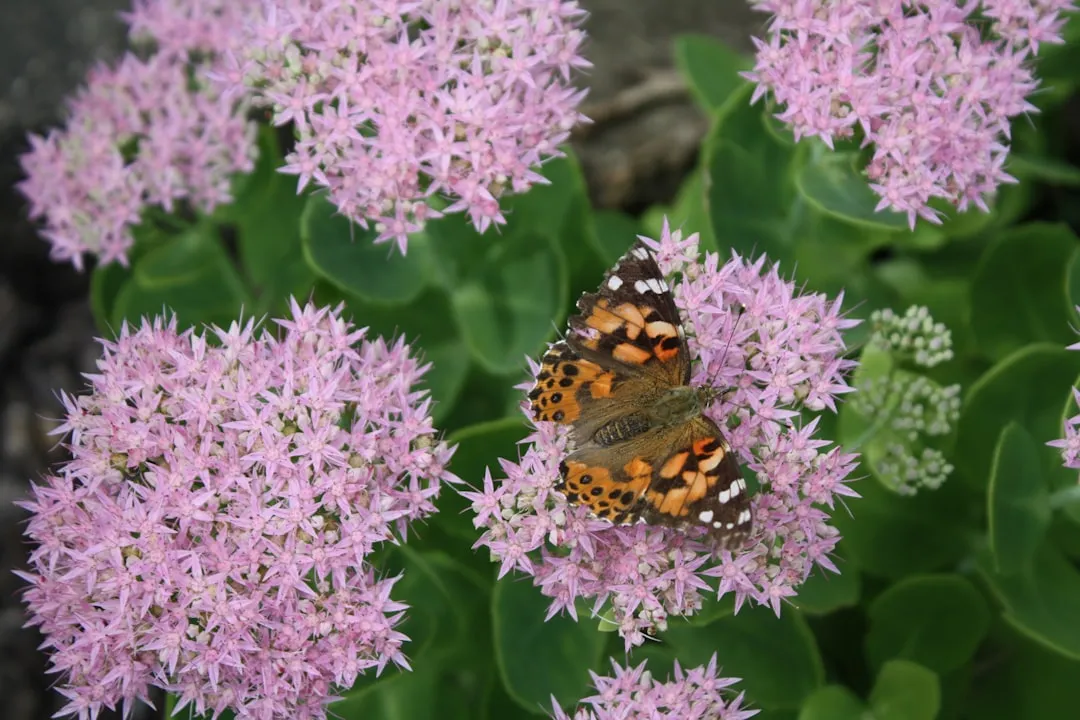
Sedums, or stonecrops, wait until late summer to really show off, which makes them a lifesaver when other flowers are already fading. Their thick, succulent leaves store water like tiny reservoirs, letting them shrug off dry spells that would wilt anything else.
They come in a range of heights and colors, so there’s a sedum for nearly any spot in the garden. On top of the low effort, they’re a genuine pollinator magnet, drawing in bees and butterflies right as the season starts winding down.
Quick Compare: Early vs. Late-Season Bloomers
- Coneflower and Black-Eyed Susan: peak color arrives early-to-mid summer
- Daylily and Catmint: carry strong color through the heart of summer
- Sedum: holds off until late summer and carries color into fall
- Pairing an early bloomer with sedum keeps a bed colorful from June to frost
7. Bee Balm: The Fragrant Bloomer Deer Won’t Touch
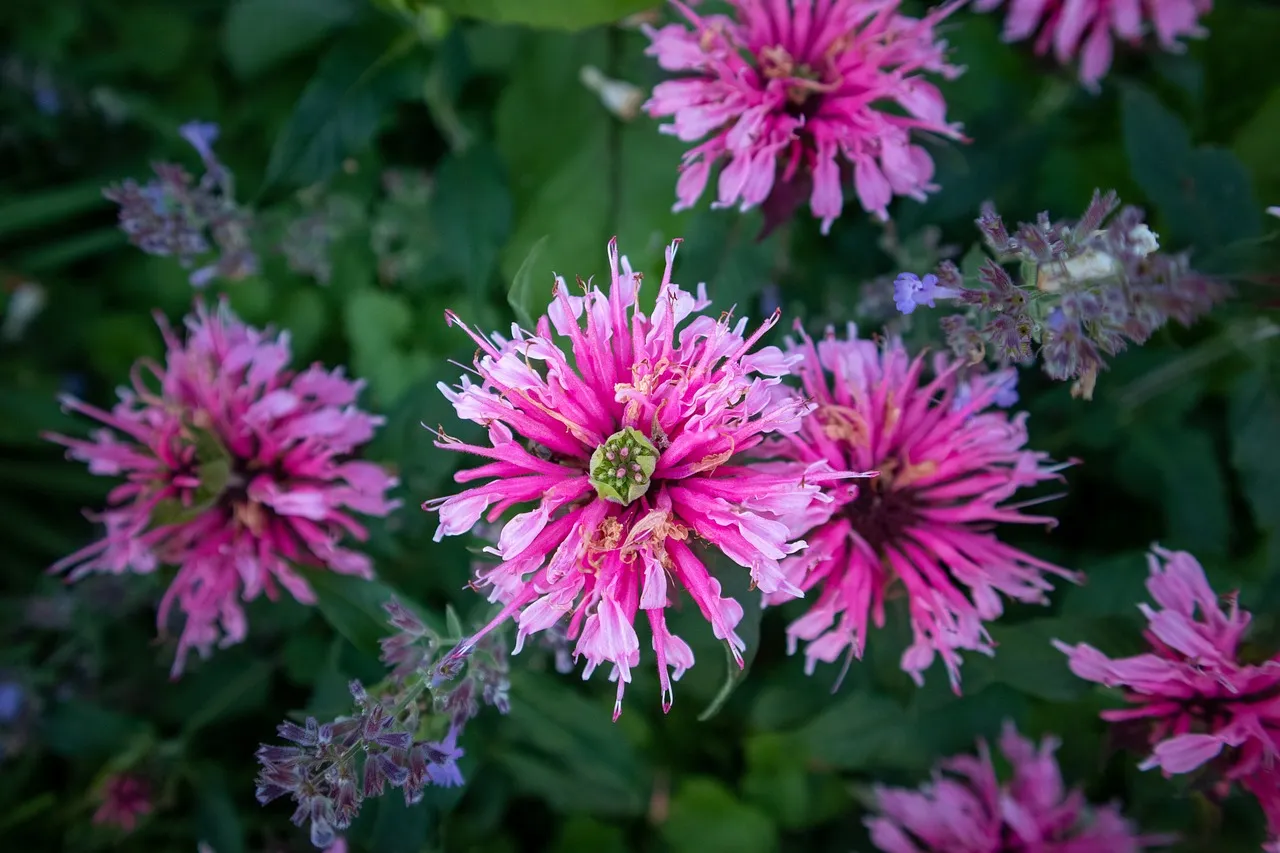
Bee Balm doesn’t do anything halfway. It throws out masses of shaggy, mophead blooms in red, pink, or purple, and the plant is genuinely resistant to both rabbits and mildew, two things that ruin plenty of other flower beds.
Give it full sun to part shade and soil on the moist side, and Bee Balm rewards you with pollinators of every kind buzzing through your yard. The aromatic foliage is a bonus — brush against it and the scent hits you before you even notice the flowers.
6. Yarrow: The Flower That Dries Instead of Dying
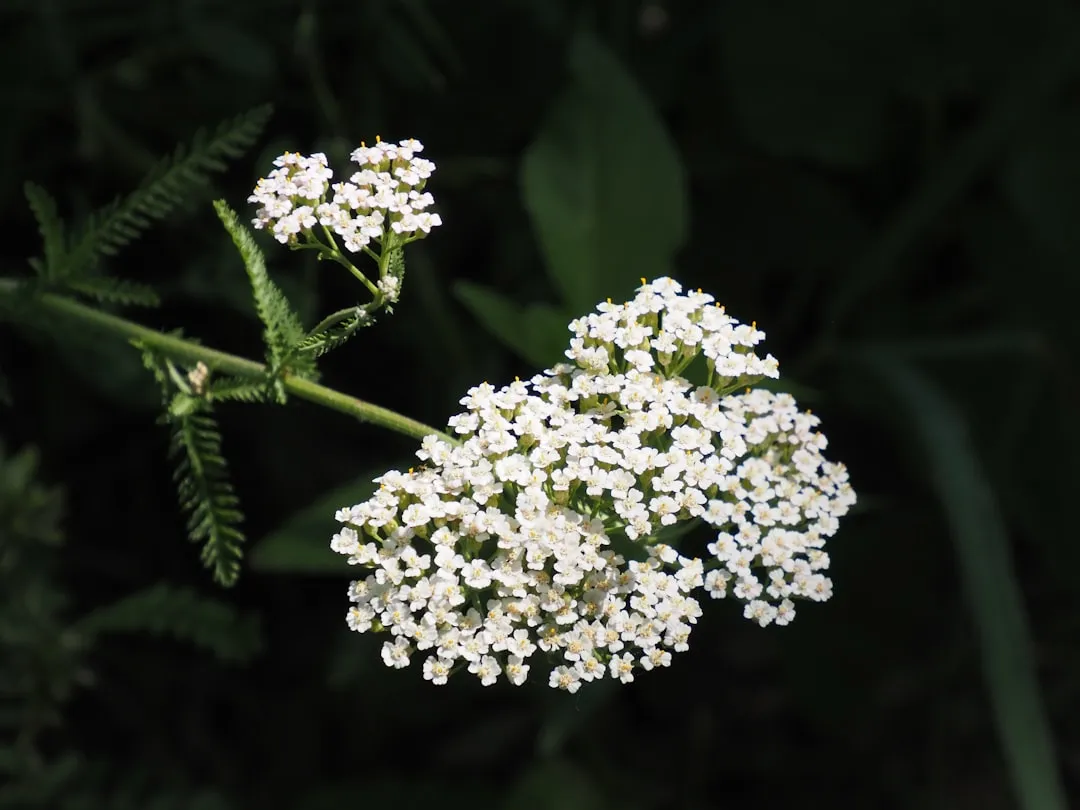
Yarrow might be the most forgiving plant you can put in the ground. It flowers all summer without deadheading, and instead of collapsing into a soggy mess when blooms fade, the flat-topped clusters dry gracefully right where they stand.
That means there’s almost no pressure to keep tidying up after it. Yarrow is drought-tolerant, pollinator-friendly, and comes in shades from soft pastel to fiery red, making it one of the easiest wins in a low-maintenance garden.
5. Russian Sage: The Silvery Screen for Hot, Dry Spots
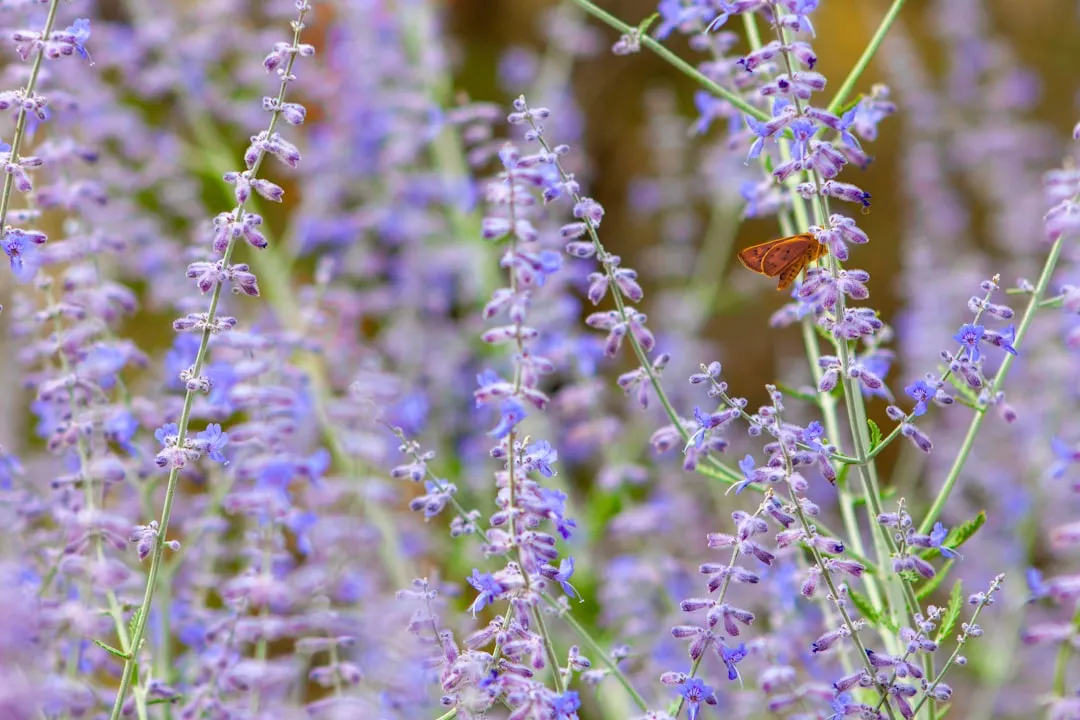
Russian Sage thrives exactly where other flowers give up — hot, sunny, dry corners of the yard that get full afternoon sun with no mercy. Its tall, airy lavender spikes add height and movement without asking for extra water or attention.
The silvery foliage brings a unique texture that plays well against greener plants nearby, and pollinators can’t seem to get enough of it. As a bonus for anyone dealing with deer pressure, Russian Sage is one of the rare beauties they tend to leave alone.
4. Blanket Flower: Fire-Colored Blooms Built for Neglect
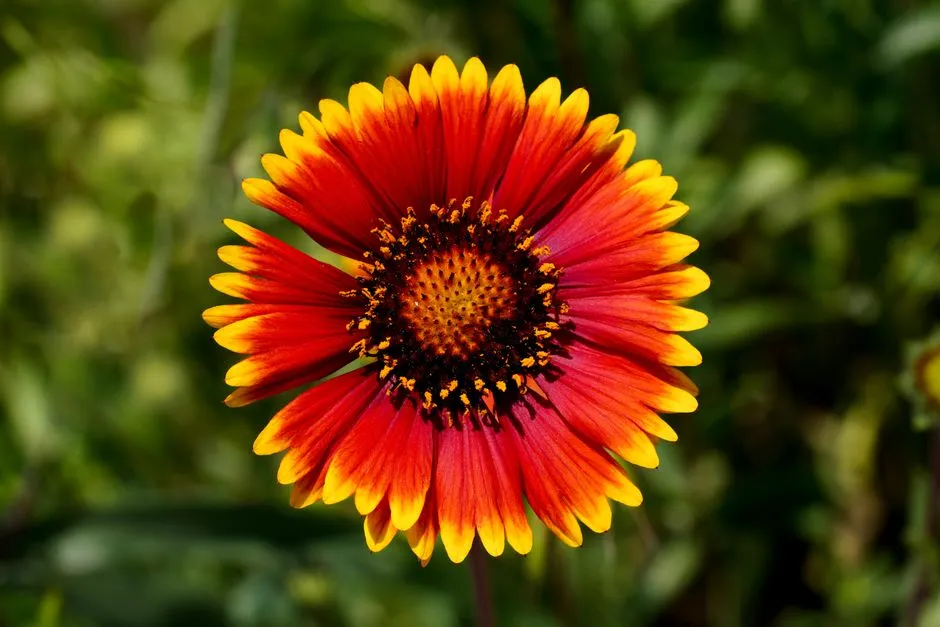
Blanket Flower earns its name honestly, spreading fiery red, orange, and yellow blooms across the garden like a patchwork quilt. It keeps blooming even through heat and dry conditions that would send other flowers into dormancy early.
Full sun and well-drained soil are basically its only requirements, and once it’s settled, the maintenance drops to almost nothing. Butterflies love it as much as gardeners do, adding a steady flicker of movement to whatever bed it’s planted in.
Worth Knowing
- Blanket Flower self-seeds readily, often filling in bare patches without replanting
- Deadheading extends the bloom season but isn’t required for it to keep flowering
- Lean, sandy soil actually suits it better than rich, heavily amended beds
- Butterfly activity tends to peak here in late summer, right when other blooms slow down
3. Coreopsis: The Cheerful Workhorse of Summer
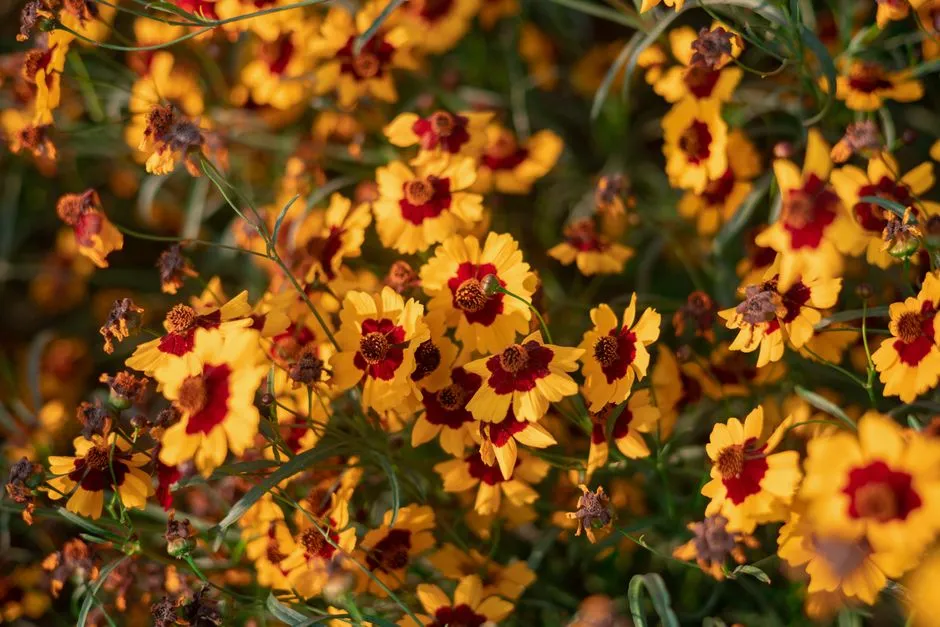
Coreopsis, sometimes called tickseed, brings bright, daisy-like flowers in yellow, orange, red, and pink from early summer all the way to fall. It’s the kind of plant that keeps performing long after flashier flowers have burned out.
Full sun and decent drainage are all it asks for, and once established, it handles drought without complaint. Butterflies are drawn to it constantly, which means your low-effort flower bed doubles as a small wildlife stage all season long.
2. Salvia: The Spiky Bloomer That Just Keeps Coming Back
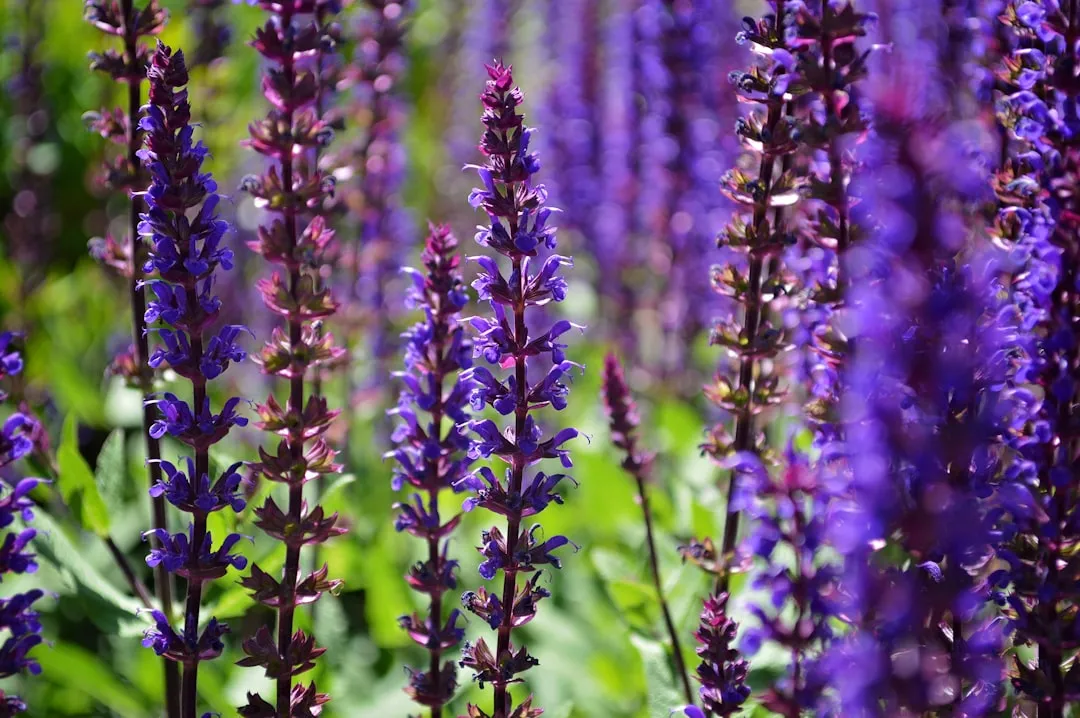
Perennial salvia doesn’t get talked about enough, and that’s a shame, because it’s one of the hardest-working flowers you can plant. Tall spikes of deep purple, blue, or pink blooms shoot up from early summer and keep reappearing in flushes if you trim spent stalks back once or twice.
It tolerates heat, handles average soil, and rarely needs supplemental watering once it’s rooted in. Bees treat it like a favorite restaurant, and gardeners treat it like a reliable friend — it shows up every year without being asked twice.
At a Glance
- Bloom time: early summer, with repeat flushes after a light trim
- Typical height: 1 to 3 feet, depending on variety
- Care needs: full sun, average soil, low supplemental water once established
- Pollinator draw: a favorite of bees and hummingbirds alike
1. Lavender: The Fragrant Legend Everyone Wants and Nobody Has to Baby
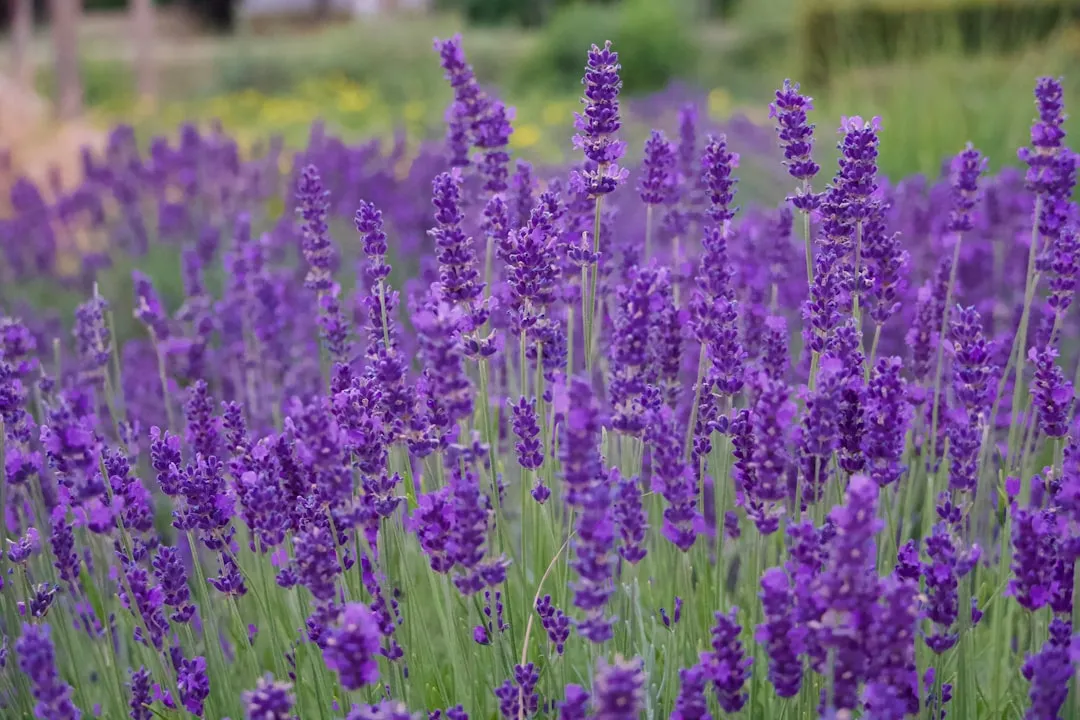
Lavender tops this list for a reason. It’s the flower people associate with effortless, romantic gardens, and somehow it lives up to that reputation while asking almost nothing of the person growing it. Give it sun, sharp drainage, and room to breathe, and it will reward you with silvery foliage and fragrant purple spikes for years without needing fertilizer or fuss.
It’s drought-tolerant, deer-resistant, and famously unbothered by poor soil — in fact, rich soil can actually work against it. The scent alone is worth the space it takes up, drawing bees in droves and turning a simple flower bed into something people stop and comment on.
There is no gardening without humility.
Alfred Austin
That line has stuck around in gardening circles for a reason, and it applies here more than most people realize. The flowers on this list aren’t showpieces that demand to be worshipped — they’re the quiet, stubborn ones that keep blooming whether you fuss over them or not.
If it were up to us, Lavender, Salvia, and Yarrow would make the short list every time — not because they’re the flashiest, but because they forgive every missed watering and still show up looking like you tried harder than you did. The real secret to a garden that blooms all season was never more effort. It was picking plants tough enough to not need it.
