

Most people assume their backyard is a rerun: same birds, same squirrels, same dull scenery no matter the season. Then July hits, the heat cranks up, and suddenly the yard turns into something closer to a wildlife documentary set.
Some of these animals only show their true colors when the temperature spikes. Others are so rare, so strange, or so misunderstood that most Americans go their whole lives without knowing they share a summer with them. Here are the twelve backyard visitors that prove the season still has a few surprises left.
12. The Luna Moth: A Living Ghost With Only Seven Days to Live
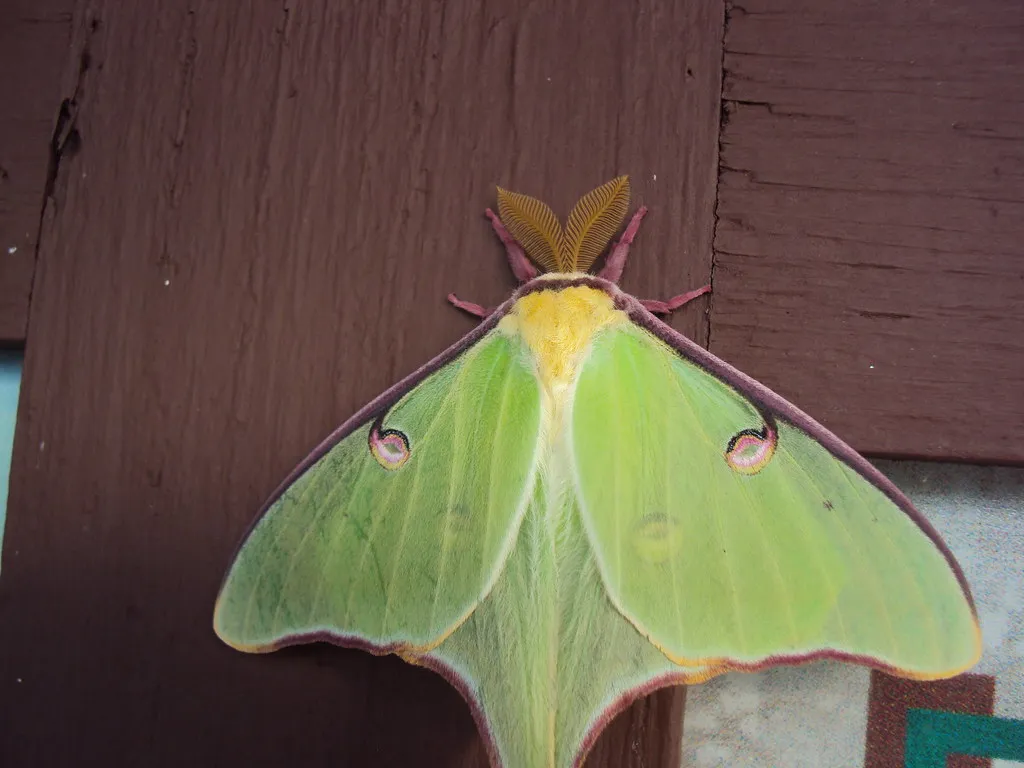
The Luna Moth looks like something out of a fairy tale: pale green wings, long trailing tails, and a wingspan that can stretch nearly 4.5 inches. It only flies at night, drifting through eastern U.S. backyards like a paper lantern caught on the wind. If you catch one in your porch light, consider it a rare gift.
Here’s the part that stops people cold. Adult Luna Moths have no mouths. They cannot eat. They emerge, mate, lay eggs, and die within about a week, running entirely on stored energy from their caterpillar days. Every sighting is essentially a countdown clock you’re lucky enough to witness in motion.
Fast Facts
- Wingspan: up to 4.5 inches
- Adult lifespan: about 7 days
- Active only at night, often near porch lights
- No mouth or digestive system once fully grown
11. The Pronghorn: Racing Ghosts That No Longer Exist
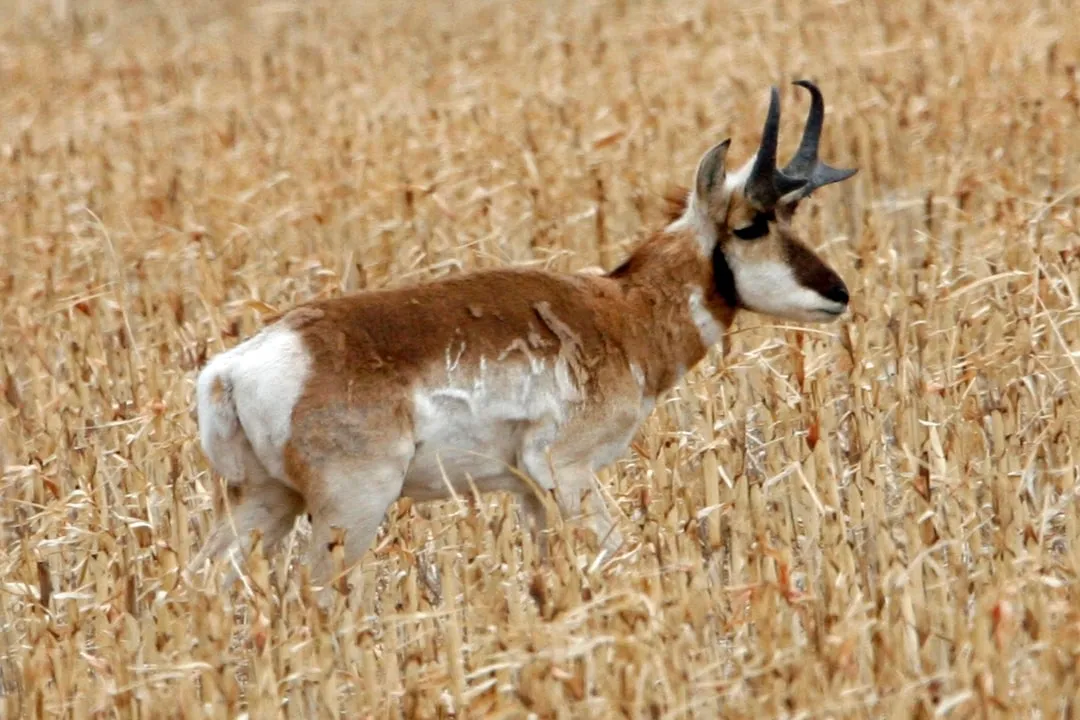
Pronghorns get mistaken for antelope constantly, but they’re actually one-of-a-kind, found nowhere else on Earth. They’re also absurdly fast, hitting speeds up to 55 mph, which makes them the second-fastest land animal on the planet, trailing only the cheetah.
Here’s the strange part: nothing in modern North America is fast enough to actually catch one. Scientists believe Pronghorns evolved that speed to outrun American cheetahs that went extinct roughly 12,000 years ago. In other words, every Pronghorn sprinting across a summer field is still running from a predator that isn’t there anymore.
10. The American Bison: A Backyard Reminder of the Wild West’s Last Stand
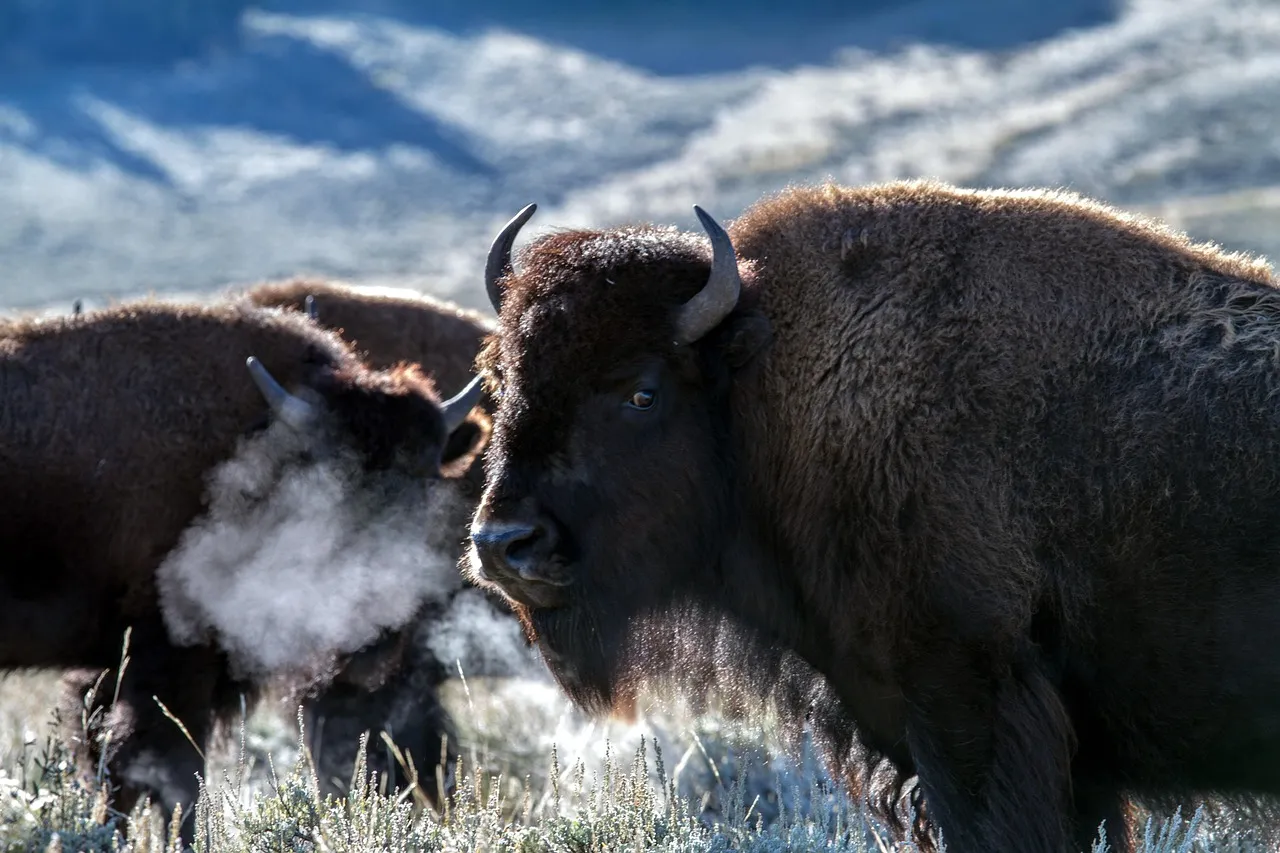
Summer is when bison put in serious work, grazing for hours to build fat reserves before the brutal months ahead. Most people picture them only in national parks, but in parts of rural America, wandering herds have been known to drift into open fields and even large backyard properties.
Standing near one, even at a distance, hits differently once you know the history. These animals once numbered in the tens of millions before being hunted to near extinction in the 1800s. Seeing one graze peacefully in the summer sun is a living reminder of how close America came to losing them for good.
The nation behaves well if it treats the natural resources as assets which it must turn over to the next generation increased and not impaired in value.
Theodore Roosevelt
9. Dog-Day Cicadas: The Soundtrack You Can’t See Coming
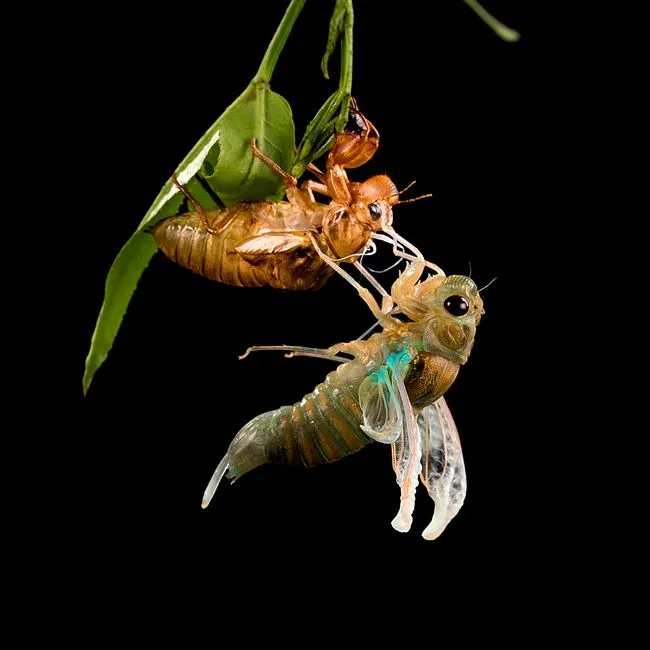
If summer had an official theme song, it would be the buzzing wall of sound cicadas produce, sometimes hitting 100 decibels, roughly as loud as a motorcycle. Dog-Day Cicadas earn their name from showing up during the sweltering “dog days” of late summer, unlike their periodical cousins that only appear once every 13 or 17 years.
Despite the deafening noise, actually spotting one is surprisingly hard. Their green and black bodies blend perfectly into leaves and bark, so most people hear an entire chorus without ever laying eyes on a single cicada. It’s one of the few times nature is loud and invisible at the same time.
8. American Alligators: When Wetlands Creep Into the Backyard
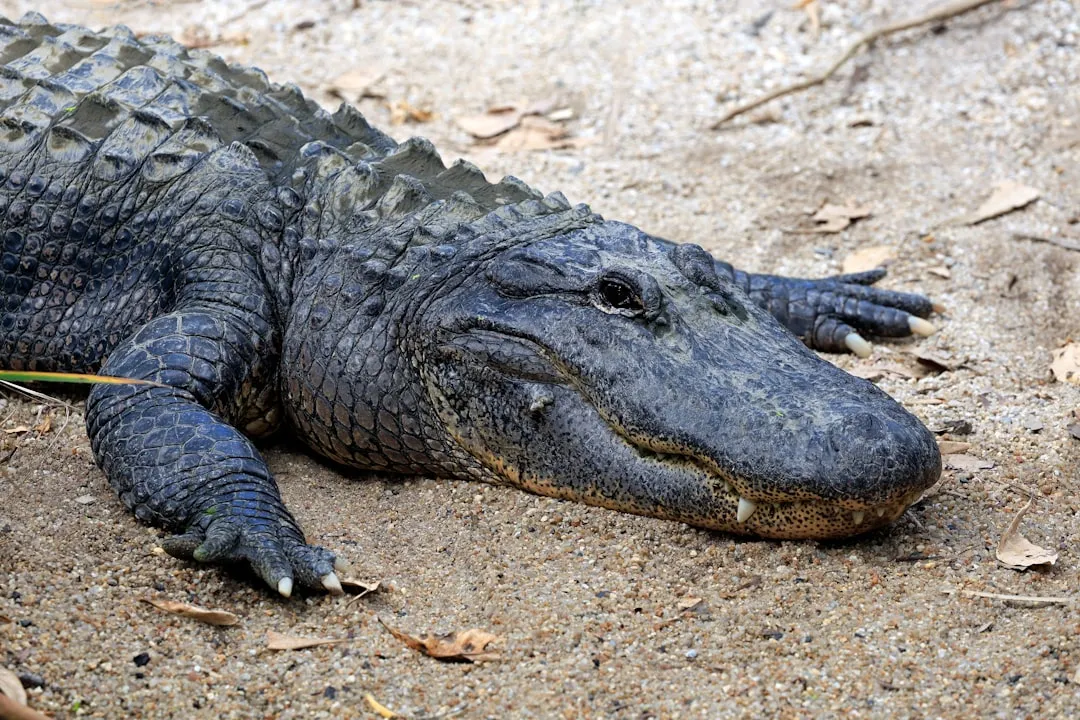
In the southeastern U.S., summer heat pulls alligators out to bask and regulate their body temperature, and that sometimes means backyards bordering canals, ponds, or wetlands. These aren’t rare rumors either; local news segments about gators lounging by someone’s pool are practically a summer tradition in Florida.
It’s a genuine reminder that “wild” and “residential” aren’t as separate as they feel. These are ancient predators, mostly unchanged for millions of years, casually sunning themselves a few yards from someone’s patio furniture. Respect the distance; these encounters are meant to be watched, not approached.
Worth Knowing
- Alligators are cold-blooded and bask in the sun to regulate body temperature
- Florida is home to well over a million wild alligators
- They favor canals, ponds, and wetlands bordering residential neighborhoods
- Their body plan has remained largely unchanged for millions of years
7. The California Condor: A Sky Giant Back From the Brink
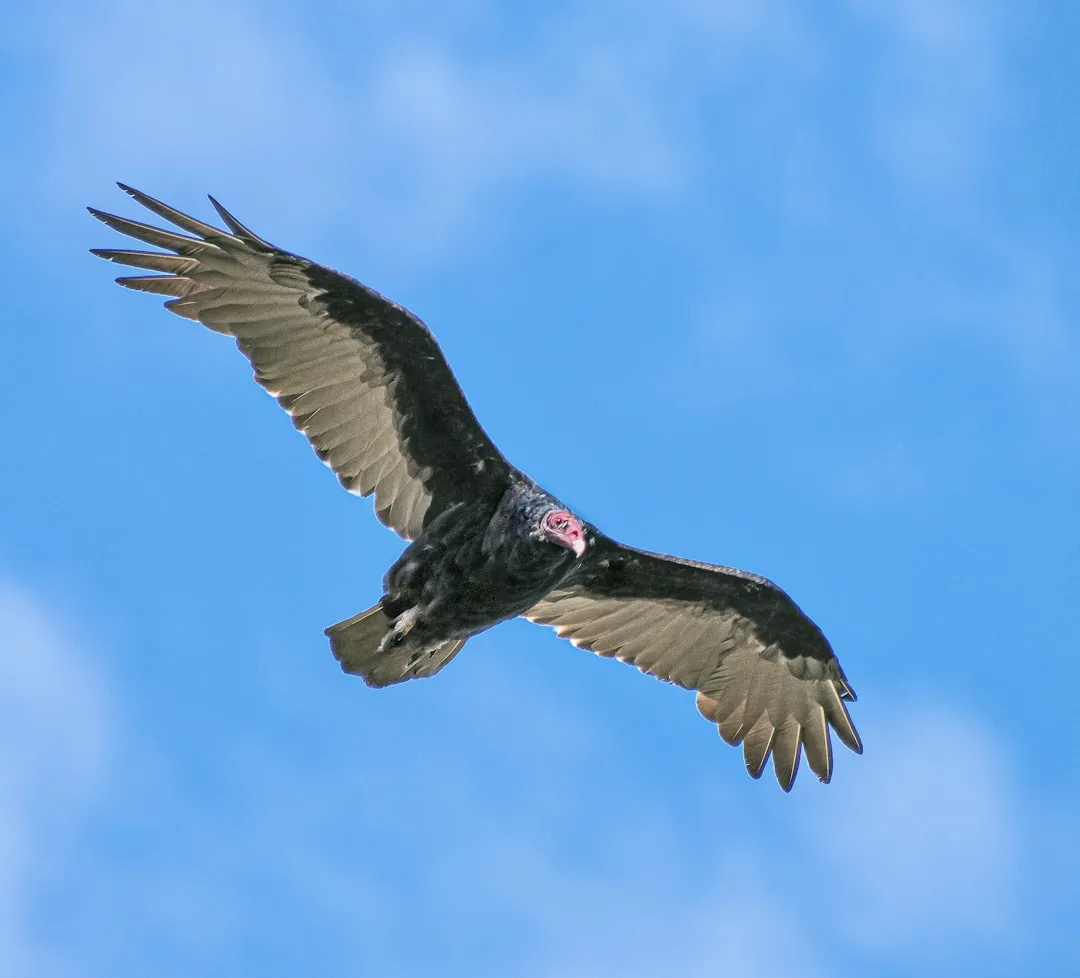
With a wingspan approaching 9.8 feet, the California Condor is the largest land bird in North America, and for decades it looked like they might disappear entirely. By 1987, every single wild condor had been captured for an emergency breeding program because the population had crashed to just 27 birds.
Now, thanks to that gamble, summer thermals over parts of California and Arizona occasionally carry these massive scavengers directly over backyards. Their bald heads and enormous silhouette are unmistakable once you see one circling overhead. It’s one of conservation’s genuine comeback stories, playing out in real time above people’s homes.
6. The Gila Monster: A Venomous Neighbor You Rarely See Coming
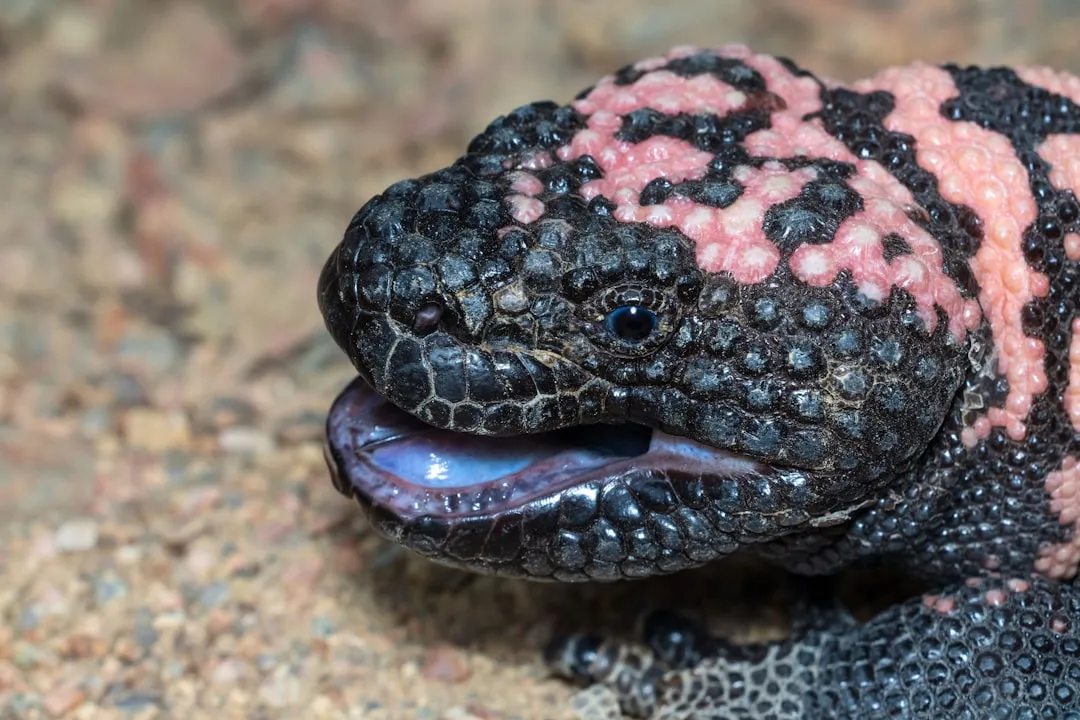
The Gila Monster is one of only a handful of venomous lizards on Earth, and summer heat in the southwestern U.S. makes them noticeably more active during the cooler hours of early morning and late evening. Their black and pink beaded skin isn’t just striking to look at; it’s a built-in warning label to anything considering a snack.
Backyard encounters are uncommon but not impossible, especially in desert-adjacent neighborhoods. They move slowly and aren’t aggressive by nature, but their bite delivers a genuinely painful venom. If you spot one, admire it from several feet away and let it continue on its way.
5. The Key Deer: Florida’s Tiniest, Most Fragile Visitor
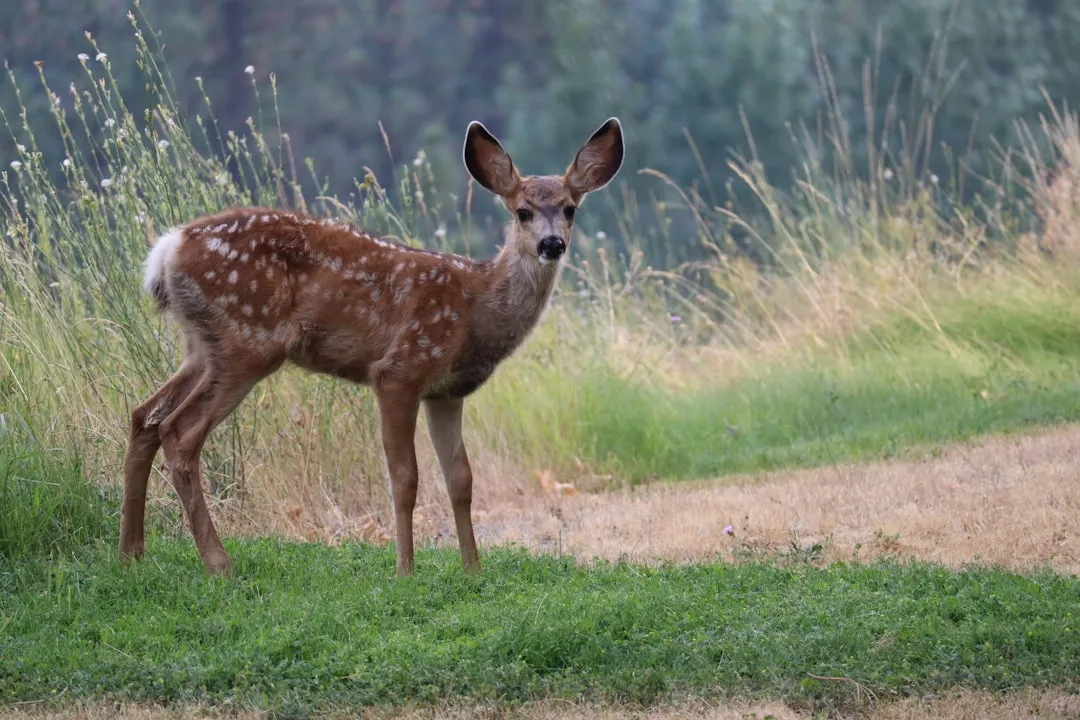
Found exclusively in the Florida Keys, the Key Deer is the smallest subspecies of white-tailed deer in North America, some adults standing barely two feet tall at the shoulder. Summer brings them out more often as they forage for food and fresh water across the islands.
Their small size and delicate features make encounters feel almost magical, but there’s a heavier truth underneath the charm. Habitat loss has pushed them closer to human neighborhoods than they’d naturally choose to be, meaning every backyard sighting is also a quiet signal of shrinking wild space. It’s an experience worth appreciating and worth worrying about at the same time.
At a Glance
- Smallest white-tailed deer subspecies in North America
- Found only in the Florida Keys
- Adults can stand as short as two feet at the shoulder
- Habitat loss is pushing them closer to residential areas
4. The Antelope Squirrel: The Only Animal Racing Across Sand at Noon
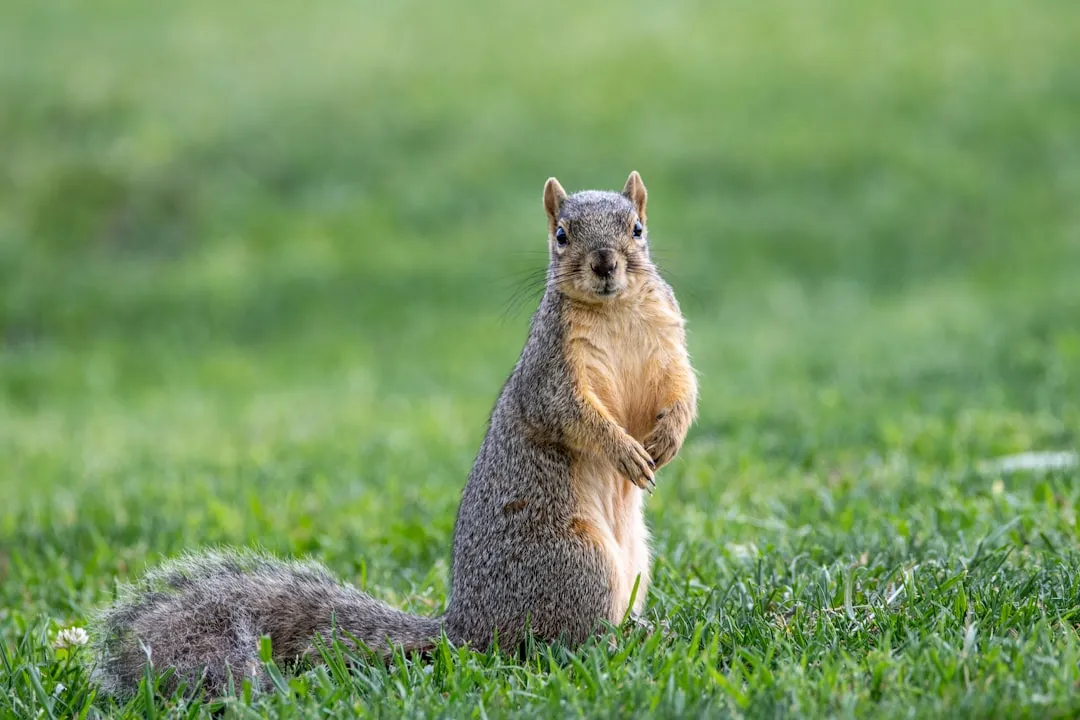
While most desert creatures hide from the punishing midday sun, the Antelope Squirrel does the opposite. Native to the southwestern U.S., these small, striped rodents are diurnal, darting across sizzling backyards during the hottest hours when almost nothing else dares to move.
That heat tolerance isn’t just quirky; it’s a survival strategy. By staying active when temperatures soar, they avoid most predators that can’t handle the same extremes. Watching one sprint across scorching ground in the middle of the day feels like watching nature cheat the rules.
3. The Striped Skunk: Beautiful From a Distance, Unforgettable Up Close
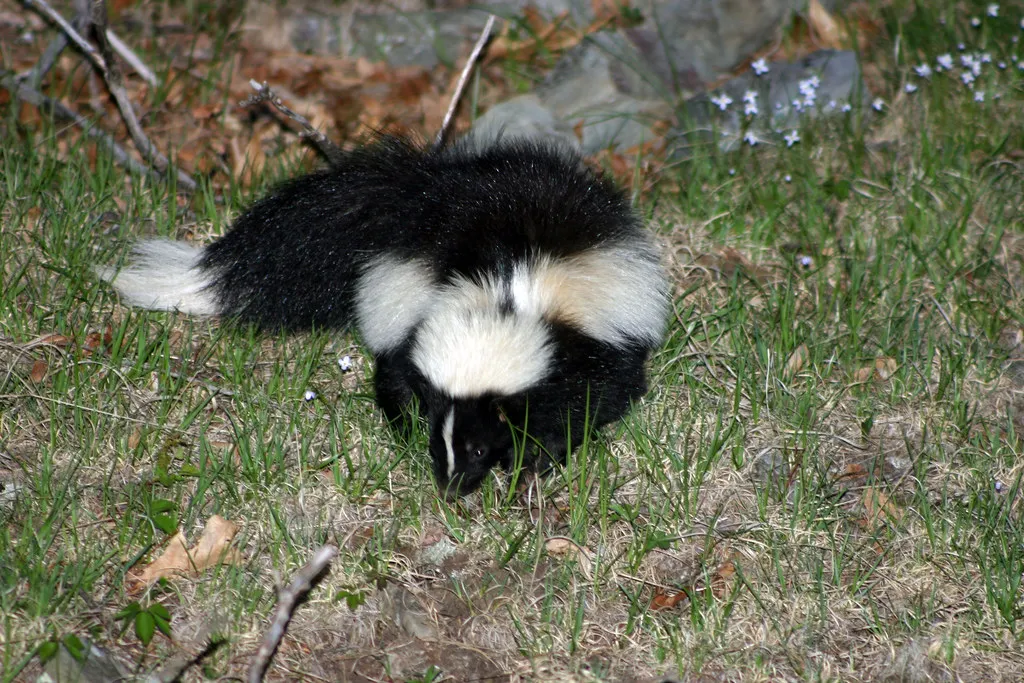
Striped Skunks are found across nearly all of North America, and summer happens to be their breeding season, which means more movement, more foraging, and more chances of a backyard run-in. Their bold black and white markings are actually a warning system, not a fashion statement.
Most encounters happen at dusk or dawn since skunks lean nocturnal, but summer’s longer daylight hours occasionally push sightings earlier. Everyone knows what happens if you get too close, and that reputation alone is usually enough to keep a respectful distance between skunk and homeowner.
2. The Eastern Cottontail: Summer’s Gentlest Speedster
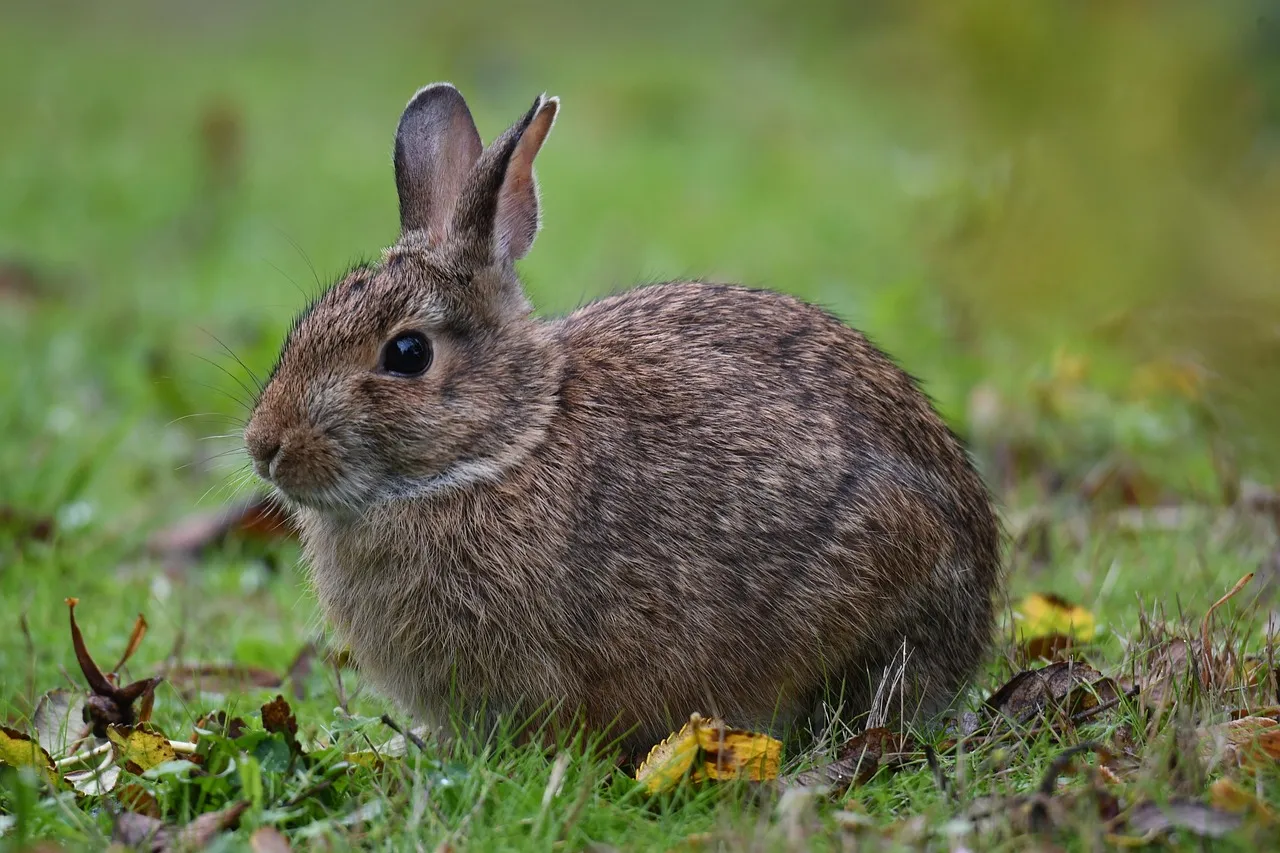
Eastern Cottontails are a familiar sight across eastern North America, but summer evenings bring out their most active side. As crepuscular animals, they do most of their moving during dawn and dusk, which lines up perfectly with those long, golden summer nights everyone loves.
Don’t let the floppy ears and twitchy nose fool you, though. When a predator shows up, Eastern Cottontails can hit speeds up to 18 mph in a full sprint. It’s a strange contrast: an animal that looks like pure gentleness one second and pure survival instinct the next.
Quick Compare: Backyard Speedsters
- Eastern Cottontail: up to 18 mph
- Pronghorn: up to 55 mph
- Cheetah, for reference: roughly 70 mph
1. Fireflies: The Living Light Show Slowly Disappearing From Our Yards
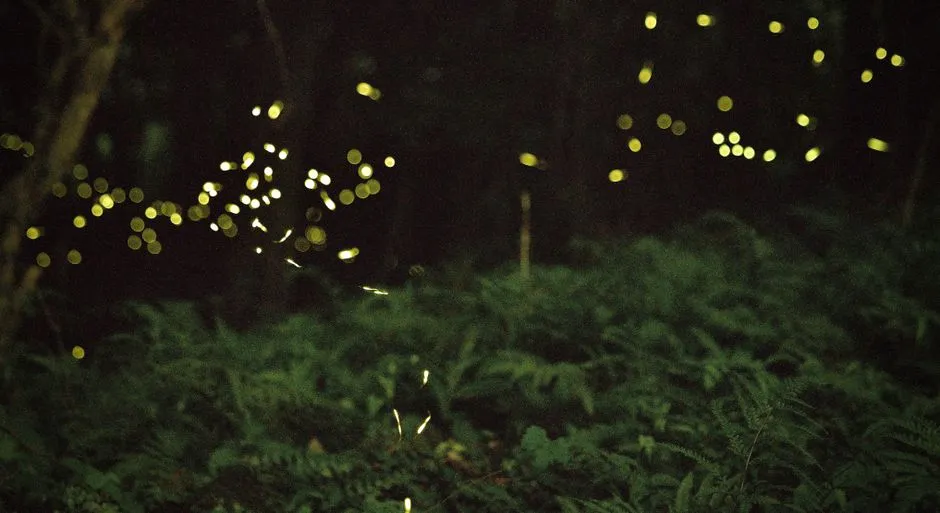
Fireflies, or lightning bugs, are the single most iconic image of an American summer night. Their glow comes from a chemical reaction called bioluminescence, and each species flashes its own unique pattern, essentially a private language written in light across the backyard grass.
Here’s the part that stings a little: firefly populations have been declining in many regions due to light pollution, pesticide use, and shrinking wetland habitat. That flickering show a lot of us took for granted as kids is quietly becoming rarer with each passing summer, which makes every jar full of fireflies feel less like a childhood memory and more like something worth protecting.
If there’s one honest takeaway from all twelve of these animals, it’s that America’s backyards were never as ordinary as they seemed. Some of these creatures are thriving because of smart conservation work, others are hanging on despite it, and a few, like the firefly, are quietly vanishing while most of us aren’t even watching. The wild hasn’t left our backyards; it’s just easy to miss when you stop looking up, down, and into the tall grass at dusk.
