
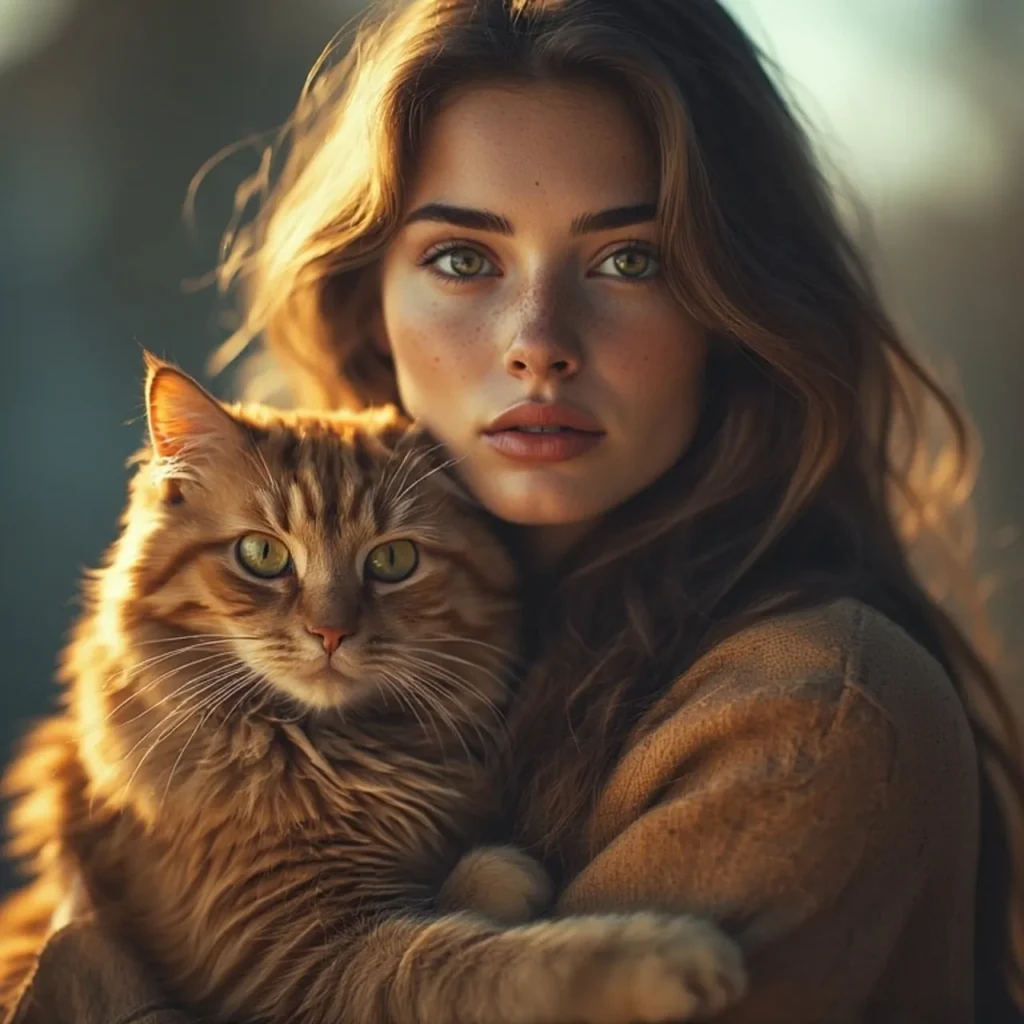
Most people assume love is transferable. Give a homeless pet a warm bed, a few weeks of patience, and a decent human, and surely the animal will bond just as hard the second time around. That’s the comforting story shelters like to tell adopters.
Rescue workers and vets will tell you a different story, quietly, after the paperwork is signed. Some animals don’t just prefer their first person. They fall apart without them, stop eating, stop trusting, sometimes stop trying. Here are 13 animals whose loyalty runs so deep that breaking it can break them, too.
#13 – African Grey Parrots: The One-Person Birds
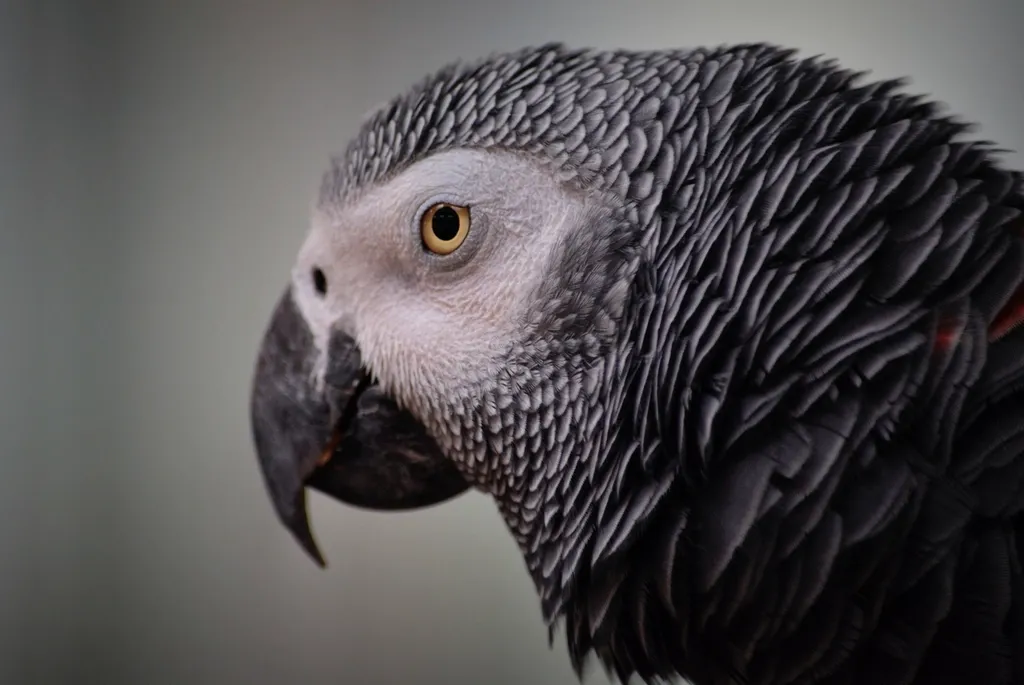
African Greys are often compared to five-year-old children in terms of problem-solving and emotional awareness, and that intelligence is exactly what makes their heartbreak so visible. They don’t just prefer one person. They study that person, mimic their voice, their laugh, even their coughing fits, and build an entire identity around that relationship.
When that bond breaks, the fallout isn’t subtle. Feather plucking, refusal to eat, and even self-mutilation are common responses documented by avian rescues. A new owner walking in the door isn’t a fresh start to an African Grey. It’s a stranger replacing someone irreplaceable, and many birds never fully recover from that loss.
Fast Facts
- African Greys can live 40 to 60 years in captivity, often outliving several owners across a lifetime.
- Some individuals build vocabularies of well over 100 words, using them in context rather than just repeating sounds.
- Their cognitive abilities have been compared to those of young children in problem-solving studies.
- Stress-driven feather plucking can take months of patient veterinary and behavioral care to reverse.
#12 – Sulphur-Crested Cockatoos: Devoted to a Fault
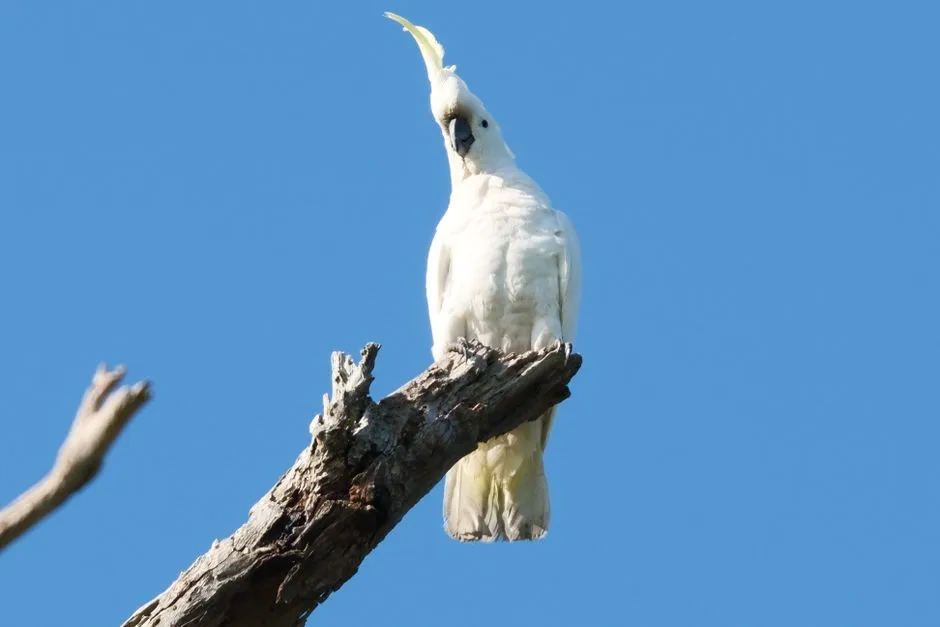
Cockatoos are the clingy best friend of the bird world, and they own it completely. They crave physical affection almost constantly, and once they’ve locked onto a favorite human, they treat every other person like an intruder in their own home.
Rehomed cockatoos frequently spiral into screaming fits that can last for hours, alongside feather destruction and self-harm severe enough to require veterinary intervention. It’s a big reason sanctuaries end up housing so many surrendered cockatoos long-term. Nobody can replace the person the bird actually wanted.
#11 – Blue-and-Gold Macaws: Loyal for Seven Decades
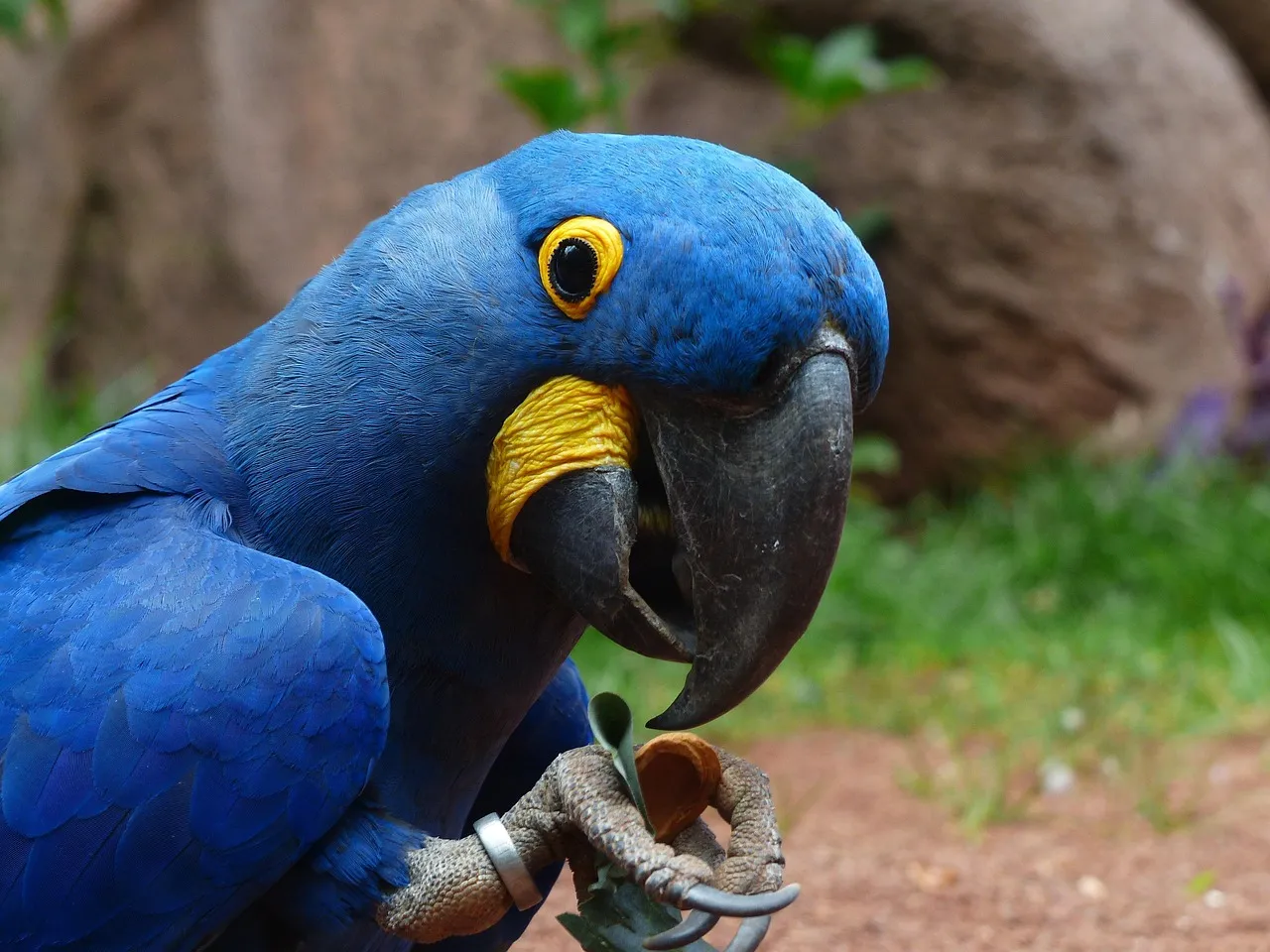
Blue-and-Gold Macaws don’t do casual relationships. These birds can live past 70 years, which means the bond they form with an owner isn’t a phase, it’s potentially a lifelong contract the bird fully intends to honor.
When that contract gets broken through rehoming, the bird often responds with withdrawal, food refusal, and aggression toward anyone who isn’t the original owner. Because of their lifespan, a single broken bond in a macaw’s twenties can mean decades of distress still ahead of it. That’s not a rehoming problem. That’s a lifetime of grief.
#10 – Green-Winged Macaws: Grieving in Silence
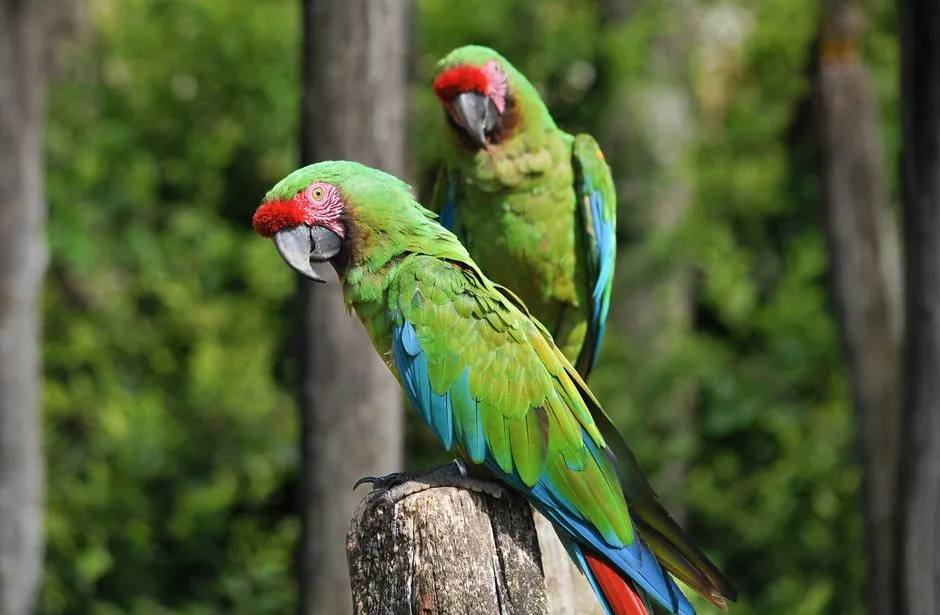
Green-Winged Macaws share their cousins’ intensity, but their grief often looks quieter and more internal. Instead of loud protest, many simply retreat, becoming territorial and suspicious of anyone new who tries to get close.
Refusal to eat and noticeable weight loss frequently follow a rehoming attempt, and rescue workers describe behavior that genuinely resembles mourning. Successful placement in a new home is rare enough that some sanctuaries stop trying and instead focus on making the bird comfortable alone.
#9 – Yellow-Naped Amazons: The Grudge Holders
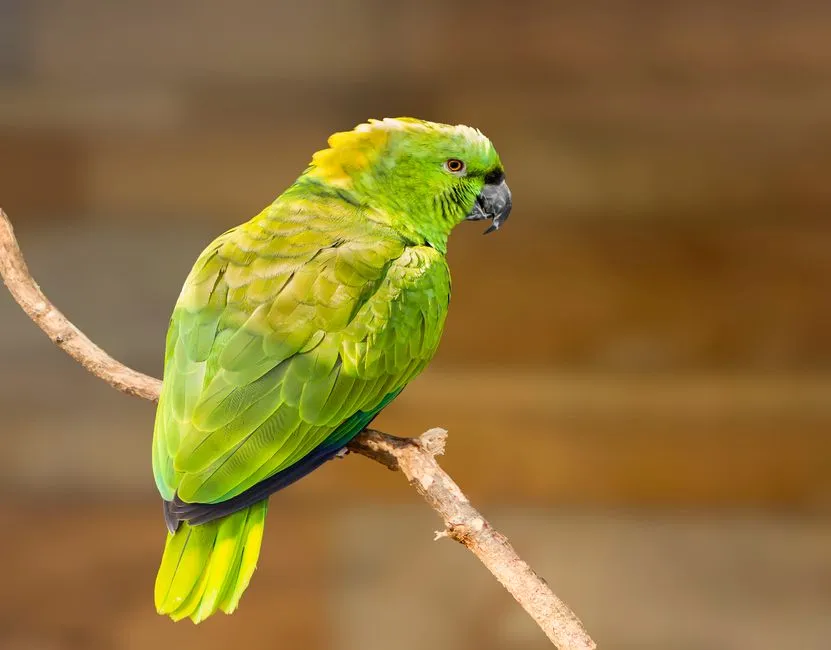
Yellow-Naped Amazons are famous for their vocal talent, but their personalities are just as memorable, and not always in a good way. They bond hard with one person and can become genuinely hostile toward everyone else, including people who’ve done nothing wrong.
Rehomed Amazons often go silent, refuse food, or lash out at new caretakers who simply aren’t the person they were expecting. Their long memory works against them here. These birds don’t forget who they lost, and they don’t easily forgive the world for taking that person away.
#8 – Sun Conures: Vibrant But Fragile
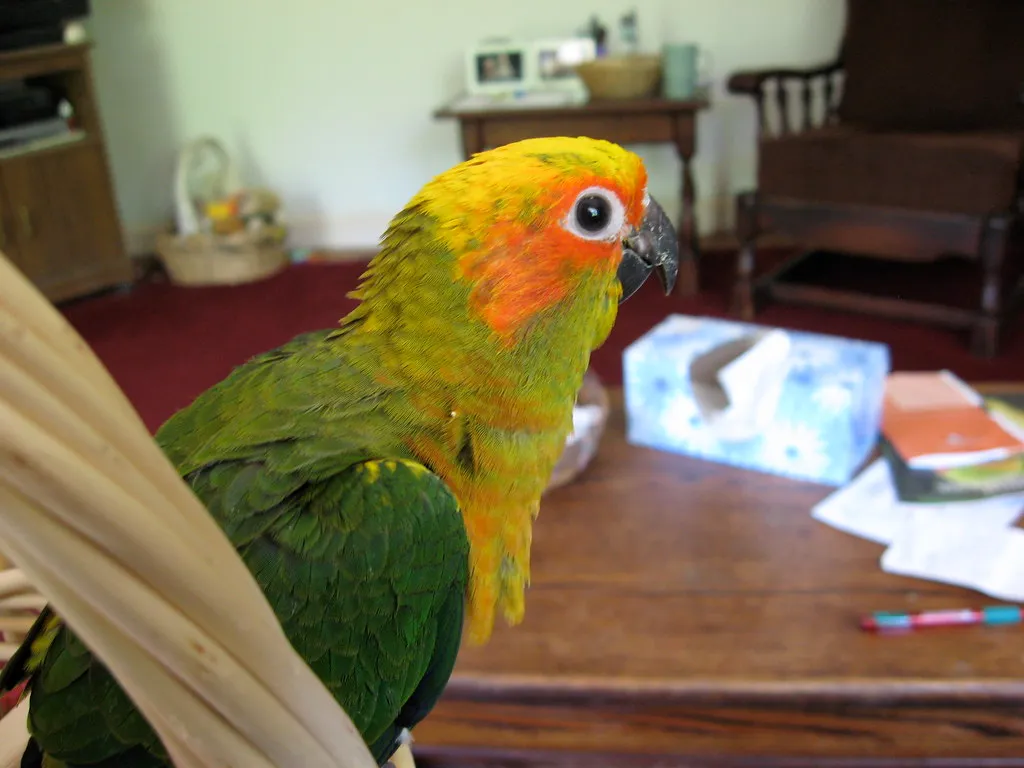
Sun Conures look like they were built for joy, all color and noise and personality, but that same intensity makes them emotionally fragile when their world gets rearranged. Their bond to an owner runs deep despite their small size.
Separation anxiety in Sun Conures shows up fast, often as feather plucking, lethargy, and a refusal to eat that alarms even experienced bird owners. Many end up cycling through sanctuaries because their emotional needs are simply too intense for casual rehoming to succeed.
#7 – Indian Ringnecks: Selective to the End
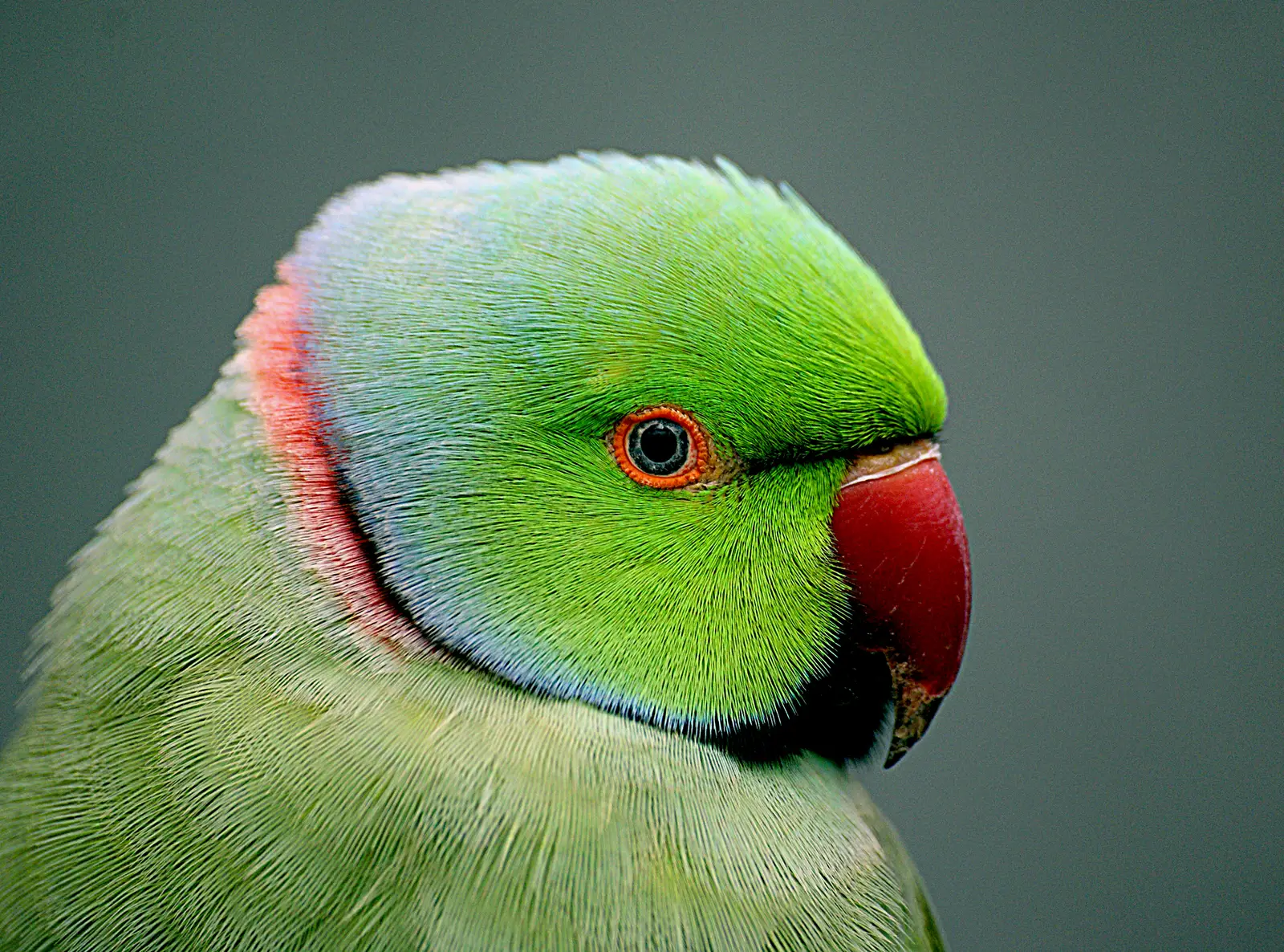
Indian Ringnecks are sharp, capable talkers, and that intelligence comes with a strong sense of who they trust. Once they’ve chosen a person, they can become distant or even hostile toward everyone else in the household.
Rehomed Ringnecks frequently shut down entirely, refusing to interact, going quiet, or displaying obvious stress behaviors around new owners. Their selectiveness isn’t a phase to train out of them. It’s closer to a personality trait, and it makes second placements genuinely difficult.
#6 – Lovebirds: Literally Pining Away
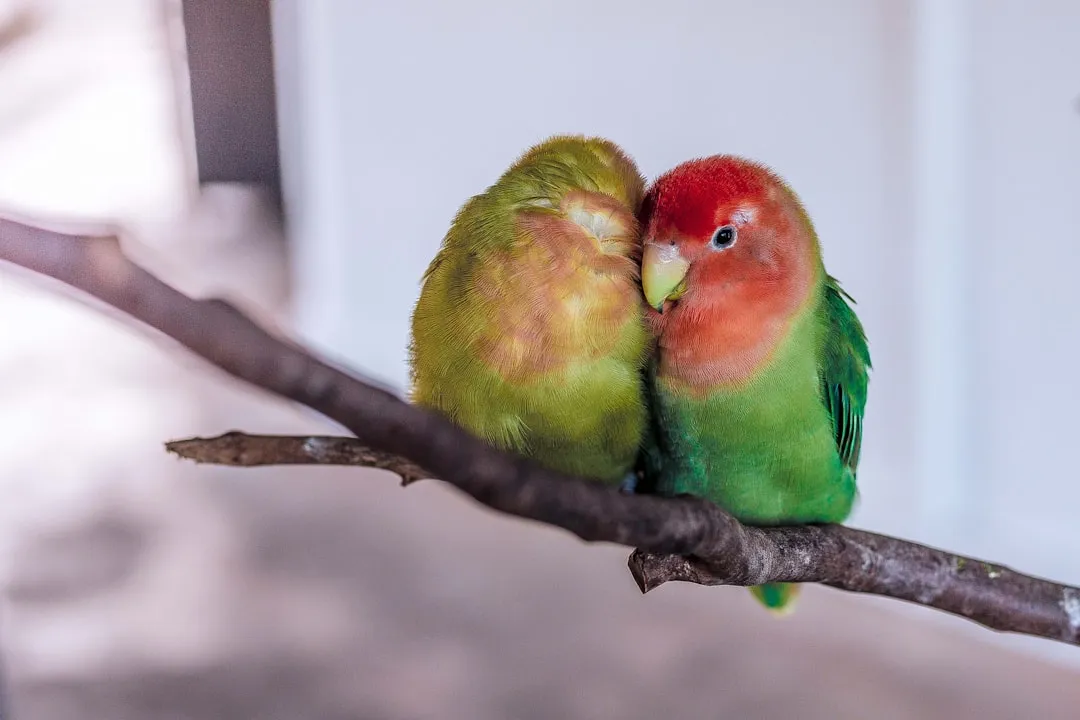
The name isn’t just cute marketing. Lovebirds form attachments so intense that losing their bonded person can trigger real depression, not a loose metaphor for sadness, but visible withdrawal and food refusal.
Rescue workers report self-destructive behavior in lovebirds separated from their original owner, and many simply refuse to accept a replacement caregiver. Their tiny size hides an outsized emotional world, one that doesn’t reset easily just because a new home comes with good intentions.
Worth Knowing
- Lovebirds earned their name from their habit of perching close together and preening a mate for long stretches.
- Wild lovebirds originate from the forests and savannas of sub-Saharan Africa.
- Most pet lovebirds live 10 to 15 years, plenty of time to lock onto one unshakable bond.
- Even hand-raised lovebirds often revert to intense pair-bonding instincts once they settle on a favorite person.
#5 – Budgerigars: Tiny Bodies, Enormous Attachment
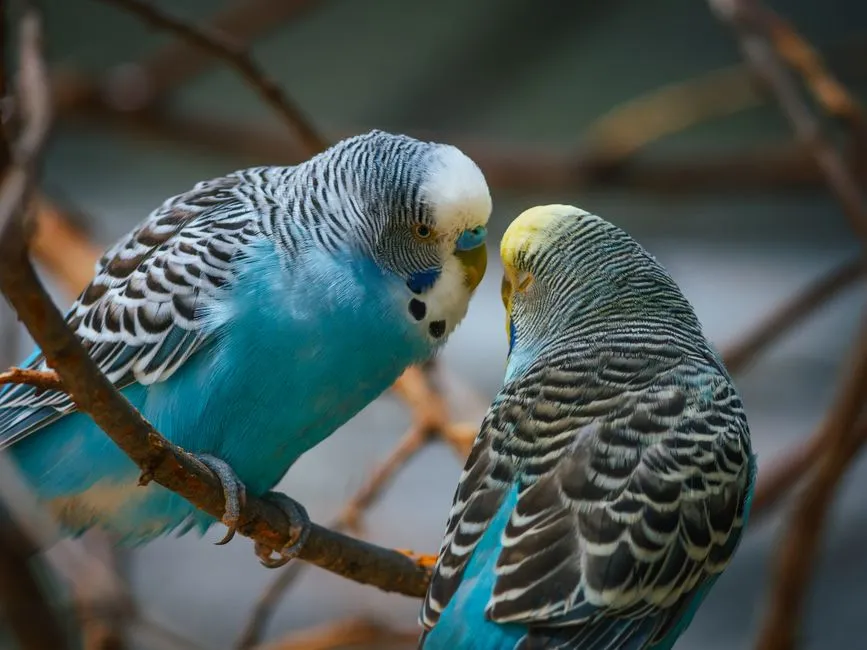
Budgies get dismissed as beginner birds, low commitment, low stakes. That reputation undersells how deeply some budgies latch onto a single person, treating that relationship as the emotional center of their entire world.
When rehomed, budgies can become withdrawn, repetitive in their behavior, or simply refuse to settle into a new routine. Plenty of well-meaning adopters have taken in a grieving budgie expecting a cheerful new pet, only to spend months waiting for a bird that never fully arrives.
#4 – Ferrets: Pack Loyalty That Won’t Let Go
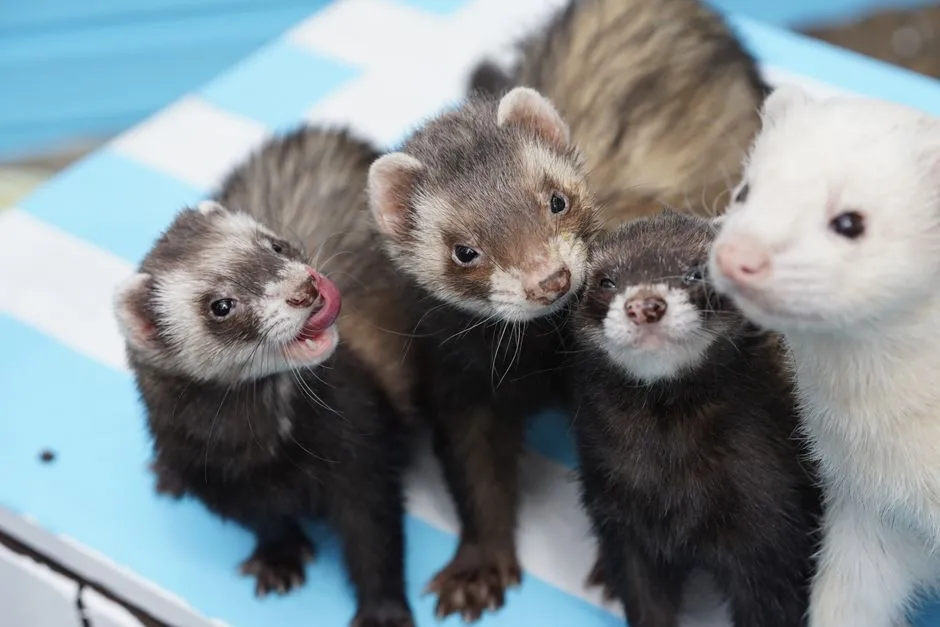
Ferrets are wired for pack life, and once a human gets folded into that pack, the ferret treats them as family, not staff. They build their sense of safety around familiar scent, routine, and one specific set of hands doing the feeding and playing.
Take that person away and a ferret’s world doesn’t just shrink, it destabilizes. Rescue workers describe rehomed ferrets hiding for days, losing interest in food, and struggling to bond with new owners even under patient, careful reintroduction. It can take weeks of consistent routine just to earn a fraction of the trust the original owner had for free.
At a Glance
- Ferrets typically sleep 14 to 18 hours a day, making their waking, bonding hours even more valuable to them.
- Domestic ferrets descend from the European polecat and retain strong pack and den instincts.
- Average lifespan runs 6 to 10 years, often spent devoted to the same one or two people.
- Rescue groups often recommend keeping a bonded ferret’s bedding unwashed during rehoming to preserve familiar scent.
#3 – Rabbits: The Quiet Heartbreak Nobody Warns You About
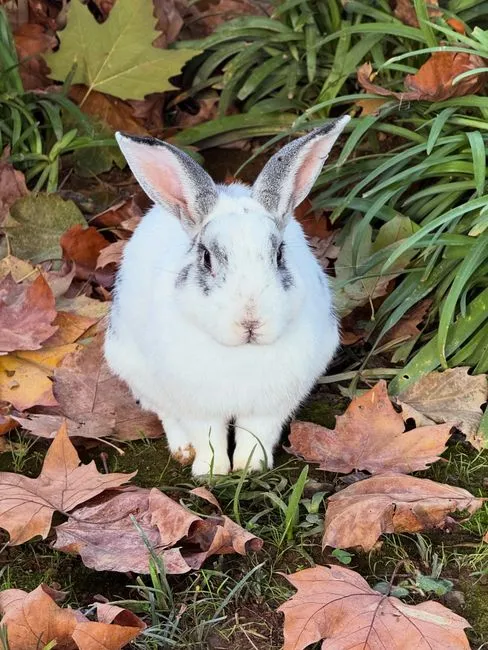
Rabbits are prey animals by instinct, which means trust isn’t handed out casually. It’s earned slowly, over weeks of quiet consistency, which is exactly why losing that trusted person hits so hard. A bonded rabbit isn’t just missing a friend. It’s lost the one being it decided was safe in a world built around danger.
The physical consequences can be serious. Stress in rabbits can trigger GI stasis, a potentially life-threatening digestive shutdown, on top of hiding, withdrawal, and refusal to eat. Rescue groups often recommend sending along a blanket or toy that smells like the original home, because for a grieving rabbit, scent may be the closest thing to comfort left.
#2 – Cats: The “Independent” Myth Nobody Actually Believes
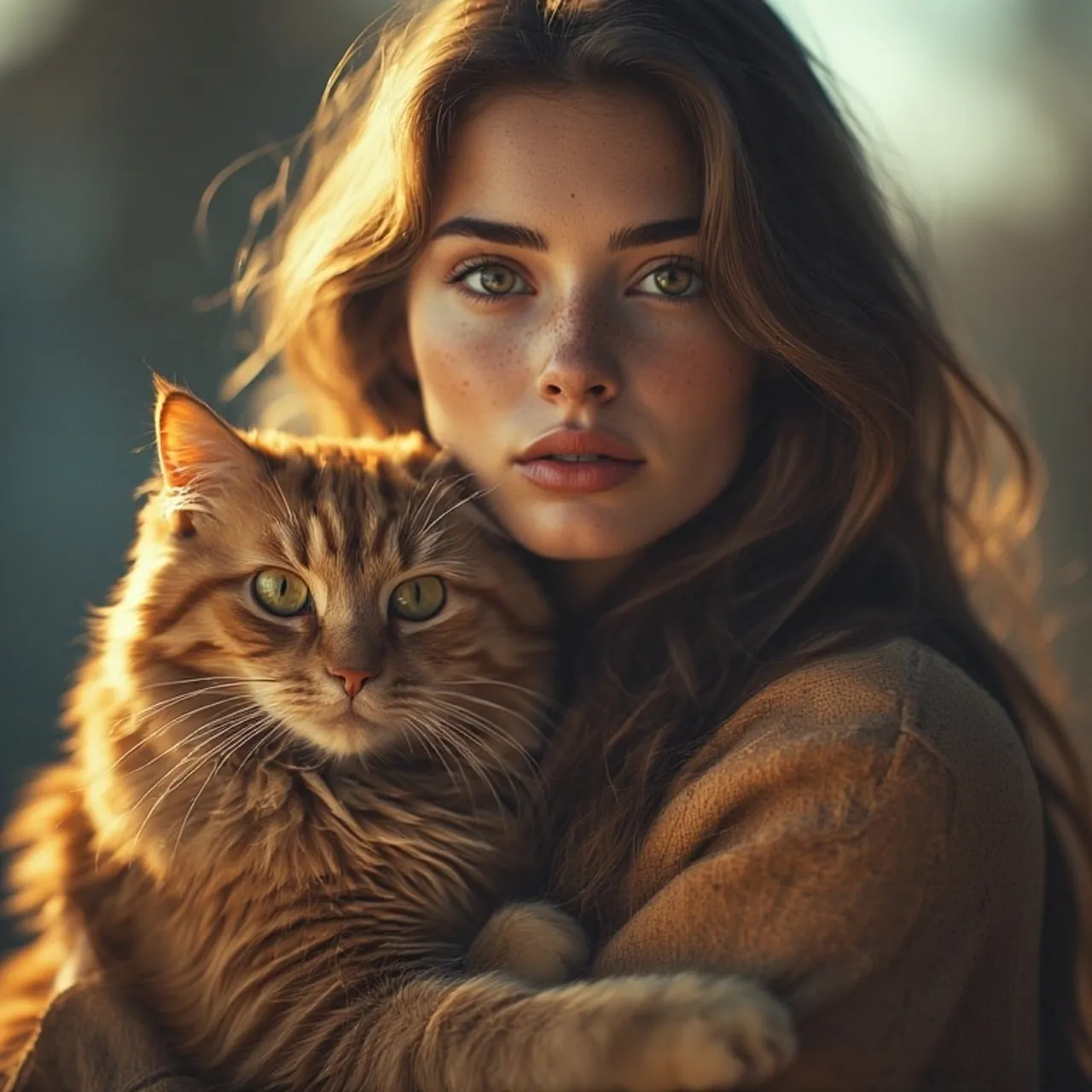
Cats have spent decades cultivating a reputation for aloofness, and plenty of people still believe it. Rescue workers know better. Many cats, especially those raised by a single devoted owner, form what’s often called a “velcro” bond, following one person room to room and largely tolerating everyone else.
When that person disappears, the fallout can be dramatic. Rehomed cats have been known to hide for weeks, refuse food, become suddenly aggressive, or wander a new house searching corners and closets as if the right human might still turn up. It’s one of the biggest reasons bonded cats get returned to shelters more than once.
Quick Compare: Cats vs. Dogs After Rehoming
- Cats: Often hide for days or weeks, may stop eating, and can turn defensive or aggressive with new caretakers.
- Dogs: Tend to show visible depression and restless pacing, but often respond faster to a consistent new routine.
- Shared trait: Both species commonly lose their appetite as an early, visible response to losing a bonded person.
- Key difference: Cats may take longer to visibly re-bond, while dogs often show quicker, if imperfect, emotional recovery.
#1 – Dogs: The Original Heartbreak Story
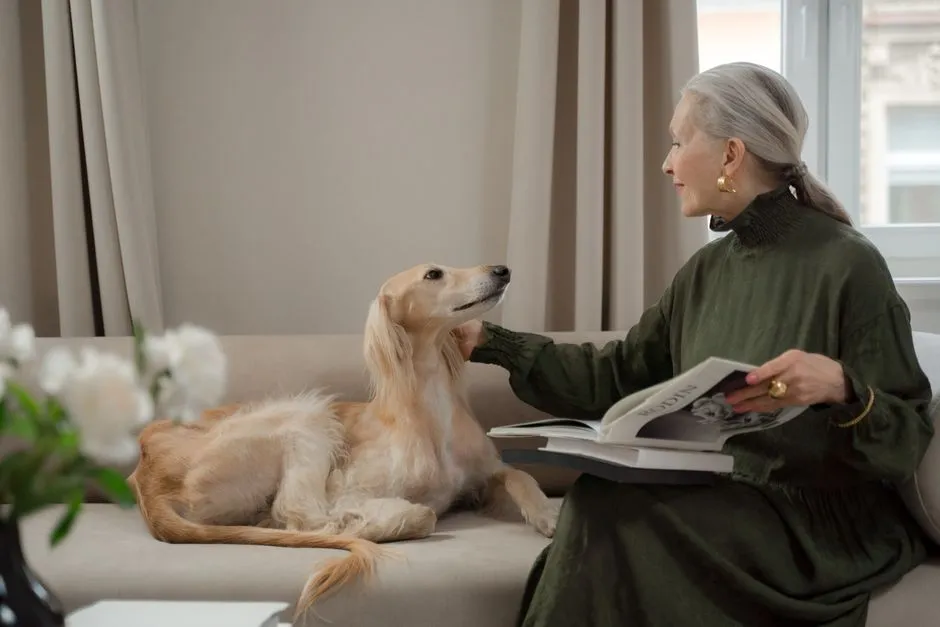
Dogs built their reputation on loyalty for a reason, and rescue workers see the extreme end of that loyalty constantly. Senior dogs who lose an owner to death or illness are often the hardest animals in any shelter to rehome, not because of behavior problems, but because their grief is impossible to hide.
Depression, refusal to eat, destructive pacing, and a kind of restless searching behavior are common in dogs separated from a person they’d bonded with for years. Some adjust. Many take months. A few never fully do, and shelter staff have learned to recognize that particular kind of quiet long before an adopter walks through the door.
Until one has loved an animal, a part of one’s soul remains unawakened.
Anatole France
Here’s the uncomfortable truth this list keeps circling back to: love isn’t always transferable, no matter how much we want it to be. We like to believe every animal can start over with enough patience, but rescue workers watch the opposite happen every single day, birds that stop eating, rabbits that shut down, dogs that search empty rooms for someone who isn’t coming back.
Maybe the real fix isn’t better rehoming techniques. Maybe it’s taking these bonds seriously enough, before we ever bring an animal home, to plan for what happens to them if we’re the ones who leave first.
