
Here’s the part that catches people off guard: nothing about your childhood backyard has actually changed. The same grass, the same trees, maybe even the same feeder hanging from the same hook. But the sounds coming from it are missing pieces almost nobody notices until it’s pointed out.
Since the 1970s, North America has quietly lost nearly three billion birds, along with staggering numbers of amphibians and insects that used to fill every backyard from dusk to dawn. Some of these losses are small and sneaky. Others are shocking enough that longtime homeowners insist “that can’t be right” the first time they hear the numbers. Count down through all 21, because the ones near the end are the ones nobody sees coming.
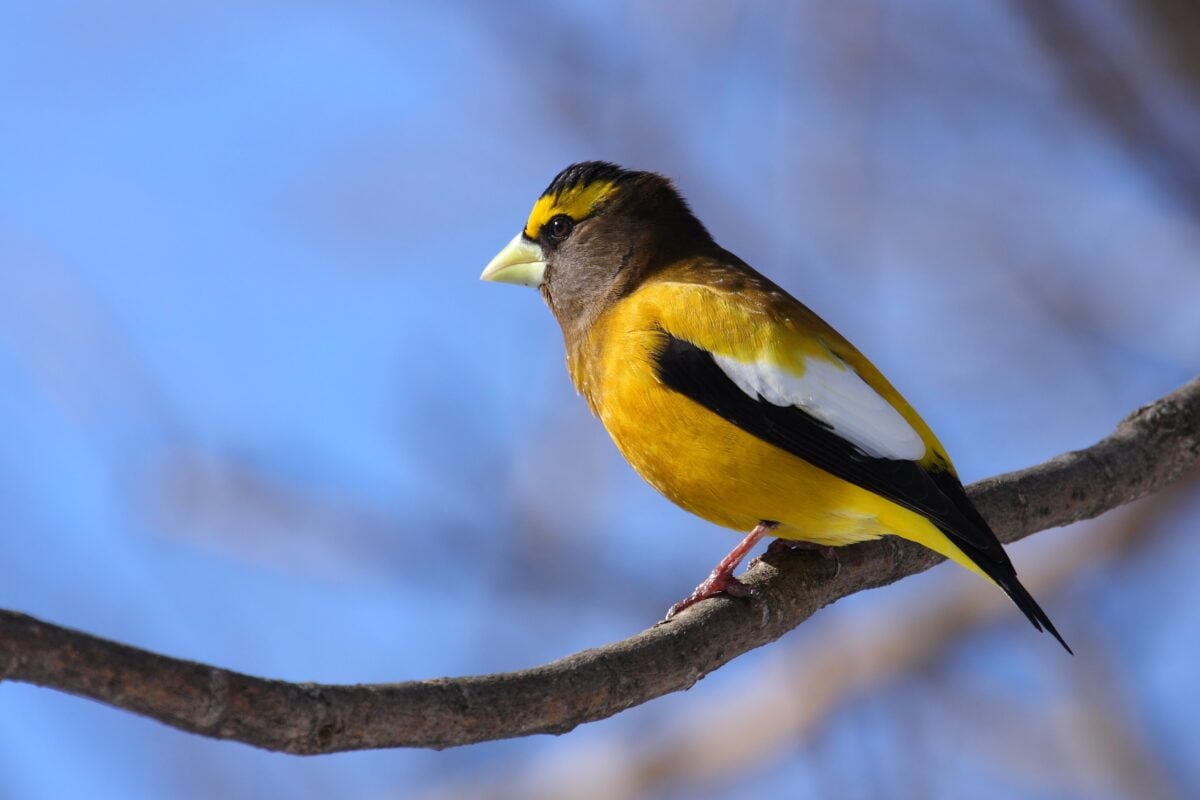
#21 – Evening Grosbeak
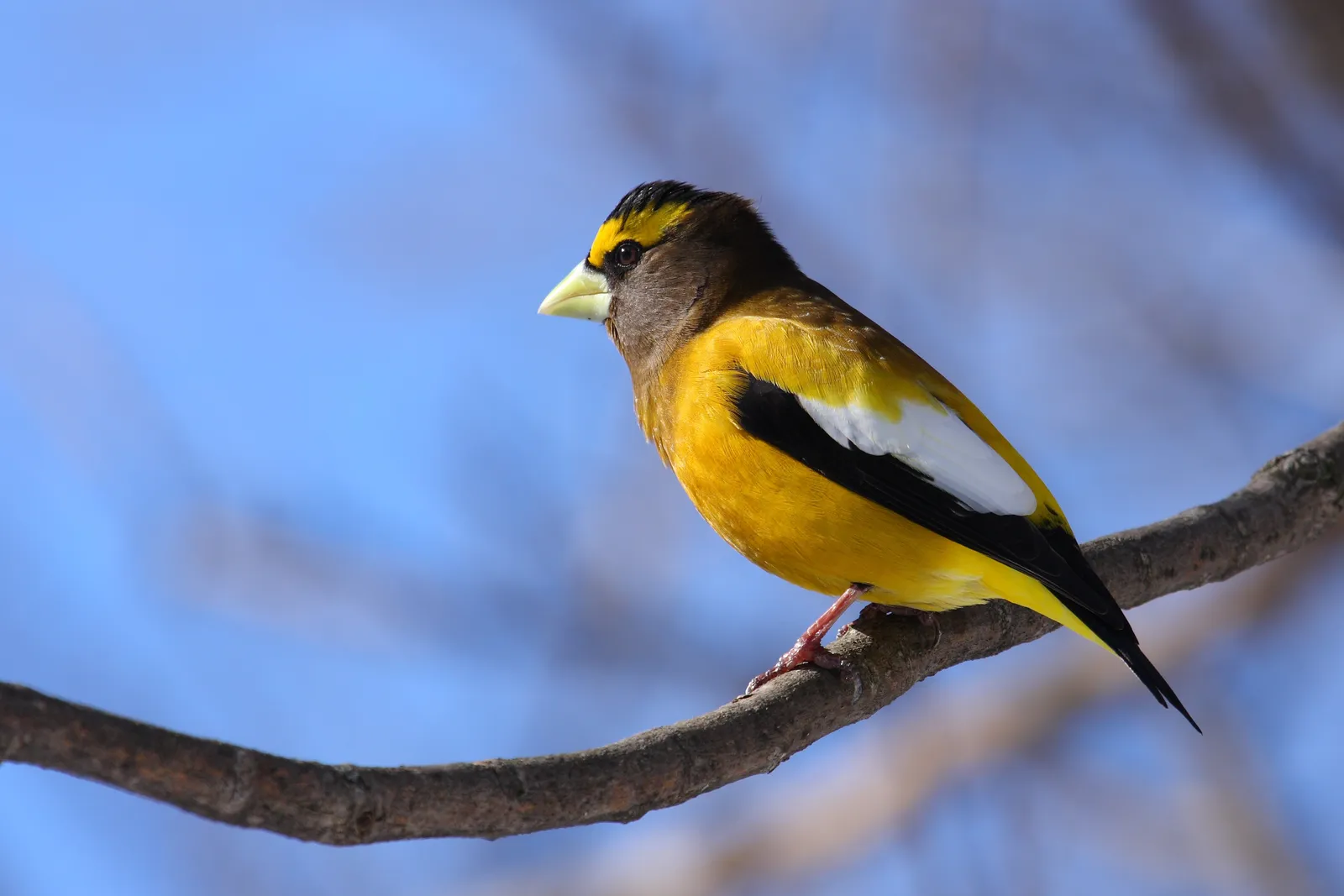
If you grew up anywhere near the Midwest or the Atlantic coast in the 1970s, winter meant a noisy flock of evening grosbeaks crowding your feeder, all lemon-yellow and black like a cartoon come to life. They weren’t rare. They were basically guaranteed every cold season, showing up in numbers big enough to empty a feeder in an afternoon.
Now entire winters pass without a single one. Disease and shifting forest habitat have quietly erased what used to be one of the most reliable winter spectacles in backyard birding. Longtime birders describe it less as a decline and more as a disappearance, one bright flock at a time.
#20 – White-throated Sparrow
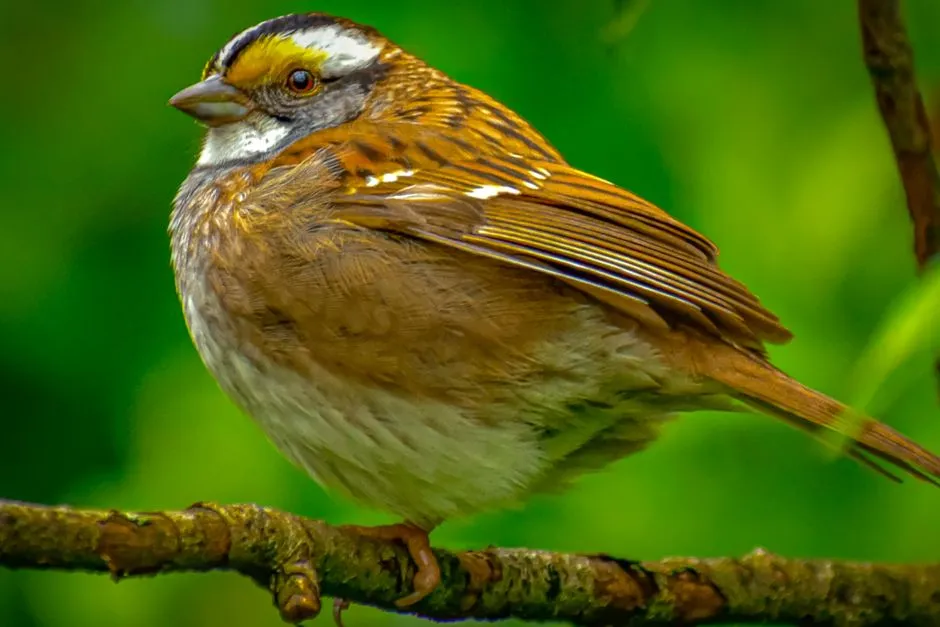
The clear, whistled “Old Sam Peabody” song used to drift out of every overgrown hedgerow each spring, so common it barely registered as anything special. It was just the sound of the season changing, as reliable as longer days and melting snow.
As neighborhoods traded scrubby edges and brush piles for manicured lawns, the white-throated sparrow lost the messy corners it depends on. The song hasn’t vanished completely, but in a lot of suburban yards, spring now arrives a little quieter than it used to.
#19 – Dark-eyed Junco
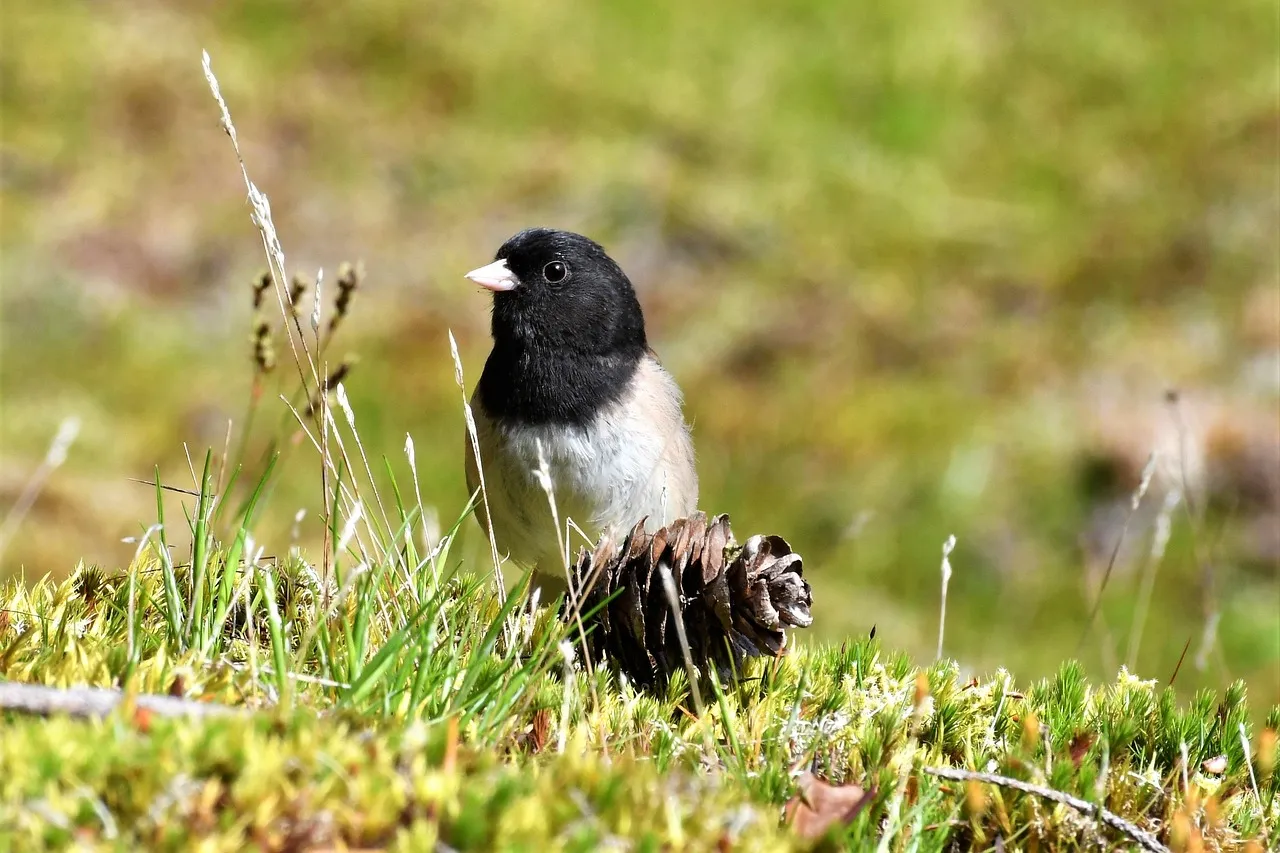
Juncos were the backyard’s dependable snowbirds, the little gray-and-white visitors that showed up right on cue every winter in numbers that felt almost limitless. Nobody in the 1970s worried about running out of juncos. There were hundreds of millions of them.
Since then, roughly 168 million have simply vanished from the landscape. That’s not a rare species slipping toward extinction. That’s one of the most abundant birds in North America losing a huge slice of its population without most people ever noticing the gap.
#18 – Red-winged Blackbird
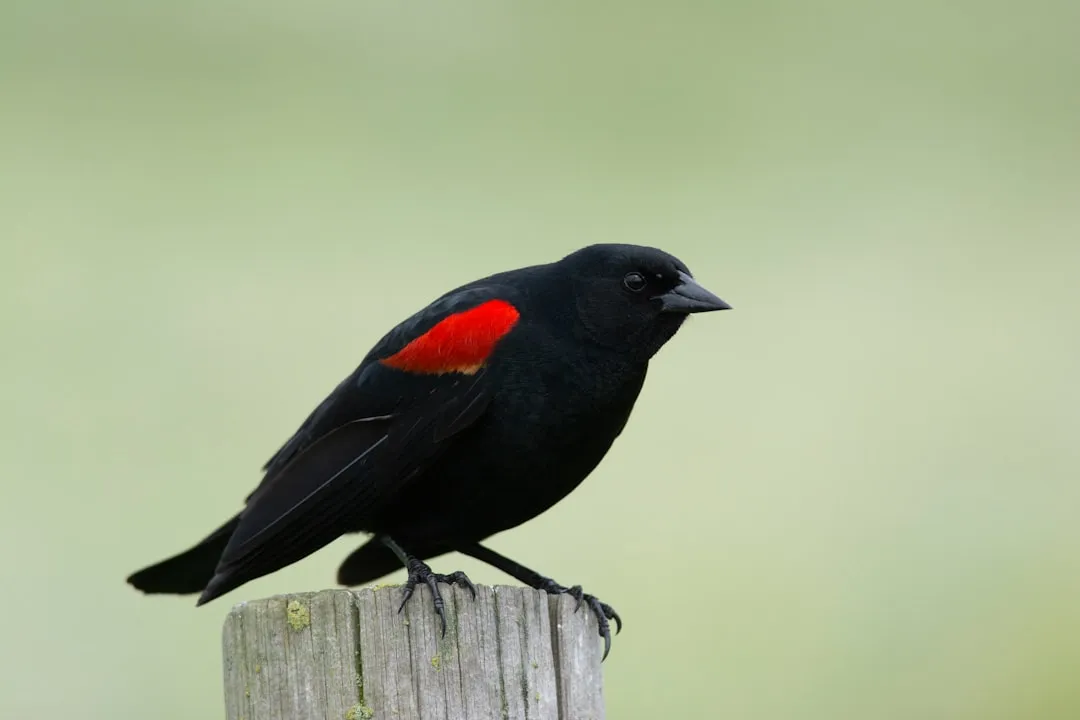
Every marshy ditch, pond edge, and roadside wetland in the 1970s had its own red-winged blackbird sentry, flashing that unmistakable red-and-yellow shoulder patch while singing from a cattail. They were everywhere, loud and territorial and impossible to ignore.
They’re still around today, which is exactly why the numbers are so unsettling. Despite remaining common, the species has lost nearly a third of its total population since 1970, largely because wetlands keep getting drained for development and farmland. Familiar doesn’t mean safe.
#17 – Eastern Meadowlark
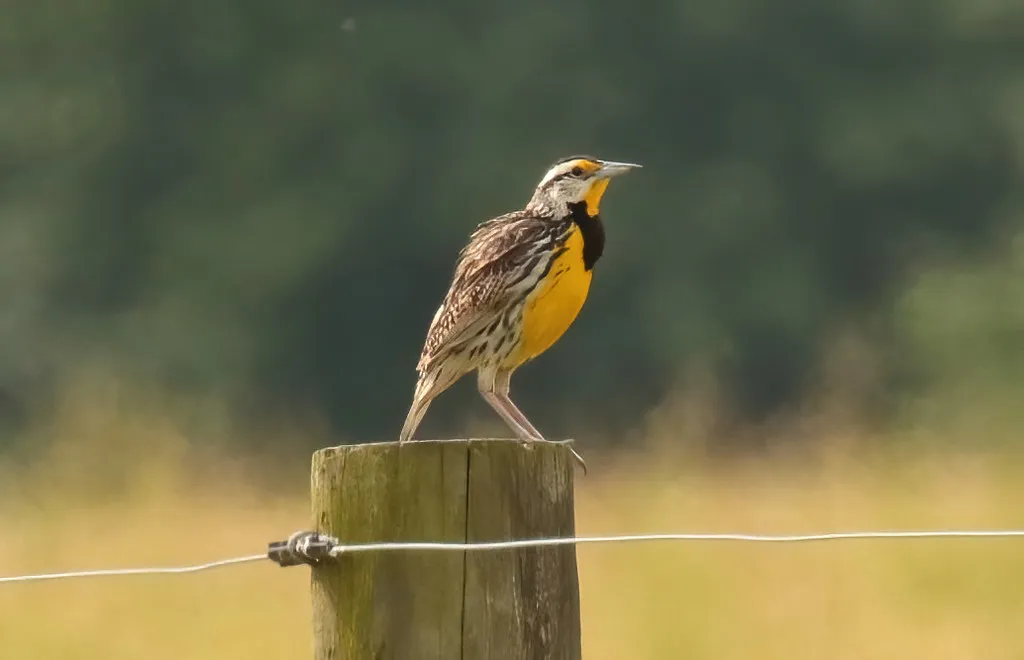
A meadowlark on a fence post, singing its flute-like song across an open field, was one of the defining sounds of rural and suburban edges alike. It was the soundtrack of early morning drives and backyard chores throughout the decade.
Grassland birds as a group have been hit harder than almost any other category of North American wildlife, and meadowlarks sit near the top of that grim list. Combined with their western cousins, meadowlark losses now top 139 million birds, a casualty of mowed fields and vanished open land.
#16 – Chimney Swift
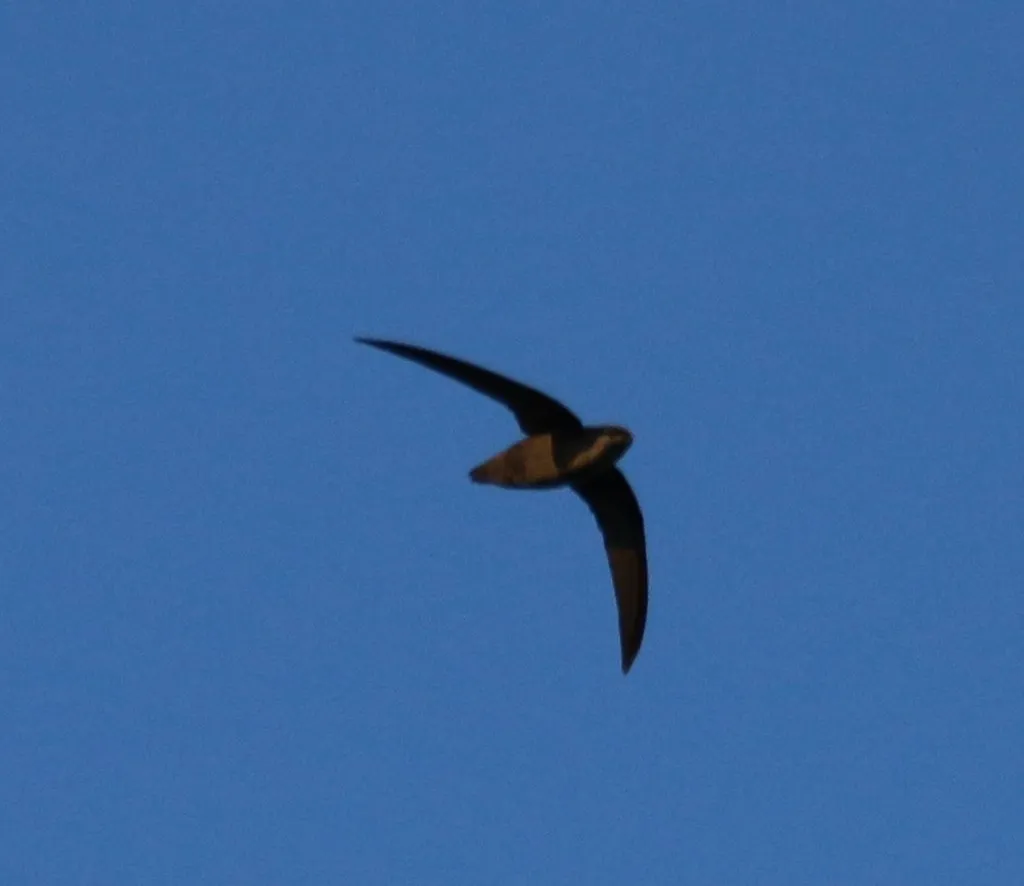
Nicknamed “flying cigars” for their stubby, cylindrical silhouette, chimney swifts used to circle suburban skies by the thousands, diving into old brick chimneys at dusk like smoke being sucked backward. It was a strange, almost magical sight that nobody thought twice about.
Modern chimney caps and the demolition of older buildings took away the nesting sites these birds evolved to depend on. The decline has been fast and steep, turning a once-daily neighborhood spectacle into something younger generations may never witness at all.
Fast Facts
- Population has fallen by an estimated 67% since 1970
- Unlike most birds, they cling to vertical surfaces instead of perching
- Nearly entirely dependent on chimneys and hollow trees for nesting
- Ranked among the fastest-declining aerial insectivores in North America
#15 – Barn Swallow
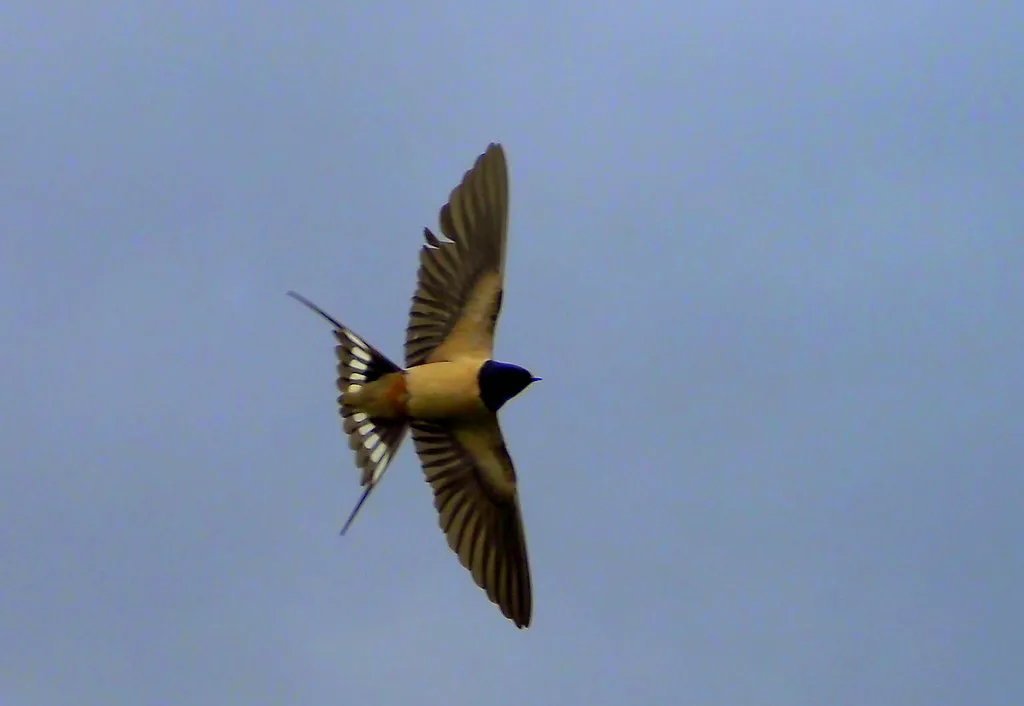
Barn swallows once swooped low across lawns and open fields all summer long, skimming just above the grass in tight, acrobatic loops while hunting insects. Their forked tails and metallic blue backs made them instantly recognizable, and their presence felt permanent.
As open barns and outbuildings give way to sealed, modern construction, and flying insect populations shrink alongside them, barn swallow numbers have followed the same downward path. Fewer swallows also means fewer natural mosquito patrols circling your yard each evening.
#14 – Monarch Butterfly
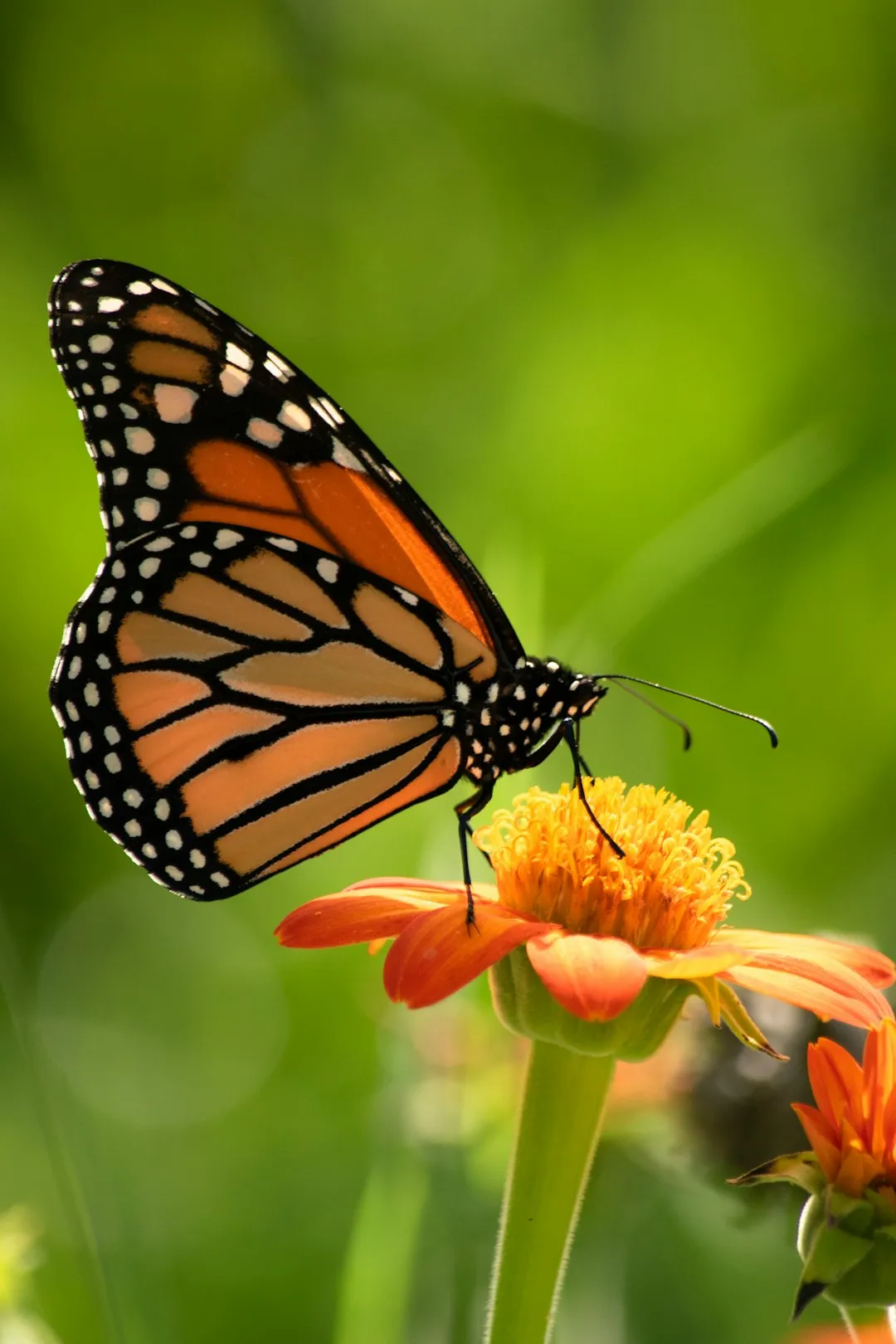
Summer gardens in the 1970s practically vibrated with monarch butterflies drifting between milkweed patches, so common that finding a caterpillar on a leaf was an everyday kid’s discovery, not a rare event worth photographing.
Eastern monarch populations have crashed by as much as 90 percent in some years, driven by herbicide use wiping out milkweed and habitat loss along their migration routes. What was once background scenery is now a conservation emergency playing out in real time.
In nature nothing exists alone.
Rachel Carson
#13 – American Toad
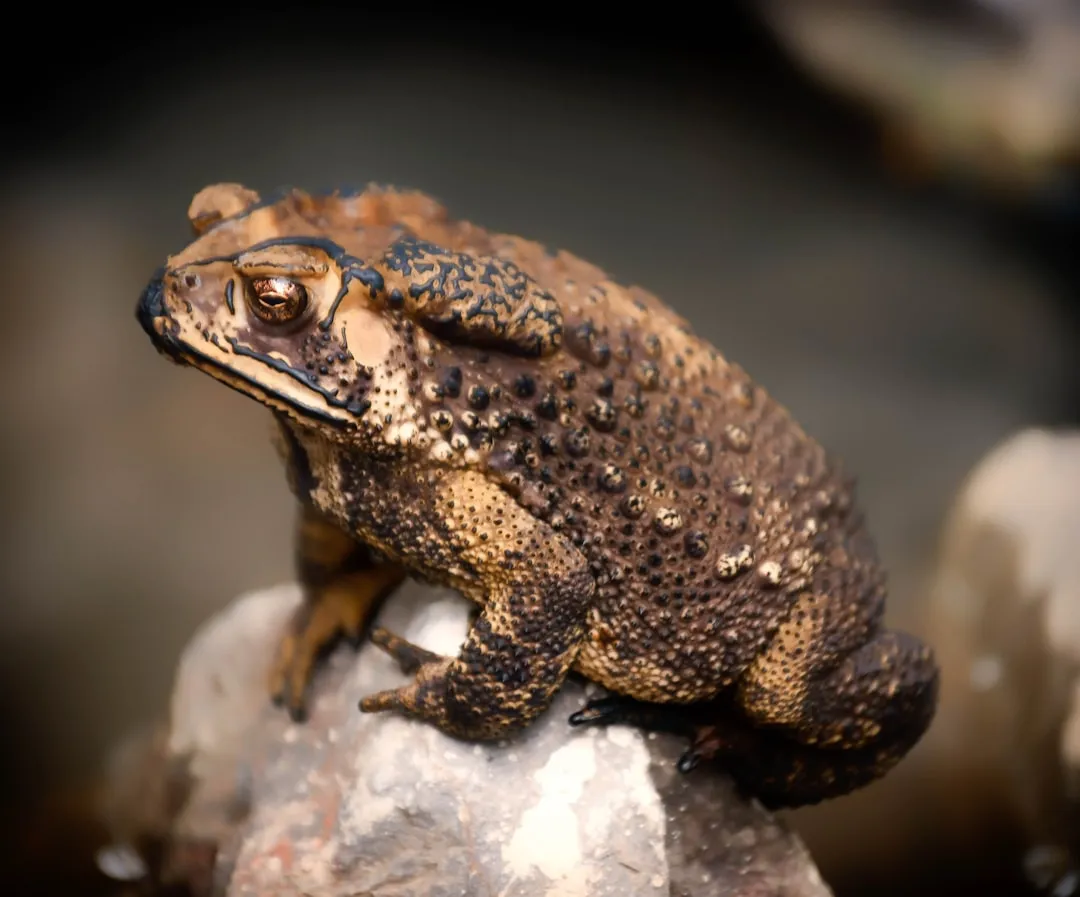
The deep, trilling call of an American toad rising from a woodpile or garden bed at night was as common as crickets in the 1970s. These chunky, warty toads were tough, adaptable, and seemed built to survive anything.
But amphibians as a class have proven surprisingly fragile against habitat fragmentation, pesticide runoff, and pollution, and toads haven’t been spared. The nightly chorus that once filled backyard gardens has grown noticeably thinner in many regions.
#12 – Spring Peeper
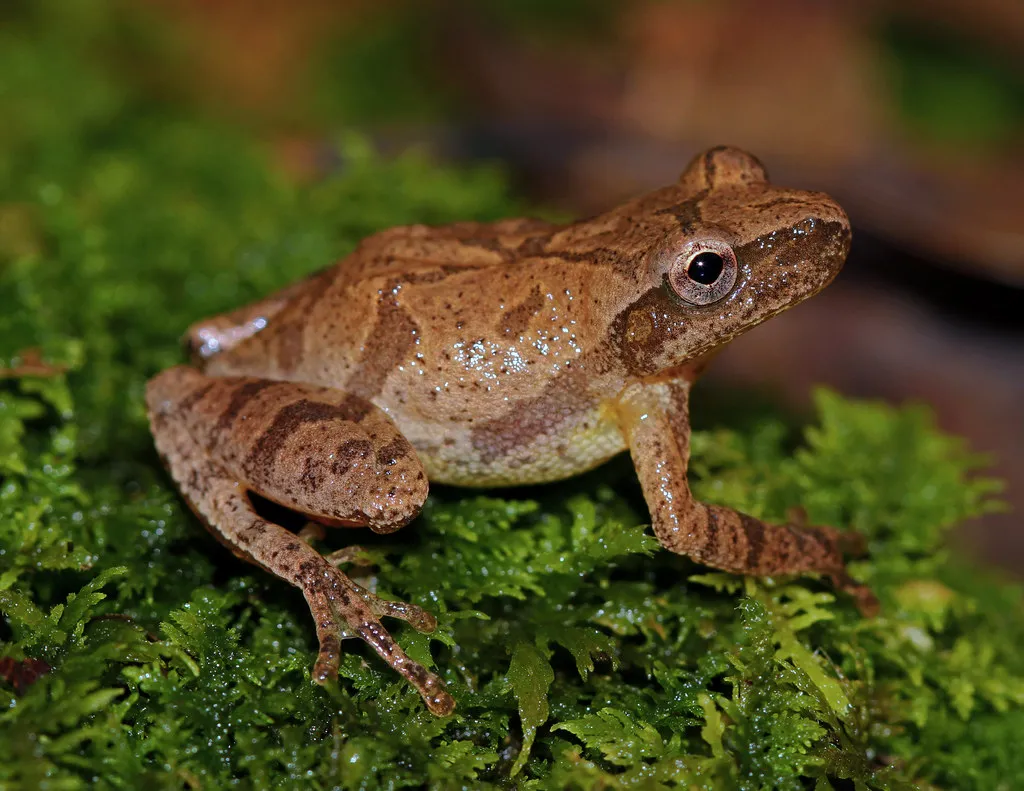
Every March, tiny spring peepers turned backyard ditches and wetlands into a wall of sound loud enough to hear from indoors with the windows shut. That chorus was practically a calendar marker, the unofficial start of spring for entire neighborhoods.
Small wetlands have been disappearing steadily, and road mortality takes a quiet toll on these fragile little frogs every breeding season. The chorus still happens in places, but it’s thinner now, and longtime residents notice the difference immediately.
#11 – Little Brown Bat
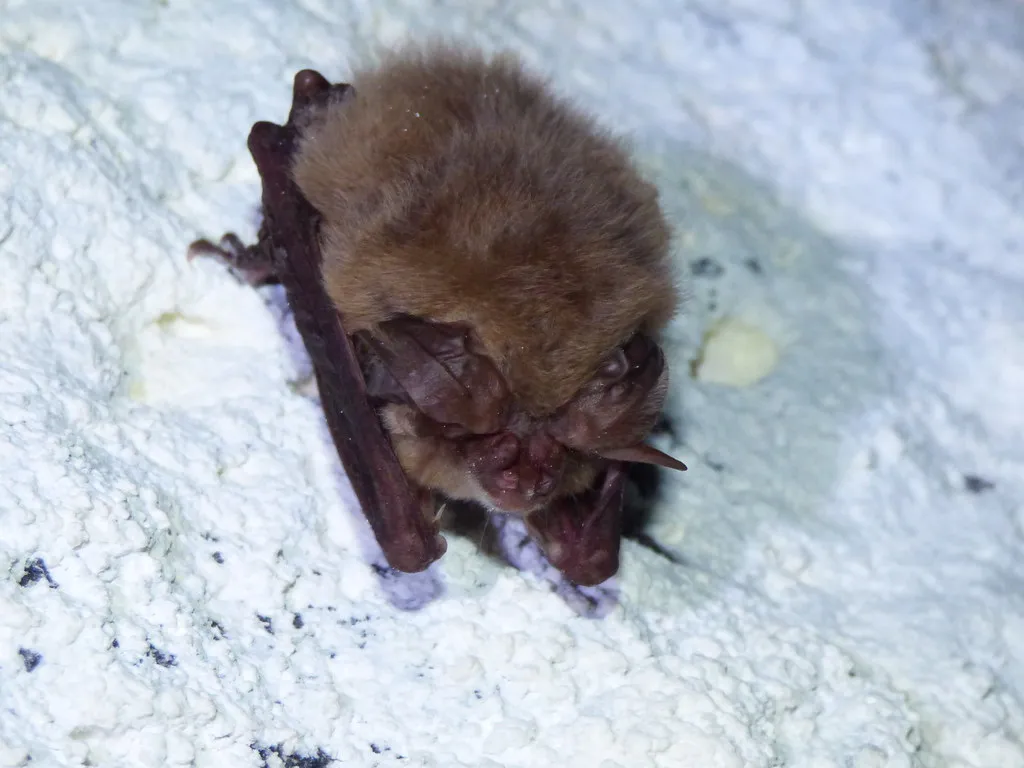
At dusk in the 1970s, little brown bats would appear right on schedule, darting erratically over lawns as they hoovered up mosquitoes and moths. Nobody paid them much mind because they were simply part of the evening.
White-nose syndrome, a fungal disease that has torn through bat colonies since the mid-2000s, combined with habitat loss, has devastated populations in entire regions. Backyards that once had natural mosquito control overhead now go without it, and most people don’t even realize why the bugs feel worse.
Worth Knowing
- White-nose syndrome was first documented in a New York cave in February 2006
- The disease has since killed several million hibernating bats across North America
- Mortality at an affected hibernation site often runs between 90% and 100%
- Confirmed cases now stretch across dozens of U.S. states and Canadian provinces
#10 – Northern Flicker
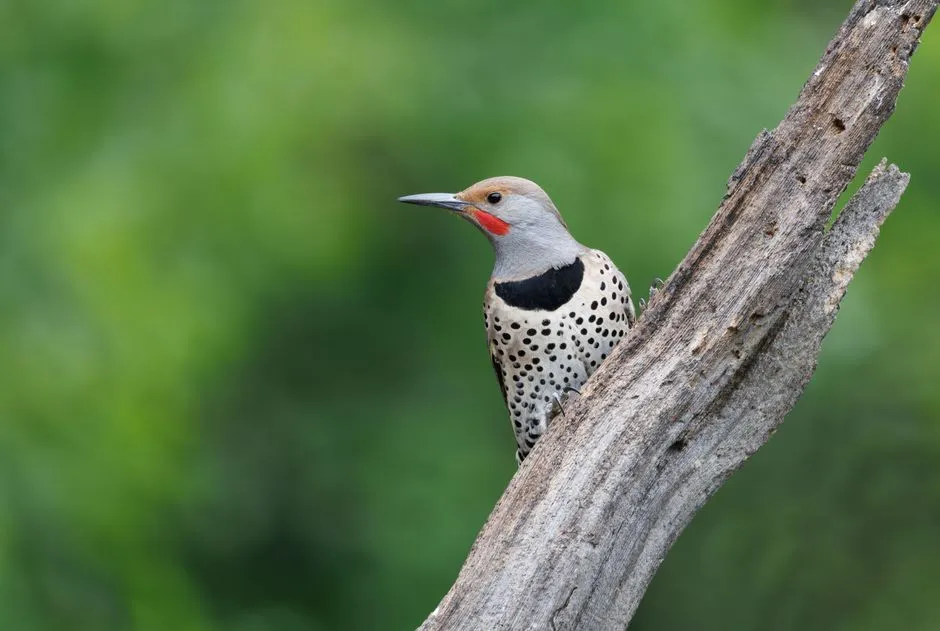
Northern flickers were the woodpeckers that broke the rules, spending as much time hopping around on open lawns hunting ants as they did drumming on trees. Their loud calls and flashing wing patches made them one of the most recognizable backyard birds of the decade.
Woodpeckers as a family have taken losses tied to shrinking dead-tree habitat and rising competition, and flickers have followed that same downward curve. Fewer flickers means fewer of those goofy, ground-hopping antics that used to be a daily backyard show.
#9 – Gray Treefrog
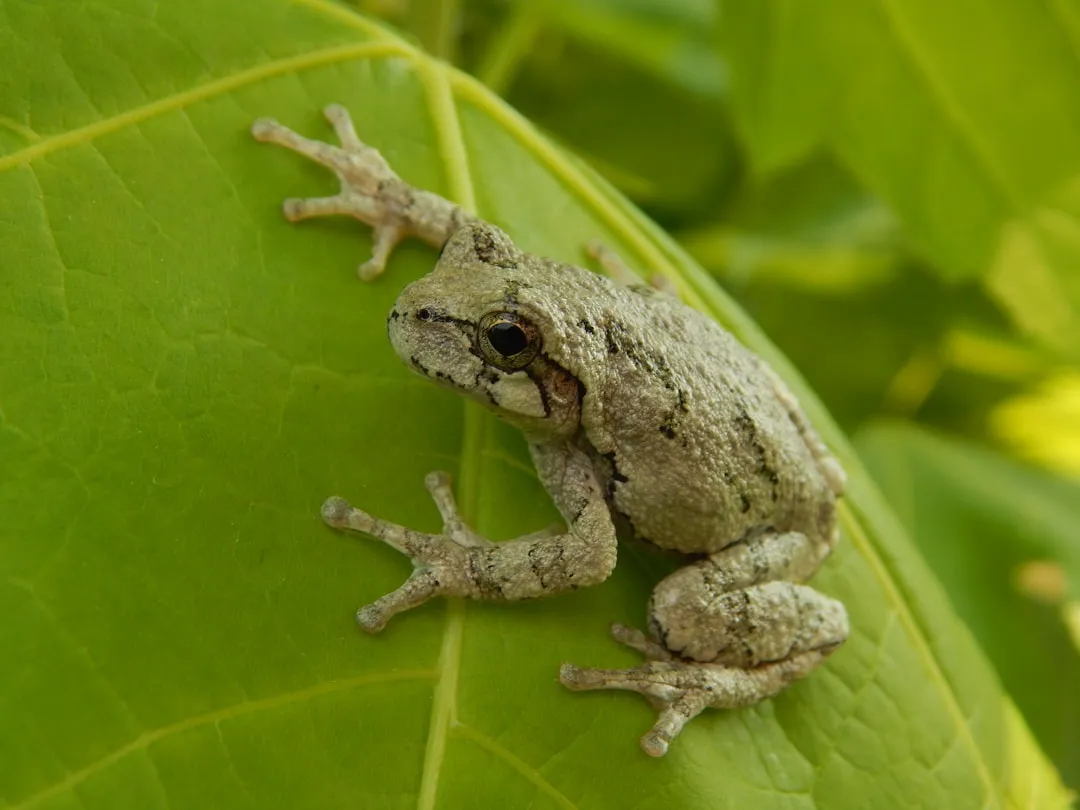
Gray treefrogs were the camouflage experts of the backyard, blending into bark so well you’d hear them calling from a tree without ever spotting one. That flute-like trill was a constant part of summer nights in the 1970s.
Even a species this adaptable hasn’t escaped the squeeze of habitat loss and pollution. Their retreat from suburban areas is a reminder that being a generalist doesn’t guarantee survival when the surrounding landscape keeps shrinking.
#8 – Common Nighthawk
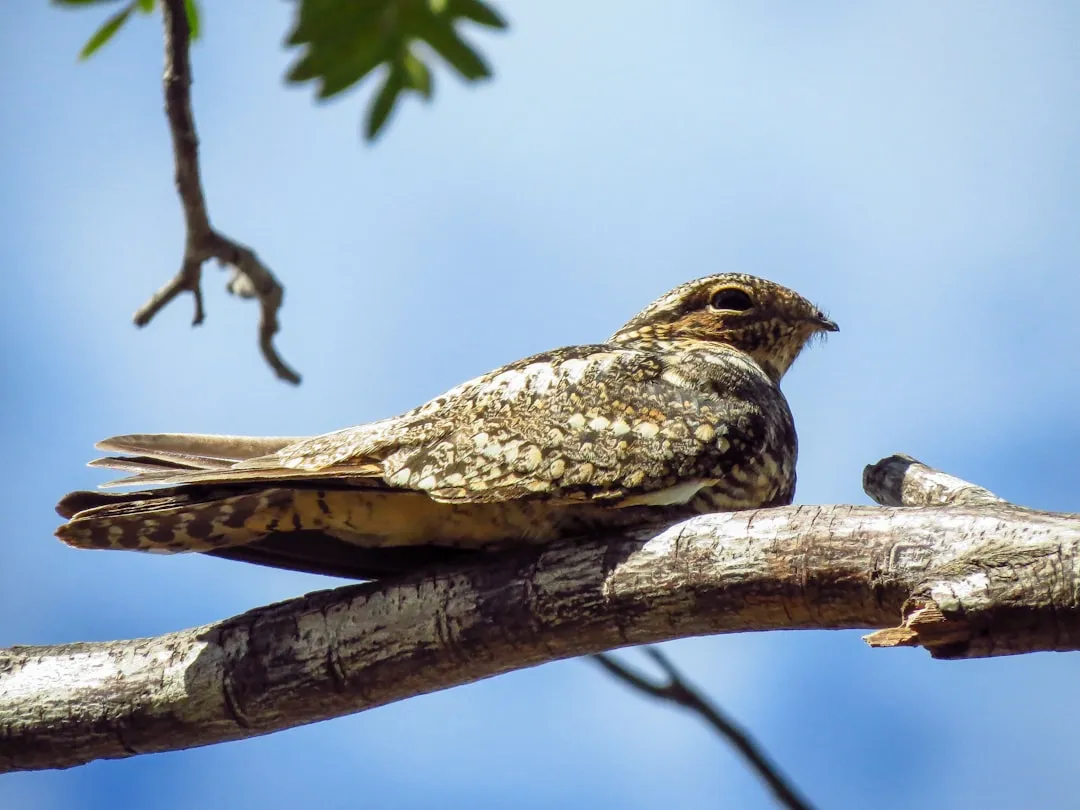
Common nighthawks used to patrol suburban skies right at dusk, their buzzy calls and erratic flight easy to spot over rooftops and open streets. Flat gravel roofs were basically nighthawk real estate, and open fields gave them plenty of hunting ground.
As those flat roofs got replaced and open fields turned into subdivisions, nighthawks lost the exact conditions they need to nest and hunt. Their disappearance mirrors a much larger, more troubling trend: aerial insect-eating birds across the board are vanishing at some of the fastest rates of any bird group.
#7 – Purple Martin
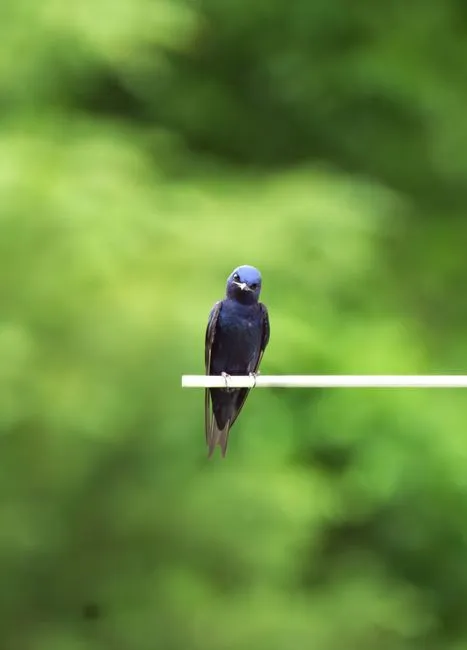
Purple martins had a special kind of backyard fame in the 1970s, with entire households proudly maintaining martin houses just to host these large, glossy swallows every summer. It was a genuine hobby, almost a point of pride.
Declining insect populations and competition from invasive species, particularly house sparrows and starlings, have squeezed martins hard. Fewer martins overhead means fewer natural mosquito hunters working your yard for free, something a lot of backyard birders miss more than they expected to.
At a Glance
- Population down roughly 24% over the last 55 years, about 2.8 million birds lost
- East of the Rockies, martins now nest almost entirely in human-provided housing
- Chief rivals for nest space are non-native European starlings and house sparrows
- A single colony can devour a staggering number of flying insects each season
#6 – American Goldfinch
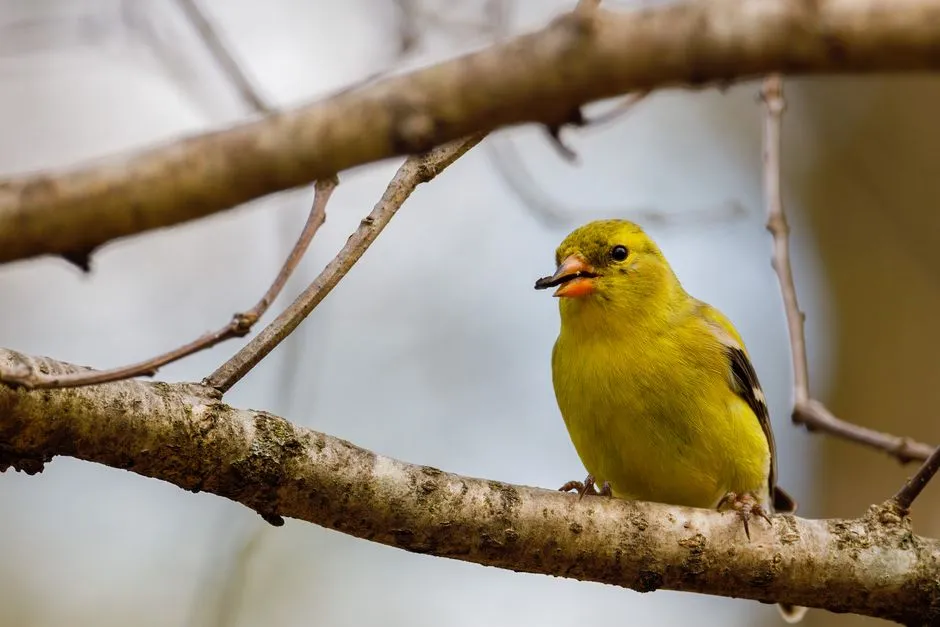
American goldfinches were the reliable flash of yellow at every thistle feeder, arriving late in the season and staying through summer with their bouncing flight and cheerful calls. They felt like a permanent fixture of warm-weather backyards.
Regional declines tied to broader finch family struggles have chipped away at their numbers in several areas. It’s not a collapse, but it’s enough of a dip that some feeders see noticeably less color and activity than they did decades ago.
#5 – Song Sparrow
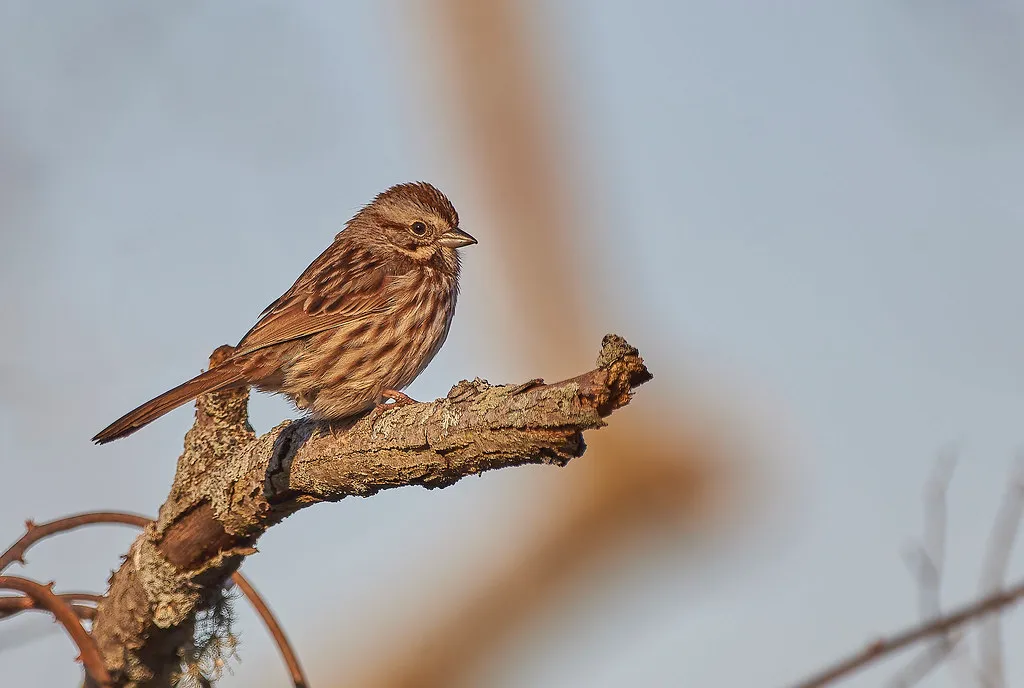
Song sparrows earned their name honestly, singing constantly from backyard shrubs and brushy edges nearly year-round. Their varied, improvised songs made them one of the most recognizable voices of any 1970s neighborhood.
Habitat changes have steadily thinned their numbers in many regions, even though they remain one of the more adaptable backyard birds. The quieting of that constant background music is subtle, but it’s real, and it adds up across an entire continent.
#4 – Northern Cardinal
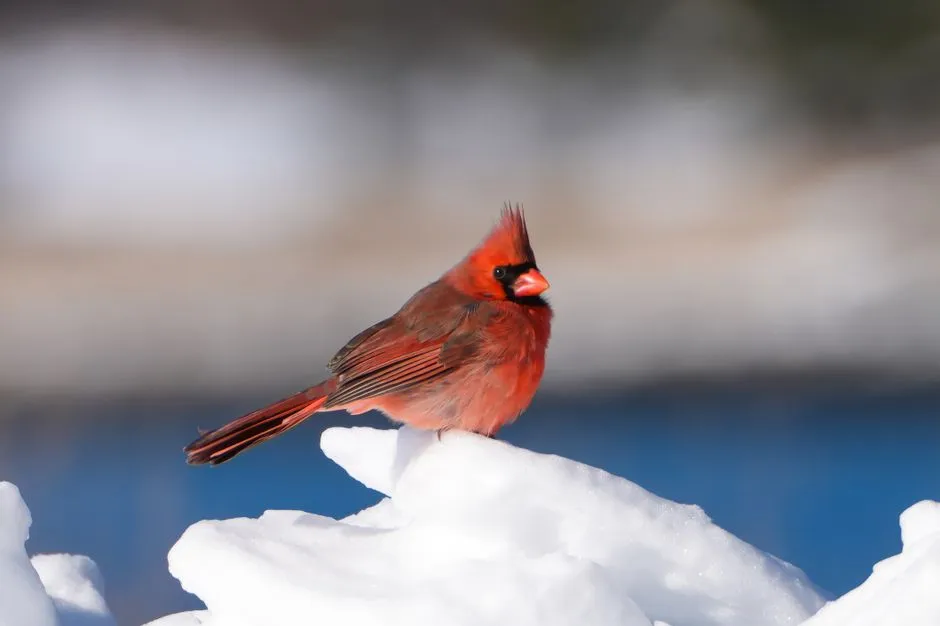
Nothing said “winter backyard” in the 1970s quite like a bright red cardinal perched against snow, whistling its clear, cheerful song. They were the unofficial mascot of feeders everywhere, bold and unmistakable.
Cardinals are still common, which makes their regional declines all the more telling. Even a beloved, iconic species isn’t immune when food sources shift and habitat quietly erodes around it, a warning sign hiding inside a bird most people assume is doing just fine.
#3 – Downy Woodpecker
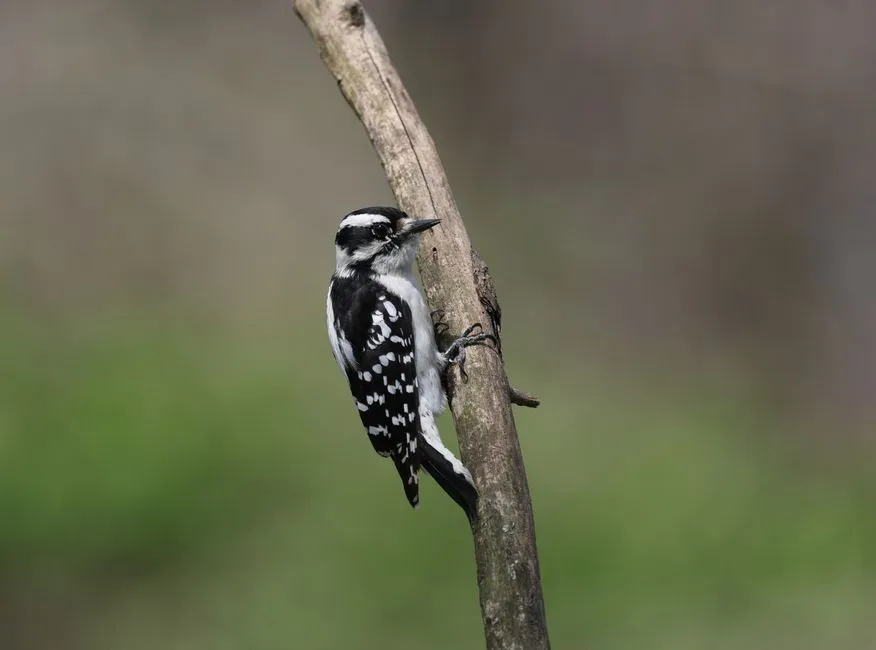
The smallest woodpecker in North America was also one of the most dependable, showing up at suet feeders and hammering away on backyard trees almost daily throughout the 1970s. Their tiny size made them feel almost like a bonus bird, easy to overlook precisely because they were so consistent.
Increased competition and shifting habitat have put pressure on smaller woodpecker species across the board. Downy woodpeckers haven’t disappeared, but their quieter presence today tracks a wider pattern affecting woodpeckers of every size.
#2 – House Wren
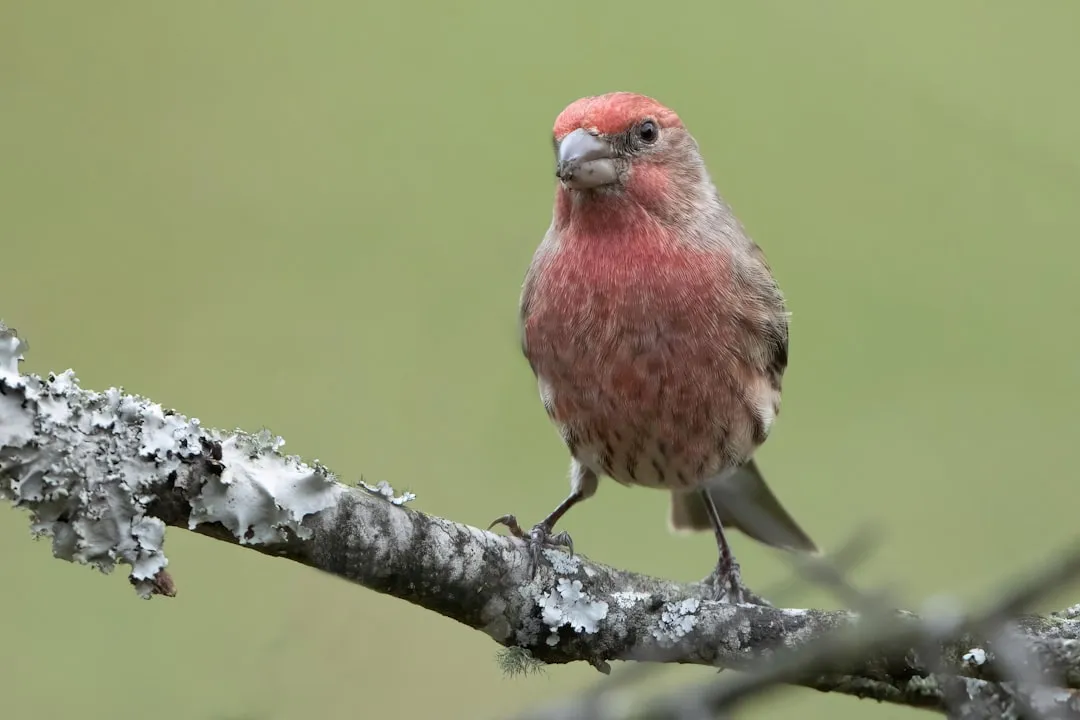
House wrens were the loudmouths of the backyard, tiny brown birds capable of shockingly big, bubbly songs that seemed to come from everywhere at once. They packed nest boxes and brush piles all summer, fiercely defending territory far larger than their size suggested.
Loss of suitable nesting habitat and shrinking insect populations have reduced their numbers in many regions. When wrens go quiet, an entire layer of a backyard’s summer soundtrack disappears with them, and most people don’t notice until the silence feels strange.
Why It Stands Out
- A bird barely five inches long that can out-sing birds twice its size
- Known to evict other cavity nesters, sometimes even larger species, from boxes
- Remains one of the few native species still eager to use backyard nest boxes
- Shrinking brush cover and insect supply are quietly thinning local numbers
#1 – Ruby-throated Hummingbird
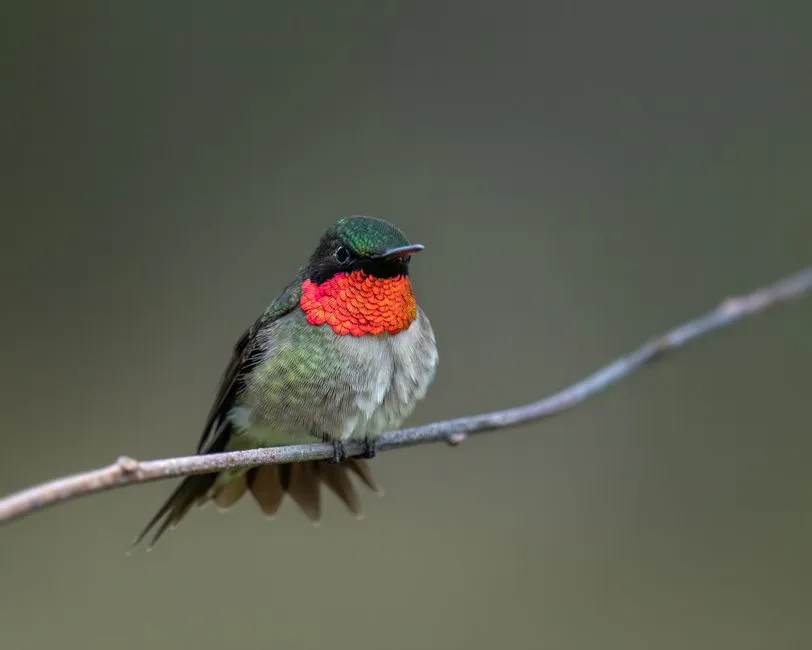
Nothing captured the magic of a 1970s summer garden quite like a ruby-throated hummingbird zipping between feeders and flowers, wings a blur, throat flashing red in the right light. It was the animal every kid wanted to see up close, and in most backyards, that wish came true constantly.
Some populations remain stable today, but the species isn’t untouchable. Broader declines among aerial insectivores and steady habitat pressure mean even hummingbirds face a less certain future than the one they had in 1970. If the most beloved backyard animal of them all isn’t guaranteed, nothing really is.
The Bottom Line
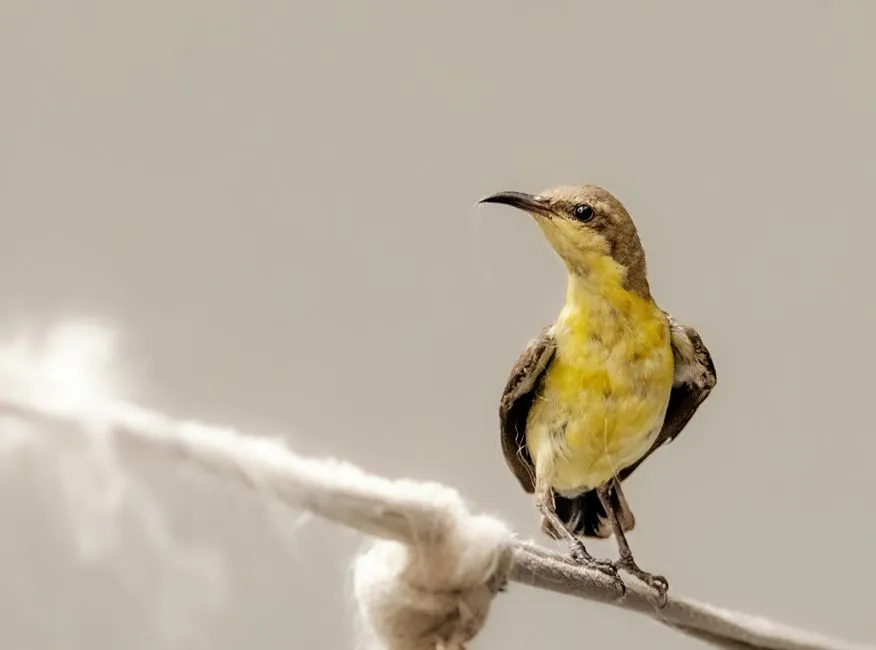
Add it all up and the numbers stop feeling abstract. Billions of birds. Countless insects and amphibians. An entire layer of sound and movement quietly stripped out of ordinary backyards while most of us were busy assuming everything was fine.
Here’s the uncomfortable truth: none of these were exotic or endangered species to begin with. They were the common ones, the background noise, the animals nobody thought to protect because nobody imagined they could actually disappear. That’s exactly why this list should bother people more than a list of rare or exotic wildlife ever could. Habitat loss, pesticides, and unchecked development didn’t just threaten wildlife on the edges of extinction, they hollowed out the ordinary, everyday nature living right outside the back door.
Did we miss one that used to visit your yard? Drop it in the comments and tell us what’s gone quiet where you live.

- 10 Facts About the California Condor's Remarkable Recovery - August 25, 2026
- What Bird of Prey Matches Your Zodiac Personality - August 25, 2026
- 9 Ways Cats Apologize After Causing Chaos - August 25, 2026