
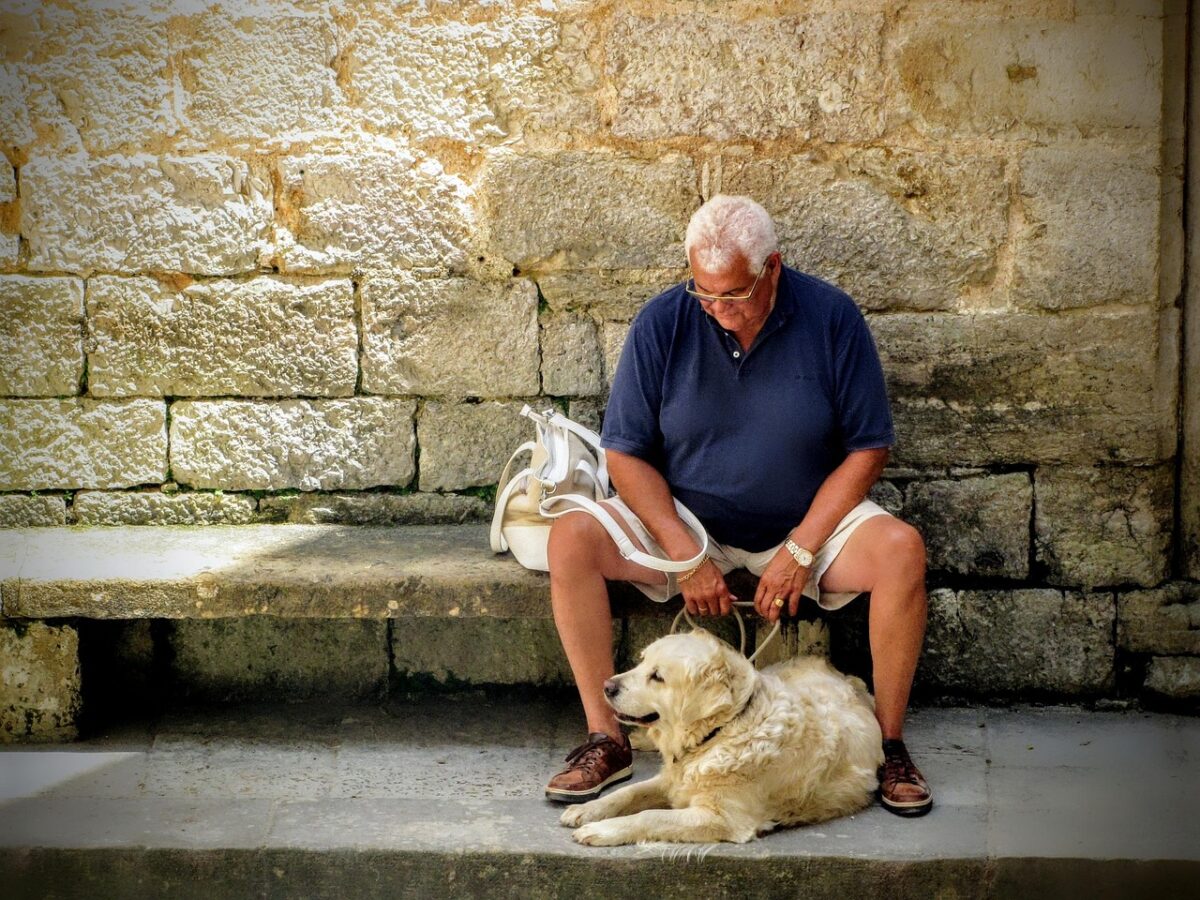
Most people assume that once a dog hits its final chapter, there’s nothing left to do but wait. Watch the gray muzzle get grayer. Watch the stairs get harder. Wait for the inevitable. That belief is not just wrong – it’s costing dogs comfort they could actually have.
Veterinarians and hospice-care specialists will tell you the opposite is true: the final months of a dog’s life can be some of the gentlest, most connected time you spend together, if you know what to actually change. Some of these adjustments take five minutes. Others will surprise you with how much they matter. Here’s where to start.
12. Schedule Regular Vet Check-Ups That Actually Catch Problems Early
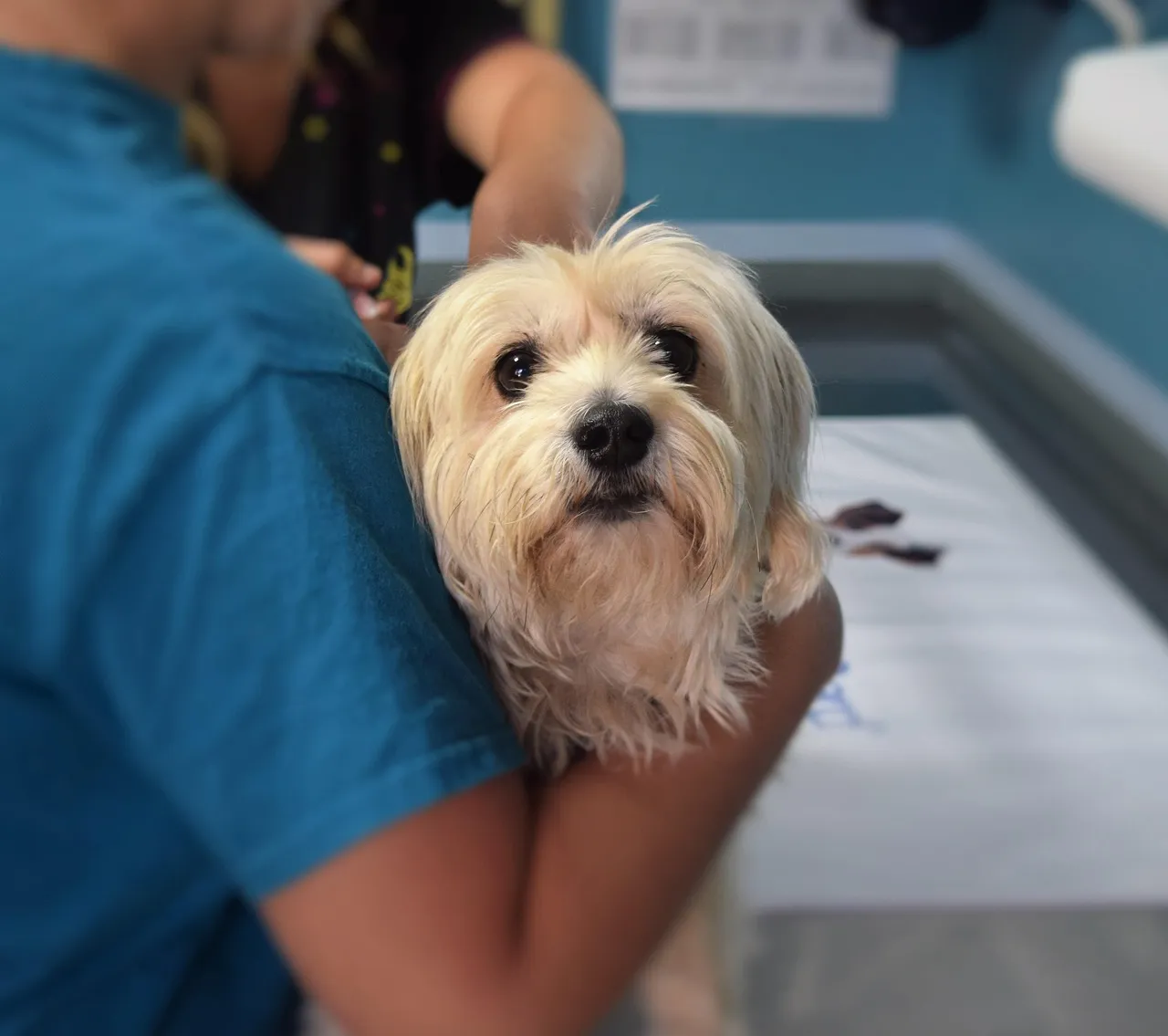
Dogs are professional pain-hiders. It’s an instinct left over from their wild ancestors – showing weakness gets you left behind. So by the time your senior dog is visibly limping or refusing food, whatever’s wrong has usually been building for a while.
That’s why senior dogs need vet visits every six months instead of once a year. These visits typically include physical exams, bloodwork, and mobility checks that can flag arthritis, kidney changes, or tumors long before they become emergencies. Catching things early doesn’t just extend life – it keeps your dog out of pain longer.
Fast Facts
- Senior dogs (usually 7+) benefit from vet visits every six months, not once a year
- Checkups typically include bloodwork, mobility screening, and dental exams
- Early detection of arthritis or kidney disease can add pain-free months to a dog’s life
11. Switch to a Senior Diet That Eases Digestion and Joint Pain
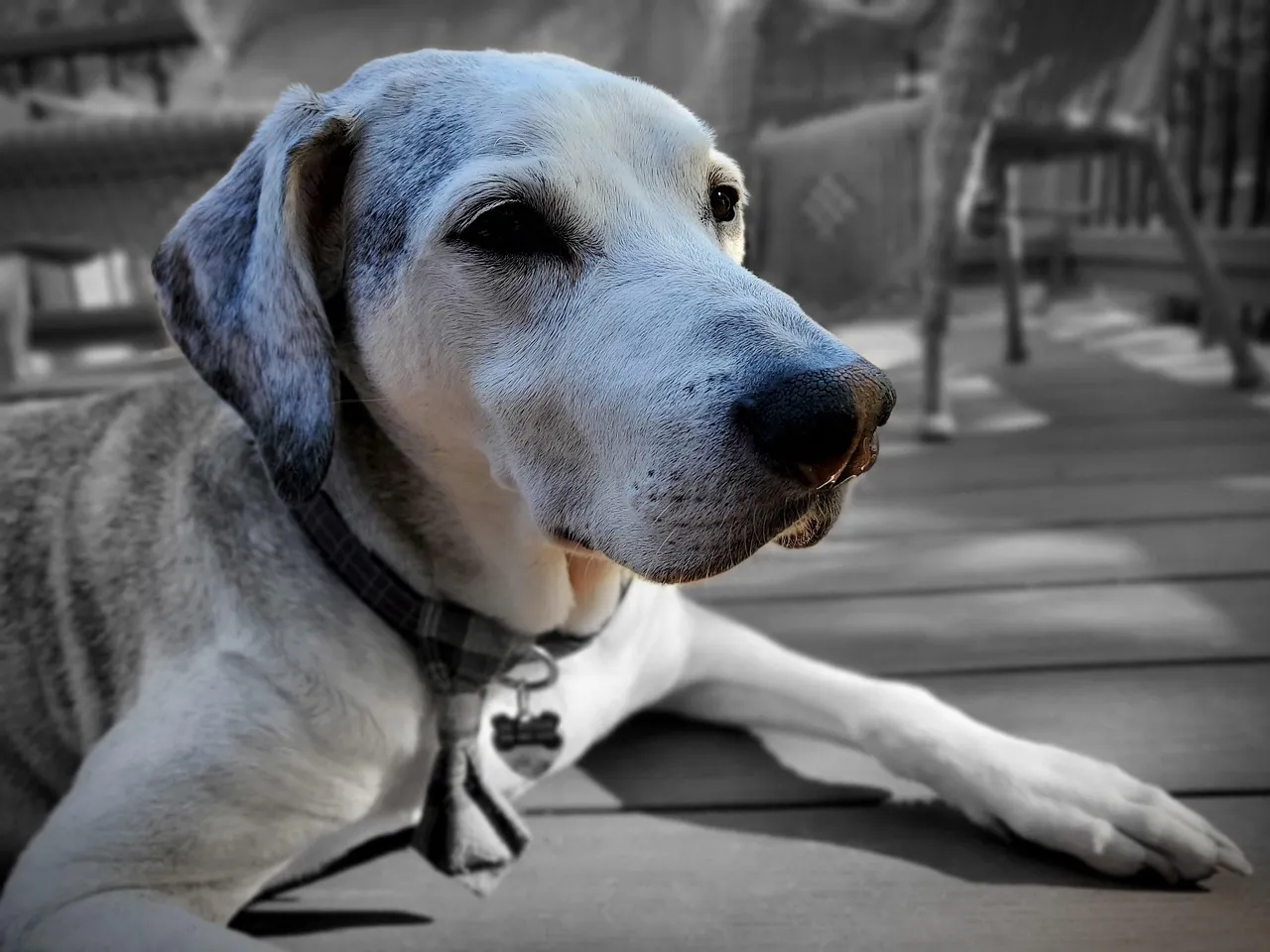
An aging dog’s body burns fewer calories, digests food more slowly, and struggles to keep joints lubricated the way it once did. Feeding them the same food you fed them at age three isn’t neutral – it’s actively working against them.
Senior-formulated diets typically dial back calories to prevent extra weight from stressing already-tired joints, boost fiber for smoother digestion, and add fatty acids that support joint comfort. This isn’t a switch to make on a whim, though – talk to your vet about what your specific dog’s body needs before changing anything.
- Lower calorie content to prevent weight gain
- Higher fiber for digestive health
- Essential fatty acids to support joint health
10. Keep Gentle Movement in Their Daily Routine

It feels counterintuitive to keep exercising a dog who’s clearly slowing down. But stopping movement altogether is often worse – stiff joints get stiffer, muscles that could support a bad hip start to waste away, and boredom sets in fast.
The goal isn’t fitness anymore. It’s circulation, muscle tone, and a mind that still gets to sniff the world. Short, slow walks and gentle play sessions accomplish all three. Watch your dog’s body language closely and let them set the pace – some days that pace will be a lap around the yard, and that’s enough.
9. Rework Your Home Into a Senior-Dog-Friendly Space
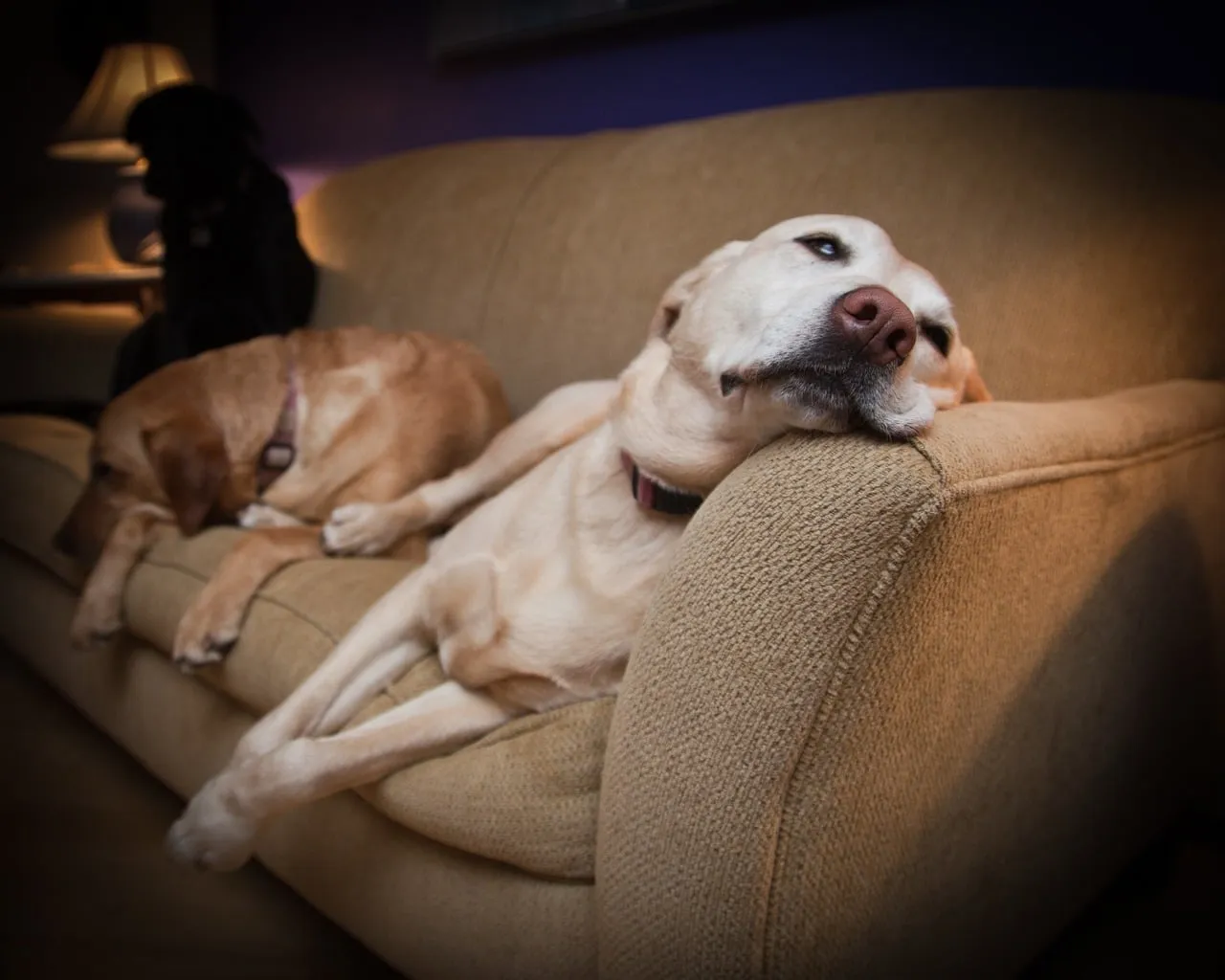
Picture your living room from a thirteen-year-old dog’s perspective: the hardwood floor is a skating rink, the couch is a cliff, and the stairs to your bedroom might as well be a mountain. Homes are built for young joints, and most owners never notice until their dog starts avoiding certain rooms entirely.
A few changes make an outsized difference here. Orthopedic beds cushion aging hips overnight, non-slip rugs prevent the kind of fall that can end badly for a senior dog, and ramps let them keep reaching their favorite window seat or car seat without a painful jump. None of it is expensive. All of it changes how they move through their day.
8. Take Chronic Pain Seriously – Even When They Hide It
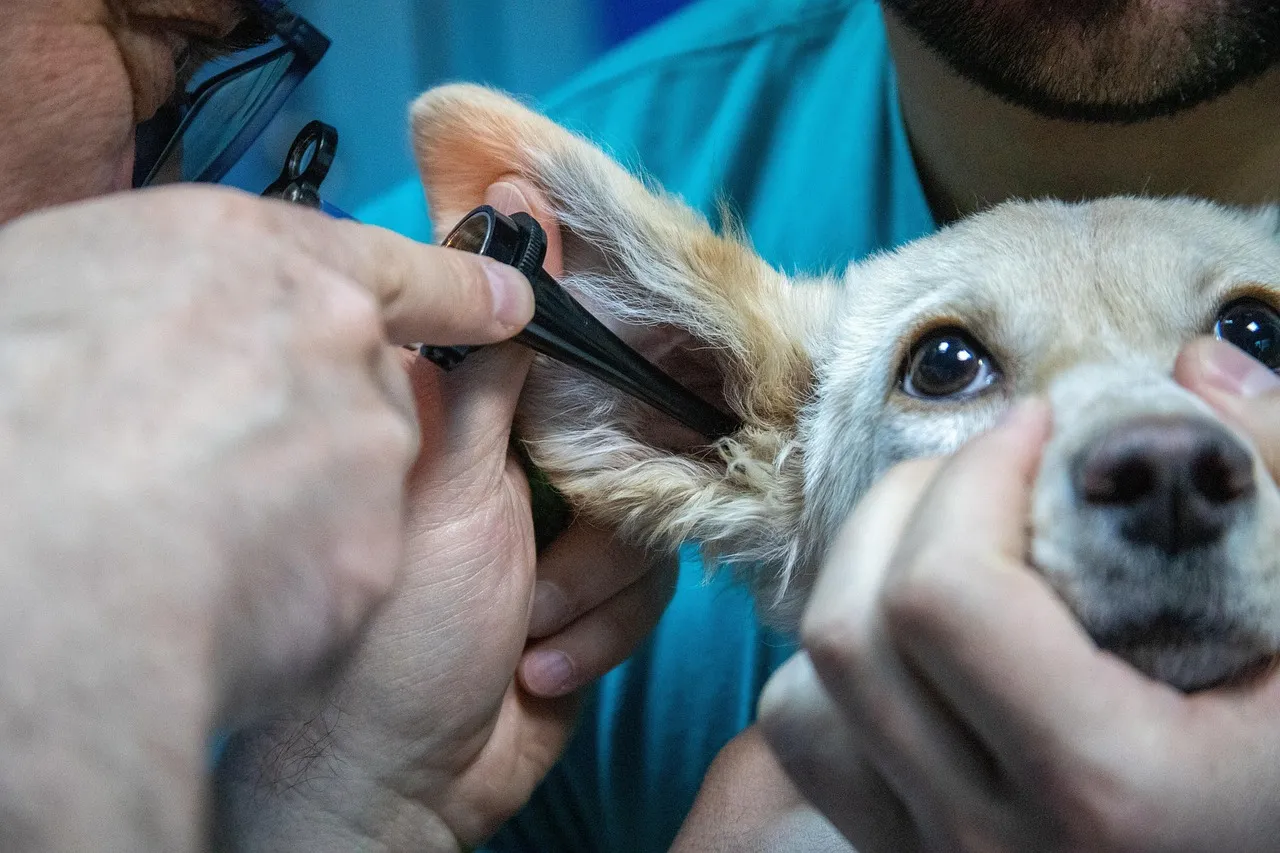
Because dogs mask pain so well, owners often underestimate how much their senior dog is actually hurting. A dog that’s merely “slowing down” and a dog that’s quietly in daily pain can look almost identical from across the room.
This is worth pushing on with your vet. A real pain-management plan might include medication, physical therapy, or even acupuncture – and the difference it makes is rarely subtle. Owners who commit to managing pain properly often say it’s like getting a piece of their dog’s personality back.
Worth Knowing
- Reluctance to jump onto furniture or into the car
- Increased panting without exertion
- Withdrawal from petting or handling in certain spots
- Changes in appetite or unusual restlessness at night
7. Keep Their Mind Sharp With Simple Mental Games
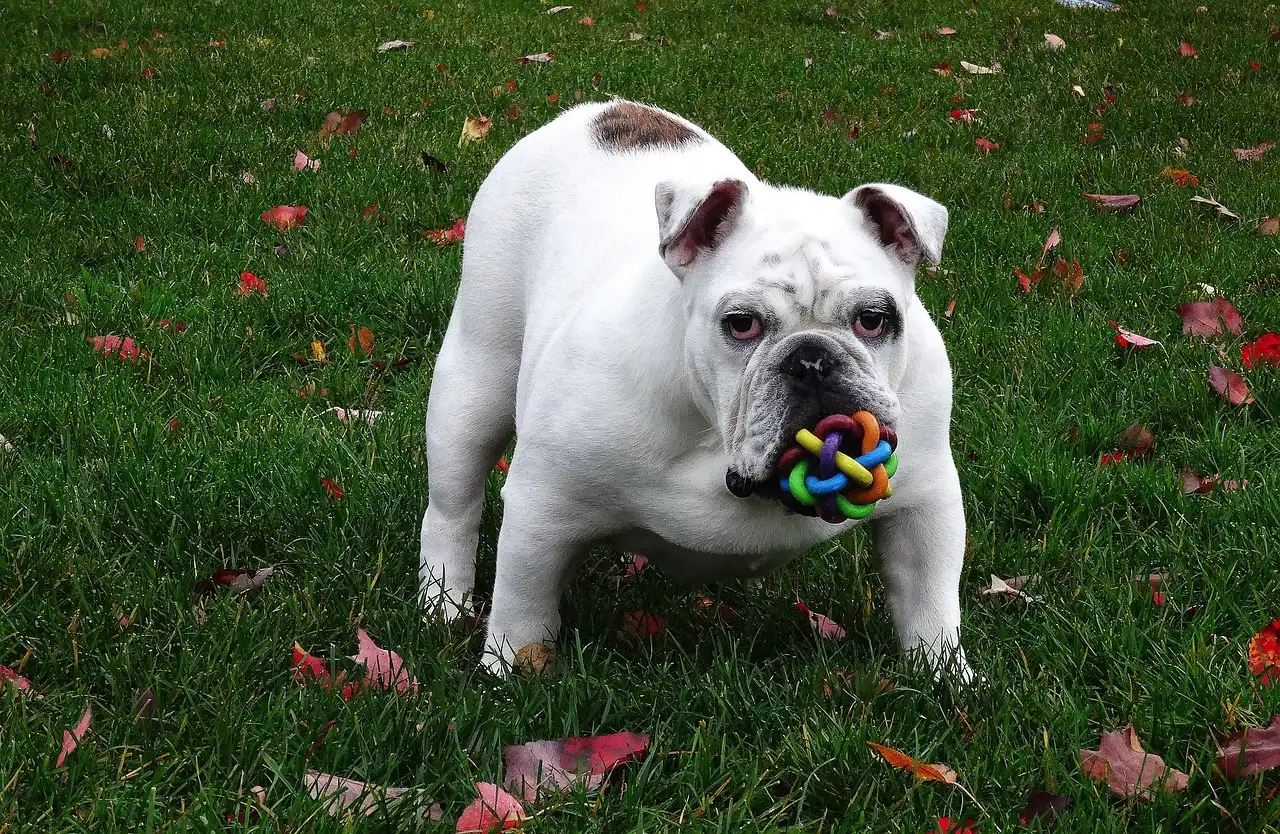
Cognitive decline in dogs is real, and it looks a lot like it does in people – confusion, disrupted sleep, forgetting familiar routines. It’s one of the harder parts of aging to watch, and one of the more preventable ones.
Puzzle toys, new tricks, and scent-based games keep the brain engaged in a low-pressure way. None of this needs to be strenuous. A muffin tin with treats hidden under tennis balls can occupy an aging mind for twenty genuinely happy minutes.
6. Don’t Skip Grooming – It’s More Than Just Looks
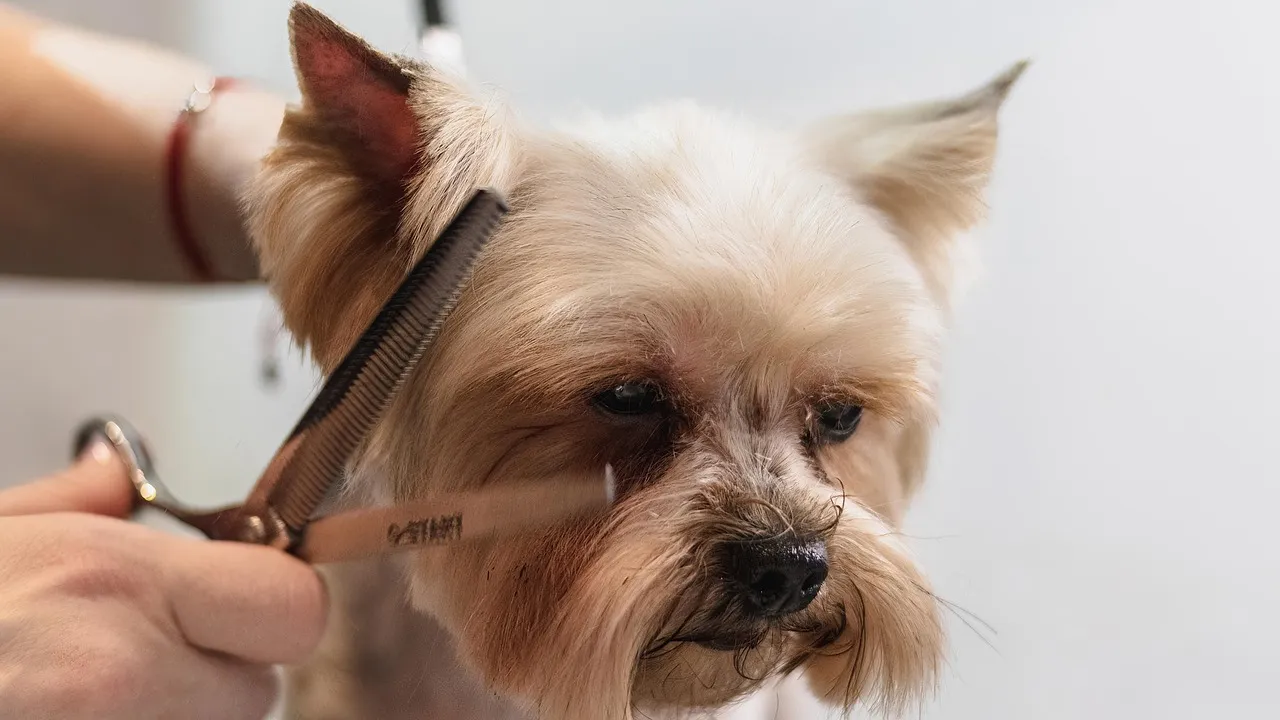
Grooming sessions do double duty for senior dogs. They keep matting, overgrown nails, and dental disease from adding unnecessary discomfort to a body that’s already dealing with enough. But they’re also one of the best early-warning systems you have.
Running your hands over your dog regularly means you’re the first to notice a new lump, a sore spot, or weight loss hiding under thick fur. It’s practical care disguised as something that feels like affection – which, honestly, it also is.
At a Glance
- Brushing sessions double as full-body lump and skin checks
- Trimmed nails reduce strain on aging joints while walking
- Regular dental care prevents infections that can affect major organs
5. Give Them the One Thing Money Can’t Buy: Your Presence
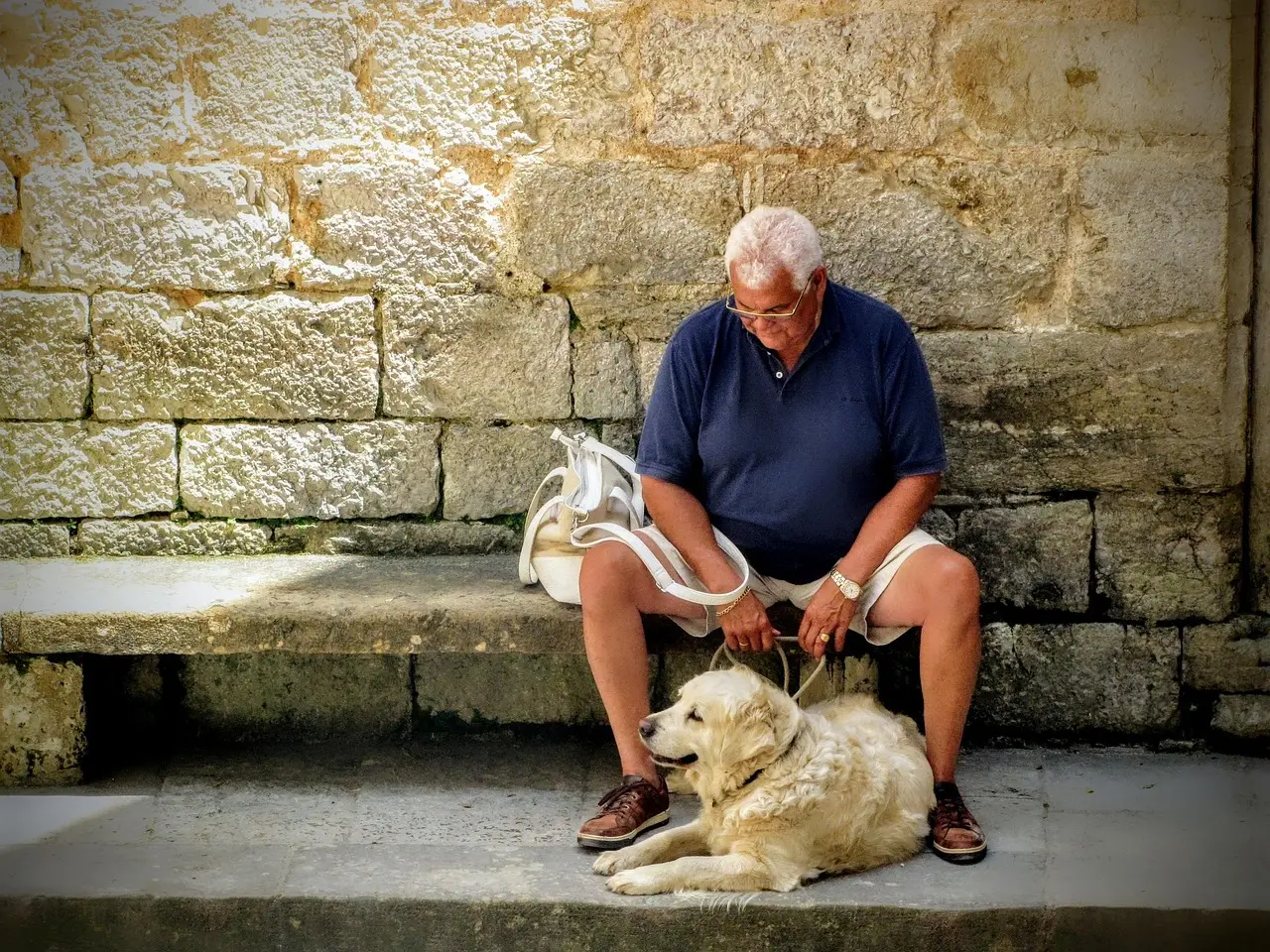
Senior dogs often become more anxious, more clingy, more attached to knowing exactly where you are. Some of this is physical – failing eyesight and hearing make the world feel less predictable. Some of it is simply that they know something is shifting.
You don’t need a special product or technique for this one. Sitting nearby, keeping routines consistent, and letting them follow you from room to room does more for their sense of security than almost anything else on this list. It costs nothing and it’s the thing they’ll remember most.
4. Watch Their Water Intake Closely
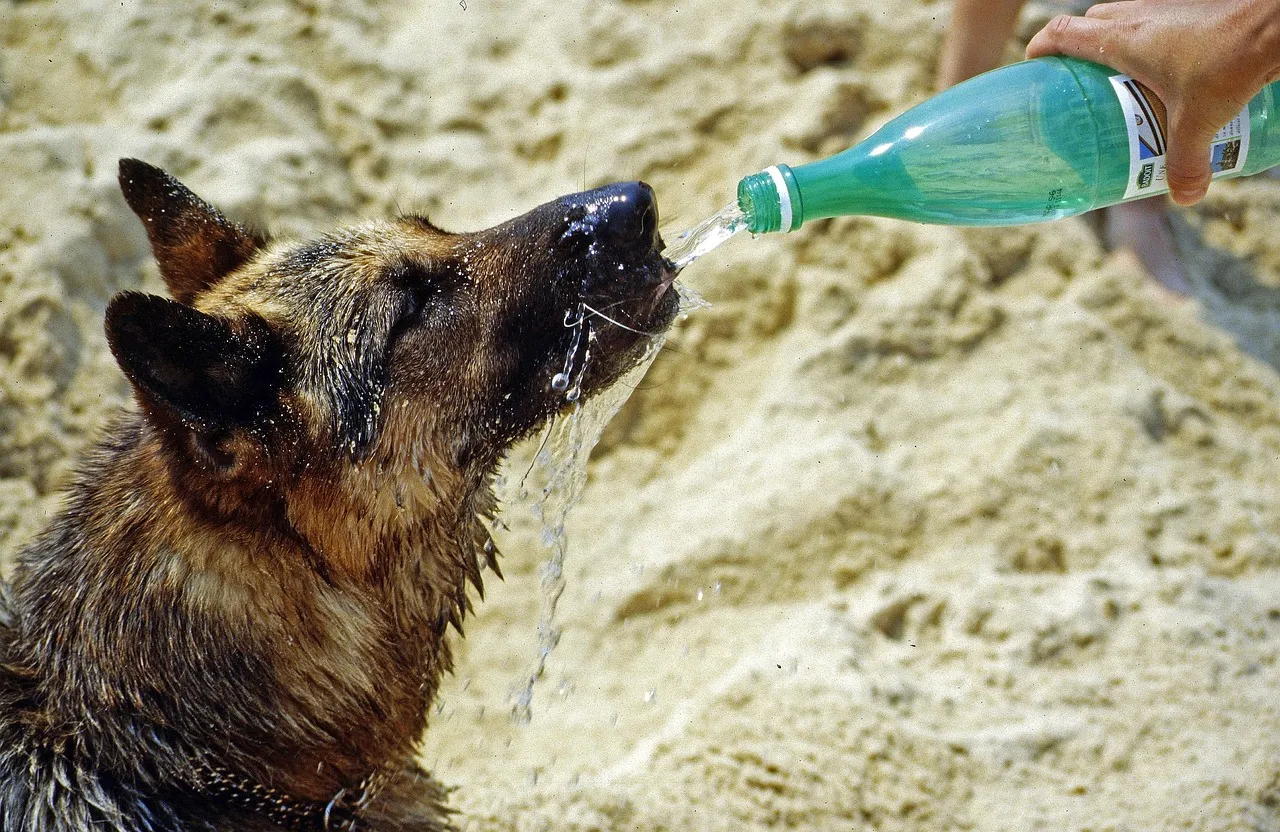
Dehydration sneaks up on older dogs faster than most owners expect, especially if kidney function is already declining. A senior dog that seems “a little off” is sometimes simply a thirsty one.
Keep water accessible everywhere your dog spends time, not just one bowl in the kitchen. Adding water to their food, offering ice cubes as a treat, or using a pet fountain (many dogs drink more from moving water) are small tweaks that add up to real hydration support.
Quick Compare
- Well-hydrated: pink gums, skin that snaps back quickly when gently pinched, steady energy
- Dehydrated: dry or tacky gums, skin that stays tented, unusual lethargy
3. Build Them a Sleep Sanctuary
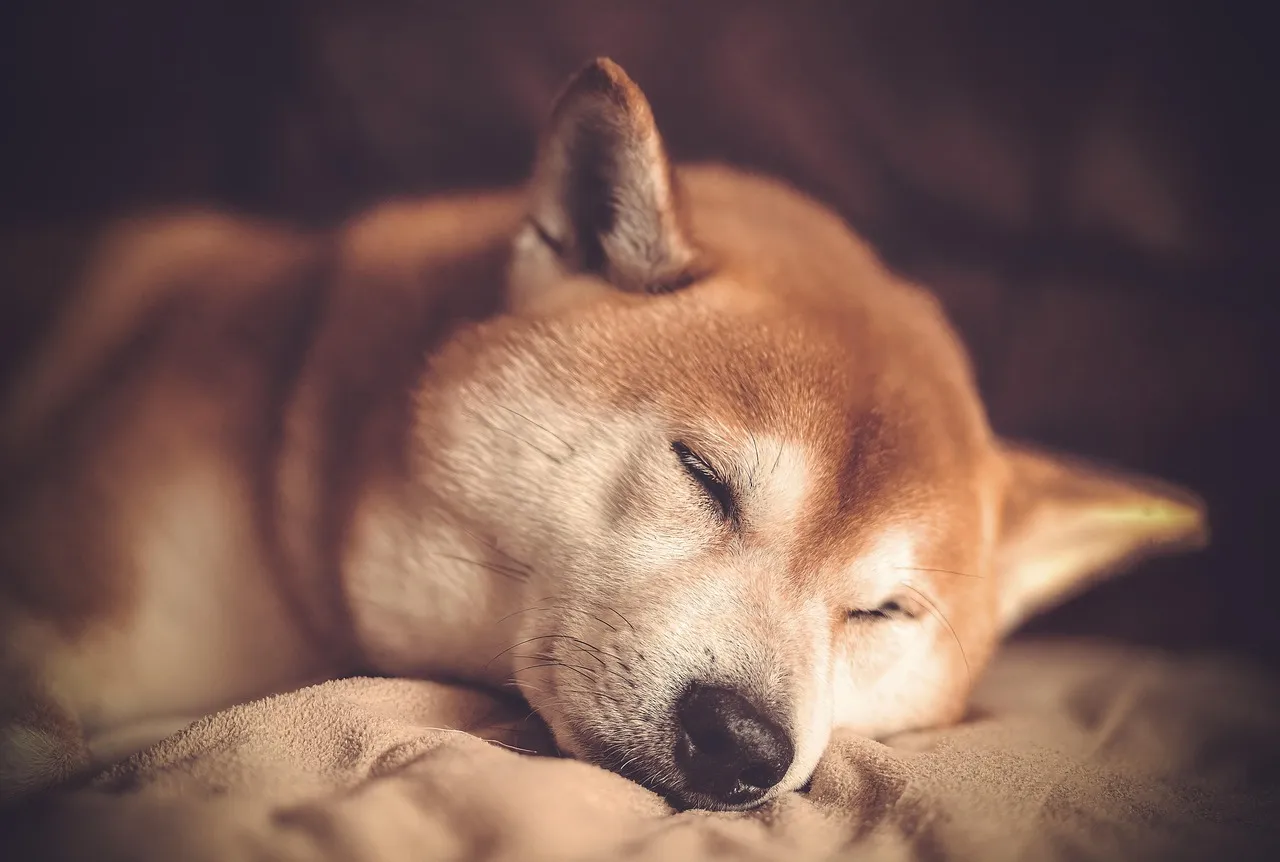
Older dogs need more sleep, not less, and that sleep needs to be the kind that actually restores them. A noisy hallway or a drafty corner might have been fine for a younger dog, but it becomes a real obstacle to healing and comfort now.
A supportive bed, a quiet corner away from household traffic, and a stable temperature turn sleep into something genuinely restorative rather than just something that happens. Some owners are surprised how much calmer their dog seems during the day once nighttime rest actually improves.
2. Ask Your Vet About Supplements Before It’s Too Late
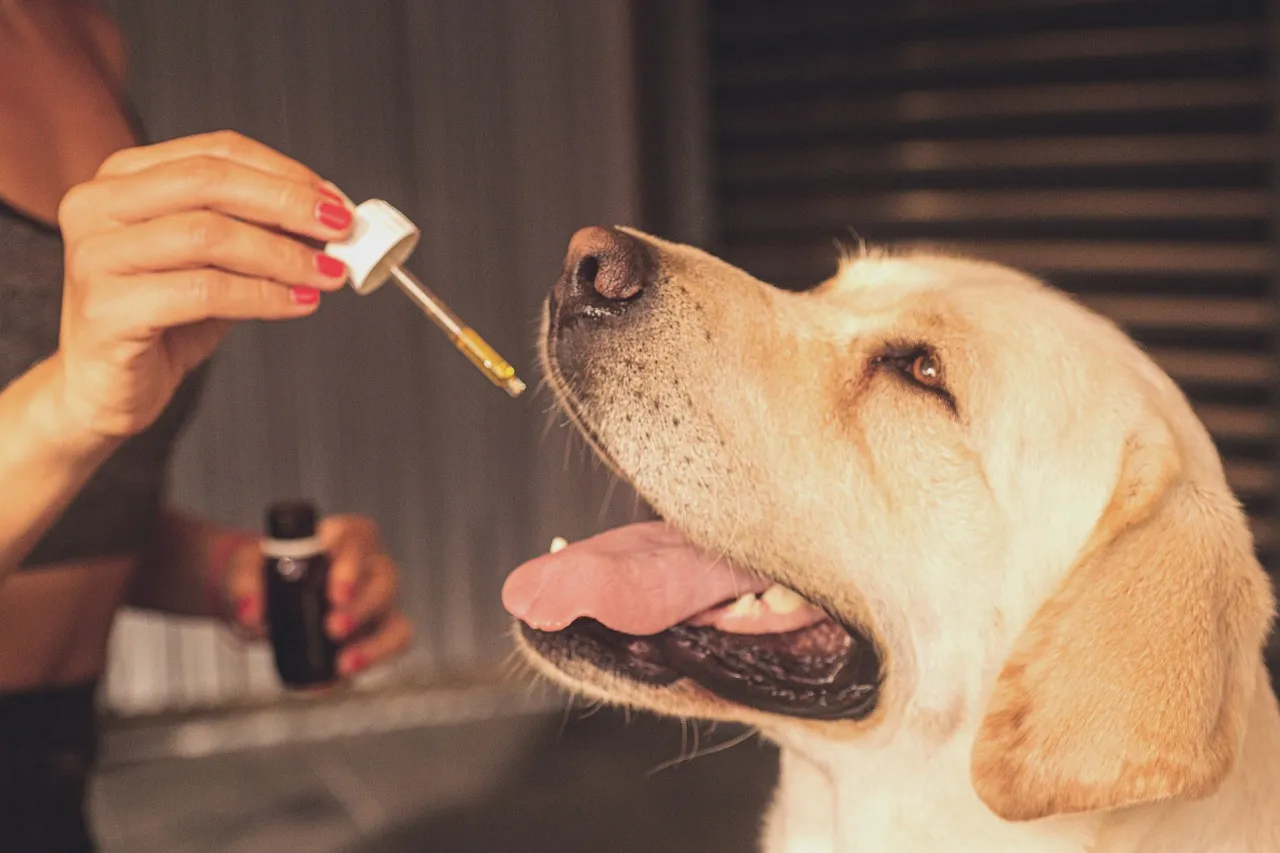
By the time joint pain or cognitive decline becomes obvious, supplements can only do so much. Started earlier, they can meaningfully slow the slide – which is why this is a conversation worth having before symptoms get severe, not after.
Glucosamine and chondroitin support joint cartilage, omega-3 fatty acids are linked to better cognitive function, and antioxidants help fight the cellular aging that drives so much of this decline in the first place. None replace veterinary care, but paired with it, they can buy real, comfortable time.
- Glucosamine and chondroitin for joint health
- Omega-3 fatty acids for cognitive function
- Antioxidants to combat cellular aging
1. Cherish Every Ordinary Moment – Because They’re Numbered
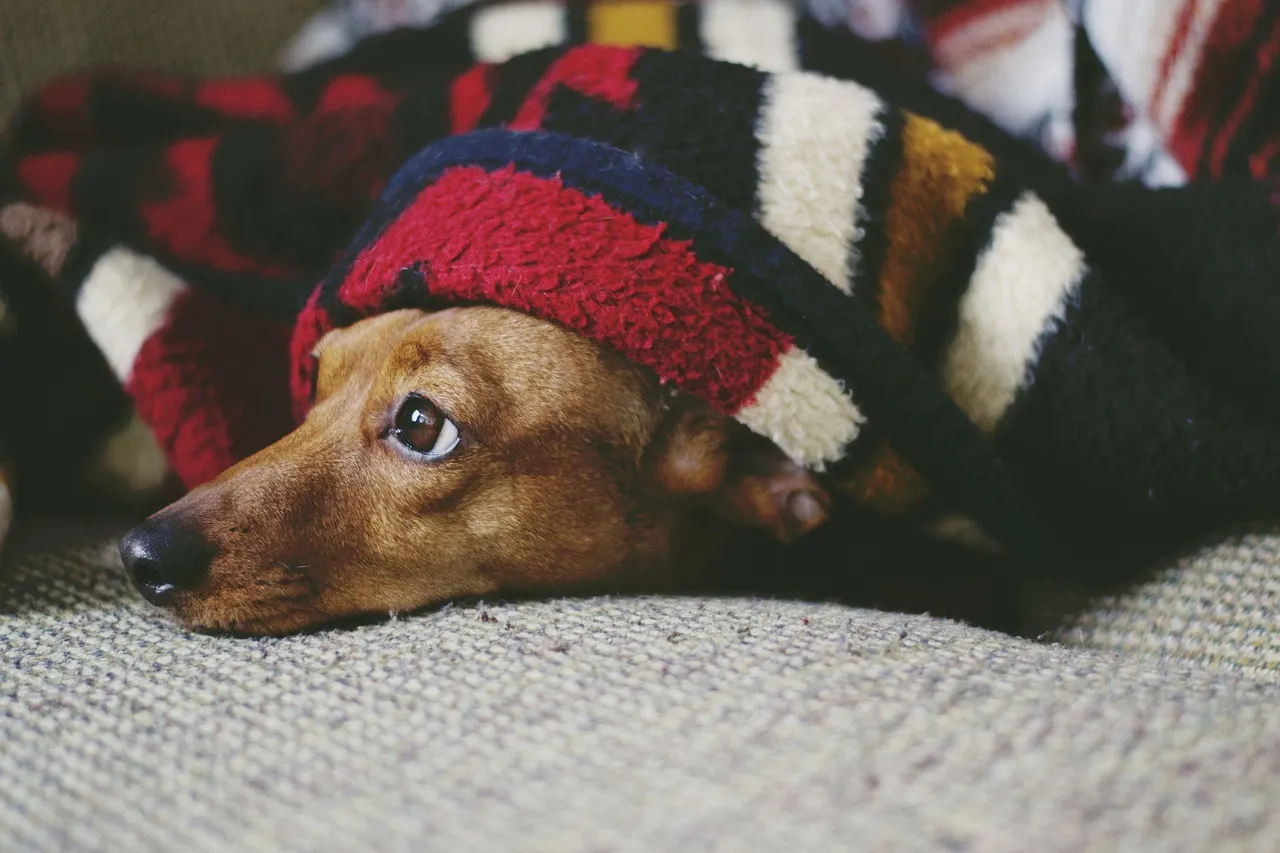
Here’s the part no checklist can fully prepare you for: at some point, all the ramps and supplements and vet visits in the world are just buying time, not stopping the clock. The dogs who age most comfortably tend to have owners who understand this and choose to be present for it rather than dreading it.
That means noticing the small, unremarkable things while they’re still happening – the way they still perk up at the sound of the leash, the specific spot on the couch they’ve claimed for a decade, the sigh they make settling in at night. These moments feel too ordinary to matter until they’re the ones you miss most. Paying attention to them now is its own form of comfort, for both of you.
If there’s one thing worth taking from all of this, it’s that comfort in a dog’s final months isn’t one grand gesture – it’s a dozen small, deliberate choices, repeated daily. Skipping the vet visit, ignoring the limp, assuming “nothing can be done” – that’s the real disservice, not the aging itself. Dogs give their whole lives to showing up for us without complaint. The least we owe them is showing up just as fully at the end.

- Why Wolves Were Reintroduced to Yellowstone - July 15, 2026
- The Resurgence of America’s Wild Horses: A Symbol of Freedom and Hope - July 15, 2026
- 10 Cat Breeds That Tolerate Dogs Surprisingly Well - July 15, 2026