
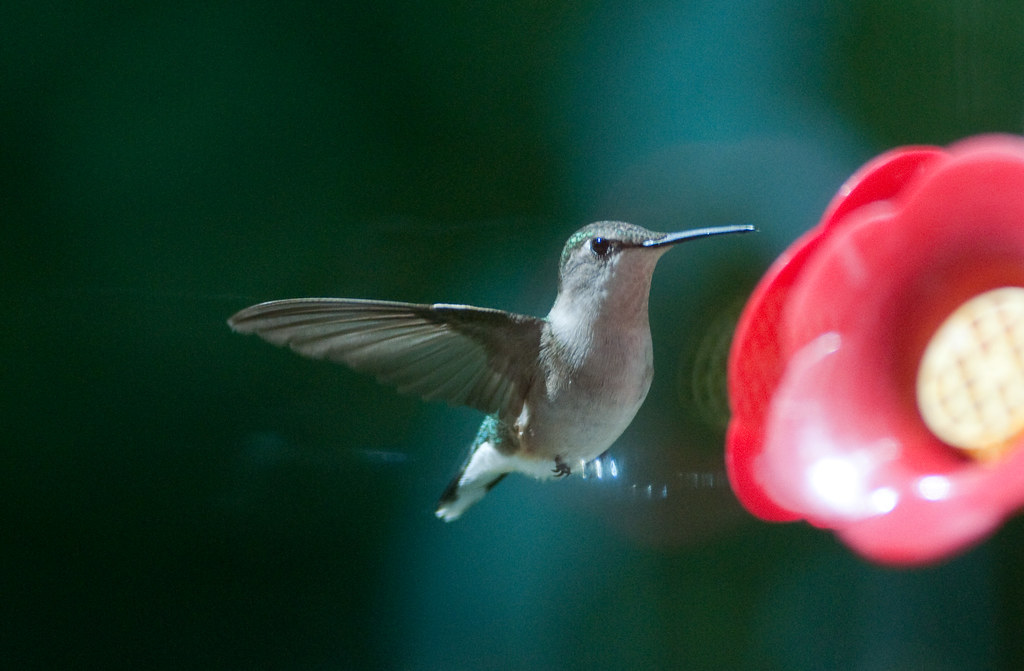
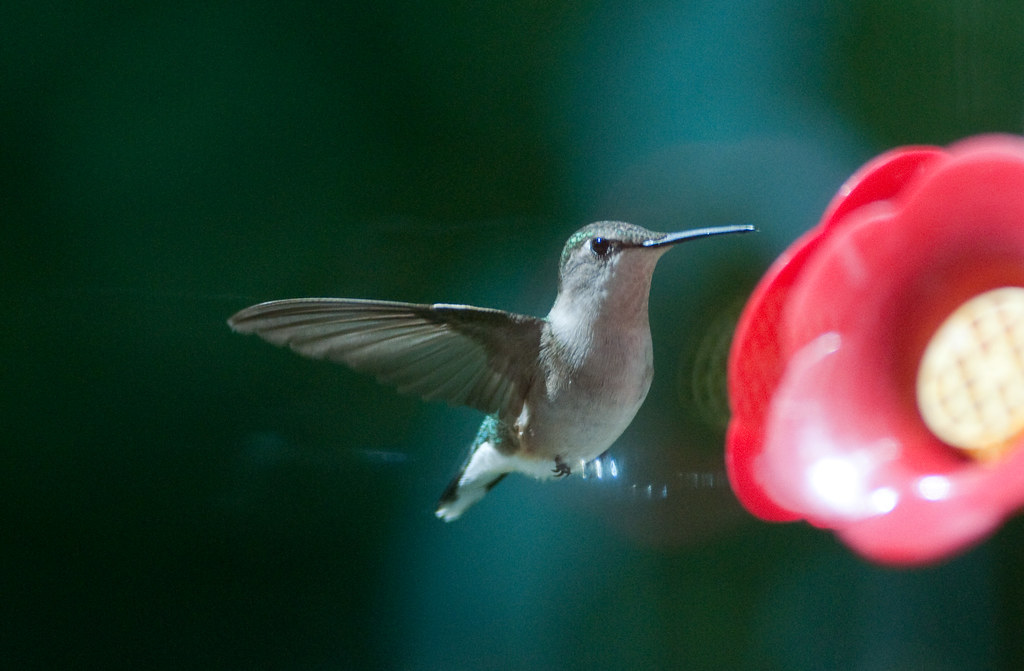
A Punctual Little Bird: Why Timing Isn’t Coincidence
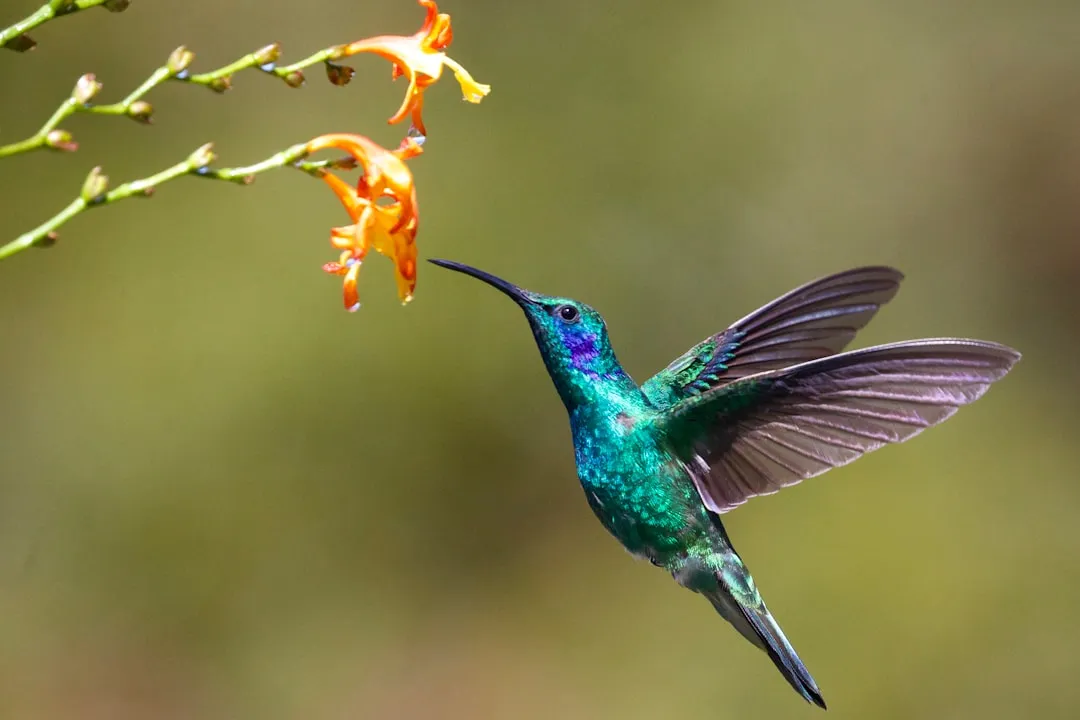
Hummingbirds are not simply reacting to hunger in the moment. Field studies on wild rufous hummingbirds found that since hummingbirds feed from food sources that are constant in space and that renew with time, researchers tested whether wild, free-living rufous hummingbirds could learn the time and place at which four artificial flower patches were rewarded, with each patch offering reward for only one hour a day on a repeated schedule. The result was striking: most birds learned when to visit each patch.
That kind of learning is called time-place learning, and it means a hummingbird can hold a mental calendar of sorts, matching specific locations to specific windows of time. Researchers even confirmed this wasn’t just guesswork based on order of visits. Their results suggest that the time component of this learning in these birds requires both ordinal and circadian information, meaning the bird is tracking an internal clock, not just counting stops along a route.
Traplines: The Invisible Daily Circuit
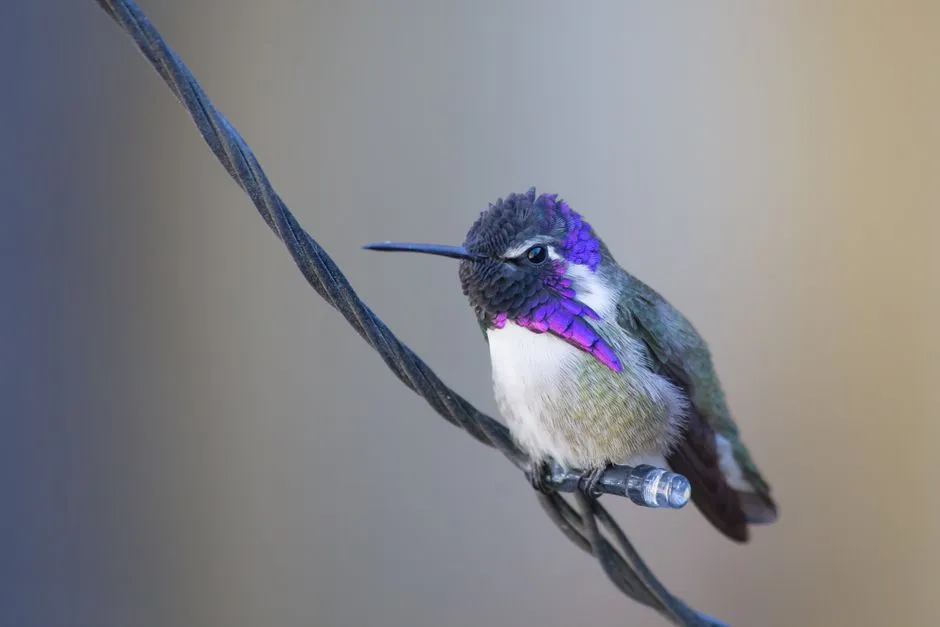
Wild hummingbirds do not wander aimlessly through a yard or forest. They tend to follow what scientists call a trapline, a fixed loop of feeding stops visited in roughly the same sequence day after day. One survey of hummingbird behavior noted plainly that hummingbirds are not wandering randomly through your garden, they follow strict trapline routes every single day.
Your window, if it sits along that loop, becomes just one stop on a circuit the bird has already memorized. The hovering pause you see each morning isn’t random loitering. It’s the bird pulling up at a scheduled point on a route it flies with the same discipline a delivery driver follows a familiar street order, whether or not there’s anything waiting there that particular day.
It Thinks Your Window Is Enemy Territory
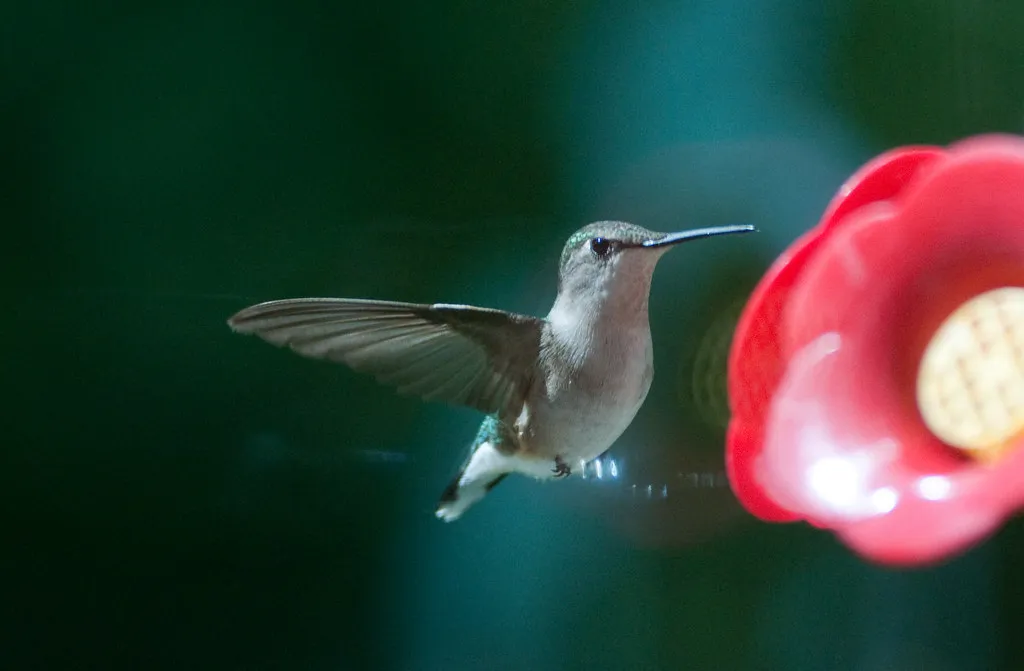
Glass does something odd to a hummingbird’s brain: it turns a pane into a mirror, and a mirror into a rival. Bird behavior writers have pointed out that a hummingbird at a window could think its reflection is another male trying to invade its territory, and that it could also be confused and think the reflection is more space for it to conquer and defend.
Hummingbirds are famously and disproportionately territorial for their size. As one detailed rundown on their behavior put it, hummingbirds are incredibly aggressive for their size, and their lives revolve around protecting their food sources. A window reflection at the same hour every day can trigger the exact same defensive hover, aimed not at breakfast but at an imagined intruder that happens to look exactly like the bird itself.
Muscle Memory Older Than Habit
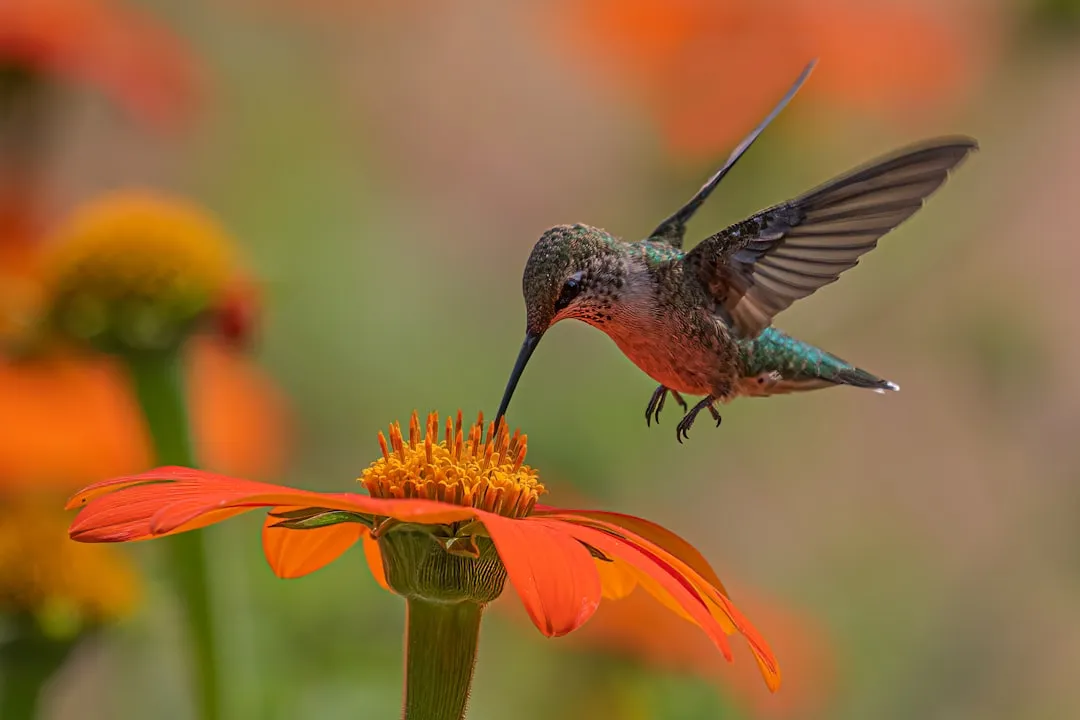
Hummingbirds carry an almost unsettling level of spatial recall. Researchers studying their foraging behavior describe them as facing a challenging memory task every day, needing to remember which flowers they have visited and which ones they have not in order to keep a positive energy balance. That same memory extends to fixed structures, not just flowers.
One longtime hummingbird researcher noted that a bird will sometimes hover outside the window where the feeder was last year, and it easily could be the same bird remembering where the feeder was. The hovering at your window each morning may simply be a bird checking a coordinate stored from months, or even a full migration cycle, ago.
Checking In, Not Checking Out
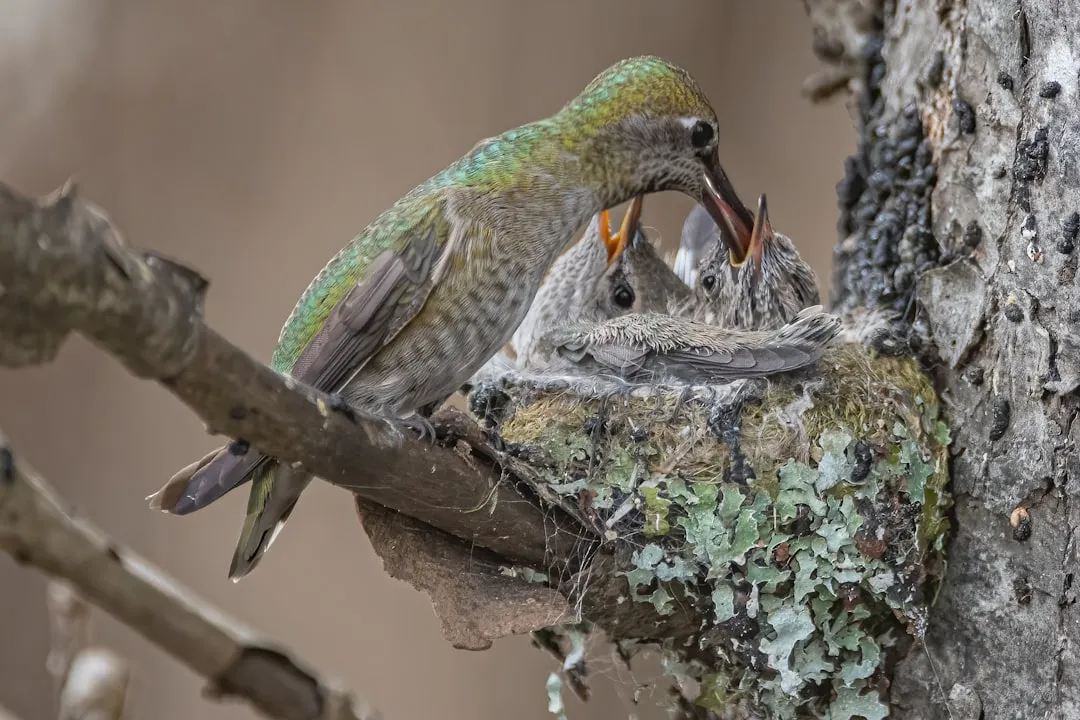
Not every hover near a house has anything to do with a feeder at all. Female hummingbirds in particular have practical business around eaves, gutters, and window frames during nesting season. One naturalist described watching a female hovering around the eaves of a house and explained that she was likely there collecting spiderwebs and quite possibly making a meal of the protein and fat rich spiders that made them, since spiderweb silk is essential for binding a nest together.
If your window happens to sit near a favored nesting spot, the daily hover might be a construction supply run rather than anything to do with your feeder or your presence. It is easy to assume every visit is about you, when in reality the bird may be running an entirely separate errand that has nothing to do with the human on the other side of the glass.
The Internal Clock Behind The Visit
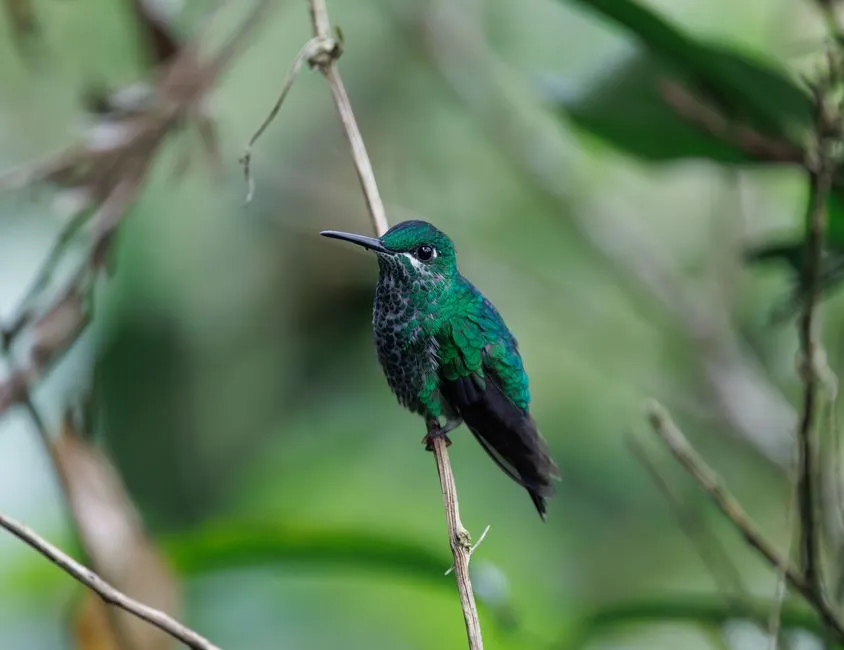
The consistency of the timing itself points to something deeper than habit. Comparative studies of learning and memory across species note that an internal timing system allows the formation of associations between a given stimulus and circadian phase, so that predictable daily events can be accommodated. Hummingbirds appear to be especially good at this kind of scheduling.
Scientific reviews of hummingbird cognition point out that in addition to learning intervals between flower visits, hummingbirds can also use circadian timing and ordinal timing to keep track of flowers in different locations, consistent with the well documented role that circadian rhythms play in foraging in other animals. In plain terms, the bird’s body is running an internal alarm clock tuned to specific stops, and your window has apparently made the schedule.
What To Do When It Happens Every Morning
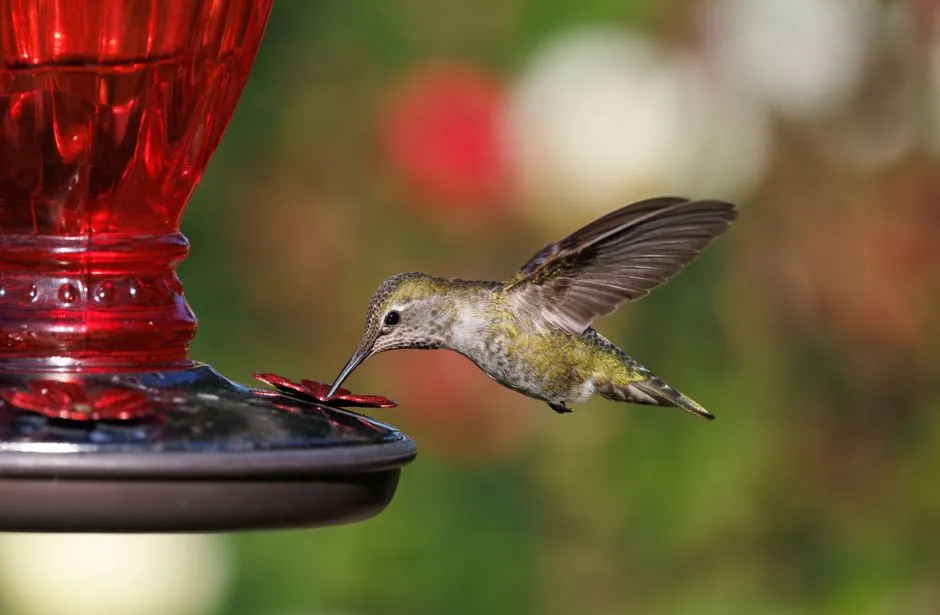
If a hummingbird has locked your window into its daily rhythm, there are a few practical things worth knowing before assuming it needs rescuing or feeding. If the visits look aggressive or fixated rather than curious, it is worth checking whether the glass is producing a strong reflection at that hour, since window strikes are a real risk. One common suggestion from birding resources is that window kills can be lessened by adding decals or other objects to the outside of the glass, which lessens the chance of a bird seeing a reflection that resembles open space it wants to defend or explore.
If the bird seems calm rather than combative, simply hovering and then moving on, it’s likely just running its trapline or checking a remembered landmark, and no intervention is needed at all. The behavior tends to shift with the seasons anyway, easing off once nesting activity wraps up or a bird’s territory boundaries change with the arrival of new competitors.
Conclusion: A Small Bird Running a Tight Schedule
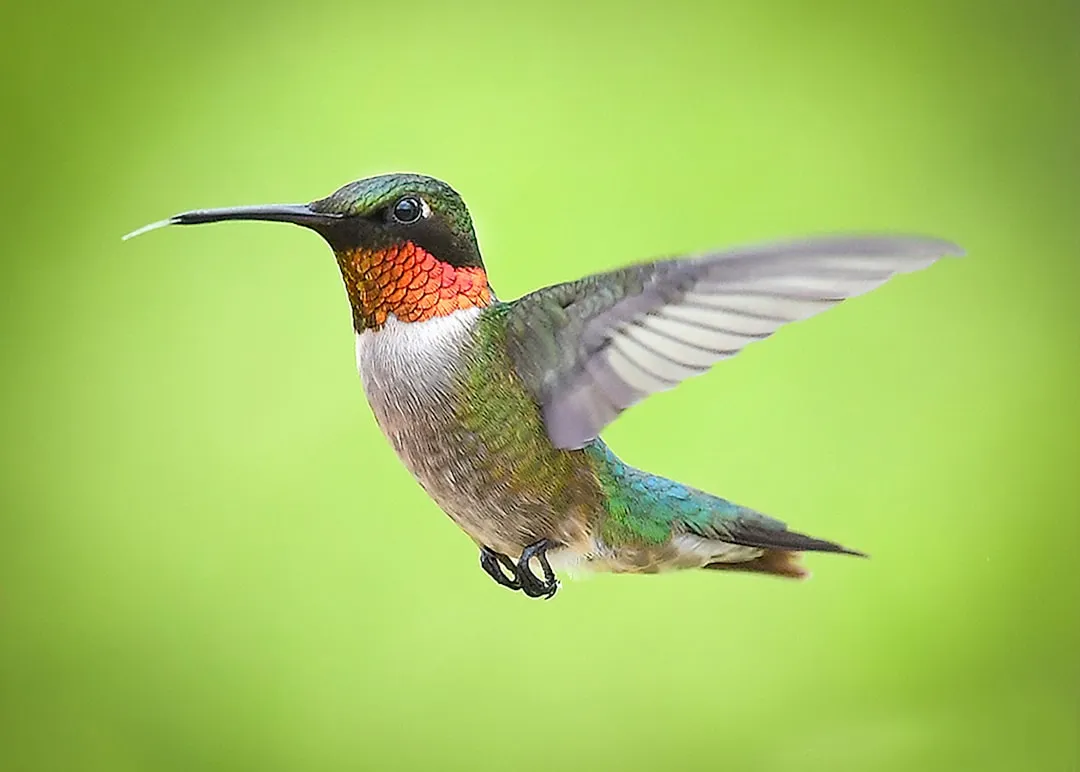
It’s tempting to reduce every hummingbird visit to a single motive, usually food, because that’s the easiest story to tell. The research suggests something more interesting: a brain smaller than a grape managing a mental map, an internal clock, and a running list of territorial disputes, all layered into one daily circuit.
My honest take, after digging through the behavioral studies, is that we tend to underestimate these birds because of their size. A creature capable of learning which flower refills in ten minutes versus twenty, and showing up accordingly, is not simply drifting past your window out of hunger. It’s keeping an appointment, and whether that appointment is about territory, memory, or a reflection it mistakes for a rival, the fact that it shows up on schedule at all is the part worth paying attention to.

- 7 Signs Your Dog Thinks You're Family - July 21, 2026
- These 6 Animals Have the Most Bizarre Mating Rituals on Earth - July 21, 2026
- 7 U.S. States That Have the Best Sunsets in the Country - July 21, 2026