
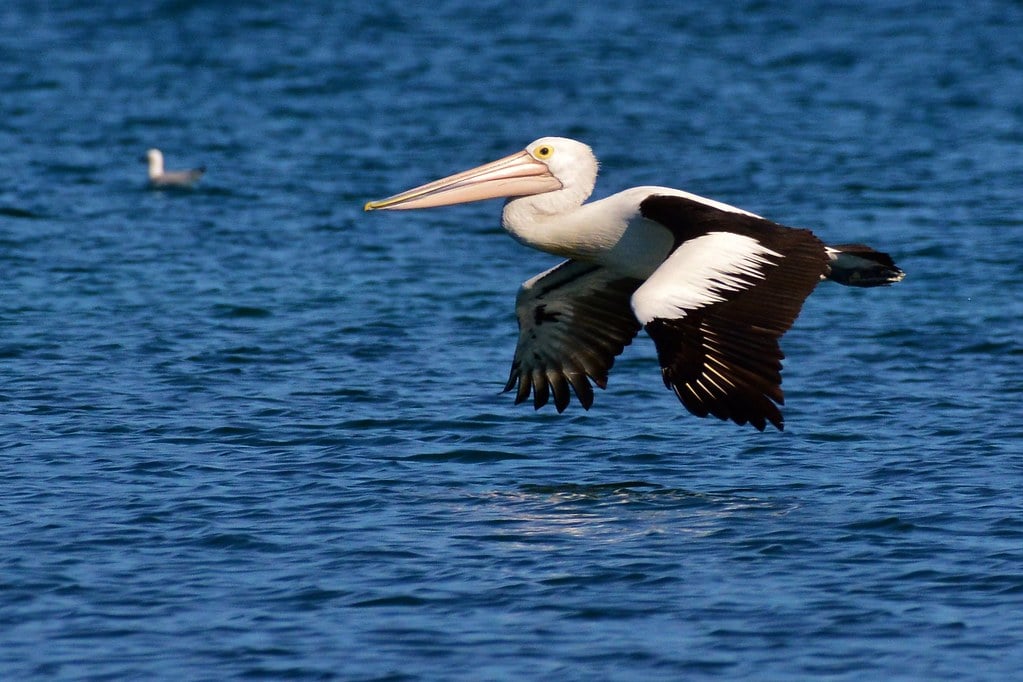
Imagine standing on the shore, gazing out at the ocean, when suddenly, a large group of pelicans appears, gliding gracefully above the waves. This unexpected congregation isn’t just a random occurrence; it’s a fascinating display of nature’s intricacies. But what prompts these majestic birds to assemble offshore so suddenly?
The Significance of Pelican Gatherings
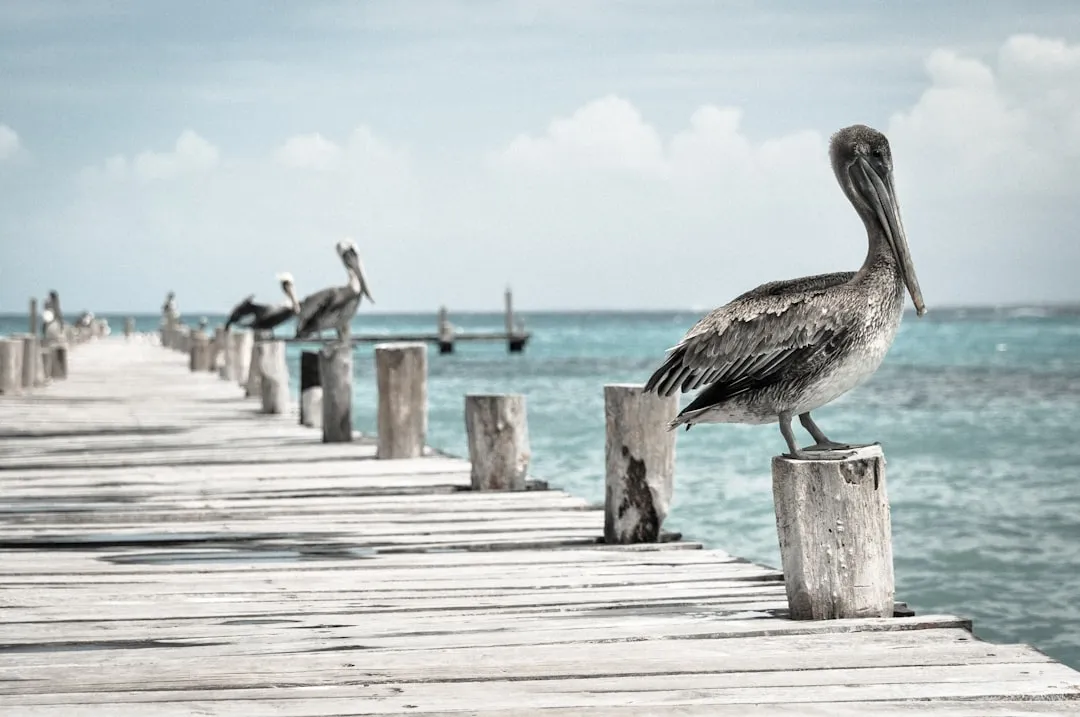
Pelicans are inherently social creatures, often forming groups for various activities. When they gather offshore, it’s typically a response to environmental cues, primarily related to feeding opportunities. These gatherings can indicate shifts in marine ecosystems, such as the sudden availability of prey fish near the surface.
Observing such assemblies provides valuable insights into the health of marine habitats. A sudden influx of pelicans can signal an abundance of fish, suggesting a thriving ecosystem. Conversely, their absence might hint at underlying issues affecting fish populations.
Feeding Frenzies: A Spectacle of Nature
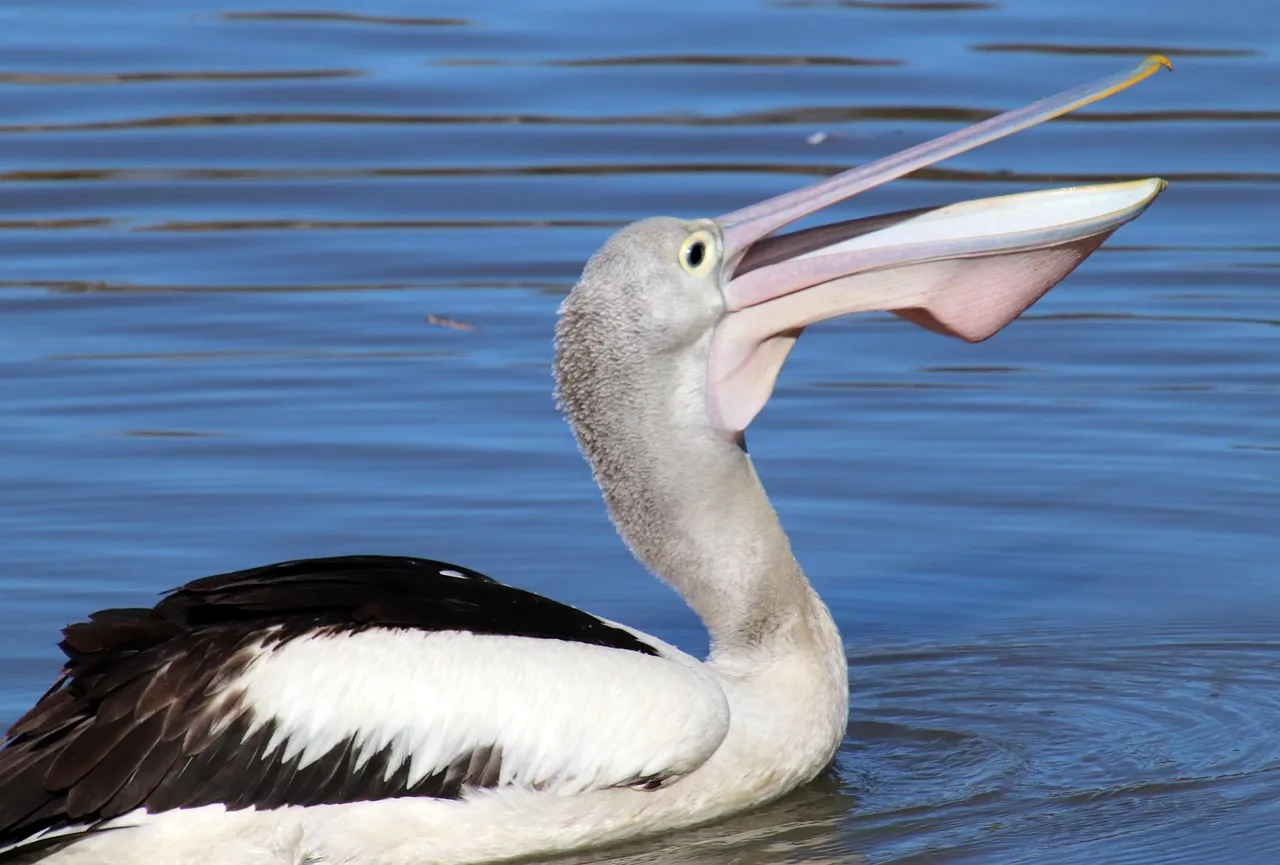
One of the most captivating behaviors associated with pelican gatherings is the “feeding frenzy.” This occurs when pelicans, often accompanied by other seabirds, dive en masse into the water to catch fish. Such frenzies are not only a testament to the birds’ hunting prowess but also highlight the abundance of prey in the area.
These events are often triggered by schools of fish like anchovies or sardines being driven to the surface by predators or environmental factors. The sight of numerous pelicans diving simultaneously is both mesmerizing and indicative of a rich marine food web.
Environmental Indicators: Reading the Signs
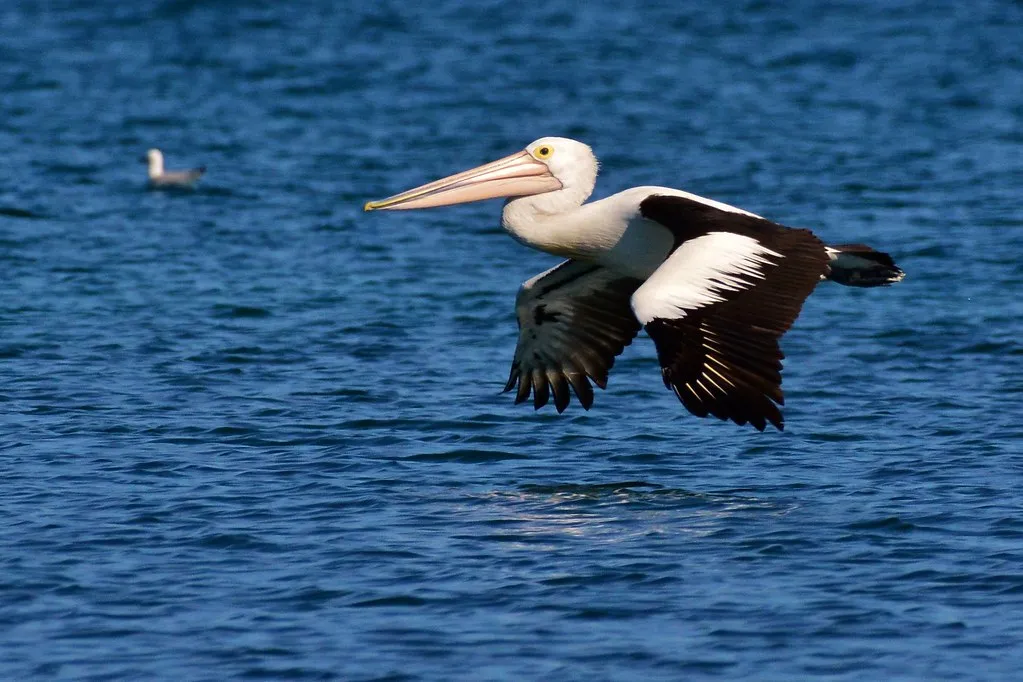
Pelican gatherings serve as natural barometers for ocean health. Their presence offshore can indicate favorable conditions, such as upwelling events that bring nutrient-rich waters to the surface, supporting abundant fish populations.
Conversely, a decline in such gatherings might suggest issues like overfishing, pollution, or climate change impacts. Monitoring these patterns helps scientists and conservationists assess and address potential environmental challenges.
Breeding and Social Dynamics
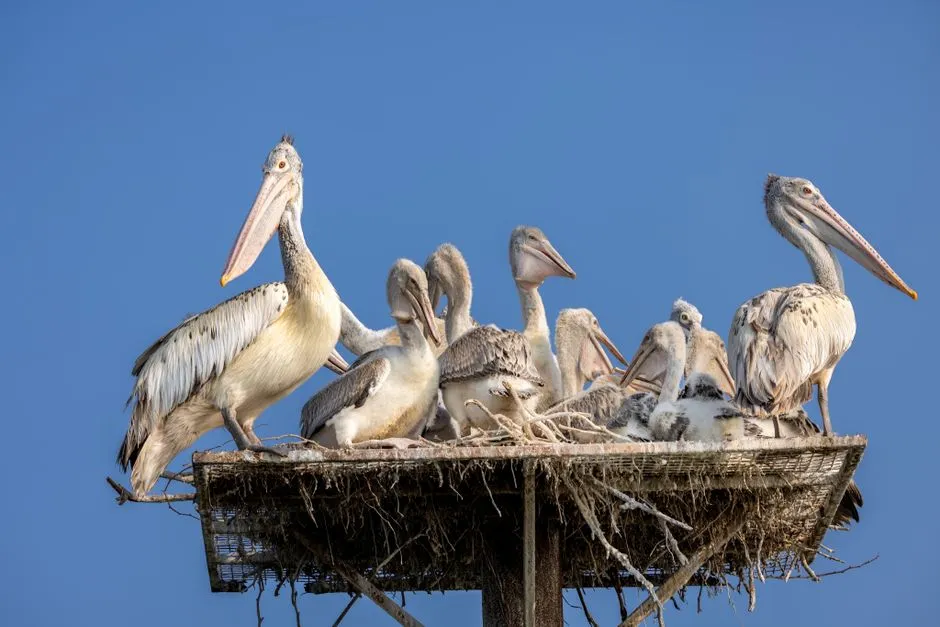
Beyond feeding, pelican gatherings can also relate to breeding behaviors. During certain times of the year, pelicans congregate in large numbers to establish nesting sites, often on offshore islands or secluded coastal areas.
These social dynamics are crucial for their reproductive success. The choice of nesting sites, proximity to feeding grounds, and group interactions all play roles in ensuring the survival of their offspring.
Human Impact: A Double-Edged Sword
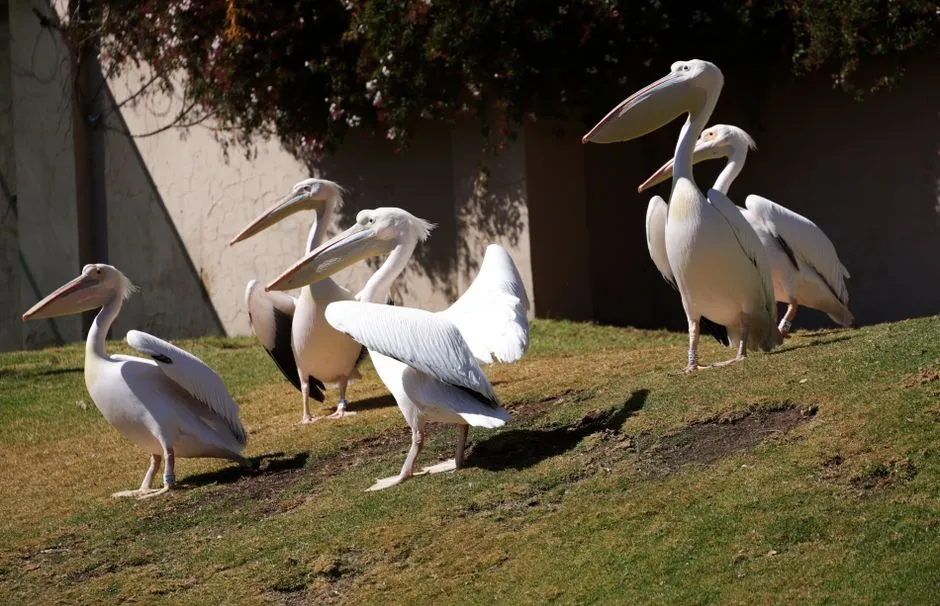
Human activities significantly influence pelican behaviors. Coastal development, pollution, and fishing practices can disrupt their natural patterns, leading to changes in gathering behaviors.
For instance, overfishing can deplete the pelicans’ primary food sources, forcing them to travel further or alter their feeding habits. Conversely, conservation efforts and protected marine areas can provide safe havens, encouraging natural behaviors and gatherings.
Species Variations: Not All Pelicans Are Alike
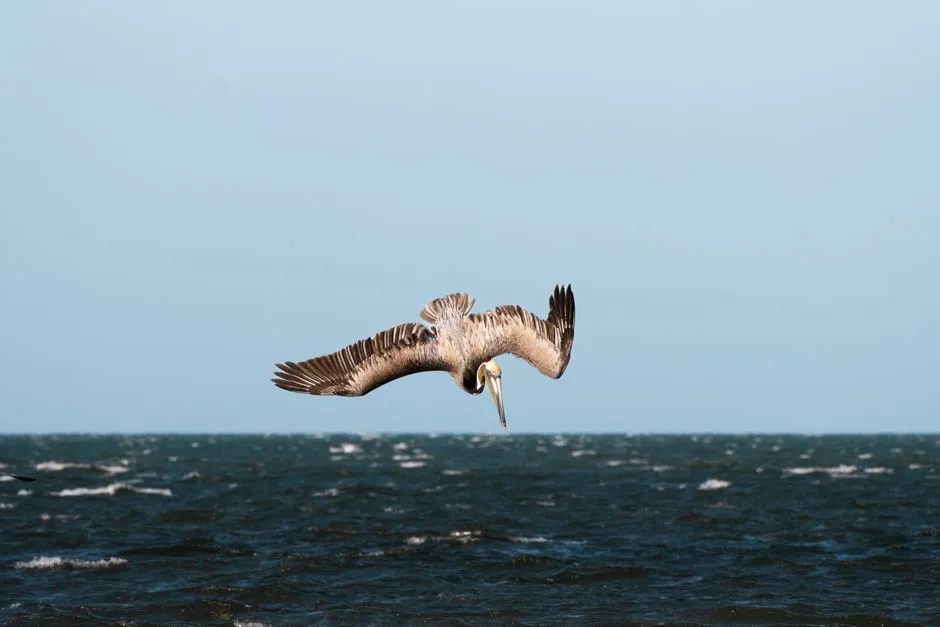
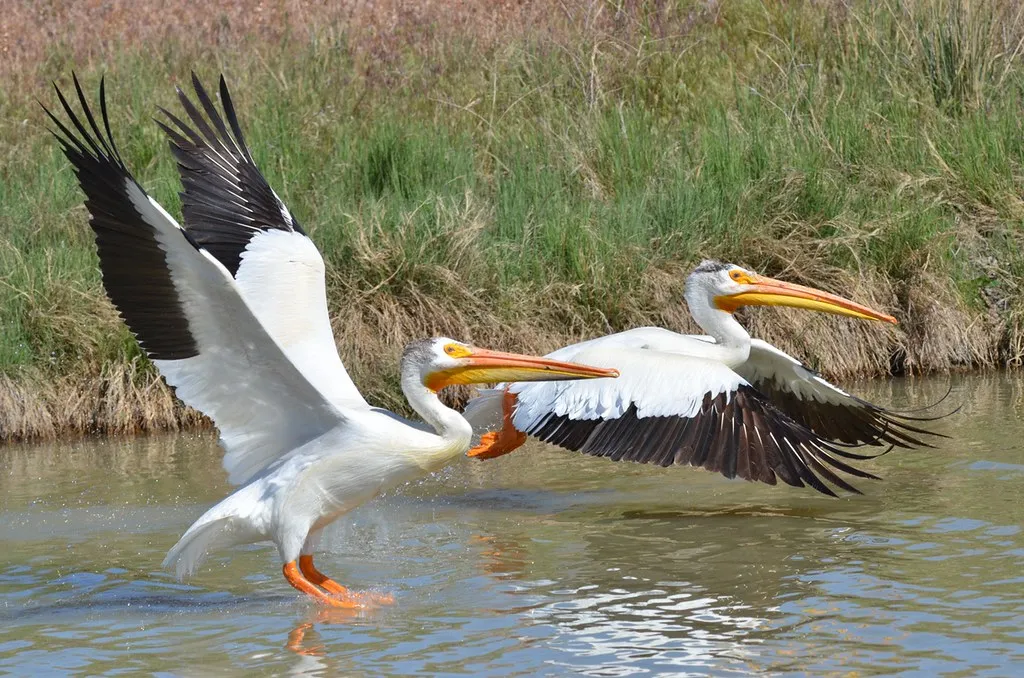
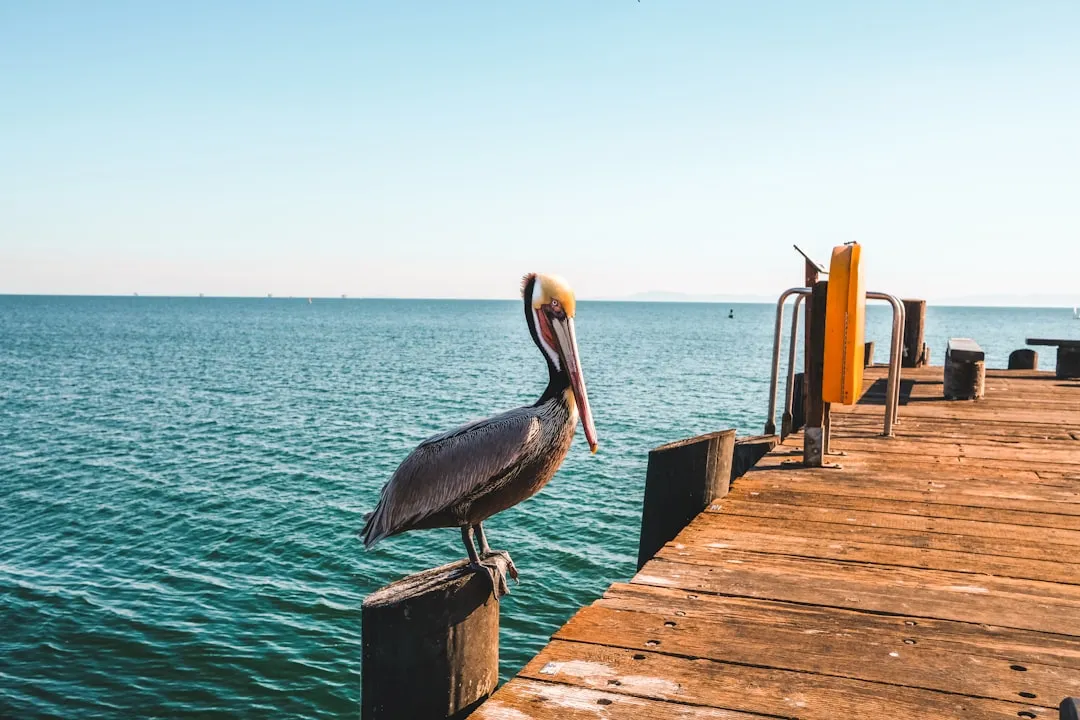
It’s essential to recognize that different pelican species exhibit varied behaviors. The Brown Pelican, for example, is known for its dramatic plunge-diving technique, often seen in coastal areas. In contrast, the American White Pelican tends to feed cooperatively, herding fish into shallow waters.
Understanding these species-specific behaviors adds depth to our interpretation of their gatherings and the underlying ecological factors at play.
Conservation Implications: Protecting the Gatherings
The sudden gathering of pelicans offshore is more than just a visual spectacle; it’s a vital component of marine ecosystems. Protecting these birds and their habitats ensures the continued balance of these systems.
Conservation efforts should focus on preserving feeding grounds, regulating fishing practices, and mitigating pollution. By safeguarding the environments that support pelican gatherings, we also protect the broader marine biodiversity.
Conclusion: A Call to Observe and Protect
Witnessing pelicans suddenly gather offshore is a reminder of nature’s complexity and interconnectedness. These events are not mere coincidences but reflections of the delicate balance within marine ecosystems. As stewards of the environment, it’s our responsibility to observe, understand, and protect these natural phenomena. After all, if the pelicans are telling us something about the state of our oceans, shouldn’t we be listening?
