
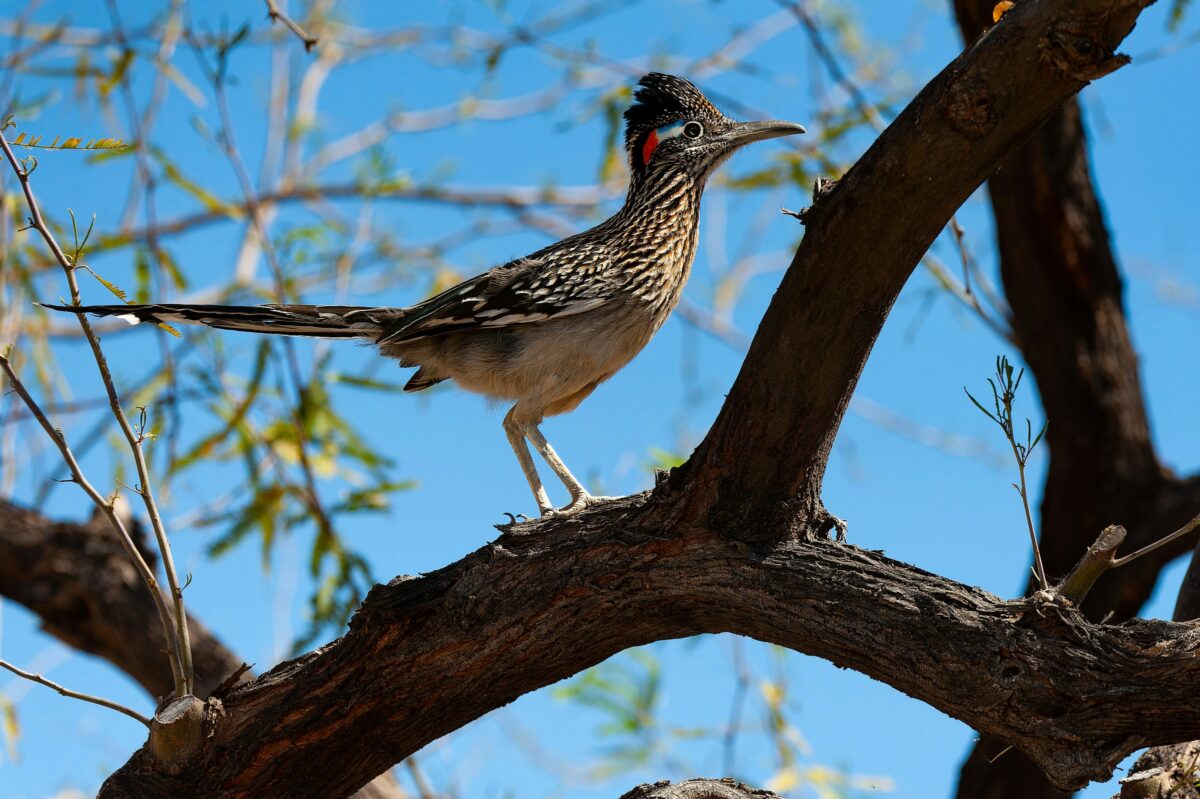
Imagine you’re hiking through the arid landscapes of the American Southwest when, suddenly, a sleek, long-legged bird halts in its tracks, fixes its gaze upon you, and then dashes away at lightning speed. This intriguing behavior of the greater roadrunner (Geococcyx californianus) has puzzled many observers. What prompts these birds to pause and stare before making their swift escape?
Assessing Potential Threats
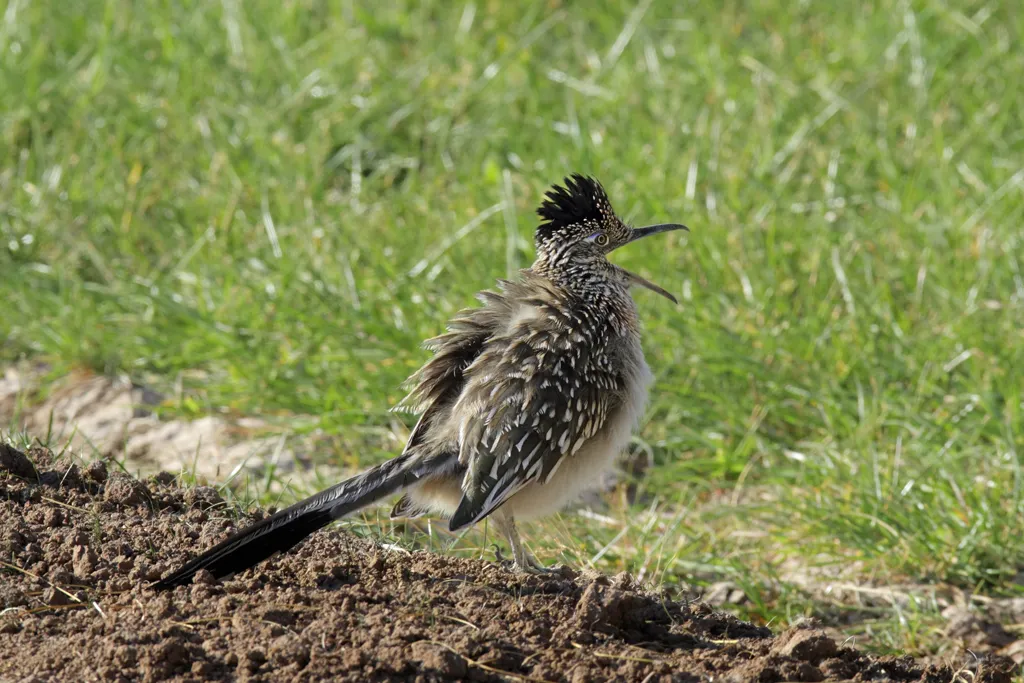
Roadrunners are naturally cautious creatures. When they encounter something unfamiliar, such as a human, they often stop to evaluate the situation. This brief pause allows them to determine whether the entity poses a threat or is harmless. By taking a moment to assess, they can decide the best course of action – whether to flee, hide, or continue their activities undisturbed.
This behavior is not unique to roadrunners. Many animals employ similar tactics to gauge potential dangers in their environment. For the roadrunner, this momentary stillness is a survival strategy, ensuring they don’t waste energy on unnecessary escapes.
Curiosity and Intelligence
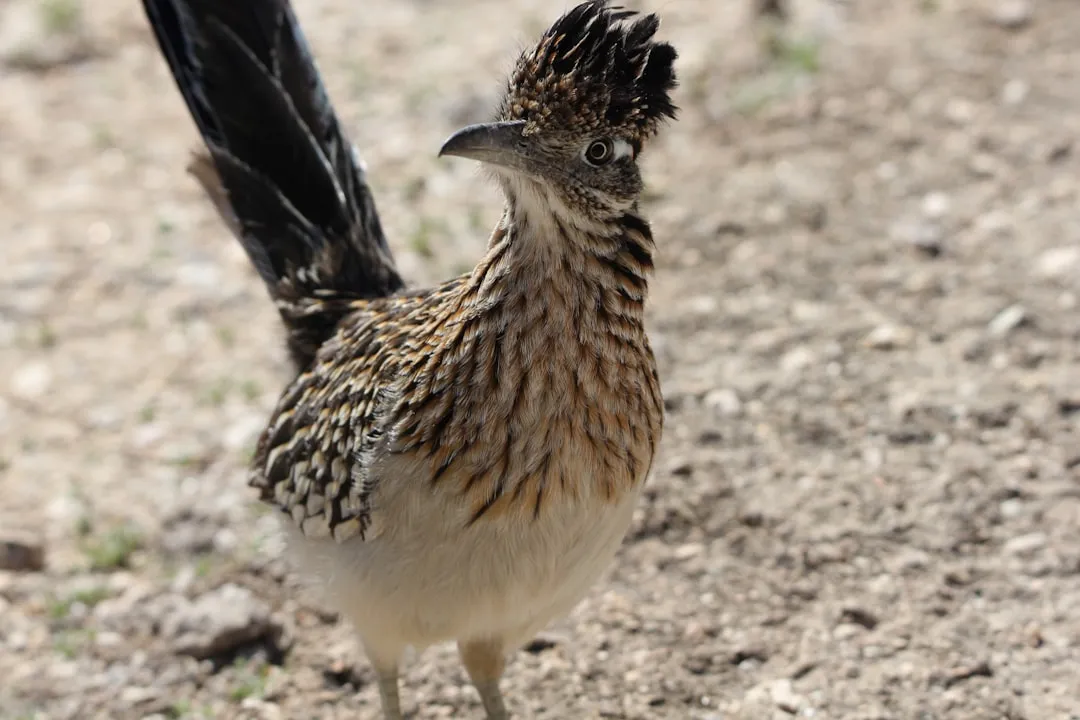
Beyond mere caution, roadrunners exhibit a notable level of curiosity. Their keen intelligence drives them to investigate new stimuli in their environment. When they stop and stare, it’s often a sign of their inquisitive nature, trying to understand the presence and behavior of other creatures, including humans.
This curiosity can sometimes lead roadrunners to approach human dwellings or follow hikers, observing from a safe distance. Their ability to recognize and remember individuals suggests a complex cognitive process at play.
Territorial Behavior
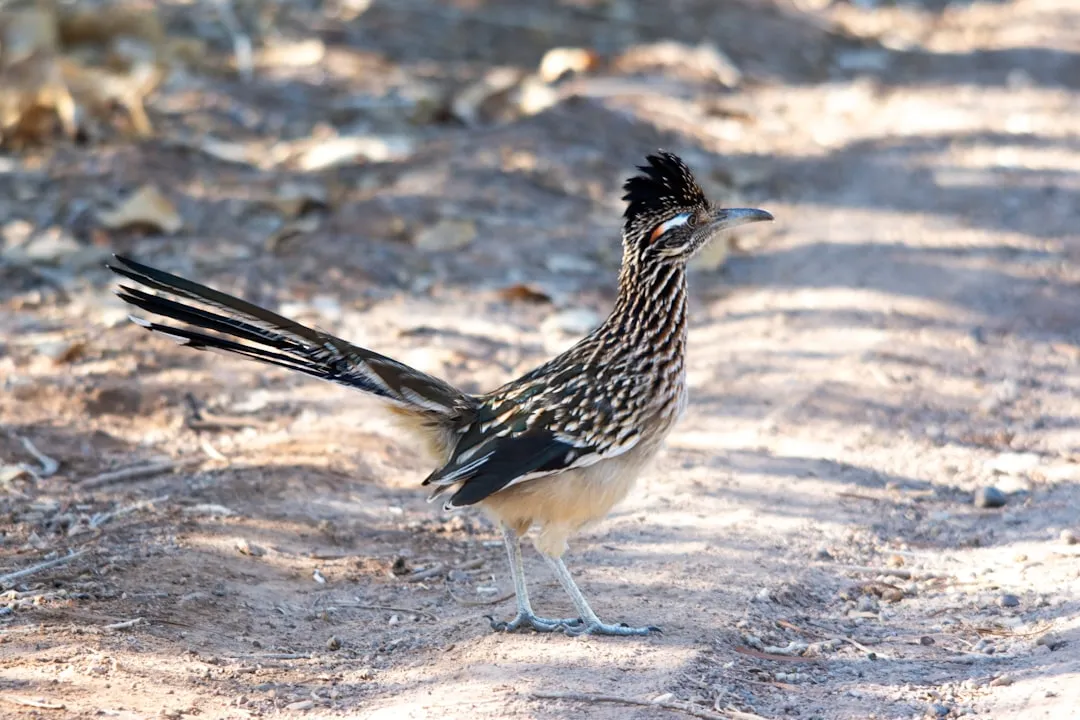
Roadrunners are territorial birds, often maintaining and defending specific areas. When they encounter intruders within their domain, they may pause to assess whether the newcomer is a rival, a potential mate, or a threat. This evaluation helps them decide whether to stand their ground, engage in defensive displays, or retreat.
During breeding seasons, this territorial assessment becomes even more pronounced, as roadrunners are particularly vigilant in protecting their nests and offspring from potential dangers.
Energy Conservation
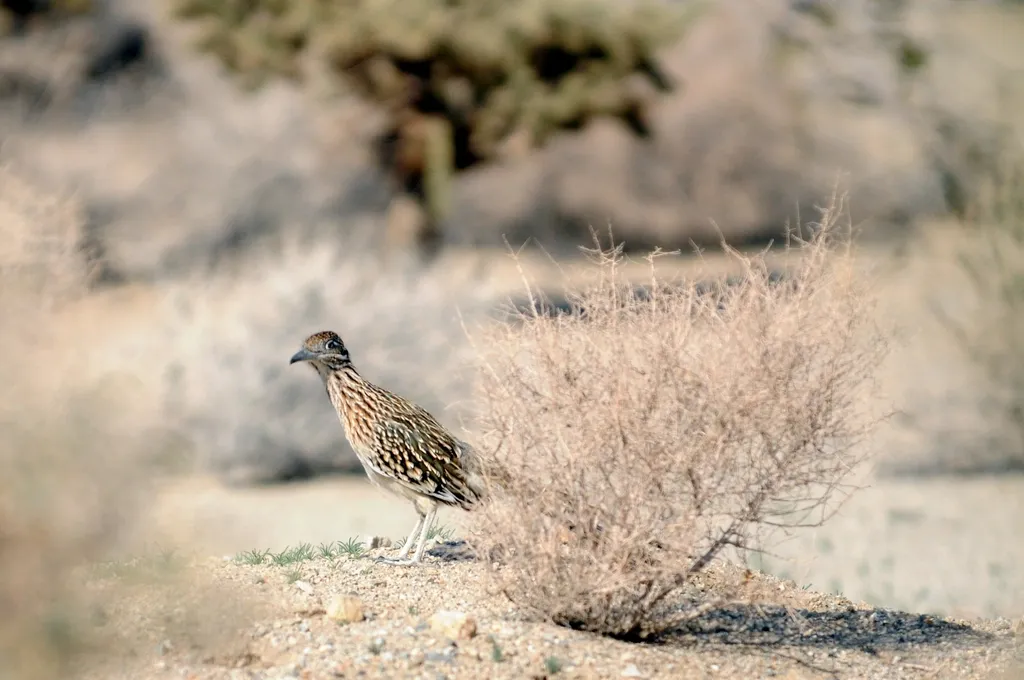
In the harsh desert environments they inhabit, conserving energy is crucial for roadrunners. By stopping to assess a situation, they avoid unnecessary exertion. If a perceived threat is deemed non-threatening, they can continue their activities without expending the energy required for a rapid escape.
This energy-efficient approach ensures that roadrunners remain agile and ready to respond when genuine threats arise, maintaining their stamina for essential survival activities like hunting and evading predators.
Camouflage and Stillness
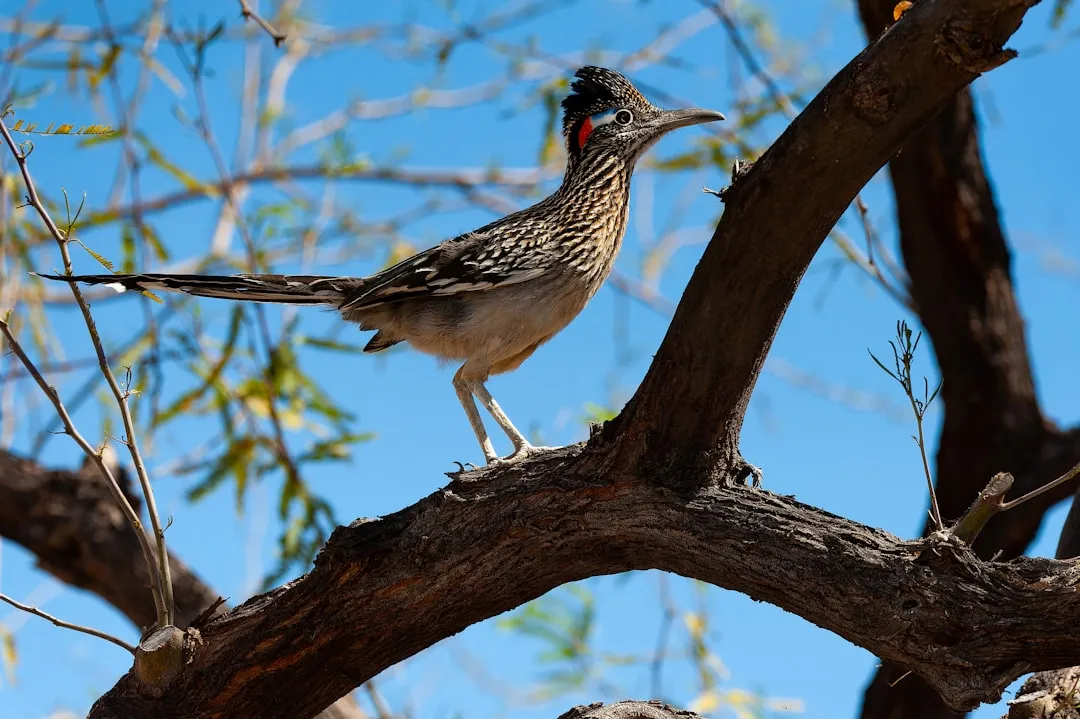
Roadrunners possess mottled brown and white plumage that blends seamlessly with their desert surroundings. When they stop and remain motionless, they become less visible to predators. This stillness, combined with their natural camouflage, allows them to observe their environment without drawing attention to themselves.
By freezing in place, roadrunners can monitor potential threats while minimizing the risk of detection, a tactic that enhances their chances of survival in the wild.
Communication Signals
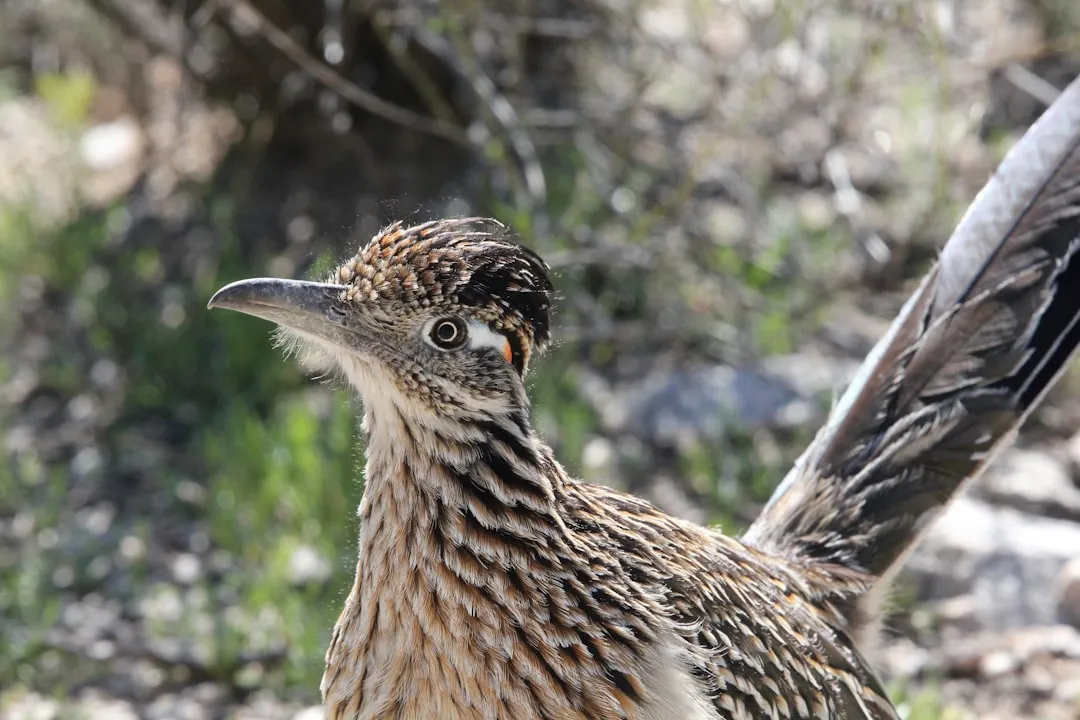
The act of stopping and staring can also serve as a form of communication among roadrunners. This behavior might signal alertness or caution to other roadrunners in the vicinity. By pausing and fixing their gaze, they can convey messages about potential dangers or changes in their environment.
Such non-vocal communication is vital in the wild, where quick and silent signals can mean the difference between safety and peril.
Adaptation to Human Presence
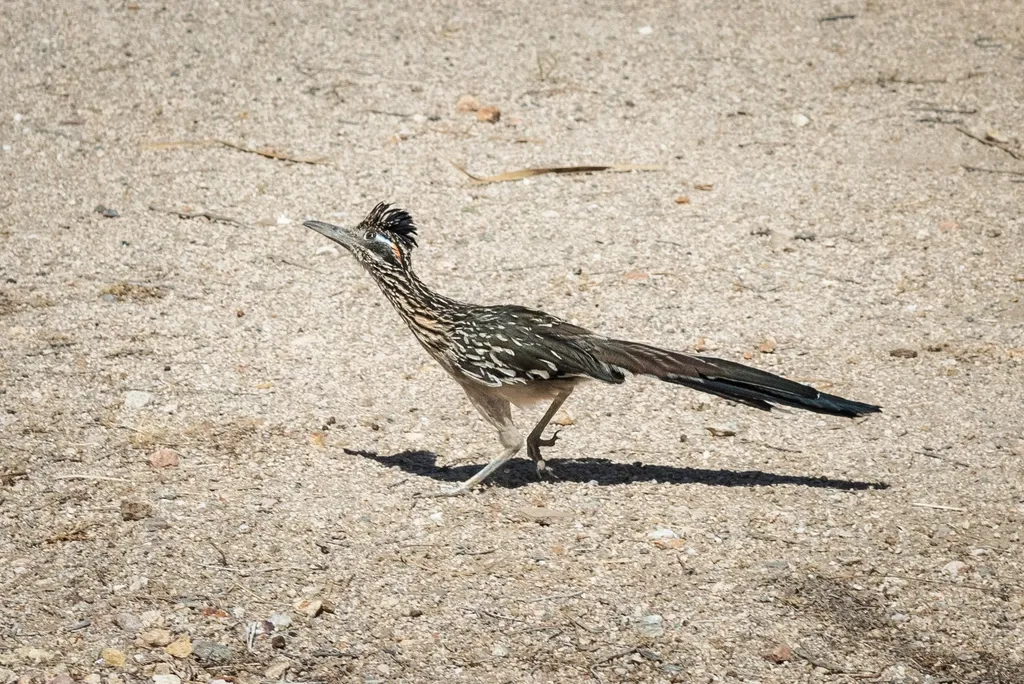
As human development encroaches upon natural habitats, roadrunners have adapted to coexist with people. Their tendency to stop and stare before running may be an adjustment to frequent human encounters. By assessing humans as non-threatening, they can continue to thrive in altered landscapes.
This adaptability showcases the roadrunner’s resilience and ability to navigate changing environments, ensuring their continued presence in both wild and suburban areas.
In conclusion, the roadrunner’s characteristic pause and stare before sprinting away is a multifaceted behavior rooted in survival instincts, curiosity, and adaptability. This brief moment of stillness is a testament to their intelligence and resourcefulness. So, the next time a roadrunner stops to gaze at you, consider it a fleeting connection between human and bird, a shared moment of mutual observation. What might they be thinking as they look back at you?

- Which Zodiac Signs Are Naturally Drawn to Ocean Animals - July 14, 2026
- The Most Playful Horse Breeds That Love Bonding With Humans - July 14, 2026
- 24 Things Nobody Tells You About Adopting a Dog in Your Sixties - July 14, 2026