
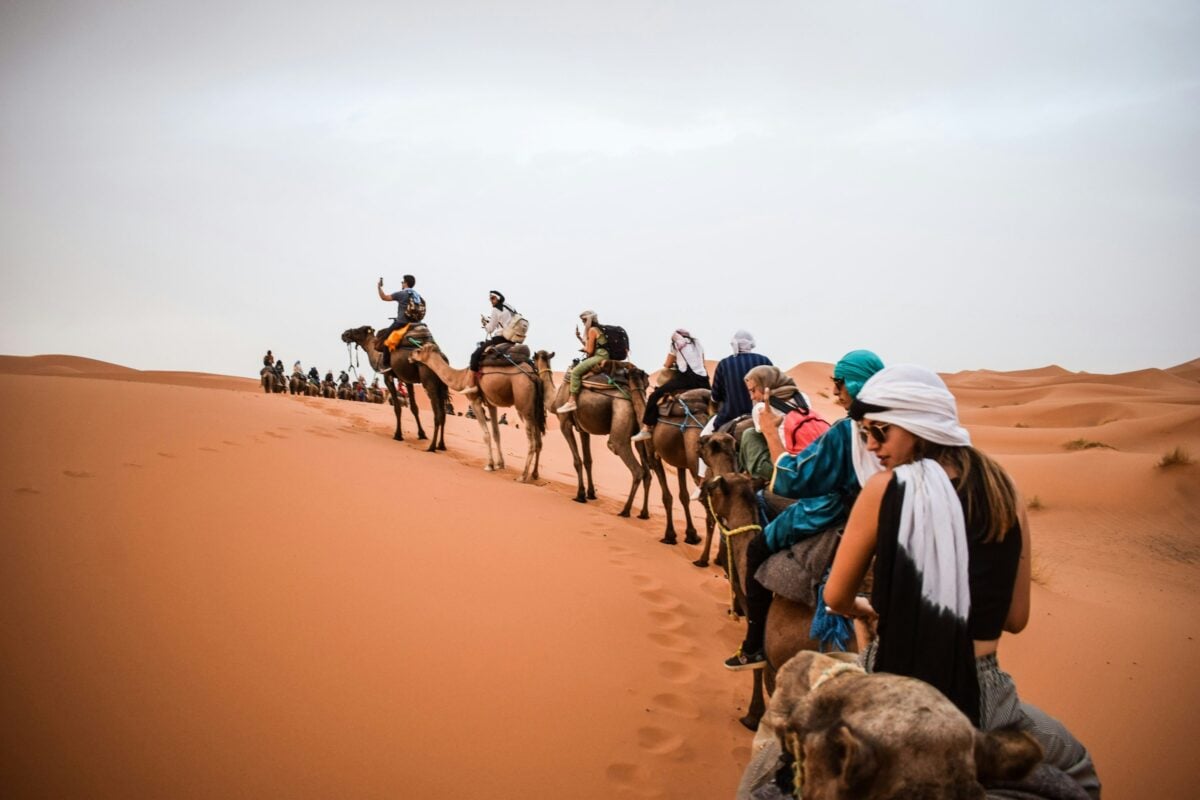
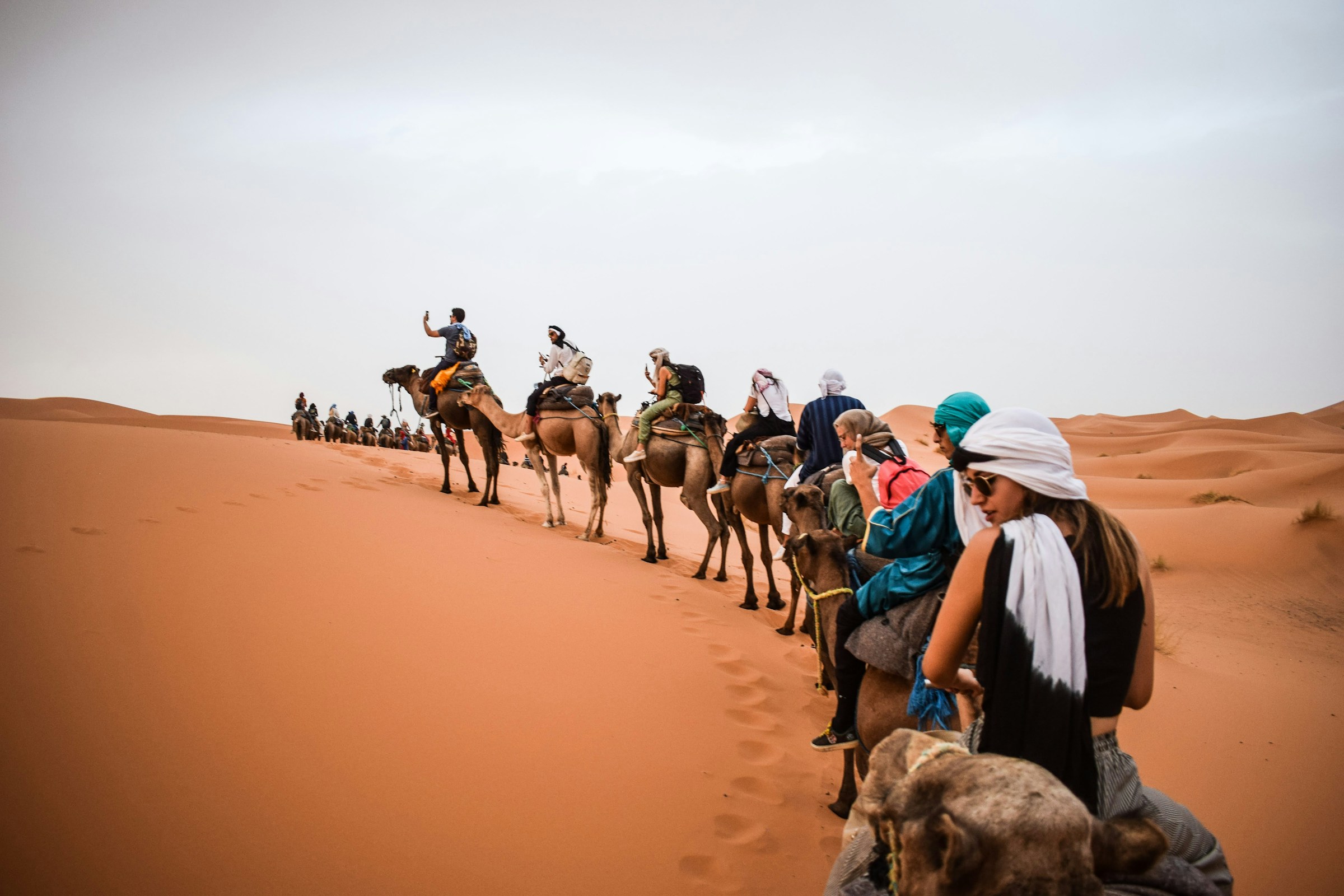
Imagine standing in the heart of the Sahara Desert, surrounded by endless dunes and scorching heat. Now, picture that same landscape transformed into a lush, green paradise teeming with life. It might sound like a scene from a fantasy novel, but this was the reality of the Sahara just 6,000 years ago. Even more astonishing, geologists predict that this vast desert will once again become a verdant expanse in about 12,000 years. Let’s delve into this captivating tale of nature’s cycles and the forces that drive such dramatic transformations.
The Green Sahara: A Forgotten Eden

Between approximately 11,000 and 5,000 years ago, the Sahara was unrecognizable from its current arid state. This period, known as the African Humid Period, saw the desert bloom into a savanna filled with grasslands, rivers, and lakes. Lush vegetation supported a diverse array of wildlife, including elephants, giraffes, and hippos. Ancient rock art found in regions like Tassili n’Ajjer in Algeria depicts these animals, providing a window into a time when the Sahara was a thriving ecosystem.
Orbital Wobbles: Earth’s Subtle Dance
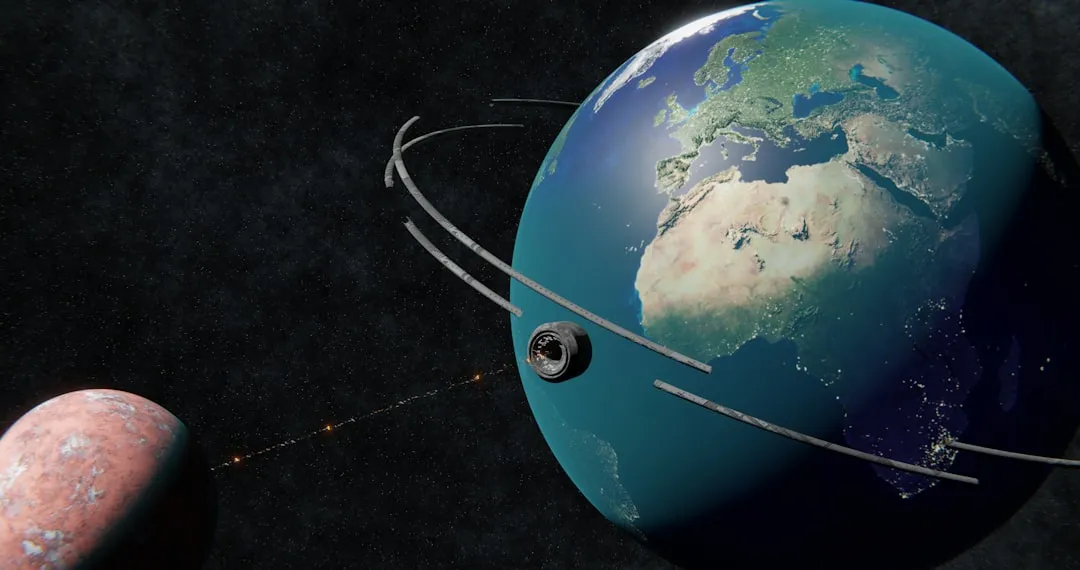
The transformation of the Sahara is closely linked to Earth’s orbital variations, particularly a phenomenon called precession. This slow wobble in Earth’s axis alters the distribution of solar energy, affecting climate patterns over millennia. During the African Humid Period, increased solar radiation in the Northern Hemisphere intensified the West African monsoon, drawing moisture deep into the Sahara and fostering its green landscape.
The Sudden Shift: From Lush to Barren
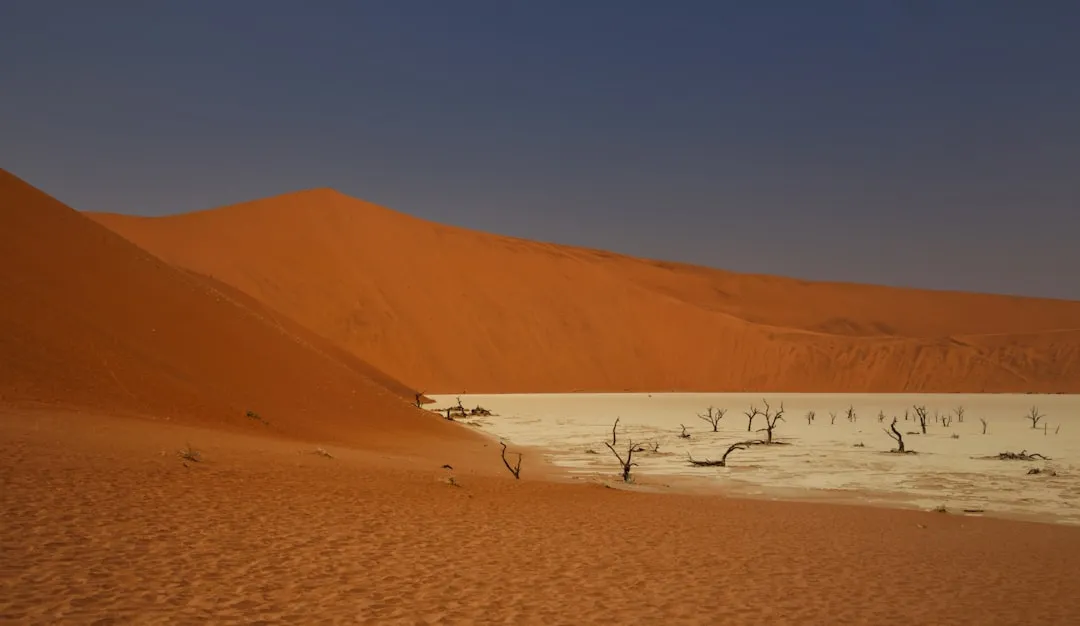
As Earth’s orbital parameters continued to evolve, the monsoon weakened, leading to a gradual decrease in rainfall. This shift initiated a feedback loop: as vegetation died off, the land reflected more sunlight, further reducing rainfall and accelerating desertification. Some studies suggest that this transition from a green Sahara to a desert occurred rapidly, possibly within a few centuries, highlighting the delicate balance of Earth’s climate systems.
Human Footprints: Life Amidst Change
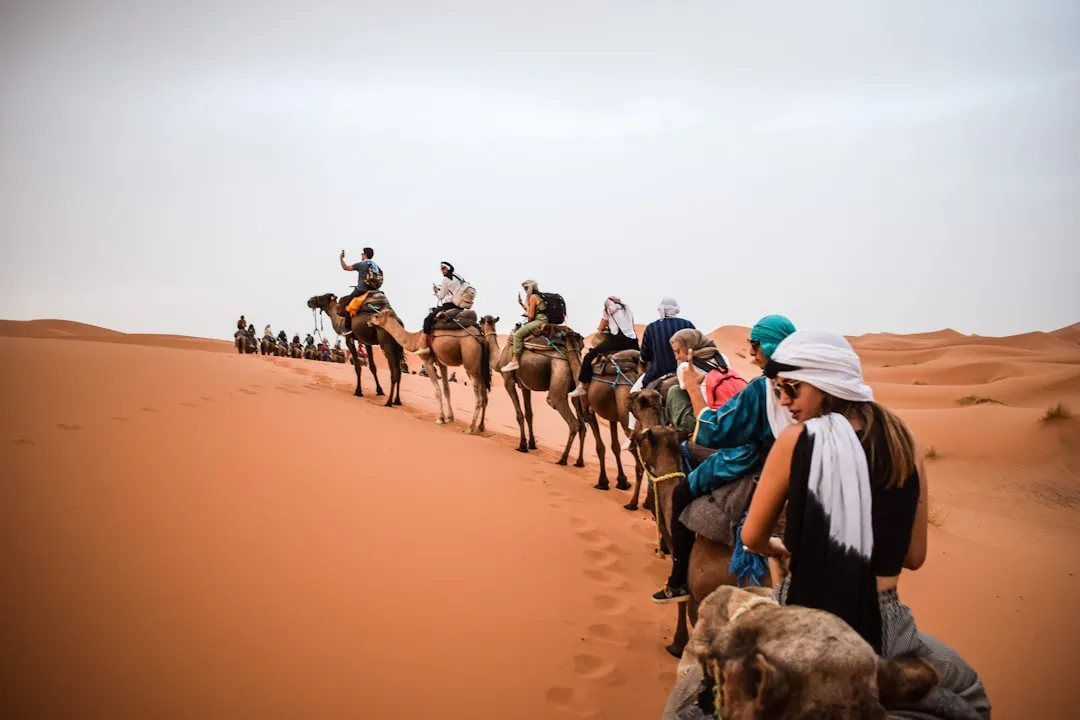
The Green Sahara was not only a haven for wildlife but also for human populations. Archaeological evidence indicates that hunter-gatherers thrived in this fertile region, leaving behind tools, pottery, and art. As the climate shifted and the Sahara became inhospitable, these communities migrated to more favorable areas, such as the Nile Valley, potentially contributing to the rise of ancient civilizations like Egypt.
Looking Ahead: The Sahara’s Future Transformation
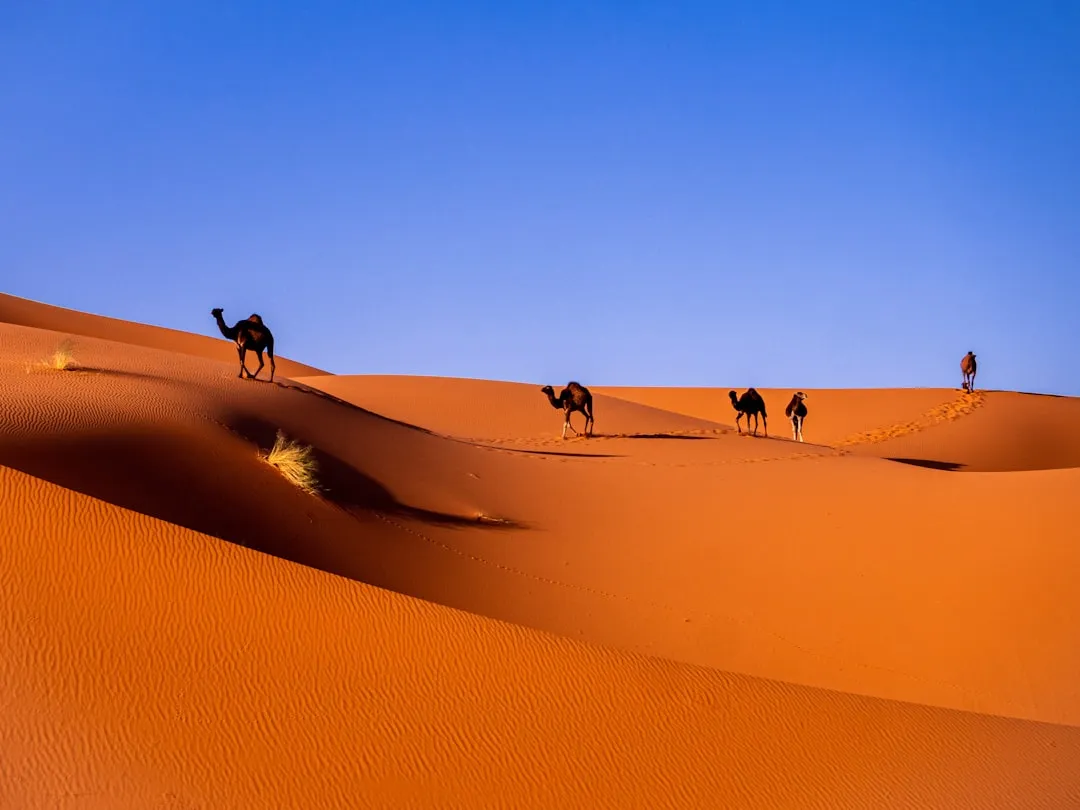
Geological records and climate models suggest that the Sahara undergoes these green and arid cycles approximately every 20,000 years, driven by Earth’s orbital changes. Given that the last green period ended around 5,000 years ago, it’s projected that the Sahara will revert to a lush landscape in about 12,000 years. However, human-induced climate change introduces uncertainties into this natural cycle, making precise predictions challenging.
Lessons from the Past: Understanding Climate Dynamics
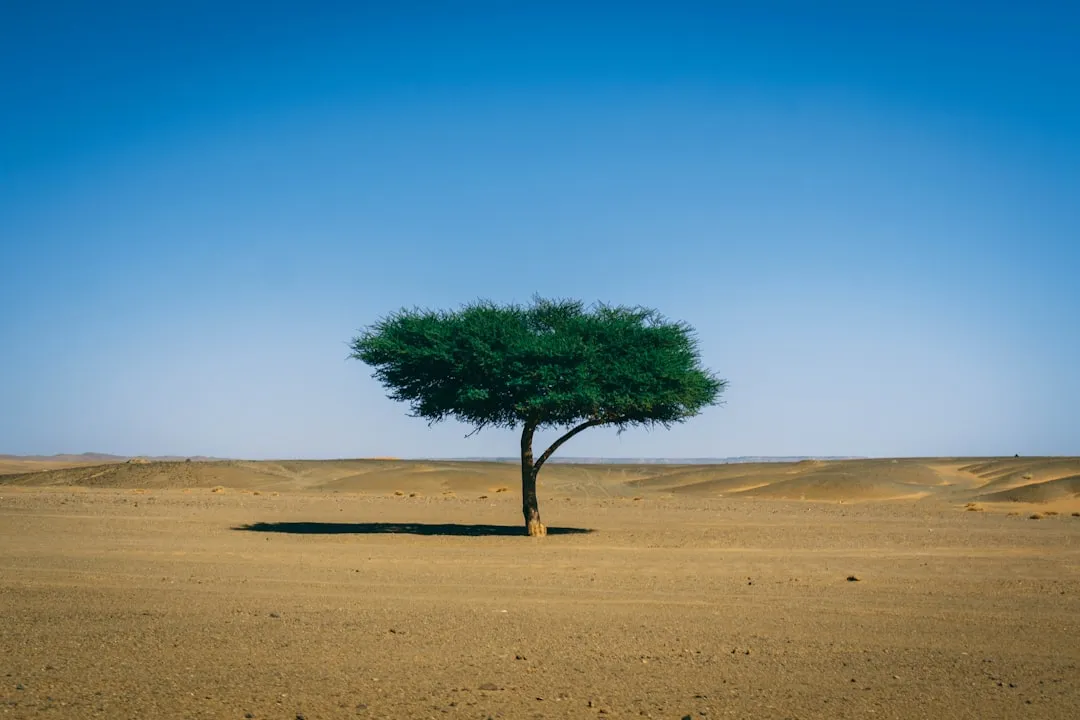
Studying the Sahara’s transformations offers valuable insights into climate dynamics and the interplay between natural forces and ecosystems. It underscores the importance of understanding Earth’s orbital mechanics and their profound impact on global climates. Moreover, it serves as a reminder of the resilience and adaptability of both nature and human societies in the face of environmental changes.
Embracing Earth’s Rhythms
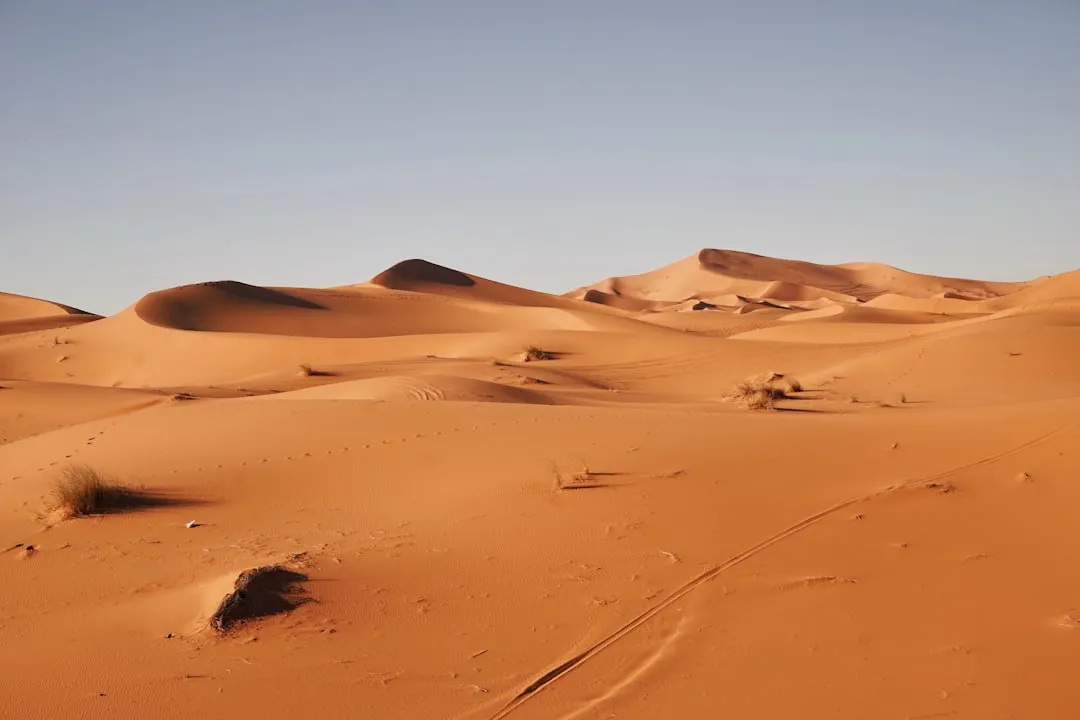
The story of the Sahara’s past and future transformations is a testament to the dynamic nature of our planet. It challenges us to think beyond human timescales and appreciate the intricate dance of celestial mechanics that shape our world. As we navigate the challenges of modern climate change, reflecting on these natural cycles can provide perspective and inspire a deeper respect for the forces that govern our environment.
Isn’t it fascinating to consider that the vast, arid Sahara we know today was once a thriving green landscape – and will be again in the distant future?
