
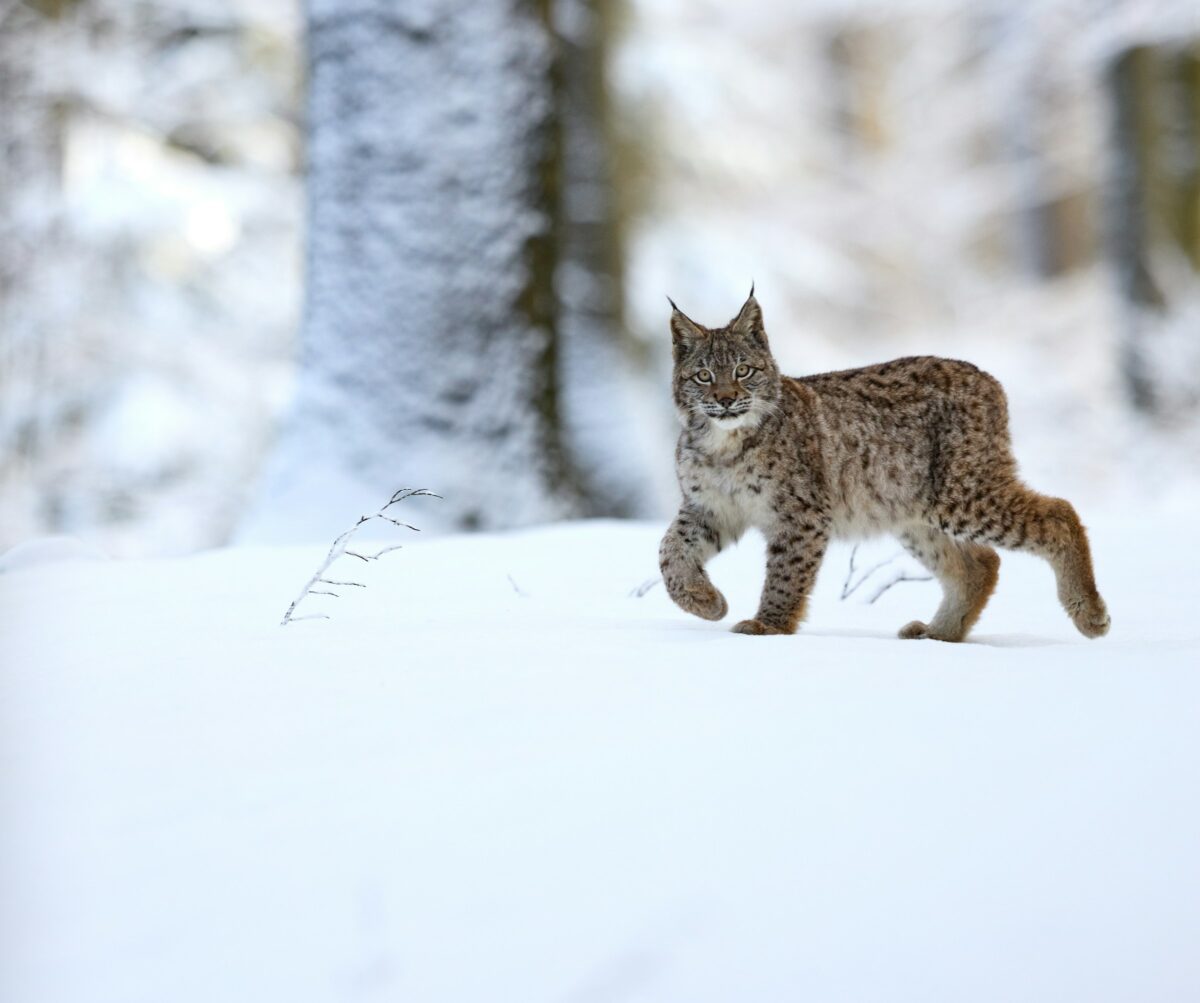
Imagine wandering through a serene, snow-covered forest, the silence only broken by the crunch of your footsteps. Suddenly, you notice a series of large, round paw prints trailing through the snow, yet the creature that made them remains unseen. This is the elusive signature of the lynx, a master of stealth and solitude. But what does it signify when a lynx leaves tracks without ever revealing itself?
The Silent Presence of the Lynx
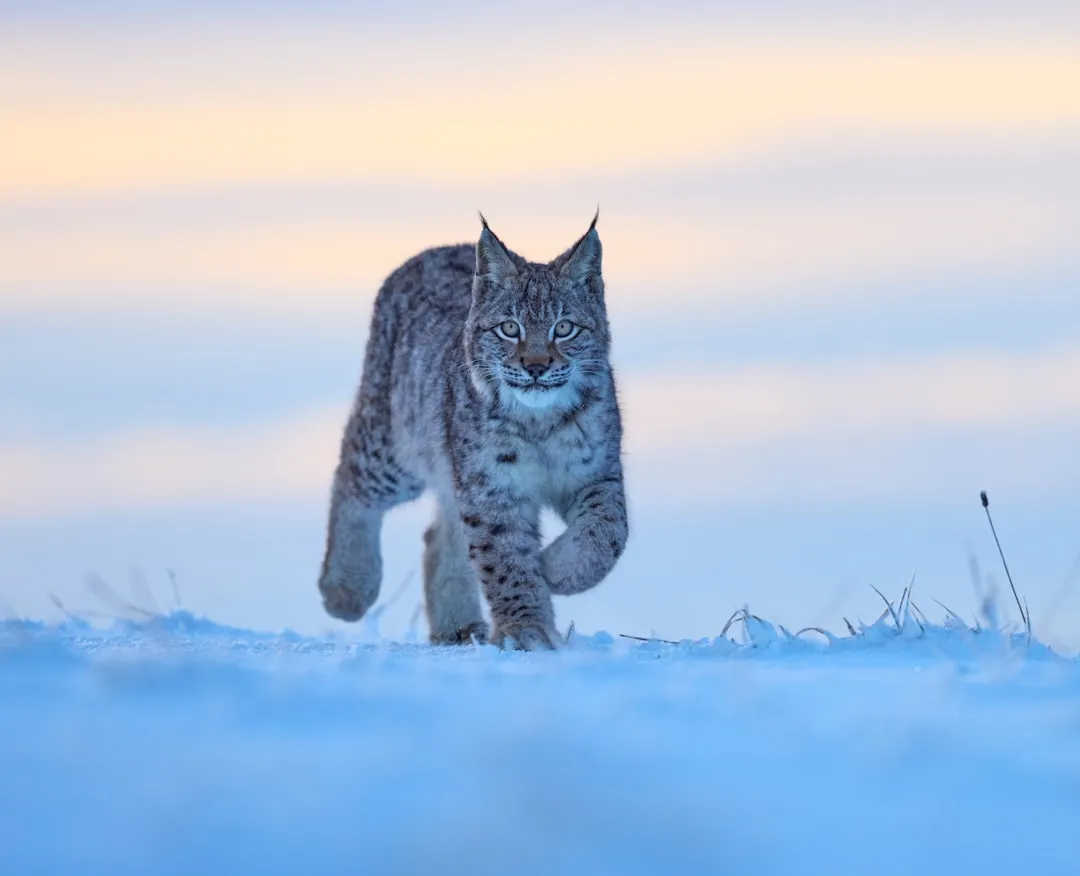
The lynx, with its tufted ears and thick fur, is a solitary and nocturnal predator, making it a rare sight for humans. Its ability to move silently and remain hidden is a testament to its evolutionary adaptations. The presence of its tracks indicates that, despite its invisibility, the lynx is actively patrolling its territory, hunting, and engaging in its daily routines.
These tracks serve as a reminder of the lynx’s role in the ecosystem. As a top predator, it helps control populations of prey species, maintaining a balance that is crucial for the health of its habitat. The unseen lynx is a guardian of the forest, its tracks a subtle sign of its watchful presence.
Deciphering Lynx Tracks
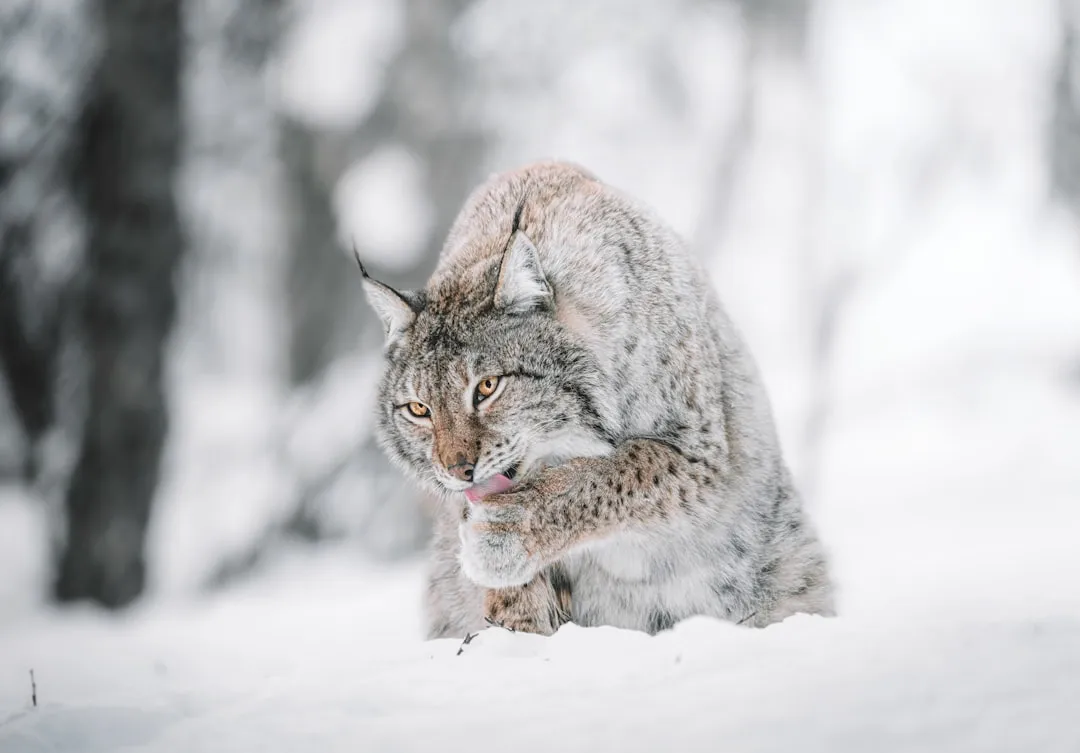
Identifying lynx tracks requires a keen eye. Typically, these prints are large and round, measuring approximately 7 to 9 centimeters in diameter. Unlike canines, lynx tracks usually lack visible claw marks due to their retractable claws. The front paws are notably larger than the hind ones, aiding in their silent movement through the snow.
The pattern of the tracks can also provide insights. Lynx often walk in a direct register gait, where the hind foot steps into the track left by the front foot on the same side. This efficient movement conserves energy and aids in stealth during hunting.
Environmental Clues and Behavior
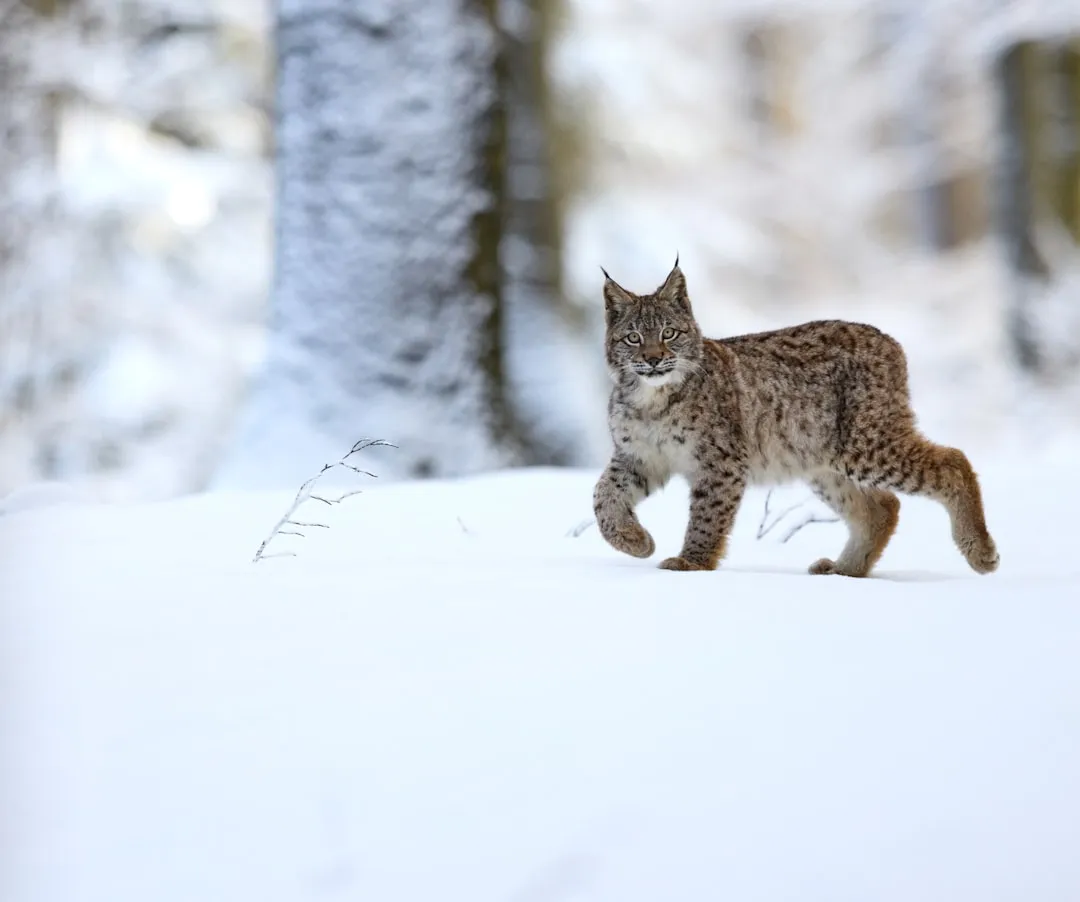
The appearance of lynx tracks can vary with environmental conditions. In fresh, powdery snow, the tracks may appear less defined, while in compacted snow, they become more distinct. Observing these variations can offer clues about recent weather patterns and the lynx’s adaptability.
Additionally, the location and direction of the tracks can reveal behavioral patterns. Tracks leading to dense thickets or rocky outcrops might indicate resting spots or dens, while those following a meandering path could suggest hunting behavior as the lynx stalks its prey.
The Lynx’s Elusive Nature
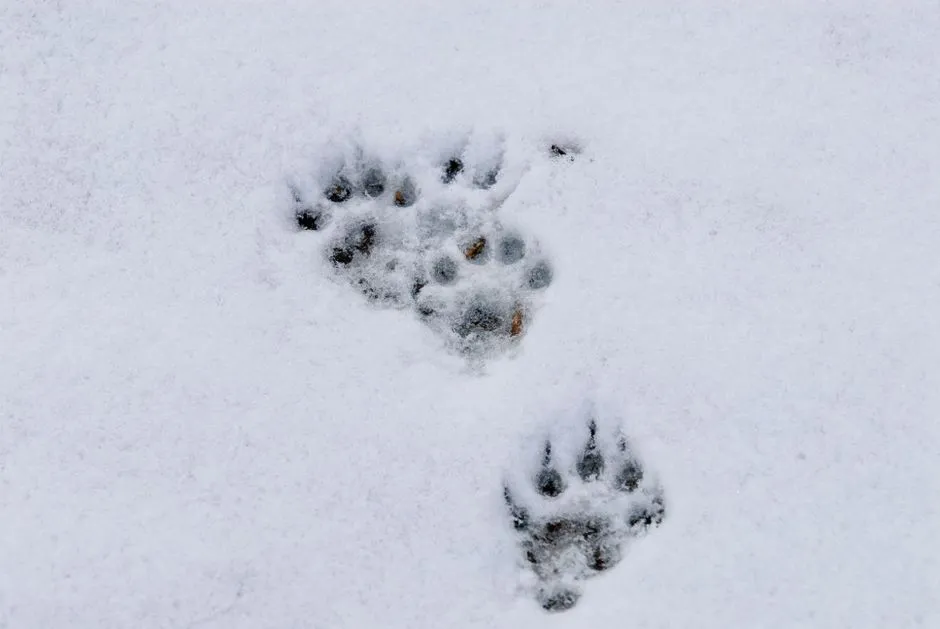
The lynx’s ability to leave tracks without being seen is a survival strategy honed over millennia. Its keen senses and cautious nature make it adept at avoiding potential threats, including humans. This elusive behavior ensures its safety and the continuation of its species.
For wildlife enthusiasts and researchers, the challenge of spotting a lynx adds to its mystique. The tracks become a puzzle, each print a piece leading to a deeper understanding of this secretive feline.
Conservation Implications
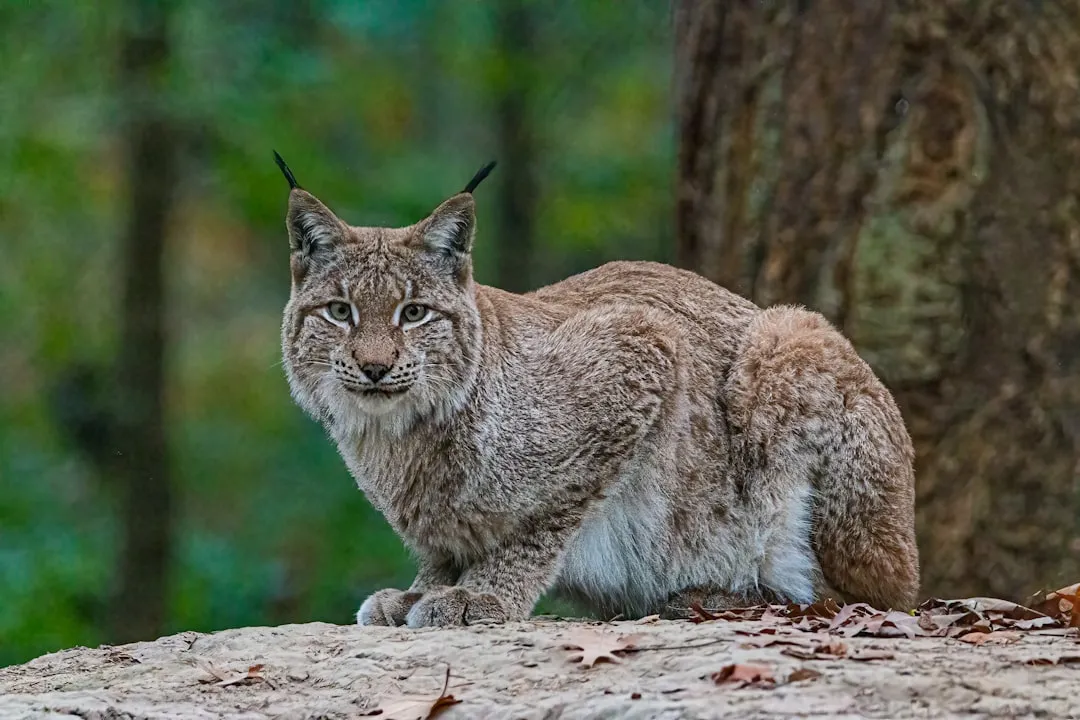
Monitoring lynx tracks is vital for conservation efforts. These signs provide data on population sizes, health, and distribution, informing strategies to protect their habitats. The absence of tracks in areas where lynx were once common can signal environmental changes or threats that need to be addressed.
By studying these tracks, conservationists can implement measures to ensure the lynx’s survival, such as habitat preservation and mitigating human-wildlife conflicts.
Human Encounters and Ethical Considerations
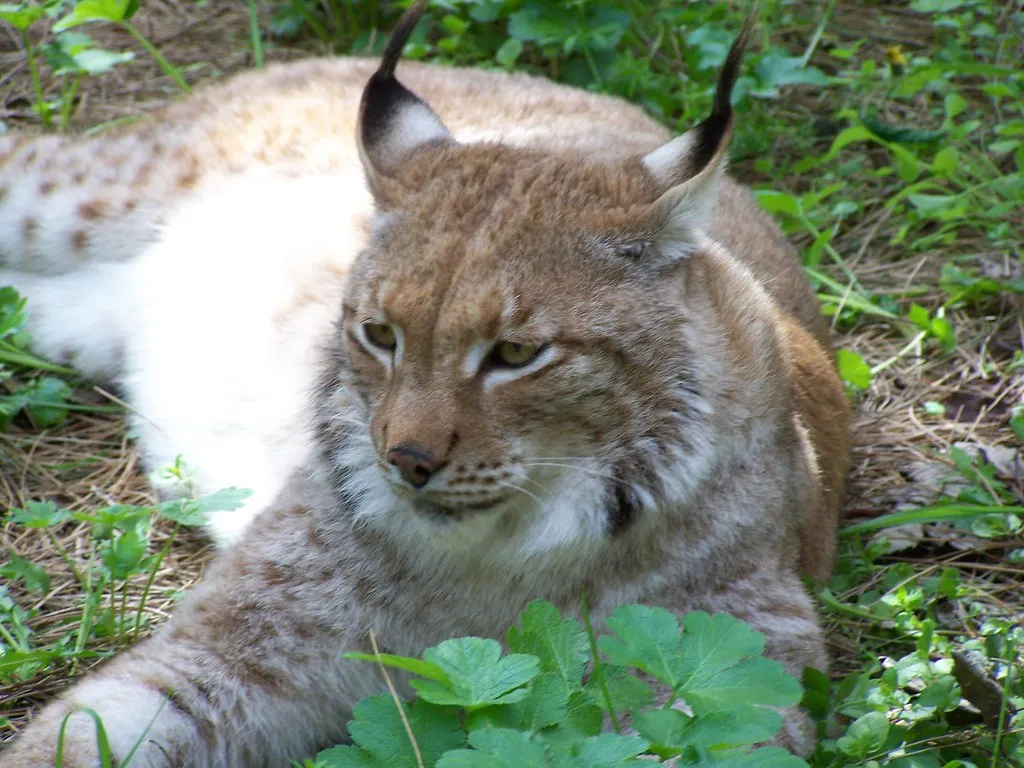
While the idea of encountering a lynx is thrilling, it’s essential to respect their space. If you come across lynx tracks, it’s best to observe from a distance and avoid disturbing the area. This respect ensures the lynx can continue its natural behaviors without undue stress.
Educating the public about the importance of lynx and their role in the ecosystem fosters coexistence and appreciation for these magnificent creatures.
Conclusion
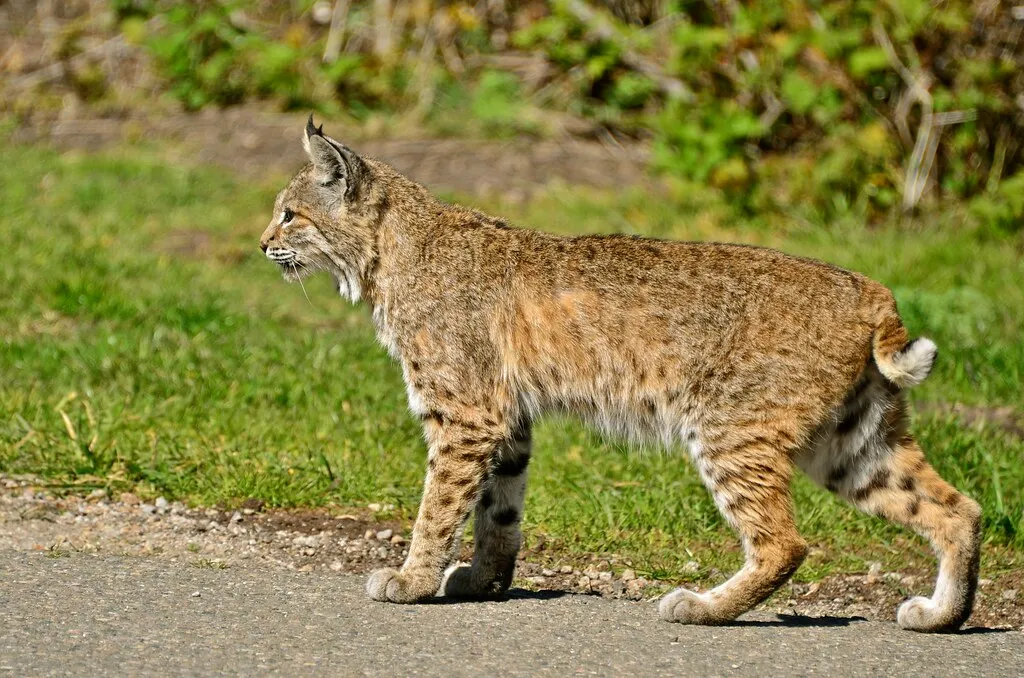
The silent tracks of a lynx are a testament to the wild’s enduring mysteries. They remind us of the unseen wonders that roam our forests and the delicate balance of nature. As we tread our paths, let’s remember to look down once in a while; who knows what stories the snow might tell?
Have you ever stumbled upon tracks that made you wonder about the unseen life around you?
