
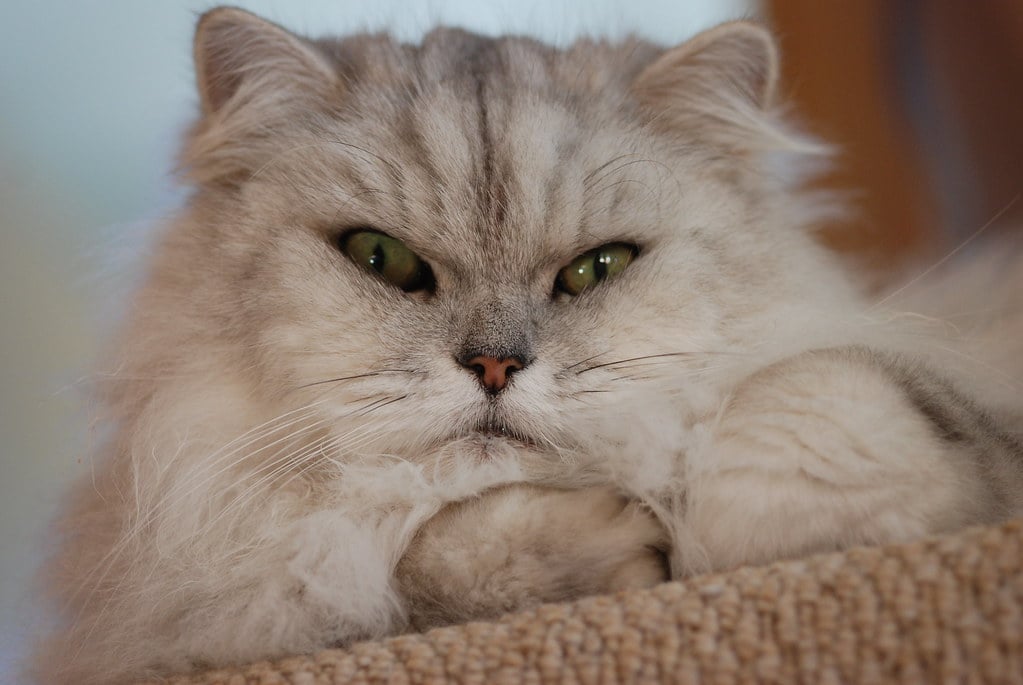
Ever caught your feline friend fixated on a blank wall, eyes wide, tail twitching, as if they’ve spotted something you can’t see? It’s a scene that leaves many cat owners scratching their heads. Are they seeing ghosts, or is there a more grounded explanation? Zoologists have delved into this peculiar behavior and identified three compelling theories, each shedding light on our cats’ mysterious wall-staring episodes.
Enhanced Sensory Perception: Seeing and Hearing the Unseen
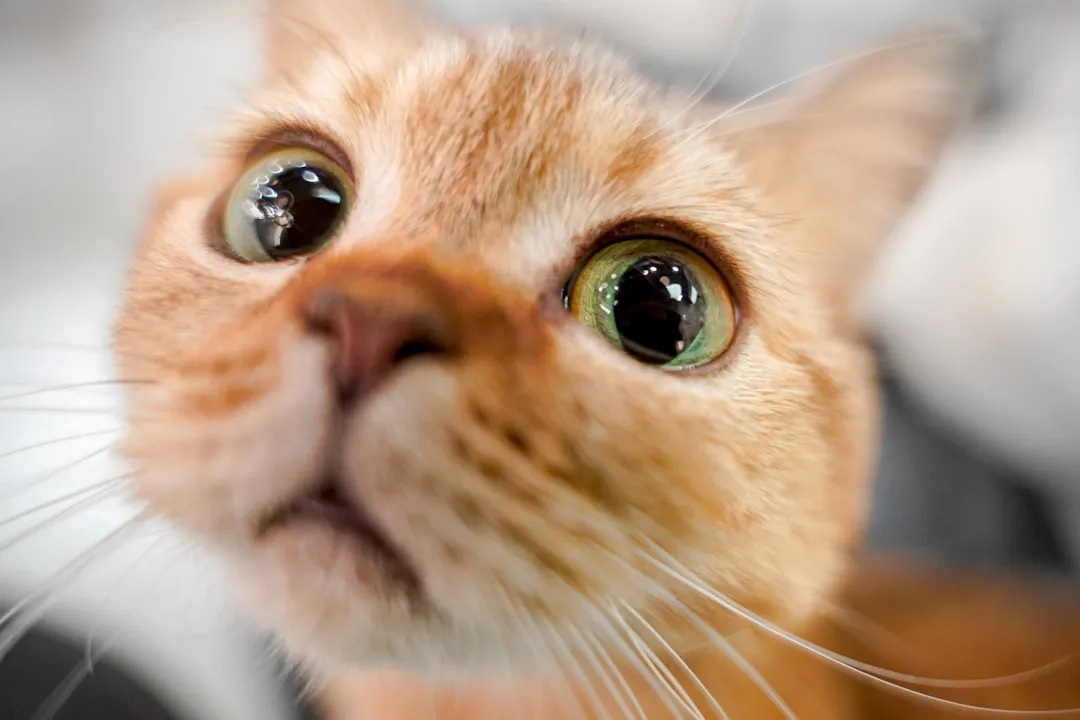
Cats are equipped with senses that far surpass our own. Their vision, for instance, allows them to detect movements and light spectrums invisible to the human eye. This means that while we see a plain wall, our cats might be tracking the subtle movements of tiny insects or the play of light and shadow that escape our notice.
Moreover, their hearing is exceptionally acute. Cats can pick up high-frequency sounds, such as the faint scurrying of rodents within walls or the buzzing of insects. So, when your cat is staring intently at a wall, they might be listening to something you can’t hear, fully engrossed in their own auditory world.
Instinctual Hunting Behavior: The Silent Stalkers
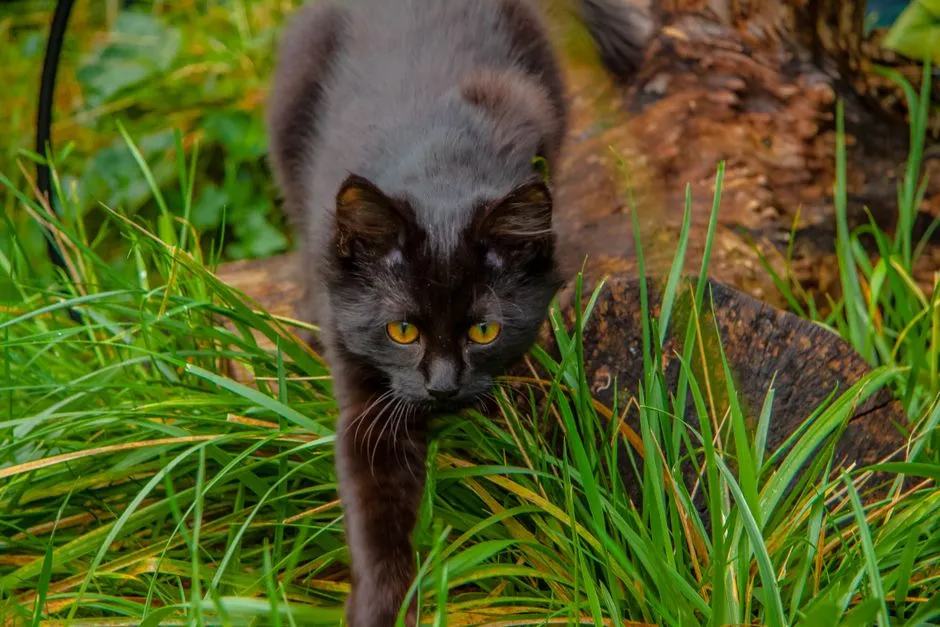
Despite their domestication, cats retain the instincts of their wild ancestors. Staring at a wall could be a manifestation of their predatory nature. They might be in a state of heightened alertness, sensing potential prey behind the wall, like a mouse or an insect, and are patiently waiting for the right moment to pounce.
This behavior is a testament to their innate hunting skills. Even in the comfort of our homes, cats are always on the lookout, ready to engage in the age-old dance of predator and prey, even if the prey is just a figment of their imagination or a tiny bug we can’t see.
Medical Concerns: When Staring Signals Something More
While often harmless, prolonged or frequent wall-staring can sometimes indicate underlying health issues. Conditions like Feline Cognitive Dysfunction Syndrome (FCDS), akin to dementia in humans, can cause disorientation and repetitive behaviors, including staring at walls. If your senior cat starts exhibiting this behavior, it’s advisable to consult a veterinarian.
Additionally, neurological issues or seizures can manifest as episodes of staring. If the wall-staring is accompanied by other symptoms like confusion, uncoordinated movements, or changes in behavior, seeking veterinary advice becomes crucial to rule out serious health concerns.
Conclusion
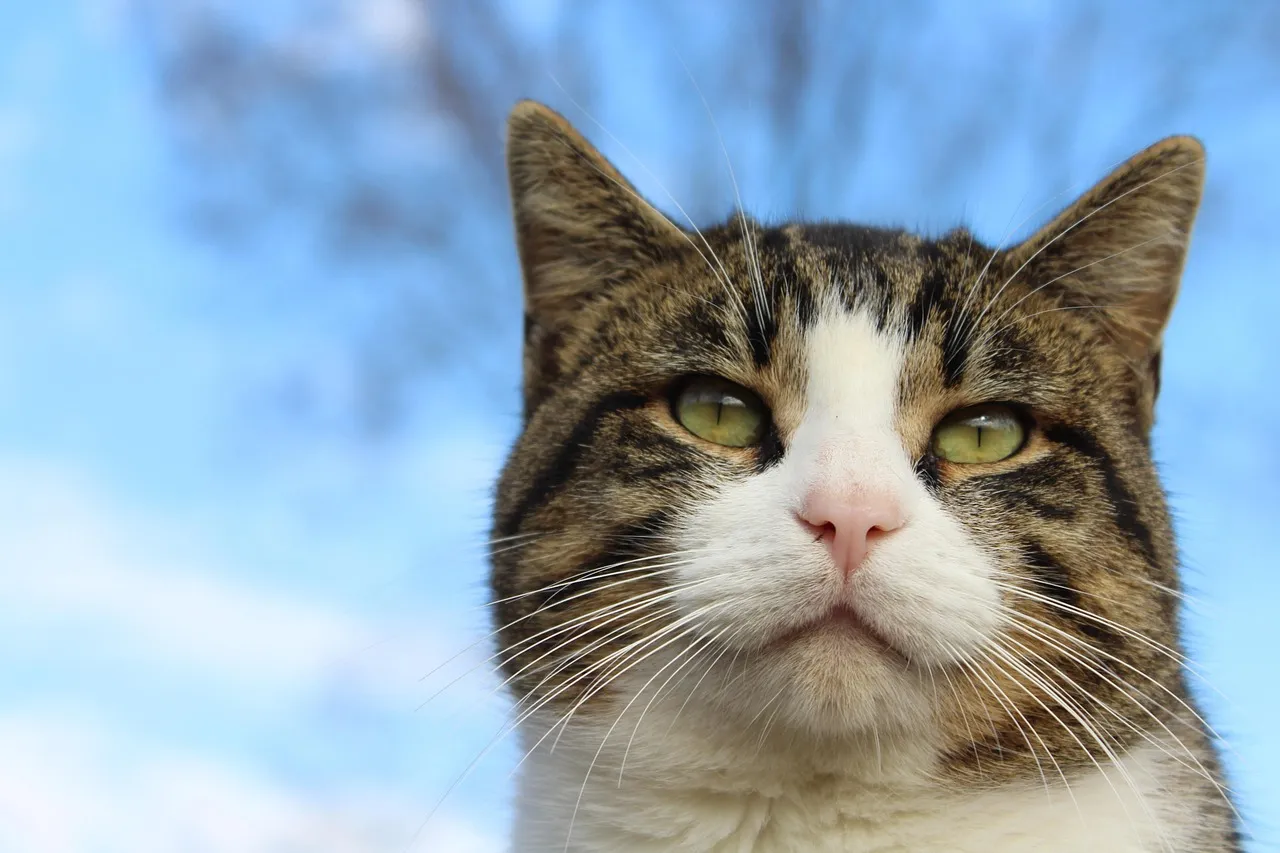
Our cats’ enigmatic wall-staring behavior is a blend of their extraordinary sensory abilities, deep-seated instincts, and, occasionally, health-related issues. While it’s often a harmless quirk, staying observant and understanding the context is key. After all, isn’t it fascinating how our feline companions continue to surprise and mystify us with their behaviors?

- Animal Science Says Ravens Solve Some Problems by Planning Several Steps Ahead - July 13, 2026
- Zoology Says the Reason Cats Stare at Walls Has Three Competing Scientific Explanations – and None of Them Has Been Ruled Out - July 13, 2026
- Animal Psychology Says Pigeons Recognize Hundreds of Individual Images Without Confusing Them - July 13, 2026